
For business owners in the beverage industry, understanding customer preferences is paramount. One such preference revolves around caffeine consumption, particularly in sports and hydration drinks. Gatorade Zero, a popular choice among consumers, is deliberately formulated to be caffeine-free, catering to a demographic that may be sensitive to stimulants or simply prefer to avoid them. This article will delve into the specifics of Gatorade Zero’s caffeine content, the health implications of being caffeine-free, a comparison of its caffeine levels with other sports drinks, and why this feature resonates so strongly with consumers. By the end, you’ll gain insights that could shape your product lineup and customer interactions.
Caffeine-Free by Design: Tracing the Truth Behind Gatorade Zero’s Stimulant-Free Promise
When people think about hydration during workouts, caffeine often enters the conversation as a potential amplifier of energy and focus. Yet not every sports drink is designed to deliver a caffeine boost. For those who want reliable hydration without stimulants, the question becomes straightforward: does this product contain caffeine? The answer, grounded in official product information, is clear. It does not. Gatorade Zero, which sits in the Zero Sugar family, is formulated to be both sugar-free and caffeine-free. This specific attribute makes it a sensible option for individuals who are sensitive to caffeine or who simply prefer to avoid stimulants entirely. The absence of caffeine is not a compromise on hydration or taste. Instead, it emphasizes a straightforward approach to replenishing fluids and electrolytes after exercise without adding anything that could complicate sleep, digestion, or nervous system responses. For anyone evaluating beverages through the lens of caffeine content, this is a meaningful distinction that can shape daily routines, training plans, and even late-evening hydration choices.
To understand why this matters on a practical level, consider the broader role of caffeine in beverages. Caffeine is a stimulant that can alter alertness, heart rate, and gastrointestinal comfort. Some athletes use caffeine strategically to improve focus or perceived endurance before or during workouts. Others may experience jitters, increased heart rate, or stomach discomfort that undermines performance. The decision to keep a drink caffeine-free hinges on balancing these potential effects with individual tolerance, the timing of practice or competition, and sleep quality. In this light, a caffeine-free hydration option becomes more than a label. It becomes a predictable tool that supports performance without the variability that caffeine can introduce into a training day or recovery period. The Zero Sugar line’s caffeine-free status thus aligns with athletes who prioritize consistency in hydration and physiological responses, regardless of the time of day or the nature of the workout.
What exactly does it mean for a flavor profile to thrive without caffeine? In the case of the Zero Sugar line, the emphasis lies on maintaining the familiar electrolyte balance that supports hydration while offering a refreshing taste experience. Flavor development in sugar-free, caffeine-free formulations focuses on delivering satisfaction through taste, texture, and mouthfeel rather than through a stimulant-driven lift. The Glacier Cherry option, among others in the line, demonstrates that flavor can be engaging and appealing without caffeine. This approach is important for consumers who want hydration that feels dependable during long sessions, intense intervals, or simple daily activities, without the need to manage caffeine intake alongside training goals. The result is a beverage that remains faithful to its core purpose—hydration and electrolyte replenishment—while ensuring that stimulant-related considerations stay out of the equation.
From a nutrition and physiology perspective, the caffeine-free design does not negate the importance of electrolytes. Electrolytes help regulate fluid balance, nerve signaling, and muscle contraction, all of which are essential during exercise. In a caffeine-free formulation, the electrolyte profile remains the primary driver of hydration quality. The absence of caffeine helps avoid any potential interactions with sleep patterns or pre-workout caffeine strategies, enabling athletes to reserve stimulants for other parts of their day if they choose. This separation—hydration support plus an optional separate caffeine plan—creates a flexible framework for planning meals, workouts, and recovery periods. For instance, on days when a training session is scheduled late in the evening, a caffeine-free option provides a reliable hydration source without risking sleep disruption, even for individuals who might otherwise rely on caffeine to get through a late workout.
The conversation around caffeine-free beverages often benefits from comparing how different drinks approach flavor, calories, and the timing of consumption. A caffeine-free option does not imply fewer calories or reduced hydration value. It typically preserves the same level of electrolytes, which are the key to effective rehydration during and after exertion. This consistency is essential for athletes who track their fluid and electrolyte intake as part of a structured training regimen. It also means that people who monitor their sugar intake can rely on a product that delivers hydration with zero added sugar, maintaining energy balance without introducing extra calories. In practice, that translates to a straightforward choice: hydrate well, stay within personal caffeine guidelines, and enjoy a flavor that remains appealing across multiple sessions and days.
For readers who like to situate this information within a wider landscape of beverage choices, it helps to recognize how caffeine content varies across popular drinks. The conversation about caffeine in beverages often hinges on context: the purpose of the drink, the timing of consumption, and individual tolerance. A useful reference point is the broader discussion of caffeine content in everyday beverages, including comparisons of caffeine levels in well-known non-coffee drinks. For those who want a concrete example to anchor their understanding, a linked examination of caffeine in Mountain Dew versus Coke provides a practical lens through which to view how different formulations balance caffeine, sugar, and flavor. This comparative perspective can help readers appreciate why a caffeine-free hydration option can be a deliberate, healthy component of a broader routine. See the article Caffeine in Mountain Dew vs Coke for a practical comparison. Caffeine in Mountain Dew vs Coke.
Integrating a caffeine-free option into a daily routine also means considering how it fits with other beverages and timing. If a person enjoys a morning coffee or an afternoon energy drink, having a caffeine-free hydration choice on hand can prevent caffeine from overlapping as plans evolve. The goal is to create a balanced approach that supports hydration needs without imposing a stimulant load when it isn’t necessary. For those who train at night or have a sleep-sensitive schedule, a caffeine-free option in between meals or after activity can be particularly advantageous. It provides the hydration support athletes rely on while removing the variable of caffeine that could otherwise affect rest or recovery. This is especially relevant in sports where digestion and comfort are as important as performance indicators; a caffeine-free drink simplifies the decision-making process and supports comfort and consistency.
Another important dimension is the cognitive and behavioral ease that comes with predictability. When a beverage is caffeine-free, the user is less likely to engage in anticipatory caffeine planning or worry about the timing of caffeine doses relative to workouts or late-day activities. That simplicity can reduce decision fatigue, especially on days packed with practices, meetings, and social commitments. In practice, a caffeine-free hydration option acts as a reliable undercurrent in a busy schedule. It stays present during warm-ups, cooldowns, and post-exercise routines, offering the same thirst-quenching experience and electrolyte benefit without introducing stimulants that could complicate sleep or recovery dynamics. The result is a steady, dependable hydration companion that supports performance, recovery, and overall well-being.
It is also helpful to acknowledge the limitations of the information that is publicly available. Product labels and official pages provide the most reliable guidance on caffeine content. If you want to verify the caffeine status of a specific flavor or formulation, consulting official product information is the best approach. In addition to relying on primary sources, readers may explore related discussions about caffeine content in beverages to build a broader understanding of how different products align with individual goals and daily rhythms. The broader context includes not just hydration and electrolytes, but how caffeine interacts with sleep quality, hydration strategies, and energy management over the course of a day. This broader lens underscores why a caffeine-free option can be a practical, well-considered choice for many people, whether they are athletes, students, or professionals who need steady hydration without stimulants.
For those who want to situate this within a wider ecosystem of hydration choices, the key takeaway remains straightforward: caffeine-free hydration can be a practical default in many routines. It supports exercise performance through hydration and electrolyte balance, while avoiding the variable effects of caffeine on sleep, digestion, and nervous system activity. The design intention behind the Zero Sugar line is reflected in the user experience—clear labeling, predictable taste, and a hydration-focused composition that does not rely on stimulants to achieve its primary function. This clarity helps readers feel confident about what they are consuming during workouts, at rest, and in daily life. The emphasis on a caffeine-free formulation is not simply a marketing promise; it is a deliberate design choice aimed at supporting consistent hydration and well-being across diverse lifestyles and training schedules.
For readers who want to verify the latest ingredient lists or explore flavor options, the official product pages provide current information and any updates to the formula. These sources remain the most reliable reference points for confirming the caffeine-free status and understanding how the Zero Sugar line fits into a broader hydration strategy. The takeaway is simple: if you are seeking a caffeine-free option that prioritizes hydration and electrolyte replenishment without added sugar, this line is designed to deliver. You can stay informed by visiting the brand’s official site for the most up-to-date specifications and flavor availability, ensuring your choices align with your caffeine preferences and your hydration goals. Officially, the product information confirms that caffeine is not part of the formulation, reinforcing its role as a caffeine-free option for those seeking a straightforward hydration choice.
External resource: https://www.gatorade.com
null
null
Caffeine-Free Hydration in Focus: How Gatorade Zero Sits in the Caffeine Landscape
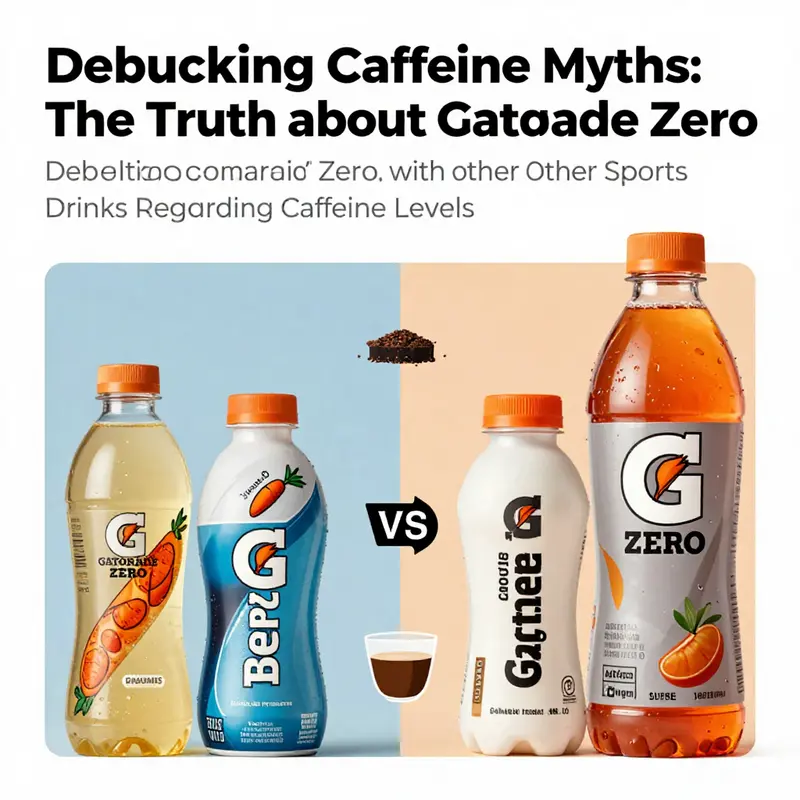
Does Gatorade Zero contain caffeine? For most readers, the straightforward answer is yes in the sense that many beverages tagged as energy-boosters do, but no for the sugar-free, caffeine-free formulation that is designed specifically for hydration rather than stimulation. Gatorade Zero is crafted to be sugar-free and caffeine-free, a combination that appeals to athletes and everyday exercisers who want a reliable electrolyte replacement without introducing stimulants into their routine. This combination is not incidental. It reflects a deliberate positioning in a field crowded with beverages that aim to wake, amp up, or extend endurance through caffeine and other stimulants. When you look at the broader landscape of sports and hydration drinks, Gatorade Zero’s zero-sugar, zero-caffeine profile becomes a defining feature rather than a mere footnote. It is a product designed to balance palatability and performance support—electrolyte delivery with a clean label—without the unpredictable effects of caffeine on appetite, sleep, or anxiety for those who are sensitive or who train at times when caffeine might not be desirable.
In the realm of hydration-focused beverages, caffeine is often the presumptive hallmark of energy and alertness. Consumer expectations have shifted as more athletes seek to distinguish hydration from stimulation. A number of marketing narratives have blurred that line, with drinks marketed as performance aids touting caffeine as a selling point. Yet, not every hydration beverage contains caffeine, and not every caffeine-containing beverage is ideal for every training scenario. Gatorade Zero sits squarely in the category of hydration first, with the added benefit of no sugar to weigh down the profile. This distinction matters because it addresses two concerns that often drive beverage choices: how the drink supports fluid balance during exertion and how it fits into personal tolerance for stimulants. For athletes who are managing sleep quality, anxiety, or jitteriness, a caffeine-free option can be a practical, predictable ally during workouts that start early, end late, or demand consistent focus across long sessions.
When we compare Gatorade Zero to other popular sports drinks, the lineup reveals a spectrum rather than a single standard. Some drinks in the same family as Gatorade Quenchers—alternatives to the zero-sugar variants—offer no caffeine but come with sugar as part of their electrolyte delivery. The caffeine question, in many cases, boils down to whether the drink is designed to hydrate or to energize. Within this spectrum, Gatorade Zero’s zero-sugar formulation is the differentiator. It means you can opt for a hydration solution that minimizes carbohydrate intake while still supplying sodium and potassium to support fluid balance and sweat losses. This is not merely a marketing hook; it translates into tangible differences in how the product behaves in the mouth and in the gut, how quickly it is absorbed, and how long it sustains preference and intake during a session.
To place Gatorade Zero in context, consider its immediate peers within the same family. Some formulations marketed for hydration provide electrolytes and flavor, yet rely on sugar to provide energy and palatability. The presence or absence of caffeine in these products can influence how athletes time their consumption. A zero-caffeine beverage reduces the risk of interference with sleep on night-before competition regimens or late-evening workouts. It also helps those who experience caffeine rebound effects—where a coffee-like crash or anxiety after caffeine intake can undermine performance quality or recovery. In contrast, caffeine-containing beverages can offer a perceived edge for some workouts by increasing alertness and perceived endurance. However, caffeine can also introduce variability. Some athletes respond well, while others experience stomach discomfort, increased heart rate, or disrupted sleep if consumed late in the day. Gatorade Zero sidesteps these issues entirely by staying caffeine-free, offering a stable hydration tool that can be consumed at any point in a training day without the stimulatory baggage that some athletes prefer to avoid.
The broader conversation around caffeine and sports drinks often includes products that intentionally combine caffeine with electrolytes. There are beverages labeled as power-and-hydration hybrids, and there are energy-focused drinks that blur the line between hydration and caffeinated performance aids. In these products, caffeine levels can range widely—from modest individual servings to potent boosts that rival or exceed a small cup of coffee. The presence of caffeine in such products is not inherently problematic; it simply means the drink is not purely a hydration product but rather a hybrid that targets both rehydration and stimulants. For athletes who need a caffeine lift, these beverages can be appealing. For those who require a purely hydrating solution without stimulants, they are not the natural choice. Gatorade Zero, in its pure form, stays away from that hybrid territory, ensuring consistency and predictability across sessions.
Within this landscape, the explicit caffeine-free stance of Gatorade Zero offers a particular value proposition: it is a reliable option for athletes who train at times that demand steady hydration and minimal cognitive or physiological disruption. Early morning sessions, for instance, often require careful consideration of how caffeine might affect sleep later in the day, as well as how it might affect stomach comfort during the workout. For people managing anxiety or sleep issues, avoiding stimulants is a clear advantage. The absence of caffeine in Gatorade Zero means athletes can focus on hydration and electrolyte replacement without monitoring for stimulant-related side effects. This is not to say that caffeine-containing drinks do not have their place; rather, it underscores that the sport-hydration market is broad enough to accommodate varied preferences and tolerances.
From a nutritional standpoint, the zero-sugar attribute of Gatorade Zero is not just a palatability choice. It aligns with broader health goals that many athletes and regular exercisers adopt, such as managing daily carbohydrate intake or reducing sugar consumption for overall health reasons. For those who track macronutrients or follow specific dietary patterns, zero-sugar formulations simplify planning and reduce the chance of inadvertently consuming sugars that could influence energy balance or gastrointestinal comfort during extended training blocks. The combination of zero sugar and zero caffeine makes Gatorade Zero a straightforward option for those who want hydration with electrolytes but without sugar or stimulants—two variables that can complicate performance and recovery routines.
Of course, understanding the actual caffeine content in any drink also requires attention to the source and labeling. Where caffeine shows up in beverage categories, it is typically listed in milligrams per serving, and the context around serving size matters. Some drinks may declare no caffeine at all, while others specify a precise amount. In the case of Gatorade Zero, the official product information confirms that the beverage is formulated to be caffeine-free, which means there is no added caffeine per standard serving. This clarity is particularly valuable for athletes who need to manage caffeine intake with surgical precision—those who are tracking caffeine consumption for sleep, anxiety, or medical considerations. When comparing to other drinks in the same footprint, the absence of caffeine in Gatorade Zero becomes a deciding factor for many consumers who prioritize a clean, predictable hydration solution over performance-caffeine blends.
This comparison also invites a consideration of taste and mouthfeel, which often play a larger role in beverage choice than caffeine alone. The zero-sugar design does more than spare calories; it can influence body sensations during exercise. Sugar can sometimes slow gastric emptying or cause a quick rise and fall in energy that feels disruptive in the middle of a workout. In a zero-sugar beverage, those dynamics shift, offering a smoother, more predictable hydration experience for some athletes. The electrolyte composition remains tailored to support sweat losses, with sodium and potassium helping to maintain fluid balance and muscle function during activity. For athletes who want to stay properly hydrated without introducing sugars that could contribute to gastrointestinal load or energy fluctuations, Gatorade Zero presents a practical, efficient option.
To broaden the practical picture, it can be helpful to acknowledge the kinds of scenarios where a caffeinated drink might be preferred, and how Gatorade Zero fits alongside those scenarios. If an athlete trains later in the day and needs a mental edge, a caffeinated beverage designed for endurance could be appealing. Conversely, if the goal is to maximize relaxation and sleep quality after a tough session, avoiding caffeine altogether becomes a sensible choice. Gatorade Zero gives athletes a reliable hydration baseline that can be freely combined with other caffeine-containing sources, or not, depending on individual needs and timing. In many cases, a well-structured daily routine might separate hydration needs from stimulant intake, ensuring that neither compromises the other. When the workout is the focus, hydration and electrolytes can stand on their own merit, with caffeine chosen as a separate tool that may be used selectively.
An informed consumer also considers the availability and messaging of products. In official communications, Gatorade positions Zero as a sugar-free, caffeine-free option that supports hydration through electrolytes. This clarity helps athletes choose based on personal health goals and training demands, rather than chasing a perceived performance edge through stimulants. For those curious about how caffeine interacts with hydration responses in real-world settings, the landscape includes a range of beverages that deliver caffeine with varying electrolyte profiles, but the core principle remains that caffeine is not a universal enhancer for everyone. The safest takeaway is to understand how your body responds to caffeine and to select hydration options that align with your training schedule and recovery plan. If your aim is to minimize stimulant intake while ensuring electrolyte replacement, Gatorade Zero is a straightforward, dependable choice.
For readers who want a broader reference on caffeine in beverages beyond the hydration aisle, there is value in looking at cross-category comparisons. A practical way to frame this is to consider how caffeine behaves in beverages that are not marketed as hydration drinks but are consumed in similar contexts. A relatively common comparison is between caffeinated soft drinks or energy drinks and hydration-focused products. The caffeine content in those beverages can vary dramatically, as can the way caffeine interacts with other ingredients like sugars, flavors, and electrolytes. While such comparisons are informative, they also underscore the importance of matching the beverage to the goal: rehydration with electrolytes and zero caffeine for those who want to avoid stimulants, versus caffeine-containing formulations that aim to support alertness or perceived endurance. In this sense, Gatorade Zero becomes a reference point for a caffeine-free hydration baseline that can be relied upon when the training objective centers on fluid balance and recovery rather than stimulant-driven performance cues.
As readers navigate these choices, it can be helpful to consider personal preferences beyond caffeine: taste, texture, and how the drink sits in the stomach. Sugar-free does not automatically guarantee that a beverage is the most agreeable option for every stomach, yet many athletes report that zero-sugar formulations feel lighter and easier to tolerate over long sessions. The electrolyte balance remains a key feature, ensuring that the drink fulfills the primary function of supporting hydration during sweating. In practice, the decision to choose a caffeine-free, zero-sugar option often hinges on individual priorities—sleep quality, anxiety levels, time of day, and how one wants to manage energy levels across a training day. Gatorade Zero’s presence in this space helps athletes implement a consistent hydration strategy without introducing stimulants that could complicate recovery, sleep, or overall rhythm.
For readers who want to explore related ideas about how caffeine interacts with beverage choices in daily life, a broader lens on caffeine across drinks can be instructive. The linked resource provides a perspective on how caffeine content varies across popular beverages and how those choices align with personal goals, whether for focus, energy, or simple hydration. Integrating that understanding with the specific, well-documented profile of Gatorade Zero can empower readers to curate a hydration plan that suits their training schedule and lifestyle. This is the kind of practical calibration that helps athletes stay focused on performance and recovery without surprises from stimulants or sugar.
In sum, the caffeine content story for Gatorade Zero is clear: it is caffeine-free. This makes it a dependable option for those who want to hydrate and replace electrolytes without introducing stimulants into their routine. When stacked against other beverages that offer caffeine or that carry sugar, Gatorade Zero presents a crisp, predictable profile that many athletes find preferable for early-morning sessions, tight competition schedules, or days when sleep and anxiety considerations are a priority. The larger takeaway is not simply a comparison of caffeine content. It is an invitation to think about hydration as a strategic tool that can be tuned to support performance, recovery, and daily well-being. A caffeine-free, zero-sugar option becomes part of a broader toolkit that helps athletes sustain fluid balance, maintain electrolyte status, and minimize potential discomfort or sleep disruption that stimulants may cause. This is the core relevance of the chapter’s focus: understanding where Gatorade Zero sits in relation to caffeinated and non-caffeinated options, and what that means for practical usage in training and everyday life.
External resource for further context: https://www.gatorade.com/en-us/products/gatorade-zero
Internal reference for broader beverage discussions: Caffeine in Mountain Dew vs Coke
Caffeine-Free by Design: Why a Zero-Sugar, Zero-Caffeine Hydration Option Resonates with Modern Consumers
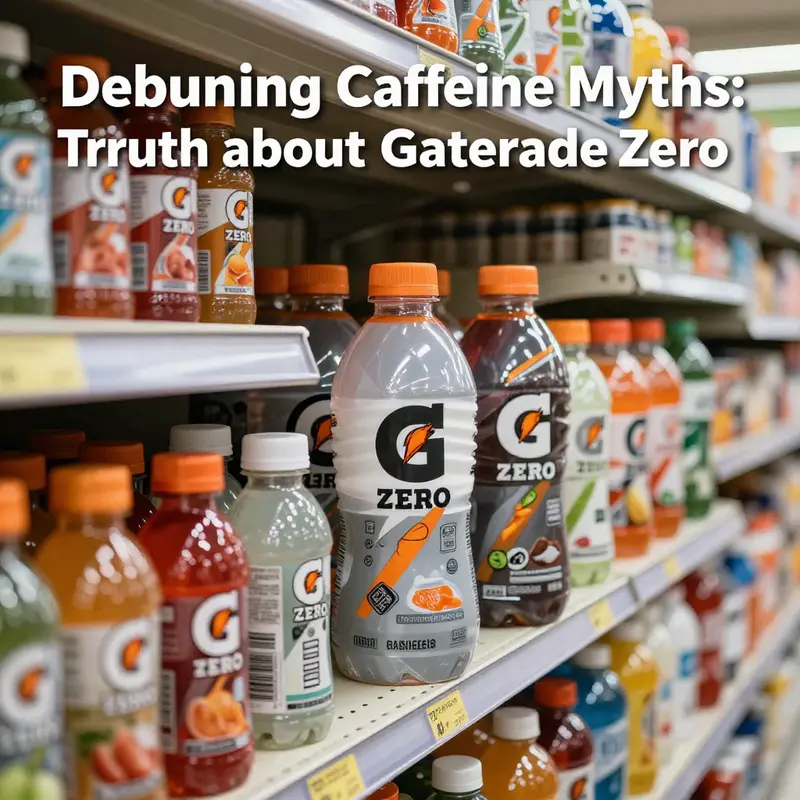
A hydration product that aligns with both health ambitions and daily rhythms can shift how people think about what they drink between workouts, at work, and before sleep. In the current landscape of wellness, beverages are increasingly judged not just by what they deliver in the moment but by how well they fit into a broader lifestyle of mindful choices. The rise of zero-sugar, caffeine-free hydration options speaks to a consumer sensibility that values clarity, control, and consistency. It is not merely a matter of taste or performance; it is about introducing a reliable hydration partner that respects the demands of modern life. For many, this means a product designed to replenish fluids and electrolytes without adding stimulants or calories that could complicate sleep, digestion, or daily routines. The result is a preference shift that places simplicity and predictability at the center of how people hydrate when they train, work, or unwind.
At the heart of this shift is a straightforward proposition: hydration should support function without introducing unintended accelerants. Caffeine has become a fixture in many beverages, celebrated for its wakefulness-boosting properties, yet it also carries a spectrum of potential downsides for certain individuals. Some athletes worry about jitteriness during high-intensity efforts; others seek to avoid caffeine altogether to prevent sleep disturbances, particularly on days with long workouts or late-evening sessions. Then there are people with caffeine sensitivity or with medical considerations, such as hypertension, who prefer to minimize stimulant intake. The appeal of a zero-sugar, caffeine-free option is not about shunning energy or performance but about offering a steady, predictable hydration experience that doesn’t amplify anxiety, arousal, or sleep disruption. It is a design principle as much as a formula: build a beverage that hydrates, replenishes electrolytes, and tastes appealing while staying clear of ingredients that could complicate daily life.
The consumer mindset driving this design is anchored in transparency and label integrity. In recent years, shoppers have grown more intentional about what they put in their bodies. They read labels closely, seek out recognizable ingredients, and prize brands that communicate exactly what is in the bottle and what is not. The sugar-free aspect speaks directly to caloric awareness and metabolic considerations, while the caffeine-free attribute addresses a different axis of wellness—restful sleep, calm energy, and digestive comfort. When a product emphasizes zero sugar alongside zero caffeine, it signals a commitment to a certain kind of simplicity. That simplicity is, paradoxically, not passive; it is a careful balancing act between flavor, mouthfeel, electrolyte content, and the absence of stimulants. The result is an option that can be integrated seamlessly into a broad spectrum of daily activities—from a post-workout cooldown to a long desk shift to an evening training block—without forcing a change in routine to accommodate a stimulating ingredient.
In this context, the flavor strategy matters as much as the formulation. A zero-sugar, caffeine-free drink must still deliver on taste, because hydration is a sensory as well as physiological experience. The market responds with a slate of flavors that aim to satisfy taste preferences across athletes, casual exercisers, and those who simply enjoy a refreshing sip on a long day. The choice of a glacier-cherry or other bright, crisp profiles reflects an intent to make a caffeine-free option feel as satisfying as its caffeinated peers. When a flavor is both familiar and refreshing, it lowers the barrier to consumption at any hour. A well-executed flavor profile reduces the perceived compromise of forgoing sugar and caffeine, replacing it with a dependable, clean-tasting hydration experience. This alignment between formulation and flavor is essential because it reinforces the idea that a product can be both health-forward and pleasurable, a combination that increasingly defines consumer expectations in a crowded liquid landscape.
For consumers who are mindful of their overall stimulant load, a caffeine-free hydration option also offers practical advantages that extend beyond immediate taste and energy considerations. It becomes a reliable pick for workouts slated in the morning or late afternoon when caffeine might otherwise interact with personal circadian rhythms. It becomes a steady companion during long workdays when a person wants to stay hydrated and focused without the jittery edge that caffeine can sometimes provoke. It even becomes relevant for people who manage conditions that can be sensitive to stimulants or for those who simply wish to minimize all stimulant exposure at night. In effect, this is not a niche feature; it is a broad-based value proposition that speaks to a wide audience seeking balance rather than a quick, stimulant-driven lift.
The appeal extends further to the broader wellness movement around clean labels and mindful consumption. Modern shoppers are increasingly suspicious of hidden ingredients and ambiguous marketing claims. They tend to reward products that make explicit commitments—no added sugars, no caffeine, clear electrolyte profiles, and straightforward ingredient lists. Zero-sugar and zero-caffeine offerings meet this demand head-on. They provide a platform for trust: if you can see exactly what’s not in the bottle, you can feel more confident about what is in it and how it will behave in your day. This transparency is not merely a fashion in the marketplace; it translates into repeat purchases and brand loyalty. Consumers who value reliability in their hydration—whether they are elite athletes, weekend warriors, busy parents, or professionals who push through long days—tend to gravitate toward options that deliver consistent performance without introducing variability from stimulants. That consistency is a powerful driver of preference, especially in a product category where subtle differences in flavor, texture, or electrolytic balance can influence the choice to reach for one bottle over another.
From a practical standpoint, the zero-sugar, caffeine-free formula reduces cognitive load for the user. It removes the need to calculate the timing of caffeine intake, the potential caffeine-to-sleep balance equation, or the worry about how a drink might interact with a daily caffeine habit. This is a form of behavioral design: a product that respects and preserves a user’s established routines. It allows individuals to hydrate during workouts without worrying about the stimulant spillover into evening activities; it enables hydration during a workday without adding extra calories or disrupting a targeted nutrition plan; it even invites late-day use for those who want to rehydrate after training without compromising sleep quality. The effect is subtle but powerful: consumers perceive greater control over their hydration choices, and that perceived control translates into greater willingness to choose the product in a crowded market.
The broader market response to this design ethos is evident in how suppliers position their offerings within the sports drink category. Hydration is no longer a single function—electrolyte replenishment, taste, and metabolic compatibility now compete for equal attention with caffeine management and sugar content. Brands that foreground a caffeine-free option in a way that feels credible and well-rounded—backed by clear labeling, a thoughtful flavor portfolio, and an electrolyte profile tuned to performance needs—stand to gain traction with a diverse user base. This is particularly true for athletes who train at various times of day, for people who monitor cardiovascular or metabolic health, and for those who simply want to maintain consistent hydration without the stimulants often associated with energy beverages. In all these cases, the absence of caffeine becomes a meaningful differentiator, not just a footnote in a product specification.
Distinct from other beverage categories, zero-sugar, caffeine-free hydration also signals a broader intent on the part of the brand to support mindful consumption patterns. It invites a conversation about how hydration fits into a daily regimen that may include multiple beverages and multiple sources of nutrients. In an era of label transparency, a product that clearly communicates what it excludes helps consumers build a coherent dietary narrative—one in which hydration remains a steady, dependable practice rather than a source of variability or anxiety. That narrative is reinforced by the product’s emphasis on being sugar-free and caffeine-free, which aligns with wellness trends that emphasize clean ingredients, minimal processing, and a straightforward caloric footprint. The cumulative effect is a product that does more than quench thirst; it reinforces a lifestyle choice that values predictability, balance, and respect for one’s body’s natural rhythms.
Within the consumer segments that dominate the conversation around hydration—athletes, fitness enthusiasts, and individuals managing health conditions or caffeine sensitivities—the zero-sugar, zero-caffeine option holds particular appeal. For athletes, it offers a reliable hydration foundation without the potential interference of caffeine, which can be a double-edged sword in competition contexts where sleep quality and nervous system arousal matter. For fitness enthusiasts who train at varying times, it provides a flexible hydration partner that supports electrolytes and fluid balance without imposing a stimulant schedule. For people managing hypertension or digestive concerns, it removes a potential barrier to consistent hydration, removing stimulant-related concerns from the equation altogether. Finally, for those simply looking to reduce stimulant intake, the product becomes a natural part of a broader approach to limiting caffeine across the day. Across these groups, the unifying thread is a preference for hydration that feels safe, predictable, and aligned with a broader wellness framework rather than a single performance cue.
In keeping with the trend toward transparent, straightforward product storytelling, brands often pair the zero-sugar, zero-caffeine narrative with accessible educational content. They explain what electrolytes are included, why they matter, and how the formulation supports hydration in real-world scenarios—from endurance training to long shifts at work. This educational component helps demystify what might seem like a simple choice and reframes it as an informed decision about daily hydration strategy. When consumers hear a clear message about what a beverage does and does not contain, they are more likely to view it as a durable component of their routine rather than a temporary convenience. The cumulative effect is that caffeine-free hydration options become part of a broader culture of health-forward decision making, shaping preferences not only for athletes but for anyone who seeks reliable, non-stimulating refreshment during their day.
As readers navigate these ideas, they may encounter a spectrum of related beverages and lifestyle considerations. Some turn to caffeine-free options as a complement to coffee or tea, choosing to diversify their hydration portfolio rather than replace their entire caffeinated routine. Others look to non-caffeinated alternatives for late-evening hydration after workouts, opting to avoid stimulants while still honoring habit and ritual. The conversation expands when people see how a caffeine-free option fits into a wider ecosystem of beverages that reflect personal values around health, taste, and convenience. The resulting consumer behavior is less about a single purchase and more about a pattern of choices that reinforce a particular approach to daily hydration. In this way, the caffeine-free feature becomes more than a product attribute; it becomes a driver of preferences that shapes how people think about hydration across contexts and occasions.
For readers who want to explore related ideas about non-caffeinated beverage alternatives, there is value in looking beyond the sports-drink category. A broader view of caffeine-free options in everyday life can illuminate how people balance flavor, function, and stimulant exposure in a variety of contexts. Resources that map non-coffee beverage choices at popular venues offer a useful starting point to understand consumer experimentation with caffeine-free hydration and flavor profiles. As one illustrative example, a guide to non-coffee drinks at a popular coffeehouse chain highlights a range of options that can satisfy thirst and taste without caffeine. This cross-category perspective helps explain why a zero-sugar, caffeine-free hydration option can feel especially relevant in a consumer’s daily repertoire, bridging workouts, workdays, and evenings with a common thread of simplicity and reliability.
In sum, the caffeine-free, zero-sugar design embodies a broader movement toward hydration solutions that respect complex daily lives. It recognizes that people drink for a mix of reasons—thirst, performance, appetite control, sleep quality, and sensory pleasure. By removing caffeine and sugar, the option becomes a versatile tool that can be used across time zones, schedules, and personal rhythms without forcing a trade-off between taste and wellness. It invites consumers to place hydration at the center of a balanced routine rather than treating it as a peripheral consideration tethered to energy boosts. And by doing so, it helps redefine what a hydration product can represent in a market where choices abound and expectations continue to evolve.
External resource: https://www.gatorade.com/products/gatorade-zero
12 Best Non-Coffee Drinks at Starbucks
Final thoughts
Gatorade Zero stands out in the competitive sports drink market as a caffeine-free option, appealing to health-conscious consumers and those sensitive to stimulants. Understanding the implications of its caffeine-free formulation is vital for business owners looking to cater to evolving customer preferences. As consumers increasingly prioritize health and wellness, offering products like Gatorade Zero can enhance customer satisfaction and loyalty. By embracing this trend, businesses can align their offerings with the desires of today’s consumers, paving the way for successful market strategies.