

Understanding the caffeine content in Arnold Palmer drinks is crucial for business owners catering to diverse customer preferences. As the popularity of these beverages continues to rise, so does the need for clarity on their ingredients, particularly caffeine. This article dissects various Arnold Palmer variants, comparing caffeinated and caffeine-free options, alongside their health implications. We will also investigate market availability and delve into consumer preferences, providing insights that can guide business owners in product selection and marketing strategies. By the end, you’ll be equipped with essential knowledge to make informed decisions about integrating Arnold Palmers into your offerings.
Brewing the Truth: Do Arnold Palmers Carry Caffeine Across Variants

Curiosity often trails behind the ice and lemon when people reach for an Arnold Palmer. The drink’s appeal lies in its balance of tea’s earthiness and lemon’s brightness, but caffeine content is not a fixed feature of the beverage as a whole. Instead, caffeine visibility depends on the specific variant you choose. In the spectrum of offerings that share the same name, some options carry caffeine while others do not. The most telling distinction is whether the beverage relies on natural tea caffeine or if it remains a caffeine-free blend. This nuance matters, because caffeine can shift the experience from a refreshing lift to a more pronounced energy signal, depending on the context in which it’s consumed and the individual who sips it. When you settle into a tall glass of this classic combination, it helps to know which path your drink takes toward caffeine and how that shapes the moment after the first sip.
In one widely recognized version of the drink meant for grown-ups, caffeine arrives through the tea that makes up a portion of the blend. The caffeine is not added as a separate ingredient; it is a natural consequence of the tea components themselves. This variant delivers a modest caffeine boost, with approximately 35 milligrams per 12-ounce serving. That figure places it in a middle range—enough to offer a gentle lift without the sharper edge associated with stronger caffeinated beverages. For many readers, that level translates into a soft, tolerable sense of alertness, a calm nearness to wakefulness rather than a jittery spike. The allure here is that the caffeine is sourced from the tea itself, which aligns with conversations about ingredient transparency and natural caffeine versus artificial additives. When you read the label of this version, the caffeine story reads clearly: the energizing effect is a byproduct of tea, and there are no extra caffeine compounds added beyond what the tea brings to the table. If you want to verify this, you can consult the official product information for the spiked variant, which outlines caffeine as a natural tea-derived component and highlights the absence of added caffeine.
This more mature option sits alongside other versions that approach the idea of a ready-to-drink Arnold Palmer with a different caffeine footprint. There is also a bottled half-and-half formulation that leans on the same lemon-forward tea base yet presents a smaller caffeine signal. In those bottled beverages, caffeine exists but at a much lower density: about 1.87 milligrams per fluid ounce. When you scale that to a 100-milliliter measure, the caffeine content lands around 6.32 milligrams per 100 milliliters. That means the drink still carries caffeine, but the overall impact is likely to be gentler, especially when compared with coffee, energy drinks, or the spiked variant discussed earlier. The exact caffeine level in any bottle can be felt in the way the drink settles on the palate and in the subtle lift that follows the first mouthful. For consumers who want a lighter touch, this version can be a satisfying middle ground—still a citrus-tea experience with a trace of stimulation, yet far from the sharper caffeine experiences found in some other beverages.
The landscape of Arnold Palmer options also includes variants that may be caffeine-free. The broader takeaway is simple and practical: caffeine content is not uniform across all products in this family. Label details are the best compass. Reading the nutrition facts on the bottle or can is crucial because the presence or absence of caffeine—and the amount—depends on the formulation you choose. This is where transparency matters. The natural caffeine from tea can be appealing for people who prefer to understand where their caffeine is coming from, rather than relying on added stimulant ingredients. By examining the label, you can confirm whether a drink contains caffeine, how much, and whether that amount might affect your day differently from a caffeine-free option. The clarity here is part of a broader movement in beverage labeling that helps consumers make informed choices instead of relying on brand familiarity alone.
From a consumer perspective, the importance of checking the label becomes even more pronounced when caffeine sensitivity is a factor. Some individuals experience noticeable effects even at relatively low caffeine levels, including of the order of a few milligrams per ounce. For those who are more sensitive to caffeine’s effects, the difference between these two variants can be meaningful: the higher-caffeine version can produce a more pronounced sense of alertness, while the lower-caffeine option provides a subtler bump of energy. Pregnant individuals, people taking certain medications, or anyone trying to manage daily caffeine intake should consider the numbers on the bottle and plan accordingly. The nuanced reality is that caffeine isn’t a one-size-fits-all stimulant; it is a personal experience shaped by body chemistry, recent caffeine consumption, and individual tolerance. In this context, the presence of natural caffeine in the tea base carries a certain transparency that some consumers appreciate. It offers a straightforward explanation for the lift—one rooted in traditional tea chemistry rather than a complex blend of caffeine additives that can be harder to track.
For readers who want to situate these findings within a broader beverage conversation, it can be enlightening to compare the caffeine levels discussed here with those found in other common drinks. A cup of brewed coffee typically delivers a much larger caffeine punch, often in the range of 70 to 140 milligrams per 8-ounce serving, and even higher in some preparations. Energy drinks, with their own formulation strategies, frequently push caffeine upward in the spectrum. The Arnold Palmer variants, by contrast, present a spectrum of caffeine that skews toward the milder side, depending on the formula you pick. This makes them attractive for those seeking a subtler uplift—a beverage that supports focus or a gentle change in mood without the more intense caffeine-driven sensations that some other drinks can provoke.
Another practical angle is the label’s storytelling around ingredient sourcing. Since the caffeine in these tea-based drinks comes from the tea itself rather than a separate caffeine addition, label wording often emphasizes the natural origin of caffeine. This can reassure consumers who value simple, traceable ingredients and who want to know exactly where their energy comes from. In a marketplace where many beverages include added caffeine or synthetic stimulants, the appeal of a naturally caffeinated tea blend can be a differentiator. Of course, the reality remains that not all variants will carry caffeine in the same measure, and some may be free of caffeine entirely. The onus is on the consumer to read the label, note the caffeine number, and align it with personal preferences and daily caffeine goals.
For readers curious about how these concepts play out in practice beyond the product pages, consider exploring related discussions about caffeine in other beverages. This can provide context for how caffeine content is measured, reported, and perceived across the industry. Does Diet Dr Pepper have caffeine, for example, is a common question among shoppers who want to calibrate their caffeine intake across morning and afternoon beverages. A quick look at resources about caffeine in various drinks can help place the Arnold Palmer variants within a broader spectrum of common caffeinated options. Does Diet Dr Pepper Have Caffeine? offers a glimpse into how caffeination figures are reported and discussed in casual consumer literature, which complements the more formal labeling you’ll find on beverage packaging.
When you want to anchor these observations to concrete numbers, the most trustworthy reference points are the official product pages and nutrition panels. Importantly, the caffeine amount in any given variant is not something you need to memorize for every possible iteration; instead, you can rely on the label when you purchase. The figures discussed here—35 milligrams per 12-ounce serving for the tea-based spiked version, and approximately 1.87 milligrams per ounce (roughly 6.32 milligrams per 100 milliliters) for the bottled half-and-half variant—illustrate how a single family of drinks can accommodate different caffeine experiences. In practice, this means you can tailor your choice to how you want to feel during the day. If you are seeking a modest lift without overstimulation, you might opt for the lower-caffeine bottled option. If you want a more noticeable but still controlled energy signal, the tea-based variant gives you that without veering into the territory occupied by stronger caffeinated beverages. And if caffeine-free is your goal, scan for the products that do not list caffeine on their Nutrition Facts panel.
In sum, the answer to whether Arnold Palmers have caffeine is not a single yes or no. It depends on the variant, the formulation, and the label you read. For some, the drink carries a gentle, tea-derived caffeine kick. For others, the caffeine is nearly absent, creating a thirst-quenching lemon-tea experience that stays within caffeine-free parameters. The most reliable approach is to review the packaging, look at the nutrition facts, and consider how your daily caffeine goals align with what you plan to sip. This careful reading preserves the drink’s refreshing balance while respecting personal limits and preferences, enabling you to enjoy the classic combination with full awareness of what your glass contains.
External reference: https://www.arnoldpalmer.com/products/arnold-palmer-spiked
Caffeine on the Label: A Close Look at caffeinated vs caffeine-free Arnold Palmers

When you reach for a lemon-and-tea blend marketed as an Arnold Palmer, you are choosing more than flavor. You are choosing a caffeine story that can vary as widely as the color of a summer sky. The same familiar lemony balance you expect can ride on a spectrum from completely caffeine-free to mildly caffeinated, depending on the recipe, the base tea, and the branding choices behind the bottle. The broader question—do Arnold Palmers have caffeine?—is therefore not a simple yes or no. It is a matter of reading the line on the label and understanding how the beverage is crafted. In one sense, a classic ice-cold mix of lemonade and tea is a hybrid that inherits the caffeine content of the tea used in the blend. If the tea base is decaffeinated, the drink may approach caffeine-free territory. If the base uses regular black or green tea, caffeine is a natural companion, present in varying amounts. The result is a family of drinks that can cater to very different routines: a caffeine-sensitive morning, a mid-afternoon pick-me-up, or a post-workout refreshment where a small caffeine lift might be welcome.
From a consumer point of view, the key to understanding these beverages lies in two simple ideas: the base tea and the labeling. The base tea determines the potential caffeine content—black tea typically carries more caffeine than green tea, and both contain less than coffee by a noticeable margin. The label, in turn, translates that potential into actual milligrams per serving. Some versions of this lemon-tea blend come in a caffeine-free formulation. In that case, the branding emphasizes what the drink does not contain as much as what it does. It is sugar-free, dairy-free, or fat-free in some iterations, and it is marketed as a low-caffeine or caffeine-free option. Other variants embrace the tea’s natural caffeine, presenting numbers on the label that give you a practical sense of what you’re consuming. In short, the same umbrella term can hide very different caffeine realities under the cap, depending on the version you pick.
A caffeine-free path exists within this family for those who need to avoid stimulants altogether. One prominent example is a diet-friendly, half-and-half style beverage offered in a large can. This version is crafted to be caffeine-free while also delivering other dietary attributes that many consumers look for—sugar-free, dairy-free, and fat-free. The focus here is not only on caffeine avoidance but on presenting a clean profile for people who are watching calories, sugars, or dairy intake. It is described in marketing terms as low caffeine, which suggests trace amounts could exist, but the emphasis remains on keeping stimulation out of the equation. In practice, this makes it an attractive option for someone who wants the familiar lemon-tea flavor without the wakefulness that caffeine can create. The allure lies in simplicity: a refreshing, crisp blend that can be sipped in the heat without any added buzz.
On the other side of the spectrum are caffeinated renditions. These are not mere flavor experiments; they are beverages built on a tea base designed to deliver caffeine in a predictable dose. The exact content varies, but the research indicates that one caffeinated variant can carry around 35 milligrams of caffeine per 12-ounce serving. That figure sits in the familiar range for lightly caffeinated bottled beverages derived from tea, enough to offer a gentle lift without the intensity of a coffee. Another widely available bottle in this family shows roughly 1.87 milligrams per fluid ounce, which translates to about 6.32 milligrams per 100 milliliters. Those numbers illustrate how the same category can produce a noticeably different caffeine footprint simply by altering the base tea or the concentration. When you compare these two data points, you can see how a consumer who wants a little alertness might choose a mid-range option, while someone seeking a caffeine-free experience would gravitate toward the non-stimulant formulation.
For anyone who tracks caffeine for health reasons—sleep quality, anxiety management, or medication interactions—the variability is not merely academic. It is practical. Reading the product label becomes a habit, not a chore. The label often lists milligrams per serving, along with serving size and sometimes the number of servings per container. If you carry a caffeine budget, you can use those numbers to plan your day. If you are sensitive to caffeine or trying to avoid it entirely, the presence of a caffeine-free option provides a legitimate and well-documented alternative. In addition to the milligram information, some labels also provide a short note about decaffeination or the type of tea used. Decaffeinated bases, for example, make it easier to enjoy the flavor profile without the stimulant, while a regular tea base preserves the tea’s natural caffeine plus any added caffeine from sweetness or flavoring steps.
From a consumer perspective, the most reliable path is to treat each bottle as its own product rather than assuming a single line defines the entire family. Look for the words caffeine-free, decaf, or low caffeine on the label to identify the non-stimulant options. If caffeine is part of the plan, scan for the exact mg-per-serving. The difference between 6 mg per 100 ml and 35 mg per 12 oz is not trivial for someone budgeting caffeine intake across the day. The labeling also helps clarify other dietary aspects—whether a drink is sugar-free, dairy-free, or fat-free—and how those traits align with personal nutrition goals. In environments where beverages are consumed quickly, such as at a party or in a convenience store, the label is your most trustworthy guide to what you are choosing, even more than the familiar taste or mouthfeel.
If you are curious to situate this conversation within broader beverage choices, consider exploring non-coffee options that share the same spirit of a refreshing, lemon-forward profile. A useful resource for broadening your horizon is a practical roundup of non-coffee drinks at major coffee shops. It offers quick ideas for beverages that pair well with a caffeine-conscious lifestyle, helping you compare flavors, textures, and stimulant content across categories. This kind of cross-reference can deepen your understanding of where Arnold Palmer-type drinks fit within a wider landscape of refreshment options. You can read more here: 12 Best Non-Coffee Drinks at Starbucks.
Of course, for those who want precise, up-to-the-minute data on any given product, the definitive source remains the manufacturer’s official page. There, you will find the exact caffeine content stated for that version, as well as any notes about natural caffeine from the tea base or potential trace amounts from flavorings. In practice, a consumer who wants to avoid caffeine entirely should opt for the caffeine-free lineup or decaffeinated variants, while someone seeking a mild lift can choose a product with a clearly labeled mg-per-serving. This nuanced landscape—where two drinks that look and taste similar can deliver very different stimulant experiences—reflects how modern beverage makers tailor products to meet diverse dietary preferences and lifestyle needs. And it is precisely this diversity that makes the Arnold Palmer family a microcosm of how caffeine can appear in everyday beverages: not a single, uniform trait, but a spectrum that invites label literacy and thoughtful selection.
In the end, the question, do Arnold Palmers have caffeine? is best answered with a careful read of the label and an awareness of the range within the family. You can savor the same lemon-tea essence in a caffeine-free form or opt for a version that carries a measured, tea-derived caffeine boost. The choice is personal, and the evidence is clear: options exist for both ends of the spectrum, with the middle ground offering moderate caffeine for those who crave a light lift without a coffee-like jolt. As you navigate the shelf, let the label guide you, and let your daily rhythm determine which path—free of stimulants or lightly energized—best serves your taste, your schedule, and your well-being. For ongoing context as you compare other non-coffee beverages, the linked guide offers a broader palette of choices to consider alongside this classic lemon-tea blend. And if you ever want to verify the exact caffeine amount for a specific version, the external resource below provides the official data you need to make an informed decision.
External resource: Official caffeine-free product page. https://www.arizona.com/products/caffeine-free
Caffeine in Lemonade–Tea Blends: Health Impacts, Labels, and Everyday Choices
The question of whether a lemon-tea blend contains caffeine depends on the exact formulation and the serving size you pour. In most cases, caffeine comes from tea leaves in the mix, and any caffeinated lemon-tea beverage derives its caffeine from the tea infusion rather than an added caffeine ingredient. If a product is labeled caffeine-free, the label should reflect that state for the specified serving size. Read the caffeine content per serving on the nutrition facts panel and compare it to your usual daily caffeine intake.
Within this family there are variants designed for adults with higher caffeine profiles and other versions with lower caffeine levels or that are caffeine-free. The caffeine amount per 12-ounce serving depends on how much tea is in the blend and the strength of the infusion. The same product line can include both caffeinated and non-caffeinated options, so always verify the exact variant you buy.
From a health perspective, caffeine can improve alertness in many adults, but sensitivity varies. Some people experience sleep disturbance, jitters, or increased heart rate even at modest amounts. Consider your total daily caffeine load across all sources, not just this beverage. If you rely on coffee, tea, or energy drinks at other times of day, an additional caffeinated lemon-tea could push you past your comfortable limit. For those who are caffeine-sensitive or have anxiety or sleep concerns, a lower-caffeine or caffeine-free option might be preferable.
Dietary considerations also matter. Some flavored or spiked lemon-tea blends marketed for adults may include gluten-containing ingredients or shared processing lines. The presence of gluten is not inherently tied to caffeine content; a beverage can be caffeinated and gluten-free or contain gluten depending on the formulation. Always review both the caffeine declaration and the gluten/allergen disclosures on the label before purchasing.
Practical everyday guidance: treat each product variant as its own item and check the stated caffeine per serving and the serving size. Add up all caffeine from beverages and other sources to gauge daily intake. If you’re managing sleep, anxiety, or heart health concerns, start with a smaller portion and monitor how you feel before increasing your intake. When possible, choose lower-caffeine or caffeine-free options to preserve a calm afternoon routine.
Regulatory context can help you interpret labels. Food safety authorities emphasize moderation and awareness of total daily caffeine exposure rather than a universal limit. Review the label’s caffeine disclosure, serving size, and any allergen or gluten information to make a decision that aligns with your health goals. For authoritative context on caffeine safety and labeling, consult official resources such as the FDA’s guidance on caffeine in foods and beverages and the accompanying FAQs.
In summary, caffeine presence in lemon-tea blends is real but variable. The best practice is to read the label, compare caffeine content per serving to your daily tolerance, consider gluten and other dietary needs, and choose the option that fits your health goals and lifestyle.
Caffeine in Arnold Palmers: A Market Overview
The question of whether Arnold Palmers contain caffeine is not a yes-or-no one. The classic mix—tea and lemonade—comes with caffeine when tea is the base. In today’s market, however, the lineup includes caffeinated versions, caffeine-free options, and even alcohol-infused variants. This landscape is shaped by formulation, labeling, and regional regulations, so caffeine content varies by product and batch. Consumers should read the nutrition panel to understand per-serving caffeine, calories, and ingredients.
The tea component remains the primary source of caffeine in traditional versions, while caffeine-free variants swap out the tea or weaken its contribution. Some products are marketed as ‘zero-calorie’ or ‘zero-sugar’ yet still carry caffeine due to added ingredients, while others intentionally maximize caffeine for an energy-forward beverage. A typical caffeinated 12-ounce serving might deliver around 20-35 mg of caffeine depending on strength, with some fortified varieties offering higher amounts. These figures are approximations and can vary by batch and region.
Label literacy matters. If you’re sensitive to caffeine or consuming it with alcohol in certain hard or spiked versions, check the mg-per-serving and serving size. Alcohol-containing variants may appear in liquor-store channels and can have additional flavor notes and regulatory disclosures. In short, Arnold Palmer can be found across a spectrum from light to robust caffeine presence, and the best guide is the label itself.
For broader context, compare caffeine content across other beverages: a typical black tea can carry more caffeine per ounce than many lemony tea beverages, while some soft drinks and energy drinks vary widely. Reading the label helps you calibrate your intake and pick a version that fits your taste and energy needs.
How Much Caffeine Lurks in the Lemon-Tea and Lemonade Blend: A Clear Look at caffeinated vs. caffeine-free Variants
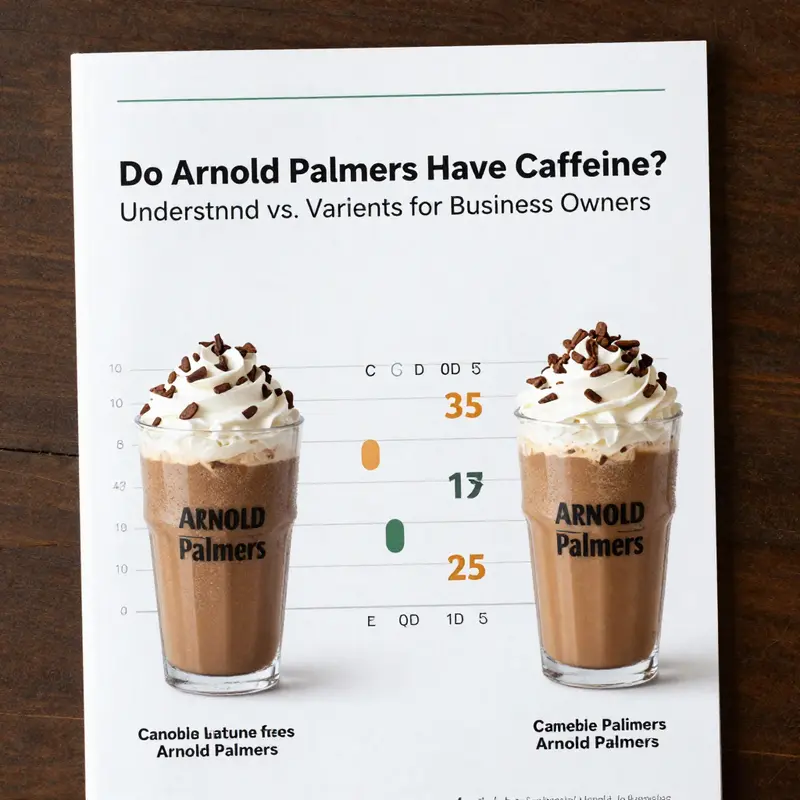
The lemon-tea and lemonade blend that many people reach for on warm days or during casual gatherings often prompts a practical question: does it carry caffeine? The answer is not a simple yes or no, because these drinks exist in two broad camps that blur into one another at the edge of a convenience store shelf. On one side is a caffeinated version, where the caffeine comes from the tea that forms the beverage backbone. On the other side is a caffeine-free option, widely marketed to those who want a refreshing, flavor-forward drink without any stimulant effects. Between these two poles lies a landscape of products with varying formulations, and even within a single family of beverages, caffeine content can differ by serving size, production method, and labeling. Understanding this landscape helps consumers make choices that align with their daily rhythms, health considerations, and personal tastes, rather than relying on assumptions about a single, canonical recipe.
The most accessible data points come from concrete figures associated with specific variants that are widely discussed in consumer materials. A caffeinated version designed for adults carries caffeine that is naturally derived from its tea ingredients, with a quantifiable 35 milligrams per 12-ounce serving. This level sits in a familiar zone for many tea-forward drinks, offering a noticeable lift without becoming extreme. It is the kind of number that can influence decisions about when to enjoy the drink—an afternoon pick-me-up or a post-meal companion, rather than a beverage to be swigged in the hours before bedtime. The presence of caffeine here is inseparable from the drink s tea-derived character; the effect arises not from added stimulants or flavorings but from the same source that many people already know from a cup of tea. This alignment between form and function—tea leaves bringing both flavor and caffeine—helps explain why some consumers appreciate the caffeinated variant as a mild, predictable boost that fits neatly into social occasions, office breaks, and casual meals.
On the other side of the spectrum lies a bottled or packaged option that explicitly declares itself caffeine-free. This variant appeals to a different routine: a thirst-quenching, sunlit palate-pleaser that offers all the brightness of lemon, fruit tones, and tea-like notes without any stimulant input. The absence of caffeine makes it an attractive choice for people who are sensitive to caffeine, who want to avoid any potential sleep disruption, or who simply prefer to cap their caffeine intake earlier in the day. In consumer literature, this zero-caffeine option is sometimes highlighted in family packs or variety assortments as the No Caffeine choice, emphasizing its suitability for afternoon gatherings, late-evening relaxation, or children’s consumption. Even within non-caffeinated offerings, there are flavor-forward variations such as a Strawberry Earl Grey profile that demonstrate how a caffeine-free formula can still deliver complexity and refreshment. The key takeaway is that a caffeine-free label does not mean a bland beverage; it means a different physiological and experiential promise. It preserves taste and hydration while removing the stimulant element, which some people actively seek for reasons ranging from sleep hygiene to digestive comfort.
Yet the story does not end with binary choices. Many consumers are drawn to the idea of a light, balanced stimulant profile that still feels like a refreshing, non-alcoholic option for social occasions. That is where the idea of a spiked or adult-targeted version enters, and with it a new set of considerations. A notably low-alcohol, spiked variant exists that integrates a modest amount of caffeine, sourced from the same tea base as the non-spiked versions. In this form, caffeine content remains a fixed feature of the tea’s natural profile, even as alcohol adds a separate dimension to the overall sensory and physiological experience. The combined effect of caffeine and alcohol is a factor that health-minded consumers often weigh, particularly for activities that require focus, safety, or careful self-monitoring. In practical terms, this means recognizing that the presence of caffeine does not cancel out the alcohol content, and the two interact with the body in ways that can influence alertness, coordination, and sleep patterns differently than either ingredient would alone.
From a consumer psychology perspective, the decision to choose a caffeinated or non-caffeinated variant often hinges on context. Drinking occasions shape expectations in subtle but meaningful ways. A mid-afternoon break might be the moment for a caffeinated version to satisfy both thirst and a gentle nudge of wakefulness. After a long meal, a milder stimulant could complement digestion and conversation, offering a sense of ease without heaviness. Conversely, for a quiet afternoon at home, a caffeine-free option can deliver the same refreshing brightness without any stimulant influence, allowing sleep to remain undisturbed or simply keeping heart rate steadier during a relaxing period. Health considerations intensify this calculus. People with caffeine sensitivity, those who experience jitteriness, or individuals who monitor their heart rate or blood pressure may opt for the No Caffeine variant or other caffeine-free offerings to minimize risk and discomfort. For parents shopping for beverages to share with children or teens, the absence of caffeine often aligns with safety goals, helping ensure that hydration does not become a source of overstimulation.
In the broader market, these dynamics feed into trending consumer behavior. Health awareness and a growing interest in sleep-friendly routines have nudged demand upward for non-caffeinated versions. At the same time, social and cultural rituals around casual drinking have sustained a market for modestly caffeinated options, where a light lift can accompany a conversation, a movie night, or a weekend gathering without veering into the territory of heavy caffeine loads. What emerges from these patterns is not a simple hierarchy of better or worse choices, but a spectrum of options designed to fit different segments of daily life. The same product family can gracefully offer both a no-caffeine route and a slightly caffeinated path, letting shoppers calibrate their intake with intention rather than guesswork. For those who want to explore how caffeine tends to appear across beverages beyond the obvious tea-and-lemon duo, there is a broader landscape of non-coffee drink options that demonstrates how widespread and variable caffeine labeling can be across the aisle. This broader context can help readers see that caffeine is a common, traceable companion in some beverages, while other drinks deliberately exclude it to support different lifestyles and preferences.
If you’re mapping your own caffeine exposure, these numbers matter. A 12-ounce serving of the caffeinated variant brings roughly 35 milligrams into play—a figure that sits comfortably in line with many everyday tea-based drinks and offers a predictable, moderate boost. By contrast, a caffeine-free option keeps the same refreshing lemon-forward profile without altering heart rate or sleep patterns. The practical implication is straightforward: if your goal is to avoid caffeine entirely, look for a label that explicitly states no caffeine and check the serving size to avoid any accidental caffeine carryover in a larger bottle or a mixed-pack scenario. If you do not mind a small stimulant and you are mindful of alcohol consumption, the spiked variant introduces a distinct social-drink category, often enjoyed in casual settings where the interaction of mood, sociability, and a mild lift can be part of the experience but it also calls for careful attention to driving, medication interactions, and personal health considerations.
For readers who want a tangible point of reference beyond these figures, consider how the labeling on the product family communicates its intended use. A non-caffeinated option is typically framed around refreshment and suitability for afternoon or evening enjoyment without sleep disruption. The caffeinated version is framed around a gentle energizing effect derived from tea, making it appealing for moments that call for a subtle boost rather than a dramatic wake-up. The spiked option, meanwhile, blends celebratory social drinking with a caffeine lift, a combination that works best in controlled, low-risk contexts and with a clear understanding of personal limits.
It is worth noting that, regardless of the variant, the guiding principle remains clarity. If caffeine content matters to you, read the label carefully and verify the serving size. If you are choosing among multiple flavors, you can still compare caffeine content in the same way you would compare sugar or sodium by looking at the per-serving figures rather than making assumptions based on taste alone. The flavor can be bright and appealing in either caffeinated or caffeine-free forms, and the choice can reflect a preference for taste, a need for a quiet evening, or a desire for a social beverage that aligns with dietary and health considerations. The bottom line is that caffeine is not a fixed attribute of this lemon-tea and lemonade style; it is a variable that shifts with product design, labeling, and consumer intent.
For readers who want to dig deeper into the landscape of caffeine across beverages beyond what is labeled on a single bottle, you can explore broader comparisons of caffeine presence in other popular non-coffee drinks. See the guide to non-coffee beverages at Starbucks for a sense of how caffeine content can vary across common options, and how labeling helps consumers navigate decisions in real time. https://coffeerichlife.com/blog/12-best-non-coffee-drinks-at-starbucks/.
In sum, the question of caffeine in these lemon-tea and lemonade blends invites a nuanced answer. Depending on the variant you pick, the beverage may deliver a modest caffeine lift, a completely caffeine-free refreshment, or a mixed experience that includes both caffeine and alcohol. The most reliable path to certainty is label literacy—checking caffeine content per serving and understanding how your own body responds to caffeine and alcohol, if both are involved. As consumer preferences continue to evolve, manufacturers respond with clear options: a no-caffeine alternative for those who want to hydrate and enjoy flavor without stimulation, a caffeinated version for an afternoon lift, and a spiked option for social occasions where a gentle buzz can accompany conversation and camaraderie. This spectrum makes the lemon-tea and lemonade blend a versatile favorite for many, rather than a one-note drink with a fixed stimulant profile.
Final thoughts
In conclusion, understanding the caffeine content in Arnold Palmers is essential for business owners seeking to cater to different customer needs. With options available that contain varying levels of caffeine, from Arnold Palmer Spiked to caffeine-free variants, businesses must evaluate their offerings carefully. The health implications of caffeine consumption can influence customer preferences, and being aware of market dynamics can help ensure that products align with consumer demand. By staying informed about these aspects, business owners can effectively navigate the beverage landscape.