
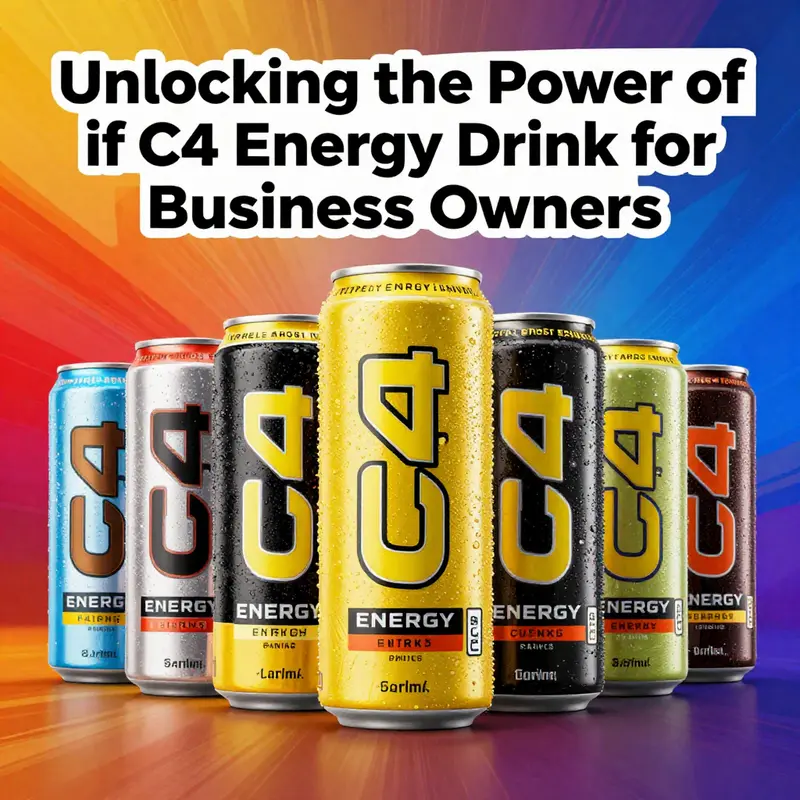
C4 Energy Drink, a product of Cellucor, has revolutionized the sports nutrition market with its innovative energy-boosting beverages. With a diverse range of variants including sugar-free carbonated options and customizable powdered formulas, C4 caters to fitness enthusiasts and individuals seeking an extra edge. As business owners, understanding this brand’s offerings, key ingredients, target market, and competitive positioning is essential. This article offers a comprehensive exploration of C4 Energy Drink, unveiling its significance in the energy drink industry. Each chapter delves into different aspects—from the product’s formulation and benefits to a comparative analysis with other drinks and potential consumer concerns—equipping you with the insights needed to optimize sales and marketing strategies in this thriving sector.
C4 Energy Drink Unpacked: Formulations, Flavors, and the Science Behind the Spark
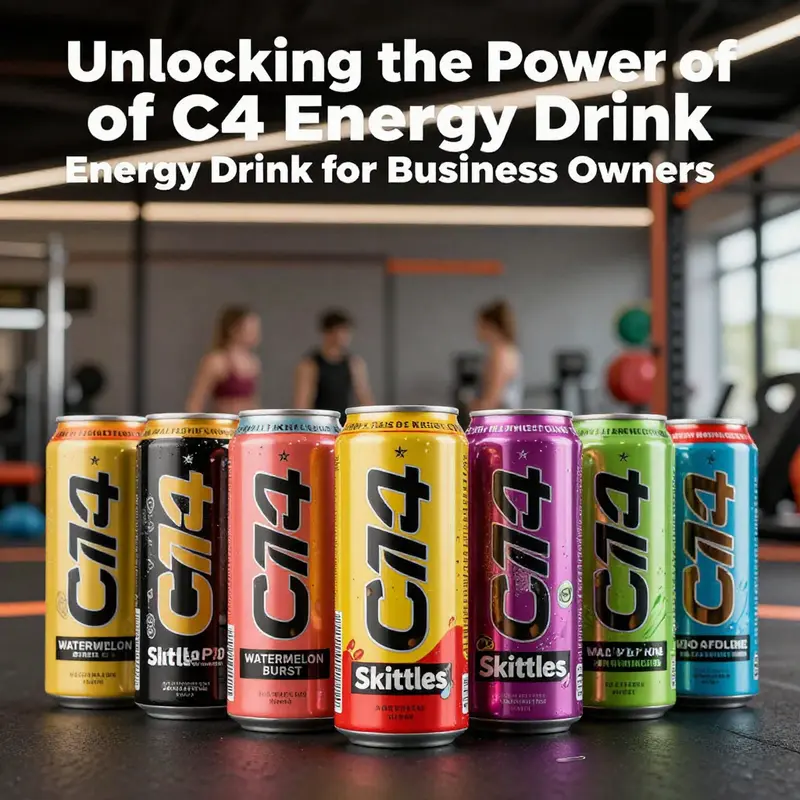
C4 Energy Drink has become a recognizable name in the landscape of performance beverages, not merely as a quick buzz of caffeine but as a carefully engineered system aimed at supporting both body and mind under demanding circumstances. The product line has evolved beyond the single idea of a pre-workout refresher into a broader suite of beverages designed to power daily activities—work, study, travel, and sport alike. At its core lies a philosophy of clean, purpose-driven ingredients paired with a high-caffeine profile. This combination is meant to deliver alertness and focus without the sugar crash that can accompany some other energy formats. In practice, that means a zero-sugar, carbonated delivery in one format, paired with a versatile, mix-your-own powder option that lets users dial in their preferred intensity. The result is a line that invites both the casual consumer seeking an occasional lift and the dedicated athlete chasing a reliable performance edge.
A central feature of the flagship Performance Energy Drink is its caffeine ceiling. Many formulations in this space run high, but the target here is precise: about 200 milligrams per serving. That amount sits in the tier where attention sharpens and reaction times improve for most adults who are accustomed to caffeine. It’s a level that can support short bouts of high-intensity effort, clear-headed study sessions, and the early-morning push to get moving after a long night. Yet it also carries a caveat: for those sensitive to caffeine or who routinely consume multiple caffeinated products, the total daily intake matters. The beverages are not just about caffeine alone; they are designed to synchronize energy with a broader metabolic and cognitive framework that helps stabilize focus across tasks, rather than offering a jolt that fades quickly.
Beyond caffeine, the ingredient deck often features beta-alanine, an amino acid that has earned interest for its potential to delay the onset of muscle fatigue during intense exercise. While beta-alanine may not create an immediate sensation, its presence can contribute to longer performance windows when training or competing. Accompanying B vitamins—particularly B6 and B12—support energy metabolism and nervous system function, which matters when the mind must stay agile over time. L-tyrosine is frequently cited for its potential to support cognitive function under stress, helping individuals maintain clarity when the pace quickens. Alpha-GPC sometimes appears in formulations as a cognitive support component, contributing to mental focus during demanding tasks. Together, these elements form a conceptual triad: caffeine to wake the body, amino and vitamin nutrients to sustain metabolism, and cognitive-support ingredients to keep attention sharp when it matters most.
The sensory experience also matters. The line includes carbonated, sugar-free variants that are designed to deliver a crisp, refreshing mouthfeel without the sweetness and calories of traditional drinks. The appeal of zero-sugar formulas is not just weight or calorie management; it’s also about predictable flavor intensity and a clean label promise that avoids artificial colors or dyes. Among the flavors that have found resonance with fans, the Strawberry Blast stands out as a perennial favorite. It balances fruit-forward sweetness with a clean finish that doesn’t overstay its welcome on the palate. Other variants push the envelope with more adventurous profiles. Some flavors lean into nostalgic, candy-like experiences, while others lean tropical or citrusy to complement the brisk carbonation. The flavor strategy is part marketing, part sensory science: a diverse lineup that keeps returning consumers curious without drifting far from the core energy-then-focus proposition.
In addition to the ready-to-drink (RTD) carbonated options, the brand also offers a powdered formula simply labeled as C4 Energy. This powder form is particularly appealing to those who want greater control over dosage and flavor intensity. By mixing the powder with water, users can tailor how assertive the energy experience feels. For example, beginners might start with a lighter mix to avoid overstimulation, while seasoned users can dial up the strength to suit training cycles, work sprints, or exam weeks. The powder version commonly features a broader flavor catalog, accommodating a wider range of taste preferences and allowing enthusiasts to explore seasonal or limited-time tastes through the year. The ability to customize not only the energy level but the flavor experience makes the powder format a compelling complement to the RTD line.
From a nutritional perspective, the brand’s promise centers on energizing performance without compromising hydration. Electrolytes are a standard inclusion to support fluid balance during exercise, especially in warm conditions or during long sessions. Hydration is treated as a co-competitor with energy, recognizing that performance depends on both alertness and the ability to maintain effective fluid and electrolyte exchange with the body’s needs. The synergy between caffeine, amino-based aids, vitamins, and electrolytes is meant to produce a more cohesive response than caffeine alone. Some users report that this combination helps sustain motivation to train, study, or push through a demanding workday, not merely by boosting wakefulness but by supporting a sustained sense of drive and mental clarity.
Availability and accessibility also play a large role in how widely these beverages fit into daily life. The products are marketed and distributed through major retail channels, which makes them easy to incorporate into regular routines. Bundled deals, multi-packs, and subscription services help consumers maintain a steady supply while managing cost. For those who want to sample a range of flavors or ensure a consistent caffeine intake without monotony, the multi-pack approach can be especially appealing. The convenience of ready-to-drink formats paired with the flexibility of a powder option supports a broad spectrum of users—from gym-goers who want a quick pre-workout boost to students pulling late-night study sessions or professionals who need a mental spark at mid-day.
As with any caffeinated product, prudent use matters. The high-caffeine profile makes it important to consider total daily intake, especially if other caffeine sources are part of the routine. Hydration remains essential, and it is wise not to rely on these beverages as a sole source of hydration or nutrition. The brand’s no-artificial-color claim adds to its perceived clean-label appeal, a factor that resonates with consumers who weigh ingredient transparency as part of their purchasing decisions. For those seeking a product with a stability of effect, it’s useful to understand that the energy kick is not a uniform experience from person to person. Metabolism, tolerance, sleep patterns, and concurrent physical activity all influence how the caffeine and supporting ingredients are experienced. In practice, many users find that a single serving, taken at the right time relative to activity and sleep windows, can harmonize with performance goals without creating a jittery sensation or an abrupt post-use drop.
The landscape of energy beverages today is crowded, and the C4 Energy line positions itself through a blend of performance-centric ingredients, a sugar-free profile, and a versatile packaging strategy. It’s not solely about delivering a spike in energy; it’s about delivering a measured, controllable performance edge. The presence of beta-alanine and cognitive-support nutrients points to an intention to address fatigue and focus in ways that align with high-intensity workouts, demanding tasks, or long workdays. The ready-to-drink format appeals to on-the-go consumers who want something readily consumable in a can, while the powder offers customization for those who want to tune taste and intensity to their personal preferences and training cycles. In this sense, the product line is both a brand statement and a practical toolkit for people who rely on a dependable lift to perform at their best.
For readers who want to explore related conversations and broaden their understanding of energy beverages, it can be informative to look at examples within the broader category of functional drinks. The dynamic of a high-caffeine, zero-sugar, electrolyte-containing beverage has parallels with several other lines in the market. People often compare flavors, mouthfeel, and the perceived balance between taste and function. The discussion can extend into how these drinks position themselves in relation to traditional sports drinks, on-the-go coffee alternatives, and other pre-workout formulas. In weighing options, readers may also find it useful to consult reviews and user experiences, which can illuminate how the energy-and-focus blend translates into real-world performance and daily productivity. If your curiosity lands on a different flavor profile or a different format, a nearby resource on energy drinks can offer a comparative perspective and help ground your expectations in what users actually report after consistent use.
As you consider options, you might also explore related discussions about energy drinks and their place in a broader wellness or performance plan. For example, one nearby resource examines how other energy-focused beverages handle caffeine content, taste, and ingredient transparency, offering a helpful lens through which to evaluate the C4 lineup. And for readers who want to skim a different angle on the subject, a concise overview of how energy drinks compare with other performance aids can be a useful companion piece. Ghost energy drinks, in particular, are a noteworthy reference point when thinking about how different brands approach the same problem: delivering stamina, focus, and hydration through a carefully engineered formula. You can learn more about Ghost energy drinks here.
In the end, the question of whether a product like this is right for you depends on your goals, tolerance, and daily routine. If you want a reliable, sugar-free energy source with a robust caffeine backbone, supportive amino acids, and a cognitive edge, the C4 Energy line offers a coherent package. If you juggle multiple caffeine sources or have sensitive sleep needs, you may choose to reserve consumption for days when energy support is essential and rest is a priority. The powder form adds a level of customization that can be particularly appealing for athletes who vary workouts by season or for students who adjust their intake around study blocks. And while the RTD options provide convenience and consistent flavor profiles, the powder gives you the freedom to calibrate strength and taste as your preferences shift. Either way, the line represents a thoughtful approach to energy beverages—one that puts performance support, transparency, and user choice at the center of its design.
External reference: https://www.amazon.com/dp/B08BZLQXJN
Inside the Spark: How C4 Energy Drink’s Core Ingredients Drive Mind, Muscle, and Momentum
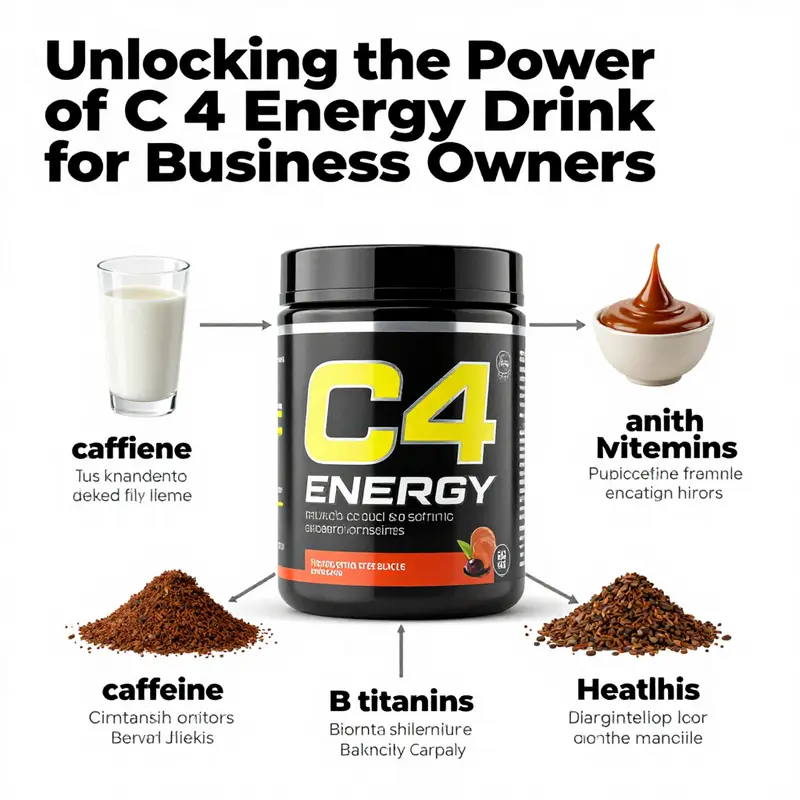
Every energy formula is a story about how quickly your body can convert hype into fuel. C4 Energy Drink pairs caffeine with a targeted lineup of ingredients designed to support both mental sharpness and physical performance. The product line includes carbonated sugar-free variants, which deliver a clean energy boost without added sugar, and a classic powdered formula that lets you dial in your flavor and intensity. At the heart of the formula is a 200 mg dose of caffeine per 12-ounce serving in the RTD can, a level chosen to trigger rapid alertness while allowing room for additional caffeine from other sources if you choose to stack. For pre-workout sessions, that caffeine acts fast, blocking adenosine receptors to reduce perceived fatigue and sharpen focus, so you stay engaged through demanding intervals or long training blocks. You may notice a quick uptick in mental clarity, a smoother sense of energy, and a readiness to push through that next rep.
The rest of the blend is a careful choreography, a lineup designed to support endurance, strength, and recovery as you train. Beta-alanine, in the clinically studied CarnoSyn® form, is tucked into the mix to raise muscle carnosine levels. This, in turn, helps delay the burn that sneaks up during high-intensity sets. The result isn’t a dramatic jolt but a steadier ceiling on work capacity. It’s the kind of buffering effect you notice when a tough interval feels slightly more manageable, allowing you to maintain velocity longer than you would with caffeine alone.
Creatine nitrate adds another gear. Creatine is a well-known ally for short bursts of power, and the nitrate form is designed to be highly bioavailable, supporting ATP production and rapid recovery between efforts. This translates, in practical terms, to improved strength output and the ability to bounce back faster after a demanding set. Pairing that with supporting amino acids, you begin to sense a cohesive energy that’s not just about feeling wired but about sustaining productive effort across a workout window.
Taurine, present at 800 mg per serving, often does the balancing act in energy blends. It plays a role in energy metabolism and neurological function and is linked in many formulations with improved focus and reduced perceived fatigue. When the caffeine hits, the taurine can help smooth the experience, contributing to steadier energy rather than a choppy spike. It’s one reason pre-workout users feel they can push a little longer without a crash, especially when they’re stacking this with a steady hydration plan.
B-vitamins—niacin, B6, B12, and folate variants—are fundamental players in energy metabolism and nervous system support. They aren’t energy sources by themselves, but they help convert the fuel you eat into usable energy and keep nerve function responsive during stress. In this blend, they function as a metabolic backdrop, ensuring that the body can process the caffeine, amino acids, and other components efficiently. For athletes and busy professionals, that translates into a steadier energy supply over several hours rather than a quick, fleeting rush.
L-citrulline malate is the next part of the equation. This compound improves blood flow, aiding oxygen and nutrient delivery to working muscles. In practice, better perfusion can help reduce the sensation of fatigue and speed up recovery between hard efforts. It’s a subtle but meaningful amplifier of the perceived “oomph” you feel when you’re pushing through a demanding circuit or adding a few extra reps to a set.
Electrolytes round out the lineup, balancing hydration and fluid function in the body. Sodium and potassium are essential for nerve signaling, muscle contraction, and maintaining stable blood pressure during exertion. In a pre-workout context, electrolytes help prevent cramps and help you stay on track even as sweat rates rise. This is especially important for longer training sessions or high-heat environments where hydration can become a limiting factor.
The cocktail wouldn’t be complete without the two more proprietary levers—the Mangiferin-derived Zynamite® and EnXtra® from ginger root. Mangiferin acts on the brain’s enzymatic machinery by inhibiting COMT, the enzyme that degrades dopamine and norepinephrine. The practical upshot is longer-lasting mood and alertness, with a noted improvement in task accuracy and reduced fatigue for up to several hours. In a sporting context, that can mean steadier decision-making and better focus during complex, time-demanding activities. EnXtra®, a ginger-derived extract, contributes sustained energy by modulating adenosine receptors and influencing dopamine metabolism in a gentler way. The effect is a more prolonged lift than a pure caffeine spike, with less risk of a rapid heart-rate surge or crash after the initial surge.
Taken together, these ingredients are designed to work in concert. Caffeine gives you the spark; beta-alanine guards the ceiling on endurance; creatine nitrate supports power and recovery; taurine helps maintain a smooth energy curve; B vitamins power the metabolic gears; L-citrulline malate enhances blood flow; electrolytes safeguard hydration; Zynamite® and EnXtra® extend alertness and mood without driving heart rate into the red. The result is a product that aims to deliver both mental sharpness and physical stamina in a way that aligns with training needs, whether you’re chasing a heavy strength session, a fast-paced conditioning workout, or a mentally demanding endurance ride.
From a consumer perspective, the available formats matter. The carbonated sugar-free RTD variant offers a ready-to-drink solution with a relatively straightforward 200 mg caffeine dose per can, suitable for athletes who want a quick, no-fuss energy lift before training. The powdered form, on the other hand, provides control over dosage and flavor intensity. You can tailor the amount of water, the flavor concentration, and the exact moment you hit your sweet spot for energy and focus. For some athletes, that customization is essential because it lets them calibrate the blend to their tolerance, the intensity of the workout, and even the time of day. The flavor range includes a mix of options and, in some cases, sugar-free profiles, which appeal to those monitoring carbohydrate intake or trying to manage total caloric intake while training.
The science behind these ingredients has evolved alongside the broader sports nutrition landscape. Caffeine remains the most studied stimulant in this space, with well-documented effects on alertness, reaction time, and perceived exertion. Yet the experience is not one-size-fits-all. Individual sensitivity to caffeine, tolerance built over time, and the presence of other caffeine sources in a person’s day all shape how this blend feels in practice. Beta-alanine’s tingling sensation—often called paresthesia—can be surprising to new users. It’s a benign side effect that typically fades with continued use and, for some, signals the presence of the dose, while others may choose to stagger beta-alanine intake across multiple servings. Creatine nitrate’s contribution is more about functional performance. It’s not a simple immediate boost; it supports ATP turnover during short, high-intensity efforts, which pays dividends in repeated efforts and power output.
The B-vitamins, citrulline malate, and electrolytes reflect a broader aim: to keep energy metabolism efficient and hydration stable under the stress of training. This is particularly relevant when workouts extend beyond thirty minutes or involve sweating and heat, where fluid and mineral balance can become a limiting factor. Zynamite® and EnXtra® bring a cognitive dimension to the mix, addressing the often-overlooked mental side of performance—the ability to maintain focus, mood, and task precision when fatigue starts to creep in. The claim that these components can sustain mood and reduce fatigue for several hours aligns with a growing emphasis on cognitive resilience as a part of athletic performance rather than just purely physical output.
In practical terms, what this means for someone asking, “Is this energy drink right for me?” is that the answer depends on your goals and your context. If you’re seeking a pre-workout lift that primes your brain and body for intense effort, a sugar-free option with a robust caffeine dose, paired with a scientifically backed mix of performance-supporting ingredients, is appealing. If you value flavor flexibility and dose customization, the powder form provides a pathway to adjust intensity and taste while staying within a sugar-free framework. It’s also worth considering how this type of product fits into your daily caffeine budget and how it interacts with other energy sources you might consume before or during a workout.
For readers who want to compare in a broader market sense, the space includes a spectrum of blends with similar purposes. Ghost energy drinks, for example, share the aim of providing an energy lift without compromising focus or mood, though the exact ingredient profiles differ. If you’re curious about how another brand approaches balance and cognitive support in an energy beverage, you can explore Ghost energy drinks here: Ghost energy drinks. This kind of comparison helps you gauge where a given formula stands in terms of ingredient diversity, stimulant load, and the emphasis on mood-enhancing components like Mangiferin and ginger-derived extracts.
As with any supplement or stimulant-containing product, responsible use matters. Stick to the recommended serving size, monitor how you respond to caffeine in combination with other sources in your day, and stay mindful of hydration. If you’re sensitive to caffeine, pregnant or nursing, or taking medications that influence mood, nervous system function, or hydration, consult a healthcare professional before incorporating this or similar formulas into your routine. In the context of athletic performance, this approach means recognizing that the energy you feel is created by a blend of optimized chemistry and disciplined training—not a miracle shortcut. The best outcomes come from aligning your intake with your training plan, your nutrition, and your recovery strategy.
For more primary details on the specific ingredients and their clinical backing, you can consult the official product information. External resource: https://www.cellucor.com/c4-energy
Momentum on the Move: Targeting Active Lifestyles and the Global Reach of C4 Energy
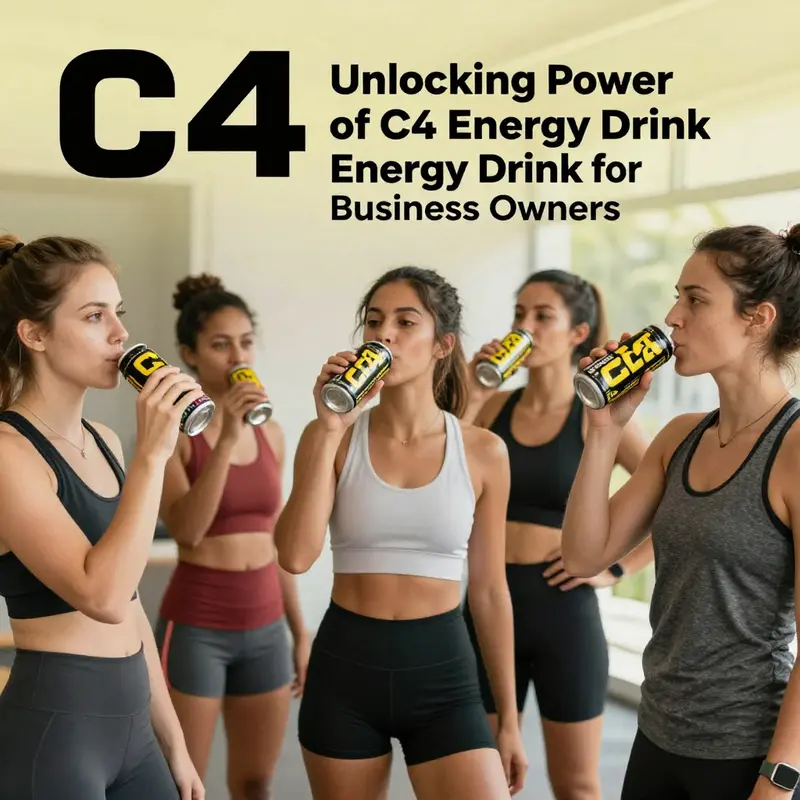
A steady, reliable lift in a crowded marketplace comes from a clear, consistent idea of who you serve and where you serve them. C4 Energy Drink, a brand born in performance beverages, demonstrates how a single product line can align with the rhythms of modern life—gym sessions, study blocks, office deadlines, and weekend adventures—without losing the sugar-free, energy-forward proposition. The portfolio reads like a map of routines: carbonated sugar-free RTD cans and a versatile powder that lets users calibrate intensity and flavor to taste. At the core is a caffeine punch—200 milligrams per serving—paired with B vitamins for energy metabolism and a smart blend of nootropics such as L-Tyrosine and Alpha-GPC positioned as cognitive support. Electrolytes complete the triad, signaling hydration as an essential complement to performance, not an afterthought. In a market that rewards speed and precision, this combination speaks to a specific consumer archetype and a broader audience seeking a dependable lift.
The brand’s evolving target audience expands beyond gym-goers and athletes to busy students, professionals, and everyday movers who need to stay sharp. The sugar-free promise remains central, while communications emphasize practical momentum—a can that fits in a backpack, a powder that mixes in a shaker, and a steady lift without sugar crashes.
Market availability mirrors this audience expansion. In the United States, distribution spans supermarkets, convenience channels, and e-commerce, with multi-pack and subscription options. The 12-pack and Subscribe & Save signals habitual use. The 2025 introduction of the C4 Energy Shot (2 ounces) speaks to fast, discreet energy during commutes, workouts, or long workdays. This format reduces friction, meeting consumers where time and space are constrained.
Flavor innovation and branding engage younger audiences without alienating longtime fans. The sugar-free line offers familiar and fresh profiles, with collaborations and limited editions reinforcing ongoing interest. The result is a product that serves as a reliable work companion and a slightly adventurous option on weekends.
From a consumer-behavior perspective, the product’s positioning emphasizes predictability and control. A transparent no-sugar label, robust caffeine, electrolytes for hydration, and nootropic elements frame focus and mental clarity as credible outcomes. Students with lecture-heavy days and professionals juggling deadlines may reach for the drink again and again, turning an energy boost into a daily habit.
The United States provides a robust market stage, with distribution breadth across channels and a pricing architecture that supports ongoing usage through bundled deals and subscriptions. The United Kingdom presents parallel dynamics — loyalty and consumer buzz built to translate familiarity into repeated purchases, signaling a move from novelty toward habitual consumption.
Looking at the wider energy landscape, sugar-free, caffeine-forward, performance-enhancing, and cognitively supportive positioning resonates with modern consumers who value efficiency and reliability. The two core formats—the ready-to-drink can and the customizable powder—meet different moments of need while maintaining a consistent message: energy you can count on, without sugar or guesswork about dosage. This is a brand story rooted in practicality, accessibility, and format innovation that matters to daily routines.
For readers tracking competitive dynamics, a cohesive value proposition rewards brands that preserve reliability while expanding touchpoints for on-the-go use. The C4 Energy portfolio illustrates how to maintain steady energy while growing engagement. The 2025 compact energy shot is more than packaging; it is a response to the need for bite-sized, portable solutions for commuters and students. The result is a diversified ecosystem that appeals to multiple segments without fragmenting the brand’s identity.
As the market evolves, clear communication about caffeine content, sugar presence, and functional claims becomes crucial. The sugar-free, caffeine-forward profile with nootropics and electrolytes aligns with expectations of a demographic that values efficiency and measurable outcomes. The footprint in the United States and United Kingdom becomes a narrative about scale paired with a refined focus on user experience and routine integration.
Further context on brand positioning and regional priorities can be found in official sources mapping strategic priorities and product innovations, including http://www.nutrabolt.com/c4-energy. To compare with other category players and observe tone variations, readers may also consult contemporary perspectives on energy-market branding, for example https://coffeerichlife.com/blog/ghost-energy-drinks/.
Performance-First Stimulation: A Deep Dive into the Pre-Workout Energy Formula in a Crowded Market
In a market crowded with bright cans and louder claims, one pre-workout energy drink positions itself as a performance tool rather than a simple caffeine hit. The formula blends a steady caffeine load with nootropic and amino-acid components designed to support focus, endurance, and recovery. A typical serving delivers roughly two hundred milligrams of caffeine to support alertness without excessive jitters. Nootropics such as L-Tyrosine and, in some formulations, acetylated L-tyrosine, aim to sustain cognitive clarity during demanding workouts. Beta-alanine (CarnoSyn) is included for its reputed endurance benefits, while creatine nitrate may aid power output and recovery. Hydration is supported by electrolytes and a sugar-free format keeps the GI system calm. The product is offered in ready-to-drink and powder forms, allowing for quick use in the gym or customized dosing at home. Flavor innovation remains a competitive edge, with refreshing options that avoid overpowering sweetness. In practice, the appeal lies in a smooth, sustainable energy lift that aligns with training goals rather than a crash-and-burn spike. The broader market is moving toward transparency and performance-forward branding, while distribution channels—from single-can purchases to bundles and subscriptions—make it easier to integrate a pre-workout routine into regular training.
Is C4 Energy Drink Safe? Navigating Benefits, Side Effects, and Real-World Use
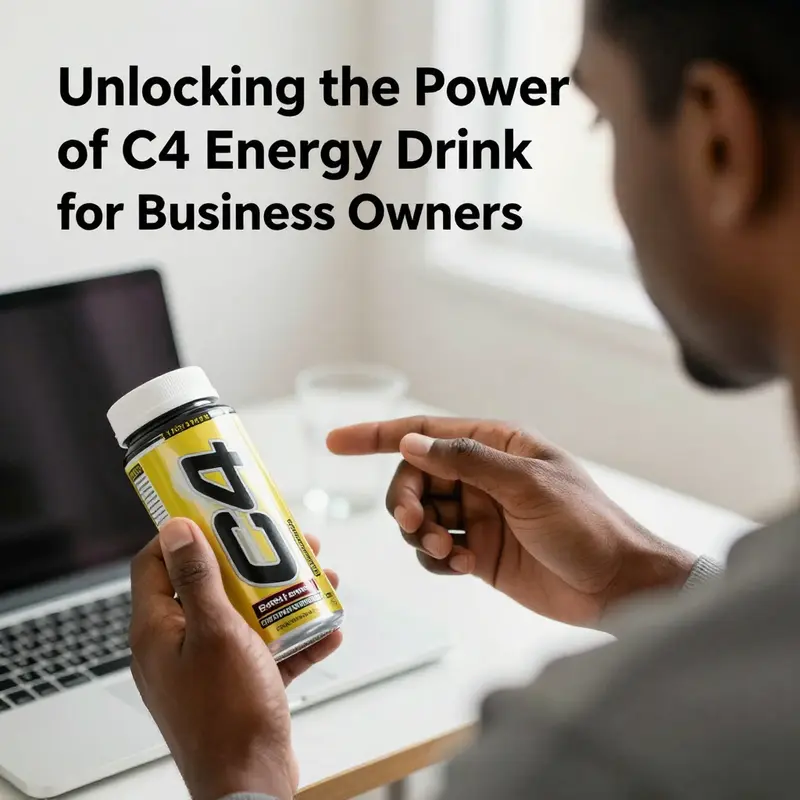
When people ask whether a widely available energy drink earns a place in a fitness routine or daily rhythm, they are really asking two things at once: what it can do for performance and what it might demand from the body in return. The subject at hand is a brand that markets itself as a quick, focused lift for workouts and study sessions alike. Its appeal rests on a blend of stimulants, vitamins, and performance-oriented ingredients that can create a noticeable, almost immediate, sense of alertness and readiness. But no product exists in a vacuum. The same blend that can sharpen focus can also provoke a set of responses that vary from person to person. To understand whether this energy drink is a safe addition to a routine, it helps to look at the core ingredients, how they act, and the context in which people use them. The conversation is not only about a single can but about dosage, frequency, individual tolerance, and the interplay with other sources of caffeine and stimulants in daily life.
Caffeine sits at the heart of the formula. In many variants, a serving brings roughly two hundred milligrams of caffeine. That amount is enough to promote faster mental processing, quicker reaction times, and a noticeable uptick in perceived energy. Yet for caffeine sensitive individuals, or those already running on high caffeine loads from coffee, tea, or other pre-workout products, that same amount can tip the balance toward overstimulation. The body responds with a faster heart rate, a potential uptick in blood pressure, and a jittery sensation if the dose crosses tolerance thresholds. This is not a warning about danger for most healthy adults, but it is a reminder that caffeine is a powerful, measurable stimulant. It is reasonable to start with a smaller portion if someone is new to such products, then gradually assess how the body feels in real-world conditions like a training session or a work sprint.
Beyond caffeine, there are supporting elements that influence energy, focus, and endurance. Beta-alanine is commonly included to help delay fatigue during repeated high-intensity efforts. For some, this translates into longer sustains during sprints or interval workouts. For others, beta-alanine brings a benign, sometimes uncomfortable, tingling sensation known as paresthesia. It is temporary and not dangerous, but it can be disconcerting if you are not expecting it. People often report that the sensation diminishes as they become accustomed to the ingredient, or it can be mitigated by adjusting the dose. The presence of beta-alanine thus becomes a reminder that not every performance aid works invisibly; some experiences are perceptible, and those perceptions guide how people choose to use the product.
Creatine, another staple in performance-focused beverages, supports rapid energy replenishment within muscle cells. When taken at recommended levels, creatine is generally safe for most adults, but it brings its own set of considerations. Water retention in muscle tissue can lead to a modest weight gain, which can be important for athletes in sports with weight classes or for individuals tracking body composition. Digestive comfort is another factor; some users report brief bloating or stomach upset at higher doses, particularly if multiple servings are consumed on a single day. For many, creatine’s benefits in strength and short-burst performance mean that the drink’s overall value outweighs these minor caveats, provided usage stays within sensible limits.
B-complex vitamins—especially B2, B3, B6, and B12—are included to support energy metabolism and nervous system function. The water-soluble nature of these vitamins means they are less likely to accumulate to toxic levels in the body, but this does not mean they are without risk in extraordinary intake. When people rely on a single energy drink as their primary source of daily nutrients, or when they supplement with multiple vitamin products, there is a potential for adverse effects associated with excessive niacin (B3) intake, flushing, or other metabolic responses. In standard daily use, however, the B vitamins commonly present in these drinks contribute to energy production and cognitive function without creating new hazards for healthy adults.
The advertised appeal of a sugar-free formulation often centers on a clean energy experience and reduced caloric load. Yet the absence of sugar does not render a drink inert in the cardiovascular system. A 2024 study examining the acute effects of non-caloric versus sugar-containing energy beverages found that even sugar-free variants can meaningfully influence cardiovascular parameters and cognitive performance. In practice, that means the formulation—not only the presence or absence of sugar—shapes how the body responds. The stimulant blend, the pace of caffeine absorption, and the interaction with other stimulants in a person’s routine can collectively alter heart rate, blood pressure, and perceived energy. This nuance matters for anyone who stacks multiple sources of caffeine or uses the drink in conjunction with coffee, tea, or pre-workout powders.
What does this mean for everyday users? First, personal tolerance matters more than headline potency. A healthy adult who drinks coffee daily can often accommodate a single can with no trouble, provided they avoid additional caffeine from other sources for several hours after consumption. A novice, or someone who already has a sensitive cardiovascular profile, should approach with caution. It is prudent to experiment slowly—starting with half a serving in the first session, then evaluating symptoms such as restlessness, difficulty sleeping, rapid pulse, or stomach discomfort before increasing the dose. For athletes, timing is also critical. Using the drink as a pre-workout can help with focus and energy during training, but using it too close to bedtime or in the late afternoon can disrupt sleep, which in turn impairs recovery and next-day performance.
Another layer of consideration concerns hydration and electrolyte balance. Intense activity increases fluid and mineral losses through sweat. Some energy drinks provide electrolytes to assist hydration, but they are not a substitute for water during workouts. Relying on a beverage primarily for hydration while ignoring the thirst signals and actual fluid needs can leave muscles under-fueled and nerves a touch more brittle under stress. As with any performance aid, optimal results come from integrating the drink into a broader strategy that includes balanced meals, adequate sleep, and attentive training load management.
The form factors matter, too. The powdered version offers more control over flavor intensity and dosage, which can be appealing to those who want to dial in the exact amount of caffeine they take in a given session. The ready-to-drink variants, often marketed with sugar-free formulations, deliver convenience for on-the-go lifestyles. Flavor breadth and perceived sweetness can influence how much someone ends up consuming, especially during long training blocks or study marathons. An honest assessment of personal taste preferences and how they interact with appetite, gastric comfort, and sleep patterns makes a difference in long-term consistency.
In real-world use, some readers gravitate toward a minimal, science-informed approach: know your caffeine ceiling, respect peak energetic windows, and avoid combining multiple sources of stimulants in the same hour. Others might embrace a more exploratory path, enjoying the sensory cues—the tingling from beta-alanine, the crisp lift from caffeine, the slight fullness of electrolytes after a sweat session—as part of their routine. Both approaches can be safe if they are anchored in self-awareness and discipline about consumption timing and overall daily intake. This is not a blanket call for or against any product; it is a call for mindful use aligned with health, fitness goals, and daily responsibilities.
From a safety standpoint, there are a few universal guardrails worth repeating. If you have a pre-existing heart condition, are pregnant or nursing, or are taking medications that interact with stimulants, consult a healthcare professional before regularly incorporating any high-caffeine energy drink into your day. Even when products are marketed as “clean” or “no jitters,” the truth remains that the caffeine- and beta-alanine–driven timeline can affect the body differently across individuals. It is entirely reasonable to expect that some days you will feel more energized with a can, and other days you may notice sensitivity cues that suggest dialing back your intake. The human body does not always respond in a uniform way to a given formula, and that variability should guide how bravely you experiment with dosage and timing.
As with many health-related questions, the answer lies in balance and informed choice rather than absolutes. If your goal is to improve focus during a demanding gym session, or to sustain alertness during late study hours, a single can—paired with hydration and proper nutrition—can be a practical tool. If you approach it as a daily replacement for sleep, meals, or rest, you risk diminishing returns and possible discomfort. The spectrum of possible responses—from improved mental sharpness and endurance to mild jitters or sleep disruption—reflects the interplay of ingredients, personal tolerance, and context.
For readers who enjoy comparing brands or seeking broader perspectives, there is value in exploring how different energy drinks approach the same objective. Some brands emphasize different nootropic blends, others highlight more conservative caffeine levels, and several foreground flavor experience as a primary lure. One might find that a given product’s promise of “clean energy” holds true for some users while others experience a more pronounced stimulant response. In this landscape, listening to the body remains the most reliable guide. It also helps to maintain a simple rule: avoid stacking multiple stimulant-containing products within a few hours, and do not rely on crave-driven consumption to power workouts or late-night tasks.
For readers who want a point of reference beyond personal experience, consider exploring related conversations about energy drinks in the broader wellness and fitness space. For a perspective on how other brands approach energy blends and what that means for taste, cognition, and physical readiness, you might look at discussions around Ghost energy drinks. Ghost energy drinks provide a contrasting take on flavor-forward appeal and stimulant balance, which can help contextualize what makes any formula feel strong or subtle in practice.
In sum, is this energy drink safe? The succinct answer is: it can be, when used thoughtfully and within individual limits. It is not a universal remedy, nor a source of guaranteed benefits. It is a tool—one that interacts with your nervous system, cardiovascular system, hydration status, and sleep patterns. The more you know about the ingredients, the more you can tune your usage to your physiology and goals. Read labels, consider your total daily caffeine exposure, and treat the drink as part of a holistic routine rather than a stand-alone solution. If you are unsure about your tolerance or if you have any health concerns, a brief consultation with a clinician can help establish a safe framework for experimentation.
For those who want to dive deeper into the composition and safety profile of this class of products, the producers provide technical specifications and practical industry context that can illuminate how the ingredients are intended to work together. Access to these details can support informed decisions about when and how to use energy drinks in a real-world setting. https://www.cellucor.com/technical-specifications-c4-energy-drink
Final thoughts
C4 Energy Drink stands as a well-established player in the performance beverage market, blending energizing ingredients and targeted marketing strategies. For business owners, leveraging knowledge of its product variations, key benefits, and competitive edge can lead to successful retail strategies. As the energy drink segment continues to grow, understanding consumer preferences and potential side effects ensures a well-rounded approach to selling these products. C4’s commitment to quality and innovation positions it favorably, making it a valuable offering for your business to consider in enhancing your beverage lineup.