
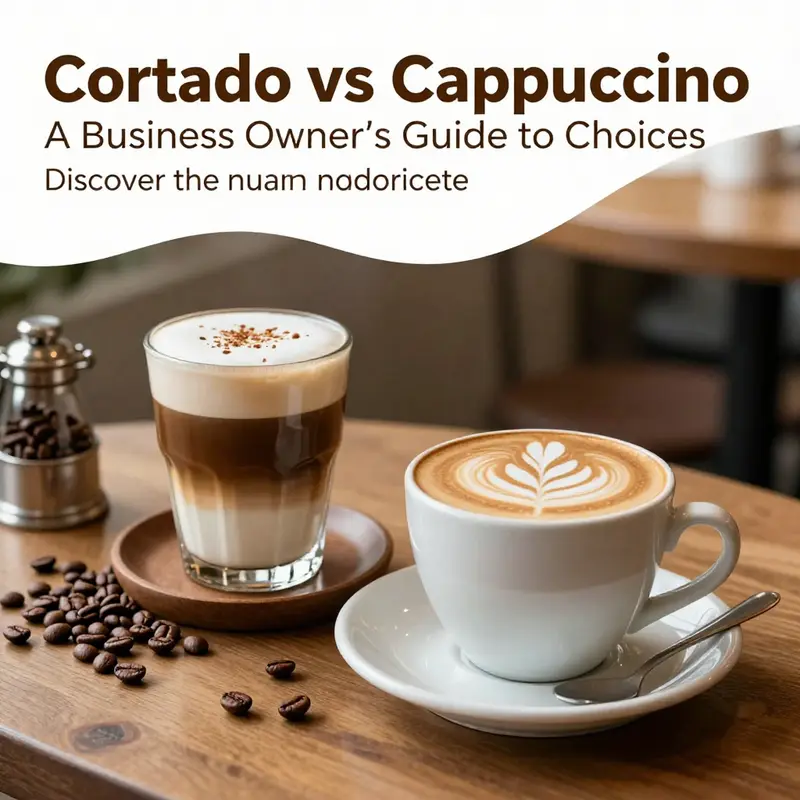
With consumers becoming more discerning about their coffee choices, understanding the differences between popular coffee drinks like Cortado and Cappuccino is crucial for business owners in the coffee industry. This guide delves into the core definitions and origins of each drink, compares their ingredients and proportions, analyzes their flavor and texture characteristics, and explores the cultural significance of their consumption. By grasping these aspects, café owners can tailor their offerings to meet evolving customer preferences, enhance the overall customer experience, and differentiate themselves in a competitive market.
null

null
Cutting Through Cream: A Cohesive Exploration of Cortado and Cappuccino and the Craft of Proportion
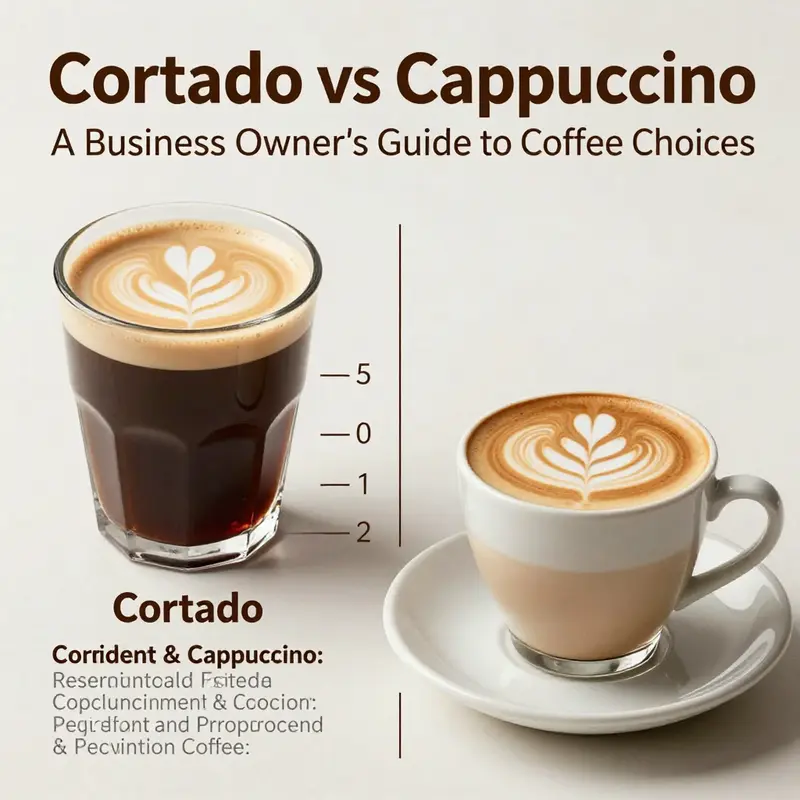
The espresso shot sits at the center of both cortado and cappuccino, a dark nucleus around which milk behaves like a patient universe expanding and curbing the drink’s natural heat and acidity. To understand why these two beverages feel so different in the mouth, one must follow the trail of proportions, textures, and cultural rituals that shape perception as surely as any aroma or finish. Cortado and cappuccino share a common lineage—espresso and milk—but they diverge in a way that reveals two complementary philosophies of coffee: one seeks balance through quiet integration, the other through layered contrast. When you sip a cortado, you encounter a pared-down, almost architectural fusion, a deliberate sonnet of coffee and milk that leans into the espresso’s depth rather than hiding behind foam. In a cappuccino, you experience a larger, almost theater-like composition where the crema of the espresso coexists with steamed milk and a crown of foam, each layer offering a distinct texture and tempo. This difference in approach is not a mere curiosity of cafe culture; it is a study in how proportion and texture sculpt flavor, mouthfeel, and the anticipation of the next sip.
The roots of cortado lie in a practice born from practical restraint. In its essence, cortado translates to “cut,” a nod to the intention to soften the espresso’s intensity with milk without diluting its character. The term emerges from the Basque regions and broader Spain, where coffee culture has long valued clarity of espresso flavor and a quick, balanced drink that fits into a mid-morning pause or an afternoon intermission. Cappuccino, by contrast, carries the weight of Italian caffeinated ritual, a morning standard that grew into a symbol of hospitality and artistry. Its name prompts a historical image of the Capuchin friars, and the drink’s structure—espresso, steamed milk, and a generous cap of microfoam—echoes a sense of ceremony, a layered experience that invites both tasting and viewing. In this sense, cortado is the practicalist’s solution, cappuccino the dramatist’s canvas. Both are rooted in espresso’s boldness, yet each adopts a philosophy of how to present that boldness to the senses.
To compare them on the most fundamental plane, consider the ingredients and their proportions. A cortado typically brings espresso and milk into a quiet equilibrium, often around 1:1 in volume. The espresso—commonly a double shot in contemporary settings—and the steamed milk share the cup in near-equal measure, resulting in a drink that clocks in around 90 to 120 milliliters. The foam, if present at all, is a mere whisper, an almost invisible microfoam that serves primarily to soften the edge of the coffee rather than elevate the drink into a foamy canopy. The effect is immediate: a dense liquid that lets the coffee’s roasted notes carry through with a silken coat of milk, but without a crown that would demand attention away from the liquid below. There is no dramatic ascent of foam; there is a confident, integrated mouthfeel, as if the beverage is saying, “We are one thing, not three parts interposed.”
A cappuccino, in contrast, plays in a different register of proportions and textures. The standard structure is roughly 1:1:1: espresso, steamed milk, and foam, creating a total volume that is typically between 180 and 240 milliliters. The milk’s role is twofold: it buoys the intensity of the espresso and anchors the drink in a creamy, familiar comfort. The foam—often a thick, velvety layer about one to two centimeters tall—forms a head that not only insulates heat but also offers a sensory stage for aroma as the drink approaches the lips. The foam’s presence turns the cappuccino into a three-dimensional experience: the liquid coffee, the mid-layer of smooth milk, and the froth that acts like a lid of texture and air. The contrast is almost perceptual; coffee without foam can feel heavy, whereas foam with foam can feel airy, almost celestial in its buoyancy. The three-part structure also shapes how the drink is perceived over time. First comes the strong, clear coffee aroma, then the soft, milky sweetness that expands the palate, and finally the foam’s lightness that carries a faint sweetness and a hint of lingering creaminess. The result is not simply lighter or heavier; it is a sensory choreography that invites the drinker to move through textures and temperatures in a deliberate sequence.
Texture becomes the most telling battlefield where cortado and cappuccino reveal their distinct identities. The cortado’s mouthfeel is often described as dense and velvety, with a silk-like finish that clings to the palate. The milk has been stretched just enough to create a smooth integration with the espresso, but the aim is to minimize any sense of separation. The cup feels compact, almost sculpted—an aesthetic of efficiency where every drop matters and there is no surplus. The absence or sliver of foam acts as a bridge rather than a crown, making the drink feel like a single, unbroken flavor column rather than a layered dessert. The cappuccino, however, invites a different sensation. The foam creates a buoyant mouthfeel, a microstructure that can alter the way the drink travels across the tongue. The foam’s microbubbles trap aromatic compounds released by the espresso, giving the drink a lighter scent at the top and a richer, creamier taste as the liquid reaches the back of the mouth. The mid-layer of steamed milk provides warmth and sweetness that can balance sharper acidity, while the espresso underpins the entire experience with a fundamental bitterness that anchors the drink. This three-layer texture invites a moment of pause, a pause that cortado largely avoids due to its more unified profile.
Culturally, the ritual surrounding how these beverages are served and consumed further marks their distinctions. Cortado commonly appears in smaller vessels and is frequently associated with mid-morning or afternoon sessions that favor efficiency and precision. The serving size is modest, designed for quick enjoyment with a focus on the espresso’s character rather than a dramatic reading of texture. In many specialty coffee shops, a cortado might be presented in a compact glass or cup that showcases the drink’s color and clarity, inviting the drinker to notice the delicate emulsification of milk and coffee, even when foam is minimal. Coffee culture in Spain, and in some parts of the Americas, treats cortado as a refined but unpretentious daily ritual—an everyday joy that acknowledges the craft of pulling a good shot while preserving the essence of the bean.
Cappuccino, by contrast, travels with a more ceremonial baggage. It is often emblematic of Italian breakfast culture and is sometimes enjoyed alongside a pastry or a morning ritual that signals a more leisurely approach to the day. The cup is larger, and the presentation often includes latte art—a visual homage to the barista’s skill and a social signal of care and craft. The foam crown serves not merely as texture but as an aesthetic feature, a sign to onlookers that the drink is more than caffeine; it is a crafted experience. The serving environment tends to encourage a slow savor, the kind that allows the aroma to unfold as the foam settles and the drink’s temperatures harmonize. In some contexts, cappuccino becomes an early-in-the-day ritual that frames the day’s pace, while cortado remains the practical, everyday companion for those who want depth without ceremony.
As a drinker contemplates these differences, the decision often hinges on mood and intention. If the aim is to experience the pure, concentrated voice of the espresso with a modest counterpoint of milk, the cortado presents a clear pathway. Its balance is not a compromise but a design that preserves espresso’s integrity while smoothing its edges with warmth and roundness. If the aim is to relish a layered texture, to explore how the aroma shifts from foam to liquid and to enjoy a slightly sweeter, lighter mouthfeel, the cappuccino offers a canvas rich with possibilities. In both cases, the milk’s role is central, but its mission diverges: cortado uses milk as a gentle moderator, while cappuccino uses milk as a medium for texture, aroma, and a moment of ritualized hospitality.
From a cognitive perspective, the learning that helps people distinguish between cortado and cappuccino often crystallizes through a simple mnemonic, which is surprisingly effective across markets and languages. If a cup displays a thin, nearly invisible foam and tastes like coffee with a touch of cream, without obvious layering, it is likely a cortado. If the top is crowned with a thriving foam that forms a distinct layer, and the drink begins with a soft, airy aroma before giving way to the coffee’s stronger flavors, it is a cappuccino. This mental map aligns with what many tasters recognize instinctively: cortado is the one-voice, continuous blend; cappuccino is the three-note chord, with foam as the overture. The distinction is not merely technical; it shapes how people select drinks in the moment and how bars and cafes design their menus and training, revealing how deeply proportion and texture influence perception.
To ground this exploration in a broader context, consider how a small, almost invisible link can connect concepts across cultures. For readers curious about the practical nuances that lie between framework and palate, an accessible comparison titled Gibraltar coffee vs cortado provides a concise, cafe-ready synthesis. Gibraltar coffee vs cortado offers a compact view of how a very small drink can embody the same tension between intensity and balance found in cortado, while also hinting at the broader spectrum of milk-adulterated espressos. This cross-reference helps illuminate the idea that even a term as simple as “cut” can resonate differently depending on regional preferences and cafe culture.
In the end, the practical takeaway is not a single verdict but an invitation to taste with intention. If you crave the direct, unadorned surge of espresso tempered by equal parts milk, seek out a cortado and allow the drink to reveal its quiet confidence. If you crave a moment to explore texture, aroma, and a sense of ceremony, a cappuccino offers a more expansive stage for the coffee’s character to perform, with foam lending buoyancy to the performance and a cup that invites slow, attentive sipping. The choice between cortado and cappuccino thus becomes a lens through which we view our relationship to coffee: one that values compact balance and another that savors layered texture and ritual. When we approach coffee with this awareness, we can appreciate that the craft of proportion is not only about measurement but about shaping experience—the difference between a drink that speaks in a single, resonant line and one that unfolds in a chorus of textures and temperatures.
For readers who want to deepen their understanding beyond the personal tasting notes, a rigorous, modern breakdown of cortado versus cappuccino is available in professional educational resources. This external guide offers evidence-based explanations of milk-to-espresso ratios, foam structure, and brewing practices, anchoring the discussion in scientific observation as much as sensory memory. It serves as a companion to the experiential insights shared here, a reminder that good coffee rests on both art and analysis. Barista-focused sources emphasize how small adjustments in steam temperature, milk microfoam, and pour height can shift a drink from a tight, balanced cortado to a lush, foam-forward cappuccino, underscoring the precision behind these seemingly everyday beverages. As you move from this chapter to the next, carry with you the sense that proportion is not a rigid rule but a flexible language—one that allows the drink to speak in a voice that matches your moment, your mood, and your appetite for either restraint or celebration.
External resource for further reading: Barista Hustle’s in-depth analysis of cortado vs cappuccino, which brings together the science of milk, foam, and espresso in a practical guide for both professional and home baristas. https://www.baristahustle.com/blog/cortado-vs-cappuccino
Balance in a Small Cup: Cortado vs Cappuccino
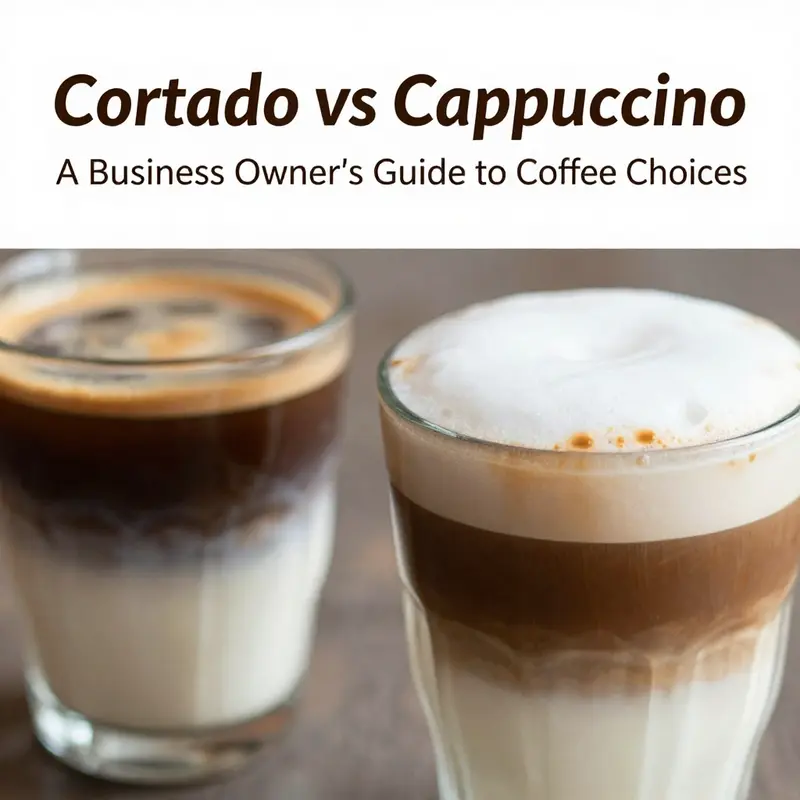
Two espresso-based drinks, cortado and cappuccino, share a common core but diverge in proportion, texture, and ritual.
The cortado pairs equal parts espresso and milk, producing a compact cup where flavors mingle with quiet balance.
The cappuccino layers espresso, steamed milk, and a crown of microfoam, creating a taller, more ceremonial drink.
In the mouth, cortado emphasizes the coffee’s core while the milk softens edges without dominating.
Cappuccino introduces texture and aroma through foam, guiding the drinker through a sequence from bold to creamy to airy.
The cup shapes the experience: a small glass for cortado invites quick appreciation, while a larger vessel for cappuccino invites lingering and conversation.
Additionally, serving contexts and cultural associations reinforce the differences: cortado often feels pragmatic and focused, cappuccino habitual and social.
When you taste them side by side, you notice that balance and contrast are not opposites but complementary tools that coffee professionals use to shape how we perceive caffeine, milk, and ritual.
Cortado and Cappuccino: A Study in Balance, Texture, and Ritual

Two distinct moments anchor espresso culture: the cortado’s quiet balance and the cappuccino’s layered ceremony. The cortado blends a measured amount of warm milk with a concentrated espresso, preserving the roast’s edge while softening it just enough for a smooth finish. The cappuccino unfurls in stages: a shot of espresso, a generous veil of steamed milk, and a cap of frothy foam that crowns the cup. This difference in structure mirrors broader questions about time, sociability, and how people want to drink coffee in the morning or during a quick break.
The cortado typically sits in a small glass, around 90 to 120 milliliters in total, with about equal parts espresso and milk and little to no foam. The emphasis is on equality and clarity: the drink remains focused on the coffee’s character while gaining roundness from the milk. The foam, when present, is minimal and often disappears into the body of the drink. For many baristas, the cortado is a practical, efficient ritual that respects the espresso while offering smooth warmth.
The cappuccino, by contrast, expands the canvas. A typical construction features roughly 30 milliliters of espresso, a larger amount of steamed milk that doubles or more the volume, and a pronounced crown of microfoam that can occupy a third of the cup. The traditional serving vessels are larger, around 150 to 240 milliliters, encouraging a slow, social tasting. The foam acts as a texture layer, insulating heat and guiding the aroma toward the drinker as the cup is enjoyed with pastry or conversation.
Culturally, cortado and cappuccino embody different philosophies about drinking and time. The cortado often signals a quick, focused moment—a precise balance of strength and warmth that suits a mid-morning break. The cappuccino signals sociability and ritual: a morning ceremony that invites lingering, a shared experience, and playful latte art as a social signal. In global cafés, both drinks travel with their own associations and adaptations, reinforcing the idea that coffee culture is as much about timing and setting as it is about beans and technique.
For readers who want to visualize or replicate the experience at home, the vessel matters. Cortados flourish in small glasses that promote a brisk, attentive sip, while cappuccinos are paired with larger cups and a foam crown that invites slow savoring. If you encounter sources that discuss glassware and presentation, they often link to practical guides on how cup size and shape influence aroma and heat retention. A well-regarded resource offering a broader perspective on cortado and related drinks is available at https://www.nespresso.com/uk/en/blog/cortado-history-recipe-nespresso-tips
Final thoughts
Understanding the differences between Cortado and Cappuccino can significantly influence your café’s offerings and customer satisfaction. By emphasizing their unique flavors, textures, and cultural backgrounds, business owners can cater to diverse consumer preferences and create a memorable experience. Incorporating both drinks into your menu not only enhances the diversity of your offerings but also demonstrates a commitment to quality and customer delight. As you refine your coffee selection, remember that each beverage tells a story and can contribute to the overall identity of your café.