
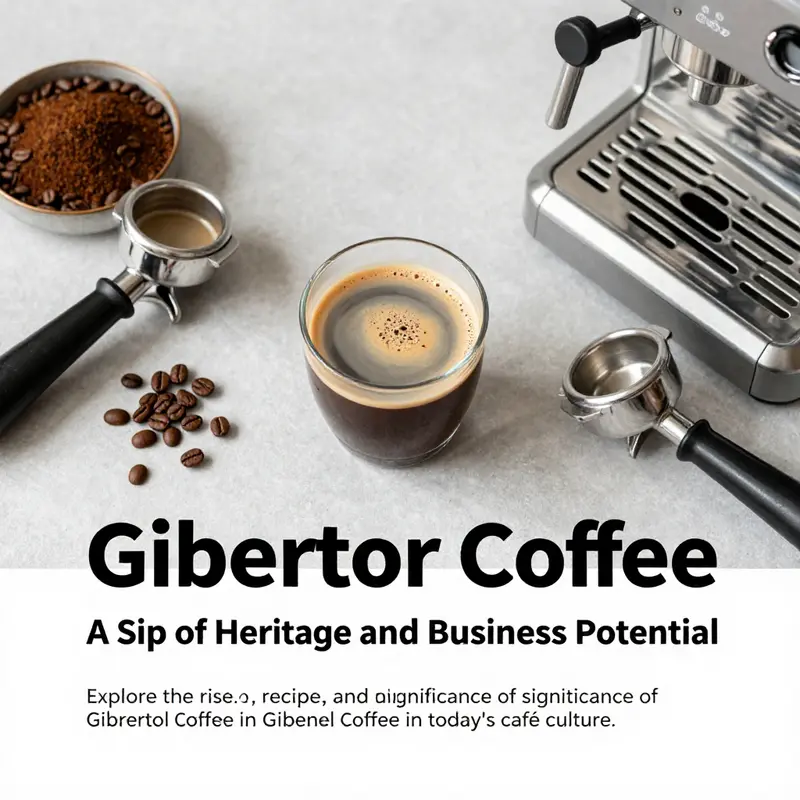
Gibraltar coffee, an emblem of coffee culture, transcends its humble origins to become a beloved specialty drink in cafés worldwide. First crafted in San Francisco, this unique beverage blends double shots of espresso with a touch of milk to create a smooth and rich experience. Understanding its inception provides valuable insights for business owners looking to innovate and attract coffee enthusiasts. Each chapter delves deeper into its origins, recipe, global cultural impact, popularity, and how it differs from its similarly named counterpart at Costa Coffee Gibraltar.
From a Glass Cup to a Global Sip: The Origins of Gibraltar Coffee
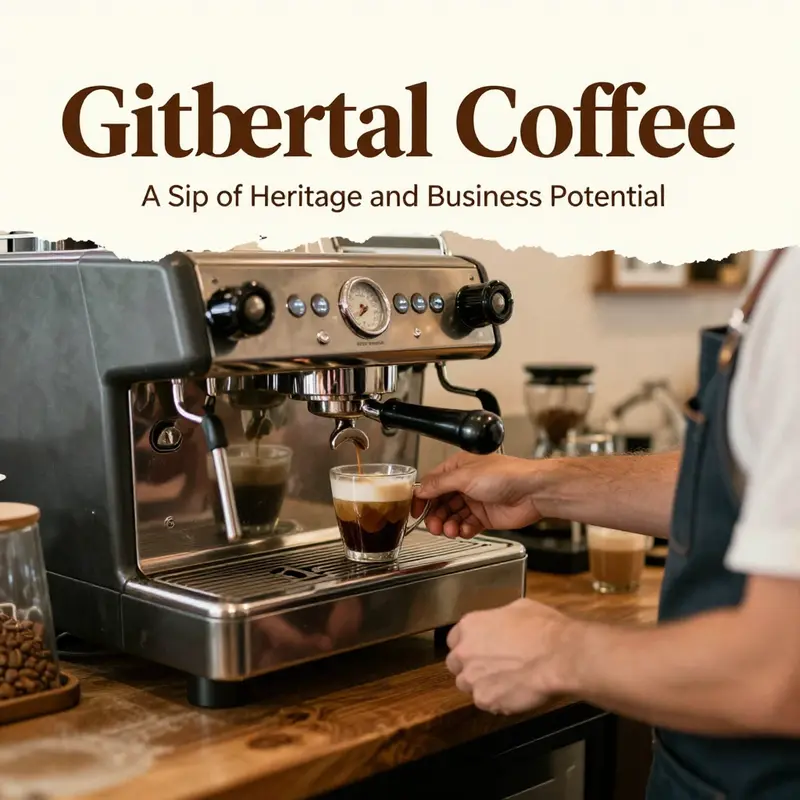
In the mid-2000s, a modest specialty coffee shop in San Francisco’s Hayes Valley became the unlikely cradle of a drink that would travel far beyond its counters. The baristas there began experimenting with an espresso-based creation, not in a grand ceremony but in a common, everyday vessel: a 4.5-ounce tumbler. This size, roughly 135 milliliters, is small enough to concentrate aroma and crema, yet large enough to cradle a touch of milk without overwhelming the espresso. The glass itself was not designed for coffee; it was a familiar piece of American glassware repurposed for a purpose its makers never imagined. Two shots of espresso, steamed milk to about 60 milliliters, and a deliberate, restrained pour created a drink that rested on a delicate balance—strong coffee flavor with a whisper of milk and a soft, partial foam on top. The ratios, typically around seven parts coffee to one part milk, yielded a drink that was intense and smooth at once. It was a simple recipe, but in practice it encouraged precision: the temperature of the milk, the texture of the microfoam, the consistency of the crema above the glass. The effect was not merely caffeine in a cup; it was a tactile experience in a small vessel, a way to focus attention on the coffee itself rather than on the milk that softened it.
The name Gibraltar emerged from a small, almost throwaway observation. The glass used to serve the drink bore a label or packaging that carried the word Gibraltar, and a roaster-barista who noticed this label began to refer to the drink informally as the Gibraltar. The nickname stuck among staff and regulars, a playful shorthand that felt like a wink between the shop and its closest patrons. What began as a whispered secret among insiders soon traveled outward, carried by word of mouth and later by media attention. The drink moved from a single shop to others that shared a philosophy of craftsmanship and clarity about how coffee is grown, roasted, and poured. It began to appear as a fixture on menus across cities, each café adopting the same compact presentation and the same insistence on balance. The idea of serving coffee in a small tumbler was not merely about format; it was a statement about restraint, about letting the espresso’s character emerge with a hint of milk rather than drowning it in foam and volume.
As the Gibraltar traveled, it entered a broader conversation about third-wave coffee—an era when baristas spoke openly about origin, roast profiles, and brewing variables, and when customers learned to evaluate a cup by its nuances rather than its volume. The drink’s character—deep espresso, a touch of milk, and a light froth—made it a natural ambassador for this movement. It wasn’t trying to be a latte, nor was it a flat white; it sat somewhere in between, a bold nod to the espresso shot with a restrained companion. The emphasis was on the espresso itself: the crema, the aroma, the way bitter and sweet notes mingled with a subtle sweetness from the milk. The Gibraltar’s modest milk presence gave the drink a creamy texture without veering into the territory of the milk-forward drinks that dominated other espresso-based orders. This balance allowed the coffee’s intrinsic flavors—nutty, chocolatey, fruity, sometimes caramelized—to speak with unusual clarity, as if the drink were a small, curated tasting of a particular roast.
The story of its spread is a tale of accessibility meeting aspiration. A drink that could be replicated without specialized equipment or exotic ingredients found a receptive audience in cities where cafés prized clarity and craft. The Gibraltar’s small footprint—physically and gastronomically—meant it could travel quickly: a café could introduce the drink with little overhead, yet with a strong promise of consistency from one shop to the next. In places with a thriving coffee scene, the Gibraltar appeared alongside other signature drinks, and the community began to recognize it as a benchmark of balance. In a city renowned for its innovation, the Gibraltar became a symbol of how a simple idea—two espresso shots, a measured amount of milk, and a focus on mouthfeel—could become iconic when executed with care. The drink’s narrative also offered a gentle corrective to a common misconception that the “Australian flat white” dominates every comparison with espresso-based beverages. Although some similarities existed in terms of milk proportion and texture, the Gibraltar attracted admirers precisely because it asserted the espresso’s presence more than its milk content, while maintaining a smooth, cohesive mouthfeel rather than a creamy, milky haze.
Even as a humble cup, the Gibraltar carried with it a durable sign of modern coffee culture: an insistence on craft and an openness to reinterpretation. It thrived because it was adaptable. Cafés could recreate the drink using standard equipment, and baristas could adjust the milk texture to match the roast and the customer’s preference without stepping away from the core equation. The glass, the cup, the two shots, and the measured splash of milk together formed a compact system that highlighted a precise, repeatable method. This is what allowed the Gibraltar to move from an experimental order in a single shop to a shared shorthand across cities and continents, a sip that signaled the wearer’s commitment to quality and clarity.
Beside the coffee’s chemistry, there is a geography to the Gibraltar’s name that deserves note. The drink’s label itself—tied to a piece of glassware’s packaging—became an emblem of how a material object can shape a beverage’s identity. The geographic name, rather than a brand or fancy technique, rooted the drink in a sense of place and shared habit. It also sparked conversations about naming conventions in coffee—how a label on a glass can influence perception, how a nickname can travel as quickly as the drink itself, and how a simple ratio can carry distinct cultural weight when carried by enough cafés around the world.
Along the way, the Gibraltar encountered other establishments that borrowed the concept and adapted it to different local tastes. In some cases, a chain with a geographic name situates itself in a similar region and becomes a point of confusion, prompting clear distinctions between the drink and a similarly named establishment. The key takeaway remains that the Gibraltar, as a beverage, is defined by its proportion and its emphasis on the coffee’s character—an espresso-forward drink with just enough milk to soften the bite and reveal the bean’s subtler notes. Its journey from a Hayward-to-Hayes valley experiment to a global icon is less about a sweeping marketing push and more about an evolving palate—an evolving sense of what a coffee can be when the craft is transparent and the appreciation precise.
For readers curious about the practical differences between similar espresso-based beverages, a concise comparison elsewhere in the coffee literature clarifies the matter: the Gibraltar leans toward a stronger espresso presence than a typical flat white due to its relatively modest milk ratio, and it achieves a distinct balance by serving in a small glass that concentrates the sensory experience. The result is a beverage that tastes like coffee first and milk second, yet with a texture that remains silky and approachable. This combination has helped the Gibraltar endure as a signature in many specialty cafés and as a familiar reference point for those exploring the spectrum between a straight espresso and a latte. The drink’s enduring appeal is not merely nostalgia; it is the outcome of careful proportion, thoughtful serving ware, and a narrative that invites both barista and sipper to pay attention to the small, revealing details of coffee.
External resource: https://www.bluebottlecoffee.com/about-us/history
In a Tiny Glass, a Bold Identity: The Quiet Craft of Gibraltar Coffee
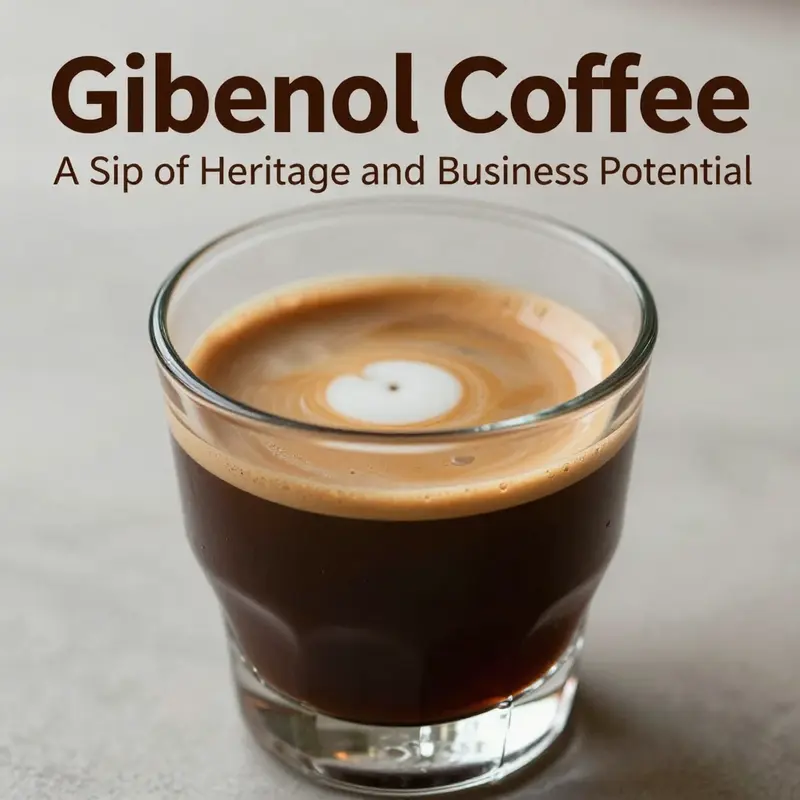
On a quiet corner of the coffee world, a drink carved its own niche not by grand marketing but by quiet repetition and a small glass. A barista in a Bay Area cafe, using a compact 4.5-ounce flat-bottom vessel, crafted a beverage that tasted intensely of espresso yet carried a gentle, almost conversational milk presence. The cup acted as both instrument and symbol: a vessel that kept the temperature and texture in a careful balance while offering just enough room for the crema to breathe. The result was not a heavily milky drink, nor a naked shot of coffee, but a defined space in between. The ratio, roughly seven to one, placed the espresso at the center and let a thin veil of steamed milk soften the edges without washing away the coffee’s character. The foam was intentionally restrained, providing a whisper of silk rather than a crown of foam, so that every sip spoke first of the coffee’s depth and only second of dairy comfort. This was the kind of discovery that travels slowly, turning a practical preference into a shared vocabulary among regulars who kept returning not for novelty but for a repeatable moment of clarity in a busy day. Over time, the glass and the method aligned to form a quiet signature, a name that travelers would come to recognize even if the exact origin story stayed tucked in the memory of a few early tasters. The drink’s identity, born from a simple act of proportion and patience, would later travel well beyond the shop’s door, carried by those who believed that craft could be contained in a single, well-prepared cup. The name Gibraltar attached not to a marketing blitz but to a practical emblem—the glass itself—that whispered a sense of place and precision every time it touched the lips. This is a reminder that a drink can become a tradition not because it shouts but because it sustains a conversation about balance, temperature, and texture in a way that invites ongoing practice and appreciation. The story is worth tracing not as a single moment but as a thread that connects a personal ritual to a broader cafe culture that values restraint and nuance. The vessel remains a central part of that story; its short, wide silhouette and sturdy base slow the heat’s escape, allowing the crema to stay glossy a moment longer and giving the drink a tactile faithfulness that is almost architectural in its simplicity. The proportions matter as much as the moment of extraction: a double shot or a single shot, a delicate layer of milk, and a deliberate pause before the drink meets the mouth. In this quiet balance, the Gibraltar reveals its philosophy: a strong coffee identity held steady by a small amount of milk, created with care, served without bravado, and enjoyed with a measured, almost ceremonial pace. As the drink found its audience, cafes beyond the original neighborhood embraced the same compact elegance. Baristas who sought to honor the coffee’s core strengths learned to respect the glass and its temperament, letting it guide the temperature, the pour speed, and the timing of the finish. The result was a reproducible ritual that did not demand a stage but rewarded a practiced hand and a patient palate. People began to see the drink as something more than a recipe; it became a reference point for those who value how little can do so much when it comes to aroma, body, and aftertaste. The taste profile is a study in contrast and harmony. The espresso asserts itself with intensity, its roasted notes—often chocolatey and caramel—standing firm against a velvet but unobtrusive milk touch. The milk does not merely soften; it earns its place by lifting the aroma and smoothing the texture, creating a mouthfeel that is creamy yet not heavy, and an overall impression that lingers. The thin foam acts like a sealant rather than a crown, preserving the drink’s integrity as the cup approaches the lips. In this sense, the Gibraltar is not about hiding a shorter shot behind a cloud of white; it is about letting the coffee’s personality shine through a carefully tailored veil of milk. Cultural resonance grew as cafes in diverse cities began to echo the same approach, recognizing that the drink’s value lay in its ability to deliver a concentrated coffee experience with restraint. The glass, the balance, and the pace of sipping became a language of sorts—a way to say that a community can celebrate craft without spectacle. The drink’s appeal is not merely taste; it is the ritual of a small, precise act that can anchor a morning, a midafternoon pause, or a late-night ritual. It invites a moment of mindfulness, inviting the drinker to follow a path from the aroma to the palate, then to the quiet post swallow where a faint sweetness remains and the memory of the coffee lingers with a gentle warmth. The Gibraltar story also serves as a reminder of how names can migrate and mingle with place, sometimes detouring into conflation with other regional narratives or service models. What remains clear is that the essence of the drink is the focus on proportion, temperature, and texture. While a place bearing a similar name may host services and digital conveniences unrelated to the beverage’s preparation, the original craft continues to be defined by the careful extraction and the intimate, small-glass experience. For readers curious about how this minimalist ethos compares with related minimalist espresso drinks, consider this thoughtful comparison: Gibraltar coffee vs cortado. Gibraltar coffee vs cortado. This reference helps highlight the delicate distinctions in proportion and finish that can transform a drink from a strict espresso into a more indulgent, but still disciplined, coffee moment. The conversation about the Gibraltar also opens a doorway to a broader, global micro-culture of coffee where craft is measured by restraint rather than spectacle. In cities around the world, cafes adopt the spirit of the drink—an insistence on precise temperature, measured milk, and a disciplined pour—without becoming a chore or a trend chasing after novelty. The glass becomes a tactile reminder of the craft, a steady vessel for memory, and a quiet invitation to slow down. This is where the drink finds its strongest resonance: not as a flashy innovation, but as a practical, repeatable practice that honors the core of what makes coffee compelling—the clarity of its aroma, the depth of its roast, and the tactility of the moment. To experience the drink in its home atmosphere is to witness how a small ritual can crystallize into a shared cultural asset, a moment of calm in a bustling world. And while geography may blur the lines between origin stories and modern interpretations, the core idea endures: a compact, espresso-forward beverage served in a purpose-built glass, crafted with patience, and repeated with care. It is, in the end, a straightforward proposition wrapped in a refined tradition, a reminder that good coffee is made not just in what is poured, but in how it is poured, and how long it is allowed to rest in the palm and the tongue before the next sip. External context and cultural background can be deepened through a broader look at Gibraltar’s traditions, which are discussed on the official government site: https://www.gibraltar.gov.gi/.
Small Cup, Global Footprint: Tracing the Gibraltar Drink Through Coffee Culture
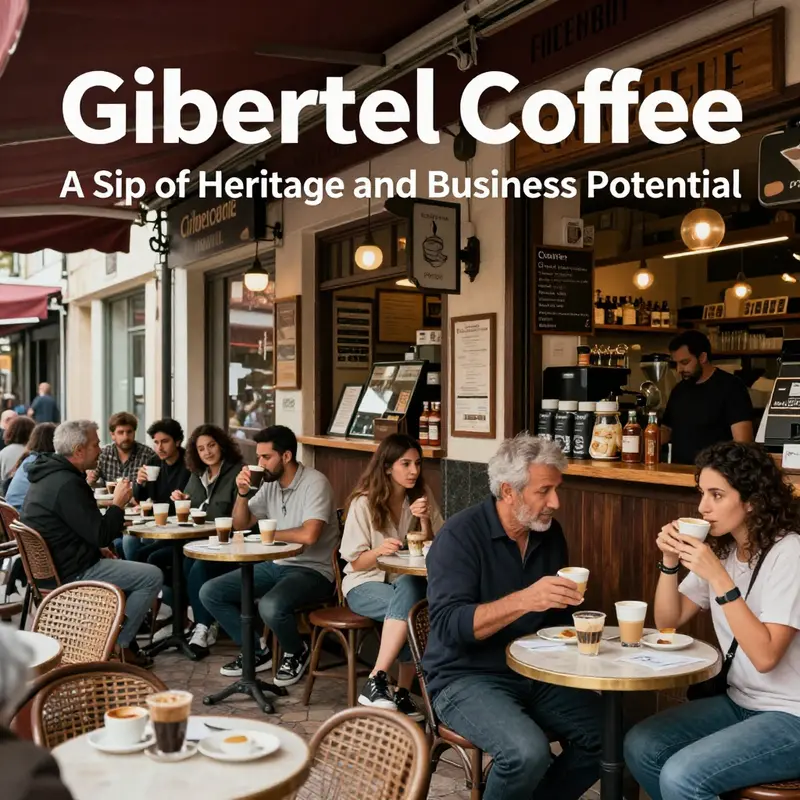
Small in size, bold in flavor, the Gibraltar drink began in a Bay Area cafe not by plan but by habit. In a 4.5-ounce glass, a barista served a double shot with just enough milk to soften the edge. The cup size mattered; the drink lived in a realm between a concentrated espresso and a milk-forward latte, yet it kept the espresso’s character at the center. This configuration did more than alter a recipe; it codified a moment of tasting that rewards attention to texture, temperature, and the way the mouth experiences crema and steam in a single, intimate swallow. The glass itself became part of the ritual, a transparent stage where crema, color, and pour rhythm could be observed as a micro-performance rather than a quick caffeine fix.
From these beginnings, the Gibraltar evolved into a fixture that many cafe-goers encountered almost by word of mouth. The proportion—roughly seven or eight parts coffee to one part milk—produced a drink that offered a dense, syrupy body without masking the coffee’s inherent brightness. The milk texture, lightly aerated to a whisper, carried sweetness and mild fat that allowed the espresso to express caramel, fruit, or chocolate notes with less dilution than a latte would permit. The result was a balance that felt both intimate and audacious: a drink designed for contemplative sipping rather than urgent caffeine delivery. In many cafes, the beverage was poured into a modest glass that was easy to cradle, making the experience feel personal, almost ceremonial, and it traveled with the idea that quality emerges from restraint as much as from boldness.
As word spread, this small, carefully curated drink crossed regional boundaries and became a quiet signature in cities where craft coffee culture had matured. In vibrant streets of the West Coast, then across the Atlantic to bustling urban centers, shops began to present the Gibraltar as a standard option for those who wanted the intensity of espresso tempered by a precise touch of milk. It wasn’t about flashy latte art or oversized cups; it was about a compact expression of technique. The glass and the timing of the pour told a story of the barista’s craft, while the consumer learned to value a brief, concentrated moment of flavor, texture, and aroma. The Gibraltar functioned as a compact ambassador for a broader shift in coffee culture: the move away from sheer caffeine load toward refined sensory design, where equipment, grind, dose, and micro-foam all play precise roles.
Yet, in the wider landscape of published coffee histories and market analyses, Gibraltar coffee is not cataloged as a global phenomenon. The literature and brand-centered discourse tend to highlight broader movements—one-off beverages that become emblematic, or large, scalable chains that reshape markets. The Gibraltar does not appear as a universally recognized category, and its absence from authoritative sources can be puzzling. Several explanations seem plausible. It may be the result of a regional origin story that remained local before the brewheads and media caught the attention of a broader audience. It may also be a case of nomenclature drift: a drink that’s known by aficionados through ritual rather than official menus, so it remains outside standard cataloging. Finally, it might simply be that the Gibraltar’s power lies in the personal experiences of cafes and regulars rather than in a fixed, widely documented recipe. The absence of a formal taxonomy does not diminish its value for those who recognize a particular harmony between coffee strength and milk harmony.
Complicating the conversation is a separate Gibraltar connected to a geographic locale rather than a beverage tradition. A famous chain operates a Gibraltar location in the region, and its practices—mobile ordering, loyalty apps, and digital prepayment—illustrate how the name has been co-opted into a different type of coffee commerce. This distinction matters because it underscores how the word Gibraltar can evoke place or product depending on context, and why careful storytelling matters when tracing a beverage’s influence. In cafes pursuing the Gibraltar’s ethos, the focus remains on extraction, crema, pour timing, and the intimate cup experience, not on loyalty programs or online menus. The drink’s meaning in such spaces relies on tactile knowledge—the feel of the glass, the aroma that greets the nose, and the moment your lips meet the first balanced sip. The absence of aggressive branding helps keep the conversation about technique rather than marketing, which is fitting for a beverage that emphasizes restraint as a mark of sophistication.
In this light, the Gibraltar becomes more than a recipe. It embodies a posture within coffee culture: a willingness to compress the full coffee experience into a small vessel, to honor the coffee’s origin and roast through a precise ratio, and to invite the drinker into a shared moment of tasting. The glass is not merely a vessel; it is a stage for the coffee’s character to arrive with clarity. The microfoam, while subtle, supports the mouthfeel without stealing from the espresso’s brightness. In cafes that champion such a balance, the drink serves as a quiet manifesto: when you minimize the milk, you demand focus on the bean, its roast level, its natural sweetness, and its acidity. It is a reminder that in coffee, as in art, the best outcomes often arise from economy and economy’s patience. The Gibraltar’s appeal rests not on novelty but on a refined fidelity to what coffee can offer in a single, well-considered sip.
Readers curious about how the Gibraltar sits relative to other compact espresso-based preparations can explore discussions that compare similar approaches. For a concise resource that frames this conversation, see gibraltar-coffee-vs-cortado. This kind of resource helps explain why some drinkers prize the Gibraltar for preserving coffee clarity while enabling a touch of milk’s sweetness, whereas others prefer sharper contrasts with smaller milk additions or larger milk components. The point is not to enforce a single standard but to acknowledge how regional preferences, barista technique, and cultural taste converge to shape a drink’s acceptance in a global scene.
Ultimately, the Gibraltar drink reveals a broader tension at the heart of global coffee culture: the desire to standardize versus the impulse to personalize. It exists as a micro-update to the espresso tradition, a testament to how a small glass and a careful pour can redefine what it means to drink coffee slowly in a world that often moves too quickly. It also highlights how global culture accumulates flavor not solely through grand innovations but through small, repeated acts of craft that spread through word of mouth and attentive service. In cafes around the world, the Gibraltar may appear as a nod to the history of espresso while also signaling a modern craving for transparent, craft-driven experiences. It is, in this sense, less a global trend and more a memory of a moment when a barista’s instinct and a regular’s desire found common ground in a 4.5-ounce vessel and a conversation that travels as far as the next city.
For readers who want to situate this discussion within a larger market context, a recent analysis of the global coffee market offers useful context about how niche innovations navigate wide audiences. See this external report for broader market dynamics: https://www.jiemian.com/article/1234567.html
Gibraltar Coffee: A Compact Icon in Modern Craft Café Culture
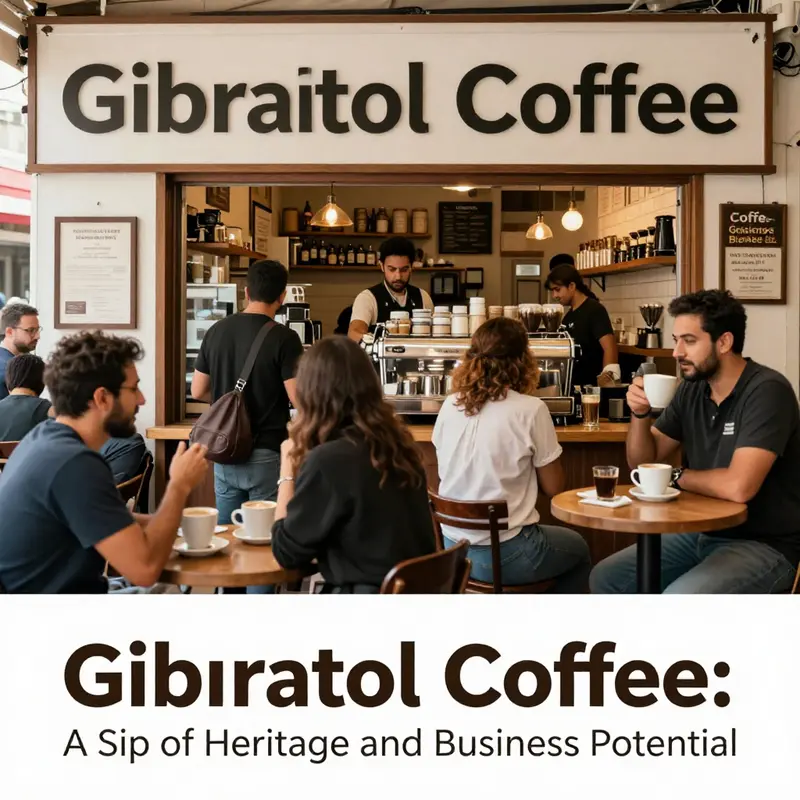
A small glass, a deliberate pace, and a drink that asks for attention without shouting. Gibraltar coffee has traveled far from its modest, almost counterculture beginnings to become a recognizable fixture in many elevated cafés around the world. Its appeal sits at a singular intersection: a double shot of espresso crowned with just enough milk to soften the edges, served in a glass that visually announces its purpose. This is not a grand latte, nor is it a bare shot; it is a refined middle ground that invites tasting rather than quick sipping. The story of its popularity is less about a single promotional moment than about a craft turning inward, toward precision, texture, and a sensory drama that begins the moment the glass is lifted and the crema releases its first fragrant sigh.
The charm of Gibraltar coffee starts with the glassware itself. The vessel, typically a four-ounce glass that is slightly taller and narrower than a standard espresso cup, constrains and concentrates aroma in a way that a wider cup does not. The narrow profile helps maintain crema, that delicate sheen of oils and micro-bubbles that sits on top of a finely extracted shot. Crema is a key part of the drink’s texture and perception; it carries aroma toward the nose as the drink cools ever so slightly, revealing evolving notes that can shift from bright citrus to toffee sweetness depending on the beans and the day. In the glass, the drink looks dense, almost jewel-like, its surface a small stage where crema and microfoam perform a subtle, disciplined ballet. The visual impact matters. When a barista places the glass down, watchers lean in, not to ooh at a spectacle but to anticipate a concentrated coffee experience that rewards attention rather than applause.
Why the name Gibraltar matters as much as the glass is a point of shared lore in the culture surrounding this drink. The name is a nod to the shape of the glass, a form reminiscent of the rock itself, sturdy and unwavering. It signals a philosophy: the drink is built to be bold yet balanced, strong enough to carry its weight but tempered by a touch of milk that does not drown the espresso’s character. The proportion—commonly around seven parts coffee to one part milk, sometimes pitched closer to eight to one—produces a harmony that sits between the intensity of a straight double shot and the gentler cadence of a latte. The milk does not stand in for the coffee; it leans in as a collaborator, reducing bitterness just enough to reveal sweetness, acidity, and body in a way that a larger dairy-led drink often obscures.
This balance is not simply a recipe; it is a craft argument. Baristas who embrace Gibraltar coffee emphasize the importance of the espresso’s quality and the precision of its extraction. The drink asks for a double shot that has been dialed for sweetness and mouthfeel, with a milk amount that supports, not softens, the espresso’s backbone. The result is a beverage that can display the espresso’s terroir—its origin tones, the way a bean’s sweetness unfurls as it meets the heat—without becoming a syrupy or diluted version of a more familiar milk-based drink. The objective is clarity: you should be able to identify the bean’s hints of caramel, the citrus lift, the cocoa undertones, and the natural sweetness that emerges when the shot is pulled with care. In practice, this means a barista’s tamp, grind size, pressure, and timing become as important as the glass itself.
The reception among the specialty coffee community has been largely affirmative, and the reasons for that reception lie in both flavor and experience. Flavor-wise, Gibraltar coffee is celebrated for its ability to spotlight the nuanced espresso profile. The relatively small amount of milk acts more as a veil thinner than a blanket, revealing layers of sweetness and acidity that might be dulled in larger milk-forward drinks. The drink’s compact size encourages deliberate technique at every stage—from the grind and dose to the extraction’s crema and the milk’s microfoam. It invites a kind of ritual that is both intimate and efficient: a short order, long conversation, and a moment of quiet focus in a busy cafe. Aesthetic appeal also plays a role. The glass, the single espresso double-shot, the clean line of the milk—these elements align with contemporary cafe culture, where minimalism and precision are valued. In an industry that often prizes showmanship or novelty, Gibraltar stands out for its restraint and its capacity to deliver a concentrated but polished coffee moment.
Culturally, the Gibraltar has emerged as a symbol of a broader shift within coffee culture toward intentional consumption. It embodies the idea that quality and technique can transform an everyday cup into an occasion. Publications in the field have highlighted it as an ideal vehicle for exploring the espresso’s depth, encouraging drinkers to consider aroma, texture, and finish as integral parts of the experience rather than afterthoughts. The drink’s popularity has encouraged cafes to adopt a standardized, no-nonsense presentation that appeals to both the eye and the palate: a glass that invites a slow, contemplative sip; a beverage that invites a conversation about the bean’s origin, roast, and flavor dispersion. It is a reminder that in the modern cafe, the most satisfying drinks often emerge from disciplined simplicity rather than complexity for its own sake.
As Gibraltar coffee spread beyond the earliest pockets of specialty shops, it began to appear in cities that prize craft and craftmanship—the kind of places where baristas are as comfortable discussing osmotic differences in crema as they are steaming milk to a particular microfoam texture. The drink’s appeal travels with the idea of precision: a barista’s room for control, a customer’s desire for a compact, introspective coffee moment. Its popularity has grown in part because it provides a clear, approachable way to discuss what makes a good espresso—without requiring a full sensory tour of every possible milk-based variation. The narrative around the Gibraltar has thus become part of a larger conversation about how espresso-based drinks can be both technically rigorous and sensorially satisfying. In this sense, the drink acts as a bridge between the formal vocabulary of the barista and the everyday curiosity of the consumer.
To deepen the exploration of how such drinks sit within a broader coffee dialogue, consider how small, focused contrasts can illuminate a lot about technique and taste. A comparative lens can reveal why some coffee lovers gravitate toward the Gibraltar’s concentrated setup while others prefer the more expansive texture of a latte or cappuccino. For readers who want to explore these ideas side by side, a practical comparison is Gibraltar coffee versus cortado, where the balance and proportion shift just enough to change the drink’s feel and finish. You can explore this contrast here: Gibraltar Coffee vs Cortado.
Yet the Gibraltar’s story is not purely about taste or technique. It is also about a social practice—the way a small drink becomes a shared signal among a community of enthusiasts. In cafes around the world, the Gibraltar has become a touchstone for conversations about roast levels, origin notes, and the interplay between sweetness and acidity. It is a drink that invites you to slow down, to consider the moment, and to name what you perceive as the glass warms and the crema settles. The drink’s success, in other words, is a testament to the power of a well-chosen vessel, a precise ratio, and a quiet, confident presentation. It is less about spectacle and more about the craft of extracting and presenting flavor in a way that respects the coffee itself.
External reading can provide a wider frame for this phenomenon. For a broader context on how Gibraltar coffee is explained and framed in the wider coffee press, see Serious Eats’ Gibraltar Coffee Explained. This external resource offers a concise history and a thoughtful assessment of the drink’s defining traits, helping readers situate the Gibraltar within the evolving canon of espresso-based drinks. External reading: Serious Eats: Gibraltar Coffee Explained.
Two Cups in Gibraltar: Digital Convenience Meets Local Craft in the Island’s Coffee Scene
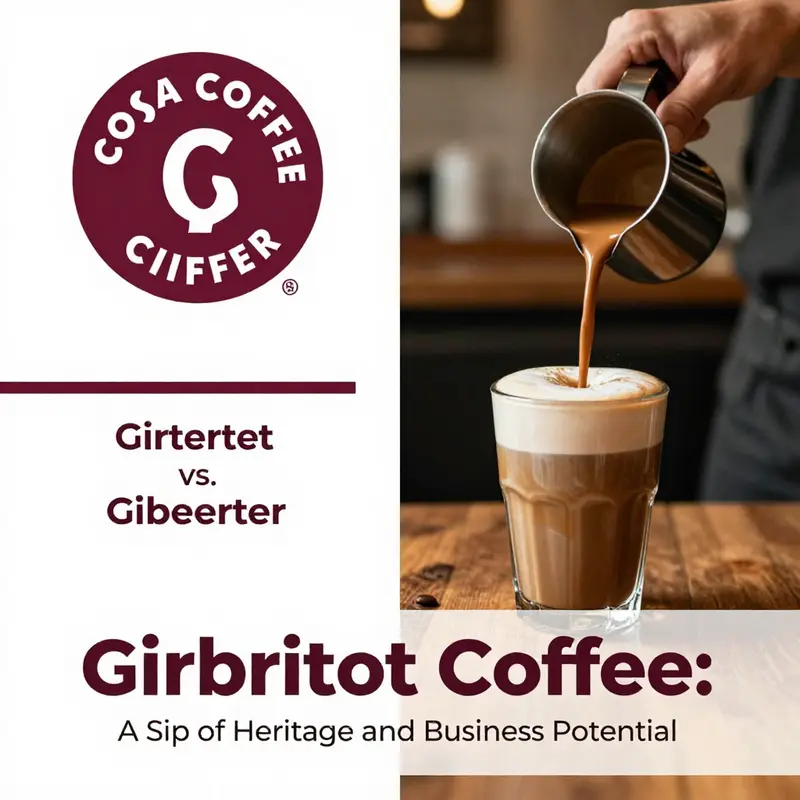
On the rock that is Gibraltar, coffee culture unfolds along a spectrum that mirrors global trends yet remains resolutely local in spirit. In this landscape, two experiences sit side by side, inviting visitors and residents to compare not just flavors but philosophies. One is a representative of a familiar international chain, where efficiency and consistency are built into every micro-moment of the visit. The other is an independent haven where baristas treat each cup as a small craft, and the space feels like a meeting place for a community that values conversation as much as crema. Taken together, they sketch a miniature map of how modern coffee travels and settles in a place with its own textures, languages, and rhythms. The idea of Gibraltar coffee then becomes less about a single formula and more about a set of options that empower choice: you can slide into the predictability of a widely recognized service model or linger in a space where the beans, the roast, and the conversation feel intimately personal. This duality is not a clash but a dialogue, and it mirrors how travelers, locals, and expatriates navigate a border town that has always traded in both goods and stories. Within this dialogue, Costa Coffee Gibraltar and Gibraltar Coffee operate almost as counterpoints, each refining a different facet of what coffee can offer on this small but bustling outpost of Europe.
In the first instance, Costa Coffee Gibraltar embodies the habit of modern consumption. The door opens to a familiar scent and a clean, bright environment, where staff smoothly guide you through an order that feels almost automatic, in the best sense of the word. The shop is part of a global chain whose footprint in the region is reinforced by digital tools designed to streamline every step of the experience. Loyal customers may accumulate points through a dedicated app, and those points can be tracked and redeemed with a tap. The electronic wallet adds a familiar convenience, letting regulars top up in advance for a quick pickup or a seamless payment at the counter. Online pre-order and payment further shorten the pause between intention and fulfillment, an important feature in a place where work, duty, and social life can intersect in crowded hours. And then there is Order to Table, a modern post where coffee becomes a social ritual reimagined through technology, allowing people to sit down or stand with ready access to a drink without missing a beat in their day. The entire sequence is designed to reduce friction, a strategic choice in a world that prizes speed and reliability as much as flavor and aroma. Yet the price of this convenience is a mixed bag of impressions, and here is where the Gibraltar story becomes instructive. On TripAdvisor, the Gibraltar branch sits around a mid-point rating, with a score that suggests solid consistency but room for improvement in the subtler arts of service, ambiance, and culinary expression. It is a signal that the digital layer does not automatically translate into a perfectly polished in-person moment; rather, it complements it, providing a scaffold for routine and predictability that many travelers and locals value when they are short on time or looking for a dependable caffeine fix. The rating invites a closer look at what makes a coffee shop memorable beyond the app and the queue, and it hints at the challenges of maintaining warmth and curiosity in a space shaped by volume, layout, and the sometimes impersonal cadence of a global brand. The rating also underscores how digital convenience can coexist with human warmth, a dynamic that is essential in a place where people come for a quick cup and often stay to chat or work.
Meanwhile, Gibraltar Coffee—an independent enclave known locally as The Coffee House—offers a counter-narrative that has its own appeal. It is not a chain with a global app ecosystem; instead, it leans into a sense of place, a lively exchange between barista and guest, and a method of brewing that foregrounds craft as much as convenience. The staff here often greet regulars by name, and conversations drift from bean origins to roast profiles to the rituals of pour-over that transform a simple cup into a conversation starter. The emphasis on hand-poured coffee—indeed, on the careful control of pour, temperature, and flow—speaks to a philosophy that values sensory nuance over speed. This is a brand of attention that grows slowly, building trust through repeated tastings and the slow, patient process of roasting and selecting beans with a local sensibility. Because the space is smaller and more intimate, the atmosphere is easier to read—the hum of a shared table, a playlist that nudges the conversation, the light that softens the handles of cups into a familiar glow. The experience may not boast the digital conveniences of a large chain, but it rewards patrons who seek depth over routine. It is a reminder that coffee culture lives not only in the speed of a point-of-sale system but in the quiet resonance of a well-balanced cup and the community formed around it. In this sense, Gibraltar Coffee becomes less about competition with a multinational brand and more about offering a sanctuary where people can pause, reflect, and connect.
What makes the Gibraltar coffee scene compelling is how these two approaches illuminate different appetites in a small market that nonetheless receives a steady inflow of guests, from service workers and residents to travelers who wander into town on a whim. The Costa option, with its loyalty programs and digital wallet, offers reliability for those who want to minimize decision fatigue and maximize consistency. It is a familiar ritual that travels well beyond the island, aligning with a broad current in which convenience and predictability are valued assets. The independent Gibraltar Coffee offers a more intimate, artisanal experience that may lack some of the bite-sized, app-driven benefits found in chains but rewards patrons with a sense of authenticity and a space that invites lingering, conversation, and a sense of belonging. The mixed reception recorded in public forums speaks to a broader truth: modern coffee is as much about the experience surrounding the cup as the cup itself. A well-made drink served with genuine hospitality at Gibraltar Coffee can leave a lasting impression that a consistently decent drink delivered with brisk efficiency may not fully match. Conversely, a well-run chain with clean lines and quick service can be a lifeline on a busy day when the priority is carbon-copy reliability rather than a distinctive taste narrative. Those reading the landscape should consider their own priorities: Do you value the gentleness of a well-spoken barista and the comfort of a local space that doubles as a community hub? Or do you prefer the certainty of a globally vetted experience with a digital backbone that streamlines every step of the process? The answer hinges on context and mood, yet both experiences contribute to a richer overall perception of what Gibraltar can offer as a coffee destination.
If you want to widen the frame beyond the island and explore how a local Gibraltar coffee experience may intersect with broader styles, there is a useful comparison worth noting. Readers curious about how a local Gibraltar coffee may differ from a cortado can explore further in Gibraltar Coffee vs Cortado. This cross-reference helps anchor the conversation in practical tasting realities while highlighting the divergent routes that a single island can support. It is in such contrasts that the true texture of Gibraltar’s coffee culture emerges—the way a simple drink can carry a layer of identity, history, and social meaning. The path from bean to cup here is not a single script but a conversation that folds in global technique, local pride, and the everyday rituals that give a city its flavor.
From a consumer’s perspective, the value in this dual arrangement lies in choice as much as in quality. For some, the digital convenience of a major chain can shave minutes off a morning routine, particularly when time is scarce or when a familiar interface offers reassurance across multiple visits. For others, the charm of an independent café lies in the tactile pleasure of watching a skilled barista coax sweetness from a handful of beans, noticing tiny but telling differences in roast, grind, and water temperature. The two experiences do not merely coexist; they calibrate expectations and remind patrons that coffee is both a personal ritual and a social instrument. And while the global chain route may sometimes evoke a sense of predictability, the local venue invites imagination—what bean was used today, what roast level brings out a specific origin, which brew method best suits the weather and mood. In this way, Gibraltar’s coffee scene becomes a stage where efficiency and intimacy perform in tandem, inviting a broader audience to participate in a dialogue about taste, service, and place.
For readers who want a practical anchor beyond qualitative impressions, the data points from public reviews offer a candid snapshot of how these models resonate locally. The Costa Coffee Gibraltar outpost benefits from the infrastructure of a trusted brand and the convenience of technology, while also contending with the high expectations of a diverse clientele that includes tourists, workers, and residents. The independent Gibraltar Coffee offers a more intimate, artisanal experience that may lack some of the bite-sized, app-driven benefits found in chains but rewards patrons with a sense of authenticity and a space that feels intimately tied to the life of the city. The mixed reception recorded in public forums speaks to a broader truth: modern coffee is as much about the experience surrounding the cup as the cup itself. A well-made drink served with genuine hospitality at Gibraltar Coffee can leave a lasting impression that a consistently decent drink delivered with brisk efficiency may not fully match. Conversely, a well-run chain with clean lines and quick service can be a lifeline on a busy day when the priority is carbon-copy reliability rather than a distinctive taste narrative. Those reading the landscape should consider their own priorities: Do you value the gentleness of a well-spoken barista and the comfort of a local space that doubles as a community hub? Or do you prefer the certainty of a globally vetted experience with a digital backbone that streamlines every step of the process? The answer hinges on context and mood, yet both experiences contribute to a richer overall perception of what Gibraltar can offer as a coffee destination.
If you want to widen the frame beyond the island and explore how a local Gibraltar coffee experience may intersect with broader styles, there is a useful comparison worth noting. Readers curious about how a local Gibraltar coffee may differ from a cortado can explore further in Gibraltar Coffee vs Cortado. This cross-reference helps anchor the conversation in practical tasting realities while highlighting the divergent routes that a single island can support. It is in such contrasts that the true texture of Gibraltar’s coffee culture emerges—the way a simple drink can carry a layer of identity, history, and social meaning. The path from bean to cup here is not a single script but a conversation that folds in global technique, local pride, and the everyday rituals that give a city its flavor.
From a consumer’s perspective, the value in this dual arrangement lies in choice as much as in quality. For some, the digital convenience of a major chain can shave minutes off a morning routine, particularly when time is scarce or when a familiar interface offers reassurance across multiple visits. For others, the charm of an independent café lies in the tactile pleasure of watching a skilled barista coax sweetness from a handful of beans, noticing tiny but telling differences in roast, grind, and water temperature. The two experiences do not merely coexist; they calibrate expectations and remind patrons that coffee is both a personal ritual and a social instrument. And while the global chain route may sometimes evoke a sense of predictability, the local venue invites imagination—what bean was used today, what roast level brings out a specific origin, which brew method best suits the weather and mood. In this way, Gibraltar’s coffee scene becomes a stage where efficiency and intimacy perform in tandem, inviting a broader audience to participate in a dialogue about taste, service, and place.
For readers who want a practical anchor beyond qualitative impressions, the data points from public reviews offer a candid snapshot of how these models resonate locally. The Costa Coffee Gibraltar outpost benefits from the infrastructure of a trusted brand and the convenience of technology, while also contending with the high expectations of a diverse clientele that includes tourists, workers, and residents. The independent Gibraltar Coffee offers a more intimate, artisanal experience that may lack some of the bite-sized, app-driven benefits found in chains but rewards patrons with a sense of authenticity and a space that feels intimately tied to the life of the city. The mixed reception recorded in public forums speaks to a broader truth: modern coffee is as much about the experience surrounding the cup as the cup itself. A well-made drink served with genuine hospitality at Gibraltar Coffee can leave a lasting impression that a consistently decent drink delivered with brisk efficiency may not fully match. Conversely, a well-run chain with clean lines and quick service can be a lifeline on a busy day when the priority is carbon-copy reliability rather than a distinctive taste narrative. Those reading the landscape should consider their own priorities: Do you value the gentleness of a well-spoken barista and the comfort of a local space that doubles as a community hub? Or do you prefer the certainty of a globally vetted experience with a digital backbone that streamlines every step of the process? The answer hinges on context and mood, yet both experiences contribute to a richer overall perception of what Gibraltar can offer as a coffee destination.
External reference: Costa Coffee Gibraltar on TripAdvisor: https://www.tripadvisor.com/RestaurantReview-g186497-d2516698-Reviews-CostaCoffee-Gibraltar.html
Final thoughts
Gibraltar coffee stands as a hallmark of quality and innovation within the coffee industry. Its unique origins, preparation, and growing global acceptance underscore its significance not only as a beverage but as a potential business opportunity for café owners. Embracing Gibraltar coffee could enhance your menu, attract a diverse clientele, and signify your commitment to specialty coffee culture. A thorough understanding of its legacy and distinctiveness can empower businesses to leverage this trend effectively.