
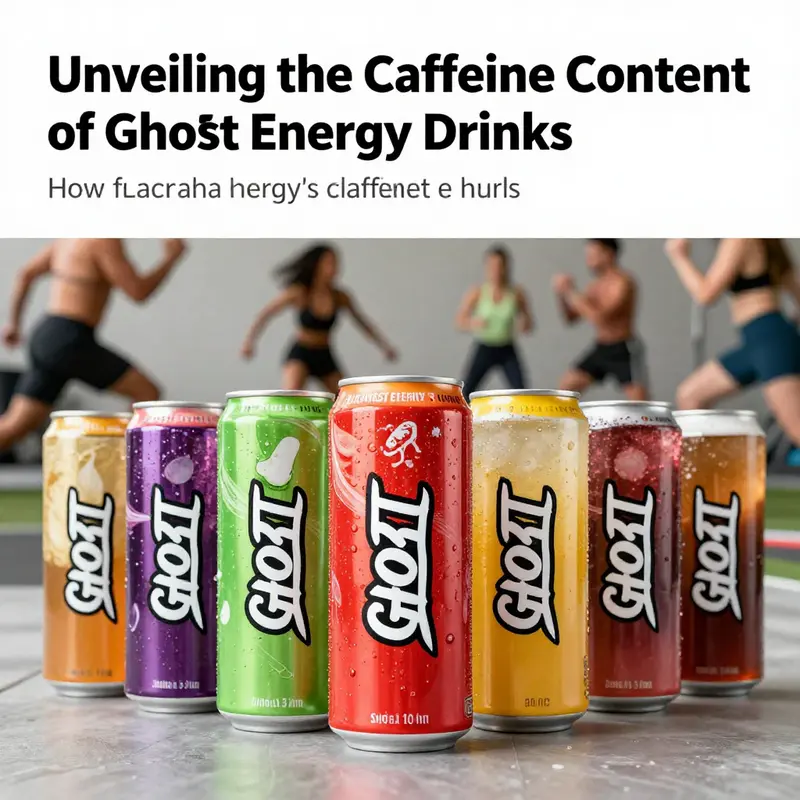
For business owners in the energy drink sector, understanding product composition is critical to consumer appeal and safety. GHOST Energy drinks deliver 200 milligrams of natural caffeine per 16-ounce can, sourced from coffee beans. This robust caffeine level aligns with consumer demand for effective energy solutions while adhering to general safety guidelines regarding daily intake. Throughout this article, we will explore the specifics of GHOST Energy’s caffeine content, comparative analysis with other energy drinks, health implications, consumer perspectives, and market trends—providing a multifaceted view that can inform your business strategy.
Caffeine in Focus: Decoding 200 mg Per Can and What It Means for Your Day
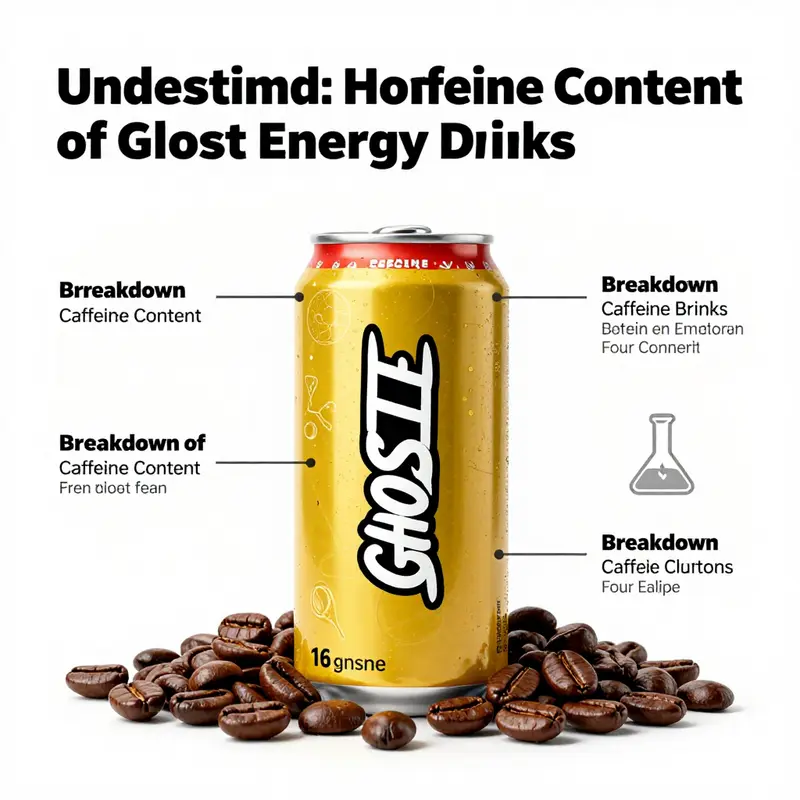
Understanding how much caffeine hides in a single can of a popular energy drink starts with a clear number and a clear frame. For many readers, the immediate question is not just “how much caffeine” but how that amount fits into a daily routine and health guidelines. In this category, a standard 16-ounce can delivers about 200 milligrams of caffeine. That figure represents a substantial portion of what many adults consider a safe daily intake. The caffeine is derived from coffee beans rather than being synthetically produced, a distinction that resonates with people who prefer ingredients that feel familiar and natural. Beyond the chemistry, this number matters because it shapes decisions about when to sip, how often to reach for a can, and whether caffeine will support a workout, late work session, or the need to stay alert during a long drive. Clarity on the caffeine count sets the stage for thoughtful consumption.
To place 200 mg in a broader context, consider the commonly cited safety guideline for healthy adults: up to about 400 mg per day. With a single can contributing roughly half of that limit, you can see why the timing and total intake across all sources matter. This is not simply a matter of chasing energy; it’s a balance between performance, mood, and rest. Some people report that 200 mg provides a clean lift without jitters, while others feel magnified anxiety or a racing heart if they’re sensitive to caffeine or if they’ve already had caffeine earlier in the day. The variability is normal. The point is to tailor caffeine use to your own physiology, daily schedule, and sleep needs, using the 400 mg ceiling as a practical ceiling rather than a rigid trap.
Let’s lay out the basics in straightforward terms. Each 16-ounce serving contains 200 mg of caffeine, with the source being coffee beans. For most adults, the upper safe limit is about 400 mg per day. That means one can occupies roughly half of the daily allowance, leaving room for a morning cup of coffee or an afternoon tea if desired. If someone drinks multiple caffeinated beverages—espresso shots, black tea, or energy drinks—within the same day, the numbers can stack quickly. The important idea is to track how these doses add up across meals, beverages, and snacks so you won’t exceed the daily threshold accidentally. The math is simple, but its implications can ripple through energy levels, sleep, and overall well-being.
Beyond the math, the practical implications revolve around timing and total daily exposure. The 200 mg dose can be enough to sharpen focus during a demanding task or sustain effort through a workout, depending on tolerance, recent meals, and sleep history. It’s not a universal stimulant; people respond differently. For some, that dose yields a noticeable lift without a crash; for others, it may lead to a rapid heartbeat or unsettled digestion. The best approach is to be mindful of other caffeine sources—coffee, tea, chocolate, soda, and any other caffeinated products—and to calibrate consumption to your activity level and energy goals. If evening training is part of the routine, shifting caffeine to earlier in the day becomes a straightforward way to protect sleep quality and recovery.
With higher caffeine intake, adverse effects become more likely. Jitteriness can undermine precision during workouts or studying. Insomnia may creep in when caffeine is consumed late in the day, eroding sleep quality. Some people notice an elevated heart rate or stomach discomfort after a dose like 200 mg, especially if they’re sensitive or have underlying conditions. These reactions aren’t universal, but they’re common enough to be taken seriously. Pregnant individuals, those with heart rhythm concerns, or people who experience anxiety with caffeine may want to lower their intake or avoid it late in the day. The core message remains: caffeine is a tool, not a trigger, and the right amount depends on who you are, how you feel, and what you want to accomplish.
The appeal of natural caffeine comes from a sense of familiarity and transparency. The caffeine in these drinks comes from the same plant-based source widely used in coffee beverages, which many people associate with a straightforward energy boost. That natural origin is a factor for consumers who want to understand how ingredients fit into a wellness routine. Packaging plays a practical role too: a 16-ounce can offers a convenient, portable option for athletes, students, and professionals on the go. The size supports quick consumption during commutes, workouts, or a busy day, and the labeled caffeine amount helps people plan their intake with fewer surprises. This combination—reliable dosing, natural sourcing, and easy portability—helps the product appeal to fitness-minded readers who want energy that’s consistent and predictable.
Performance timing matters for those who pair caffeine with training. A 200 mg dose can contribute to improved focus, improved perceived exertion, and extended endurance for certain workouts, though responses vary widely. Tolerance, recent meals, and sleep patterns all color the effect. For some, a morning or pre-workout sip provides a steady lift; for others, smaller, spread-out doses work better. The key is consistency: regular dosing that aligns with training days and recovery periods tends to yield steadier results than sporadic, high-dose bursts. If you track how you feel after each dose, you’ll gain actionable insight into how your body responds to caffeine and how it interacts with your daily rhythm.
Tracking your caffeine use is more than tallying milligrams; it’s about aligning energy with goals and rest. A simple habit is to map caffeine sources across a 24-hour window and notice how sleep, mood, and performance respond. If late-day caffeine disrupts sleep, move that dose earlier or reduce the amount from one or more sources. Some people reserve caffeinated drinks for workouts and high-focus tasks, while others prefer a steady, moderate intake to avoid peaks and crashes. Keeping a concise log helps reveal why that 200 mg can feels bright in the morning but heavier in the late afternoon. Small adjustments—timing, portion size, and how often you reach for caffeine—can lead to meaningful improvements in daily energy and recovery.
As you refine your approach, exploring the broader landscape of caffeinated beverages can offer perspective. Reading labels, understanding where caffeine comes from, and comparing counts across products strengthens your ability to use caffeine as a tool rather than a habit. For readers curious to see how this category treats caffeine content in context, a dedicated page on ghost-energy-drinks provides additional context and comparisons that extend beyond a single can’s count. ghost-energy-drinks. In the end, the numbers matter, but the way you respond to them matters more. A thoughtful, consistent approach to caffeine—timed to your activities and sleep—transforms a single serving into a reliable ally for focus, energy, and recovery.
Ghost Energy in the Caffeine Spectrum: A Close Look at Power, Source, and Place in Modern Stimulation
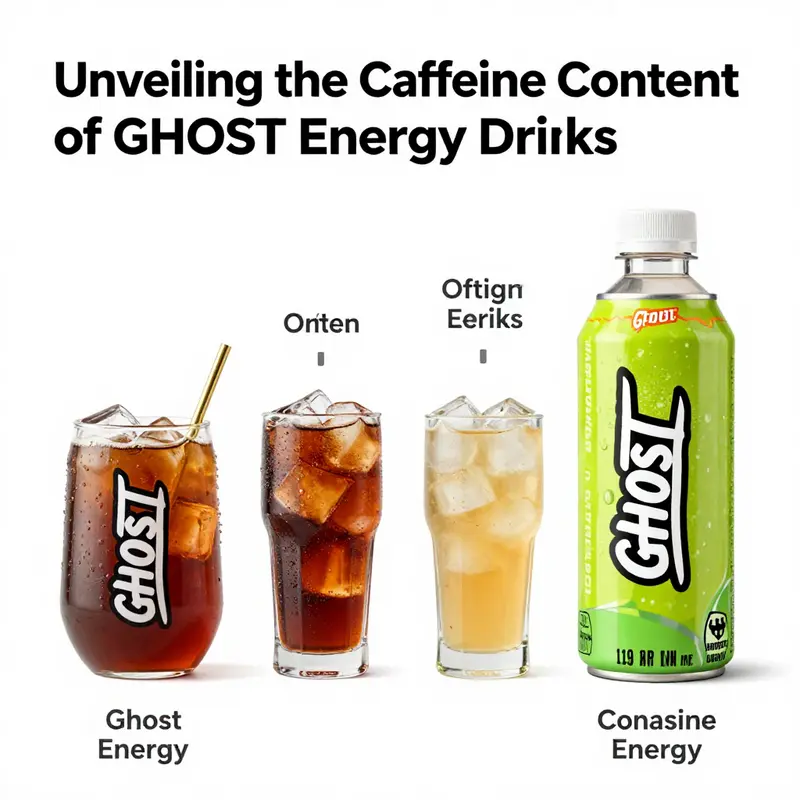
Across the caffeine landscape, a 16-ounce energy drink offers a substantial dose that matters to athletes and busy professionals. This chapter examines how the caffeine amount in a single can translates into energy onset, duration, and potential sleep impact. A typical 16-ounce can provides roughly 160 to 200 milligrams of caffeine, with the exact figure depending on the formulation. Natural caffeine from coffee bean origin is often touted as smoother and longer lasting than some synthetic blends, though individual biology still plays a big role. From a design perspective, packaging this level of caffeine in a 16-ounce can aligns with the broader aim of a sustained lift rather than a quick spike. The 16-ounce format balances convenience and dose, letting people fit it into a workout routine or a busy day without needing multiple smaller servings. Safety note: general guidance suggests a daily limit around four hundred milligrams for healthy adults, but sensitivity varies. People not accustomed should start with smaller amounts and monitor sleep and anxiety. Source and experience: natural caffeine may yield a slower onset; still, caffeine tolerance and interactions shape the final experience. The practical takeaway is to treat caffeine as part of a daily total and plan intake around workouts or long study sessions to minimize sleep disruption and maximize performance.
Caffeine in a 16-Ounce Burst: What 200 mg Means for Your Body and Your Day
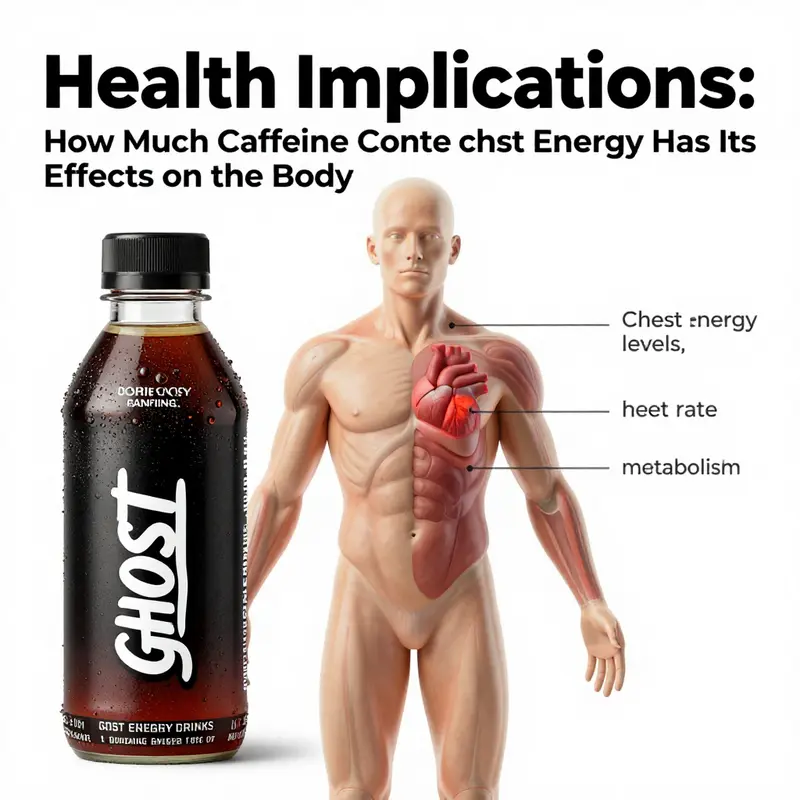
A 16-ounce can described in the research materials contains 200 milligrams of natural caffeine. That amount generally equals roughly two strong cups of coffee, though exact comparisons depend on bean origin and brewing strength. In practical terms, this is a substantial single-dose option, designed to deliver a clean lift of energy for a workout, a long work stretch, or a demanding day. The packaging and formulation purposefully cater to on-the-go consumers who want a reliable, caffeine-forward experience without the need to count multiple beverages. When you consider the 16-ounce can as a unit of caffeine, you can start to see how this product fits into daily routines that already include coffee, tea, and perhaps other caffeine sources.
Context matters when we translate that 200 mg into daily habits. The Mayo Clinic recommends a daily limit of about 400 mg of caffeine for healthy adults. In that framework, one can accounts for about half of the suggested ceiling. This is not a warning against consumption but a concrete reference point for planning a day that includes various caffeinated sources. If you start with a can before a workout and then reach for a second beverage later, you may find your total approaching or crossing the commonly accepted limit. For many people, this is not problematic, but it becomes essential to map out how caffeine flows through the day rather than letting it accumulate unattended.
The immediate physiological effects associated with a 200 mg dose are well aligned with the product’s marketing promise: heightened alertness, sharpened focus, and a potential uptick in physical performance in the short term. Caffeine operates by blocking adenosine receptors in the brain, a mechanism that reduces perceived fatigue and can yield a clearer sense of wakefulness. In practical terms, you may notice that tasks feel more manageable, reaction times tighten a bit, and tasks that require sustained concentration seem to flow more smoothly for a window of a few hours after consumption. For athletes or active individuals, the lift in endurance and power output is often cited as a practical benefit, especially when the timing lines up with a workout or high-demand activity. The idea is not to override fatigue with a miracle dose but to provide a predictable nudge that complements training, schedule, and nutrition.
But the same dose that can enhance performance also carries the potential for adverse effects if caffeine intake is not managed thoughtfully. Some individuals experience anxiety, restlessness, or difficulty sleeping when caffeine is consumed late in the day or in combination with other stimulants. Digestive upset, a faster heartbeat, or a jittery feeling can accompany higher total intake or sensitivity. The 200 mg per can is not inherently dangerous for most healthy adults, but its safety depends on total daily caffeine from all sources, timing, and personal sensitivity. When you factor in other caffeine-containing beverages—tea, coffee, energy shots, soda, or certain medications—the same can easily contribute to a cluster of symptoms that undermine sleep, mood, or heart-rate stability. In short, the dose can be a reliable ally or a jittery companion, depending on how it is integrated into the day.
Beyond caffeine itself lie other ingredients that people often associate with the energy-boosting claim. The beverage discussed in the materials includes substances such as L-Carnitine and taurine, and these are typically marketed as supporting energy metabolism and cognitive function. While these ingredients are generally considered safe at standard doses, their combined effect with a relatively high caffeine dose has not been the subject of extensive, definitive studies in the context of everyday consumption. That lack of exhaustive research does not imply danger, but it does warrant cautious interpretation of marketing claims. For individuals who rely on such products to maintain performance, it is wise to evaluate how these additional ingredients influence mood, focus, digestion, and sleep, particularly if caffeine is not the only stimulant in your day.
Caution is especially important for those who are caffeine-sensitive or who carry health conditions. The American Heart Association has highlighted that high caffeine intake may contribute to elevated blood pressure and irregular heart rhythms in a subset of individuals. People with hypertension, anxiety disorders, or arrhythmias should exercise particular caution when consuming caffeinated beverages. Genetic differences in caffeine metabolism mean that two people can react very differently to the same dose. Age, medication use, pregnancy status, and overall cardiovascular risk all shape how caffeine affects a given person. With that in mind, the same 200 mg that feels like a clean lift for one person could prompt palpitations or insomnia in another. A prudent approach is to pace consumption, especially on days when other stimulants are part of the routine, and to monitor bodily responses rather than adhering to a fixed projection of energy.
From a regulatory and consumer perspective, there is a broader context to consider. Federal guidance recognizes caffeine as generally safe at moderate levels but cautions that excessive, repeated, or uncontrolled intake may lead to adverse effects for some individuals. With a single can delivering 200 mg, the possibility of surpassing the daily safe range rises if multiple servings are consumed or if other caffeinated products are used concurrently. The takeaway is not to demonize caffeine but to cultivate awareness of total exposure: how much you drink, when you drink it, and how your body responds. The can’s 16-ounce size adds a layer of practicality—the amount is easy to track, and the single-serve design supports portion control for people who want a consistent dose at a predictable time. In that sense, the product aligns well with individuals seeking a straightforward caffeine strategy rather than a scattered intake across the day.
The marketing narrative attached to beverages like this often emphasizes fitness and everyday energy. The appeal lies partly in the perception of a natural caffeine source and in the transparency around caffeine content. Yet the real value lies in how the product fits into a person’s broader energy regime. If you experience steadier attention and improved workout readiness without lingering afternoon or evening jitters, the approach can be a sensible addition to a balanced lifestyle. If not, you may want to reframe when and why you use it, or consider alternative sources of energy that better align with your physiology and daily rhythm. For readers who want to broaden their caffeine repertoire beyond coffee, a broader look at non-coffee options can be informative; this perspective supports more intentional choices about when to reach for a caffeinated beverage rather than relying on a single source to sustain an entire day. In all cases, the key is awareness, not alarm—knowing your limits, tracking sources, and listening to your body so energy remains a resource rather than a source of stress.
In sum, the energy drink described here provides a substantial, natural caffeine dose in a convenient, 16-ounce package. For many healthy adults, 200 mg can support focus and performance for a few hours, particularly when timing and total daily intake are considered. For others, especially those with sensitivity or certain health conditions, that same dose may require careful management to avoid sleep disruption or cardiovascular effects. The best practice is to use this beverage as part of a thoughtful caffeine plan: know your tolerance, align caffeine with activity and meals, and prioritize hydration and sleep as moderating factors. With mindful use, the 200 mg dose in a single can can be a reliable ally for daytime energy, while keeping total daily exposure within the bounds of well-supported guidelines.
External resource for further context: For a medical perspective on caffeine safety and intake limits, refer to Mayo Clinic’s guide on caffeine. https://www.mayoclinic.org/healthy-lifestyle/nutrition-and-healthy-eating/in-depth/caffeine/art-20045699
null
null
Caffeine with Purpose: How Ghost Energy’s 200 mg Boost Fuels Market Momentum
Across the crowded energy drink aisle, a 16-ounce can that carries 200 milligrams of caffeine feels both bold and deliberate. The dose is substantial enough to wake a workout without pushing into reckless territory, and the source—natural caffeine derived from coffee beans—appeals to consumers who want a cleaner caffeine profile rather than synthetic alternatives. In a market where numbers matter as much as labels, that 200 mg figure becomes a signal: this is a product designed for a solid energy boost backed by straightforward expectations about what’s inside. The healthy ceiling often cited for caffeine is about 400 mg per day for most healthy adults, and those numbers frame how people might incorporate such a can into their routines. Two cans a day would approach that ceiling, while many consumers will rely on a single can during a workout or a mid-afternoon slump to re-center their attention.
What makes Ghost Energy distinctive in this crowded space is not only the dose but the packaging and the story that comes with it. The brand positions itself as premium and transparent, emphasizing there is no proprietary blend that hides ingredients behind a trade secret. Instead, the formulation highlights components that work in concert with caffeine to support performance: BCAAs, a nod to sports nutrition, and a methodology that favors clarity on the label. This transparency resonates with a growing cohort of health-conscious buyers who want to know what they’re putting into their bodies and why those ingredients matter for both energy and recovery. It’s not just about a surge of wakefulness; it’s about a sustained, controllable lift that enables focus rather than a quick spike followed by a crash.
For readers who want a quick snapshot of what makes Ghost Energy distinctive, a brief look at the product’s ecosystem helps. The brand’s emphasis on clean-label energy—no proprietary blends, clear dosages, and ingredients that align with fitness goals—has become a compelling value proposition in a market historically defined by flashy marketing rather than nutritional transparency. To explore more about Ghost Energy drinks and how it positions itself within this trend, you can read a concise overview here: Ghost Energy drinks. The link brings you to a resource that frames the energy drink in the context of performance and everyday usage, bridging the gap between gym floors and office desks.
Beyond the can, the practical appeal rests with the familiar 16-ounce format. This size is a strategic compromise between portability and sheer volume, giving consumers enough fluid to feel satisfied during an extended workout, a long workday, or a road trip. The choice of a 16-ounce can also carries implications for taste, mouthfeel, and the perception of value. A larger can often suggests more sustained consumption, while a smaller bottle might feel insufficient for a strenuous session. The 16-ounce standard thus functions as a reliable anchor in consumer routines, supporting consistent caffeine delivery without the wastage that sometimes accompanies oversized beverages. And because the caffeine is sourced from coffee beans rather than synthetic amino salts or isolated caffeine powders, the experience can feel smoother and closer to the alertness many people experience with coffee, while still offering the practicality of a ready-to-drink beverage.
The market context amplifies these product-level decisions. The energy supplement category is projected to grow significantly in the next few years, with demand centering on functional attributes that extend beyond mere stimulation. Consumers increasingly seek beverages that deliver energy with a story—one about sourcing, ingredients, and reformulation that respects the body and the environment. In that sense, Ghost Energy taps into a broader movement toward clean-label, high-performance drinks. It’s a response to the demand for products that can support an active lifestyle without sacrificing labeling integrity. The broader market dynamics, however, are not purely about one brand or one product; they reflect a cultural shift toward wellness-oriented consumption that prizes efficacy as much as transparency.
Within this shifting landscape, the caffeine dose becomes a strategic differentiator. Ghost Energy’s 200 mg dose sits above the typical energy drink average and aligns with the expectations of many athletes and daily commuters who want a robust, reliable lift. It’s a dose that invites thoughtful usage—one can for workouts, another for productivity sessions, and perhaps a half-dose when one needs a lighter touch. The focus here is not simply on highs and crashes but on a clean, manageable level of stimulation that supports sustained performance. In practice, that means users can time their intake around training sessions or critical tasks, pairing the caffeine with the brand’s no-nonsense approach to ingredients to optimize outcomes.
The conversation around caffeine also intersects with safety and individualized response. While the general guideline of 400 mg per day provides a framework, individual sensitivity varies. Some people metabolize caffeine quickly and may tolerate more, while others experience jitters, sleep disruption, or stomach discomfort at lower levels. The practical takeaway is that 200 mg per can offers a flexible building block for a day’s energy plan, especially when used as part of a broader routine that includes hydration, balanced nutrition, and adequate rest. Consumers who track their intake for health reasons will appreciate that the dose is explicit and straightforward, not obscured behind overly complex labelling or undisclosed blends.
The growth narrative surrounding Ghost Energy is not incidental. Market research points to a robust trajectory for energy-focused beverages, driven by a desire for performance-oriented products that still respect consumer demand for clarity. The industry’s momentum extends beyond a single product and into a broader ecosystem that values robust profile data, transparent sourcing, and evidence-based ingredients. In such a climate, Ghost Energy taps into a broader movement toward clean-label, high-performance drinks. It’s a response to the demand for products that can support an active lifestyle without sacrificing labeling integrity. The broader market dynamics, however, are not purely about one brand or one product; they reflect a cultural shift toward wellness-oriented consumption that prizes efficacy as much as transparency.
From a consumer education perspective, understanding caffeine content matters, but so does recognizing how that content fits into a lifestyle. The 200 mg dose per 16-ounce can is not an isolated technical specification. It is a signal about performance-oriented design, a flag for those who monitor caffeine intake, and a benchmark in a market that increasingly rewards brands that pair potency with accountability. The result is a consumer experience that feels both effective and trustworthy, a combination that several years of market evolution have nudged brands toward achieving. In the end, this alignment of dose, sourcing, transparency, and packaging catalyzes a broader willingness to experiment with energy beverages, especially among audiences who treat performance as a habit rather than a one-off sprint.
For readers who want to situate Ghost Energy within the larger market, it’s helpful to keep an eye on the numbers behind the category. The energy supplement market is projected to grow from about USD 1.12 billion in 2025 to roughly USD 1.58 billion by 2030, a testament to how many consumers are seeking sustained energy without sacrificing labeling clarity or ingredient quality. This macro trend supports the chapter’s premise: a brand that can deliver a meaningful caffeine boost while upholding clean-label principles and performance-driven ingredients has a distinctive opportunity to scale. For a broader market perspective, see the industry analysis linked below. And to get a practical sense of how this translates to everyday use and brand storytelling, the collection of articles on Ghost Energy drinks can provide helpful perspectives on the brand’s approach and reception among readers who pursue both fitness and mindful consumption.
External resource for broader context: https://www.grandviewresearch.com/industry-analysis/energy-supplements-market
Final thoughts
By comprehensively examining the caffeine content of GHOST Energy drinks, business owners can appreciate its implications for consumer choice, health perceptions, and industry trends. The drink’s reliance on natural caffeine sources aligns well with current consumer desires for health-conscious energy options. Monitoring these trends offers valuable insights for strategic marketing and product development, allowing businesses to respond efficiently to shifting market demands and health considerations.