
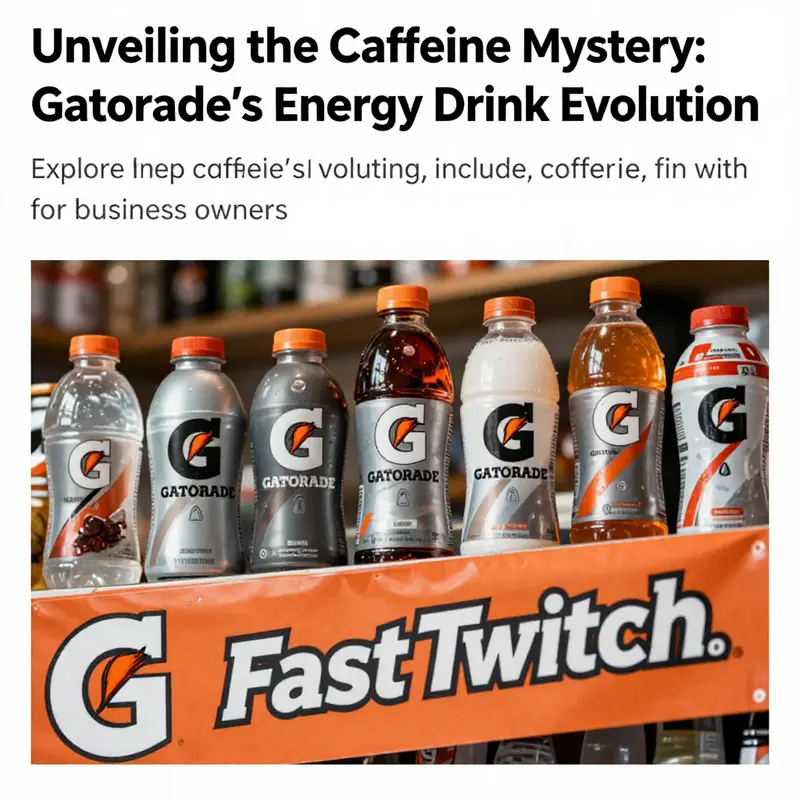
Understanding the caffeine content in Gatorade products is essential for business owners seeking to cater to health-conscious consumers. While most Gatorade drinks are caffeine-free, the introduction of Fast Twitch marks a significant shift, adding an energy drink option to their lineup. This article navigates the relationship between Gatorade products and caffeine and analyzes Fast Twitch’s role in this dynamic. Each chapter uncovers critical insights—ranging from product overviews to health considerations—helping business owners make informed decisions in their offerings.
Caffeine on the Hydration Field: What a Popular Sports Drink Delivers Beyond Electrolytes
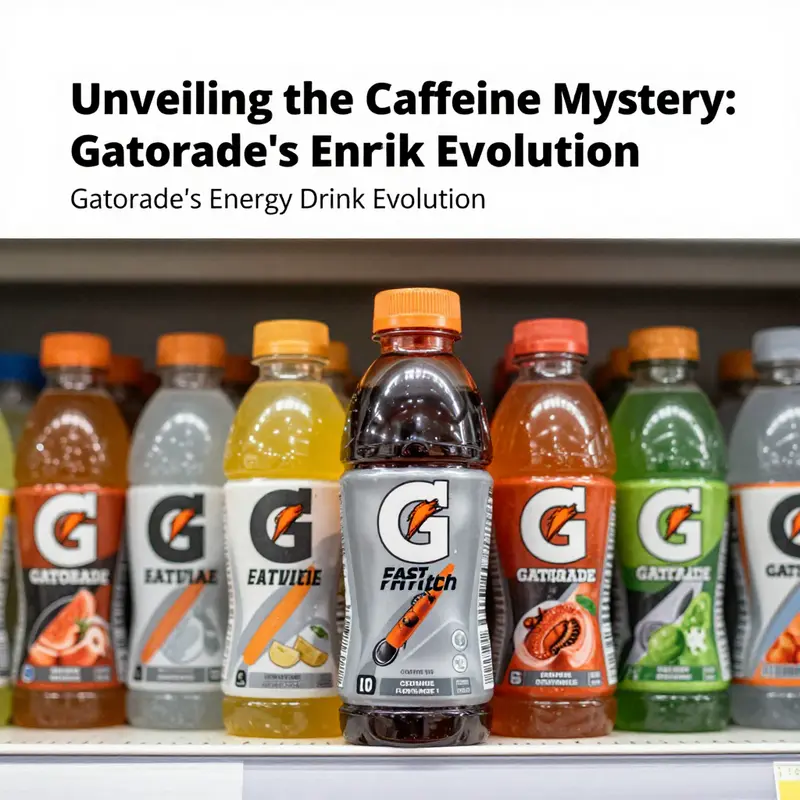
If you scan the labels on the aisle of a sports drink cooler and wonder whether caffeine travels along with the electrolytes, you are not alone. The landscape is simple at first glance: most of the brand s core hydration beverages are built to replenish fluids, restore electrolytes, and deliver carbohydrates that support performance. They hydrate without introducing stimulants, a design that makes them dependable companions during long runs, heat-heavy practices, or recovery sessions when the goal is steady energy rather than a sudden lift. Yet the story does not end there. In 2022 the lineup expanded with a caffeinated energy option that marked a departure from the usual formula. That variant carries caffeine as a core feature, providing a mental and physical boost in addition to the hydration and electrolyte portfolio. It is clearly labeled as containing caffeine and carries cautions for those who may be sensitive to stimulants or for pregnant and lactating individuals who should seek guidance from healthcare professionals before use. Taken together, these elements sketch a nuanced picture: caffeine is not a default ingredient in the everyday hydration drinks, but it can appear in select formulations designed for energy and focus.
To understand how this fits into the broader category, imagine the brand as balancing two main directions. One is the traditional hydration workhorse, a collection whose purpose is to restore the body’s fluid balance and electrolyte state with reliable flavors and textures. These beverages are tuned for rapid intake during exercise and for post exercise recovery, prioritizing taste and palatability, so athletes can drink enough to stay ahead of dehydration without the complication of stimulants. The other direction is the energy oriented option, a subset of products that pairs caffeine with carbohydrates to deliver a more immediate perceptual and physical nudge. The caffeine content in this category is substantial enough to matter for many users—roughly two hundred milligrams per serving—an amount that places it squarely in the familiar territory of common energy drinks. This contrast is not a contradiction but a deliberate strategy: provide a caffeine free baseline for hydration and performance support, while offering a clearly labeled caffeinated alternative for moments when mental focus and extra energy are desired. The key for consumers is to read the packaging carefully and to understand what each product is designed to deliver.
In the everyday shopping reality, the majority of the core products in the hydration family do not carry caffeine. The standard thirst quencher and its endurance formula cousins focus on fluids, electrolytes, and energy substrates that help sustain activity, but they do so without stimulating effects. A zero calorie variant in the same family embodies the same hydration emphasis while removing sugar and calories, appealing to athletes who monitor energy intake as well as those who aim to keep flavor preferences aligned with their dietary goals. If you are shopping with a specific goal in mind—hydration during a long run, recovery after heavy sweating, or managing calories while training—the border between caffeine-free hydration and caffeine-containing energy drinks becomes a practical decision point. It is worth noting that, while the core lineup remains caffeine-free, some specialty or limited edition flavors may include caffeine as part of an energy-enhancing proposition. In such cases, the presence of caffeine will appear on the ingredient list and the nutrition facts panel, where you can confirm the exact amount and serving size. The dynamic nature of product development means new flavors or lines can emerge, so the most reliable source of truth is the packaging and the brand s official product information hub, which aggregates current ingredients and nutritional content.
For athletes and everyday users, the labeling is more than a courtesy. It acts as a guide to how the drink should be used within a training session, a competition, or a casual daily routine. When a product is caffeinated, the label also communicates the potential implications for daily caffeine intake, which is relevant for people who already consume coffee, tea, or other caffeinated foods and beverages. The guidance is particularly important for those who are sensitive to caffeine, as well as for individuals who need to monitor caffeine consumption for sleep or anxiety concerns. The cautionary notes about pregnancy and lactation reinforce the idea that caffeine decisions during critical life stages should be made in collaboration with a healthcare professional. In this sense, the caffeine status of a sports drink becomes part of a broader conversation about total daily intake and the timing of consumption relative to workouts and rest. And for those who want to align their fueling with a precise plan, the option to compare caffeine-free hydration against a caffeinated alternative becomes a practical tool rather than a curiosity.
The practical takeaway for most readers is simple: if you want a beverage that supports hydration without stimulants, choose the caffeine-free core products. If you are seeking a boost in concentration or a quicker onset of energy during a workout, a caffeinated option in the same brand can be appropriate, provided you are aware of your tolerance, the timing of consumption, and the other caffeine sources in your day. It is also worth acknowledging that the brand s labeling does not leave you guessing. A product that contains caffeine will specify it, making it easier to manage your intake in the context of training schedules, competition travel, or daily routines. This clarity is especially important for athletes who adhere to strict fueling regimens or for individuals with sensitivities who are trying to minimize jitter, heart palpitations, or sleep disruption.
For consumers who want a more focused understanding of how caffeine behaves in these beverages, it helps to consider what caffeine does in the body during exercise. In moderate amounts, caffeine can enhance alertness, reduce perceived effort, and improve endurance in some individuals. These effects can be favorable in training sessions that require focus or extended concentration. However, caffeine also has the potential to disrupt sleep if consumed late in the day and may interact with other caffeine sources, which can complicate daily routines. In practice, choosing a caffeinated option is a strategic decision—useful when you need sharp focus or an energy lift during a workout, but perhaps unnecessary if you are seeking steady hydration without stimulants or if your daily caffeine intake is already near a comfortable limit. The decision becomes easier when you know the exact caffeine content and the recommended usage guidelines printed on the label.
The label literacy recommended here is not merely a matter of curiosity. It translates into safer, more effective consumption. If you are planning back-to-back training sessions, or if your sport requires long hours of continuous activity, caffeine management becomes part of a bigger plan that includes hydration, electrolyte balance, and carbohydrate availability. For many athletes, the most successful approach is to reserve caffeinated drinks for specific moments when a mental or physical edge is most needed and to rely on caffeine-free options for general hydration, recovery, and daily use. In that sense, the brand offers a spectrum rather than a single solution, with the majority of the lineup remaining caffeine-free and a clearly labeled caffeinated option available for those who want an energy-oriented alternative.
As you navigate the aisles or your favorite online shop, another practical step is to check the official product information page for the most up-to-date details. The information there consolidates ingredients and nutritional content, reflecting any updates to formulas or new product introductions. If you are curious about how a specific variant fits your daily routine or training plan, this page will be the most reliable source. And for readers who want a concise comparison of caffeine presence across a caffeine-free baseline and a caffeinated energy option, exploring a related article on a separate site can be enlightening. For example, you can read a focused discussion about whether a zero calorie variant contains caffeine at this link: does-gatorade-zero-have-caffeine.
In the broader context of sports nutrition, the existence of a caffeinated energy drink within a hydration brand underscores a familiar tension. On one side, athletes need reliable fluid replacement and electrolyte balances to maintain performance, heat tolerance, and recovery. On the other side, some athletes seek the added benefit of caffeine to sharpen focus, reduce perceived exertion, and potentially improve endurance. The dual approach allows consumers to tailor their fueling strategy to the demands of the day, the intensity of the workout, and personal tolerance. It also challenges brands to clearly label products so athletes can separate hydration needs from stimulation needs. For the casual consumer, this distinction matters as well. Even outside the confines of sport, readers who use these beverages during gym sessions, commutes, or long days at work can benefit from understanding whether caffeine is present and how much is included. The clarity offered by transparent labeling, combined with a straightforward official information hub, helps people make choices that align with health goals, activity levels, and lifestyle preferences.
Ultimately, the caffeine question in this brand is answered by looking at the product you pick and reading its label. The bulk of the lineup remains caffeine-free, offering hydration and recovery without stimulants. A caffeinated option exists, clearly identified, with a level of caffeine that is significant enough to influence energy and focus during exercise. This dual approach allows athletes to plan around their training regimens while maintaining control over daily caffeine intake. It also invites ongoing conversations about how to balance hydration, energy, and sleep, a balance that is as individual as the athlete themselves.
External reference: For a comprehensive overview of ingredients and product content from the brand s official channel, see https://www.gatorade.com/en-us/products
Charged Hydration: How a Leading Sports Beverage Wove Caffeine into Its Hydration Strategy
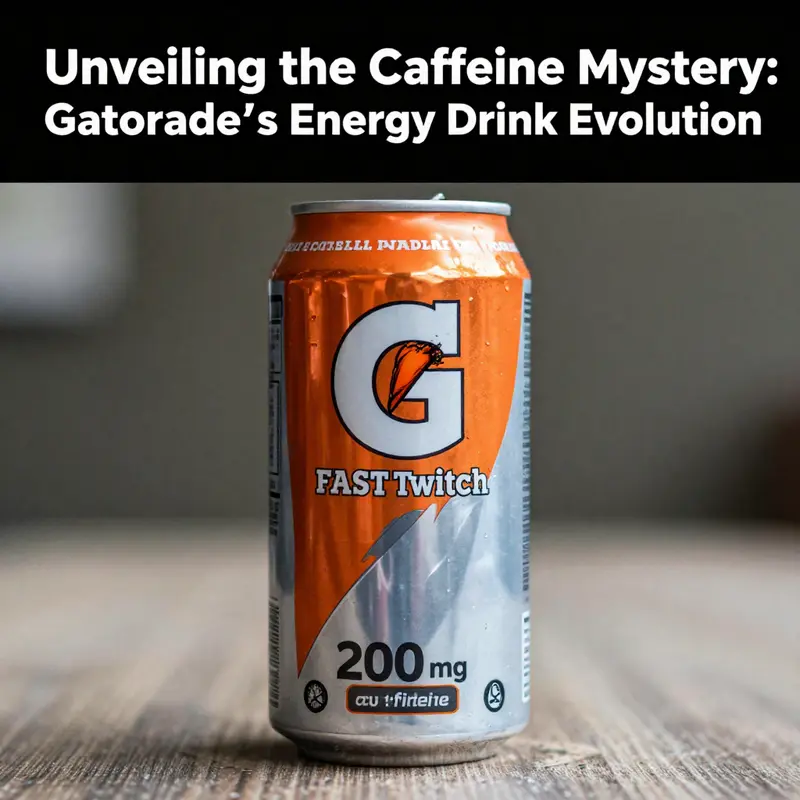
This chapter analyzes how a major hydration brand integrated caffeine into its portfolio, reframing energy and hydration as coordinated elements of training. It discusses the product’s positioning as sugar-free and electrolyte-rich, its pre-workout focus, and how athletes might sequence caffeine intake with hydration to optimize performance while maintaining fluid balance. The discussion also covers formulation choices, messaging around safety and tolerance, and practical considerations for athletes managing caffeine budgets in daily training.
Beyond Hydration: Unpacking Caffeine in Gatorade and the Quiet Boundary Between Electrolytes and Energy
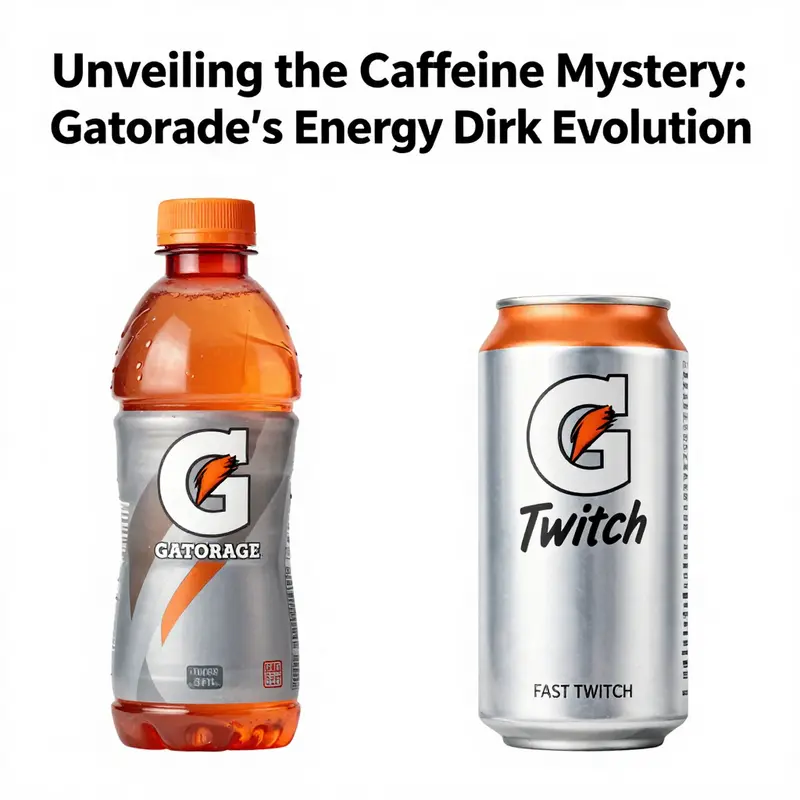
The question of whether Gatorade contains caffeine often arrives with the same tone as any inquiry about a familiar product: simple, practical, and a touch surprising once the nuance lands. For years, Gatorade has stood as a benchmark in electrolyte replacement, a beverage designed to rehydrate and replenish minerals lost through sweat. In the everyday rhythm of training, competition, or a busy day that demands steady focus, many reach for a drink that promises hydration first and taste second. Caffeine, meanwhile, sits on a different shelf altogether – an ergogenic aid that can sharpen alertness, alter perceived exertion, and subtly shift how the body perceives effort. When these two worlds converge in a single bottle, curiosity follows. The straightforward takeaway from the available information is that most Gatorade products are caffeine-free, but there is at least one notable exception that redefines the line between a sports drink and an energy drink.\n\nThe backbone of Gatorade’s appeal has always been hydration with electrolytes. The classic lemon-lime or grape flavors, and their broader family of beverages, are crafted to restore sodium, potassium, and other minerals essential to maintaining fluid balance during and after physical activity. Sugar is part of the formulation for many flavors, providing a quick energy source, but the primary intent remains hydration and electrolyte replenishment rather than sustained mental stimulation. In this sense, regular Gatorade is positioned squarely in the realm of performance support—hydration, taste, and stable energy delivery without the explicit accompaniment of caffeine. The bulk of the line has not been marketed or described as containing caffeine, and the consumer expectation aligns with a caffeine-free profile. This alignment matters not only for athletes who are caffeine-sensitive but also for those who must manage caffeine intake due to health considerations or personal preference.\n\nYet the landscape is not a monolith. In 2022, Gatorade introduced Fast Twitch, a product described as their first energy drink containing caffeine. This launch marks a deliberate pivot: a beverage that sits at the crossroads of hydration and energy augmentation, designed for moments when mental focus and rapid energy are at a premium. The caffeine content is explicit—200 milligrams per serving—placing Fast Twitch squarely in the energy-drink category. The labeling leaves no ambiguity: it contains caffeine and should be approached with caution by individuals who are sensitive to caffeine, or by pregnant and lactating women who should consult healthcare professionals before use. The clear designation serves a dual purpose: it respects consumer autonomy and helps people align their intake with personal health considerations.\n\nThis specific information set speaks to a larger truth about product design and consumer choice. If a shopper is seeking caffeine, the Gatorade line does not offer a broad spectrum of caffeinated variants beyond Fast Twitch. If, however, the goal is reliable hydration with a focus on electrolyte replenishment and low or zero sugar for calorie-conscious diets, the standard beverages and the Zero Sugar variants provide a predictable caffeine-free option. The absence of caffeine in the majority of Gatorade products is not a mere marketing preference; it reflects an intentional separation of hydration-centric drinks from energy-focused products. In practical terms, this means that for most workouts, daily hydration routines, or recovery periods, a regular Gatorade or a Zero Sugar option will deliver electrolytes and fluid without introducing caffeine into the equation. The contrast between these categories is instructive: caffeine can influence perception of effort and alertness, but it can also interact with hydration status, sleep quality, and individual tolerance. For athletes who rely on precise hydration strategies, understanding where caffeine fits within the product line helps prevent unintended overstimulation or dehydration effects.\n\nThe conversation around caffeine in Gatorade would be incomplete without acknowledging the Zero Sugar Powder Mix. This variant illustrates another facet of the brand’s approach to performance beverages. Zero Sugar products are designed to offer a zero-calorie or very low-calorie profile while still delivering electrolytes and flavor. They cater to weight management goals and diabetic-friendly diets, using artificial sweeteners rather than sugar to achieve palatability. In this format, caffeine is not introduced as a standard feature. The emphasis remains on hydration and electrolyte restoration with a sugar-conscious footprint. The existence of such a variant reinforces the idea that Gatorade as a family of products aims to cover a spectrum of consumer needs, from high-energy demands to calorie- and sugar-conscious hydration. For readers assessing caffeine content, the Zero Sugar line represents a clear, caffeine-free alternative, reinforcing the broader message that, outside of the single caffeinated outlier, caffeine is not a baseline attribute across the portfolio.\n\nAnother crucial layer in this discussion arises from the context in which beverages, even caffeine-free ones, are consumed. There are scenarios where hydration intersects with medical or procedural guidelines that shape how and when such drinks are used. Enhanced Recovery After Surgery ERAS protocols have reshaped the preoperative landscape by permitting clear fluids—including certain sports drinks—up to two hours before anesthesia. The rationale rests on maintaining hydration and energy without delaying gastric emptying. This shift away from rigid fasting toward a more measured approach acknowledges the importance of maintaining stable physiology through the perioperative period. In this context, Gatorade’s hydration-centric profile gains practical resonance: for patients or athletes who must optimize hydration before a procedure or a test, a clear-fluid option like Gatorade can be part of the recommended strategy, provided it aligns with medical guidance. The preoperative emphasis is not about caffeine content; it is about ensuring the fluid and electrolyte balance supports safe anesthesia and recovery. Hydration, not stimulation, is the central objective here, and the brand’s ability to offer a familiar, palatable option contributes to a smoother preparation process for some individuals.\n\nWith these perspectives in mind, what does a consumer do if they want caffeine in the Gatorade universe? The answer rests in the product choice. If caffeine is a critical factor in a user’s routine, the only overt caffeinated option within the Gatorade lineup, as documented, is Fast Twitch. Its formulation—200 mg of caffeine per serving—positions it alongside other energy drinks in terms of caffeine load and anticipated effects, including heightened alertness and a potential uptick in perceived energy. The labeling explicitly communicates the caffeine content and the cautions that accompany caffeine use, particularly for those who are sensitive to caffeine or who have health considerations such as pregnancy. This clarity is important for responsible consumption, but it also highlights the practical limitation that for most Gatorade consumers seeking hydration with no caffeine, the regular flavors and zero-sugar variants remain caffeine-free.\n\nFor readers who want to know more about caffeine content in the broader Gatorade family, a natural next step is to look directly at the product pages and label information. In this chapter, the emphasis on a clean, reader-focused takeaway is to recognize the general rule: the standard Gatorade line is caffeine-free, with the notable exception of Fast Twitch. If you want to verify whether a specific product in the lineup contains caffeine, the labeling is the most reliable guide. And for those who are curious about the caffeine status of a particular Gatorade product that aligns with a lifestyle choice—whether you are prioritizing zero sugar, lower calories, or simply a caffeine-free beverage—the internal exploration can begin with a targeted inquiry into the Gatorade Zero line or any variant described as caffeine-free in its product information.\n\nReaders who want a concise path to deeper detail can consult a dedicated resource that directly addresses Gatorade’s caffeine content in its caffeine-free variants. Does Gatorade Zero Have Caffeine? serves as a compact, readable reference for those who want to skim the facts without navigating a maze of labels. This linked resource is designed to supplement the broader narrative presented here, offering a focused check on the caffeine status of the zero-sugar and standard lines while the larger discussion clarifies where caffeine fits into the overall product strategy.\n\nFor those who prefer to explore beyond the brand’s pages, a broader external reference provides context on how caffeine labeling works in practical terms and why consumers should read product information carefully. This external resource offers guidance on caffeine content, labeling conventions, and consumer considerations that extend to sports drinks and energy-enhancing beverages. It helps readers connect the specifics of Gatorade’s lineup with general principles about caffeine in foods and drinks, without anchoring the discussion to a single product family.\n\nIn short, the landscape is clear enough for practical decision-making. Most Gatorade products are caffeine-free, crafted to deliver hydration and electrolytes with taste, not stimulation. The notable exception is Fast Twitch, introduced in 2022, which brings a substantial caffeine dose into the Gatorade ecosystem. For those who want caffeine without leaving the hydration frame, Fast Twitch provides a direct option, while the rest of the lineup adheres to a caffeine-free mission. The presence of Gatorade Zero Sugar Powder Mix widens the scope for those who want low-calorie hydration and electrolyte restoration without caffeine. And in contexts such as preoperative planning under ERAS protocols, the emphasis remains on safe, clear fluids that support hydration and energy as appropriate for a given medical pathway. The practical upshot is straightforward: read labels, understand your caffeine tolerance and health considerations, and choose the product that aligns with your goals for hydration, energy, and overall well-being.\n\nInternal link: Does Gatorade Zero Have Caffeine? — https://coffeerichlife.com/blog/does-gatorade-zero-have-caffeine/\n\nExternal resource: https://www.fda.gov/food/food-labeling-nutrition/caffeine
Caffeine in Hydration: Health Considerations for Electrolyte Sports Drinks
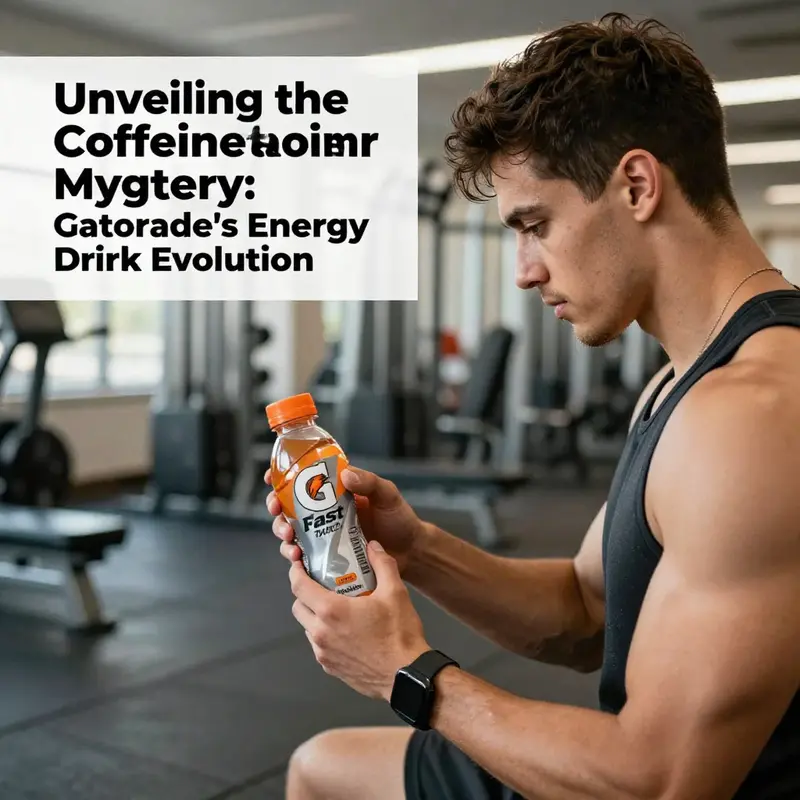
Hydration science often highlights water and minerals, not stimulants. In the broader family of electrolyte beverages designed for athletes and active people, caffeine is not a given. Most of the standard thirst-quencher drinks carry little to no caffeine, keeping the focus on fluid balance, electrolytes, and energy via carbohydrates. Yet a caffeinated segment exists within the same family, blending energy-boosting attributes with electrolyte delivery. The presence and amount of caffeine vary not only by product line but also by region and labeling practices. This variability means that, for a given bottle, the caffeine content can range from zero to a substantial stimulant dose. The central question for athletes, casual exercisers, and readers curious about performance science is straightforward: do caffeinated versions of these drinks exist, and if so, how much caffeine do they bring to the hydration equation? The answer is nuanced and requires careful reading of labels, consideration of personal tolerance, and awareness of health context.
On the spectrum of products within this category, caffeine content tends to cluster around two poles. The largest share of beverages marketed for hydration is caffeine-free, aiming to replenish fluids and minerals without any stimulant effects. In contrast, certain lines are formulated to supply caffeine alongside electrolytes, reinforcing the notion that hydration can be paired with a modest energy lift. The caffeine dose in these lines can be modest, roughly 50 to 100 milligrams per 16-ounce bottle, which aligns with a small cup of coffee in caffeine exposure. This level can offer perceptible alertness or mood enhancement during or after exercise, without the intensity of larger energy products. Yet these figures are not universal. Market practices vary by region, and flavors or limited editions may shift the caffeine amount higher or lower. The practical takeaway is simple: a given bottle may deliver standard hydration or a stimulant experience, depending on the specific option chosen.
Beyond these standard ranges, there exists a higher-caffeine option intended to support sustained energy during longer sessions. In recent years, a caffeinated variant has appeared in the lineup, marketed to bolster mental focus and physical energy for endurance work. The caffeine content for this category can be around 200 milligrams per bottle, a dosage comparable to multiple cups of coffee in one sitting. This level transforms the beverage from a straightforward hydration tool into a true energy beverage with electrolyte support. It is typically labeled as containing caffeine, and the label often cautions sensitive individuals, pregnant or lactating people, and others to exercise caution or consult a clinician before use. The presence of such a variant shows that the boundary between hydration and energy is not fixed; it shifts with market demand, formulation decisions, and consumer preferences. For some athletes, that higher caffeine dose may offer a meaningful edge in long events or early-morning sessions, while for others it may tip the balance toward overstimulation or sleep disruption.
Given the broad range of caffeine content, label literacy becomes essential. When a product clearly lists caffeine, it will specify a milligram amount. In other cases, it may be described as an energy beverage or feature a caffeine icon on packaging. Readers should remember that caffeine contributes to the total daily intake from all sources—coffee, tea, soda, energy gels, and other caffeinated products. Public health guidance consistently emphasizes mindful consumption. The American Heart Association, for instance, advocates tracking total daily caffeine intake to account for cumulative effects. For those who want hydration without caffeine, non-caffeinated options provide the same electrolyte benefits without stimulants, which can be particularly important on days with high caffeine consumption from other sources or when sleep is a priority. If a caffeine boost is desired, it makes sense to time the intake around training and to limit the number of caffeinated products to manage total exposure.
Health considerations extend beyond the numbers on a label. The Mayo Clinic’s guidance on caffeine offers a practical framework: for most healthy adults, up to about 400 milligrams per day is considered safe, though individual sensitivity varies. This ceiling should be interpreted in the context of other caffeine sources, including coffee, tea, and chocolate, as well as any medications or supplements. Higher doses can produce side effects such as increased heart rate, elevated blood pressure, sleep disturbances, anxiety, and digestive issues. People with pre-existing cardiovascular conditions or hypertension may experience more pronounced effects and should consult a clinician before incorporating caffeinated hydration into their routine. Pregnant or lactating individuals, as a precaution, are often advised to limit caffeine intake. In the sports setting, caffeine can deliver a performance edge for some athletes by increasing alertness and reducing perceived exertion during prolonged exertion, but these benefits are not universal and depend on training status, environmental conditions, and individual tolerance. A 2024 study published in Nutrients underscores that caffeine can enhance endurance during extended exercise, yet it also warns that the benefits must be weighed against potential risks, especially for non-athletes or people who consume multiple caffeinated products daily. The science thus points toward a nuanced decision: caffeine can help some athletes, but it is not a one-size-fits-all solution, and safety depends on total intake and timing.
In practical terms, athletes and casual exercisers can translate these findings into clear habits. If the aim is pure hydration, a non-caffeinated option is typically the simplest and safest path. If an energy lift is desired during or after exercise, a targeted, moderate caffeine dose may be appropriate, provided that the total daily intake remains within a comfortable range and timing respects sleep quality. The ergogenic effects of caffeine are not universal and are influenced by habitual use, sleep patterns, and the nature of the activity. For instance, caffeine may benefit long, steady endurance sessions when tolerance is established, while a short, high-intensity effort late in the day could be better without caffeine due to potential sleep disruption. This balanced approach aligns both with scientific evidence and with practical experience across fitness, sport, and everyday wellness.
Readers often ask how to navigate caffeine in real life, especially when product lines blur the line between hydration and energy. The caffeine dose can be modest, but it adds up with other caffeine sources throughout the day. A practical rule is to prioritize clear labeling and to be mindful of how caffeine fits into the broader daily caffeine budget. If a label does not call out caffeine or mark a specific milligram amount, it may be caffeine-free, but exceptions exist. When in doubt, choosing clearly labeled, non-caffeinated hydration options is a reliable default. For readers who want to explore the topic further, a resource discussing the caffeine content of the zero-sugar option offers a concrete example of how labeling and formulation can differ in practice: zero-sugar option caffeine content.
Ultimately, the question of whether caffeinated versions exist within this product family has a layered answer. They do exist in some markets and lines, with caffeine doses ranging from a modest handful of milligrams to around two hundred milligrams per bottle. In everyday hydration routines, the simplest strategy is to favor caffeine-free options and rely on plain water or non-caffeinated electrolytes for replacement. If caffeine is part of a training or competitive plan, approach it as a deliberate tool: consider the overall caffeine budget, the timing relative to sleep, and the specific demands of the activity. In this way, caffeine can be integrated thoughtfully into hydration goals without compromising safety or hydration integrity. The hydration beverage aisle thus becomes more than a shelf of drinks; it becomes a microcosm of personal health decisions, where electrolyte balance, performance needs, and stimulant exposure intersect in concrete choices.
External resource: for a reliable compass on caffeine safety and daily limits, see Mayo Clinic’s overview: https://www.mayoclinic.org/healthy-lifestyle/nutrition-and-healthy-eating/in-depth/caffeine/art-20045678.
Final thoughts
In conclusion, Gatorade’s product line, particularly with the introduction of Fast Twitch, brings a new dynamics concerning caffeine. As more consumers seek quick energy boosts, understanding the caffeine content and its implications becomes crucial for business owners. This knowledge not only assists in product offering decisions but also ensures that businesses are meeting the evolving preferences and health considerations of their clientele. Engaging with these insights will empower business owners to strategically navigate the beverage landscape.