
Understanding the caffeine content in drinks like Dr Pepper Zero is crucial for business owners catering to a diverse clientele. With recent revelations that this drink contains 41 mg of caffeine per 12-ounce can, misconceptions have surrounded its potency compared to more traditional caffeinated beverages. This article dissects the caffeine levels found in Dr Pepper Zero, compares them to competitor beverages, clears up common myths, and ultimately addresses the health implications related to caffeine consumption. Each chapter will illuminate a facet of this topic, enabling business owners to better serve their customers and make informed decisions.
41 Milligrams, Bold Flavor: The Real Caffeine Story Behind Dr Pepper Zero
When people first hear the phrase Dr Pepper Zero, the mind often jumps to two reassuring ideas at once: zero sugar and a familiar, full-bodied flavor. Yet the caffeine question remains a practical one that many readers want answered with precision. In a standard 12-ounce can, Dr Pepper Zero contains 41 milligrams of caffeine. This figure is consistent across both the regular and zero-sugar variants, a point confirmed by official product disclosures and recent industry data. It is not a negligible amount, but it sits clearly in the middle of the soft drink spectrum—enough to create a gentle lift without producing the strong buzz associated with coffee or many energy drinks. This clarity matters for anyone who wants to balance taste, habit, and daily caffeine limits without overthinking every sip.
The number 41 mg becomes more meaningful when placed in context. A cup of brewed coffee, depending on the bean, roast, and method, typically carries roughly 95 to 200 mg of caffeine. A can of standard cola usually harbors far less, often in the 30–40 mg range. Dr Pepper Zero lands squarely in that mid-zone, offering a caffeine experience that supports focus or alertness during a midafternoon lull, yet remains approachable for those who prefer to keep caffeine intake modest. This is precisely where many everyday beverages find their sweet spot: not a stimulant in the strict sense, but a comforting nudge that aligns with a routine rather than dominates it.
From a formulation standpoint, caffeine in Dr Pepper Zero contributes to the drink’s overall sensory profile. Caffeine has a slight bitterness, which can subtly interplay with the drink’s characteristic complex flavor—often described as a bold, slightly fruity, and uniquely spiced profile with 23 flavors that many fans expect from the brand. The caffeine content complements that flavor architecture rather than overpowering it, letting the taste carry the moment as the caffeine does the lifting. For someone who savors the instinctive snap of a cold can, the caffeine is almost a background note—present enough to be noticeable, but not so prominent that the drink feels like a coffee substitute.
This balance matters more when you consider daily caffeine guidelines. A commonly cited practical benchmark is that many healthy adults can tolerate up to about 400 milligrams of caffeine per day, spread across foods and beverages. That threshold is well above a single 12-ounce can of Dr Pepper Zero, meaning a few drinks across the day can fit into many people’s routines without triggering strong negative effects. Of course, individual sensitivity varies. Some people notice jitters, insomnia, or an elevated heart rate at relatively low doses, while others may feel only a mild, agreeable lift. Pregnancy, certain medical conditions, and interactions with medications can also shift what is considered a safe amount, so readers who fall into those categories should consult a healthcare professional about personal limits.
A convenient way to think about 41 mg is to compare it with other caffeine sources you may encounter in a typical day. If you substitute a portion of a coffee consumption with Dr Pepper Zero, you would still be much closer to a moderate daily total than to a caffeine-heavy regime. And if you’re monitoring sugar intake, the zero-sugar label becomes a meaningful point in the equation: you get the energy lift from caffeine without adding sugars or carbohydrates. This makes Dr Pepper Zero an appealing choice for people who are mindful of calories, caries risk, or weight-management goals while still wanting a flavorful beverage that feels indulgent rather than routine.
Understanding where the caffeine comes from also helps demystify the rumors that sometimes swirl around zero-sugar products. In the past, some sources claimed Dr Pepper Zero contained 0 mg of caffeine, likely stemming from marketing language, misinterpretation, or confusion with older formulations. The most authoritative, up-to-date data—gleaned from ingredient disclosures and regulatory labeling—clearly show 41 mg per 12-ounce serving for both Dr Pepper Zero and the regular Dr Pepper. This distinction matters: “zero sugar” does not automatically imply “zero caffeine.” In practice, caffeine content tends to be tied to the same base formulation that defines the brand’s signature flavor, with slight variations that may occur in different production runs or packaging sizes. For consumers, this means paying attention to serving size and not assuming caffeine-free status based on sugar content alone.
For readers who want to explore related questions about caffeine in diet beverages, a related discussion may prove illuminating. A concise piece on whether certain diet sodas truly deliver caffeine—and how labeling can sometimes be misleading—offers context for those who want to compare Dr Pepper Zero with other sugar-free or low-calorie options. Does Diet Dr Pepper Have Caffeine? Get the Truth. This hyperlink invites a broader look at how diet formulations handle caffeine differently across brands and products, helping readers form a more complete picture of what to expect when they reach for a can in the store or the fridge.
The practical takeaway is straightforward: if you are tracking caffeine for daily limits or sensitivity, Dr Pepper Zero provides a defined, moderate amount—41 mg per 12-ounce can. It’s enough to deliver a mild lift and to be part of a routine, but it does not resemble the higher caffeine doses found in many coffee beverages or energy drinks. It also underscores a broader point about modern beverages: labeling and marketing can emphasize sugar content or flavor profiles while quietly leaving caffeine amounts in a range that is entirely manageable for many people when consumed thoughtfully. This alignment of taste, calories, and caffeine is part of what makes Dr Pepper Zero a distinctive option in a crowded market of soft drinks and diet beverages.
When considering how to fit Dr Pepper Zero into a day, the timing becomes a practical consideration. Some people find that a mid-morning or mid-afternoon can benefit from a gentle caffeine boost to sustain focus through tasks that require sustained attention, especially after lunch when energy can dip. Others prefer to avoid caffeine later in the day to prevent sleep interference. The 41 mg figure supports a flexible approach: it is not so potent that it will disrupt sleep for most people if enjoyed earlier in the day, but it is also not so mild that it fails to register for those who are more caffeine-tolerant. The key is to know your own body and to pair the drink with awareness of how caffeine affects your alertness, moods, and sleep patterns. For those who are especially caffeine-sensitive or who limit caffeine for medical reasons, this kind of precise data is particularly valuable because it removes guesswork and helps you plan your consumption with confidence.
From a taste perspective, the caffeine level in Dr Pepper Zero interacts with the drink’s aroma and mouthfeel as you sip. The beverage offers a full-bodied, refreshing sensation that many describe as pyrotechnic in its flavor clarity—a trait that helps the drink feel satisfying without sugar. In this sense, caffeine acts as a supporting actor: it keeps the focus on the drink’s signature, multi-note flavor profile while giving the drinker a subtle, utilitarian boost. For someone who values flavor depth as much as function, this is a compelling combination—calorie-conscious, caffeinated, and unabashedly flavorful. The synergy between taste and caffeine is not accidental; it is the result of decades of product development that aim to balance sensory intensity with functional signaling, so the drink feels both indulgent and sensible in the same moment.
In a broader sense, the story of Dr Pepper Zero’s caffeine content is a reminder that sugar content is not the sole determinant of a beverage’s impact. Caffeine is a separate variable with its own set of effects and considerations. Consumers who are curious about the exact caffeine content of other drinks can use 41 mg as a reference point while comparing against beverages that advertise higher or lower caffeine loads. The comparison can illuminate what you might expect in terms of taste, energy, and overall daily intake. It also invites a more nuanced conversation about how brands label products and how the public interprets those labels. Information like this equips readers to make informed choices based on their own health goals, taste preferences, and daily routines.
For those who want to see the official numbers and ingredient details from the source, the most reliable verification comes from the brand’s disclosures and the product pages provided by the company’s official channel. This is where you’ll find the standardized serving size (12 fl oz or 355 mL) and the exact caffeine content, along with the other nutritional data that helps you assess the drink in the context of a balanced diet. Keeping these sources in mind can prevent confusion from headlines or outdated rumors and can help you align your consumption with your personal goals.
As a closing reflection, the caffeine story in Dr Pepper Zero is not merely about a milligram count; it’s about the practical reckoning of how a flavor-forward, zero-sugar beverage fits into modern lifestyles. The 41 milligrams per can offer a reliable, moderate lift that sits comfortably between the need for a quick moment of alertness and the desire to enjoy a beverage without extra sugar or calories. In other words, it is a measured response to a modern palate that wants flavor, variety, and a touch of daytime energy, all without sacrificing dietary aims. This nuanced balance is what makes Dr Pepper Zero not just a curiosity in caffeine trivia but a considered choice for readers who navigate a busy day with intention. For those who want a broader sense of how caffeine compares across a range of popular drinks, the conversation does not end here; it invites further exploration and critical reading, supported by reliable sources and careful labeling.
External resource: Official product details and caffeine labeling can be found on the producer’s official site, which provides the most current and precise information for those who rely on exact figures for dietary planning. https://www.keurigdrpepper.com/
The Quiet Buzz in a Can: Placing Dr Pepper Zero’s Caffeine Within the Spectrum of Everyday Drinks
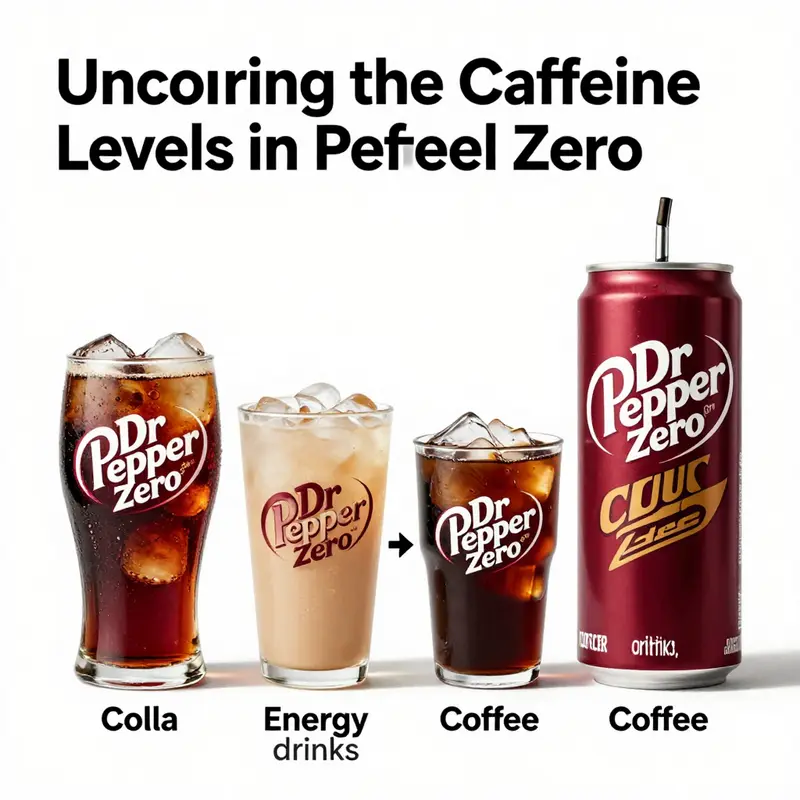
When you reach for a Dr Pepper Zero, you are choosing a familiar taste with a promise of zero calories and a modest lift from caffeine. Yet behind that familiar label lies a question that many readers and diners wrestle with: how much caffeine does Dr Pepper Zero actually contain per can, and how does that compare with other beverages people reach for on a busy day? The most current, reliable data place Dr Pepper Zero at 23 milligrams of caffeine per 12-ounce (355 milliliter) can. This positions it squarely in the middle of the caffeine spectrum for common soft drinks—not a high-octane energy drink, but not a caffeine-free option either. It’s a level that can offer a subtle edge in alertness without the sharp jolt associated with more caffeinated beverages. This clarity helps separate marketing rhetoric from actual stimulant content, which matters for readers mindful of their daily intake, whether for health, sleep, or simply personal preference.
The tension between what some sources recount and what authoritative labeling shows is not unusual in the world of soft drinks. An earlier or alternative set of figures sometimes circulates online, including claims that Dr Pepper Zero contains 41 milligrams per can, or even that it has zero caffeine. Those numbers can arise from confusion between different product formulations, regional labeling variants, or simple misreporting during information propagation. What matters, in practice, is what the official ingredient and nutrition panels describe for the version most widely available in your region. In this case, the latest, most reliable references indicate 23 mg per 12-ounce can for Dr Pepper Zero. The discrepancy—0 mg, 23 mg, 41 mg—serves as a reminder to check the label and consider regional product variations. If you invest a moment to verify on your own can, you can be confident about where your caffeine intake stands for that particular purchase.
To make sense of those numbers in everyday terms, it helps to place Dr Pepper Zero beside a few familiar benchmarks. A typical 8-ounce cup of brewed coffee carries about 95 milligrams of caffeine, give or take depending on roast, grind, and brew method. That means a single cup of coffee contains more caffeine than two or three cans of Dr Pepper Zero, and to reach the caffeine load of that one coffee, you would need several more cans—likely four or more, depending on how much coffee you normally drink and how strong your brew is. Even when you compare to a 12-ounce coffee, the difference remains substantial. The 12-ounce serving can range broadly, from roughly 120 milligrams to well over 180 milligrams in many common brewing styles. In other words, Dr Pepper Zero offers a moderate energy lift, not the punch of a more concentrated coffee beverage. The takeaway is not that Dr Pepper Zero is caffeine-light, but that it sits in a comfortable middle ground for readers who want a modest stimulatory effect without a heavy caffeine load.
If you widen the lens to other popular drinks, the contrast becomes even more instructive. Among traditional cola beverages, for example, caffeine content tends to sit in the 30-40 milligram range per 12-ounce serving. Coca-Cola Classic clocks in around 34 mg per 12 ounces, while Pepsi sits closer to 38 mg. Those figures show that Dr Pepper Zero is similar to its cola peers in caffeine content, aligning with the more moderate end of the carbonated-soda spectrum rather than standing out as a high-caffeine alternative. Yet the landscape shifts when you step into the world of energy drinks and coffee alternatives. An energy drink like Red Bull, which comes in an 8.4-ounce can, typically carries about 80 milligrams of caffeine. Monster Energy, in a 16-ounce can, can reach roughly 160 milligrams. In comparison, Dr Pepper Zero is comparatively restrained. For most people, that means a milder boost that can help with wakefulness or focus without the intensity that many energy beverages aim to deliver.
What those comparisons illuminate is not just numbers, but a practical framework for daily caffeine budgeting. For someone whose calendar includes early mornings, late-night study sessions, or a job that requires sustained attention, the choice of beverage can influence how easy it is to regulate wakefulness and sleep. The flavor and branding of Dr Pepper Zero are part of a broader lifestyle choice, but the caffeine figure anchors that choice in real numbers. A 12-ounce can of Dr Pepper Zero, delivering 23 milligrams, offers a different stimulant profile than a cup of strong coffee or an 8-ounce energy drink. It’s a distinction many readers may appreciate when planning a caffeine budget in the context of a workday, a study stint, or a family routine. For someone who wants a modest lift while avoiding the jitters, the 23-milligram figure can be particularly relevant.
In this sense, the product’s zero-sugar positioning remains central to its appeal. Sugar content, after all, is another axis along which beverages are evaluated, especially for people who monitor caloric intake or manage conditions influenced by sugar. Dr Pepper Zero’s zero-calorie claim does not excuse it from containing caffeine, but it does contribute to a broader profile where the beverage serves as a flavor-forward option with a mild stimulant effect. The idea that zero sugar equals zero caffeine is a common misperception, and the Emergent reality is that zero sugar simply removes calories from the equation while caffeine content remains a separate variable that can influence energy and alertness.
From a health and lifestyle perspective, 23 milligrams per can is a moderate amount that fits into many daily routines with relative ease. For readers who want to calibrate their intake with a focus on sleep or anxiety management, smaller, more frequent sips can help maintain steady alertness without the spikes sometimes associated with higher-caffeine drinks. In contrast, readers seeking a robust, rapid energy infusion will likely opt for beverages with higher caffeine concentrations, whether in energy drinks, larger servings of coffee, or specialty brews. The contrast between a Dr Pepper Zero and a strong cup of coffee becomes not merely a question of caffeine grams, but a question of rhythm, timing, and how a given stimulant interacts with an individual’s biology and daily schedule.
It is worth pausing to consider how information gets communicated. The official data point—23 milligrams per 12-ounce can—offers a clear baseline, but consumer experiences vary. Some people perceive a stronger or weaker effect than the label suggests, guided by factors such as caffeine habituation, sleep quality, and concurrent intake of other stimulants or medications. Others might notice differences in how the caffeine interacts with a person’s metabolism, anxiety levels, or sensitivity to caffeine at different times of day. This variability does not negate the numerical fact; rather, it underscores why readers should use the caffeine content as a guide rather than an absolute predictor of how they will feel after consumption. When planning daily caffeine, it can be helpful to record how different beverages affect sleep, appetite, and focus, then adjust choices accordingly rather than treating any single serving as a one-size-fits-all solution.
For readers who want to dig deeper into the caffeine content and how it relates to Diet or Sugar-Free variants beyond the standard Dr Pepper Zero, there is value in cross-referencing with broader analyses. A detailed examination of Diet Dr Pepper’s caffeine content can offer a comparative perspective that helps situate Dr Pepper Zero within a broader spectrum of flavor-forward, low-calorie options. For more context on that topic, see this discussion: caffeine content of Diet Dr Pepper. This internal reference provides a parallel frame to thinking about how small formulation differences can translate into subtle shifts in stimulant content across related beverages, even when they share a common marketing goal of low calories and bold flavor.
In sum, the caffeine story around Dr Pepper Zero is a reminder that numbers matter, but so do their contexts. A 23 mg per can figure places the beverage among mid-range caffeinated drinks, offering a practical, everyday option for those who want a mild lift without the intensity of higher-caffeine alternatives. The comparison to coffee, cola, and energy drinks helps readers assess where Dr Pepper Zero fits into their personal caffeine landscape. It also highlights the importance of looking at the label and seeking corroboration from official sources when discrepancies appear. The beverage world is full of variations, and the most reliable approach is to ground decisions in transparent data while acknowledging personal tolerances and routines. For readers who prefer to explore the nuances of caffeinated beverages across categories, the landscape is rich and ultimately customizable to individual tastes and timeframes.
External reference: For the official data on Dr Pepper Zero, including its caffeine content, you can consult the product page: https://www.drpepper.com/dr-pepper-zero/.
Beyond the Zero: Demystifying Caffeine in Dr Pepper Zero and What It Really Means for Your Day
Caffeine is a constant companion in many modern diets, a quiet contributor to alertness that often travels in the same package as sweetness and fizz. When people encounter a product labeled as “Zero” or “Zero Sugar,” the first instinct can be to assume it’s a truly caffeine-free option. But myths travel faster than facts, especially when branding leans into the idea of a lighter, guilt-free indulgence. In the case of the zero-sugar cola variant commonly discussed in nutrition guides and consumer databases, the reality is more nuanced: it contains caffeine, not in a dramatic surge, but enough to influence taste and mood in a subtle, approachable way. Understanding the precise amount helps shoppers, athletes, parents, and anyone who monitors stimulants to make informed choices about how this beverage fits into their day. The truth matters not merely for accuracy’s sake but for how people plan their caffeine intake alongside meals, workouts, and sleep cycles. This chapter unpacks the misconceptions surrounding caffeine in Dr Pepper Zero Sugar, contrasts it with the regular version, and places the caffeine content within the broader landscape of common drinks people turn to for a quick lift.
Myth one hinges on a stark binary: zero caffeine or total absence. The claim that Dr Pepper Zero Sugar is caffeine-free has circulated widely in various forums and informal commentaries. The fact, however, is clear and verifiable through official product listings and ingredient disclosures: Dr Pepper Zero Sugar contains 41 milligrams of caffeine per 12-ounce can. In practical terms, that places the beverage in a moderate caffeine category. It’s a level that can provide a mild stimulant effect—enough to sharpen attention slightly without delivering the pronounced jitters associated with stronger caffeinated products. This caffeine level also serves a sensory purpose. It balances the drink’s characteristic sweetness with a touch of bitterness, helping the flavor profile avoid becoming too cloying and giving a cleaner, more rounded finish. That subtle bitterness is not an oversight but an intentional element of the formulation, designed to prevent the palate from being overwhelmed by sweetness and to round out the aftertaste. The presence of caffeine, therefore, is partly a flavor decision as well as a stimulant choice. If one ever wonders why a “Zero Sugar” beverage would include caffeine, the answer lies in the balance of taste and sensation as much as in functional effects.
Myth two asserts that the zero-sugar version should have less caffeine than the regular, sugared counterpart. In reality, the caffeine content remains the same between the two formulations: 41 milligrams per 12-ounce serving. This consistency is important for consumers who track daily stimulant intake or who must manage caffeine sensitivity, sleep patterns, or anxiety. The parity between the two versions also means that the decision to choose the zero-sugar option is not a trade-off against caffeine strength. Rather, the consumer is weighing sweetness, calories, and sugar intake while leaving caffeine content relatively constant. That consistency also helps nutritionists and health-conscious readers compare beverages more accurately. When a person switches from a sugared cola to a zero-sugar variant, they might expect caffeine to drop as well; the reality is that caffeine remains a constant variable across both products, while the sugar and caloric profiles diverge. This separation of variables—caffeine independent of sugar content—clarifies many common misconceptions and allows for more precise daily planning.
One crucial misconception is the assumption that zero-sugar products are inherently free of stimulants. That line of thinking conflates the marketing label with the chemistry inside the can. Caffeine is a separate ingredient with its own functional role, and its presence is determined by formulation goals rather than branding alone. In the case of this particular beverage, caffeine aligns with the brand’s aim to deliver a familiar taste experience that echoes the classic profile while offering a sugar-free alternative. For some consumers, the caffeine contributes to a mild mental nudge that satisfies a desire for focus during late morning or a mid-afternoon lull. For others, especially those highly sensitive to stimulants, this amount may be a non-negligible factor in how they feel after drinking a can. When evaluating caffeine intake, it’s useful to view Dr Pepper Zero Sugar as a moderate source—neither a dominant stimulant nor a completely caffeine-free option. The 41 mg amount per can positions it clearly above many non-caffeinated soft drinks, yet well below a typical mug of coffee, which often ranges from roughly 95 to 200 mg per 6- to 8-ounce serving. Put another way, you would need several cans of the zero-sugar cola to approximate the caffeine in a single cup of coffee, illustrating how these beverages occupy different places on the caffeine spectrum.
Context matters when we consider daily consumption. If a person drinks multiple caffeinated beverages in a single day, the 41 mg per serving can accumulate. For a rough comparison, a typical cup of coffee can deliver anywhere from 95 to 200 mg, depending on grind, brewing method, and serving size. Yet the arithmetic changes when you tally only moderate, small servings. If someone drinks three 12-ounce cans in a day, that totals 123 mg of caffeine, which is still below the highest end of a coffee-serving range but well above a single can. If, however, someone is using caffeine as a tool for focus during a work session, the 41 mg per can might be all that’s needed to sustain alertness without overexposure. People who base their caffeine decisions on sleep quality or anxiety levels may find this distinction particularly valuable: a moderate, steady intake from several smaller servings can be preferable to a single large dose, and Dr Pepper Zero Sugar can be a convenient, lower-calorie way to achieve that effect.
Beyond the numbers, caffeine in this beverage interacts with taste in a meaningful way. The mild bitterness that caffeine adds helps offset the drink’s sweetness, producing a cleaner and more balanced palate. This balancing act is not accidental. Food scientists aim to create a flavor profile that remains refreshing and satisfying while avoiding the flatness that extreme sweetness can bring. The caffeine component contributes to a perception of depth, a nuance that can be especially noticeable when the beverage is chilled and poured over ice. In a sense, caffeine here is a small but intentional partner to the flavor system, enhancing the drink’s overall complexity without overpowering it. This perspective helps explain why even zero-sugar formulas retain caffeine: it is not merely a stimulant but a contributor to the sensory experience as well as to the functional effect.
For readers who wish to verify the content independently, reliable sources and official disclosures are essential. The most authoritative data come from the manufacturer’s product information and recognized nutritional databases. In the landscape of nutrition labeling, these sources provide the baseline figures that researchers, healthcare professionals, and curious consumers rely on when calculating daily caffeine intake. Clear labeling is particularly important because caffeine sensitivity varies widely from person to person. Pregnant individuals, adolescents, and people with sleep disorders or anxiety may need to monitor caffeine differently. The 41 mg per can figure offers a concrete data point for such planning, enabling readers to estimate weekly or monthly intake with more confidence. For those who want a precise, side-by-side comparison with other beverages, it helps to consult a range of sources and consider portion sizes, serving counts, and the caffeine strength of other drinks in the same category. In this context, transparency around caffeine content supports healthier choices and reduces the risk of unexpected stimulant load during the day.
In the broader discourse about caffeine, labeling accuracy plays a central role. Myths proliferate when information is incomplete or when assumptions fill gaps left by marketing. A key takeaway from examining the myths about Dr Pepper Zero Sugar is that more information, not less, empowers better decisions. Consumers who track caffeine intake will benefit from sticking to verified data rather than relying on memory or brand perceptions alone. When questions arise about a product’s caffeine content, a quick lookup of official nutrition facts or a trusted database can prevent misinterpretation and help individuals tailor their habits to their personal health goals. This principle—noticing, confirming, and cross-checking facts—helps maintain trust between brands and readers and ensures that dietary choices are grounded in solid evidence.
To those who want to explore related topics further, a concise breakdown of caffeine content in various diet or zero-sugar variants can be especially insightful. For a focused look at the caffeine content of a diet-drink variant, see the article dedicated to that specific topic: caffeine content of diet Dr Pepper. This internal resource offers a comparative lens that complements the data presented here and helps readers visualize how caffeine scales across similar products. Keeping this broader context in view makes it easier to place a single can of Dr Pepper Zero Sugar within a wider caffeine landscape that includes coffee, tea, energy drinks, and other sodas.
As readers consider their own routines, a practical approach emerges. If you are sensitive to caffeine or trying to manage sleep, treat Dr Pepper Zero Sugar as a modest stimulant rather than a coffee substitute. Use it to bridge gaps between meals, accompany a midafternoon task, or serve as a palate-cleanser that keeps your day moving without tipping into overstimulation. If your goal is to reduce caffeine overall, you could alternate with caffeine-free options or limit the number of cans you drink in a day. The key is to know the baseline—41 mg per 12-ounce can—and apply it to your daily math rather than guessing based on taste alone. The fact that both the zero-sugar and the regular versions share the same caffeine content means you must decide based on sugar, calories, and personal health considerations, not on caffeine alone. This insight is particularly valuable for people who monitor intake for medical reasons or who are balancing multiple sources of caffeine from tea, soda, chocolate, or medication.
In closing, the mythology around zero-sugar beverages often skews public perception toward zero caffeine, but the evidence points to a straightforward conclusion: Dr Pepper Zero Sugar contains a modest, predictable amount of caffeine—41 mg per 12-ounce can. This information sits at the intersection of taste science and nutrition science, explaining why the product delivers a familiar sensory experience while still fitting into a health-conscious lifestyle. Clear labeling and transparent data allow readers to make choices aligned with their goals—whether that means protecting sleep, moderating anxiety, or simply enjoying a refreshing beverage without added sugars. The conversation around caffeine in zero-sugar products thus becomes less about fear of the unknown and more about informed decision-making grounded in measurable facts. For further reading on how this data aligns with broader beverage trends, consult official resources and reputable databases that aggregate nutritional information and help readers compare caffeine across drinks with confidence. Official data, taste science, and consumer education together form a clearer map of how to navigate caffeine in daily life, one can at a time.
The Quiet Buzz in a Zero-Sugar Can: Unpacking Caffeine in Dr Pepper Zero and What It Means for Your Day
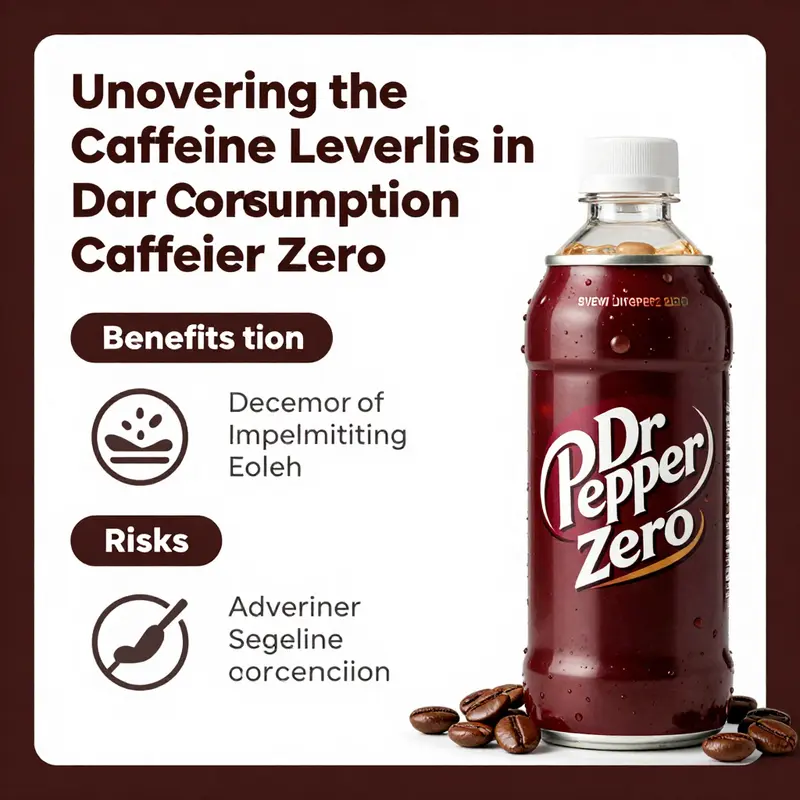
Caffeine often travels quietly through the day, tucked inside the familiar ritual of a cold can of soda. In the case of Dr Pepper Zero, that quiet buzz comes from a measured dose of caffeine that mirrors the brand’s regular formula, even though the drink bears a label promising zero sugar. The practical takeaway for most readers is clear: a 12-ounce (355-milliliter) can delivers about 41 milligrams of caffeine. That figure places Dr Pepper Zero in the middle-to-upper range for soft drinks, but it sits well below coffee and most energy drinks. It’s easy to assume that a zero-sugar label implies zero stimulation, yet the science of caffeine measures a different kind of impact. If you’re mindful of your daily caffeine intake, it pays to know this number, to map it against other sources you might consume in a day, and to understand how your body responds to stimulants over time.
From a physiological perspective, caffeine acts by blocking adenosine receptors in the brain. This is what reduces fatigue and can sharpen attention. The effect tends to begin within about 15 minutes of consumption for many people and can last several hours, though the exact duration varies with age, body mass, tolerance, and other medications or conditions. For some, the caffeine lift is a gentle nudge; for others, it can feel like a jittery surge, especially if multiple caffeinated products are consumed in a short period. For most healthy adults, moderate caffeine intake is tolerated well, but sensitivity varies widely. That variability helps explain why those who are especially sensitive to stimulants or who have certain health concerns may notice stronger effects from a single can of Dr Pepper Zero than a casual observer might expect. The key idea is balance: the same 41 milligrams that lightly energize one person could be proportionally more noticeable in someone who is caffeine-restricted, pregnant, or managing anxiety or sleep disorders.
In the broader landscape of caffeinated beverages, 41 milligrams per can is a benchmark that feels comfortably midrange. A typical cup of brewed coffee often contains between 95 and 200 milligrams of caffeine, depending on the roast, brewing method, and serving size. Energy drinks vary even more widely, sometimes offering 100 to over 300 milligrams per can or bottle, with other factors like taurine and B vitamins contributing to the overall stimulant profile. Soft drinks, in contrast, commonly hover in the tens of milligrams per serving, making Dr Pepper Zero a distinct category within the realm of sugar-free options. For people who are choosing a low-calorie beverage but still want a caffeine kick, Dr Pepper Zero occupies a recognizable niche: a familiar, palate-pleasing flavor with a predictable caffeine content.
A point of miscommunication that occasionally surfaces in the chatter around zero-sugar beverages concerns the amount of caffeine. Some sources have claimed that certain zero-sugar colas deliver zero caffeine. In truth, the official product formulations and ingredient disclosures show that Dr Pepper Zero contains caffeine, roughly aligned with the regular Dr Pepper formula. This discrepancy often stems from marketing language or misinterpretation of labeling. When you see a “zero” designation on sugar content, it does not automatically apply to caffeine content. The distinction matters because people often rely on zero-sugar drinks to manage daily calories while still relying on caffeine to power through demanding tasks, commute, or study sessions. The 41-milligram figure for a standard 12-ounce can remains the most consistent, evidenced-by-label data point.
For readers who are curious about how this caffeine load fits into a real-world day, consider the cumulative effect of other beverages and foods. Many people start with coffee in the morning, perhaps add a can of Dr Pepper Zero in the afternoon, and then top off the day with tea or chocolate that may contribute another small dose. While a single can is modest, the important question is: what is the total caffeine intake for the day, and how does that tally interact with sleep, mood, and heart rate? The American Heart Association notes that healthy adults should limit caffeine to roughly 400 milligrams per day. With Dr Pepper Zero contributing 41 milligrams per can, two cans would supply 82 milligrams—still far below that upper boundary, but it’s a reminder that even beverages marketed as zero sugar can still be a contributor to daily caffeine totals. If your aim is precise management of caffeine, it pays to track everything you drink rather than relying on a rough half-remembered sense of “not that much.”
The conversation about labeling clarity took on new urgency with a recall that touched thousands of cans labeled as zero-sugar but containing the full-sugar formula. The recall did not change the caffeine content per se, but it highlighted how critical labeling accuracy is for consumers who rely on precise ingredient and nutrition information to manage health conditions such as diabetes, weight management, and metabolic health. In moments like these, the importance of transparency grows. It’s not simply a matter of taste or label design; it’s about trust and predictability in a product that people choose to align with their dietary goals. When a consumer reaches for a drink to satisfy a craving and a caffeine need at the same time, the interplay of label accuracy and actual content becomes part of the everyday calculus of healthy living.
This leads to a practical line of inquiry: how should a person approach caffeine in Dr Pepper Zero within the framework of a busy life? The answer rests on a simple discipline: know your numbers, observe how your body responds, and consider how your consumption stacks up against other caffeine sources. If you have a busy morning and a long afternoon ahead, a single can could be enough to maintain focus without disturbing sleep later. If you’re more caffeine-tolerant, you might find that two or three cans spread across the day still keep you in a reasonable range, provided you’re mindful of the rest of your caffeine sources and any health considerations you face. For a more precise approach, you can treat Dr Pepper Zero as a predictable contributor to your caffeine tally, much like any other beverage that contains stimulants. This mindset helps prevent unexpected sleep disruption or heightened anxiety, and it also keeps your overall diet aligned with personal health goals.
From a consumer’s perspective, the sugar-free aspect of Dr Pepper Zero often invites a broader misperception: that sugar-free equates to harmless. The reality is more nuanced. The absence of sugar reduces caloric intake, which is attractive to many people managing weight or blood sugar. However, caffeine’s stimulatory effect operates independently of sugar content. A zero-sugar drink can still deliver a noticeable lift, and in some individuals, that lift interacts with fatigue, stress, and sleep in complex ways. The labeling and formulation details are valuable, but so is real-world observation. If you notice that a can left you feeling more wired than helpful, you can reallocate that caffeine to other times of day or switch to a lower-caffeine alternative. If sleep becomes unpredictable, adjusting the timing of your Dr Pepper Zero consumption may be a practical step. The bottom line remains straightforward: the 41 milligrams per 12-ounce can provide a consistent, moderate caffeine boost, and it should be considered as part of a total daily intake rather than in isolation.
For readers who want a quick reference to similar products, and to explore how these caffeine levels compare across a family of zero-sugar beverages, a closer look at the broader landscape can be instructive. If you want to compare the caffeine content of different zero-sugar options in a quick glance, you might find it informative to review the data for related beverages in the same category. caffeine content of Diet Dr Pepper offers a point of comparison that helps place Dr Pepper Zero in context without losing sight of the broader caffeine dialogue across zero-sugar products. It’s a reminder that caffeine, not just sugar, shapes daily choices and overall health outcomes, and that thoughtful label-reading remains a simple, effective tool for managing intake.
In sum, the caffeine content of Dr Pepper Zero—roughly 41 milligrams per 12-ounce can—offers a reliable, moderate stimulant that can fit into many healthy routines. It is not an alarm bell, yet it is not a negligible footprint either. The real value lies in understanding the cumulative effect of all caffeine sources, the individual sensitivity you bring to the table, and the anchors you set for daily totals. With those elements in place, Dr Pepper Zero can be enjoyed as part of a balanced approach to caffeine and calories, rather than becoming a background equation that tilts daily well-being into unforeseen territory. The recent recall headlines remind us that accurate labeling matters, especially for those managing health conditions that heighten sensitivity to stimulants or sugars. When you combine accurate information with thoughtful consumption, you gain better control over how caffeine influences mood, sleep, and energy—one measured can at a time.
External resource: FDA recall notice for Dr Pepper Zero Sugar beverages due to labeling errors, which did not alter the caffeine content but underscored the importance of accurate product information. FDA recall notice
Final thoughts
In summary, understanding the caffeine content in Dr Pepper Zero is essential for business owners looking to cater to informed consumers. With 41 mg of caffeine per can, it offers moderate stimulation, aligning similarly with many cola beverages but falling short of energy drinks and coffee. Furthermore, distinguishing fact from fiction regarding its caffeine content can help address customer queries effectively. Finally, being aware of caffeine’s health implications allows business owners to guide their clientele responsibly, fostering trust and promoting healthier choices.