
GHOST Energy Drink stands out in the crowded energy beverage market with its notable caffeine content originating from natural sources like coffee beans. Business owners exploring this competitive category must understand the nuances of caffeine selection and formulation to appeal to health-conscious consumers. This article dissects the unique characteristics of GHOST Energy’s caffeine, offering insights that will guide entrepreneurs in optimizing their product offerings. We will explore the sources and effects of caffeine, compare GHOST Energy with other energy drinks, analyze health considerations, and examine shifting consumer trends that affect market dynamics.
Beyond the Buzz: Tracing Natural Caffeine in a Popular Energy Drink and What It Means for Focus, Sleep, and Health
Caffeine sits at the heart of many modern routines, a small molecule with outsized effects on alertness, mood, and physical performance. The energy drink examined in this chapter packages a notable 200 milligrams of caffeine in a 16-ounce can, a concentration that sits comfortably within what many guidelines consider a daily safe range for most healthy adults. This isn’t caffeine delivered through a laboratory bottle, either. The label emphasizes that the caffeine is sourced from natural origins—primarily coffee beans—an aspect that resonates with consumers seeking a cleaner, less synthetic energy experience. In practical terms, that 200 mg roughly equates to the caffeine hit from about one and a half to two cups of brewed coffee, depending on bean origin, roast level, grind, and brew strength. The prospect of a smooth, sustained lift rather than a jittery rush is at the core of the drink’s appeal. It is a design choice that aligns with a growing consumer preference for what many call a clean label approach—where fewer synthetic shortcuts are needed to achieve the wakeful state a busy day demands. When these ideas converge in a single can, they invite a broader conversation about what caffeine does, how it interacts with other ingredients, and how individuals navigate the line between enhanced performance and the risk of overconsumption.
To understand the practical implications, it helps to look at what sits alongside caffeine in this beverage. The formulation includes L-Carnitine at a substantial dose and Taurine, two ingredients that have become common companions in energy and performance drinks. L-Carnitine is often promoted for its role in energy metabolism, particularly in helping transport fatty acids into mitochondria where fuel is burned for energy. Taurine, meanwhile, is widely associated with supporting mental focus and cellular signaling. Together, these components are marketed as a synergistic package: caffeine provides the initial lift, L-Carnitine supports the metabolic pathways that sustain that lift, and Taurine adds a mental sharpening quality that can be especially appealing during tasks requiring sustained attention.
AstraGin, a proprietary absorption-boosting blend included in the mix, rounds out the formulation. Proponents claim that AstraGin can help maximize the uptake of active ingredients, potentially translating to more consistent energy delivery over a given period. The idea here is not simply to spike alertness for a moment but to extend the functional window where focus and stamina are available without a disproportionate crash later on. Taken together, the package reads as a deliberate attempt to strike a balance: a robust caffeine dose from natural sources, metabolites that support energy utilization, and a mechanism aimed at optimizing absorption. For users, this translates into a plausible experience of a smoother lift, less abrupt jitter, and a steadier sense of mental clarity that persists through tasks demanding concentration.
Of course, every stimulant carries caveats, and caffeine is no exception. The chapter’s premise rests on a straightforward reality: 200 mg is a substantial amount, enough to affect sleep, mood, and heart rate in some individuals. Regulatory and dietary guidelines generally consider up to 400 mg per day safe for the average healthy adult. But caffeine sensitivity varies widely. Some people notice strong effects at far lower doses, while others sail through higher intakes with minimal disruption. The spectrum includes potential side effects such as anxiety, insomnia, increased heart rate, and digestive discomfort. The risk grows when multiple sources of caffeine converge in a single day or when caffeine is consumed late in the day, pushing back sleep onset or reducing sleep quality. In this light, the drink’s one-can-per-day recommendation becomes not just a marketing caveat but a practical safeguard—a reminder that even a “natural” stimulant can perturb circadian rhythms if used unwisely.
The discussion should not drift into alarmism. For many, a single can consumed earlier in the day fits neatly into a lifestyle that values quick cognition, faster reaction times, and the ability to power through afternoon meetings or workouts without dragging through fatigue. The present chapter is not a blanket endorsement or condemnation of caffeine use but an invitation to understand the ingredients’ interplay and to align intake with personal tolerance and daily rhythms. To those who prefer to keep caffeine sources minimal, the energy drink described here still offers a case study in how natural caffeine, carefully sourced and paired with supportive metabolites, can shape the overall experience of an energy product. It also highlights a broader industry shift toward products that foreground origin stories and clean labeling as differentiators in a crowded market.
Beyond the immediate bodily effects, this formulation raises questions about how caffeine interacts with physical activity and mental performance. The link between exercise, metabolic regulation, and inflammation is an active area of research, with implications for how the body handles energy substrates during exertion. A recent synthesis highlights that metabolic regulators like PGC-1α play roles in inflammation and chronic disease, particularly in how the body adapts to stressors such as exercise. While the caffeine-containing beverage itself is not a medical intervention, understanding these metabolic contexts helps illuminate why energy drinks—especially those touting natural caffeine sources and performance-enhancing ingredients—are appealing to athletes, students, and professionals who rely on steady focus rather than rapid spikes.
From a consumer perspective, the appeal of natural caffeine extends beyond pure performance. In a world saturated with highly engineered products, the promise of caffeine sourced from coffee beans aligns with a broader cultural interest in authenticity and simplicity. The beverage’s narrative centers on the idea that you can get a reliable energy boost without crossing into the realm of artificial additives or questionable sourcing. For people watching their intake, this can translate into a more confident daily routine: one can in the morning, perhaps paired with a nutrient-rich breakfast, and a careful accounting of other caffeine-containing sources—coffee, tea, chocolate, or other energy products—throughout the day. The net effect is a more predictable energy profile and a reduced risk of late-day disruption to sleep.
To place this discussion in a practical frame, consider the way this beverage positions itself in the context of a typical day. The caffeine dose, while not extreme by the standards of some high-energy products, sits at a level that demands mindful consumption, especially for individuals who already drink coffee or who are sensitive to stimulants. The recommendation to limit to one can per day is a clear behavioral cue. It nudges the consumer toward planning and self-regulation rather than reactive dosing. For those who seek to optimize study sessions, workouts, or creative bursts, the timing and sequence of caffeine sources become a strategic variable. Drinking the can in the late afternoon or evening, for instance, could interfere with sleep, undermining the very energy the drink promises to sustain.
These considerations are not only about immediate effects but also about how people integrate caffeine into a broader health mindset. The clean-label narrative—that caffeine originates from natural coffee beans—resonates with consumers who want to reduce synthetic additives and who value traceability in what they consume. It invites a deeper reckoning with how nutrition labels communicate safety, efficacy, and lifestyle compatibility. When a product foregrounds natural caffeine, customers may be more inclined to examine other ingredients with the same level of curiosity. They may look at L-Carnitine and Taurine not only as performance boosters but as parts of a holistic approach to energy that includes sleep hygiene, hydration, and nutrition. The AstraGin inclusion, while proprietary, is another reminder that the modern energy product is as much about absorption and bioavailability as it is about stimulant effects. The overall message is nuanced: caffeine can be a helpful ally when deployed with attention to dose, timing, and personal tolerance, and when paired with companion nutrients that support efficient energy use.
From a practical standpoint, the experience of consuming this energy beverage is shaped not only by caffeine content but by how the body metabolizes it. Genetic differences, habitual caffeine use, and even body mass influence the degree of alertness and the risk of side effects. A lighter, more caffeine-averse individual might feel overstimulated with a single can, while a habitual caffeine consumer might appreciate the steadier, longer-lasting lift described in marketing materials and observed in anecdotal reports. The difference between a quick spike and a sustained cognitive edge often comes down to the context of use: whether the drink is slotted into a morning routine, a midday slump rescue, or a pre-workout ritual. The interaction with other dietary components matters as well. Consuming caffeine on an empty stomach may produce more noticeable digestive symptoms or jitters for some people, whereas pairing it with a balanced meal can blunt those effects and improve overall tolerance.
In the broader culture of caffeinated beverages, the emphasis on natural caffeine mirrors a trend toward transparency and alignment with consumer values. The public conversation about caffeine often centers on safety and sleep, but it also encompasses questions of accessibility, cost, and the ethical considerations of sourcing. When a product makes a point of its caffeine origin, it invites readers to ask about the sustainability of coffee beans, the origins of the other ingredients, and the potential environmental footprint of the supply chain. These are not merely marketing questions; they reflect a consumer’s desire to understand where energy comes from and what impact those choices have beyond personal performance. The chapter’s exploration of the caffeine content thus becomes a doorway into a broader reflection on how modern diets and lifestyle products balance efficacy with responsibility.
For readers who want to explore this topic further or compare it with other caffeinated beverages, one practical step is to examine how caffeine content translates into real-world energy. Each person’s response is shaped by their daily routine, sleep quality, hydration status, and baseline caffeine intake. A thoughtful approach is to map out a typical day: note the times when focus tends to wane, identify other caffeine sources, and consider whether a morning or early-afternoon dose best supports the day’s demands without disturbing the night’s rest. In this framework, the energy drink discussed here serves as a case study of how formulation, dosing, and timing converge to deliver a targeted effect. It also serves as a reminder that caffeine is not a one-size-fits-all solution; it is a tool whose value depends on mindful usage and an accurate read of personal tolerance.
To anchor these reflections in a broader context, the chapter invites readers to consider how caffeine interacts with ongoing metabolic processes, especially in the realm of exercise and inflammation. The referenced research highlights the roles of exercise and metabolic regulators in inflammation and chronic disease, providing a backdrop against which caffeine’s broader health implications can be contemplated. While the product itself is a routine consumer item, its caffeine content is a small lever that, when pulled judiciously, can support daily performance without compromising long-term health. That balance—between immediate utility and long-term stewardship—defines how many people approach caffeinated beverages in modern life. For anyone curious about the more technical underpinnings, the Nature article offers a deeper dive into how metabolic regulators interface with signals that shape energy use and inflammatory responses, lending scientific texture to the everyday choice of whether and when to sip.
In sum, the 200 mg of natural caffeine in a 16-ounce can, paired with metabolic support products and absorption-enhancing ingredients, presents a coherent narrative about energy today: the appeal of a clean-label, naturally sourced caffeine that helps people feel alert and focused without an overt jitteriness or crash. This is not merely a matter of taste or brand identity; it touches the core questions of how we eat, how we train, how we study, and how we rest. The product’s design responds to a real human need—to borrow a reliable, smooth boost when the day demands it—while challenging consumers to remain mindful of dose, timing, and personal tolerance. For those who wish to explore further, the concept of a caffeine-containing beverage as part of a broader energy strategy is well worth considering, and it is worth examining alongside other sources of caffeine in the diet, from coffee to tea to the occasional cola or uncaffeinated alternatives that still offer mental clarity through other mechanisms. If you want to read more on related product categories and their positioning, you can check out this resource: ghost-energy-drinks.
As you move through the landscape of caffeinated choices, remember that the most reliable guide is your own body. Track how different doses affect your sleep, mood, and daytime energy. Use a single can as a reference point, then decide whether you need to adjust timing or quantity based on your daily demands. The trend toward natural caffeine sources is encouraging, but it does not erase the simple arithmetic of intake: more caffeine can mean more energy, but it can also mean more sleeplessness, more anxiety, or a heightened heart rate for those who are sensitive. The thoughtful consumer will balance the promise of sharper focus with a clear awareness of personal limits, inaugurating a routine that supports not just productivity but lasting wellbeing.
External resource for broader context on caffeine, metabolism, and exercise: Nature article on exercise and PGC-1α in inflammation and chronic disease.
Natural Caffeine, Clean Label, and Mental Edge: Decoding the High-Caffeine, High-Clarity Energy Formula
In the crowded realm of energy beverages that tout clean labels and transparent ingredients, one formulation distinguishes itself by pairing a notably high natural caffeine content with a compact, performance-focused ingredient stack. The beverage in focus delivers 200 milligrams of natural caffeine in a 16-ounce can, and it emphasizes the provenance of that caffeine—sourced from coffee beans and other natural materials rather than synthetic additives. This choice matters not only to how quickly the body absorbs caffeine, but also to how the experience feels from first sip to the long tail of the energy that follows. For many users, the appeal lies in a smoother, more sustained lift that avoids the jagged edges of jitters and a sharp crash. That smoother profile is often described as a kinder energy experience, one that aligns with a broader consumer demand for products that prioritize natural sourcing and straightforward labeling over highly engineered, complex chemical blends.
The position of 200 milligrams per can places this beverage squarely in the high-caffeine category within the energy-drink landscape. When people compare caffeine totals across the field, they frequently note that many common options deliver far less per ounce, often around eighty milligrams in a typical 8.4-ounce serving, which scales to well under a hundred milligrams per 16 ounces. Others in the same 16-ounce format push higher still, but not all manage the same balance of potency and perceived smoothness. A few brands in the high-end tier reach into the vicinity of three hundred milligrams per 16-ounce serving, which tests tolerance and appetite for intense, rapid energy. The subject here sits comfortably above mainstream baselines while remaining mindful of the potential for overstimulation in sensitive individuals. The emphasis is less about chasing a shock of caffeine and more about delivering a dependable, usable lift that can support workout performance, study, or extended focus without an abrupt drop.
A key differentiator lies in the source and character of the caffeine itself. Natural caffeine derives from plant-based sources such as coffee beans and green tea leaves, and proponents argue that this origin confers a smoother onset and more gradual decline compared with synthetic caffeine. The distinction matters because it informs not just how the caffeine is absorbed, but how it feels in the body. For consumers who track ingredient quality and label honesty, this emphasis on natural sourcing signals a broader commitment to transparency and a cleaner overall profile. In practice, the beverage markets this attribute as part of a clean-label promise—no artificial colors, no artificial sweeteners, and a clear statement about where the caffeine comes from. That combination—high natural caffeine plus a clean-label identity—speaks to a consumer base that wants a straightforward energy boost without additive bells and whistles.
But caffeine is only one part of the equation. The formulation behind this beverage includes a purposeful stack of performance-supporting ingredients that work in concert with caffeine to shape the energy and focus experience. L-Carnitine is present at 1000 milligrams, a dose large enough to be noticeable in the context of an energy beverage. L-Carnitine is traditionally associated with fat metabolism and cellular energy production, serving as a shuttle for fatty acids into the mitochondria where they are converted into usable energy. In practical terms, this component can contribute to a more efficient energy use during prolonged activity, which can translate into steadier stamina during a long workout or a sustained mental effort. The elevated dose underscores the product’s intention to deliver more than just a quick caffeine spike; it seeks to support the body’s energy systems more holistically.
NeuroFactor® coffee fruit extract adds another layer to the cognitive profile of the drink. Present at 100 milligrams, NeuroFactor is marketed for its potential to influence cognitive function through a pathway linked to brain-derived neurotrophic factor (BDNF). In studies cited by manufacturers and supplement researchers, neurotrophic factors like BDNF support neuroplasticity, attention, and learning. While the body of robust, long-term clinical data on cognitive enhancement from NeuroFactor remains a topic of ongoing discussion, the inclusion of this extract reflects a broader trend in energy beverages: pairing a stimulant with a botanical or botanical-derived component aimed at mental clarity. The idea is to go beyond “buzz” and toward a more focused mental state that can help with studying, gaming, or tasks that require sustained concentration.
AstraGin® is included at 25 milligrams to support nutrient absorption. This proprietary blend—derived from specific botanical sources—is intended to enhance the bioavailability of other ingredients in the formula. In practice, AstraGin is not a source of energy by itself; rather, it’s a facilitator, helping the body extract more benefit from the other active components. The presence of AstraGin reflects a careful attention to how the body processes the full stack. When consumers seek reliability in energy products, absorption efficiency can matter as much as the raw dose of caffeine or the presence of additional active compounds. The combined effect is a formulation designed to deliver not just a quick lift but a more usable and enduring state of energy and focus.
Taken together, the stack—high natural caffeine, L-Carnitine for energy metabolism, NeuroFactor for cognitive alignment, and AstraGin for absorption—paints a picture of an energy beverage that aspires to be more than a pure stimulant. It aims to be a system: caffeine to ignite, carnitine to optimize use, a cognitive adjunct to sharpen attention, and a gut-absorptive aid to keep the uptake steady. This holistic approach has resonance for health-conscious consumers who are wary of artificial ingredients and those who seek a coherent narrative about how a product supports both physical and mental performance. The emphasis on clean labeling amplifies this narrative, as does the explicit positioning around a smoother energy experience rather than a rapid, volatile spike.
From a consumer psychology perspective, the enduring appeal of such a formulation rests on several overlapping promises. First, the high but not extreme caffeine content gives a reliable starting point for energy without immediately tipping into overstimulation. Second, natural caffeine aligns with a preference for ingredients perceived as closer to nature, reducing concerns about synthetic additives or questionable sourcing. Third, the presence of a cognitive-support component signals that the drink is meant for more than quick endurance; it’s also marketed as a tool for sustained mental engagement, whether during a training session or a demanding study period. Finally, the clean-label stance adds a level of trust, suggesting that the product’s benefits come from transparent composition rather than opaque processing techniques.
For readers interested in a direct look at caffeine content data in spirits of this category, a concise reference point is available through the internal resource that examines caffeine amounts in similar products. This resource provides a straightforward comparison, highlighting how 200 milligrams in a 16-ounce format stacks up against other common profiles in the market. See Caffeine Content Overview for a focused look at caffeine quantities and how they vary across formats and brands. While the numbers themselves are a snapshot in time, the broader takeaway remains consistent: caffeine totals in this segment can range widely, and the choice often hinges on how the rest of the formulation complements or tempers that caffeine load. The internal resource helps readers situate the high-end profile discussed here within the broader spectrum of energy beverages, grounding expectations about onset, duration, and potential tolerability.
What makes this particular formulation noteworthy is not merely the raw caffeine tally but how the accompanying ingredients interact with that stimulant. L-Carnitine’s role in fat metabolism can be especially relevant during exercise, supporting energy availability when muscles need fuel. NeuroFactor adds a potential cognitive dimension, which matters for tasks that demand attention, memory encoding, or rapid decision-making. AstraGin’s absorption-enhancing properties may help ensure that the caffeine and the other components are utilized effectively, reducing the chance of a perceived lull after the initial lift. In combination, these elements craft a user experience that emphasizes a steady, manageable energy and a clear mental state—qualities many users report valuing when they select a daily energy companion for workouts, study bursts, or busy workdays.
Of course, any high-caffeine product invites consideration of tolerance, sensitivity, and timing. Individual responses to caffeine vary widely; some people experience heightened alertness and improved performance without noticeable side effects, while others notice jitteriness, anxiousness, or disrupted sleep if consumed late in the day. The relatively high caffeine content in this formulation makes these individual differences even more salient. For newcomers or those with lower tolerance, approaching with caution is wise. Starting with a partial serving—perhaps half a can—allows the body to calibrate its response and helps manage the risk of overstimulation. Those who are caffeine-sensitive should consider timing, avoiding late-afternoon or evening consumption to prevent sleep disruption. The broader message is moderation and mindful listening to one’s own body signals, especially when introducing a potent energy product into a routine that already includes coffee, tea, or other caffeine sources.
From a sensory standpoint, the emphasis on natural caffeine often pairs with a taste profile that favors clean sweetness and balanced flavor notes. Consumers who prize a product that aligns with health-forward narratives may respond positively to the absence of artificial colors or sweeteners. The taste experience, while inherently subjective, tends to support the energy narrative by avoiding an overwhelming sweetness or artificial aftertaste, helping the beverage integrate more easily into daily routines rather than serving as a disruptor. The resulting experience—bright onset, steady duration, and a cognitive edge—can be especially appealing during activities that require both physical and mental tempo, such as dynamic workouts followed by problem-solving sessions or long study periods.
As with any formulation, the broader health science backdrop matters. The inclusion of Cognition-targeted ingredients like NeuroFactor invites interest from researchers and consumers alike, though it is important to acknowledge that robust, long-term clinical data remains an evolving field. The theoretical basis—supporting BDnf expression and neural plasticity—offers a persuasive narrative, but practical outcomes depend on factors like dose, timing, baseline cognitive state, and individual biology. At the same time, L-Carnitine’s role in energy metabolism is well-supported in studies of cellular energy processes and endurance performance, though real-world effects can vary by context and population. AstraGin’s absorption claims add another layer of nuance, highlighting how the body’s gut absorption processes might influence the real-world impact of the other ingredients. Together, these elements create a picture of an energy product that is as much about supporting the body’s energy infrastructure as it is about providing a quick burst of caffeine.
For readers considering how this formulation fits within a broader strategy of energy management, it helps to keep a few practical takeaways in view. First, high natural caffeine in a 16-ounce format can be an efficient way to achieve a sustained lift, but it comes with a responsibility to monitor personal tolerance and to avoid overlapping sources of caffeine. Second, the presence of metabolism-supporting nutrients like L-Carnitine can contribute to energy efficiency, potentially extending stamina during prolonged activity. Third, cognitive-support ingredients such as NeuroFactor may offer an edge during tasks that demand focus and learning, though expectations should be tempered by the current state of evidence and individualized response. Fourth, absorption aids like AstraGin remind us that the body’s ability to utilize all these components matters as much as their presence in the formula. Finally, the clean-label positioning is not merely a marketing angle; it reflects a consumer preference for transparent ingredients and recognizable sources, which can influence purchasing decisions alongside taste and price.
The landscape of energy beverages continues to evolve as brands experiment with combinations that balance potency, timing, and cognitive support. This particular formulation stands out not only for its high natural caffeine content but also for its thoughtful integration of metabolic and cognitive supports within a clean-label framework. It provides a case study in how a product can combine a strong stimulant with a measured, synergistic stack that aims to support both physical energy and mental clarity. For readers who want to explore the caffeine content landscape more deeply, the linked resource offers a concise benchmark that helps place this formulation within the spectrum of available options. In the next sections, we will continue to compare different approaches to energy delivery, focusing on how variations in caffeine source, dose, and ancillary ingredients shape user experience across contexts from athletic performance to sustained cognitive work. External resources provide a broader scientific context for these components, including insights into the metabolic and neuronal pathways that underlie energy and focus. (External resource: https://www.ncbi.nlm.nih.gov/pmc/articles/PMC2705455/)
A Closer Look at 200 mg of Caffeine in a 16 Ounce Energy Drink
Caffeine sits at the center of the energy beverage conversation. In a 16 ounce can the caffeine content is 200 milligrams, a level that many readers recognize as substantial but not extreme. The practical implication is a noticeable lift that some describe as smoother than harsher caffeine forms, though it remains a stimulant with effects on alertness, heart rate, and sleep if consumed late in the day. Dietary guidelines commonly suggest up to 400 milligrams per day for healthy adults, so one can fits within that daily cap, while two cans would approach it depending on total intake from other sources. The source of caffeine matters too. When the beverage relies on natural caffeine from coffee beans, some people report a smoother perceived energy dose compared with synthetic caffeine; however, the pharmacology remains the same, and higher intake raises the risk of anxious feelings, restlessness, and sleep disruption for sensitive individuals. This beverage also includes other ingredients such as L-Carnitine and Taurine, which proponents say support energy metabolism and nervous system function. The evidence for additive benefits is evolving, and the overall impact is shaped by dose timing and individual tolerance. Practical guidance centers on context and moderation: avoid late afternoon or evening consumption if sleep is a priority, monitor how you feel after each can, and consider daily total caffeine from all sources. Pregnant or nursing individuals, people with cardiovascular concerns, and those with sensitivity to stimulants should consult a healthcare professional about caffeine thresholds. In summary, a 200 milligram serving can be a useful performance aid for some, but it requires attention to overall caffeine exposure, timing, and personal response. For readers seeking more, public health resources describe caffeine effects and tolerance, such as NIH discussions of caffeine health effects, withdrawal, and variability in response, available online at https://www.ncbi.nlm.nih.gov/pmc/articles/PMC8973999/
Caffeine in a Clean Pulse: How Natural Caffeine Is Redefining Energy Beverages
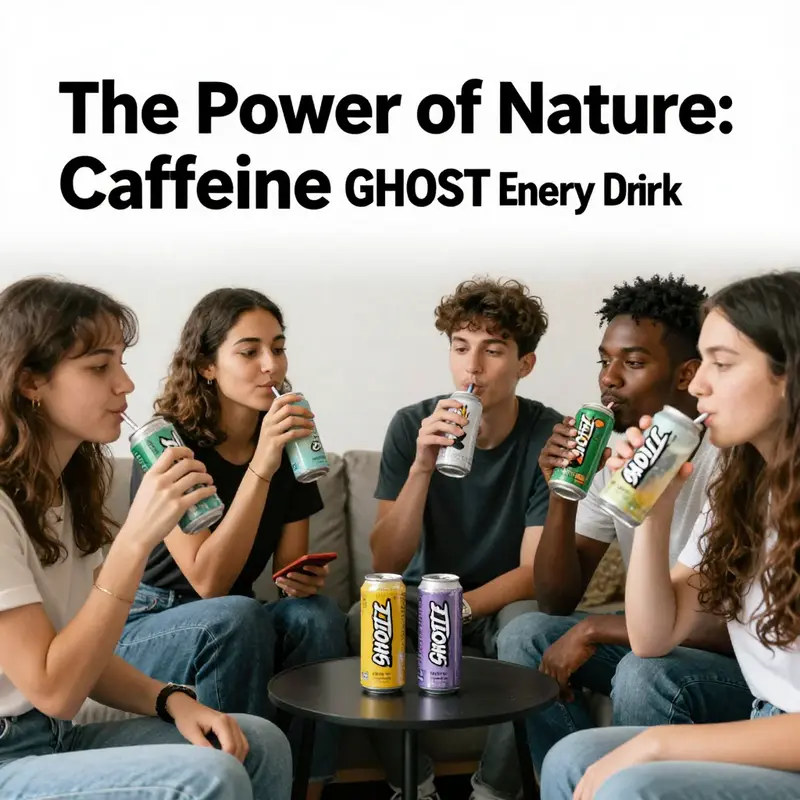
Natural caffeine, sourced from roasted coffee beans, is becoming the defining feature of contemporary energy beverages. Brands tout transparent sourcing, clean labels, and a steady energy profile rather than a jittery spike. A typical 16-ounce can targets around 200 milligrams of caffeine, offering a robust but manageable lift that supports alertness and endurance during workouts, study sessions, and busy workdays.
To promote smoother energy delivery, many formulas pair caffeine with supporting ingredients such as L-Carnitine (around 1000 mg), Taurine, and absorption boosters like AstraGin (about 25 mg). This combination is marketed to help the body mobilize energy from fats, support neuromuscular function, and enhance the uptake of active compounds, delivering a sustained cognitive edge without abrupt peaks.
Clean-label positioning—vegan, gluten-free, and free from artificial colors—appeals to wellness-minded consumers who value transparency, balanced taste, and predictable effects. The narrative emphasizes effective energy that aligns with healthy lifestyles and daily routines rather than a single stimulant rush.
Looking ahead, brands are expected to communicate more clearly about the timing and tempo of energy, the role of co-ingredients, and the long-term wellness implications of repeated use. When done well, natural caffeine beverages offer reliable focus, steady stamina, and a sense of cognitive clarity that fits into diverse activities.
Final thoughts
Understanding the unique positioning of caffeine in GHOST Energy Drink offers vital insights for business owners in the energy beverage sector. As trends lean towards natural ingredients and health-conscious choices, entrepreneurs can leverage GHOST’s clean caffeine source to attract a wider consumer base. Furthermore, the comparative analysis with competitors highlights the importance of quality and efficacy in product formulation. By staying informed about market trends and consumer preferences, businesses can successfully navigate the evolving landscape of energy drinks while promoting healthier lifestyle choices that resonate with today’s consumers.