
As the beverage landscape evolves, business owners often wonder which drink offers a stronger caffeine boost—coffee or Coke? Understanding the caffeine content in these popular drinks can provide insights not only for personal consumption but also for tailoring product offerings that meet consumer preferences. In this analysis, we will dissect the caffeine levels in each beverage, explore brewing methods that impact content, examine consumer caffeine tolerance, delve into health implications, and finally discuss consumer trends. This comprehensive exploration aims to guide you in making informed decisions regarding beverage options for your business.
Caffeine in Context: How Coffee Outshines Cola in Everyday Stimulation
When people ask which drink carries more caffeine, coffee or cola, the instinct is to assume a close contest or to rely on brand lore. Yet this question is less about branding and more about the physics of serving sizes, brewing science, and the way each beverage is made to deliver a lift. In practical terms, coffee delivers a far larger caffeine punch per standard serving than a typical can of cola. This isn’t just trivia for caffeine nerds; it shapes how people plan their day, manage sleep, and decide when to reach for a cup or a cold, fizzy pick-me-up.
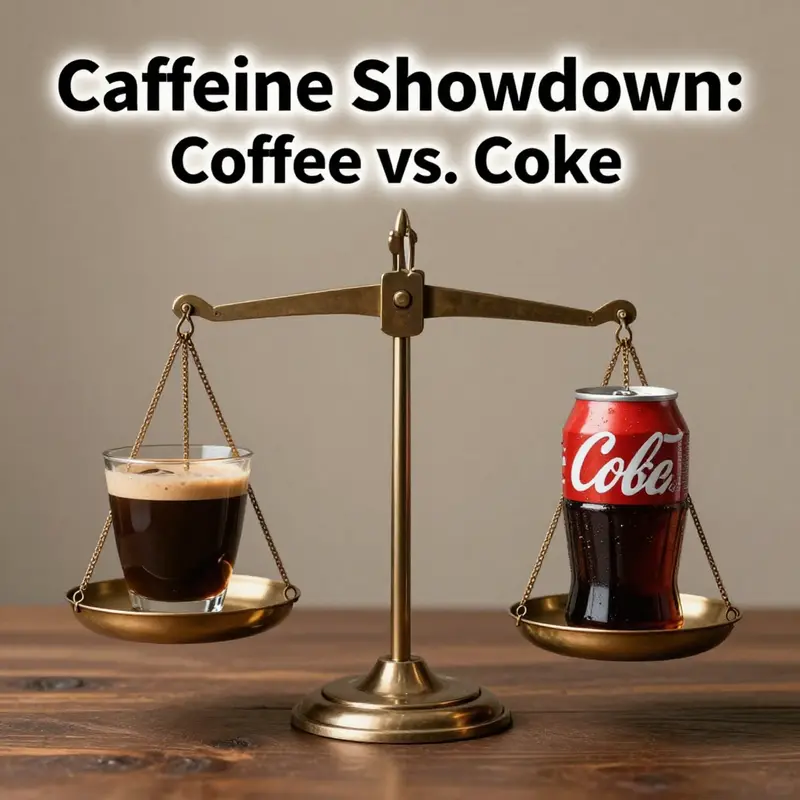
The most transparent way to compare is to anchor the numbers to common serving sizes. A typical 8-ounce cup of brewed coffee contains about 95 to 135 milligrams of caffeine, with the exact amount depending on how you brew and the roast you choose. A standard 12-ounce can of regular cola contains roughly 34 milligrams, while a diet version carries a bit more, around 46 milligrams. Taken together, coffee offers roughly two to four times more caffeine per serving than regular cola and even more than the diet variant. These figures come from well-regarded guidance on caffeine content across beverages, and they reflect a broad consensus across health and nutrition sources. For a direct, authoritative overview, see the Mayo Clinic’s caffeine content guide, which lays out these ranges clearly and consistently across beverage categories.
This disparity becomes even clearer when you compare caffeine by volume. An 8-ounce cup of coffee generally delivers as much or more caffeine than a full 12-ounce can of cola. If you measure caffeine density per ounce, coffee lands in the higher range—often around a dozen milligrams per ounce, whereas cola sits closer to two or three milligrams per ounce. In practical terms, you’ll typically drink less liquid to achieve a strong caffeine effect with coffee, but the effect can feel more immediate and pronounced because the caffeine is not only more concentrated but also absorbed in a liquid with a different flavor and mouthfeel that signals alertness more quickly.
Behind these numbers lies a straightforward brew of biology and chemistry. Caffeine is a natural compound in coffee beans, present in relatively high concentrations compared with the additive caffeine found in cola. When hot water interacts with ground coffee, caffeine dissolves into the liquid along with a spectrum of other compounds that define aroma, flavor, and the overall perception of stimulation. The extraction process depends on grind size, water temperature, contact time, and the roast level. Lighter roasts can preserve slightly more caffeine by weight, while darker roasts taste stronger in aroma and body but may carry caffeine that’s marginally lower per volume due to changes in bean density after roasting. Still, the overall takeaway is simple: you are far more likely to encounter a higher caffeine payload in coffee than in cola, even when you pour a “large” serving of the latter.
The contrast is equally informative when considering how people actually experience caffeine. The stimulant effect of caffeine depends not only on the total milligrams ingested but also on how quickly the body absorbs it and how sensitive a person is to stimulants. Coffee’s caffeine arrives with a complex bouquet of flavor compounds that can cue the brain to anticipate a lift, whereas cola relies more on sweetness, carbonation, and additives that foster a similar, though often milder, stimulation. The onset of caffeine’s effects from coffee is typically perceived within 15 to 45 minutes, followed by a gradual decline that mirrors the caffeine’s half-life in the human body. On average, caffeine’s half-life ranges from about three to five hours in adults, though individual factors such as age, metabolism, pregnancy status, and concurrent medications can alter this window. These physiological nuances mean that even if two beverages contained equal milligrams of caffeine, the subjective impact could feel different based on how the caffeine was delivered and how your body handles it.
Of course, the table is not the whole story. People drink cola for reasons that go beyond caffeine—taste, texture, carbonation, and habit shape choices just as strongly as caffeine content. A regular cola’s lower caffeine load is often enough to provide a mild lift for some, particularly when a person is sensitive to caffeine or is trying to limit total intake. Diet cola, with its slightly higher caffeine figure in the same 12-ounce serving, can be a closer match to a small coffee for those watching caffeine lines on a calendar or a to-do list. But even when we acknowledge these nuances, the caffeine gap remains pronounced. Coffee remains the more reliable source for a robust caffeine boost in standard serving sizes, which helps explain why people often reach for it first when a mental boost is needed or when waking up after a poor night’s sleep.
This understanding carries practical implications for daily planning. If you monitor caffeine intake carefully, it’s essential to map out how many milligrams you’re consuming across beverages and meals rather than relying on a single cup or can. Those who drink multiple beverages in a day may accumulate caffeine rapidly if they alternate coffee with caffeinated cola throughout the afternoon. For someone aiming to preserve evening sleep quality, recognizing that an 8-ounce cup of coffee can contribute a substantial chunk of a daily limit helps in setting a boundary around late-afternoon rituals. Conversely, if sleep is not a primary concern and the goal is a brisk daytime lift, coffee’s higher per-serving caffeine makes it the more efficient vehicle for that objective.
And yet, the conversation about caffeine content is not merely arithmetic. It unfolds in a landscape where consumption habits, beverage preparation, and personal tolerance intersect. People who rely on caffeine to support focus during long workdays may benefit from a measured approach that considers both total intake and timing. Others who are sensitive to caffeine or who experience anxious arousal at lower doses might discover that cola—especially the regular variant—offers a gentler, more controllable uplift, albeit with a much smaller payload. The takeaway is not to vilify one beverage or to champion the other indiscriminately; it is to acknowledge how much caffeine you are putting into your body and when, and to align that pattern with your goals for energy, focus, and sleep.
For readers seeking a concise reference that aligns with established nutrition guidance, this is a reminder to check trusted sources and to consider the real-world serving sizes we habitually drink. If you want to see a broader synthesis of caffeine content across beverages, you can explore resources like the one linked in this chapter, which offers a clear snapshot of typical caffeine figures across categories. This context helps bridge the gap between a single number on a can and the full picture of what your daily caffeine landscape looks like.
External context aside, the numbers matter because they translate into daily choices. A single 8-ounce cup of coffee is commonly enough to contribute a meaningful portion of the day’s caffeine intake, while a 12-ounce can of regular cola packs far less punch. In the grander arc of your caffeine budget, coffee’s higher per-serving content explains why it remains the backbone of most people’s daytime stimulation, while cola—whether regular or diet—plays a more supplementary role if consumed with awareness. And as we transition to exploring how caffeine interacts with sleep and performance, the chapter that follows will weave together these quantitative insights with physiological realities, showing how the same milligrams can play different roles depending on when and how you use them.
For a broader look at daily caffeine planning and a deeper dive into how to balance energy with rest, you can read about related concepts in the resource linked here: Coffee Rich Life.
External reference: Mayo Clinic – Caffeine Content for Coffee, Tea, Soda, and More. https://www.mayoclinic.org/healthy-lifestyle/nutrition-and-healthy-eating/in-depth/caffeine/art-20045678
Brewing Methods and the Caffeine Gap: How Coffee’s Method Shapes Its Lead Over Coke
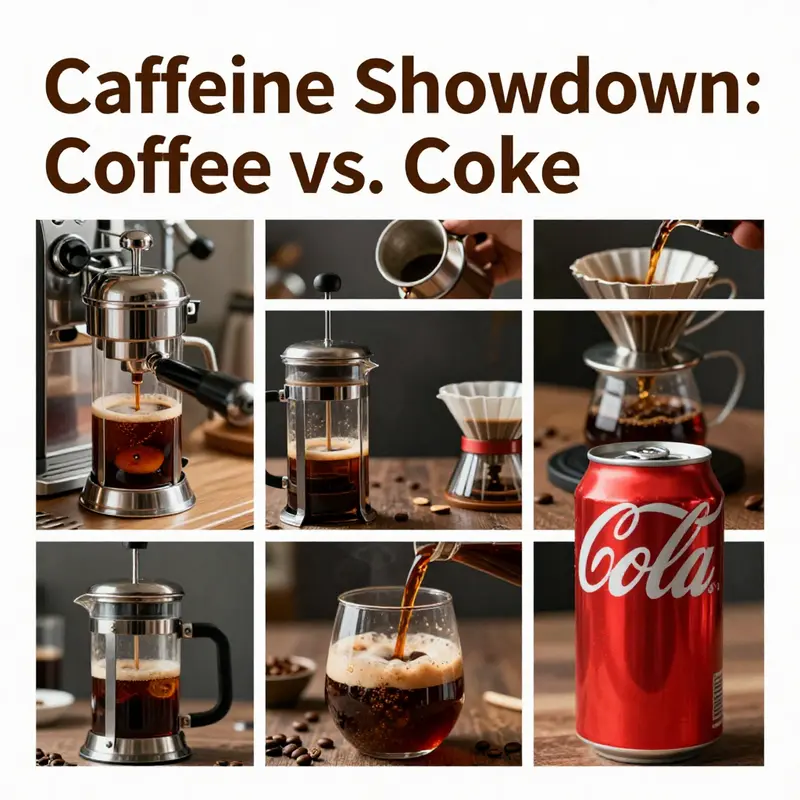
Caffeine questions still spark curiosity, but the answer isn’t a single number. It hinges on serving size, the drink in question, and, crucially, how the coffee is brewed. In standard metrics, a typical eight-ounce cup of brewed coffee carries about 95 milligrams of caffeine. A regular twelve-ounce cola can contains roughly 34 milligrams, with a diet variation often landing around 46 milligrams. Taken together, coffee generally carries more caffeine, and the gap widens when you compare equal volumes or larger servings. While the overarching pattern is clear—that coffee usually outpaces cola in caffeine—brewing method injects nuance into the math. The practical takeaway is straightforward: coffee is the stronger caffeinated beverage on average, but how you brew determines just how big that lead feels in your cup. The method is not a footnote; it is a central factor that reshapes your daily caffeine intake.
The story of caffeine isn’t only about the bean; it’s about how water, heat, time, and grind interact. Caffeine is water-soluble and readily dissolves into the liquid as it passes through the grounds. Different brewing approaches—espresso, pour-over, drip, French press, or cold brew—pull out caffeine with varying intensity and speed. Espresso, produced under pressure and with finely ground beans, concentrates caffeine into a small, powerful dose. A typical one-ounce (30 ml) shot might contain about 63 milligrams of caffeine, which is substantial given its tiny volume. This concentrated format can offer a quick jolt, but the total caffeine per cup depends on how many shots you pull and the serving size you choose.
Cold brew introduces another axis altogether. By steeping coarsely ground beans in cold water for 12 to 24 hours, this method often yields a high total caffeine content in a larger serving. In practice, a 16-ounce serving can carry up to 200 milligrams of caffeine, depending on the bean, grind, and ratio. The extended extraction time is a key driver of caffeine load, even as the flavors trend toward smooth, mellow notes that mask the intensity of caffeine for some palates. Pour-over and traditional drip coffee follow a more controlled extraction, where fixed parameters—grind size, water temperature, flow rate, and brew time—tune the caffeine yield. A pour-over tends to extract steadily, with the opportunity to dial in a predictable caffeine level by adjusting the coffee-to-water ratio and brewing duration. In contrast, French press brewing leaves more oils and small particles in the cup, which can influence perceived strength and rhythm of caffeine delivery, even as the caffeine content edges higher or lower with grind and steep time. The takeaway is that caffeine content is not a fixed attribute of coffee; it’s a dynamic outcome of technique, equipment, and the barista’s choices.
Meanwhile, the caffeine content in cola is comparatively stubborn. Cola’s caffeine level is determined at the production line and remains relatively stable across brands and batches. In other words, once a mainstream soda is formulated, its caffeine content per serving doesn’t swing with brewing methods because no brewing occurs. This steadiness helps explain why many people reach for coffee when they want a caffeine boost; the beverage typically offers more caffeine per serving, irrespective of how a person fancies it. In the context of a single eight-ounce drink, a cup of coffee still tends to deliver far more caffeine than a can of cola. The stability of cola’s caffeine content also helps highlight the importance of portion size in caffeine planning: you can’t rely on a larger serving of cola to close the gap the way you can with a larger cup of coffee, simply because the baseline caffeine per volume is lower.
For those who aim to manage daily caffeine intake, brewing method becomes a practical lever. If the goal is to reduce caffeine per serving, one can favor methods that extract less caffeine or lean toward smaller portions. By contrast, if the intent is to maximize alertness over a longer period, choosing cold brew or a higher-volume espresso-based drink raises the potential caffeine exposure. The science behind this is intuitive. Caffeine extraction scales with contact time and temperature, while the bean’s natural caffeine content remains relatively constant. The ratio of coffee to water and the total brew time collectively determine how much caffeine ends up in the cup. It’s worth noting that caffeine content is only part of the story; flavor, aroma, and mouthfeel arise from compounds released along the same extraction front. The craft of brewing, then, offers a way to tailor energy alongside taste, rather than delivering a blunt, one-size-fits-all number.
A practical implication emerges when comparing coffee and cola directly. In the commonly cited figures, an eight-ounce cup of brewed coffee sits around 95 milligrams of caffeine, while a typical can of cola hovers near 34 milligrams. A diet variation may land a bit higher, but the overall picture remains consistent: coffee is the more caffeinated option on a standard serving basis. When you extend the comparison to equal volumes, the discrepancy grows larger because coffee’s per-ounce content outpaces cola by a wide margin. The most compelling message for daily life is that the caffeine gap is substantial, but the exact size of the gap is shaped by how you drink coffee. A single intervention—how finely you grind, how long you brew, or how many ounces you pour—can tilt the balance by a meaningful margin.
The nuance doesn’t end with the kettle. People often consume beverages in combinations or sequences, which changes the total daily caffeine intake. A morning coffee habit built on drip or pour-over can accumulate more caffeine by mid-morning than multiple cola servings, especially if one leans toward larger cups or multiple cups. Yet there are scenarios where cola might appear to close the gap: high-volume servings, or a day punctuated by several caffeinated sodas, can level out caffeine exposure, albeit still typically falling short of the caffeine delivered by a well-brewed cup of coffee. In these moments, readers can appreciate how an ordinary ritual—a single brew method, a single cup, a single serving size—can reframe the caffeine tally in a way that matters for sleep, focus, and overall energy patterns.
For readers seeking a concise reference, the broad pattern is clear: coffee generally contains more caffeine than cola, and the gap is modulated by how the coffee is prepared. The numbers cited in contemporary analyses place an eight-ounce cup of brewed coffee at about 95 milligrams, versus roughly 34 milligrams in a regular can of cola. A diet version with higher caffeine may close the gap a bit, but the central truth holds: the brewing method exerts significant influence on caffeine yield, and serving size adds another layer of variability. A single espresso shot, with its concentrated dose, can rival or exceed a small cup of drip coffee in caffeine content, while a cold brew offers a different kind of high—substantial caffeine in a larger serving that can feel more prolonged. The science supports a simple practical rule: if caffeine is your criterion, coffee is typically the stronger option, and the method you choose is a reliable way to tune the caffeine punch to your day. For a concrete side-by-side exploration, see Coffee vs Mountain Dew: Caffeine Content.
External resource: How Much Caffeine Is in Your Coffee?
Caffeine Showdown: Coffee versus Cola, and How Tolerance Shapes Your Daily Buzz
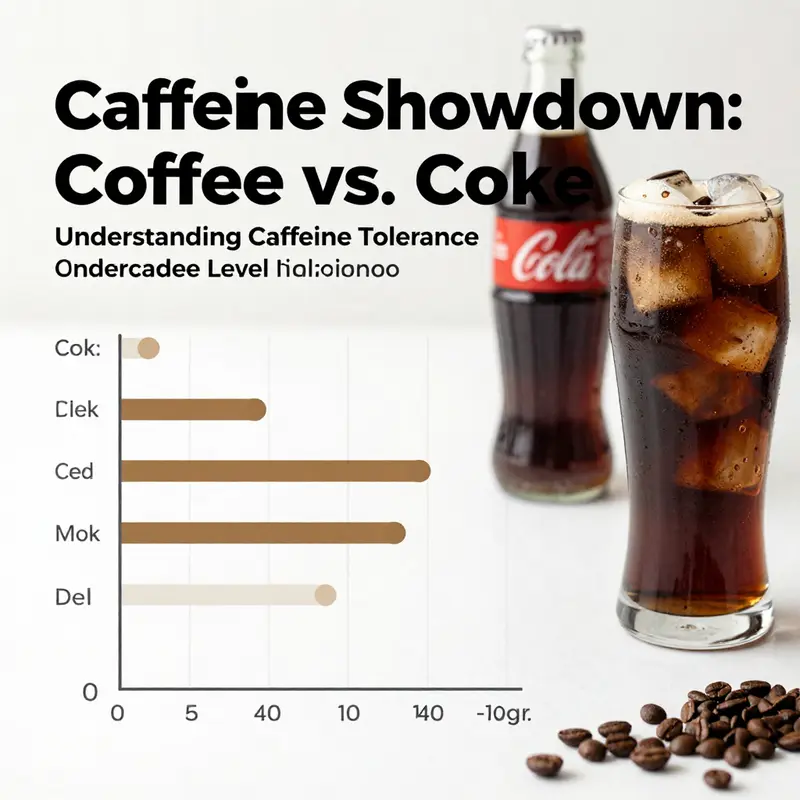
Morning routines vary, yet many share a familiar question tucked into the ritual: which delivers more caffeine—the familiar brew of coffee or the cola that fizzes in the can? The raw numbers are clear enough, but they only begin to tell the story. In a typical 12-ounce serving of regular cola, caffeine clocks in around 34 milligrams. A slightly higher figure appears in the diet version, roughly 46 milligrams per 12-ounce can. By contrast, coffee presents a far wider range. An 8-ounce cup of brewed coffee can contain from about 95 milligrams to as much as 200 milligrams, depending on the brewing method, the roast, and how long the grounds steep. Those figures translate into a straightforward picture: coffee generally carries far more caffeine than a cola, often three to six times as much when you compare similar volumes. Yet the conversation doesn’t end there. When you measure by the actual amount you’re consuming—by the cup rather than by a standardized serving—coffee’s advantage becomes even more pronounced. A standard cup of coffee can easily exceed the caffeine content of a full can of cola, particularly if you’re enjoying a robust, dark roast or a grind-and-brew method that pulls out every last bit of caffeine. The takeaway is simple in one sense: coffee is the stronger source of caffeine on a per-serving basis. In another sense, the story is more nuanced, because caffeine delivery is not a fixed baton handoff. It shifts with method, with the product formulation, and with how much of a dose your body can tolerate without tipping into jitters, sleep disruption, or restlessness. For readers who like to compare by volume, the math is instructive: an eight-ounce cup of coffee, depending on how it’s prepared, can deliver a caffeine payload that’s at least as high as, and often higher than, a full twelve-ounce can of cola. The implication is not that one beverage is inherently dangerous or superior, but that caffeine exposure is highly modulated by choice, context, and personal physiology. The real task is to translate those numbers into behavior that fits each person’s health goals and daily rhythm.
To explore this further, consider the broader landscape of caffeinated beverages. Beyond regular cola, other cola-like products can carry similar amounts of caffeine, sometimes trending a bit higher depending on formulation. A few of these formulations hover in the mid-tens of milligrams per serving, while some zero- or low-calorie variations push slightly more caffeine per same-sized can. The pattern is consistent: the more you push flavor and energy into a drink, the more caffeine tends to accompany it. Yet this is not a universal rule. The exact caffeine content can shift with manufacturing choices, regional formulations, and even batch-to-batch variation. The key is that coffee’s baseline is substantially higher, and that difference remains substantial even when accounting for the most conservative coffee brews. Within this framework, it’s helpful to speak about tolerance—the body’s habit of adapting to caffeine over time. Tolerance can blunt some of the perceived effects, such as jitteriness or the sleep-disrupting tendency that caffeine can introduce when consumed late in the day. The standard benchmark most health guidelines cite is a daily limit of about 400 milligrams for a healthy adult. That figure is not a universal caption—individual sensitivity varies widely. Some people feel noticeable effects with as little as 100 to 200 milligrams, while others can tolerate more before noticing discomfort or sleep disturbances. The rest of the day, then, is a balancing act: how a person’s body responds to caffeine, what else is in the bloodstream, and when caffeine is consumed all shape the practical ceiling. Genetics, circadian timing, and lifestyle all weave into tolerance. Some individuals metabolize caffeine quickly and clear it from their system, allowing a later-afternoon cup without spoiling sleep. Others process it slowly, leading to a more pronounced impact even from modest doses. Place this alongside coffee’s higher caffeine potential, and the picture of tolerance becomes especially important. A morning coffee might provide a reliable alertness boost for most people, while an afternoon cola could push a midday slump into a whir of energy, yet still fall short of the morning cup’s punch for those with lower tolerance or late-day sensitivity. Understanding your own threshold matters not just for performance, but for sleep quality, mood, and even cardiovascular comfort in sensitive individuals. Beyond personal tolerance, there’s a practical side to moderating caffeine intake: choosing beverages with lower caffeine or caffeine-free options when sensitivity is high or when a night of rest is a priority. In the realm of consumer choices, many brands offer caffeine-free versions, allowing a social or hydrating routine to continue without the stimulant load. If you’re curious about how to navigate these choices in everyday life, there is a path that merges science with habit. The idea is to calibrate caffeine intake to your goals—whether that means avoiding jitters, preserving sleep, or simply enjoying a daily ritual without overdoing it. A helpful approach is to think in terms of serving size and timing rather than chasing the strongest possible dose. For example, if you enjoy coffee for the ritual and flavor, you can opt for lighter roasts or shorter brew times to keep caffeine closer to the lower end of the spectrum, particularly if you plan a late-afternoon cup. If your preference skews toward cola as a refreshing midday pick-me-up, you can still monitor the total daily load by balancing it with other beverages that have little or no caffeine. In that balancing act, a reliable reference point is the cumulative effect of all sources across the day, not a single drink. The broader question, then, becomes not just which beverage contains more caffeine, but how that caffeine accumulates and how tolerance modulates its impact. This is where the everyday consumer intersects with the science: information about caffeine content helps people make informed choices, but understanding tolerance helps them translate those numbers into real-world outcomes—how alert they feel, how well they sleep, and how steady their energy remains from morning to night. It’s a nuanced conversation about dose, timing, and personal biology, rather than a simple tally of milligrams. To anyone who wants to dig deeper into the food-and-beverage science behind caffeine, a broader discussion exists in the channels that track formulation and labeling across products. For those seeking a more narrative entry point into coffee culture and how caffeine fits into daily life, Coffee Life offers perspectives that blend taste, routine, and science in a readable flow. This chapter keeps those ideas in view while staying rooted in the numbers that shape the daily decision about a morning brew or a midday fizz. The core message remains straightforward: coffee tends to deliver more caffeine per serving than cola, but the real question of impact is handled by how your body responds and when you choose to sip. Personal tolerance levels, timing, and the selection of beverages all interact to determine the actual experience of caffeine each day. With that understanding, readers can approach their daily caffeine intake with more intentionality, balancing the desire for alertness with the goal of restful nights and steady energy. In other words, the caffeine conversation is not just about the size of the dose, but about the timing and the person receiving it. For those who want a reference point for factual content on caffeine sources and distribution, the official site of a major beverage company provides precise data about caffeine content and labeling, though the central takeaway for most readers remains the same: coffee is the stronger caffeine source by standard measures, and tolerance will color how each person experiences that difference. External resource: https://www.coca-colacompany.com/
null
null
Caffeine, Cup by Cup: Why Coffee Outshines Cola—and How Trends Are Redefining Our Daily Dose

Caffeine sits at the crossroads of taste, ritual, and daily energy, and the simplest question—does coffee or cola deliver more—unfolds into a broader look at how we drink, why we choose what we drink, and how trends shape our caffeine intake over time. When you compare a standard 12-ounce can of a popular cola with a typical cup of brewed coffee, the numbers tell a clear story: coffee delivers far more caffeine per serving. A classic cola can holds about 34 milligrams of caffeine, while a diet version nudges the amount up to roughly 46 milligrams. By contrast, an 8-ounce cup of brewed coffee generally contains between 95 and 120 milligrams. In practical terms, coffee offers roughly three to four times the caffeine of a regular can of cola. And if you’re evaluating by volume, that same 8-ounce cup of coffee can equal or exceed the caffeine push you get from a full 12-ounce can of cola. The message is blunt: coffee is the stronger source of caffeine, especially when you measure by practical everyday servings.
Yet that arithmetic only scratches the surface. Caffeine content is not a fixed attribute of a single beverage; it shifts with how the drink is made. In coffee, the grind size, the roast level, the bean type, and the brewing method all influence how much caffeine ends up in your cup. A lightly roasted bean can deliver a different caffeine profile than a dark roast, and brewing methods like pour-over, automatic drip, or French press each extract caffeine with distinct efficiency. Even within the same cup size, two baristas can produce subtly different caffeine doses depending on their technique. If you’ve ever wondered why two identical cups of coffee taste different yet feel similarly stimulating, the reason often lies in extraction efficiency as much as in the bean itself. And while the broad 95–120 mg range for an 8-ounce cup provides a useful yardstick, the real world sits somewhere in between, with the possibility of higher or lower doses depending on how the beverage is prepared.
The cola side of the equation, by contrast, offers less variation in caffeine content per serving, but it is not completely immune to change. The standard 12-ounce serving of cola has a relatively small caffeine load, and even the diet version, while higher in caffeine than its regular counterpart, remains well below a typical coffee cup’s dose. The result is a straightforward, if not entirely simple, comparison: coffee generally dwarfs cola in caffeine content per common serving. Yet the beverage landscape is not static. In recent decades, consumers have shifted away from soda as a primary caffeine source, not merely because of caffeine potency but also because of broader health considerations. Sugar content, caloric load, and rising interest in lower-sugar or sugar-free options have nudged many drinkers toward other paths for caffeine and flavor.
Data from large national surveys illuminate these shifting preferences. In the United States, coffee’s share of total caffeine intake rose noticeably in the early 2000s and carried into the next decade. By 2009–2010, coffee accounted for roughly 24 percent of total caffeine consumption among both children and adults, up from about 10 percent in the late 1990s. That shift reflects a broader cultural embrace of coffee as a daily ritual, a social practice, and a source of sustained alertness. At the same time, caffeine intake from carbonated soft drinks declined by about a quarter since the 2010–2011 period. The decline signals a moving away from soda as a primary caffeine source, even as new categories entered the scene. Energy drinks—an entirely newer phenomenon in the modern caffeine landscape—also reshaped how people obtain caffeine, offering concentrated doses designed for quick, potent effects. This diversification means that today’s caffeine ecology is not simply coffee versus cola; it’s a spectrum that includes energy drinks and a growing range of coffee beverages designed to balance taste, speed, and strength.
From an industry perspective, these consumer shifts have pushed companies to rethink product lines. In response to changing preferences and health considerations, beverage producers have expanded options that appeal to a broader audience: caffeine-free variants for those choosing to avoid stimulants, lower-sugar or no-sugar formulations for health-conscious consumers, and a wider array of non-carbonated formats that still deliver familiar flavors and rituals. The result is not a single winner in the caffeine race but a more nuanced market in which people can choose caffeine by dose, by mood, and by circumstance. For instance, someone seeking a robust cognitive boost might lean toward coffee prepared in a way that emphasizes extraction and balance, while someone aiming for a lighter lift could opt for a caffeine-containing but lower-sugar alternative. The broader takeaway is that the caffeine conversation is evolving from a simple comparison of strength to a conversation about preference, context, and health goals.
For readers who want to translate these insights into everyday choices, a few practical takeaways emerge. First, always check the serving size and label when you compare caffeine content. A smaller cup of coffee from a skilled brewer can deliver more caffeine than a larger cola, and the reverse can also hold true if a drink is diluted or light on extraction. Second, consider your own tolerance and daily caffeine ceiling. Coffee’s higher caffeine density means that even one strong cup can push you past a comfortable limit, whereas a cola’s lower dose might fit a gentler routine or a casual social setting. Third, remember that the method of coffee preparation matters as much as the bean. If you crave sustained alertness, a well-extracted brew from a precise method can provide reliable intensity. If you prefer a milder lift, a simpler brew or a smaller portion can achieve that without overpowering your system.
As you map your caffeine habits, the broader context is essential. The shift away from soda as the primary caffeine conduit reflects not only health considerations but also a changing palate. People increasingly seek the flavor complexity of coffee, the ritual of brewing, and the versatility of coffee-based drinks that can be tailored to personal taste and energy needs. The rise of energy drinks, while adding a potent option to the mix, also underscores a key point: caffeine delivery is as much about timing and intent as it is about the raw mg per serving. A quick shot of caffeine from an energy drink serves a different purpose than a well-brewed cup that carries aroma, warmth, and a moment of pause.
To connect these ideas with ongoing reading, consider exploring a resource that discusses coffee’s everyday role and how caffeine figures into a balanced daily routine. For a concise exploration of coffee’s place in daily life, see the Coffee Life article Coffee Life.
For readers seeking a broader view of national caffeine trends and data underpinning these shifts, a robust external resource provides a detailed, up-to-date analysis. The Centers for Disease Control and Prevention’s NHANES report offers a comprehensive backdrop to the changing sources of caffeine in the American diet. You can review the report here: https://www.cdc.gov/nchs/data/nhanes/20092010/DRD0810.pdf
Final thoughts
In the debate of caffeine content, coffee emerges as the clear winner, offering significantly higher levels of caffeine compared to Coke. For business owners, this knowledge is crucial not only for personal consumption but also for curating beverage offerings that align with consumer preferences. Understanding brewing methods, consumer tolerance, health implications, and current trends will empower you to make informed decisions that can enhance customer satisfaction and loyalty. As you weigh the options for your customers, consider the diverse preferences that shape their beverage choices and how caffeine levels impact their experiences.