

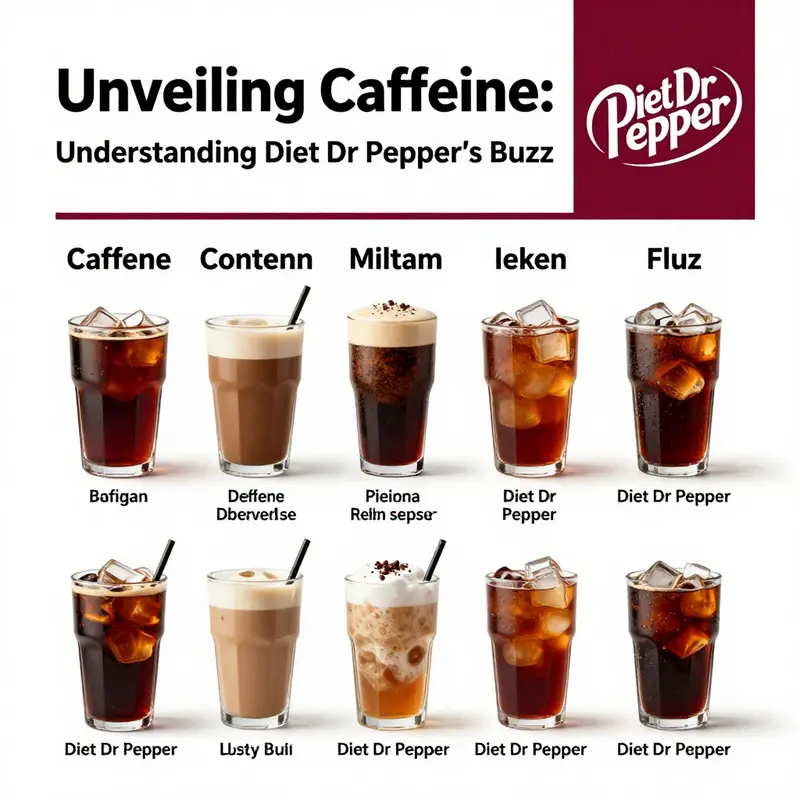
Diet Dr Pepper, a popular choice among consumers seeking a low-calorie soft drink, contains 41 milligrams of caffeine per 12 fluid ounce can. Despite the diet label, many may not realize the caffeine content parallels that of black tea. This article delves into the caffeine analysis of Diet Dr Pepper, compares it with other beverages, and discusses the health implications associated with caffeine intake—essential knowledge for business owners considering beverage options in their offerings. Each chapter builds on this foundation, providing critical insights that can influence both product selection and consumer health awareness.
null
null
Caffeine in Diet Cola: A Measured Look at a Moderate Dose
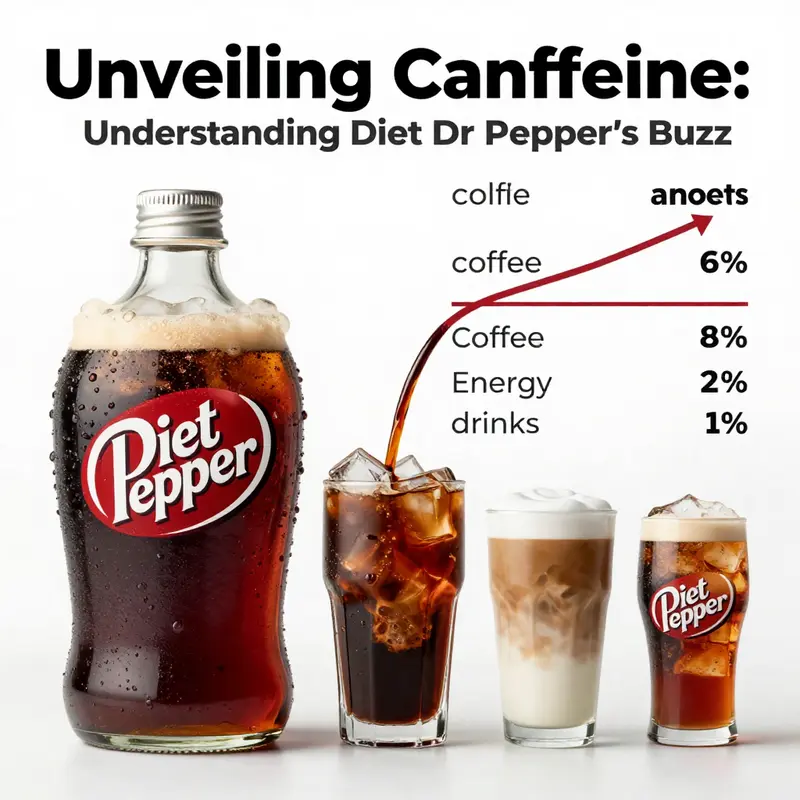
Caffeine sits at the intersection of science and daily habit. In a sugar-free cola, the caffeine content becomes a practical detail with real implications for alertness, timing, and daily planning. A standard 12-ounce can typically contains around 41 milligrams of caffeine, with slight variation by batch or formulation. That places it in a middle range among caffeinated beverages: more than a cup of tea, less than many energy drinks. From a consumer perspective, this moderate dose supports a gentle lift without the intensity of high-caffeine products. The exact number can shift by a few milligrams across batches, but the overall picture remains: a predictable caffeine backbone that fits into a balanced consumption pattern.
When we compare variants within the same brand family, regular, zero-sugar, and diet-friendly versions, the caffeine content tends to be closely aligned, preserving the energy signature across different flavors and formulations. While some datasets may show marginal differences, the practical effect for most people is a similar dose per 12-ounce serving.
Beyond the label, context matters. A single can contributes roughly 40 milligrams of caffeine, and even a second can adds another similar amount, which fits within broader guidelines that many adults can safely handle up to around 400 milligrams a day. Individual tolerance varies widely, so some may feel a subtle lift from this amount while others may notice jitters or sleep interference if they already have caffeine from other sources.
Caffeine’s caloric footprint is minimal in this diet-friendly option, which matters for those tracking intake. The timing of consumption can influence how it affects focus and sleep: morning or early afternoon use supports wakefulness for tasks requiring sustained attention, while late-day use may interfere with sleep quality for some people.
For readers seeking a broader perspective, nutrition databases and product labeling provide durable reference points. FoodData Central catalogs caffeine content across many beverages and can help place this cola in the wider caffeine landscape. With ongoing product updates, the exact milligram figure may shift slightly, but the general takeaway remains stable: a moderate, dependable caffeine contribution from a sugar-free cola that can fit into many daily routines.
null
null
Final thoughts
Understanding the caffeine content of Diet Dr Pepper is crucial for business owners who aim to make informed beverage selections for their customers. With 41 milligrams of caffeine per can, it’s essential to acknowledge how this level compares to other popular drinks and its potential health effects. This knowledge can empower business decisions, catering to both consumer preferences and well-being. By offering accurate information on caffeine content, business owners can enhance customer trust and align their product offerings with health-conscious trends.