
Caffeine is a central component in the beverage industry, particularly with products like Mountain Dew, which captivates a youthful audience with its high caffeine content and distinctive citrus flavor. The strategic placement of Mountain Dew within the marketplace, especially as a go-to option for gamers and young consumers, reveals insights into both consumer behavior and health implications. This article explores the profound impacts of Mountain Dew’s caffeine levels: from an overview of its content, and the intertwined health ramifications, to its significance in gaming culture and a comparative analysis with other soft drinks. Each chapter delves deep into these aspects, providing vital information that business owners can leverage for optimizing their offerings and marketing strategies.
Citrus Buzz and the Caffeine Equation: Tracing the Energy Kick Across a Popular Citrus Soda
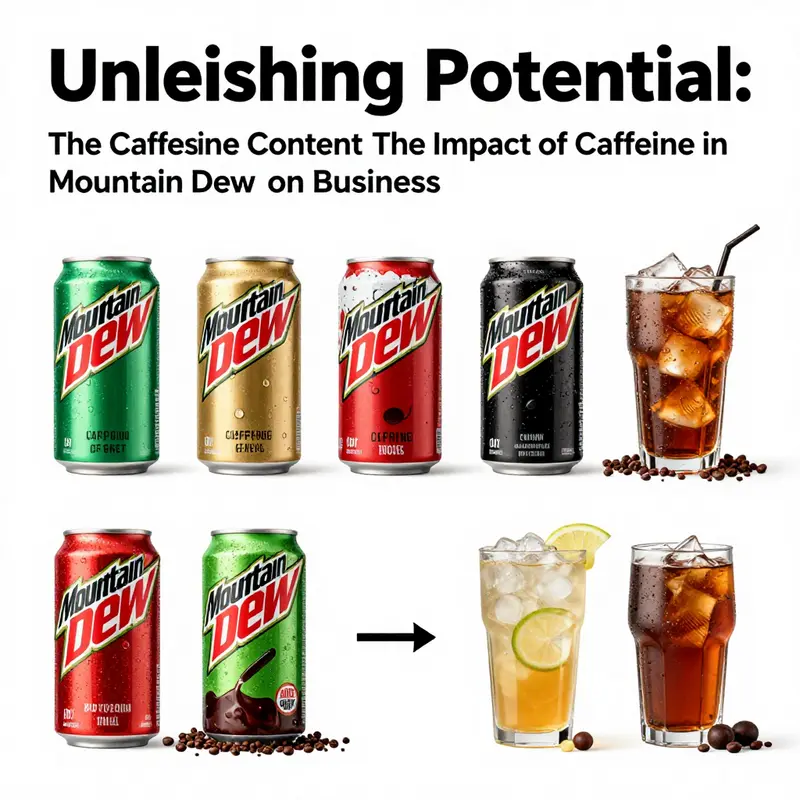
Across late-night streams and long shifts, a familiar can sits within reach, promising a brisk, immediate lift. The beverage is prized not for subtlety but for a straightforward promise: a quick surge of alertness wrapped in a bright, citrusy taste. When people talk about caffeine in everyday diets, this drink often serves as a focal point because it packs a tangible dose of stimulation into a familiar package. The appeal is practical: it is easy to measure, widely available, and offers a flavor profile that many find both refreshing and comforting. Yet behind that surface buzz lies a set of scientific relationships that apply to caffeine across many drinks. Caffeine acts by blocking certain brain signals that tell us we are tired, while the sugar or other energy enhancers present in the same drink can magnify the sensation of lift. The result is a reliable, recognizable experience—a quick win that can support focus during study, gaming, or a demanding work session, but one that also invites careful use and awareness of personal limits.
From a numerical standpoint, the standard 12-ounce can of the classic formulation carries roughly 54 to 55 milligrams of caffeine. In practice, that amount places it in the upper middle of regular sodas and on par with many energy-leaning beverages at a quick glance, while still far below the heaviest energy shots. Independent measurements echo this range, with careful laboratories reporting a narrow band around 54.8 to 55.2 mg per 12 ounces. Across the flavor line, the variation is minimal. A cherry-citrus blend, a lighter lemon-lime profile, and a bold wild orange version all land in the same neighborhood—roughly fifty-five milligrams per standard serving. The similarity is not accidental; engineers have long aimed for a consistent consumer experience where the flavor’s punch and the buzz from caffeine align, producing that familiar, dependable kick without a dramatic swing in energy between flavors.
Yet a high-caffeine variant exists in the portfolio as well, marketed as a functional option for longer sessions or times when sharper focus is needed. In that formulation, caffeine content can reach up to about 100 milligrams per 12-ounce serving. That doubling effect matters. It shifts the beverage from a daily pick-me-up into a tool that borders on the boundary where stimulation becomes the dominant sensation. For some users, especially those who tolerate caffeine well and have higher energy demands, the higher amount aligns with the goal of extended attention and fatigue resistance. For others, it triggers a quicker heartbeat, jitters, or a late-day crash that undermines the very productivity it sought to support. The existence of this variation underscores a broader point: caffeine is not a single number but a spectrum, a tool that changes its impact with dose, timing, and the wearer’s physiology.
To understand what those numbers mean, it helps to anchor them in health guidance. Regulatory bodies emphasize moderation, particularly for younger people, pregnant individuals, and those sensitive to caffeine. The standard adult limit commonly cited in health guidance is up to about 400 milligrams per day for healthy adults, though this cap can vary with individual health status and other caffeine sources. The sugar cofactor compounds the effect. A surge of sugar with caffeine can deliver a rapid energy spike, followed by a questionable crash that can mimic fatigue even as tension remains. In a busy day this combination can feel productive, but the longer arc raises questions about heart rate, sleep, and appetite. The practical takeaway is simple: if you drink one can or two a day, you are staying close to what many dietary guides consider reasonable, but you should balance it with caffeine from other sources, and you should avoid letting the “one more can” impulse push you past the mark.
For gamers and streamers, the appeal is clear. The stimulant empowers extended focus during intricate sequences, rapid decision-making, and sustained reaction times. It becomes a steady companion through hours of preparation, practice, and performance. In measured amounts, that caffeine plus sugar pairing can help maintain a rhythm and prevent the tired missteps that creep in when alertness wanes. But the same dynamics that support longer attention can also strain nerves and magnify anxiety if the dose climbs too high. The culture around long streaming sessions often normalizes a routine that pairs caffeine with late hours. The result is a practical, albeit imperfect, tool for managing fatigue, not a cure for sleep deprivation or a substitute for rest. In educational or professional contexts, the same logic applies: caffeine can be a precision instrument when used with clear boundaries, not a limitless resource to be drawn on carelessly.
Individual responses to caffeine vary widely. Some people feel a crisp lift with moderate amounts, others experience jitteriness even at low doses, and still others notice neither a marked change in energy nor mood. The sugar cofactor adds another layer of variability. For those sensitive to sugar or managing caloric intake, the beverage presents a trade-off between the speed of energy and the duration of sweetness. In people who metabolize caffeine quickly, the peak may pass sooner, leading to a crash that coincides with the next deadline or shift change. Those who are more sensitive might feel palpitations or anxiety even at standard levels. The advice, once again, is practical: approach caffeine as you would any variable in a complex system—start with a small amount, observe your body’s signals, and adjust.
Compared with other caffeinated beverages, the numbers here sit in a familiar zone. The typical soda option carries a caffeine load well under the 100-milligram mark per serving, while many energy-forward drinks trend higher, and traditional coffee hovers in a wide and variable range depending on roast and preparation. The beverage under discussion is notable for delivering a confident energy profile without the intensity some products pivot toward. It offers predictability: roughly the same caffeine per serving, paired with a sweet, bright flavor that makes it easy to consume regularly. The trade-off is clear: the energy is immediate and short-lived, the sugar provides a rapid congratulations, and the aftertaste reminds you of what you consumed as the clock keeps moving. For people who want a steady afternoon lift that does not disrupt sleep patterns too severely, there are choices that balance caffeine, sugar, and flavor in different proportions. The key is knowing your own threshold and planning around it rather than chasing the next quick fix.
As the catalog of flavors expands and the market for caffeinated beverages grows, the conversation about caffeine content remains essential. A quick scan of labels asks us to consider not only how much caffeine is in a can but how often we reach for it, what else is in the drink, and how we schedule other sources of energy across a day. The numbers are not just abstract figures; they map onto real patterns of attention, mood, and physiological response. For some readers, the takeaway is simple: if you seek a reliable, flavor-forward lift, this category offers a predictable, accessible option. For others, it is a reminder to treat caffeine as a tool to be used with awareness, not a constant companion in the background. The broader message is that energy management, like any health habit, benefits from clarity and balance, rather than a reliance on any single beverage to carry the day. For more detailed, lab-based exploration of caffeine content in this category, see the external resource linked here.
External caffeine information resource
Buzz, Balance, and the Citrus Dynamo: Health Implications of a High-Caffeine Citrus Soda
Caffeine has become a cultural constant in the landscape of modern beverages, a familiar companion for late-night study sessions, marathon gaming streams, and quick bursts of steady focus during a busy day. In the realm of citrus-flavored sodas, this stimulant is delivered in a way that feels accessible, approachable, and effectively fast-acting. The beverage in question delivers about 54 to 55 milligrams of caffeine per 12-ounce serving, a figure that places it toward the higher end for soft drinks when compared with classic colas. The data behind these numbers come from regulatory and independent sources, including the U.S. FDA and nutrition research studies that have tracked caffeine content across standard packaging. Within this family of drinks, there can be small fluctuations by flavor, and there exists a high‑caffeine variant that can push caffeine content to roughly 100 milligrams per 12 ounces. Those numbers matter because they map onto a broader health conversation: how a single can contributes to daily caffeine intake, how it interacts with the body’s systems, and how individual health contexts can tilt the balance between perceived advantage and potential risk.
From a mental-health perspective, the eye-catching prospect of sharper alertness and quicker reaction times must be weighed against the realities of how caffeine engages the brain and the body. Caffeine works by antagonizing adenosine receptors, a mechanism that reduces perceived fatigue and increases neuronal firing. When consumption remains moderate, many people notice improved concentration and mood without notable distress. Yet as intake climbs, especially when the beverage is used repeatedly in long gaming sessions or study blocks, signs of overstimulation can appear. Jitteriness, racing thoughts, and sleep disturbances are common reports, and for some individuals with anxiety sensitivity, even ordinary amounts can feel amplified. The modern pattern of use—larger quantities, later hours, and a reliance on caffeine to sustain performance—can magnify these effects, potentially creating a cycle wherein sleep debt magnifies daytime fatigue, prompting further caffeine use. The bottom line is individualized: caffeine’s benefits in attention and wakefulness are real, but they hinge on personal tolerance, timing, and overall sleep quality.
The health dialogue extends beyond the nervous system into the realm of bone health. Caffeine can modestly influence calcium balance by reducing intestinal calcium absorption, a factor that acquires greater importance during adolescence and early adulthood when bone density is still accruing. The practical implication is not an alarm but a caveat: if dietary calcium intake is inadequate or if physical activity is limited, high caffeine exposure over time could contribute to a less favorable bone-health trajectory. This dimension must be considered alongside the drink’s sugar content. A typical can carries around 46 grams of added sugar, a substantial sugar load that compounds the metabolic effects of caffeine. Sugar and caffeine together can create a more pronounced energy spike followed by a crash, a pattern that can influence appetite, mood, and energy regulation. Beyond immediate energy fluctuations, repeated exposure to high sugar alongside caffeine has been linked to concerns about weight gain, insulin resistance, and an elevated risk for type 2 diabetes when such habits are frequent and sustained. In other words, the health footprint is not limited to the stimulant; it envelops the broader nutritional profile of the beverage and the long-term consequences of habitual intake.
Dental health is another arena where the daily choice matters. The beverage’s acidity can contribute to dental erosion over time, especially when sipped frequently or held in the mouth for extended periods. Enamel erosion can lead to heightened tooth sensitivity and changes in oral health that persist beyond a single can. Taken together, these considerations—anxiety and sleep effects, bone calcium dynamics, metabolic load from sugar, and dental erosion—paint a multifaceted picture. They remind us that caffeine is not a solitary chemical event; it is part of a dietary pattern that interacts with calcium intake, dietary sugars, hydration, oral hygiene, and sleep, all of which shape overall health outcomes.
Against this backdrop, health professionals generally advocate moderation. For most healthy adults, a daily caffeine ceiling of about 400 milligrams is a prudent guideline, a threshold that accommodates various sources like coffee, tea, chocolate, and other beverages. Translating that into everyday consumption means that one or two twelve-ounce servings can fit within the recommended range, provided other caffeine sources are accounted for. This calculus becomes more nuanced for those with anxiety disorders, sleep disturbances, cardiovascular conditions, or specific life stages such as pregnancy or breastfeeding. In these cases, the risk–benefit calculus shifts toward stricter limits, and some individuals may choose to avoid caffeinated beverages altogether during certain periods. The underlying principle remains steady: understanding one’s own sensitivity and sleep patterns, tracking daily intake, and adjusting behavior accordingly can help preserve both performance and well-being. The broader public-health message emphasizes personalization rather than one-size-fits-all rules, acknowledging that caffeine’s effects vary from person to person and even across different days.
Context matters when interpreting the science. In gaming and streaming communities, the beverage is often imbued with cultural meaning beyond its chemical properties. It can be part of a routine—the convenient fuel that keeps eyes on the screen and hands on the keyboard. That social dimension can influence consumption patterns, potentially normalizing higher intake as a function of work or performance. Yet the same patterns that sustain focus can also heighten the risk of dependence, reduce sensitivity to sleep quality, and contribute to a cycle of energy reliance. Recognizing this dynamic helps shift the conversation from fear of oscillating energy to a balanced approach that respects personal health goals. Practically, this means planning consumption within the daily caffeine budget, prioritizing hydration, and choosing periods for lower-sugar or caffeine-free alternatives when sleep or mood is vulnerable. In the short term, these strategies support steadier energy levels, better sleep at night, and a more controllable energy curve during long sessions.
From a pharmacological perspective, the science supports a nuanced view of caffeine’s effects. The stimulant increases neuronal firing, heightens dopamine signaling in reward pathways, and interacts with calcium signaling that plays a role in muscle performance and nervous system activity. Tolerance develops with regular use, which can lead to larger amounts being needed to achieve the same perceptual effects, potentially escalating risks for sleep disturbances, anxiety symptoms, and cardiovascular strain in sensitive individuals. Withdrawal is also a reality for some users, characterized by headaches, irritability, and mood shifts when caffeine is reduced or stopped. Contemporary reviews emphasize that the benefits of caffeine are real but contingent on context, individual metabolism, and health status. The takeaway is not to abandon caffeine but to integrate it into a thoughtful, health-oriented pattern that aligns with personal goals for focus, energy, sleep, and mood.
Ultimately, the health implications of caffeine consumption from a popular citrus beverage illuminate a broader truth about contemporary nutrition: convenience can come with costs, and awareness of those costs enables better choices. The numeric benchmark—the roughly 54–55 milligrams per 12-ounce can—serves as a starting point for understanding total daily intake. The sugar and acidity layers add further complexity, shaping energy stability, bone health, insulin dynamics, and dental integrity. The practical implication is clear: treat caffeine as a real component of daily intake, not as an inconsequential garnish to a casual sip. By recognizing the potential for jitters, sleep disruption, calcium balance shifts, metabolic effects, and dental wear, consumers can craft patterns that support health goals while still enjoying the ritual that many associate with late-night study, rapid-fire gaming, or routine refreshment.
For readers seeking a deeper pharmacological perspective, a recent synthesis in Frontiers in Pharmacology offers a rigorous overview of caffeine’s health impacts across populations, highlighting both benefits and risks in modern contexts. https://www.frontiersin.org/articles/10.3389/fphar.2024.1378542/full
Caffeine, Citrus, and Console Culture: Tracing a High-Energy Beverage Through Gaming’s Pulse
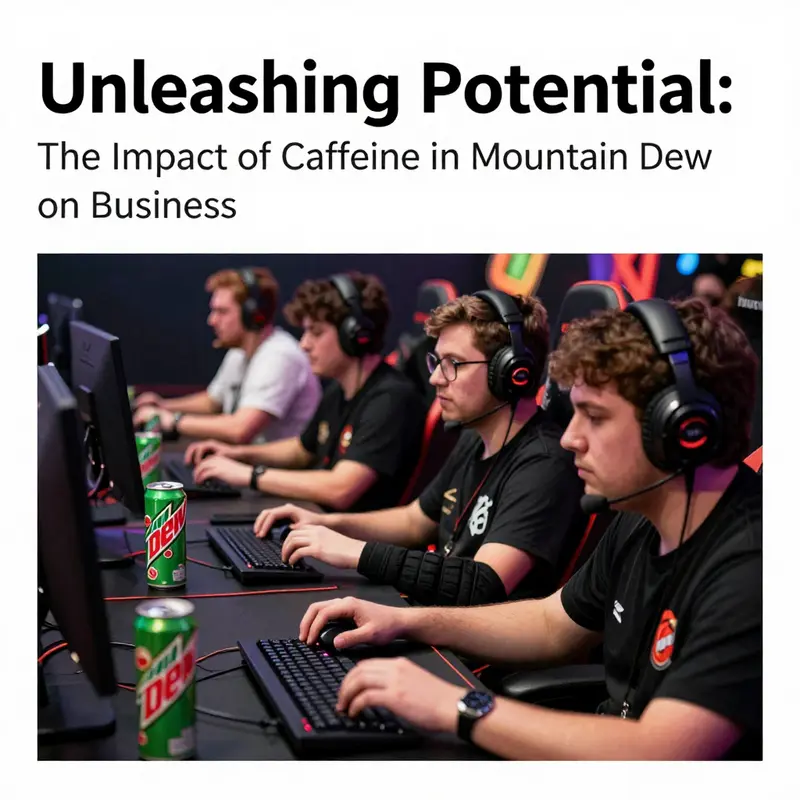
A familiar citrus fizz has become a recognizable emblem of late-night play, a beverage that seems to arrive in the moment when focus is most demanded and fatigue is most threatening. It is a high-caffeine, bright-flavored option whose popularity extends far beyond casual refreshment. In a standard 12-ounce serving, the caffeine content commonly hovers around 55 milligrams, a figure that places this drink toward the upper end of what many soft drinks deliver per serving. When stacked against other popular sodas, the gap is noticeable: a typical cola might offer roughly 34 milligrams, while another mainstream variant sits near 38 milligrams. The category’s range is not flat, however. The core line—regardless of flavor—tends to sit in the mid‑fifties, with a high-caffeine variant pushing the ceiling up to roughly 100 milligrams per 12-ounce portion. These numbers are repeatedly echoed in FDA data and corroborated by independent laboratory work conducted by nutrition researchers. The practical takeaway is straightforward: a single 355-milliliter serving can deliver a substantial caffeine jolt, enough to alter perceived responsiveness and mental tempo during extended screen time.
This high-caffeine beverage has not become merely a drink; it has become a cultural signal within gaming communities. The citrus profile and the energy-forward effect align neatly with the needs of long play sessions, where players seek the quick refreshment of a cool drink and the sharpened attention that caffeine is known to provide. In streaming rooms and at regional tournaments, the drink appears not just as a product on a shelf but as part of a ritual—an accessible ritual that pairs with the rhythm of practice, queue, and strategy. The brand’s marketing has long leaned into this connection, crafting messages and visuals that resonate with gamers’ language and lived experience. The result is a feedback loop where beverage culture and gaming culture reinforce each other: a familiar can is reached for as a signal to begin, continue, or intensify a session, a cue that aligns taste preferences with performance narratives and social expectations.
From a marketing perspective, the pairing is deliberate and effective. Sponsorships of major gaming events, partnerships with teams, and a visible presence on streaming platforms have all positioned the beverage as a go-to companion for marathon sessions. The messaging emphasizes alertness and endurance, presenting the drink as a practical ally during tasks that demand extended focus, rapid reaction times, and sustained energy. In the eyes of players, the beverage becomes not just a source of caffeine but a badge of belonging to a culture that values long terrain maps, multi-hour raids, or rapid-fire rounds. The social aspect matters as well: caps on the number of hours one can stay immersed are softened by the sense that the beverage is part of a shared, if caffeinated, pursuit of mastery.
Yet the relationship between caffeine and gaming behavior is intricate and not entirely unproblematic. The literature, including a 2025 study by JJ Park, points to a small but statistically meaningful mediating effect: caffeine use can partly explain the link between how long people play and the emergence of behaviors associated with gaming disorder. In other words, caffeine does not create problematic gaming on its own, but it can amplify the conditions that make compulsive patterns more likely when coupled with extended play, high cognitive load, and social reinforcement from a streaming audience. This is where marketing’s role becomes particularly salient. When a product is marketed as a performance-enhancing aid for gamers—rather than as a simple beverage—consumers absorb a narrative about endurance that can subtly shift how they pace themselves, how they interpret fatigue, and how they gauge the line between perseverance and overuse. The cultural frame matters because it shapes expectations: the drink is not just refreshing; it is a signal that ambition, resilience, and focus are congruent with continued play.
The cognitive and physiological signals produced by caffeine are well documented, but the domain in which those signals are applied matters greatly. In a gaming context, the perceived enhancements—heightened attention, faster reaction times, reduced perceived effort—may translate into longer sessions and a willingness to press on despite rising fatigue. The social dynamics of gaming communities intensify this effect: streamers who dramatize long sessions, fans who celebrate endurance, and peer norms that valorize commitment all contribute to a milieu where caffeine is seen as a practical tool to sustain momentum. This cultural alignment helps explain why a high-caffeine beverage has such staying power in gaming ecosystems. It becomes less about the drink alone and more about what it signals—an ally for progress, a companion during marathons, and a shared artifact that marks the boundary between casual play and a dedicated practice routine.
The discussion also invites attention to health and moderation. While the short-term effects of caffeine can offer noticeable benefits in alertness and performance, the downsides—palpitations, jitteriness, anxiety, or a later-day crash—underscore the importance of mindful consumption. Healthcare voices emphasize balancing timing, dose, and context. For younger players and those with sensitive cardiovascular or anxiety-prone profiles, the risk-benefit calculation changes, and the culture surrounding gaming must be navigated with care. The marketing frame that links caffeine with peak performance can blur these considerations if not counterbalanced by education about safe use, hydration, and strategic breaks. In this sense, the beverage’s role in gaming culture is double-edged: it can support focus and stamina but also contribute to unhelpful patterns if used in place of healthier fatigue-management strategies.
To connect these threads, consider how a single can sits at the crossroads of consumer choice, community ritual, and health implications. The beverage’s branding—its science-backed caffeine content, its refreshing palate, and its association with long, interactive play—creates a reliance that extends beyond taste. Players learn to equate a certain level of alertness with a certain amount of gaming time, and a certain amount of gaming time with cultural belonging. The sustainability of this dynamic relies on nuanced consumer education and on industry mindfulness about how marketing messages are received in real-world play. For those who want to explore the practical dimension of caffeine content itself, see caffeine-content-mt-dew.
As the ecosystem of gaming and online communities evolves, the beverage remains a case study in how a stimulant can become embedded in a culture of competition, collaboration, and late-night exploration. It reveals how product design, flavor profile, and energy chemistry can intersect with social rituals to shape daily routines and long-term habits. The broader takeaway is not a prescription for or against caffeine in gaming, but a call to recognize how stimulants and social norms interact—how a shared beverage can become a cultural artifact that signals not just alertness, but belonging, identity, and the willingness to push a little farther when the screen stays bright and the clock continues to run.
For a broader lens on how caffeine-related culture intersects with gaming behavior—and to situate this specific case within public health discussions—the CDC offers a resource that surveys the relationship between caffeine use and gaming-related experiences. This external perspective helps situate the consumer psychology and marketing dynamics within a public-health framework, highlighting the importance of informed choices, moderation, and the social context in which these beverages are consumed.
External resource: CDC – Caffeine and Gaming. https://www.cdc.gov/healthcommunication/tobacco/caffeine-and-gaming.html
Caffeine at the Edge: Mountain Dew and Soft-Drink Caffeine Levels in Context
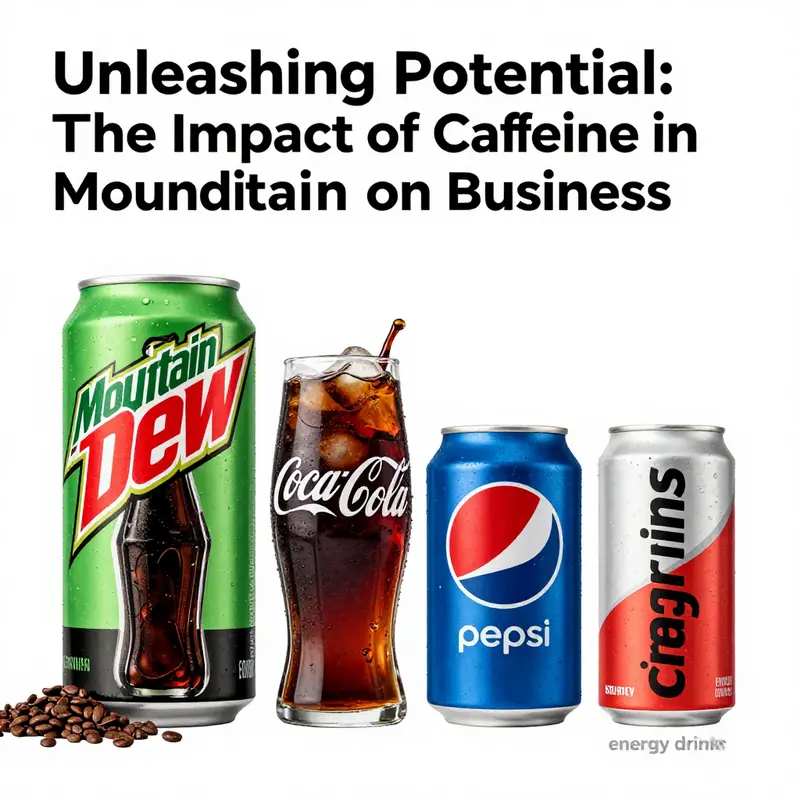
Caffeine acts as a subtle driver of focus in everyday beverages, and among popular soft drinks Mountain Dew often sits at the higher end of the spectrum. In standard 12-ounce servings, Mountain Dew commonly reports around 54 to 55 milligrams of caffeine per can, placing it toward the upper range of typical colas and other sodas. Across the core lineup, this level tends to be consistent, with mild variation across flavors. Higher-caffeine variants exist in the broader Mountain Dew family, which can push caffeine content significantly higher on certain SKUs. The landscape becomes more nuanced when we widen the lens to other caffeinated sodas. Dr Pepper generally carries less caffeine per serving than Mountain Dew, though exact figures vary by country and product line, and consumer summaries do not always publish precise amounts. Regional and market differences can produce notable ranges in reported caffeine content across brands and flavors. Formulation choices—target audiences, regulatory environments, and product positioning—shape the final caffeine load that reaches consumers.
Mountain Dew itself features variants that reinforce the base narrative of a higher-caffeine citrus drink. The original formulation and closely related flavors typically sit in the mid‑fifty milligrams per 12‑ounce range, while more intense “high-energy” variants can reach higher levels in some markets. This creates a spectrum within the same brand, offering milder lifts or stronger stimulants depending on mood and activity. The decision is not only about taste but also about how much alertness one seeks and how that alertness aligns with personal tolerance. For gamers, students, or long sessions, higher-caffeine options may be appealing; for others, the stronger punch may be more than needed.
The social and cultural backdrop adds another layer. In gaming and streaming communities, beverages with a robust caffeine payload can become part of a ritual for endurance during long sessions. Caffeine’s effects derive from blocking adenosine receptors, promoting wakefulness and perceived focus, though responses vary with tolerance, timing, and other caffeine sources in a given day. Moderation matters: too much caffeine can provoke jitters, palpitations, or an uncomfortable rebound, especially for individuals with sensitivities or particular health considerations. Reading labels and understanding personal limits remains important when integrating caffeinated beverages into daily routines.
Regulatory and measurement contexts matter for interpretation. Official nutrition panels and independent studies have documented caffeine levels for many mainstream beverages, though exact numbers can differ by region and reformulation. Market data aggregators and lab analyses continue to track changes over time, and readers are encouraged to consult up-to-date references when comparing brands. A concise takeaway is that Mountain Dew tends to be among the more caffeinated soft drinks in common markets, while regional options can vary, and some higher‑caffeine variants push the ceiling higher.
In practical terms, a reasonable daily ceiling for healthy adults is around 400 milligrams of caffeine, though individual sensitivity and medical considerations matter. As with any stimulant, individual responses vary, and many people find it useful to plan caffeine intake around tasks, workouts, or study sessions. The Mountain Dew example illustrates how branding and formulation converge to make a high‑caffeine option a regular choice for some consumers, while others may prefer milder alternatives. For readers seeking a quick reference, the baseline caffeine level for Mountain Dew in representative markets hovers in the mid‑fifties per 12‑ounce serving, with variation across flavors and regional SKUs. See the reference material on Mountain Dew caffeine content for deeper detail.
Final thoughts
Understanding the caffeine content in Mountain Dew is essential for business owners aiming to attract a target audience, especially among gamers and young consumers. The beverage’s unique positioning within health discussions and its rising popularity in gaming culture shape consumer preferences. As you consider marketing strategies or product offerings, integrating insights about caffeine can prove beneficial in aligning products with consumer expectations, health implications, and gaming trends. Ultimately, knowledge about Mountain Dew’s caffeine content provides an avenue for enhanced consumer engagement, fostering loyalty and driving sales.