
The complexity of consumer preferences in the beverage market, especially with diet sodas, compels business owners to scrutinize product contents closely. One soda that often raises questions is Diet Dr Pepper. This sugar-free and calorie-free option is popular among consumers, yet its caffeine content—about 36 milligrams per 12-ounce can—may influence purchasing decisions. As a business owner, understanding the caffeine levels in your products can guide your marketing strategy and customer interactions. This article will explore the caffeine content in Diet Dr Pepper, discuss the health implications associated with consuming caffeine, and compare its caffeination to other popular soft drinks, providing you with an informed perspective on this essential ingredient.
Buzz Without the Brand: A Thorough Look at Caffeine in Diet Sodas
Caffeine has become a familiar companion for many people navigating busy days, late-night study sessions, or early-morning commutes. It sits quietly in a wide range of beverages, from freshly brewed coffee to sparkling, zero-sugar options designed to deliver flavor without calories. Yet a common point of confusion lingers around diet sodas: do they contain caffeine, and if so, how much? The short answer is yes, most diet colas do contain caffeine, and the amount is typically in the moderate range when you consider a standard serving. The longer answer reveals a nuanced picture about formulation, serving size, and how caffeine behaves as a stimulant in the broader context of daily intake. Reading through the data, one encounters figures that can seem inconsistent at first glance, but they become clearer when the manufacturing process is understood and when the way we measure a “serving” is placed in its proper place.
To begin with, the caffeine content in diet sodas is not determined by the presence or absence of sugar. The sugar analogs used to replace sweetness—such as aspartame and acesulfame potassium—do not drive the caffeine amount. Caffeine is added during production as a separate ingredient, much like it is in regular, sugar-containing variants. This separation explains why a diet version often retains a caffeine level that mirrors its non-diet counterpart, even though one version contains sugar and the other does not. The practical upshot for consumers is that the diet option can contribute a comparable caffeine load to the day’s tally, despite its sugar-free presentation.
From a numerical standpoint, the range of caffeine in a typical 12-ounce (355 ml) serving of diet soda lands in the mid-twenties to mid-forties milligrams. Different studies and labeling sources may quote slightly different figures, reflecting minor formulation adjustments across production runs, regional variations, and the precise size of the container used for measurement. A common reference point for many popular diet colas sits around the upper thirties to lower forties milligrams per 12-ounce can. That places it in the same neighborhood as other diet soft drinks in the same category, though the exact mg can vary by brand, batch, and country of sale. For readers who enjoy a quick snapshot, think of caffeine content in diet sodas as moderate rather than negligible or overly concentrated.
The implications of this caffeine level extend beyond the badge of “moderate.” If you drink multiple servings in a day, or if you are particularly sensitive to caffeine, the cumulative effect matters. For adults without caffeine sensitivity, a daily intake in the 300–400 mg range is often cited as a practical upper limit before potential sleep disturbance, jitters, or elevated heart rate become noticeable in some individuals. For children and adolescents, the guidelines are more conservative, with many health authorities recommending limiting caffeine intake to a fraction of adult levels. Those trying to manage total daily caffeine intake should consider all sources—coffee, tea, energy drinks, chocolate, and even some medications—to avoid unintentionally tipping the balance.
One reason this topic can be perplexing is how a “diet” label influences perception. The term diet signals a reduction or elimination of sugar, but it does not imply caffeine-free status. In the realm of beverages, caffeine is a separate chemical that remains active regardless of the sweetener used. This separation can lead to the counterintuitive realization that a sugar-free drink can still deliver a caffeine kick, while a sugary version may not necessarily offer any advantage to someone trying to moderate their caffeine exposure. The practical takeaway is straightforward: if caffeine is a consideration for your day, a diet option does not inherently guarantee a reduced caffeine load relative to its non-diet counterpart.
As with any packaged product, the exact caffeine content can vary by region and over time as manufacturers tweak recipes. The core principle remains stable: caffeine is added during production as a fixed component, and the inclusion of sugar substitutes does not diminish its presence. This constancy helps explain why a diet version can align closely with the caffeine content of its regular sibling. The implication for consumers is not merely about what’s inside a can, but about how that content translates into daily routines. If you tend to drink one or two cans in a day, you are already working with a meaningful fraction of a typical daily caffeine limit. If your day involves more caffeine sources, you may approach or exceed your personal threshold without realizing it, simply by tallying up how many beverages you’ve consumed.
The broader nutrition conversation also invites attention to other ingredients commonly found in these beverages. Most diet options rely on artificial sweeteners to achieve their zero- or low-calorie profiles. In addition to caffeine, these ingredients can influence taste perception, appetite signals, and even downstream cravings in some individuals. While the sweeteners themselves do not contribute calories in the same way as sugar, their presence can affect preferences for sweetness and the overall experience of flavor. This dynamic can influence how likely someone is to reach for more of the drink, which in turn can affect total caffeine intake if multiple servings are consumed. For people monitoring caffeine for health reasons, it is the combination of caffeine and the timing of consumption that often matters most—rather than caffeine alone in isolation.
Understanding how serving size shapes the picture is another essential piece of the puzzle. Nutrition labeling generally centers on a standard 12-ounce serving. But many households pour larger portions or share cans among friends, which can inadvertently amplify caffeine intake. When a can is larger than the standard size, or when a single consumption session includes more than one serving, the mg of caffeine quickly scales up. This simple arithmetic—mg per serving multiplied by the number of servings—provides a practical tool for readers to gauge how a single choice fits into daily caffeine goals. A moment of quick math can prevent surprises later in the day, especially for those who are sensitive to stimulants or who are balancing caffeine with other sources like coffee or tea.
To place this discussion in a broader context, it is helpful to compare diet sodas to other caffeine-containing beverages. Brewed coffee typically delivers a higher caffeine punch per serving, with a wide range of 70–140 mg or more per 8-ounce cup, depending on bean type, roast, grind size, and brew method. Tea often lands in the 20–60 mg range for a standard cup, with power-sipping varieties and certain black or green teas pushing the upper end. Energy drinks, while not traditional sodas, frequently present their caffeine in the 50–200 mg window per serving, sometimes with additional stimulants and sugars or sugar substitutes that further complicate the intake picture. These comparisons illuminate the spectrum of caffeine exposure people encounter daily and underscore why a single category of beverages cannot be treated as a monolith when it comes to stimulants.
Given the layered complexity—variations across batches, serving sizes, and total daily consumption—it is natural to seek authoritative references that systematically chart caffeine content across beverages. The research landscape includes comprehensive analyses of prepackaged national-brand and store-brand carbonated beverages, which document caffeine levels across a wide array of products. Such studies provide a reliable backdrop against which individual labels and consumer experiences can be interpreted. They acknowledge the variability inherent in production and labeling while confirming the general expectation: diet sodas typically include caffeine, often in amounts in the moderate range, and the calorie- or sugar-free designation does not imply a caffeine-free formulation. This distinction is especially important for readers who assume that the absence of sugar equates to a milder stimulant effect. In practice, the difference lies in the sugar content, not the caffeine, for many widely consumed diet sodas.
For readers who crave precise figures tied to real-world products, it is worth noting that the numerical values cited across sources can reflect different serving sizes, labeling conventions, and batch-to-batch variation. When planning daily caffeine intake, a practical approach is to treat each 12-ounce can as a unit with a defined mg value, then tally across the day. If you choose to save caffeine for certain times—perhaps avoiding late-afternoon or evening cans—this simple habit can help ensure a smoother relationship with rest and sleep. It also offers a straightforward way to compare beverages you enjoy without getting lost in the details of each brand’s formulation. In this sense, the science of caffeine content is less about chasing a universal number and more about embracing a reproducible framework for thinking about how much caffeine a given choice adds to the day.
In the end, the core message is practical and accessible: many diet sodas do contain caffeine, and the amount is typically in the moderate range for a standard serving. The sugar-free formula does not automatically reduce caffeine; instead, caffeine is a separate additive whose presence is determined by formulation decisions rather than the presence or absence of sugar. For people who monitor caffeine for health, sleep, or energy management, the key is to treat diet options as legitimate sources of caffeine in the daily mix, much like their regular counterparts, and to plan accordingly. The landscape of beverages remains diverse, and the conversation about caffeine is best grounded in label awareness, serving-size mindfulness, and an ongoing awareness of one’s own tolerance and daily needs.
External resource for further reading: an expansive NIH-backed analysis of caffeine content across a broad range of prepackaged beverages provides a rigorous data foundation for understanding how caffeine behaves in common drinks. See the study here: https://www.ncbi.nlm.nih.gov/pmc/articles/PMC8576049/ . This resource offers a methodical look at caffeine levels across categories and can help readers situate any single product within a wider context of comparable beverages. For those who want a deeper dive into how those measurements are gathered and interpreted, the article provides a thoughtful synthesis of data, methodology, and the practical implications of caffeine research for everyday consumption.
The Buzz Behind the Zero-Calorie Fizz: Caffeine, Health, and the Diet Cola Question

Caffeine has a way of turning a simple beverage into a brief moment of wakeful clarity. In the realm of zero-calorie, sugar-free sodas, the question of how much caffeine a given drink contains is not merely a trivia item; it is a practical touchstone for daily routines, sleep patterns, and even how we plan meals around work, study, or family time. When a popular, calorie-free option enters the daily lineup, the caffeine content becomes more than a number. It becomes a factor in how alert we feel after lunch, how we pace our afternoon, and how we regulate intake for sensitive groups such as pregnant individuals or anyone trying to limit stimulants. The core fact at the center of this chapter is both straightforward and worth attention: this kind of beverage does carry caffeine. The amount, while modest in the grand scheme of caffeine sources, is not negligible for those who watch every milligram. In this context, a single 12-ounce can delivers a caffeine jolt that sits in the lower-middle range for caffeinated colas, a level that aligns closely with other diet sodas that many people reach for to satisfy a craving without added sugars. This standard figure—forty-some milligrams per can—emerges from official product information and manufacturer disclosures, which emphasize that zero calories do not equate to caffeine-free status. Understanding this helps readers interpret labeling and make informed choices about timing, quantity, and overall caffeine budgets. The conversation then extends beyond the blunt number to a spectrum of considerations about health, metabolism, and daily life. A reader who feels jittery after coffee might assume a diet cola would be a gentler caffeine experience, and in many cases it is. Yet the difference between a mild lift and overstimulation can be subtle, shaped by body weight, caffeine history, and even concurrent intake from other sources such as tea, chocolate, or energy supplements. The real-world picture is not a single snapshot, but a dynamic portrait of how caffeine interacts with a complex daily rhythm. Within this broader frame, the fact that a zero-calorie beverage still contains caffeine gains particular relevance for those who are curious about how their choices affect sleep, focus, and heart rhythm across a busy day.
Caffeine content is the first practical consideration. In the detailed results that shape this chapter, a 12-ounce can carries about forty-two milligrams of caffeine. While some everyday health resources describe a similar range across popular diet sodas, this figure stands out as a precise point of reference for planning intake. It helps readers form a clearer sense of how a single can contributes to daily caffeine exposure and how it compares with other caffeinated beverages they might consume. To put that figure into context, a typical eight-ounce cup of brewed coffee often ranges from around eighty to one hundred milligrams or more, depending on the bean, roast, and brewing method. In simple terms, this diet soda delivers roughly half of a standard small cup of coffee. The comparison is not perfect, because caffeine absorption and tolerance vary from person to person, but it offers a practical yardstick for everyday decision-making.
This discussion invariably touches on the broader question of where caffeine sits in a healthy lifestyle. For many adults, a moderate caffeine intake—often described as up to two hundred to three hundred milligrams per day, depending on individual sensitivity—fits within a balanced routine. In this framework, a single 12-ounce can of a zero-calorie cola contributes a minor share of daily caffeine. For someone who drinks one or two such beverages in a day, the cumulative caffeine load remains modest. For others—those who drink several caffeinated beverages, or those who are particularly sensitive to stimulants—the same can may shift from a small lift to a noticeable effect on sleep or restfulness. The nuance here matters because caffeine can influence alertness, mood, and even digestion, and it can do so differently depending on timing. Sipping a caffeine-containing beverage in the late afternoon or evening can disrupt sleep for some people, even if that beverage contains no calories. For this reason, many readers naturally weigh not only the caffeine amount in a single can but also when they choose to consume it and how their body responds across days and weeks.
The health implications extend beyond pure stimulation. The beverage in question is sugar-free, which is often a major selling point for those watching calories or carbohydrate intake. Yet zero calories do not automatically translate into a risk-free profile. The product relies on artificial sweeteners, chiefly aspartame and acesulfame potassium. The science around these sweeteners remains nuanced. Some researchers highlight their safety within established daily intake guidelines, while others discuss ongoing debates about long-term metabolic effects and potential taste perception changes. For readers who care about how their diet influences appetite, metabolism, and energy regulation, this is a relevant line of inquiry. For example, some people report an aftertaste or a different flavor quality when artificial sweeteners are part of their regular intake, and that sensory experience can influence subsequent cravings or satisfaction with beverages. From a purely caloric standpoint, the appeal of a zero-calorie drink remains strong for those seeking fullness without energy-costly sugar. When caffeine factors into the equation, the overall experience becomes a blend of taste, stimulation, and body signals that evolve over time.
From a health standpoint, the potential concerns center not only on caffeine quantity but also on who might be affected more acutely. Pregnant individuals, for instance, face a cautious landscape around caffeine intake. The caffeine level in a single can is roughly equivalent to about half a cup of coffee, which provides a helpful frame for what to expect. While occasional, moderate consumption may be acceptable for many, some clinicians recommend limiting caffeine intake during pregnancy to minimize potential risks to fetal development. Those with certain heart conditions, particularly conditions that involve rhythm or arrhythmia, may also want to monitor caffeine intake more carefully. Caffeine’s stimulatory effect can transiently influence heart rate and electrical activity in some people, so personal medical guidance should be the compass in such cases. Importantly, these considerations do not suggest avoidance is mandatory for everyone. Instead, they underscore the value of personalized awareness—how much caffeine one consumes, when, and how it interacts with other health factors.
In the realm of practical nutrition, the zero-calorie identity of the beverage remains a central selling point. It offers a way to enjoy a familiar, carbonated flavor without contributing calories. This is particularly appealing for individuals who are actively managing weight or who desire a beverage that fits within a broader carbohydrate or sugar-reduction plan. Yet, the absence of calories does not erase the impact of caffeine on energy balance, sleep, or metabolic signaling. For some readers, this means thinking about caffeine as a potential moderator of daily energy intake—one more variable to consider alongside meals, snack choices, and activity levels.
One way to translate these considerations into everyday decisions is to think about caffeine as part of a personal timetable. If a reader tends to feel perched after a late afternoon caffeine boost, limiting the number of caffeine-containing drinks after mid-afternoon may yield better sleep quality. If mornings are where focus matters most, a measured morning dose can help maintain attentiveness through the workday. The timing of caffeine, then, becomes as important as the quantity. The existing research landscape reminds readers that caffeine is not a one-size-fits-all stimulant; it interacts with genetics, tolerance, and lifestyle in ways that shape perception and effect. This is why readers who value consistency may benefit from tracking not just total caffeine intake but also the timing of each caffeinated choice across a typical week. Such mindfulness can help identify patterns and optimize how caffeine supports alertness without compromising rest or overall well-being.
Beyond the numbers, the flavor and experience of the drink contribute to its appeal. Caffeine contributes to flavor perception in subtle but meaningful ways. Some sensory researchers note that caffeine can influence perceived bitterness and overall mouthfeel, which can affect satisfaction and the willingness to substitute one beverage for another. In practice, this means that the caffeine component, while modest in quantity, can shape how enjoyable the drink is in a given moment. For many readers, the combination of a familiar, sugar-free profile with a gentle stimulant forms a reliable option for a quick lift without calories. At the same time, this pairing is not universally ideal. People who are sensitive to stimulants or who are managing anxiety, insomnia, or certain cardiovascular conditions may choose to limit or avoid caffeine altogether. In that case, a non-caffeinated alternative may better align with their wellness goals and sleep patterns. The key takeaway is that caffeine presence adds a layer of nuance to how a zero-calorie beverage fits into a broader health and lifestyle plan.
The broader body of knowledge about caffeine suggests that the beverage category in question sits toward the moderate end of caffeine exposure. It is not the strongest stimulant on the shelf, and it does not claim to replace coffee or energy drinks that are marketed specifically for high caffeine content. Instead, it offers a familiar flavor experience with a predictable yet modest stimulant effect. People who are curious about the daily sum of caffeine in their diet can use this information to calibrate how many cans they might reasonably enjoy within their personal tolerance and daily goals. The daily caffeine budget resembles a personal dietary instrument: some days require a lighter touch, other days may accommodate a little more, provided overall intake remains within comfortable limits. This mindset helps readers appreciate that a single can is a piece of a larger routine, not a standalone decision. In that sense, caffeine in a zero-calorie beverage is a reminder that even calorie-free choices can carry active ingredients with real physiological implications. The practical message is clear: know your thresholds, read labels, and approach each caffeinated choice with intentionality rather than habit alone. For many, that means balancing taste satisfaction with awareness of caffeine content and how it aligns with sleep, anxiety, and energy needs across a typical week.
To connect these considerations with accessible, reader-focused resources, one can explore reliable explainer content on this topic. For readers seeking a concise, reader-friendly overview that mirrors the framing of this chapter, the linked explainer offers a clear synthesis of caffeine content, daily recommendations, and health notes tied to a zero-calorie option. You can find this concise explainer here: does-diet-dr-pepper-have-caffeine-in-it. This internal reference serves as a practical stepping stone for readers who want to compare notes with the broader guidance in this chapter while maintaining a cohesive thread through the article’s overarching question about caffeine in diet beverages.
As the chapter moves toward its broader arc, the conversation remains grounded in what a reader can do with this information. It is not merely about knowing a number; it is about translating that knowledge into daily habits that support focus, sleep, and well-being. If a reader prefers to minimize caffeine exposure, the takeaway is straightforward: treat the can as one option among many, stagger consumption across the day, and avoid stacking caffeine from multiple sources late in the day. If a reader enjoys caffeine and wants a predictable, low-calorie profile, this beverage can fit into a thoughtful plan that respects personal tolerance while still delivering a flavorful, refreshing experience. The key is awareness, timing, and moderation—principles that help people navigate the caffeine landscape with confidence rather than assumption.
For those who crave detailed, official confirmation of the product’s caffeine properties, the manufacturer’s information is accessible as the definitive source. The company’s site provides specifics about content, serving sizes, and the context of caffeine within a broader portfolio of beverages, including other zero- or low-calorie options. This external resource anchors the practical discussion in authoritative data, helping readers compare labels across products and use the information to inform personal decisions about caffeine in daily life.
In sum, the caffeine profile of a popular zero-calorie option is a small but meaningful piece of a broader health and lifestyle picture. It sits at the intersection of taste, energy management, and personal health considerations. The figure—forty-two milligrams per twelve-ounce can—frames a practical basis for planning, while the accompanying notes about pregnancy, heart rhythm, and artificial sweeteners invite readers to bring their own circumstances into the equation. The takeaway is not doom or prohibition but informed, personalized choices that respect how caffeine interacts with sleep, mood, and overall well-being. Readers who want to dive deeper into this topic can explore the linked explainer and consider how a single beverage can fit into a broader, thoughtful daily routine.
To close the loop with a nod to official information beyond consumer-facing explanations, the producer’s site offers the formal data and product context that underpins these discussions. For those seeking a direct look at the brand’s information, see the external resource here: https://www.keurigdrpepper.com.
Caffeine in Diet Sodas: Mapping the Sugar-Free Stimulant Landscape
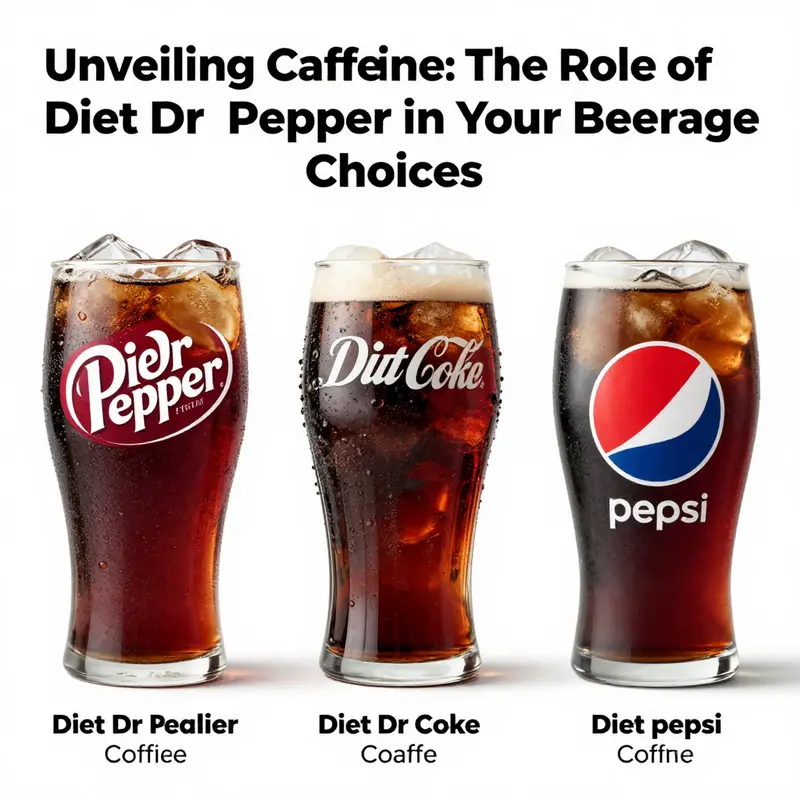
Caffeine sits in the bitter, wakeful middle of many beverages, and among the diet-focused, sugar-free options it often acts as a pivotal balancing act between taste, alertness, and daily caffeine limits. In the wider conversation about how much caffeine a serving delivers, the focus tends to land on milligrams per 12-ounce (355 ml) portion and how that compares across the spectrum of caffeinated drinks. A growing body of data places a typical sugar-free, citrus-tinged, or cola-style option in a moderate range—roughly in the forties of milligrams per 12-ounce serving, with some variation depending on the exact formulation and serving size. This isn’t just a numbers game; it also reflects how manufacturers tune the stimulant to complement flavor and mouthfeel while maintaining a calorie- and sugar-free profile for consumers who want both taste and restraint.
As a matter of baseline, the idea that sugar-free, calorie-free beverages can still carry a meaningful caffeine kick is not new. The caffeine content in these drinks tends to be sufficient to impart a mild energy lift without pushing the caffeine load into the higher ranges seen in many energy drinks or strong brews. In practical terms, you can expect a 12-ounce can of a common sugar-free cola- or cola-like beverage to deliver caffeine in the mid-40s milligrams. Some measurements place the figure a touch higher, around 42.6 mg per 12-ounce serving, while others note a slightly lower figure in the mid-30s, depending on the exact product line and batch. The important takeaway is that these beverages belong to the moderate category when it comes to caffeine, especially when compared with heavy hitters in the caffeinated category.
This level of caffeine is enough to produce a perceptible alertness while preserving the essence of the drink’s other attributes—namely, the light, crisp flavor profile that tends to dominate in diet beverages. Caffeine adds a subtle complexity: a whisper of bitterness that can offset the sweetness and provide a contrast that some tasters describe as essential to the overall sensory balance. In this way, caffeine in a sugar-free formulation doesn’t simply act as a stimulant; it also serves a culinary function, helping the drink feel less flat and more dynamic on the palate. The result is a product that can deliver a small but meaningful energy cue without adding calories or sugar, which is precisely the appeal for many people who are mindful of their intake.
Of course, there is variability across the landscape. Not every can or bottle contains exactly the same milligrams, and serving size matters. Some products are labeled for an 8-ounce serving, others for 12 ounces, and a few extend into 16-ounce formats. The caffeine content scales accordingly, so a larger serving will proportionally raise the milligram amount. For consumers who track caffeine intake for health, sleep, or medication interactions, the label remains the ultimate guide. Reading the nutrition facts panel is the best practice because it indicates the caffeine per serving and clarifies what constitutes a single serving for that product. The variability is not an indication of unreliability so much as it reflects the natural differences among manufacturing lots, batch controls, and variations in flavor intensity, which can necessitate small adjustments in the caffeine formulation without altering the perceived flavor.
In the broader comparisons within this chapter’s scope, a set of relative benchmarks emerges. A single 12-ounce serving of a sugar-free cola-type beverage is generally on par with, or slightly above, a regular cola in caffeine content, while some non-cola, non-cola-like sugar-free beverages may hover in a similar range. The key point is that these drinks sit in a middle ground: more caffeine than many non-caffeinated beverages, yet less than most energy-targeted products. When placed side by side with other caffeinated beverages—whether they are traditional coffees, lighter tea infusions, or energy drinks—the sugar-free cola-like category often lands around the moderate mark for caffeine, offering a modest stimulatory effect without a high-dose punch.
The numbers, though instructive, tell only part of the story. The caffeine in these beverages interacts with the drink’s other components and with the consumer’s body in ways that go beyond straight mg-per-serving calculations. The flavor profile of a diet soda is typically bright, clean, and slightly acidic, designed to deliver a refreshing sensation with very low calories. The addition of caffeine, with its own bitter edge, can heighten the perception of flavor in the absence of sugar. In sensory science terms, caffeine can contribute to flavor complexity by providing a subtle counterpoint to the sweetness and a mild bitterness that enlivens the finish. The net effect is a drink that feels more “alive” on the palate without requiring sugar to achieve that sensation.
From a consumer standpoint, the appeal hinges on a balance: enough caffeine to feel a pick-me-up, but not so much that it disrupts sleep if consumed later in the day. For many, the moderate caffeine dose aligns with daily routines that blend work, study, and activity with a need for a light energy lift rather than a high-octane stimulant. For those who are caffeine-sensitive, or who are trying to limit intake due to health considerations, the precise mg per serving becomes a practical factor in deciding whether to reach for this kind of beverage.
This is where labeling becomes more than a formality. The exact caffeine content per serving is part of the information people use to decide when and how to drink. The presence of caffeine in a sugar-free beverage is also relevant to parents managing caffeine exposure for children and adolescents, as well as to adults who are monitoring their intake in combination with medications or medical conditions. In situations where caffeine sensitivity is high, even a moderate amount can cause sleep disturbances, jitters, or increased heart rate in sensitive individuals. Conversely, for those who tolerate caffeine well, this same amount can provide a reliable, mild lift that helps sustain attention during tasks that require focus.
For readers who want a closer look at the precise formulation, many manufacturers publish nutrition information that includes caffeine content per serving. You can assess whether your preferred sugar-free option lines up with your daily goals by comparing the milligrams listed on the label to your personal caffeine budget. When browsing information to better understand the caffeine profile of these drinks, the most authoritative reference is the official nutrition resource provided by the beverage’s parent company. This resource consolidates product data, including caffeine amounts across different products and serving sizes, and is the foundation for the numbers cited in many independent summaries and reviews.
If you’d like a direct, more detailed explainer that specifically revisits the question of whether a particular branded diet soda contains caffeine, you can read a concise write-up that dives into the exact caffeine content. It is useful to see how the numbers relate to the sensory and daily-use considerations described above. does-diet-dr-pepper-have-caffeine-in. This resource, while rooted in a specific product, illustrates how the caffeine figure sits within the broader category of sugar-free colas and how consumers can interpret the data when weighing taste, energy, and calories.
The broader lesson extends beyond a single can. When people consider caffeine in diet beverages, they often balance it against alternatives—other sugar-free drinks, regular sodas, or non-sugary beverages like plain water, sparkling water with a hint of flavor, or unsweetened tea. The caffeine in diet sodas is not an isolated phenomenon; it reflects a market-wide approach to delivering taste and a modest energy cue without calories. It also highlights how the beverage industry navigates consumer preferences for taste and vitality in a category that prizes both flavor integrity and dietary restraint. In this sense, caffeine content becomes a practical parameter, guiding choices that range from daily rituals to occasional indulgences.
For readers seeking the most precise, product-specific numbers, turning to the official nutritional pages provided by the parent company yields the definitive data. The numbers may shift slightly across product lines and regional formulations, but the general pattern remains: caffeine in a typical diet-appropriate, sugar-free beverage sits in the moderate range, enabling a light lift without the sugar-associated calories that many people prefer to avoid. This understanding helps readers make informed decisions about when to reach for a can, how much to drink in a day, and how to fit caffeinated beverages into a larger wellness plan. External data and manufacturer pages are the most reliable sources for the exact mg-per-serving, while independent syntheses can help readers see how those figures stack up across the broader beverage landscape.
For a quick reference to the most current, product-specific data, consult the official nutrition information published by the beverage’s parent company. The precise numbers can vary by batch, formulation, and serving size, but the general range remains consistent with what this discussion outlines: a moderate caffeine level that delivers a noticeable lift without overwhelming the palate or the calendar. And while caffeine content is a straightforward numeric measure, its implications weave through taste, energy, and daily life in a way that makes understanding these figures more than an exercise in arithmetic. It’s about how a calorie-free, caffeine-containing beverage fits into nutrition goals, how it interacts with sleep and focus, and how its flavor profile is shaped by, and in turn shapes, the caffeine-driven experience.
External resource for further detail: https://www.keurigdrpepper.com/nutrition
Final thoughts
In conclusion, understanding the caffeine content in Diet Dr Pepper is vital for business owners in the beverage industry. With approximately 36 milligrams of caffeine per can, it places itself firmly within the moderate range shared by similar diet soft drinks. Awareness of this content not only addresses potential customer concerns regarding energy levels and health but also enhances marketing strategies and sales techniques. As consumers become increasingly health-conscious, transparency about ingredients like caffeine can improve trust and engagement with your brand.