
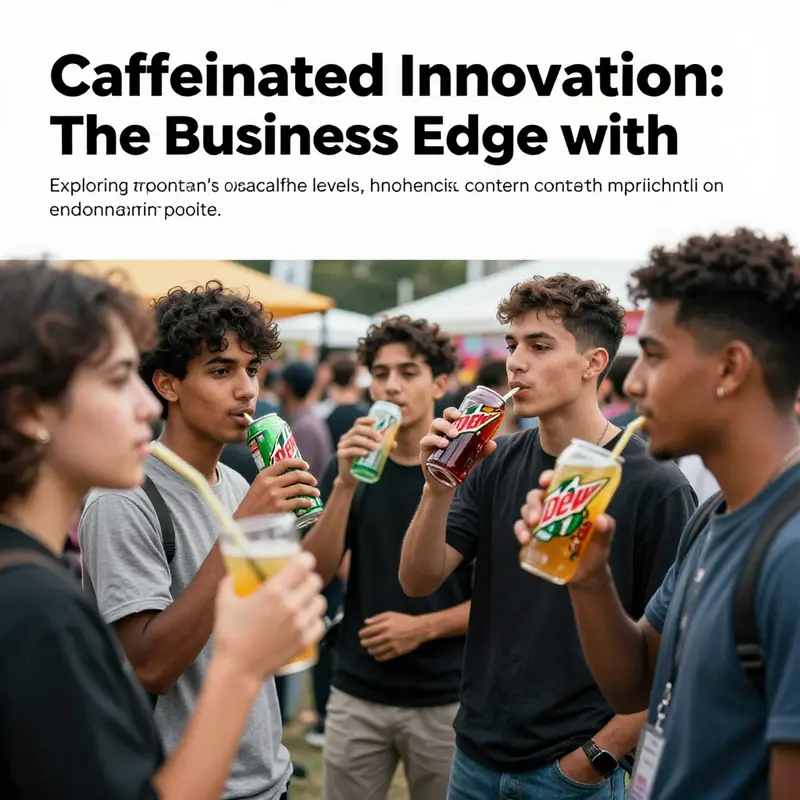
Mountain Dew has established itself as a quintessential carbonated drink, particularly recognized for its high caffeine content. This connection to caffeine is pivotal, especially for business owners looking to tap into the beverage market. As caffeine becomes increasingly popular among consumers for its stimulating properties, understanding its implications in products like Mountain Dew can provide business insights. This article will dive into four key areas: the caffeine content in Mountain Dew and its variants, the health implications for consumers, the marketing strategies that leverage caffeine appeal, and the shifting consumer preferences towards caffeinated products. Each chapter will build on the others to present a comprehensive overview that business owners can utilize in their strategic planning.
Racing the Citrus Surge: Uncovering the Caffeine Landscape of Mountain Dew and Its Variants
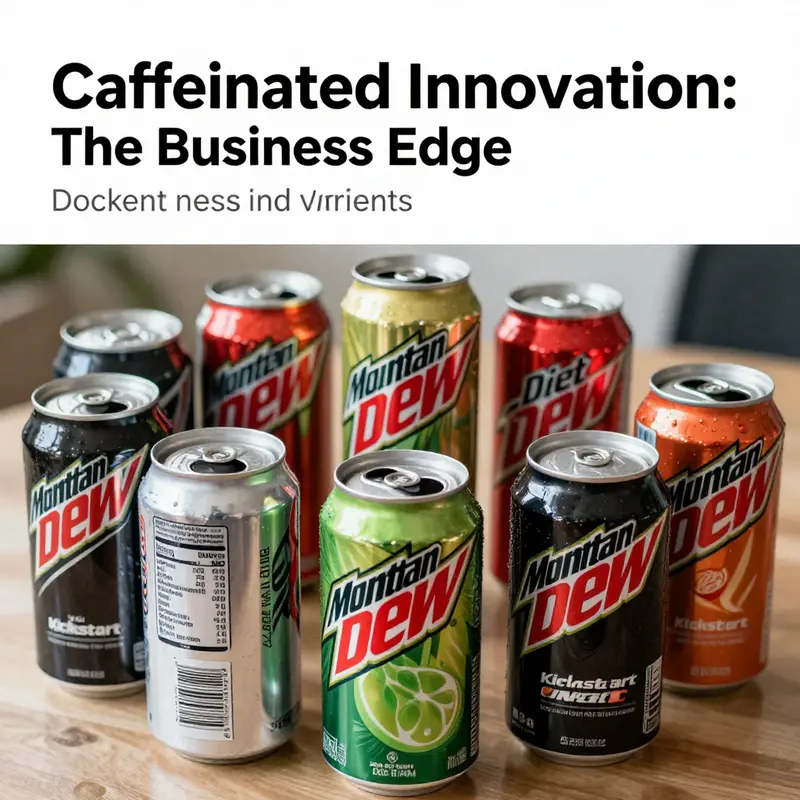
Mountain Dew has a reputation for delivering more than a casual lift of energy; it is a citrus-forward beverage whose caffeine content sits at the heart of its bold identity. In the landscape of carbonated drinks, this soda stands out because a standard 12-ounce can carries about 55 milligrams of caffeine. That amount is higher than many other popular sodas, giving regular consumers a noticeable caffeine jolt without tipping into the realm of energy drinks. The effect is immediate enough to be felt with the first few sips, and for many, that kick is part of the ritual that turns a routine snack into a moment of alert momentum. The caffeine in this beverage is not merely a number; it underwrites a cultural expectation: a crisp, bright lift that pairs with a refreshing citrus taste and a buzz that lasts through a busy afternoon. In discussions of caffeine, the numbers matter because they translate into real choices: how many cans can be enjoyed in a day, how late in the evening a can might be opened, and how a person with a sensitive sleep schedule might plan their caffeine intake. Even though caffeine can be a harmless ally in the right amounts, the line between a productive boost and overstimulation is a thin one. And that line is precisely where Mountain Dew’s caffeine profile becomes relevant to readers who want to understand what they are consuming, not just what it tastes like. While the classic version of the beverage maintains this caffeine baseline, its variety of variants adds new shades to the caffeine story. The diet version mirrors the same caffeine gloss as the regular formula, clocking in at about the same 55 milligrams per 12-ounce serving. This parity invites a closer look: if you switch from the sugared version to the diet, the energy hit feels similar for many people, even as the body processes sugar differently or not at all. The presence of nearly identical caffeine content in both versions underscores the idea that caffeine sourcing and delivery in this category is more about stimulant effect than about caloric load. Yet the world of Mountain Dew doesn’t stop at the standard bottle or can. The market has introduced variants that intentionally raise the caffeine stakes for those who want a more pronounced stimulant complement to flavor. Mountain Dew Kickstart, a 16-ounce beverage designed for a stronger morning or afternoon lift, carries about 92 milligrams of caffeine in its larger can. That’s more than the standard 12-ounce serving, and it reflects an explicit aim: offer a citrus-forward option with a hearty caffeine kick for people who need a bit more momentum to power through tasks, workouts, or long study sessions. Beyond Kickstart, other Mountain Dew variants—often branded under energy or performance lines—have pursued higher caffeine content as a defining feature. These products are engineered to deliver a more robust stimulant effect per serving, and they commonly exceed 100 milligrams of caffeine per 12-ounce can. The exact figures can vary by flavor, production batch, and serving size, but the trend is clear: if you’re after a stronger, long-lasting lift, there are options that lean into a triple-digit caffeine profile. The practical upshot for consumers is straightforward: always check the nutrition label on the specific can or bottle you have in hand. The amount of caffeine per serving is the most reliable guide to how the drink will affect alertness, jitteriness, and sleep if consumed later in the day. It’s also a reminder that the caffeine picture in these beverages is not as simple as “more caffeine equals more energy.” The body’s response depends on a wide range of factors, including tolerance, time of day, concomitant caffeine sources, and individual sensitivity. In a typical daily rhythm, a single 12-ounce regular can provides a reliable lift for tasks that demand quick attention, but adding a second can could push daily consumption into a region where the effects may compound, potentially leading to sleep disruption or elevated heart rate for sensitive individuals. For those who are energy-minded and time-crunched, these numbers matter when balancing caffeine with other sources such as coffee, tea, or even chocolate. The practical calculus is not about demonizing any single product but about understanding how different serving sizes and variants change the total caffeine load carried through the day. A quick mental model can help: 55 mg per 12-ounce can is roughly the caffeine content of a strong cup of tea, a little less than a typical cup of drip coffee, and far below a large energy drink. Multiply by two or more cans, and the daily limit becomes a real consideration. The U.S. Food and Drug Administration sets a general perimeter for caffeine consumption in healthy adults at around 400 milligrams per day. That guideline—assumed to reflect a broad population’s tolerance—serves as a reminder that even beverages with familiar branding can contribute meaningfully to that total if consumed in multiples. For casual drinkers, this limit is a useful target to hold in mind; for students, drivers, or anyone balancing caffeine with a busy schedule, the math becomes a practical tool for planning. And because Mountain Dew products span both regular and diet formats, it’s easy to accumulate a similar caffeine load even without sugar. The durability of caffeine as a stimulant lies in its predictable pharmacology: it blocks adenosine receptors in the brain, reduces perceived fatigue, and briefly nudges mood and focus. The sensation is not magical; it is a chemical interaction that, like any stimulant, benefits from predictable boundaries. In the landscape of beverage choices, caffeine content sits at the intersection of flavor strategy and health communication. Manufacturers calibrate caffeine levels to align with branding—bold, brisk, and ready to accompany a task—while also acknowledging regulatory expectations around labeling and safety. The caffeine in Mountain Dew and its variants is not a single fixed figure; it lives in a spectrum that reflects product design, serving size, and marketing aims. A fully informed consumer learns to read labels with the same care they apply to checking the ingredients list. When you pick a can of this citrus-forward drink, you are not just choosing flavor; you are selecting a certain cadence of alertness for the next several hours. If you opt for the classic version, you’re trading a familiar citrus snap for a moderate caffeine punch; if you choose Kickstart, you’re opting for a larger dose that travels farther, with the added context of vitamins B and C intended to support metabolism and energy. And for the true high-caffeine seeker, the other Mountain Dew lines promise an even stronger stimulant profile, albeit with the same underlying citrus character. The numbers matter in part because they translate into everyday decisions. For instance, someone who walks into a convenience store with a plan to limit caffeine might decide to drink the diet version to avoid extra sugar but still get a similar energy lift. A person who is sensitive to caffeine’s effects might prefer to spread intake across the day rather than consume a few high-caffeine cans in rapid succession. In all cases, the emphasis is on personal pacing and mindful consumption. The broader message is that caffeinated beverages can be part of a balanced approach to alertness when used with awareness rather than habit alone. The science of caffeine habituation and dose response suggests that most people who are not extremely sensitive will achieve a comfortable boost with a single serving, while others may find that there is a point of diminishing returns after a certain threshold. It is here that a brand that markets a high-caffeine citrus beverage becomes a case study in consumer choice, labeling clarity, and the social meaning of “energy” in modern life. For readers who want a practical anchor, a simple reference point is the nutrition label: 12-ounce standard can ≈ 55 mg; 16-ounce Kickstart ≈ 92 mg; high-caffeine variants commonly exceed 100 mg per 12-ounce can, with exact figures varying by flavor and batch. This is not a single story but a family of products that share a citrus backbone and a spectrum of stimulant intensity. For a deeper, product-by-product tally, see the caffeine content of Mountain Dew article. It offers a precise, product-by-product ledger that complements this narrative with a data-driven view. As the catalog of Mountain Dew choices expands, so does the need for careful consumer education about caffeine. The market’s interest in “functional” flavors and energy-leaning lines mirrors a broader cultural trend toward caffeinated beverages that promise a quick, reliable lift without crossing into the realm of heavy energy supplementation. The consumer who values both taste and function can navigate these options with a simple rule: check the label, consider the serving size, and account for all caffeine sources across the day. If the aim is to preserve sleep quality or to avoid a jittery aftertaste, time becomes another tool. A late-afternoon can of a high-caffeine variant may be perfectly fine for a night-owl who needs to finish a project, but for someone with an early bedtime, it could create a restless night and an unsettled morning. The same logic applies to athletes who want the mental edge without a spike in heart rate or a sugar crash later on. Hydration, electrolyte balance, and activity level all interact with caffeine’s effects in meaningful ways, making the overall experience more than a simple caffeine score. In a market where a familiar citrus beverage competes with specialized energy drinks and coffee-based refreshment options, Mountain Dew’s caffeine story demonstrates how a brand can maintain recognizable flavor while signaling shifts in stimulant intensity. Whether the audience is a college student crafting a late-night study block, a professional navigating back-to-back meetings, or a gamer seeking sustained focus, the caffeine table behind the label provides useful guardrails. The simple arithmetic of mg per serving becomes a practical map for planning. The internal reference is a quick reminder that the exact number can vary across variants and production runs, yet the general trajectory holds: standard versions hover around 55 mg per 12-ounce serving, while certain high-caffeine lines push well into triple digits per can. The reader who follows this thread will gain a clearer sense of how to balance flavor, caffeine, and daily rhythm. For those who want to explore the topic further, the article on caffeine content of Mountain Dew offers a detailed, itemized accounting that complements the broader discussion here. caffeine content of Mountain Dew. In closing this reflection, it is useful to recognize that the caffeine landscape surrounding Mountain Dew is not isolated. It sits within a wider ecosystem of caffeinated beverages that range from carbonated colas to purpose-built energy drinks. The regulatory framework, led by health authorities, emphasizes caution and labeling accuracy, while consumer demand continues to drive product innovation toward higher caffeine densities and novel formulations. If you want to understand where the numbers come from and how they compare to other beverages, an official resource on the topic is available through Mountain Dew’s own information hub and related regulatory guidance. The official site provides product details, ingredient lists, and the full spectrum of varieties, making it a valuable reference point for shoppers and researchers alike. For further reading and product-specific details, you can visit the official site here: https://www.mountaindew.com.
Rising Caffeine, Shifting Boundaries: Health Implications of a High-Octane Citrus Soda
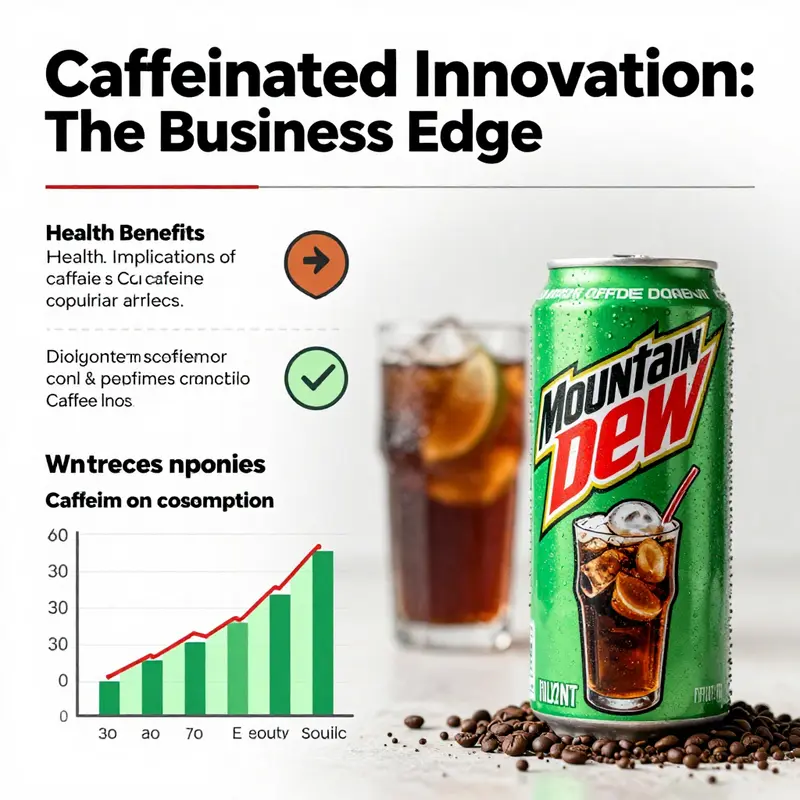
A striking feature of one widely consumed citrus soda is its caffeine punch. The drink has earned attention not just for its bright flavor, but for the way caffeine sits in the wake of every cold can. In typical discussions of soft drinks, this beverage stands out because its caffeine content is consistently high. In a standard 12-ounce (355 ml) can, researchers report about 54 to 55 milligrams of caffeine. That amount places it among the more stimulating options in the mass-market category and helps explain the product’s reputation for a quick, noticeable lift. The caffeine content is surprisingly uniform across the regular and diet versions, both delivering roughly the same caffeine per can. For those who track caffeine intake closely, this parity matters, because the sugar load and acidity in the same can intensify the overall stimulant and metabolic experience. A higher caffeine variant in the same line further amplifies this effect, delivering a larger dose in a larger serving to yield a different energy profile. While some consumers welcome the alertness, others may encounter discomfort or sleep disruption if they drink too freely, especially later in the day. A simple, factual picture emerges: this is a beverage that pairs caffeine with a bright flavor and a familiar sweetness, creating a reliable but potent stimulant option in the beverage landscape. The precise caffeine content figures, referenced in studies and reviews over the years, anchor these observations in measurable reality. A concise, widely cited figure is that a 12-ounce can holds about 54.8 milligrams of caffeine, a number often cited in academic reports and consumer guides alike. These data points form the backbone of any discussion about how such a beverage can contribute to daily caffeine load, particularly for individuals who sip several cans or who rely on the drink to supplant coffee or tea during the day. In the broader context of caffeine research, this level is not extraordinary, yet it is substantial enough to trigger noteworthy physiological responses in sensitive individuals. For readers who want a quick, practical reference, this figure also helps compare the drink to other caffeinated beverages, shaping expectations about alertness, duration of effect, and potential sleep interference. For a deeper, more structured look at caffeine content in this beverage, see caffeine-content-mt-dew. This internal resource helps readers compare the caffeine footprint across related drinks and clarifies where this beverage stands in the spectrum of caffeinated options. The data matter because caffeine’s effects are not universal; they hinge on body weight, tolerance, and underlying health conditions. The beverage’s caffeine dose is a piece of a larger puzzle about how people metabolize and respond to caffeine in everyday life. A responsible approach to consumption begins with awareness of the amount one consumes per occasion and per day, especially when other caffeine sources are present. In public health terms, the pattern of intake matters as much as the dose. Regulators in several jurisdictions have emphasized that caffeine in soft drinks should be managed within certain safety limits, acknowledging that individual sensitivity varies widely. This nuance becomes particularly relevant when the product is widely accessible and frequently consumed by children, adolescents, or caffeine-sensitive adults who may experience disproportionate effects from similar doses. A practical takeaway is that the beverage’s caffeine content, when viewed in isolation, may seem modest. Yet, in the context of daily routines—snacks, beverages, and energy-boosting rituals—it contributes to an ongoing caffeine exposure that stacks up over time and across days. The discussion thus blends pharmacology with everyday behavior, inviting readers to reflect on how a single product fits into their personal health plan. The literature surrounding caffeine and health highlights a consistent message: dose matters, but so does timing. If caffeine is consumed late in the day, its impact on sleep can be more pronounced for those who are sensitive. For some, even earlier intake can disrupt sleep architecture or provoke anxious sensations. The higher caffeine variant, especially when paired with a larger serving size, can intensify these responses, underscoring the need for mindful consumption. Across studies, individual variability remains a dominant theme. Some people tolerate caffeine with little notice; others experience jitteriness, rapid heartbeat, or sleep disruption with relatively modest amounts. This variability is a reminder that personalized limits are essential. Beyond the immediate stimulant effects, there is a metabolic dimension to consider. Caffeine interacts with sugars and acids in the beverage, magnifying potential health concerns for people who consume it regularly. The sugar content in this citrus soda is high, typically around 46 grams per 12-ounce can. That amount of sugar contributes not only to calories but also to metabolic strain when consumed in excess or in combination with caffeine. The combination of caffeine and sugar can create a more pronounced energy spike followed by a sharper drop, a pattern some people find uncomfortable or unsatisfying. Sugar’s presence is part of the story because it interacts with caffeine to influence mood, energy levels, and appetite regulation. The data about sugar content also intersect with concerns about long-term health risks. Repeated exposure to high sugar loads is linked, in population studies, to obesity, insulin resistance, and, over time, an elevated risk of type 2 diabetes. When caffeine and sugar are consumed together in a frequent pattern, these risks may accumulate, especially in individuals who do not balance intake with physical activity or who have preexisting metabolic concerns. The acidity of the beverage compounds the health considerations further. The drink’s pH hovers around 3.3, placing it in the acidic range where tooth enamel is vulnerable. Citric and phosphoric acids in such beverages contribute to enamel erosion when exposure is frequent and prolonged. The combination of low pH, sugar, and a steady drip of acid with each sip creates a perfect setting for dental wear if the drink is consumed over many hours or throughout the day. For dental health, the message is clear: frequent, slow sipping can magnify enamel exposure to acid and sugar, increasing the risk of cavities and erosion. The interplay of caffeine, sugar, and acid highlights how this beverage occupies a unique space at the crossroads of energy and indulgence. The health implications extend beyond taste and mood to encompass cardiovascular considerations for some individuals. While caffeine is generally safe at moderate levels for many adults, higher ingestion can elevate heart rate and blood pressure in sensitive individuals or those with preexisting conditions. People who are prone to anxiety or sleep disturbances may notice worsened symptoms as caffeine intakes rise. The literature also points to more nuanced psychological dynamics. A pilot study by Luebbe in 2009 found a positive association between caffeine use and depression, though the relationship appeared to be mediated by withdrawal effects. This finding suggests a complex, bidirectional interaction where caffeine consumption and withdrawal can influence mood in ways that are not purely linear. Translating these findings to everyday behavior means acknowledging that mood effects can be influenced by where caffeine comes from, how regularly it’s consumed, and whether withdrawal episodes occur. The beverage in question plays a unique role in this landscape because it blends caffeine with a high sugar load and strong acidity. Each component comments on the others, shaping how a person feels during the day and how they sleep later. The cumulative health considerations, therefore, are not merely about caffeine in isolation. They are about how caffeine, sugar, and acid interact within a single beverage that many people reach for as a quick pick-me-up. In public health terms, moderation remains a guiding principle. For individuals with hypertension, anxiety disorders, or sleep disturbances, regular consumption of this high-caffeine, high-sugar, acidic beverage may not be advisable. A cautious approach—limiting frequency, spacing out servings, and pairing with meals or other non-caffeinated beverages—can help mitigate potential adverse effects. The dietary context also matters. When a beverage is consumed alongside other sources of caffeine or high-sugar foods, the total daily load rises quickly. Small shifts in intake patterns can reduce cumulative exposure without requiring drastic changes in taste preferences or routine. The beverage’s profile—high caffeine, substantial sugar, and pronounced acidity—positions it as a beverage best enjoyed occasionally rather than as a daily staple for most adults. It may be appealing to those seeking a rapid alertness boost or a momentary mood lift, but the health trade-offs warrant careful consideration, particularly for young people or those with sensitive health conditions. The broader takeaway is that caffeine is not simply a number on a label; it is part of a dynamic equation that includes sugar, acid, circadian rhythms, and personal health history. Understanding that equation helps consumers make choices aligned with their overall wellness goals. For researchers and practitioners, the beverage provides a useful case study of how energy and indulgence intersect in everyday products. It offers a concrete example of how a single drink can embody multiple health considerations at once. And for readers following the ongoing discussion in this article, it underscores the value of looking beyond the caffeine headline to appreciate the full metabolic and dental health context. In short, the high-caffeine citrus soda illustrates how a familiar comfort can also pose distinct health considerations when consumed with regularity. Individuals who monitor caffeine intake, sugar consumption, and dental health will find that mindful choices—not blanket avoidance—best serve long-term wellness. The literature the chapter draws on highlights a central theme: the effects of caffeinated beverages are shaped by dose, timing, and the broader dietary pattern. The chapter’s aim is not to demonize but to illuminate, helping readers weigh the appeal of rapid energy against the realities of health risk. With this balanced lens, readers can decide how such beverages fit into their day, whether as occasional treats or as part of a more measured, health-conscious routine. Official regulatory context can be found at Health Canada, which expands understanding of safe caffeine use in soft drinks and supports consumer education about daily caffeine exposure. Health Canada page
Riding the Caffeine Wave: How a High-Energy Brand Weds Edge, Adventure, and Market Positioning
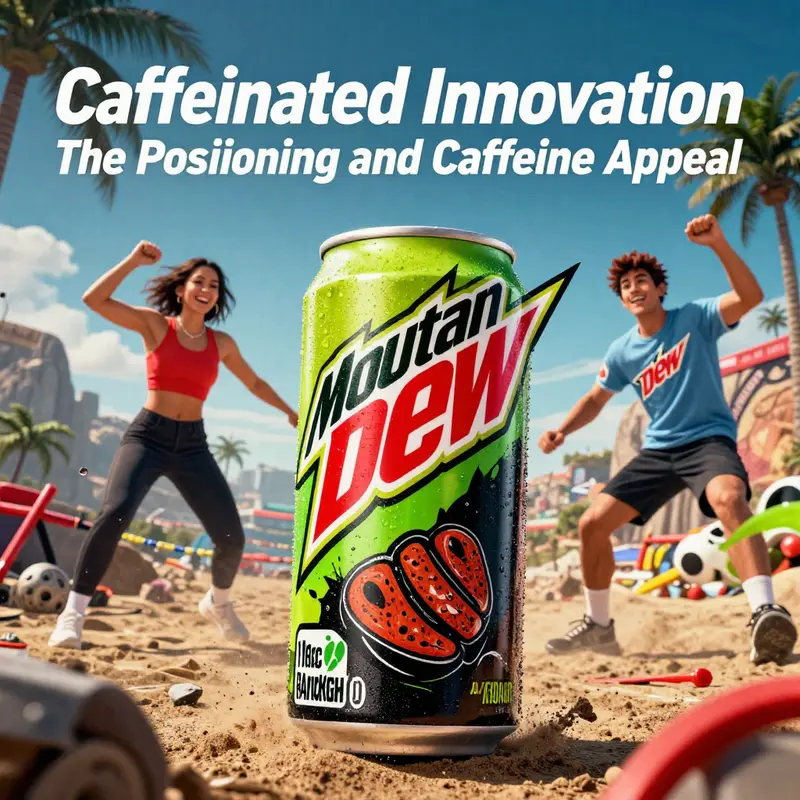
In the crowded landscape of carbonated beverages, one neon-bright icon has built its reputation on speed, risk, and a measured edge of caffeine. The branding communicates a pulse before you even take a sip, a belief that energy is not just a flavor but a stance. To understand how this happens, it helps to anchor the discussion in the numbers that drive consumer choice and the narrative devices that keep a young audience returning for more. A standard 12-ounce can delivers about 55 milligrams of caffeine—an amount that holds steady across the regular and the diet variants. This figure, cited across industry analyses, positions the drink as a higher-caffeine alternative within the soda category, yet accessible enough to be consumed with routine snacking or study sessions. For readers who track caffeine across brands, the difference is meaningful, because this isn’t a subtle lift in energy; it’s a deliberate claim to sharper focus and longer stamina during late hours or demanding days. The caffeine profile, modest in the sense of everyday consumption yet conspicuously present, is not a bystander in the marketing narrative but a core variable in the product’s value proposition. When the same amount appears in the diet version, the brand reinforces a perception of consistency and reliability—consumers can expect the same energy punch irrespective of sugar content. The regular and the diet are marketed as stalwart, dependable sources of quick, resolute energy rather than situational indulgences. A larger, even more intense option exists in a different format: a higher-caffeine variant that comes in a larger 16-ounce can and carries about 92 milligrams of caffeine. This variant sits squarely in the energy-drink category, appealing to those who want a sustained, more commanding lift—an appeal that aligns with the brand’s broader strategy of offering a spectrum of energy experiences rather than a single, one-note product. In a market where energy claims are both prized and scrutinized, the existence of a high-caffeine option signals a strategic move toward audiences who equate caffeine with performance. It also underscores the ongoing cross-pollination between legacy carbonated beverages and newer functional lines, a trend in which brands experiment with composition and branding to capture different moments of the day, different activities, and different lifestyles. The brand’s energy narrative is inseparable from its design language and its cultural positioning. The 2024 rebranding initiative, which revived the 1996 logo, is not a nostalgic flourish but a signaling move that recalibrates the brand’s visual promise. Bold typography and natural landscape motifs drawn from the Appalachian region evoke a sense of origin and rugged wilderness. The message is clear: energy does not arise from a sterile laboratory—it emerges from a wild, untamed space where adventure begins and limits are tested. This is not merely window dressing. The logo acts as a daily reminder of the brand’s heritage, a bridge between a historical backstage story and a modern, digitally engaged audience that consumes advertising in short bursts and long-form content alike. The Appalachian landscape motif reinforces a narrative of rugged authenticity, a counterpoint to sleek, urban branding that sometimes suggests polish at the expense of personality. The visual identity thus becomes a portable manifesto: energy is earned, not given, and the consumer is invited to participate in a lifestyle that prizes speed, risk, and a measured disregard for convention. The messaging supports this through campaigns that emphasize adventure, individuality, and anti-establishment values. The brand has long leveraged associations with extreme sports—skateboarding, motocross, and snowboarding—to anchor its image in environments where improvisation, fearlessness, and rapid adaptation are assets. This is a deliberate alignment with a demographic that often feels mischaracterized by mainstream marketing: young men who crave authenticity and adrenaline, and who view consumer products as props in their personal stories of challenge and conquest. The 16–35 male cohort from SEC A & B is a recurring focus, not because these are the only consumers but because they are among the most vocal advocates of the brand’s ethos in college campuses, urban scenes, and suburban hangouts where outdoor culture and digital communities intersect. The re-emergence of the vintage logo is a deliberate cue that the brand believes its most credible currency lies in a sense of origin and a trail-marked lineage. People may trust a product more when they sense history, when the visual cues suggest that the brand has endured, adapted, and kept faith with its core promise. The narrative of “origin from the wild” resonates with the idea that energy is something earned in daily life, not obtained through a simple purchase. The caffeine appeal remains central to this story. The brand’s energy edge is not solely about the number on the can; it is about how energy translates into performance for different life moments. Students pulling all-nighters, late-night workers burning the midnight oil, gamers immersed in online battles, and athletes in training camps—all of these groups are incentivized by a product that promises alertness and stamina with a familiar, recognizable flavor. The strategy has continued to evolve as consumer preferences shift toward functional beverages that offer more than sweetness and fizz. In response, the brand broadened its portfolio in recent years with lines that extend beyond the conventional layout of a soft drink, incorporating elements associated with energy and performance. This expansion captures a broader habit pattern: a consumer who may turn to the brand for a quick caffeine lift during a study session, then switch to a more specialized product later in the day for physical training. The broader corporate strategy around these moves is notable for its balance between classic branding and resource optimization. PepsiCo, in the wake of shifting market dynamics, has signaled a disciplined approach to portfolio management—reducing its U.S. product lineup by about a fifth and concentrating resources on flagship, core brands that promise the strongest returns. In this light, the high-energy line remains a focal point, a polished magnet for the brand’s narrative of edgy reliability, even as the company recalibrates its broader market footprint. The positioning has not occurred in a vacuum. The brand’s presence in the cultural conversation, reinforced by a language of speed and nonconformity, reinforces the caffeine signal as a differentiator. It invites comparisons with other beverages that claim energy but may not deliver the same sense of immediacy or long-lasting focus. The caffeine profile supports these expectations, aligning with consumer experiences of mental alertness, quick reaction times, and stamina across diverse activities. The perception of energy is not merely a physiological response; it is a social experience—the feeling that one is part of a community that values momentum, wit, and resilience. This social signal is reinforced by the way the brand engages with media and digital platforms. Campaigns are designed to speak in a voice that is both direct and aspirational, a voice that resonates with a generation for whom personal authenticity and communal belonging can coexist with a taste for rebellion. As the brand navigates an ever-changing media environment, it leans into storytelling that blends real-world adventure with a curated online persona. The result is a steady drumbeat of content that invites experimentation, risk-taking, and shared experiences—an invitation to join a movement rather than simply to purchase a product. The long arc of the brand’s marketing strategy reveals a deliberate attempt to fuse product performance with cultural capital. The high-caffeine option is marketed not as a mere intensifier but as a tool for performance—a cue that energy matters in the moments that define a person’s day. For students who need alertness, for late-shift workers who must maintain focus, for gamers and athletes who require sustained concentration, the caffeine delivery becomes a practical advantage that also feels integral to a lifestyle. This layered approach helps explain why the brand remains a recurring subject in analyses of contemporary beverage branding. It demonstrates how packaging, typography, and narrative voice can combine with a measurable caffeine profile to create a product that is perceived as both reliable and exhilarating. In the broader conversation about caffeine in beverages, the brand’s strategy embodies a particular philosophy: energy is not only about speed; it is about the social and emotional resonance of feeling capable when hours stretch longer than planned. The 2025 industry signals suggest that this combination of high caffeine content, a rebellious brand voice, and a heritage-driven design will continue to seat the product firmly among the most influential carbonated beverages in global markets. This outcome rests on a simple but powerful truth: audiences respond to authenticity, and energy marketing, when grounded in a recognizable heritage and reinforced by consistent cues across both packaging and messaging, can convert caffeine into a shared experience rather than a solitary intake. The narrative is not about a single product launch or a one-off campaign. It is about a rhythm—an ongoing dialogue between a brand and the communities it serves—that treats energy as a cultural artifact as much as a physiological stimulus. In that sense, the caffeine content is more than a statistic. It is a signal that tells a broader story about readiness, resilience, and the willingness to push through moments of fatigue in pursuit of personal goals. For readers tracing the arc from formula to folklore, the case reveals how a high-caffeine beverage can become more than a quick lift; it can become a shorthand for a way of living. And as the market continues to evolve—with new flavors, new formats, and new pathways for engaging younger consumers—the core premise remains: energy, brand authenticity, and a sense of belonging can coexist in a product that is, at once, familiar and thrilling. For those curious about the precise caffeine footprint, a concise note invites readers to explore the specific content in more detail through a dedicated resource caffeine-content-mt-dew. This anchor offers a doorway to data-driven comparisons while preserving the narrative through-line about energy, identity, and marketing momentum. External resource: https://www.amazon.com/dp/B07KZLHJQG
Flavor, Energy, and Brand Identity: Consumer Choices in a High-Caffeine Citrus Soda
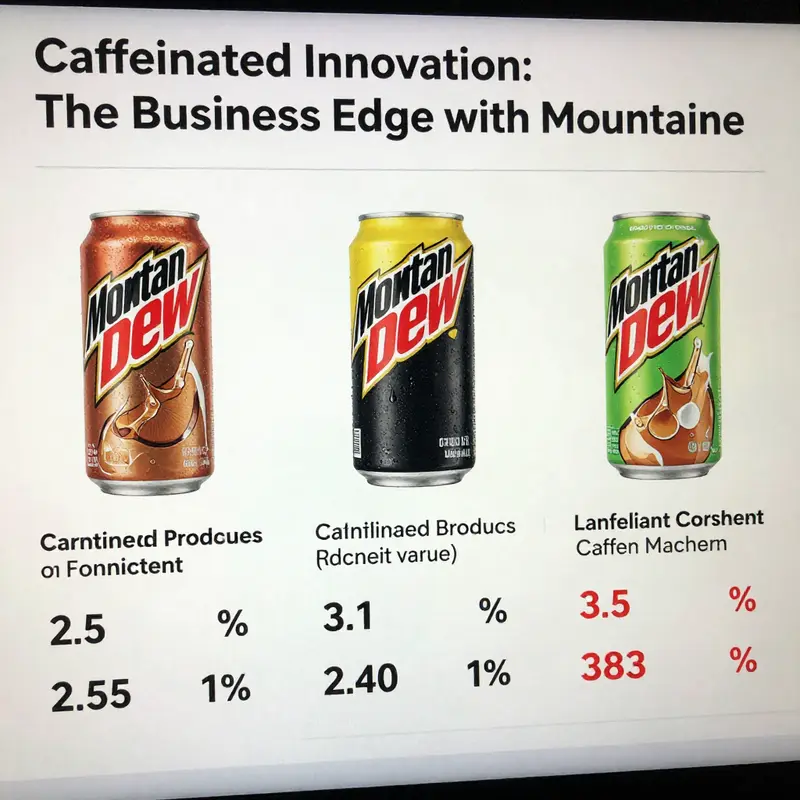
A caffeinated citrus soda sits at a crossroads where taste, speed, and identity converge. It is not merely a thirst quencher; it is a compact energy source, a cultural signaling device, and a trusted companion for long study nights, late gaming sessions, and high-octane adventures. The core appeal rests on a bold citrus flavor that drives the palate with an aggressive acidity, paired with a robust caffeine boost that many consumers associate with heightened alertness and quick mood elevation. Within this landscape, consumer preferences reveal a spectrum shaped by flavor nuance, the perceived intensity of the stimulant, and the brand’s ability to deliver a consistent, recognizable experience. The pattern is neither monolithic nor static. It shifts with down-to-earth realities like sugar content, personal tolerance to caffeine, and the social signals that the beverage sends in different communities of use.
Across the most widely distributed variants, the baseline has always been a high caffeine content per volume, coupled with a lemon-lime core that carries a tart edge and a zesty aftertaste. In the everyday consumer mind, this combination promises both a palate-pleasing hit and reliable energy for the tasks of daily life—interrupted by bursts of activity that demand focus, timing, and endurance. The sugar profile and acidity are not incidental; they shape the user’s perception of value and the likelihood of repeat purchase. When the flavor is described as sharply lemon-lime with subtle grapefruit notes, the drink feels immediate, bracing, and unmistakably assertive. This is particularly attractive to younger adults, who often connect the product with a sense of velocity and momentum. The same profile, however, can be perceived as too aggressive by some, prompting experimentation with alternative variants that temper sharpness or introduce new fruit-forward dimensions.
In analyzing why people reach for this citrus-tinged stimulant, it is useful to consider three interlocking drivers: flavor affinity, the energizing effect, and the brand’s cultural language. Flavor affinity includes the crisp, tangy bite that cuts through sweetness and the way that acidity heightens perception of citrus oils. For many, this flavor acts like a quick pulse of sensory feedback, signaling freshness and vigor at first sip. The energizing effect is not just about caffeine grams per can; it is about the expected duration, the speed at which the alertness builds, and how smoothly it rides into sustained activity. A lot of users want a predictable line: a swift onset, a steady peak, and a manageable tail without jitters or abrupt crashes. The brand language—often tied to extreme sports, gaming, and high-adrenaline lifestyles—compounds these expectations by presenting the drink as an ally in competitive moments, late-night marathons, or rapid-fire decision making. In such a frame, the beverage morphs from a mere drink into a signal of momentum, signaling to friends and teammates that the consumer is ready for action.
The flavor palette itself offers a fertile ground for choice. A classic, bold variant with tart lemon-lime overtones tends to be the anchor for many tasters. Its sharp acidity creates a tangy punch that some describe as exhilarating, others as overpowering when paired with high sweetness. For fans seeking a sweeter balance, a cherry-citrus fusion provides a smoother introduction to the product’s energy kick. The fruit-forward taste can feel more approachable, particularly for younger consumers who are sensitive to the biting bite of the original profile. A third variant emphasizes a juicier, brighter citrus experience anchored in a wild orange component. This option tends to skew toward consumers who want a less sour, more tropical citrus impression, still with the same caffeine backbone intact. Across these flavors, the caffeine anchor serves as a constant, ensuring that no matter how the palate evolves, the energy dimension remains a defining, dependable feature.
Demographic patterns illuminate how taste and energy intersect with identity. The product tends to resonate strongly with young adults aged 18–34, with a notable skew toward male consumers in many markets. The alignment with extreme sports, competitive gaming, and other high-energy arenas helps brand the beverage as a companion for performance, risk-taking, and social signaling. This association is not accidental; marketing campaigns, sponsorships, and product placements continuously craft the message that choosing this beverage is choosing momentum. The cultural script invites users to see themselves as part of a fast-moving world where quick decisions, rapid feedback, and collective energy are valued. Yet the same script can alienate or discourage other groups who perceive the product as overly intense or incompatible with their health goals or taste preferences. The breadth of variants plays a crucial role here, because it offers entry points for different sensibilities while maintaining a consistent caffeine profile that assures the energy payoff remains reliable.
From a sensory perspective, the original flavor—present in many markets as the benchmark option—delivers a signature acidity, a lemon-lime backbone, with a hint of grapefruit that adds complexity without dulling the bright citrus core. Some tasters describe this flavor as a “tangy punch,” an idiom that captures the immediate zest and the lasting aftertaste. However, not everyone loves the same intensity. For some, the original is too aggressive or too sour for daily consumption, leading to a preference for variants that soften the bite or emphasize sweeter fruit elements. The cherry-citrus fusion, for instance, tends to balance sweetness with a fruit-forward profile, creating a more accessible doorway for new drinkers who still want a strong caffeine lift. Its red-tinged appearance, a visible cue of the fruit’s character, often makes it an appealing option for younger audiences seeking a nostalgic yet modern twist. These consumer choices are not merely about flavor; they signal different social cues and personal identities within peer groups.
What remains striking across consumer research is the consistency of the caffeine backbone. The standard serving size of the flagship formula lands in the 50-something milligrams per 12-ounce can, a level designed to deliver a noticeable energy lift without overwhelming the system for most adults. A higher-dose variant, intended for broader energy needs, offers a larger hit per bottle, appealing to those who want a longer or stronger stimulant effect. The relationship between caffeine and flavor is not purely functional; it is part of a broader narrative about speed, focus, and social performance. When people describe the caffeine experience, they often pair it with the flavor’s sensory cues—the acidity’s snap, the fruit’s brightness, the mouthfeel’s carbonation—and interpret the overall effect as a balance between taste and tempo. The result is a consumer base that values both the sensory excitement of a bold citrus soda and the practical reassurance of a reliable energy bump during demanding activities.
Within this ecosystem, the brand’s color and packaging are not incidental. Visual cues reinforce the drink’s identity as a high-energy choice aimed at an active, youthful audience. The packaging design communicates both immediacy and purpose: a can you can grab on the way out, a bottle that fits into a gaming setup, or a can that looks ready for a race or a late-night study session. This design language helps explain why some consumers will repeatedly choose the same variant in similar contexts, while others explore the range to match changing moods, activities, or social settings. The flavor diversity is thus more than a menu of options; it is a strategic invitation to participate in a lifestyle where energy and enthusiasm are valued as everyday tools rather than occasional indulgences.
Label literacy also matters. For sensitive consumers, the caffeine content is a primary consideration. The consistency of caffeine across variants means that the energy payoff remains predictable, even when flavor preferences shift. In practice, readers who monitor caffeine intake can compare cans and choose the option that aligns with their daily limits. Health considerations aside, the science of caffeine delivery in this category emphasizes a practical reality: caffeine is a stimulant that, in reasonable quantities, can support alertness and performance. This is especially relevant in contexts that demand quick thinking, long periods of mental effort, or sustained physical activity. The conversation around safety—such as potential heart palpitations, sleep disruption, or anxiety with excess intake—remains essential, and responsible use is repeatedly encouraged in consumer education materials and label warnings. In short, the chapter’s core story is not just about taste and energy; it is about consumer agency in selecting an experience that complements personal routines and social identities.
For readers who want a concrete touchstone on content, the research points to a widely cited data point: most offerings in this category deliver roughly the same caffeine payload per standard serving, with variations mainly in volume and packaging aimed at different usage scenarios. This makes the product a dependable option for those who want a familiar energy lift alongside a bold, recognizable citrus flavor. The value proposition thus rests on a triad: flavor clarity, energy reliability, and brand resonance. Each consumer’s decision eventually reflects where they sit on the spectrum of taste preference, daily caffeine needs, and the social meaning they attach to the beverage in the moment. The market response to this triad has been steady, with consumers returning to the brand in search of that signature citrus energy rush while also sampling the newer, fruitier, or milder variants when circumstances change.
To connect theory with practical choice, consider the simple act of selecting a can before a gaming session or a long study block. A user might opt for the lemon-lime original for its undeniable bite when they crave quick focus and tempo, appreciating the way the acidity sharpens perception and mood. A friend seeking a friendlier introduction to the energy experience might choose the cherry-citrus variant for a smoother, more approachable sweetness paired with a bold caffeine kick. In contrast, a late-afternoon break during a demanding project might call for the wild orange option, offering a brighter, juicier citrus profile that feels less sour yet still delivers the familiar lift. These everyday decisions are micro-rituals that reflect broader consumer values—speed, flavor authenticity, and a sense of belonging in a culture that prizes high-energy, high-velocity living.
From a research design perspective, the story above highlights why flavor engineering, caffeine strategy, and brand storytelling must align to attract and retain a diverse audience. The sweet spot lies in maintaining a recognizable energy profile while offering flavor variants that accommodate different palates and usage contexts. The more fluid the consumer’s identity around the product, the more resilient the brand becomes across markets and over time. In this sense, consumer preferences for caffeinated citrus beverages reveal not only what people taste but how they want to feel during moments of activity. It is a reminder that taste and tempo are intertwined and that taste itself can become a shared language of energy and momentum.
For readers who want to explore a focused note on caffeine content without wading through flavor analysis, a concise reference point exists here: caffeine-content-mt-dew. This page summarizes the caffeine profile across the dominant offerings and helps readers compare how different serving sizes translate into energy expectations. While the flavors remain a personal preference, the energy framework provides a reliable baseline for understanding why this category holds steady appeal across diverse user groups. As consumer choices evolve, the interplay of taste, energy, and identity will continue to shape how these beverages are experienced, discussed, and consumed in the years ahead.
External resource for broader context on product dynamics and consumer reception can be explored here: https://www.amazon.com/dp/B07KZLHJQG. This external reference offers additional perspective on product positioning, labeling, and market expectations for high-caffeine citrus beverages in contemporary retail environments.
Final thoughts
Understanding the role of caffeine in products like Mountain Dew is essential for business owners in the beverage industry. The caffeine content, coupled with health implications, marketing positioning, and consumer preferences, illustrates how Mountain Dew not only satisfies a thirst but also becomes a stimulant of choice. As you navigate the complexities of consumer demands and health perceptions, leveraging this knowledge can help tailor offerings that resonate with the target market. By focusing on these aspects, businesses can create effective strategies that align with current trends and consumer needs.