
Mountain Dew has carved its niche in the soft drink landscape, particularly among youth and young adults, largely due to its unique flavor and invigorating caffeine content. Understanding caffeine’s role not just in Mountain Dew but in the broader beverage market is crucial for business owners looking to capitalize on consumer trends. This exploration begins with a granular look at caffeine metrics specific to Mountain Dew, followed by health implications that could affect consumer choices. Additionally, comparisons with other soft drinks will outline where Mountain Dew stands in relation to its competitors. Furthermore, an investigation into consumer preferences concerning different variants of Mountain Dew sheds light on buying behavior, before concluding with an analysis of marketing strategies that target potential customers. Each chapter aims to furnish business owners with insights that can inform better strategic decisions.
Caffeine by the Can: Reading the Numbers Behind Mountain Dew’s Citrus Kick
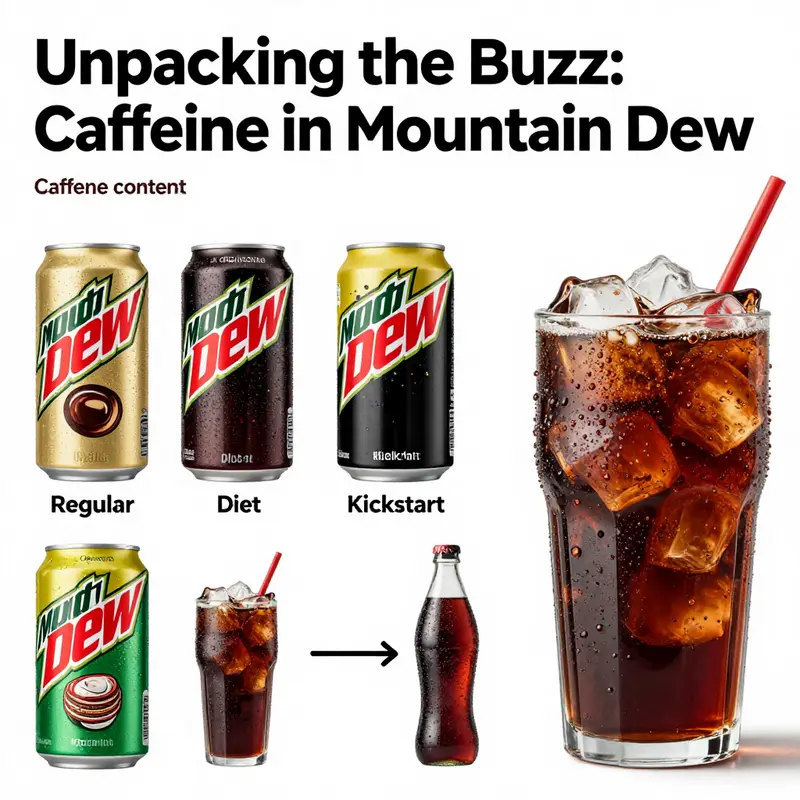
The bright, almost electric glow of a neon-green can is not just a color choice; it signals a familiar promise: a quick lift, a crackling surge of energy, a momentary sharpened focus. For many fans of this citrus-forward soda, the caffeine inside is as central to the experience as the unmistakable zing of the flavor. Reading the numbers behind that lift is more than a hobby for caffeine nerds; it’s a practical habit for anyone balancing energy needs, sugar intake, and daily rhythms. In this chapter, we step through what a standard serving actually delivers and how those figures translate to real-life effects. We begin with the baseline: the regular, original formula, which has long stood as the recognizable face of the brand. A standard 12-ounce can contains about 55 milligrams of caffeine. That figure appears consistently across multiple nutrition analyses and is reinforced by official product data. It places the beverage in the higher range for sodas, often comparable to other caffeinated soft drinks and on par with many energy drinks on a per-volume basis, though the latter category sweeps more caffeine per container in many cases. The consistency of 55 milligrams per 12-ounce serving is more than a trivia point; it is a practical anchor for anyone tracking daily caffeine intake.
But this is not a one-note story. The brand’s lineup includes variants that hover around that same caffeine baseline, which matters for consumers who like the brand’s signature kick but prefer different sugar or calorie profiles. In the regular lineup, the Diet version mirrors the caffeine content of the regular formulation, delivering roughly the same 55 milligrams per 12-ounce serving. The effect, therefore, remains the same in terms of caffeine delivery, even as other nutritional aspects differ. For those who crave a bigger, more sustained jolt and a larger serving, there is a different product in the family. Mountain Dew Kickstart, designed with a vantage-point toward energy for on-the-go moments, contains a noticeably higher caffeine content: about 92 milligrams per 16 ounces. This is a clear step up, a deliberate escalation intended for occasions when a stronger lift is desired, accompanied by a robust citrus profile that remains true to the brand’s sensory signature. The contrast between the regular 12-ounce option and the Kickstart can is a practical reminder that serving size and formulation together shape the caffeine experience.
The story of caffeine in this citrus fizz doesn’t end with the numbers alone. Another key element in the caffeine equation is the accompanying sugar load. A standard 12-ounce serving of the regular or Diet version carries roughly 46 to 47 grams of sugar. That sugar content does more than sweeten the flavor; it interacts with caffeine to influence the speed and duration of the perceived energy boost. The combination of caffeine and sugar can lead to a quicker onset of alertness and a more pronounced mid-day peak for some people, followed by a potential sugar crash later. This coupling matters for anyone who uses caffeinated beverages as a strategic tool to ride through a demanding afternoon or a late shift. It is a reminder that the energy lift is not a pure caffeine signal; it is a bioactive blend of stimulants and carbohydrate impact that can color how a person feels later in the day.
What about the other flavors in the lineup? The caffeine story holds remarkably steady in the core variants, with the original formula and the color-coded neighbors offering a similar caffeine footprint—roughly 54 to 55 milligrams per 12-ounce can. This consistency is meaningful for consumers who appreciate predictability; it means that, across these products, the energy lift remains in the same neighborhood, even as flavor nuances and marketing messages shift. It is worth noting that occasional limited-edition releases or special batches may diverge from the norm. While these are not part of the standard product line, their caffeine content can vary, underscoring a simple, practical point: if you’re monitoring caffeine intake precisely, you should check the nutrition label for the specific product and batch you’re drinking.
To translate those numbers into everyday decisions, consider your total caffeine exposure from all sources. A can of this citrus-fizzy drink contributes a visible dose to your daily tally, but so do coffee, tea, chocolate, energy products, and even certain medications. For someone who is caffeine-sensitive or who consumes several caffeinated beverages daily, the 55-milligram baseline can accumulate quickly. The Kickstart variant, with its 92 milligrams per 16-ounce bottle, represents a sharper intake, roughly equivalent to a cup of coffee depending on the brewing strength. If your routine already includes coffee or other caffeinated foods, Kickstart’s higher caffeine content may push you past your comfortable limit more rapidly than a standard can.
Beyond the arithmetic, there is a behavioral layer worth attending to. A strong caffeine hit often comes with a taste and sensory experience that reinforces a habit. The bright citrus bite, the effervescent fizz, and the familiar afterglow can create a Pavlovian loop: reach for the can when you need a quick lift, and you train your body to expect a predictable jolt. That can be a practical advantage for late starts, long afternoons, or after-exercise recovery when a quick energy spike is desirable. It can also be a source of concern if the lift comes with jitteriness, an uneasy stomach, or trouble sleeping later in the day. Not every consumer experiences these side effects, but being aware of them makes for more intentional consumption.
For readers who prefer to verify the specifics on flavor-by-flavor basis, the official nutrition information can be a reliable compass. The pages available from the brand’s own site lay out serving sizes, caffeine amounts, and sugar content in clear terms. In addition to the numbers already discussed, those pages can help you compare the standard lineup with the higher-caffeine Kickstart variant and skim any flavor-specific variations that may appear in occasional releases. If you want to see a concise reference that narrates these differences in a single place, you can check out caffeine-content-mt-dew. This internal resource provides a digestible guide to how caffeine content tracks through the lineup and why a person might choose one formulation over another depending on the context.
From a health and lifestyle perspective, the caffeine-to-sugar ratio is a practical lens for assessment. Caffeine alone is a stimulant that can improve wakefulness, alertness, and reaction time in the short term. Sugar, when present in similar quantities, provides energy through a rapid rise in blood glucose. The combination, especially in a 12-ounce can, can deliver a surprisingly potent energy experience relative to many other beverages. This is not to say that the product is universally problematic; for some, it is a helpful tool during specific tasks or times of day. For others, especially those with caffeine sensitivity, diabetes considerations, or appetite management goals, it may be prudent to limit intake or reserve consumption for particular moments rather than routine, daily use. The overarching message remains practical: know your numbers, pay attention to serving sizes, and be mindful of how caffeine interacts with your overall daily energy budget.
In the broader context of beverage choices, this citrus-fizz option sits in an energetic niche. It offers a quick lift without requiring a trip to the coffee shop, delivering a recognizable flavor profile in a compact package. Yet the sugar content is nontrivial, and the caffeine level, while substantial, sits below the highest-exposure options in the beverage category. This nuance matters when you design a daily pattern around energy intake. If your goal is to minimize sugar while still achieving alertness, you might favor a version with fewer calories or a different timing strategy—perhaps saving the higher-caffeine, high-sugar option for peak performance windows and choosing a lower-sugar alternative for routine consumption. On the other hand, if you simply enjoy the flavor and need a reliable energy kick during a long drive, a measured serving can be an efficient choice, provided you are mindful of the cumulative daily load.
For readers who want a broader view of how Mountain Dew’s caffeine content compares with other popular beverages, there is value in looking at cross-category perspectives. Across sodas, a typical cola often lands in the 30–40 milligram range per 12-ounce serving, while certain energy drinks can exceed what this citrus-fizz beverage offers by design. Coffee, the perennial benchmark, generally provides about 95 milligrams per 8-ounce cup, though strength varies with brewing methods. Against that backdrop, a 12-ounce can with 55 milligrams presents a middle-ground option: more caffeine than most standard colas, but less than many energy drinks on a per-volume basis, and it sits well within the everyday range for a caffeine-conscious consumer who still wants to enjoy a flavorful, refreshing beverage.
The health considerations are not purely numerical; they touch on daily routines and long-term habits. If you are integrating such a drink into a busy day, think about how caffeine interacts with sleep schedules, exercise, and overall diet. For some, a late-afternoon can provides a needed boost without perturbing bedtime; for others, even moderate caffeine later in the day can disrupt sleep cycles. Similarly, the sugar load can influence caloric intake and metabolic responses, particularly if you are balancing energy needs with weight management goals. The most practical takeaway is clear: enjoy the drink, but do so with intention. Track your intake, align it with your activities, and avoid treating a single can as a substitute for a healthier energy habit built on sleep, hydration, and balanced nutrition.
For readers who want to verify the numbers across the lineup or explore flavor-specific nutrition profiles, the official product nutrition information is a reliable destination. In addition to the general guidance above, the site provides flavor-by-flavor data as products rotate in and out of the market. This level of detail helps you tailor your choices to your caffeine tolerance and sugar preferences, reinforcing a consumer approach that values both flavor and health considerations.
External resources can offer broader context beyond a single brand page. For a concise, authoritative overview of the caffeine content and serving sizes discussed here, refer to Mountain Dew’s official nutrition information page: https://www.mountaindew.com/nutrition. This source provides the most direct feeding of data for those who want the exact numbers for a given product and serving size at the moment of purchase.
null

null
null
null
Caffeine Cascades and Citrus Currents: Reading Consumer Preferences in Mountain Dew Variants
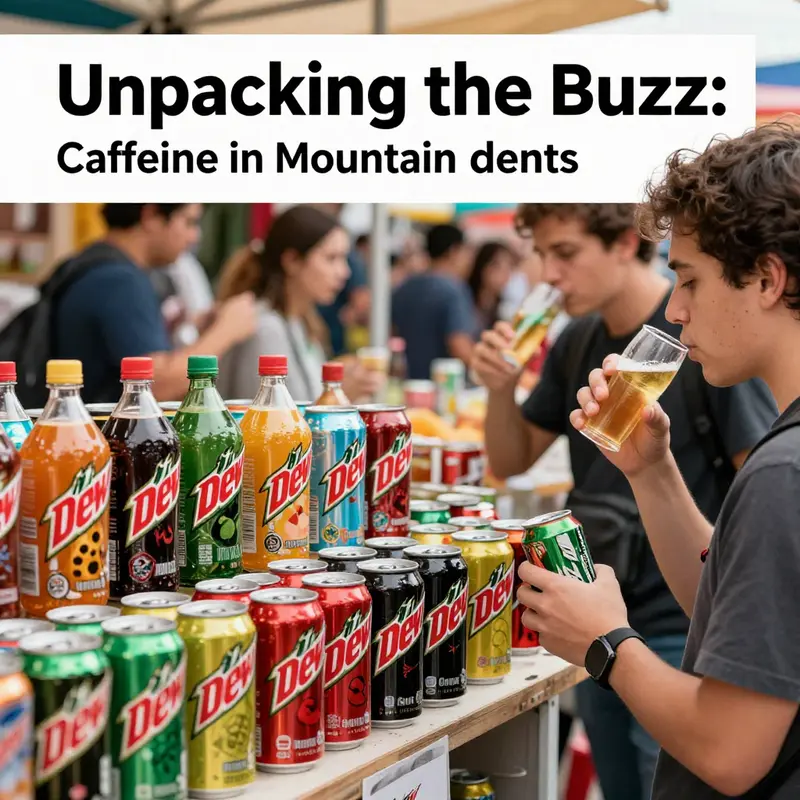
Caffeine and citrus share a stubborn vitality in the modern beverage landscape, where energy and flavor are not mutually exclusive but rather braided into everyday routines. The story of a popular citrusy energizer—often labeled as a Mountain Dew variant in market chatter—centers on more than a jolt of caffeine. It reveals how consumers weigh stamina against jitters, transparency against mystery, and novelty against consistency. As research into these caffeinated citrus beverages shows, people age 18 to 30 are not simply chasing a longer afternoon; they want a calculable, controllable experience. They desire energy that fits their pace without tipping into unsettled nerves. That dynamic sits at the heart of how variants are perceived and chosen in today’s market, where branding promises bold taste while regulations and labeling promise clarity.
From a numerical vantage point, the baseline caffeine profile of the familiar 12-ounce can sits at roughly 54 to 55 milligrams. This range, consistent across multiple sources, maps onto about 4.5 milligrams of caffeine per fluid ounce. Those numbers matter not as abstract figures but as a practical ceiling for daily energy budgets. For some consumers, that ceiling feels like a reliable floor—a dependable lift to keep a morning routine on track, a quick pick-me-up between meetings, or a late-afternoon nudge to finish a task. Yet for others, even that level can feel strong, too close to the line that separates alertness from jitteriness. In response, producers have offered variations that keep the citrus-forward identity intact while adjusting the caffeine equation to different needs and tolerances.
One variant line stands out not just for its flavor profile but for its caffeine architecture. A larger, energy-tinged offering in the lineup raises the caffeine load to about 92 milligrams per 16-ounce serving. This is a substantial increase, enough to appeal to those who want a more pronounced energy lift, especially during longer work sessions, late-night gaming, or endurance activities. The presence of a higher-caffeine option invites a conversation about personal tolerance and timing. It also underscores a broader industry trend: consumers are weighing the cognitive and physical effects of stimulants in the context of a complex day, seeking products that can be both dependable and respectful of individual limits.
Beyond these numerical anchors, the consumer conversation embraces transparency and control. In the eyes of many buyers, clarity about how much caffeine is in a product translates into trust. This is not a pedantic concern; it’s a practical one. People want to know how a beverage will interact with their existing caffeine intake, whether from coffee, tea, or other energy-forward drinks. The preference for straightforward labeling aligns with wider consumer movements toward clean ingredients and responsible caffeine stewardship. The appeal is not merely “strong energy” but energy that is predictable and manageable within a daily rhythm. When brands respond with clearly labeled caffeine content and easy-to-read nutritional disclosures, they earn credibility with a cohort that is becoming more tuned to health and wellness while still chasing flavor and performance.
This dynamic is nowhere more evident than in the way companies experiment with packaging and product forms. The shift toward on-the-go, gamer-friendly packaging is not incidental. It reflects a broader aim: to help consumers make informed choices in real time. For many young adults, the decision to pick a caffeinated citrus drink comes with situational considerations—where they are, what they are doing, and how much caffeine they can responsibly absorb without crossing into overstimulation. The packaging now often carries cues about caffeine content, enabling a quick assessment before purchase. In practice, this translates into a more deliberate consumer experience: a user glances at the label, correlates the caffeine amount with their tolerance, and makes a choice that aligns with their current energy needs.
The social-media and focus-group findings that inform these shifts point to an appetite for novelty that does not erode core expectations. Young adults respond to limited-edition flavors because the experience feels fresh and collectible, even if the caffeine baseline remains within familiar bounds. The marketing ingenuity, then, is not to surprise with wildly different caffeine numbers but to pair bold taste with intelligent presentation. This pairing matters because it sustains engagement across cycles of product refreshment. A flavor that feels daring in the moment can become a reliable, repeatable ritual if the caffeine content remains transparent and consistent with a consumer’s tolerance.
Within this ecosystem, product lines geared toward particular lifestyles—such as gaming or outdoor activity—emerge as practical test beds for how caffeine is consumed, not merely how it tastes. On-the-go formats, ergonomic packaging, and clearly labeled caffeine content become features that help consumers tailor their intake to a given context. The Game-oriented line, designed to meet the needs of active lifestyles, embodies this approach. It signals to the consumer that the brand recognizes multiple identities within a single beverage family: the student burning through study nights, the remote worker powering through deadlines, the gamer chasing a seamless streaming experience. Each user consumes differently, and each will appreciate knowing exactly how much caffeine is at their disposal before they take the next sip.
Against this backdrop of consumer expectations and product experimentation, manufacturers have continued to refine flavor portfolios. A constant thread in the development of new flavors is the way data from regional sales and social sentiment informs design choices. Even as taste remains bold and citrus-forward, caffeine considerations occur in the background as a balancing force. The aim is to preserve the strong energy signal that attracts a certain audience while softening the edges for those who prefer a steadier, smoother lift. In practice, this balance manifests as a spectrum: at one end, there are high-caffeine variants for power users; at the other, standard or slightly moderated formulations that deliver reliable energy without overwhelming the senses. Between these poles lies a continuum of flavor-forward options that allow consumers to select a profile suited to their daily routines.
The significance of this evolution extends beyond taste and energy. It touches on consumer health awareness, corporate responsibility, and the evolving expectations of transparency from brands. When a beverage communicates not only its flavor but also the precise caffeine load, it empowers consumers to integrate it into their day with intention. This is especially relevant for younger demographics who navigate multiple stimulants—coffee, tea, energy drinks, and caffeinated sodas—across a single day. In such a context, a single, clearly labeled caffeine number becomes a practical tool for managing intake, planning workouts, and coordinating with rest periods. The conversation thus shifts from “how strong is it?” to “how does this fit into my overall energy plan?” and that shift has broad implications for product development and marketing.
To situate these insights within the larger landscape, it helps to verify the most current details about caffeine levels across the variants. For a concise snapshot of caffeine content across Mt Dew variants, see caffeine content Mt Dew. This internal reference complements the broader market narrative by offering a consumer-facing summary that can be cross-checked with official nutritional disclosures from manufacturers. While the overarching trend emphasizes transparency and customization, the specifics of each variant—whether regular, diet, or higher-caffeine forms—remain fluid as new formulations and regional releases enter the market. The fluidity is not a sign of inconsistency but of a responsive industry attuned to consumer feedback and evolving health conversations.
The conversation around these beverages is not merely about caffeine quantity but about how a brand positions stimulant content within a flavor-driven identity. In practice, even as a standard variant maintains a familiar foothold with roughly mid-range caffeine levels, the introduction of higher-caffeine or differently packaged offerings demonstrates a strategic attempt to capture diverse consumer segments without alienating core fans. The narrative is not about forcing a single peak experience but about enabling a personalized energy story. This is the core appeal of modern caffeinated citrus drinks: they promise bold taste, predictable energy, and a sense of control in a crowded, often noisy, marketplace. The consumer, meanwhile, learns to read labels with growing acuity, to compare caffeine-to-flavor trade-offs, and to select a variant that aligns with the moment’s demands.
As the landscape continues to evolve, one thing remains clear: the future of caffeinated citrus beverages will likely hinge on balanced formulations, transparent communications, and packaging that makes it easier to choose purposefully. The interplay between energy needs and sensory pleasure will drive experimentation, while responsible labeling will sustain trust. In that sense, the chapter on consumer preferences for caffeine in citrus-forward variants becomes more than a snapshot of a product line. It becomes a lens on how a modern food-and-beverage ecosystem negotiates flavor, function, and freedom of choice in everyday life. And in the grand scheme of refreshing rituals, the citrus surge continues to be a reliable, dynamic thread tying together taste, energy, and personal agency.
External resource: For a broader, official reference on the product’s caffeine and ingredients, visit the Mountain Dew site: https://www.mountaindew.com
Buzz, Brand, and the Citrus Surge: Marketing and Trends Surrounding Caffeine Mountain Dew
Caffeine sits at the heart of a beverage that promises more than refreshment. It is a narrative of sprinting energy, neon packaging, and a promise of focus in a world of backlit screens and endless feeds.
A standard 12-ounce can delivers about 55 milligrams of caffeine, a figure that has become a touchstone across retailers and nutrition databases. That calm, measurable number underpins a much louder story: a product that trades on velocity, not hush, and on a flavor profile that the palate recognizes as an invitation to rev up the senses.
In the spectrum of Mountain Dew offerings, the base line shares this caffeine backbone with variants that push the envelope. A larger can, a stronger kick, and a label that flaunts the amount of caffeine as if it were a badge of honor create a consumer expectation: this is a beverage designed to elevate not just taste but tempo.
The idea that a drink can be both refreshing and performative is central to why it resonates with younger drinkers who map their days in streams of gaming sessions, late-night study blocks, and weekend adrenaline dives. The marketing logic mirrors the chemistry. It’s not merely about quenching thirst; it’s about delivering a momentary lift that becomes part of a daily ritual and a social culture.
The marketing engine behind caffeine-forward citrus beverages runs on a blend of intensity cues and social currency. Limited-edition releases and seasonal flavors—think zippy, frost-tanged names and explosively colored packaging—generate urgency and anticipation. The push is not only to taste something new but to be part of a conversation that moves quickly from dorm rooms to online feeds, from festival stages to influencer timelines.
Internal insights from major beverage houses suggest that flavor development now rides on real-time data: social media sentiment, focus-group feedback, and regional sales patterns. This triad ensures that each new launch lands with a sense of immediacy and cultural relevance. The result is a series of product drops that feel like events, each designed to capture a moment in youth culture and to turn a can into a symbol of an era.
In this ecosystem, caffeine becomes a marketing instrument as much as a metabolic one. It signals energy, yes, but also intention: a choice that aligns with a lifestyle described as fast-paced, digitally connected, and playfully fearless.
Within this broader cadence, caffeine variants expand the conversation beyond a single formula. The line between a traditional soda and a functional energy drink blurs as brands introduce products that promise not only refreshment but a sharper mind and briefer, more intense bursts of focus. Voltage, for example, arrives with a blue-hued electricity of flavor and a story of quick, electric energy. Kickstart blends orange citrus with a higher caffeine count per can and adds vitamins to imply a more rounded, even health-minded stance. In this context, the caffeine content becomes a prominent feature on packaging and in advertising, a signal to students burning the midnight oil and gamers sprinting through a long session of play. The numbers—92 milligrams of caffeine per 16 ounces in one variant—are not merely data points. They are part of a broader narrative about performance and stamina, framed as a choice that supports concentration and momentum. Packaging often emphasizes the functional angle, presenting the drink as an option that complements busy, screen-heavy days rather than merely offering a sugary pick-me-up. This dual identity—refreshment etched with a sense of boost—appeals to younger consumers who expect more from their beverages than flavor alone.
Culturally, the brand has built a recognizable ecosystem around adrenaline, exploration, and digital culture. Partnerships with esports leagues and sponsorships of action sports events reinforce the idea that this drink is a catalyst for intensity. The messaging leans into the “buzz” and “jolt” of caffeine, translating into digital campaigns that reward engagement with exclusive drops, limited merch, and social-media-driven scavenger hunts. When a campaign succeeds, it does more than sell a can; it creates a ritual. A student or gamer may begin a session with a can in hand, the fizz and citrus aroma serving as a cue to focus, plan, and execute. Influence campaigns further reinforce this image, pairing high-energy visuals with messages about quick thinking, rapid response, and staying ahead in a world where attention is a scarce currency. The result is a cultural impression: a carbonated product that is not simply a beverage but a lifestyle touchstone for a generation that prizes speed and adaptability.
Yet this relentless push for higher caffeine levels and dynamic flavors has sparked important health conversations. Critics point to the demanding caffeine profile, especially when multiple caffeinated products crowd a single day, or when teens deliberately stack energy beverages with other sources of caffeine. The acidulants in many formulations—citric and phosphoric acids—raise concerns about dental erosion when sipped frequently, particularly in a school-year rhythm with irregular meal timing. Sugar content in the regular versions remains a factor for those tracking calorie intake or managing dental health. Even as marketers celebrate the convenience and the mental edge that caffeine can confer, nutrition scientists and public health voices remind consumers to moderate. The balance is delicate: a beverage that offers a lift can also contribute to jitteriness, sleep disruption, and long-term consumption patterns that complicate overall health goals. The most responsible messaging in this space acknowledges both the appeal of a quick mental upgrade and the need for mindful consumption, especially for caffeine-sensitive individuals or anyone trying to regulate intake in a crowded beverage landscape.
In updates and new launches, the brand continually invites consumers to seek the next big flavor drop while reassuring them that the core caffeine profile remains a defining feature. The official channel, including the New & Limited section on the brand’s website, showcases seasonal releases and exclusive collaborations that fuel social chatter and bring a sense of event to retail shelves. This ongoing cadence demonstrates how a beverage can stay relevant by being predictable in its core caffeine identity while still surprising the palate with novel combinations and striking, collectible packaging. It is a study in branding that understands the power of consistency paired with novelty. The result is a product line that feels both enduring and current, a rare blend that keeps long-time fans engaged while inviting curious newcomers to test the limits of flavor and energy.
For readers tracing the practical side of these trends, a deeper exploration of the caffeine content in this category offers a useful anchor. A concise overview of caffeine levels helps readers gauge how the various offerings compare and why a single can might be chosen for a particular moment—whether it is a quick lift between classes or a late-night study sprint. For deeper reading on caffeine content, you can refer to a detailed discussion here: caffeine content of Mountain Dew. This link provides a grounded, data-informed perspective that complements the marketing narrative with concrete figures and context, reinforcing how marketers translate numbers into bold product stories and how consumers translate stories into daily choices.
The narrative around caffeine Mountain Dew, as a marketing and trends case, is thus a portrait of modern beverage culture. It shows how a single product can anchor a broader lifestyle, how data-driven flavor innovation aligns with youth culture, and how high caffeine content is both a selling point and a public health topic. The story is not only about taste or energy but about the relationship between perception and reality: a brand that promises momentum and a consumer who seeks it with curiosity, caution, and curiosity renewed with every new can. As new flavors emerge and as social conversations pivot toward responsible consumption, the chapter remains a reminder that caffeine can be a bond between flavor, function, and culture—an emblem of a generation that refuses to hit pause even when the day asks for a quick, citrus-fueled surge. External data on caffeine content and product specifics can be consulted for precise, up-to-date figures and product variations as the landscape evolves: https://www.amazon.com/dp/B08CJQZB8W
Final thoughts
The journey through understanding the caffeine content in Mountain Dew reveals not only its role as a popular beverage choice but also its impact on consumer health and market trends. As consumers become increasingly aware of their caffeine intake, they also demonstrate strong preferences for specific product variants. For business owners, leveraging these insights could lead to refined product offerings and marketing strategies that resonate with current consumer behaviors. As trends evolve, so must the approach to marketing and product development in the soft drink sector. In sum, staying informed about these influences will empower businesses to navigate the competitive landscape effectively and capitalize on the ongoing caffeine craze.