
In recent years, energy drinks have surged in popularity, with Ghost Energy Drinks carving out a unique space in the market. Business owners must understand how the caffeine content of these beverages influences consumer choices and health implications. As we delve into the caffeine levels in Ghost Energy drinks, we’ll uncover not only the specific amounts contained but also the potential health considerations that arise from such high caffeine intake. Moreover, we’ll evaluate the importance of transparency in labeling, examining how it affects consumer awareness and purchasing decisions. Finally, we’ll analyze market trends and consumer preferences surrounding these energy drinks, providing a comprehensive view that can help businesses navigate this dynamic sector.
Caffeinated Apparitions: Understanding the Caffeine Footprint of Ghost Energy Drinks
Caffeine often appears as the quiet driver behind the scenes of many energy drinks, and the question of whether a particular brand contains caffeine is not merely a curiosity for taste buds but a matter of daily budgeting and personal health. In the case of Ghost Energy Drinks, the answer is straightforward on the label: yes, caffeine is present. The brand’s 16-ounce can is formulated with 200 milligrams of caffeine, a figure that stands out in the crowded field of energy beverages and becomes a central reference point for anyone assessing how this drink fits into a daily pattern of caffeine intake. To put that into a familiar frame, 200 milligrams is roughly equivalent to two shots of espresso, a comparison that helps people gauge the stimulant effect they might expect. Yet caffeine is not the only component at work here, and understanding the overall profile of this drink requires looking at how the caffeine interacts with the other ingredients and with a person’s total caffeine exposure from all sources in a day. The label itself offers transparency, showing the caffeine content clearly so that consumers can make informed choices. This transparency is important, especially since the launch of high-caffeine beverages has drawn attention from health professionals and news outlets interested in possible risks associated with stimulants when consumed in larger quantities or by individuals who are particularly sensitive to stimulants.
The simple arithmetic of one can tells part of the story, but real life adds complexity. If someone already relies on coffee, tea, or other caffeinated products to power through a busy day, adding a single Ghost Energy Drink could push total daily caffeine well beyond what they anticipate. Health guidance commonly cited in reviews and nutrition literature suggests a general upper bound of around 400 milligrams of caffeine per day for most healthy adults. The materials provided with Ghost Energy indicate that two cans would push someone toward or past that boundary, depending on other caffeine sources in the day and on individual sensitivity. This is where individual variation matters most: two cans might be manageable for some, but for others, combining this drink with a cup of coffee or an energy shot could lead to uncomfortable effects like trouble sleeping, racing heartbeat, or jitteriness. The practical takeaway is simple—if your day already includes caffeine from multiple sources, adding a second can can tip you past your personal comfort zone, even if the number seems to fall within a widely stated upper limit on paper.
Beyond the raw caffeine figure, there is another layer to consider: the constellation of other stimulants and nutrients that often accompany caffeine in energy drinks. Ghost Energy, like many of its peers, includes ingredients such as taurine and B vitamins that are believed to work in concert with caffeine to enhance alertness and energy. The combined effect can feel more potent than caffeine alone, especially for individuals who metabolize stimulants more slowly or who consume the product on an empty stomach. Those who are sensitive to stimulants may notice heightened heart rate, a sense of jitteriness, or digestive upset, even if the caffeine content alone seems to lie within a “safe” range. It is not only the caffeine dose that matters but also the way the body processes a blend of stimulants and micronutrients. For people who are managing medical conditions or taking medications that interact with stimulants, the interaction potential can widen the spectrum of possible effects and warrants cautious consideration.
A clear-eyed approach to these drinks also involves attention to labeling and age guidance. Packaging for Ghost Energy makes explicit that the product is not intended for children, and the labeling communicates that consumers should be mindful of the stimulant content. This explicit caution aligns with a broader public health message about keeping high-caffeine products out of reach of younger people and ensuring that adults monitor their intake in the context of other lifestyle factors, such as sleep quality, stress, and overall diet. The transparency of labeling is a valuable feature; it allows readers to assess how a single purchase might fit into a broader pattern of consumption. Yet even with clear labeling, the question remains personal: how does a single can fit into a daily routine without triggering unwanted effects? The answer is not universal, but it begins with honest tracking of all caffeine sources and a willingness to adjust based on how the body responds.
To provide a more usable picture, imagine the day ahead with a clear plan for caffeine. If you start with a 200-milligram can in the morning, you might be leaning toward a stable lift without overstepping. But if you also drink coffee mid-morning or take a caffeinated beverage with lunch, you can accumulate a much higher total. The practical rule of thumb is to treat the 200 mg per can as a baseline, then map out where other caffeine comes from: coffee beans, tea leaves, soft drinks, energy shots, and even dietary sources that contain caffeine. This broader view helps avert the common pitfall of casual stacking—assuming a single product won’t push the day’s total over the limit simply because it feels manageable in isolation.
A useful way to situate Ghost Energy within a broader wellness framework is to consider individual sensitivity. Some people tolerate caffeine without noticeable symptoms even at higher doses, while others experience rapid heart rate, sleep disruption, or digestive discomfort at much lower levels. If you are pregnant, nursing, taking certain medications, or managing conditions such as anxiety disorders or arrhythmias, caffeine intake becomes a more nuanced decision that should be discussed with a healthcare professional. Even in healthy adults, the timing of caffeine consumption matters: late-afternoon or evening intake can disrupt sleep, which in turn affects daytime functioning and overall well-being. The interplay between caffeine and sleep is particularly consequential because sleep quality can influence how energized or sluggish you feel the next day, which in turn can drive more caffeine use in a self-perpetuating cycle.
In practical terms, readers who want to explore Ghost Energy more deeply can visit a dedicated overview of Ghost Energy Drinks and their products online. For a concise reference, you can explore this resource: ghost-energy-drinks. The page offers context about the brand’s energy beverages and their positioning in the broader market of caffeinated drinks, helping readers connect the caffeine content to real-world choices such as flavor variety, serving sizes, and accompanying ingredients. The decision to consume a single can, two cans, or to skip it entirely should hinge on a clear accounting of all caffeine in the day, personal tolerance, and the timing of consumption relative to sleep.
In addition to the internal considerations of caffeine exposure, it is helpful to acknowledge how external reporting shapes consumer understanding. News coverage and professional reviews frequently flag the potential health risks associated with high-caffeine consumption, particularly when multiple stimulant-containing products are used in combination or when individuals are sensitive to caffeine. The narrative around Ghost Energy Drinks echoes a larger conversation about how modern energy beverages fit into a healthy lifestyle. Some reviews advocate for moderation and awareness rather than outright avoidance, emphasizing personal experimentation within safe boundaries and a willingness to adjust habits as needed. For readers seeking a broader, evidence-based perspective, a dietitian-reviewed assessment on a reputable health information platform provides a complementary view of how these products behave in real life and what that might mean for daily routines. The take-home message is that information matters as much as taste: knowing the caffeine content, understanding how it interacts with other ingredients, and recognizing your own sensitivity are the essential steps to making an informed choice.
For those who want a more formal reference point about the health implications and context of Ghost Energy’s formulation, a comprehensive external resource offers a grounded look at how such drinks fit into daily intake and health considerations. This external resource provides an evidence-based discussion of caffeine content in Ghost Energy drinks and related products, helping readers compare these beverages with other caffeinated options and understand what the numbers mean in practice. If you’re exploring caffeine as part of a broader plan to manage energy, focus, and sleep, this material can anchor your decision-making in a broader body of nutrition and physiology knowledge.
In sum, Ghost Energy Drinks do contain caffeine, with a clearly stated 200 mg per 16-ounce can. This amount, in conjunction with other stimulants and nutrients in the product, creates a profile that many adults may tolerate well when consumed thoughtfully and within a daily caffeine plan. Yet the same profile invites caution for those who are sensitive to stimulants or who juggle multiple caffeine sources across the day. The labeling provides ample information to guide decisions, but personal experience remains the ultimate barometer. If you are weighing whether to include this drink in your routine, start with a single can, monitor your response, and consider your overall caffeine intake from all sources. In this way, caffeine becomes less of a hidden variable and more of a manageable component of your daily energy strategy. For those who wish to read more on the broader topic of energy drinks and caffeine, the following external resource offers a well-rounded, dietitian-informed perspective: Are Ghost Energy Drinks Bad For You? A Dietitian Review.
Does It Have Caffeine? A Thorough Caffeine Content Breakdown for the Energy Drink in Focus
At the core of this energy drink’s profile is its caffeine content.
Each 16-ounce can delivers 200 milligrams of natural caffeine.
That amount is substantial: roughly the equivalent of two shots of espresso or two cups of strong coffee.
It matters for alertness, focus, and energy, but individual tolerance and timing will shape the actual experience.
The caffeine is typically paired with other common energy-formula ingredients such as L-carnitine, taurine, and Neurofactor, which are positioned to support sustained focus and performance alongside the stimulant.
Labeling for the product emphasizes the caffeine content so consumers can manage their daily caffeine load across sources like coffee, tea, and sodas.
When planning intake, consider total daily caffeine exposure and avoid late-day consumption if sleep is a priority.
Adolescents and individuals sensitive to stimulants should exercise particular caution, as smaller doses can have outsized effects.
Practically, the 200 mg per can specification can guide decisions about when to drink, how much to consume in a session, and how it fits into a broader energy strategy.
Does a Popular Energy Drink Contain Caffeine? Navigating Health Implications and Everyday Use
External resource: https://www.ghostenergy.com/products
Caffeine Clarity and Consumer Awareness: Labeling, Law, and the Candy-Branding Dilemma in High-Caffeine Beverages
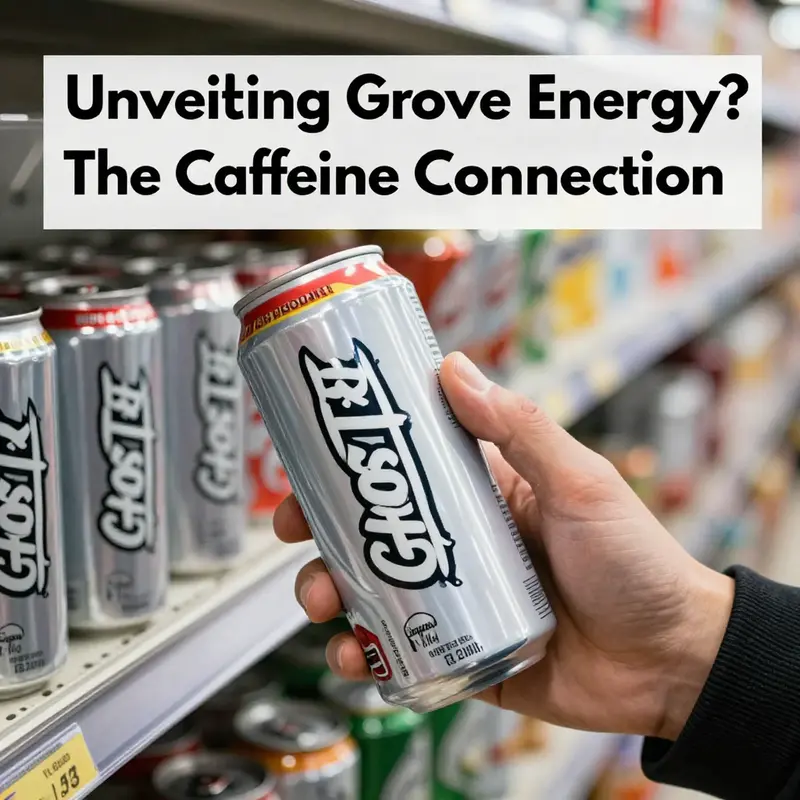
Caffeine clarity does not arrive by rumor; it comes through labeling that is legible, deliberate, and enforceable. In the landscape of energy drinks and similar caffeinated beverages, a single 16-ounce can can deliver a substantial dose of caffeine. The product category discussed in the materials carries a consistent figure of 200 milligrams of natural caffeine per can. That quantity sits toward the higher end of what many consumers encounter in a single serving and, depending on a person’s routine, can push daily intake close to or beyond comfortable limits if multiple caffeinated products are consumed in a day. The key takeaway for readers is that the number on the can is more than a marketing detail; it is a practical datum that helps shape daily choices, especially for those who juggle coffee, tea, sodas, and energy beverages. When viewed through a consumer lens, 200 mg translates into roughly the caffeine content of two small espresso shots, a useful mental benchmark for situational planning—late work sessions, early workouts, or late-night study stints.
What makes the labeling story particularly instructive is not only the explicit caffeine count but the broader effort at transparency. The packaging for this type of energy drink presents the caffeine content in a prominent location, paired with frank statements about age suitability. The framing is designed to prevent misinterpretation: the presence of candy-inspired branding or playful flavors does not, in itself, justify treating the drink as a child-friendly option. This distinction matters because it acknowledges the reality that branding can evoke certain feelings while the underlying data speaks to safety and suitability. In a marketplace saturated with designs that aim for whimsy or trendiness, clear numerical information anchors consumer understanding in measurable terms, reducing the space for guesswork at the moment of purchase.
A defining moment in the labeling discourse occurred in January 2025, when a U.S. federal court weighed in on how this product’s packaging communicates its caffeine content to consumers. The ruling underscored that the packaging clearly informs consumers and helps prevent misinterpretation about the product’s nature. Crucially, the court noted that reasonable readers would not infer that the branding, which leans into a candy-flavored aesthetic, signals that the beverage is appropriate for children. Rather than treating branding as a harmless flourish, the decision framed it as part of a broader labeling ecosystem in which product data—caffeine quantity, warnings, and age guidance—works together to support informed decision making. The emphasis was not a blanket endorsement of all high-caffeine products, but a recognition that transparent disclosures can coexist with inventive branding without misleading the public. In effect, this ruling supports a standard where clear caffeine disclosure and responsible branding can function as complementary elements of consumer protection.
This regulatory and judicial attention reframes how readers should approach these beverages. It is not enough to see a bold flavor story or a bright graphic on the can and assume benign intent. Consumers are encouraged to check the numbers, assess personal tolerance, and reconcile the caffeine load with other daily sources. For some, a single can with 200 mg is manageable within a daily routine; for others, especially those who are caffeine-sensitive, it can feel overpowering or contribute to sleep disruption, anxiety, or jitteriness. The labeling framework—explicit caffeine content, warnings about not being intended for children, and clear guidance about who should avoid the product—transforms a market segment into a space where consumer autonomy is reinforced by design. And that is precisely the aim of modern labeling standards: to provide reliable, actionable information at the critical moment of choice.
When readers think about high-caffeine beverages, they should consider not only the single-serving content but also cumulative exposure. The consensus among health authorities suggests that healthy adults can tolerate up to around four hundred milligrams of caffeine per day, though individual responses vary. For adolescents, those with certain medical conditions, or people who are particularly sensitive to stimulants, lower thresholds apply. Reading a label thus becomes an exercise in personal risk management: the can offers a data point, but the real calculation happens in the mind as one weighs morning routines, workout sessions, late-night study, and other caffeine sources such as coffee, tea, chocolate, and even certain medications. The label’s explicitness helps people perform this calculation more accurately and with less guesswork.
The emotional and behavioral dimensions of labeling come into play as well. A high-caffeine beverage with candy-themed branding can spark curiosity and even appeal, particularly in social contexts or among younger adults; however, the court’s emphasis on clarity helps ensure that this appeal is not conflated with safety. The court’s reasoning reflects a broader regulatory conviction: that clear disclosure reduces the risk of misinterpretation, enabling consumers to make decisions aligned with their health needs and daily schedules. This is particularly relevant for families and for individuals coordinating caffeine intake with sleep patterns, athletic training, or job shifts, where even a small misalignment can affect performance or well-being. The practical upshot is that labeling not only serves as a record of content but also facilitates a proactive approach to caffeine management.
The broader narrative of consumer awareness in this space is not a call to vilify branding or to condemn flavorful design. Rather, it is a call to balance creativity with responsibility. Transparent labeling does not preclude the use of bold flavors or distinctive branding; it simply anchors marketing in facts that readers can verify and compare. For readers seeking practical context beyond the label, the story offers a compelling reminder: numbers anchor decisions, while branding often colors preference. A useful way to bridge the gap between data and daily life is to explore related guidance that brings together different caffeinated habits in a coherent framework. For instance, readers can engage with content about choosing portable coffee gear as a means of understanding how to approximate caffeine intake across formats and moments. The linked resource on portable travel coffee makers offers a practical perspective on how some consumers think about caffeine in real-world use, emphasizing how to balance convenience, timing, and intensity. See the discussion in the linked guide to get a sense of how people deliberate about caffeine when they are on the move and trying to keep a consistent routine.
In practical terms, the labeling approach described here—clear caffeine content, explicit age guidance, and a branding story that is flavor-focused rather than function-driven—contributes to a safer and more informed marketplace. It recognizes that while marketing can spark interest, the buyer’s ability to read and interpret the data ultimately governs outcomes. This is especially important given the social and cultural dynamics around energy drinks, where the appeal of strong flavors and bold packaging can tempt overconsumption if not kept in check by transparent information. The consumer, now armed with a readily visible caffeine figure, can set personal rules—such as limiting daily intake, avoiding multiple caffeinated products in a single day, or saving the beverage for times when the stimulant effect is desired rather than when it risks disruption of sleep.
As this chapter closes, the takeaway is straightforward: transparent labeling shapes responsible consumption without stifling brand creativity. The court’s decision reinforces a practical standard—when a product makes caffeine content explicit and does not imply child-safety through design alone, readers can trust that the product is communicating its stimulant potential with greater honesty. The responsibility now rests with manufacturers to maintain that standard across products, with regulators to monitor for clarity, and with consumers to use the data to tailor their caffeine choices to personal health and lifestyle realities. Readers seeking broader context on how to navigate caffeine across everyday choices can explore related conversations about gear and preparation that highlight the same underlying principle: information plus discernment equals better daily decisions. External resource: https://www.mayoclinic.org/healthy-lifestyle/nutrition-and-healthy-eating/in-depth/caffeine/art-20049372
Does Ghost Have Caffeine? A Deep Dive into Content, Trends, and How Consumers Choose
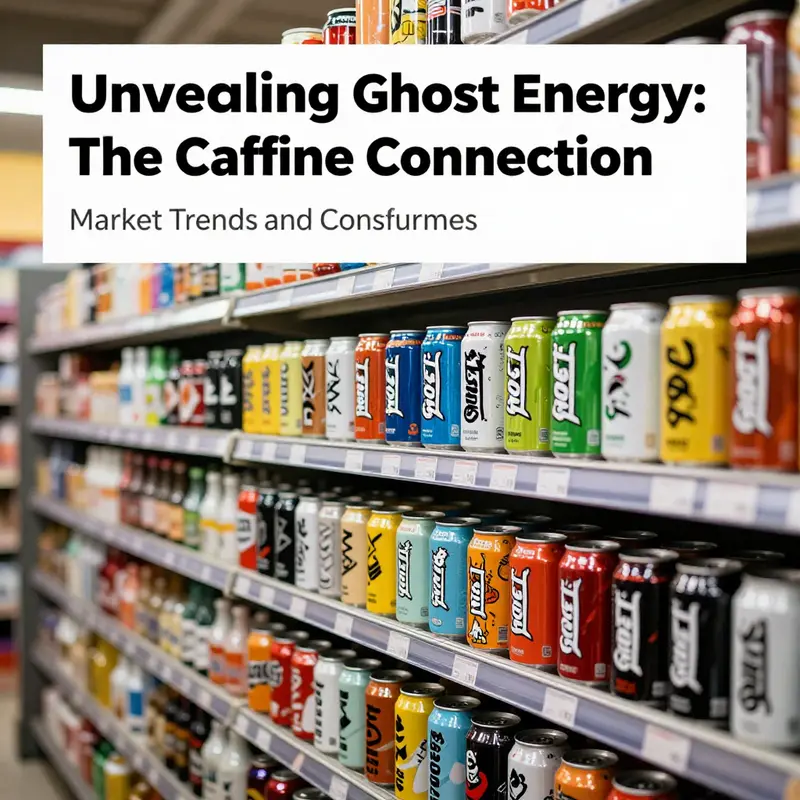
Does Ghost have caffeine? The short answer is yes, and the longer one invites a closer look at how much, where that energy comes from, and how it resonates with a market hungry for sharper focus and cleaner labels. In the realm of modern beverages designed to power workouts, workdays, and late-night study sessions, Ghost Energy stands out not just for its flavors but for a specific caffeine profile that aligns with a broader consumer appetite for intensity. A 16-ounce can typically delivers 200 milligrams of natural caffeine, a figure many readers recognize as roughly equivalent to two strong cups of coffee. That level places Ghost among the high-energy tier of popular beverages, a tier sought after by athletes, students, and professionals who want sustained alertness without a large sugar load. The caffeine is described as natural, a term that signals the origin of the stimulant as opposed to an artificial blend, and the labeling on the can is usually explicit about caffeine content and its stimulant nature. The transparency of labeling is not a mere marketing flourish. For consumers juggling multiple sources of caffeine—coffee, tea, energy shots, or carbonated options—the clarity helps them calculate intake, especially since the product is not marketed toward children and comes with clear warnings about suitability. This emphasis on openness mirrors a broader trend in the category: brands that place a premium on clean-label promises, vegan ingredients, and gluten-free formulations, while still delivering a pronounced energy lift. The result is a product narrative that speaks to fitness enthusiasts and busy professionals who value both performance and transparency. In this environment, a second variant on the same line of products offers a different pathway to energy. Ghost Energy also offers a zero-sugars option in an Original flavor, branded as Ghost Energy Zero Sugars Energy Drink. This variant is a smaller can, 8.4 fluid ounces, and it contains 100 milligrams of natural caffeine. The reduced caffeine content, paired with zero sugars, offers a gentler lift while still delivering the focus-enhancing effect that many consumers look for in a daytime energy boost. The presence of two distinct caffeine profiles within the Ghost family highlights a broader consumer strategy: give people choices that align with different tolerances, schedules, and dietary preferences, without sacrificing the core promise of a clean-label, high-impact energy experience. From a consumer behavior perspective, these options reinforce how people approach caffeine as both a functional stimulant and a personal preference. For some, 200 milligrams per can is already a normalization, a standard that fits into a daily rhythm when combined with other sources of caffeine. For others, the 100 mg option offers a more cautious approach, allowing the same focus and clarity with a smaller daily footprint. The market context helps explain this bifurcation. The current energy-drink landscape reflects a market trend toward intensity: consumers increasingly seek products that deliver quick, reliable bouts of energy for workouts, long study sessions, or demanding workdays. Yet this demand sits alongside a growing emphasis on clean-label, simple ingredients, and ethical considerations such as vegan formulas and gluten-free practices. Ghost aligns with this market pull by presenting products that satisfy the craving for a strong lift while maintaining a straightforward ingredient list and a transparent caffeine declaration. The consumer conversation around caffeine is nuanced. Health experts commonly advise that most adults can safely consume up to 400 milligrams of caffeine per day. This guideline, while general, serves as a practical anchor for many who enjoy energy beverages as part of a balanced routine. It also invites readers to account for their total caffeine intake across beverages and foods, rather than treating a single can as an isolated source. People who are sensitive to stimulants, pregnant individuals, or those managing anxiety or sleep issues often take a more conservative stance. The Ghost product line, with its explicit caffeine amounts and clear labeling, supports responsible decision-making in these scenarios. For athletes and fitness enthusiasts, the appeal extends beyond raw caffeine content. The emphasis on natural caffeine, vegan ingredients, and absence of artificial colors appeals to a demographic that often analyzes not just the stimulant effect but the overall nutritional footprint. In practical terms, a consumer who finishes a 16-ounce Ghost can might feel the expected lift—heightened alertness, improved focus, and a sense of momentum going into a workout or a demanding work sprint. That experience can be especially attractive when paired with a well-planned hydration strategy and mindful caffeine budgeting across the day. The flavor profile plays a non-trivial role in shaping preference as well. Flavors like Cherry Limeade and Welch’s Grape broaden the product’s appeal, offering sensory variety to complement the caffeine kick. Flavor, however, does not alter the caffeine content; it simply influences when and how often a person chooses to reach for a can. For those who favor a lighter caffeine touch, the 100-milligram option on the smaller can is an option that can fit into a mid-afternoon routine or a pre-workout session without an overbearing stimulant load. The decision-making process around Ghost energy drinks also riffs on the broader conversation about clean-label products and consumer trust. As more brands emphasize no artificial colors and vegan ingredients, the appeal widens to shoppers who connect energy with a lifestyle choice rather than a single product category. The transparency of caffeine amounts becomes a visible promise: you know what you’re getting, you can plan around it, and you can decide whether it fits your day’s total intake. Within this landscape, consumers often consult educational resources that map caffeine across common beverages. A practical approach is to treat energy drinks as one component in a day’s caffeine ledger, not as a standalone driver. The conversation then extends to how to balance energy with hydration, sleep, and stress management. For those who want to dig deeper into the caffeine specifics and see how this product’s profile compares to other options, there is a useful resource that highlights the caffeine content in Ghost Energy and situates it within the broader category. This external reference provides context for readers who wish to confirm the numbers and explore how the brand positions itself among competitors who also tout high-energy formulas. As readers consider their own thresholds, it’s helpful to remember that the product’s packaging clearly communicates caffeine content and caffeine-related guidance. The choice to pursue a higher-caffeine format is often about personal tempo: some days demand a punchier lift, while others call for a lighter nudge. The stock of flavors and caffeine options makes it possible to tailor a routine that aligns with gym schedules, study blocks, or long work sessions. For those curious about the exact figures and the brand’s official stance, a straightforward look at the product page often reveals the stated caffeine content, the natural caffeine sourcing, and the intended audience. The transparency becomes a practical aid in planning, especially in settings where multiple caffeine sources appear in quick succession. In summary, Ghost energy drinks do contain caffeine, with 200 milligrams per 16-ounce can and a 100-milligram option in the smaller, zero-sugar variant. This structure fits a market seeking robust energy with clean-label credentials and flexible consumption patterns. It invites consumers to think about caffeine as part of a broader daily rhythm rather than a single moment of stimulation. Those who choose this product are often balancing taste, texture, and trust with their energy needs, selecting a formulation that matches their tolerance and schedule. For readers who want a concise comparison, one practical takeaway is to consider total daily caffeine intake across beverages and foods and to choose the Ghost option whose caffeine level best fits their personal tolerance. If you’re tracking caffeine intake for health or performance reasons, this approach helps maintain balance without sacrificing focus. Internal link for further context: Caffeine in Ghost Energy. External resource: https://www.amazon.com/GHOST-Energy-Drink-Cherry-Limeade/dp/B0BQZ3XJ7N?th=1
Final thoughts
As the energy drink market continues to expand, understanding the caffeine content of brands like Ghost becomes crucial not only for business strategy but also for consumer health. With 200 mg of caffeine per 16-ounce can, Ghost Energy positions itself as a significant player in the energy drink arena. Business owners must focus on transparent labeling and educate consumers on the implications of high caffeine intake. By staying informed about market trends and consumer preferences, businesses can better align their strategies to meet customer demands and ensure safe consumption practices. Remember, being proactive in addressing health implications will foster a responsible relationship with consumers, ultimately supporting sustainable business growth.