

As a business owner, the demands of your day can often leave you feeling drained and in need of a quick energy boost. C4 Energy Drinks, known for their stimulating effects, are marketed specifically for people seeking enhanced physical and mental performance. However, understanding if they are genuinely advantageous boils down to evaluating their potential benefits and drawbacks in the context of your lifestyle and health considerations. This article explores the effectiveness of C4 Energy Drinks as a pre-workout solution, their convenience for those on the go, the enjoyable flavors they offer, and the critical aspects of caffeine content and health that you must consider. Dive into each chapter to see how C4 Energy Drinks can fit into your busy schedule or if they deserve a spot in your daily routine.
Are They Good for Pre-Workout? Reassessing the Potential Benefits and Real-World Nuances of the Brand’s Energy Drink
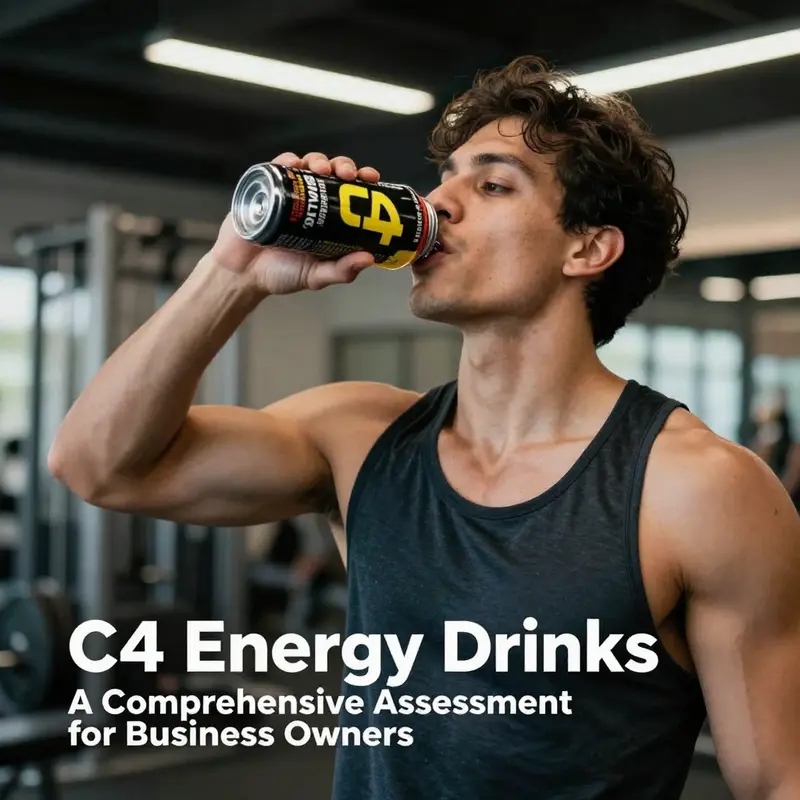
When evaluating whether a pre-workout energy drink is a good fit, the question cannot be answered with a single yes or no. The answer rests on your training goals, your tolerance to stimulants, and how reliably you plan to use the product as part of your routine. This chapter examines the nuanced benefits that people often cite, the practical realities of its ingredients, and the considerations that can tilt the balance toward a positive or cautious verdict. The core idea is simple: a well-constructed energy drink can offer a convenient, focused, and recoverable workout edge, but only if you approach it with clear expectations and awareness of personal limits.
At the heart of the discussion are the ingredients designed to support energy production, endurance, and mental sharpness during training. A typical formulation blends caffeine with compounds like beta-alanine, creatine monohydrate, and branched-chain amino acids. Caffeine is the most immediately recognizable driver, delivering a boost in alertness, reaction time, and perceived effort. In practical terms, that means you may feel quicker to start your warmup, better able to sustain practice at a higher tempo, and more capable of maintaining focus through sets that demand precision and concentration. For athletes balancing multiple tasks—work, school, or family life—the cognitive lift can be as valuable as the physical kick in the early minutes of a session.
The other ingredients function in ways that complement caffeine. Beta-alanine acts as a buffer against the acid buildup that comes with high-intensity work, helping to delay the onset of fatigue in those final, draining minutes of hard efforts. Creatine monohydrate supports rapid energy recycling within the muscles, enhancing short bursts of intense effort and contributing to improved power output over repeated sets. The inclusion of branched-chain amino acids adds to the mix by supporting muscle protein pathways and potentially aiding recovery, which matters when sessions become frequent or when volume increases on a program. Taken together, these elements create a profile that isn’t just a quick jolt but a more sustained energy release that aligns with many pre-workout needs: readiness, grip on the neural demands of lifting or sprinting, and a smoother shift into the grind of training.
A notable advantage often highlighted is the option for cleaner energy. In several variants, the product avoids artificial sweeteners and relies on sugar-free formulations that still deliver caffeine and performance-supporting ingredients. The result is a smoother energy experience for some users, with fewer jittery sensations that can accompany sweeter, overly sweetened beverages. This “clean energy” perception matters for individuals who are sensitive to sugars and who prefer a steady boost that doesn’t slam the palate with sweetness before a workout. Yet it is important to recognize that no energy drink can guarantee a jitter-free response for everyone. Caffeine, in particular, remains a potent stimulant, and sensitivity varies widely. The timing and total daily intake matter just as much as the choice of formula.
From a practical standpoint, the product’s appeal extends beyond its ingredient profile. A wide assortment of flavors and formats—ranging from ready-to-drink beverages to compact, portable options—can make pre-workout caffeine feel like less of a chore and more of a reliable habit. For frequent travelers or athletes who train at varying times, a convenient, travel-friendly packaging can be a major plus, reducing friction and helping consistency. The convenience factor is real; a quick, open-and-drink solution eliminates the need to measure scoops, mix powders, or plan around preparation time. In many daily schedules, that simplicity translates into better adherence, which is a decisive factor for people who rely on pre-workout energy as a cue to begin training.
Crucially, the benefits described here come with a spectrum of caveats that should shape your judgment. The same caffeine that sharpens focus can also trigger jitters, anxiety, or sleep disturbances if you are particularly sensitive or if you consume it late in the day. If your workouts fall in the evening, you may need to be mindful of when and how much you take, and you might consider limiting total daily caffeine exposure to avoid restlessness or sleep disruption. The newer, milder formulations—often marketed as gentler alternatives to earlier, more intense versions—offer a softer stimulant profile. For some athletes, this milder energy is an advantage, enabling daily use without the cumulative jittery feel that can accompany higher-stimulation products. For others seeking a heavier lift, the more robust stimulant punch of the original formulation might be preferable, especially on heavy or high-intensity days.
Another layer to consider concerns the suitability for different people. Counseling usually emphasizes that energy drinks are not appropriate for everyone. Children and teenagers, pregnant individuals, and those with certain heart conditions or high blood pressure should approach stimulant-containing products with particular caution or avoid them altogether. For everyone else, the key is to approach the product with a measured plan: start with a small amount, observe how your body responds, and assess whether the perceived benefits align with your training demands and your broader health goals. This cautious approach is especially important if you are stacking the drink with other caffeine sources or if you engage in workouts that already impart a high stimulant burden through intense intervals or prolonged endurance efforts.
From a broader perspective, the potential benefits extend beyond the moment of ingestion. If a person uses the drink as part of a disciplined pre-workout routine, there can be a psychological benefit: a clear signal that preparation time is underway, a ritual that primes focus, and a sense of readiness that can contribute to better performance through improved motivation. In this sense, the product can become a tool for consistency—an ally that helps you show up with intention rather than drifting into the session half-heartedly. Yet, consistency should always be weighed against the cost—calorie and caffeine considerations, personal health, and the risk of tolerance over time that could blunt effects with chronic daily use.
To connect these ideas to the real world, consider how a typical training cycle might look with a pre-workout option that emphasizes energy, focus, and endurance without overwhelming the system. An athlete engaging in moderate-to-high-intensity training a few times per week could benefit from the readiness and concentration that caffeine provides, paired with the endurance-supporting roles of beta-alanine and creatine. On days when the training demands are lighter or when the schedule requires a quicker, more casual session, the product’s milder profile may suffice, offering a gentle nudge rather than a full stimulant surge. In both scenarios, the key is alignment: the pre-workout choice should align with your goals, your tolerance, and the rhythm of your training week.
For readers seeking a quick, practical finger-on-the-pulse summary, the core message is that this energy product can be a useful component of a well-structured training plan, particularly when you value convenience, a cleaner energy profile, and a blend of ingredients that support both energy and muscle performance. It is not a magic fix, and it will not replace the fundamentals of proper training, nutrition, and recovery. It does, however, offer a tested approach to optimizing pre-workout readiness for many athletes who respond well to caffeine and to the extended effects of beta-alanine, creatine, and BCAAs in a single, portable package. If you want a concise primer that interprets the label’s claims within everyday use, you can explore a focused explainer in the linked resource, which presents a straightforward overview of what this product delivers and how it aligns with common training goals. Is C4 energy drink provides a readable snapshot of the ingredient rationale and usage considerations that readers might find helpful as they weigh their decision.
In the end, the verdict about whether the energy drink is “good” for pre-workout depends on your context. If your priority is a convenient, science-aligned, performance-enhancing nudge with a milder stimulant profile, and you are mindful of caffeine limits and timing, the product can be a solid option. If you require a heavy stimulant kick, or if you are in a group with heightened sensitivity to caffeine, this might not be the best fit. The best path is to treat it as one tool among many in your training toolbox and to monitor how it affects your energy, focus, effort, and recovery over several weeks rather than through a single session. And as always, when adding any supplement to your routine, consider consulting with a health professional if you have health concerns or conditions that may interact with stimulant use.
From a research and consumer perspective, the broader takeaway rests on two pillars: transparency and personalization. Transparent labeling helps you compare claims with your personal experience and goals. Personalization matters because no two athletes respond the same way to caffeine, beta-alanine, or creatine. The best practice is to trial cautiously, track your response, and adjust your use to fit your training cycles. In a landscape where pre-workout products vary in strength, flavor, and formulation, a measured approach and a clear line of sight into how your body responds are the most reliable guides to determining whether this category is a good fit for you. External science, practical experience, and individualized decision-making together form the foundation for a balanced verdict that goes beyond a simplistic yes-or-no answer.
External reference: https://www.c4energy.com
On-the-Go Energy, Without the Jitters: The Convenience of Portable Energy Drinks in Busy Lives
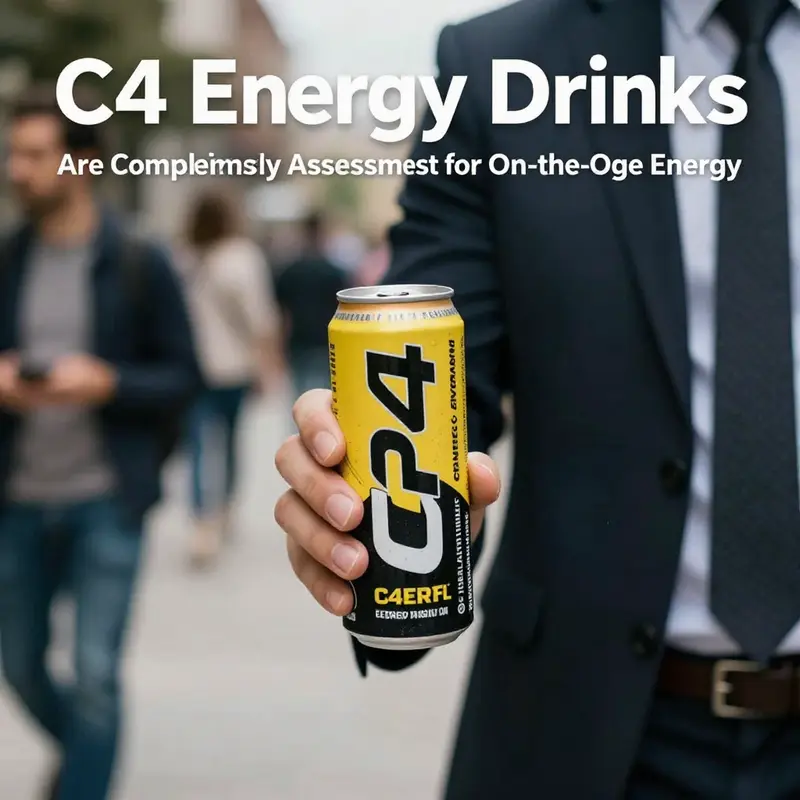
The modern rhythm of work, study, travel, and training has made portable energy a practical staple rather than a luxury. For many, the need is not a long ritual but a quick, reliable spark that can be consumed with one hand, in transit, or between meetings. In this context, the appeal of a convenient energy drink designed for on-the-go use is clear. It promises more than mere caffeine; it offers a package that fits into a busy schedule without demanding a lot of setup, time, or space. The essence of this convenience is the marriage of thoughtful design with purposeful ingredients. A compact, resealable bottle or single-serve packet, a formulation that minimizes fuss, and a taste profile that remains pleasant across a busy day—all of these elements come together to create a practical tool for people who want energy when they need it, not a diversion from their plans. In considering whether such products are “good” for on-the-go energy, it helps to think beyond the label and look at how the product is meant to be used in real life: before a workout, during a long day of meetings, or while navigating travel with limited time to recharge.\n\nThe first feature that often stands out is packaging. A non-carbonated option offers a distinct kind of convenience. Without the fizz, there is less chance of bloating, gas, or uncomfortable fullness that can distract from a workout or a busy afternoon. The absence of carbonation makes the energy delivery feel cleaner and more controlled, which matters when you want to maintain focus rather than tolerate discomfort. For someone sprinting from one appointment to another, a bottle that can be opened, consumed, and resealed—without a messy spill or a requirement to rinse—offers real value. In this sense, the convenience is not merely about portability but about predictability: you know you can grab a drink, sip, and continue with your plan without pausing to manage a potential GI upset. The design philosophy here emphasizes practicality and reliability, two attributes that align well with a demanding lifestyle.\n\nAlongside the bottle shape and the absence of fizz, there is the matter of what is inside. A well-rounded on-the-go option aims to deliver a blend that supports energy and stamina without overwhelming the system. The centerpiece is caffeine, the familiar stimulant that sharpens alertness, posture, and reaction time. For many, caffeine serves as a dependable wake-up call, crucial when early mornings or late afternoon slumps threaten performance. But caffeine is only part of the story. A well-constructed portable energy drink also includes ingredients popular in performance-oriented formulations: beta-alanine, creatine, and B-vitamins. Beta-alanine is often highlighted for its potential to support endurance by buffering muscle acidity, which can help you push through a tough workout or a longer run of tasks. Creatine—well studied for its role in muscle energy supply—can complement training goals and recovery when used within a broader routine. B-vitamins contribute to metabolism and energy production at the cellular level, supporting the body as it converts nutrients into usable fuel. Taken together in a balanced, portable formulation, these elements aim to provide a focused, sustainable energy lift rather than a crash, with the emphasis on steady performance through the mid-day hours rather than an abrupt spike.\n\nAnother important facet of convenience is the option’s sugar content and flavor strategy. For anyone mindful of calorie intake or carbohydrate balance, a zero-sugar variant can be particularly appealing. It is possible to obtain energy and focus without adding sugar calories, which helps people who are managing weight or metabolic considerations while staying active. At the same time, flavor remains a significant driver of adherence and enjoyment. A line offering a range of flavors—some dessert-inspired, some fruit-forward—helps keep daily use from becoming repetitious or even unpleasant. When energy products emphasize flavor variety without compromising the core functionality, they become easier to fit into a routine. People who value taste as part of consistency find that a product offering a pleasant but not overpowering taste can be consumed in more places and at more times without feeling like a chore. In a typical busy day, this matters as much as the strength of the kick itself.\n\nThe on-the-go concept does not stop at a single bottle. Single-serve stick packets offer a level of portability that many users appreciate. These packets enable precise dosing in compact form, making it easy to carry a few in a gym bag, briefcase, or travel carry-on. The idea is simple: you can mix or simply pour a measured amount into a bottle of water or drink directly if a ready-to-drink option is preferred. The flexibility matters because different contexts demand different dosing strategies. A late-mleep workout might require a quick shot of energy before stepping onto the gym floor, while a long flight or road trip may call for a sip every few hours to maintain alertness and mood. In this sense, the on-the-go format acts as a practical extension of a fitness or productivity plan rather than a mere indulgence.\n\nFrom a health-conscious perspective, the on-the-go energy bundle is most compelling when it aligns with a broader lifestyle that prioritizes clean ingredients. A non-carbonated, zero-sugar formulation with no artificial flavors, colors, or dyes resonates with individuals who are mindful of what they put into their bodies while staying active. Clean labeling supports confidence that the product is not adding unnecessary additives to a busy day. The emphasis on clean energy is not about eschewing all stimulants but about offering energy that users can integrate into their routines with minimal risk of irritation or unwanted side effects. In practice, this means a focus on the right balance of ingredients, a stable caffeine dose, and a formulation designed to support sustained effort rather than rapid, disruptive spikes.\n\nIt is also worth considering the broader context of on-the-go energy in everyday life. For someone who commutes long distances, the ability to replenish energy without interrupting flow can reduce the need for café detours or sugar-laden snacks. For a student burning the midnight oil, the combination of wakefulness and improved focus can translate into clearer thinking and more efficient studying. For an athlete balancing workouts with travel or work obligations, the drink can provide a practical bridge between training sessions and daily responsibilities. In all of these scenarios, the value of a convenient, portable energy option lies in its reliability and compatibility with real-world use. The goal is not to replace healthy habits but to complement them, offering a practical tool that helps maintain momentum when opportunities to recharge are scarce.\n\nHowever, a sober appraisal must acknowledge the caveats that accompany any stimulant-containing product. The caffeine content, while effective for most, can trigger jitters, anxious feelings, or sleep disturbances for sensitive individuals or when consumed later in the day. The perception that newer formulations may deliver a milder effect than the original version is another factor some users consider. The bottom line is that energy drinks, even convenient ones, are not a universal solution. They are best used as part of a balanced approach to energy management—one that accounts for individual tolerance, sleep patterns, and medical considerations. For some people, a quick energy lift during a workout or a long travel day can be precisely what is needed to stay on track; for others, it may be less suitable due to cardiovascular concerns, pregnancy, or age restrictions. The practical takeaway is clear: convenience enhances the usability of energy drinks, but it does not erase the responsibility to understand personal health limits and to use such products mindfully.\n\nIn terms of flavors and sensory experience, the on-the-go option strikes a useful balance between enjoyment and practicality. Flavor variety reduces monotony and supports daily consistency, which can be quite important for someone relying on a regular energy signal. The absence of strong carbonation also keeps the sensory profile steady, avoiding the potential for sudden gusts of flavor that can overwhelm the palate during a busy day. The overall impression is that convenience and quality can align, provided the formulation remains true to its purpose: to offer a clean, predictable energy lift that supports focus, endurance, and fatigue management without complicating the day with unnecessary additives or uncomfortable side effects. The practical value for anyone juggling multiple roles—athlete, professional, student, traveler—rests in the assurance that there is a reasonable option available that respects both performance goals and personal health considerations.\n\nFinally, when weighing whether such a portable energy option is a good fit, the decision rests on a few core questions. Do you need a quick, controlled energy boost that you can take almost anywhere? Is the product aligned with your caffeine tolerance and daily intake targets? Are you seeking a zero-sugar option to manage calories without sacrificing alertness or focus? Can you integrate it into your training or work routine without disturbing sleep or mood? If the answers lean toward yes, a compact, non-carbonated, clean-label energy drink can be a sensible addition to a busy lifestyle. If not, the best choice might be to rely on non-stimulant strategies—hydration, steady nutrition, and adequate rest—or to reserve stimulant options for specific workouts or high-demand days. The on-the-go format is a meaningful enhancement in the toolkit of modern wellness and performance, especially for those who prize efficiency and reliability as part of their daily cadence. It represents a pragmatic approach to energy that honors both ambition and health, rather than a one-size-fits-all solution that promises a louder, more dramatic spark than the body can safely handle.\n\nFor readers seeking direct information about specific product specifications and use guidelines, the official product listing provides a concise summary of format, dosing, and ingredient highlights. This resource can help you compare the on-the-go option with other portable energy formats and determine how it might fit into your routine. official product listing.
null
null
null
null
Final thoughts
C4 Energy Drinks offer a blend of benefits that can cater to busy business owners looking for a quick pick-me-up. From their effectiveness as a pre-workout boost to their convenience and enjoyable flavors, these drinks can fit well into a hectic lifestyle. However, it’s vital to weigh the caffeine content and associated health considerations based on individual tolerance. Whether C4 Energy Drinks are a good fit for you will ultimately depend on your unique health profile and energy needs. Staying informed and mindful about your choices will lead you to the best decision for your daily routine.