

Embracing the great outdoors offers a reprieve from daily life, and enjoying a robust cup of coffee while camping can be a transformative experience. Business owners catering to outdoor enthusiasts should explore the merits of the French Press coffee maker, an ideal companion for camping due to its simplicity and ability to produce a rich flavor. This article will delve into the numerous benefits of using a French Press while camping, guide you in selecting the right model for your needs, detail the preparation of coffee using this method, discuss maintenance and care to ensure longevity, and highlight some popular French Press models perfect for camping.
null

null
Choosing the Right French Press for Camping Adventures: A Ranger’s Guide to Rich Camp Coffee
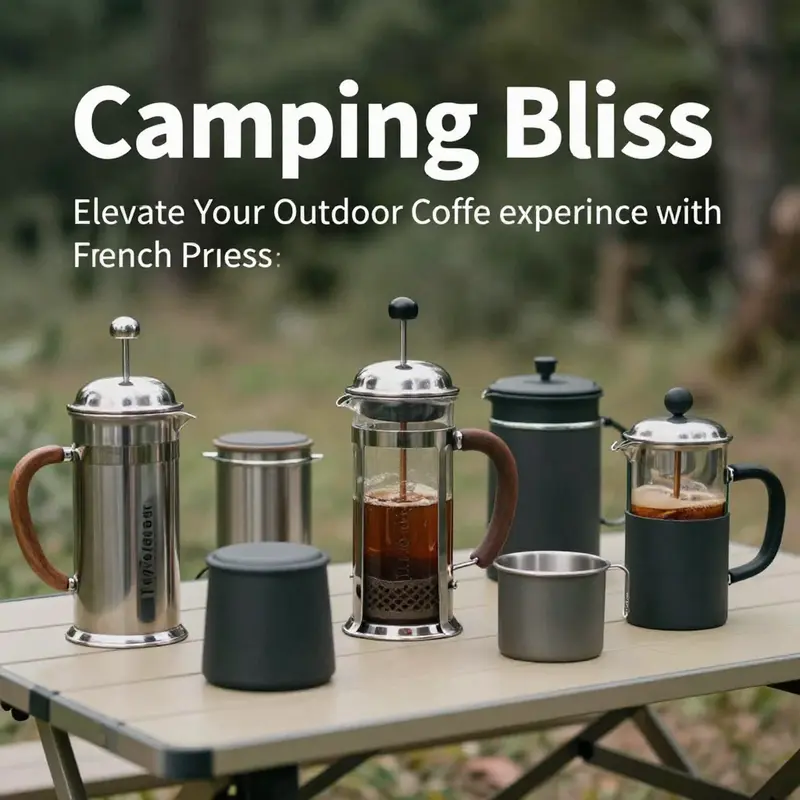
Morning light drips through pines, and the quiet is punctured only by birds and the distant crack of a camp stove. In that stillness, coffee becomes more than a beverage; it becomes a ritual that roots a traveler in the day to come. A French press, chosen with care, offers a dependable path from coarse ground to velvety cup, and in the wilderness its strengths shine. Its charm lies in simplicity: coarse grounds meet hot water, a brief wait, and a decisive push to separate the brew from its fines. The result is a cup with a fullness that mirrors the landscape—oils and aromatic compounds carried across the tongue in a rich, lingering mouthfeel. Drifting from the city’s electrical hum, the outdoor brewer leans on heat, patience, and gravity, and the coffee answers with a depth that is quiet, but undeniable.
When selecting a press for the trail, durability becomes more than a virtue; it is a requirement. The device must tolerate bumps, rough packing, and the occasional tumble without surrendering performance. A double-walled stainless steel model stands out for camping because its insulated shell retains heat longer, which matters when nights are chilly and the coffee pot sits on a simmering flame. The robust construction also feels right in a vehicle or pack, where space is precious and weight matters. In practice, a press around seventeen ounces, roughly 480 milliliters, provides a generous single-serve or a small communal pot without turning the morning brew into a laboratory experiment. The steel’s polished surface not only resists impact but also cleans easily, a practical advantage after a long trail day when water is scarce. Yet durability does not mean bulk. The best designs balance ruggedness with a compact footprint, letting the press nestle within a compartment or a dedicated mug sleeve so it can travel from car to ridge without becoming a cumbersome burden.
Portability, in turn, threads through every choice. For solo hikers, compact presses of about 350 milliliters are a compelling option. They are light enough to vanish into a pocket or a small pack, yet sturdy enough to survive the jostle of a vehicle or a campsite table. A small model with a borosilicate glass carafe and a wooden or ergonomically shaped handle provides a tactile pleasure alongside its practical benefits. The glass carafe offers a crisp view of the brew, signaling when the grounds have settled and the color has reached its full, coffee-brown sincerity. The wooden handle adds a touch of craft that makes the act of pouring less jarring in the wind and mist. These compact units are especially utilitarian for travelers who prefer one serving per brew, limiting waste and making resource management on the trail more predictable.
Ease of cleaning matters as much as weight and warmth. In the backcountry, a day’s worth of dirt, dust, and mineral residue can cling to any coffee gear. The ideal camping French press is easy to rinse, quick to dry, and forgiving of imperfect water quality. A design that minimizes the number of small parts is a boon; fewer pieces mean fewer crevices where grounds can hide and fewer tasks when you reach for the next cup. When you do need to disassemble, simple rinsing with a splash of potable water, followed by a quick wipe with a damp cloth, keeps the routine efficient. A built-in capability to wipe down the plunger and screen without disassembly is a welcome feature, especially after a chilly morning when frost still clings to the rim.
The press’s design also invites thoughtful versatility. Beyond the standard brew, some models accommodate experiments with cold brew in the wild. A press built to withstand cold-water lips and longer steep times can transform into a compact cold-brew system for hot days. In practice, that means you can grind coarser and steep for a longer period, then press and serve iced coffee that stays pleasantly smooth, not thin. For travelers who crave variety without sacrificing simplicity, this flexibility is a quiet triumph. A well-rounded camping setup may also include a spare measuring spoon and perhaps a tiny travel brush, so that the grounds are always ready to be weighed and washed with minimal fuss.
In this light, the best French press for camping blends robust material choice, a compact form, and a thoughtful, user-friendly design. It should be resilient enough to survive rough handling and damp conditions, yet refined enough to deliver that signature, full-bodied cup. The emphasis on a balanced extraction is more than a brewing theory; it is the difference between a coffee that tastes like its been brewed in a kitchen and one that tastes like it was crafted on a windy slope. Coarse-ground coffee is essential here, as it allows the water to mingle with the grounds without quickly slipping through a tight mesh, and it reduces the risk of muddy sediment in the cup. The ideal water temperature hovers just below boiling, a sweet spot around ninety-two to ninety-six degrees Celsius, depending on the roast and the grind. A short steep—three to four minutes for a larger pot, perhaps a bit less for a compact cup—gives time for the oils and sugars to dissolve and mingle with the hot water, creating that characteristic syrupy texture. When the moment comes to press, the metal disk should glide evenly, and the resulting pour should be smooth, with a sense of elegance that belies the roughness of the route to reach that moment.
This is where the quote from the coffee scientist circles back to practical wisdom. The oils, sugars, and aromatic compounds release in a way that fills the senses with warmth rather than aggression. The press helps to maximize this release, but only if the grind size, water temperature, and steep time align with the device’s geometry. A press that clings to its oils rather than stripping them away yields a cup with real body. The mouthfeel becomes the tangible memory of the morning—rich and almost velvety, with enough density to pair with a cool breeze and a simple piece of dried bread or a crunchy trail snack. In a camping context, this texture becomes a signal that the day’s challenges will be met with steady rhythm rather than a quick jolt.
The practical selection path also invites a few practical tips about care and setup. If you expect to travel with a smaller press, try to choose a model with a straightforward lid and a secure plunger to prevent leaks inside a pack. A carry sleeve or protective case can be a small investment that saves the press from scratches and keeps it ready for the next morning. If you anticipate cold nights, the double-wall variant offers a measurable advantage: the heat you build in the pot carries forward longer, so you wake to warmer coffee even after the stove has cooled. In cases of mixed weather, a compact, insulated bag that shields the carafe during transit can further preserve heat and protect delicate surfaces from impacts during hikes.
As you plan your route and choose gear, consider the broader narrative of why a French press for camp coffee makes sense. It requires no electricity, yet it scales with your needs—from a single mug to a shared pot for a small group. It rewards patience with depth, enabling a slower morning that can clear the mind before the day’s climb. It invites a ritual of grinding and measuring, a moment of deliberate focus that steadies the hands for a long day ahead. If you want a concise guide to how this philosophy translates to real-world camp coffee, you can read more on why a French press is a practical choice for camp coffee in a detailed discussion here: https://coffeerichlife.com/blog/why-choose-a-french-press-for-camp-coffee/
Ultimately, the chapter on selecting the right French press for camping adventures centers on a simple arithmetic: rugged materials plus compact design plus ease of use equal dependable mornings in the wild. The best gear supports the coffee’s truth—its oils, its warmth, its aroma—without turning the ritual into a logistical puzzle. In a world where every ounce matters and every mile tests endurance, a well-chosen press becomes an ally, a steady hand at dawn, and a small luxury that travels well. For those who value consistency, the right press is not merely a tool but a companion that helps translate the day’s rugged terrain into a cup that tastes, in its own quiet way, like home.
Brewing by the Campfire: A French Press Morning

Dawn light creeps over the tent and the stove glows warm. A French press sits on a stable rock, ready to turn hot water and coarse grounds into a gentle morning ritual. The cycle is simple: heat, bloom, press, pour. There is no rush, only the patient tempo of a quiet campsite. The oils stay in the cup, the aromas rise with the steam, and the first sip carries the scent of pine and fresh air. In the absence of electricity and screens, this method becomes a small ceremony that centers the day.
To begin, preheat the press with hot water for a minute and discard. Add the ground coffee—coarse, about the consistency of sea salt—and pour hot water just off the boil. A short bloom releases CO2 and wakes the flavors. After about four minutes of steeping, press slowly, evenly, and pour into warmed mugs. The result is a cup that feels substantial, with body and clarity preserved by the metal mesh rather than a paper filter.
For campers, the French press is durable, easy to clean, and not dependent on electricity. A double-walled model keeps the brew hotter longer, and stainless steel resists the bumps and gravity of the trail. Keep the grind coarse, keep the water at a steady 90–96°C, and give yourself the time to watch the process. The ritual becomes a signal that the day has started with intention, a small, reliable anchor before the trail unfolds.
Trail-Worthy Care: Keeping Your Camping French Press Ready for Rich Mornings
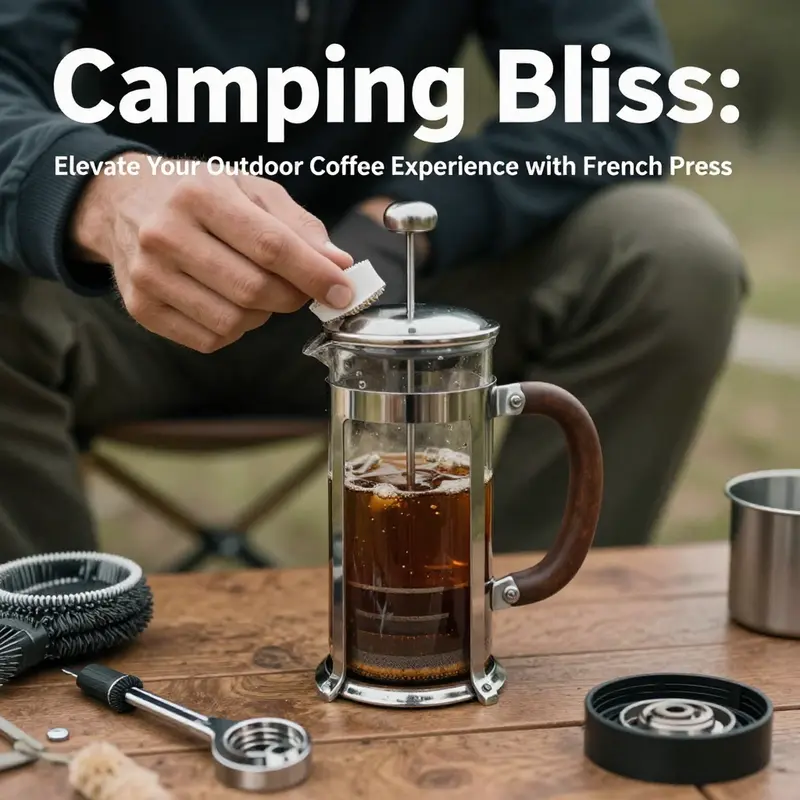
A camping French press is more than a tool; it is a ritual that anchors a morning in the heart of the wild. When the kettle sings and steam fogs the air, the press helps translate the wilderness into a familiar, comforting cup. Yet that comforting cup depends on something practical and a little stubborn: maintenance. In the open air, where resources are finite and conditions shift with the wind, care routines become the quiet backbone of flavor, safety, and reliability. The simple act of cleaning, drying, and inspecting your press after every use protects its performance and preserves the oils and aromatic compounds that give a rich mouthfeel. It is not glamorous, but it is essential. The goal is straightforward: a sturdy, leak-free, well-sealed press that delivers consistent extraction, whether you are on a sunlit meadow or a wind-battered ridge. Through attentive upkeep, your camping French press remains a dependable companion for mornings that taste of pine, campfire, and the deep, velvety body that only a well-extracted coffee can deliver.
The first rule in the field is to disassemble with care. After you’ve pressed the last cup, take apart the press into its core components—the carafe, the filter, and the plunger. The metal mesh and the seal gasket are where flavor meets function; keeping them free from coffee oils and sediment is the surest way to prevent off flavors and ensure a clean extraction next time. A quick rinse of each part with warm water helps loosen oils that could otherwise stubbornly cling to surfaces. Mild soap is acceptable, but harsh or abrasive cleaners are off limits. Abrasives can scratch stainless steel or wear plastic components, and scratches create niches for coffee residues to linger, inviting a damp, sour reminder of yesterday’s brew. A soft brush or a dedicated cleaning tool designed for French presses can lift grounds from the mesh without compromising its weave. After cleaning, a thorough rinse is essential to remove every drop of soap; even a trace can subtly dull future cups.
Air drying is not merely a waiting period but an opportunity to breathe life back into the gear. In the dry air of many camp sites, air drying is often faster than indoors, but it also reduces the chance of mold or mildew taking hold in a damp, shaded nook of your pack. Lay the parts out on a clean surface or a drying rack where air can circulate around every edge. The goal is complete dryness before reassembly. When moisture stubbornly lingers in the mesh or around the gasket, a quick wipe with a dry, lint-free cloth can help. This simple step prevents quiet, creeping corrosion and preserves the resin-like flexibility of silicone seals that keep leaks at bay during the next brew.
Long-term storage demands a thoughtful approach as well. Cool, dry, and out of direct sunlight is the gold standard for any camping kit, and the French press is no exception. If you’re packing for a multi-day trek, a protective sleeve or a soft cloth wrap can cushion the carafe from knocks and scratches that travel companions might cause in a crowded pack. When you return from a trip, inspect the gasket for signs of wear—cracks, hardening, or flattening are red flags that the seal is compromised and leaks may appear during brewing. If a gasket is present and shows wear, replace it promptly to maintain a proper seal and prevent drips that could contaminate your next batch with stale odors. A tense seal also keeps the grounds and hot water from mingling in unintended places, which otherwise leads to uneven extraction and a less robust cup.
Temperature management plays a silent, but decisive, role in care. The journey from boil to brew is delicate, and extreme temperature changes can stress the carafe. Pouring boiling water into a cold or partially cooled carafe may create micro-cracks or stress fractures over time. The precaution is simple: pre-warm the carafe before you start brewing. A hot rinse with just-boiled water not only protects the glass or stainless surface but also nudges the interior toward an ideal brewing temperature, which helps you avoid cooling during the steep. Once pre-warmed, add your coarse grounds and hot water with a steady hand. The aim is a stable environment for the steep, not a volatile one. Keeping the press out of direct sun and away from radiant heat sources during brewing is another small but effective step toward maintaining performance and preserving the integrity of seals and threads.
In the field, practical care must dovetail with practicality. Carry a compact brush and a soft cloth for quick touch-ups. When you have to stow the press mid-trip, ensure there is no standing liquid in the carafe. Residual water can attract dust, stain surfaces, or contribute to a musty odor that travels back into your next cup. If any staining occurs, a gentle wipe with a damp cloth is usually sufficient; never let coffee oils linger longer than necessary, as they can become stubborn with time. An ongoing, gentle habit of quick clean-ups after each cup cycle keeps the gear looking and tasting fresh, sullying neither your coffee nor your campsite vibe. If your pack includes multiple pieces, separate compartments for the carafe, lid, and plunger reduce the chance of impact damage during rough transport and help preserve smooth operation.
At the heart of care is a simple philosophy: treat the press as a trusted tool that deserves routine, deliberate attention. The oils and soluble compounds in coffee contribute to a rich cup only when extraction remains balanced. Over time, neglected residues, worn gaskets, or a poorly sealed plunger can tilt the balance toward over-extraction, yielding a harsh bitterness or a grainy mouthfeel. Regularly inspecting the mesh for tears, the gasket for elasticity, and the threads for burrs or nicks keeps the mechanism predictable. A tiny crack in the mesh or a minute deformation of the plunger can introduce grounds into the brew, compromising texture and mouthfeel. By weaving these checks into your post-brew ritual, you protect not only the tool but the entire sensory experience—the velvet body, the oils that carry sweetness, and the aromatic compound profile that makes a simple camp cup feel like a small indulgence.
Incorporating a mental model for care makes maintenance feel less like chore and more like part of the craft of camping coffee. Consider pairing your care routine with a quick mental checklist: disassemble and rinse, avoid abrasives, air dry, inspect seals, pre-warm, and store away from sunlight. Each step reinforces the next, creating a cycle that sustains performance across seasons and landscapes. For those who want to deepen their understanding of how to extract the richest flavors from a French press, a concise reference on proportions and extraction balance can be a helpful companion. See Proportions for French Press for a focused look at grind size, coffee amount, water temperature, and steep time in tandem with this upkeep discipline. This combination—care and proportion—forms a reliable formula that translates wilderness mornings into consistently satisfying cups.
Beyond the mechanics, there is a broader habit at play. Regular maintenance reduces waste, preserves the value of your gear, and reinforces a respect for the spaces where you drink coffee. When you clean thoughtfully, you reduce the likelihood of disappointing brews in the backcountry and you extend the life of your press so it can serve many trips to come. The habit also aligns with the ethos of camping itself: make do with what you have, take care of your tools, and savor simple rituals that remind you why the outdoors feels rejuvenating. In that sense, maintenance isn’t a burden; it is part of the practice of curating a reliable, flavorful moment each morning, a moment that anchors you to the day and to the landscape that surrounds you.
External care guidance can offer additional, field-tested insights tailored to outdoor use. For a detailed, practical guide on care steps and maintenance nuances, you can consult an official care resource that focuses specifically on outdoor-use French presses. It provides structured recommendations on cleaning frequency, gasket upkeep, and long-term storage considerations under varying conditions. External resource: https://www.campchef.com/care-and-maintenance/french-press-care-guide/
Rugged Companions: Popular Camping French Presses That Brew Rich Outdoors
On a quiet campsite, the kettle begins its soft hiss and dawn spills over the pines. The choice of coffee maker can seem minor, yet in the wild it shapes the morning ritual as surely as the route ahead. A French press remains a beloved companion for campers who crave a coffee with depth, a cup that carries the smell of smoke, pine, and warm grounds into the day. Its magic rests in simplicity: coarse-ground coffee meets hot water, steeping for a few minutes, and then a metal mesh does the hard work of separating liquid from spent grounds. The result is a cup with a full, almost syrupy mouthfeel, where oils and soluble compounds are carried through in a way that other methods struggle to replicate. In the right hands, the press becomes less a tool and more a small ceremony, a signal that the outdoors can offer comfort and clarity in equal measure. A well-brewed press coffee is not merely caffeination; it is a tactile experience that anchors a camping morning with momentum and warmth, reminding the camper that rich flavor can still live far from the nearest kitchen.
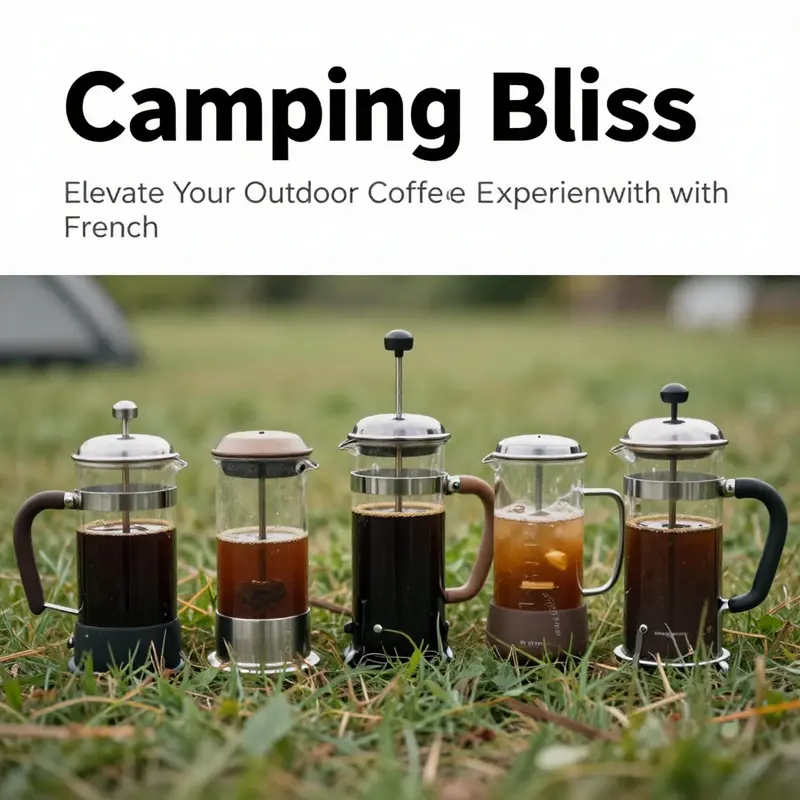
Within this landscape, three archetypes repeatedly emerge as popular choices for camping: a large, rugged press that functions as a communal brewing station; a lightweight titanium model designed for hikers and solo trekkers; and compact stainless steel kits that blend durability with portability. Each addresses a different itinerant life, yet all honor the core promise of the French press: rich extraction without electricity, just heat, time, and a little patience. The large-capacity style shines when the camp becomes a little kitchen for several people. It is a sturdy vessel that handles a crowd without forcing everyone to wait for a fresh pot. The integrated design—the handle, the pour spout, and the cup set all factor in—transforms coffee brewing into a shared ritual rather than a daily chore. The stainless steel kit, with its insulated sleeve and sometimes collapsible components, offers practical convenience. It is built for field cleanup and resilience, able to withstand a few bumps on the trail and still deliver a consistent, full-bodied coffee. And for the backcountry purist, a titanium press delivers a compelling blend of lightness and strength, resisting corrosion and keeping heat more efficiently. In weight-sensitive trips, the titanium option earns quiet respect for how little it adds to the pack while still preserving the essential oils that give a coffee its character.
The essence of choosing comes down to context. If your plan includes a family-friendly camp spread—hiking during the day, then returning to a shared fire—an 32-ounce capacity can be a practical anchor. It accommodates multiple cups without multiplying gear, letting conversations lengthen as the aroma drifts through the campsite. The robust construction makes it a reliable workhorse on rough ground, and the included cups or accessories simplify the morning routine so everyone learns to savor the moment rather than rushing to brew again. On the other hand, a solo trek or a long-distance itinerary benefits from a lighter press. A compact titanium model, nimble enough to tuck into a daypack, keeps weight down while preserving heat and aroma. It drinks coffee with rhythm and restraint, a reminder that even after miles of trail, good coffee can come from a small, well-made instrument. For campers who prize organization and enduring resilience, a stainless steel portable kit offers a balanced compromise. The consistent performance, ease of cleaning, and protected storage space for mugs turn camp coffee into a repeatable, dependable routine rather than a question of improvisation.
No matter the form, the brewing approach remains consistent, which is perhaps the most important point for anyone serious about rich, outdoor coffee. Start with a coarse grind to prevent fines from slipping through the mesh. Heat water to just below a boil, not a screaming boil, since boiling water can scorch delicate oils and muddy the final cup. A brief bloom, where a splash of water wets the grounds and allows them to swell, helps unlock the coffee’s initial aroma. Then add the rest of the water and let the brew steep for about four minutes. Four minutes is a reliable baseline that tends to yield a balanced cup—neither under-extracted nor over-extracted. When the moment comes to press, do so slowly and evenly. Keep the plunger aligned with the sides of the pot to avoid letting grounds pass through the mesh into the cup. The goal is a careful extraction in which oils, sugars, and aromatic compounds mingle without becoming overpowering or bitter. The result, when done with attention, is a cup that carries the mouthfeel reviewers describe as rich and velvety, the very texture that makes outdoor coffee feel substantial and indulgent rather than merely functional.
Brewing at camp also asks for a few field-smart habits that safeguard flavor. Rinse the press and mugs after each use, then dry and store with air circulation to limit any moisture that could invite rust or odor. Pre-warming the vessel with hot water before the grounds go in helps stabilize temperature through the brew, supporting a more even extraction. A quick rinse of the cups with hot water after pouring cleans lingering oils that could dull future cups, especially on cooler mornings when the air steals heat from your cup. These small steps matter; they compound into a more consistent, calmer coffee ritual that you can repeat almost anywhere. The human element here matters as much as the hardware. The press asks for attention, but it rewards patience, turning a rugged landscape into a place where a cup of coffee becomes a small, deliberate act of care.
For readers who want a broader sense of gear options beyond the press, a practical guide on portable coffee makers highlights how compact gear choices fit into outdoor routines. See the guide on Best portable travel coffee makers for great coffee on the go. This resource helps frame how the camping press sits within a spectrum of devices designed for reliability, ease of use, and the comfort of rich coffee on the move. The point remains clear: a thoughtful selection, tailored to how you camp, can preserve the depth and mouthfeel you seek in every cup, regardless of the terrain.
In the end, the choice among these camping presses comes down to how you plan to drink your coffee in the field. If coffee is a shared ritual and warmth a priority, a larger, robustly built model with a built-in cup set can anchor the morning and simplify cleanup. If the journey is driven by light travel and long days, a compact titanium press offers portability without sacrificing the signature richness. For those who value practicality and durability in equal measure, a stainless steel kit presents a dependable, all-in-one solution that travels well and cleans easily. In every configuration, the core aim remains consistent: to extract a balanced blend of oils, sugars, and aromatics that set the day in motion with a sense of calm, focus, and real depth. This is the promise of the camping French press—an uncomplicated tool that makes a complex, delicious cup possible even in the wild. External resources provide a broader window into gear markets and options for camping setups, including one listing that illustrates the range of outdoor equipment available to campers worldwide: https://www.alibaba.com/wholesale/butane-canister-camping.html
Final thoughts
In summary, a French Press offers an unmatched coffee-drinking experience while camping, enhancing your tie to nature with each rich sip. Its ease of use, portability, and ability to produce full-bodied coffee make it an essential addition to any campsite. Adopting the right maintenance practices will prolong your French Press’s life while selecting the right model will ensure it suits your camping needs. As you venture out into the wild, don’t forget to brew your perfect cup of coffee—a genuine pleasure that enhances both the moment and your outdoor adventure.