
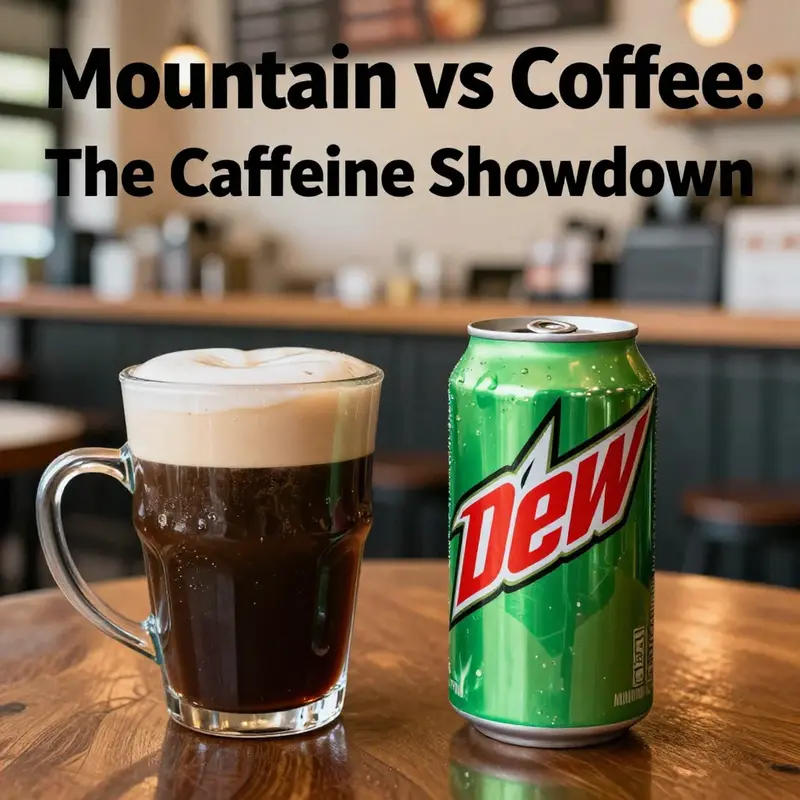
For business owners, understanding the caffeine landscape is crucial in determining beverage offerings that appeal to customers and enhance productivity. Mountain Dew and coffee are two popular choices, each bringing a unique set of characteristics to the table. This article delves into the comparisons of caffeine content, flavor experiences, and health implications of these beverages. The insights from these chapters will equip business owners with the knowledge to make informed decisions regarding their beverage selections.
The Caffeine Spectrum: Decoding the Difference Between a Citrus Soda and a Cup of Coffee
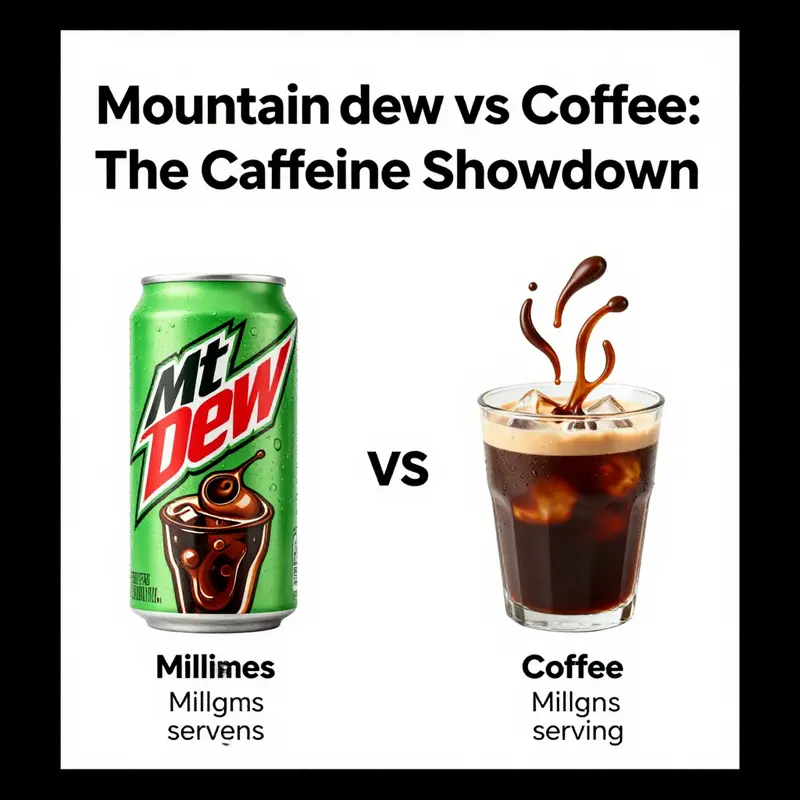
Caffeine is a small molecule with a big voice in how we feel and perform, but the power of a caffeine boost is not the same from every drink. When we compare a popular neon citrus soda with a cup of coffee, we are really looking at how serving size, formulation, and context shape the experience of alertness, mood, and energy. The conversation becomes less about a single number and more about how those numbers translate into everyday choices. A can of the citrus-flavored, caffeinated soft drink delivers a quick, recognizable jolt through a combination of caffeine and sugar, while coffee tends to offer a more intense, often longer-lasting stimulant effect, shaped by brewing method and bean type. Reading these differences clearly requires stepping back from the bottle or cup and examining the math, the biology, and the behavior that drive caffeine intake in real life. The arithmetic is straightforward, but the implications are nuanced, and that nuance matters when you are trying to balance productivity, sleep, appetite, and overall health. In essence, the story of caffeine in these two beverages is a story about context as much as about content. It is about when you drink, how much you drink, and what else accompanies the caffeine—whether it is sugar, fat, or the ritual of brewing and savoring a cup of coffee that frames the experience. To anchor the comparison, consider the standard serving sizes that most people actually consume: a 12-ounce can of the neon citrus soda and an 8-ounce cup of brewed coffee. This framing matters because caffeine content is not a single fixed quantity; it scales with the amount you pour, the product formulation, and even the way you prepare a brew. The numbers tell a story, but the narrative that follows connects those numbers to human experience, behavior, and choice. For those who want a quick reference, the data show that the neon citrus soda carries roughly 54 to 55 milligrams of caffeine in a 12-ounce can. This places it squarely in the upper tier for soft drinks, a level reached by only a subset of caffeinated beverages in that category. In contrast, a standard 8-ounce cup of brewed coffee clocks in around 95 to 120 milligrams, depending on factors such as bean roast, grind size, water temperature, and extraction time. In other words, the coffee cup commonly carries almost twice as much caffeine as the can of citrus soda, and in some cases more than double. The magnitude of the difference is not merely a matter of curiosity; it shapes how people use these drinks in daily life. If the goal is a swift, measurable wakefulness to power through a long meeting, a coffee routine is often the more potent starting point. If the goal is a gentler, more manageable lift to ride out a mid-afternoon slump, the citrus soda can fit that niche—still providing caffeine, but with a different flavor profile, a different energy curve, and different added sugars. This is not to say one beverage is universally superior in caffeine delivery. Instead, it is to acknowledge that caffeine is a stimulant whose effects are modulated by context—by what else is in the drink, by how quickly the caffeine hits, and by how long the effect lasts. The timing of the boost matters as much as the size of the boost. Caffeine is rapidly absorbed in the small intestine, and peak blood levels are typically reached around 30 to 60 minutes after ingestion. From there, the experience unfolds within a window that can range from a couple of hours to several hours, depending on metabolism, tolerance, and concurrent factors such as sleep debt and stress. A standard coffee intake in the morning may align with the body’s natural cortisol rhythm to produce a more pronounced alertness, while a mid-afternoon dose of caffeine can help counter fatigue that builds as the day wears on. The citrus soda, with its sweet flavor and carbonation, tends to deliver sugar alongside caffeine, a combination that can yield a more immediate but shorter-lived energy boost for some people. Sugar can create a quick spike in blood glucose, followed by a rebound dip for those who are sensitive to glucose fluctuations. Coffee, by contrast, often arrives without sugar or with small amounts, depending on how it is prepared. Even when prepared with sugar, coffee can be consumed in varied forms—from black or with a touch of milk to sweetened, flavored varieties—that alter not only taste but also the metabolic and caloric context of caffeine intake. When we talk about the numbers, we must also account for the fact that caffeine content can vary within each category. A 12-ounce can of the citrus soda is typically consistent because it is a pre-formulated product. Yet even within coffee, the caffeine range is broad: a drip brew, a typical standard, is usually in the 95-milligram territory, but that can swing widely from 80 to 200 milligrams depending on coffee-to-water ratio, grind, and brew time. An espresso shot—often around 1 ounce—holds roughly 60 to 75 milligrams of caffeine by most standards, and a doppio (double shot) doubles that. For those who drink multiple shots in a single drink, that single beverage can easily surpass a standard coffee cup’s caffeine content. This variability matters because it changes how people manage caffeine intake across the day. The same person who drinks a cup of drip coffee in the morning might return for another cup later in the day or opt for a smaller, flavored beverage with caffeine in the afternoon. A quick glance at the numbers can be misleading if we forget that the serving size and the preparation method are part of the puzzle. Beyond the arithmetic, the choice between the neon citrus soda and coffee is also shaped by other sensory and experiential factors. The citrus soda’s appeal lies in its crisp, tingling mouthfeel, its sweetness, and the effervescent fizz that can feel playful and refreshing during a hot day or a busy afternoon. The experience is immediate and sensory, a little comfort in carbonated form that can be part of a routine—snack, sip, and surge. Coffee, in contrast, carries ritual and aroma. The sensory experience of grinding beans, the hiss of the coffee maker, the warmth of a mug, and the bitter, complex flavor profile provides a different kind of stimulus that is not reducible to caffeine content alone. Some people report that coffee’s effect feels more sustained and even, potentially due to the sensory and psychological cues of the brewing ritual, while the citrus soda’s effect can feel zippier and shorter-lived, especially when sugar is involved. The framing of caffeine as a stimulant is useful, but it is not the whole story. Caffeine does not act in a vacuum. Its effects interact with sleep history, stress levels, caffeine tolerance, and even the time of day. A person who has not slept well may experience a heightened sensitivity to caffeine, which can intensify perceived wakefulness but also worsen jitteriness or anxiety. Conversely, chronic consumers may notice diminished subjective effects even when the same dose is consumed, a phenomenon known as tolerance. In the long run, tolerance can influence not only how alert one feels but how the body metabolizes caffeine, which depends on genetic factors and liver enzymes. Those who metabolize caffeine quickly may experience a shorter-lived effect, while slow metabolizers may feel prolonged stimulation. The sugars and calories that accompany caffeine also color the overall impact. A can of the neon citrus soda, with its sugar content, adds energy in the form of calories and can influence insulin response, which if misaligned with activities like exercise or sleep can lead to different perceived effects than a sugar-free or lower-sugar coffee preparation. In some cases, caffeine’s subjective impact is shaped by expectation and learned response. People who anticipate a strong jolt may perceive a stronger effect, while those who expect a milder lift may be pleasantly surprised by a more measured rise in wakefulness. This psychological dimension matters because it can amplify or dampen the actual stimulant effect that caffeine exerts through neurochemical pathways in the brain. The caffeine molecule blocks adenosine receptors, reducing the sensation of fatigue, and it also increases the release of other neurotransmitters like dopamine and norepinephrine, which contribute to improved attention, faster reaction times, and a sense of mental clarity. The extent of these changes depends on dose and context. For some, the combination of caffeine with sugar and carbonation may also affect perceived energy because rapid digestion of simple carbohydrates delivers a quick energy pulse that intersects with caffeine’s neurostimulatory effects. For others, the absence of extra calories or the presence of a balanced dietary pattern may produce a more consistent, less fluctuating energy experience. This complexity matters for people who rely on caffeine as a daily tool for focus, study, or work. It also matters for those who must manage sleep hygiene or who are sensitive to sugar or caffeine’s cardiovascular effects. The practical implication is simple: if you want a stronger, longer-lasting lift, coffee is generally the more reliable option per standard serving, because the caffeine per serving tends to be higher and the pharmacokinetics can support a more sustained level of alertness, particularly when brewed with attention to extraction and grind. If you want a lighter, quicker, and more palate-pleasing boost that also carries a sweeter profile, a citrus-flavored caffeinated drink offers a compromise. It is not solely about caffeine; it is about how much of that energy you want and when you want it. The numbers underpin a broader lifestyle choice: caffeine is a tool, and like any tool, it works best when used with awareness of its timing, context, and trade-offs. To help readers navigate this choice, a practical approach is to map caffeine needs to activity and sleep patterns. If your schedule demands early morning concentration and you want a robust signal, a coffee routine that uses brewing methods and bean varieties to reach the upper end of the typical range can be appropriate. If your day includes social events, meetings, or travel where you prefer something lighter or more flavor-forward, a citrus-favored, caffeinated beverage can fill the slot without pushing you toward the upper end of caffeine exposure. Yet even this practical framework should be tailored to individual tolerance and health considerations. The concept of daily caffeine limits is a useful guide: many health authorities recommend staying around 400 milligrams per day for most healthy adults, though individual tolerance can push some people toward much lower levels. For those who are sensitive to caffeine, even lower totals may be advisable, and for those with certain health conditions or who are advised by health professionals to limit caffeine, the comparison between these two beverages becomes even more relevant. The takeaway is not simply a comparison of numbers but a reflection on how those numbers integrate with goals, routines, and health. In a world where beverages are not just about calories or caffeine but about identity and mood, the choice between the neon citrus soda and coffee can signal different priorities. Do you need a rapid, palate-pleasing lift to power through a daunting task? Do you prefer the ritual and depth of a well-pulled cup, or do you want a lighter, sweeter option that still keeps you moving without a heavy aftertaste? These questions, once anchored to the caffeine data, become practical guidance rather than theoretical debate. For readers seeking a concise reference while evaluating their own caffeine intake, a helpful note is that even within each category, there is variation. A single 12-ounce can of the neon citrus soda contains roughly 54 to 55 milligrams of caffeine, a figure that places it above many other soft drinks but well below a typical coffee serving. In the context of daily planning, this means that a couple of drinks during the day can accumulate caffeine in this range without approaching the high end of coffee’s typical range, though the sugar load and overall caloric impact must be considered. A standard 8-ounce cup of brewed coffee, by contrast, commonly exceeds 90 milligrams and can approach or exceed 120 milligrams depending on the method and beans. In practical terms, that means a single coffee drink can often supply more caffeine than a full can of the neon citrus soda, and multiple coffee drinks during a day can quickly push total caffeine intake well beyond the amount delivered by several sodas. The story, then, is not simply who wins in a head-to-head caffeine count, but how people use each beverage in the rhythm of their day. For readers who want the most precise information for planning or for comparing specific products, the data described here align with the broader trend: coffee delivers more caffeine per standard serving than the neon citrus soda, and the difference becomes most meaningful when considering how much you drink across a day, what else you consume with it, and how your body responds. The numbers matter, but the ultimate guidance comes from how you intend to use caffeine in your own routine. If you are building a morning habit around focus-intensive tasks, the robust caffeine load from a well-prepared cup may serve you best, especially when you factor in the sensory cues and ritual. If you are seeking a quick, flavor-forward lift without an extended energy curve, a single serving of the neon citrus soda can be appropriate, particularly in social or leisure contexts where pacing matters as much as wakefulness. The conversation about caffeine, taste, and daily consumption becomes even richer when we account for what each beverage brings beyond caffeine: flavor, sweetness, carbonation, and the social experience around each drink. These dimensions shape not only satisfaction but also how likely you are to reach for more caffeine later in the day. A morning coffee ritual, for many, is not just about caffeine but about setting a tone for the day, a moment of intentional pause before the work begins. A midday citrus-fueled option, by contrast, can serve as a refreshing pivot, offering a distinct sensory break that might be psychologically linked to productivity without overwhelming the system. And while the raw numbers are instructive, they are not the entire story. For people who manage dietary goals, the sugar content of the neon citrus soda can be a meaningful factor, influencing total carbohydrate intake and the speed at which caffeine is absorbed relative to other macronutrients in a meal. For coffee, the sugar and calorie profile varies widely depending on whether one drinks it black, with milk, or with sweeteners and flavors. In both cases, the broader health context, including hydration status and sleep quality, influences how caffeine feels and how long its effects last. As readers consider their own patterns, a good practice is to track not just the caffeine amount but the timing, the accompanying calories, and the subjective response. A chart on a notebook or a simple digital log can reveal whether a given beverage’s energy aligns with the intended outcome—be it alertness for a demanding task, a social moment in the afternoon, or a wind-down signal that helps transition toward rest. It is all too easy to misjudge how much caffeine one has consumed when multiple drinks are involved, especially when flavors and packaging obscure the exact content. In the end, the comparison between the neon citrus soda and coffee reveals more about daily life than about chemistry alone. It highlights how consumption patterns, taste preferences, and personal tolerance intersect to shape energy, mood, and behavior. For readers who want to dig deeper into the broader caffeine landscape beyond these two beverages, a resource that discusses caffeine content across a range of popular drinks can be a valuable companion. See the linked reference for a concise overview of caffeine content in a variety of beverages, including the citrus soda and other caffeinated options: caffeine content in MT Dew. This chapter’s focus on the math and the experience serves a larger aim: to empower readers to make informed, personal choices about when and how to use caffeine as a tool, rather than letting numbers drift without context. For those who seek a broader perspective, the topic also invites reflection on how taste, packaging, and brand identity influence consumption patterns in ways that extend beyond caffeine alone. The bottom line remains straightforward: in a standard serving, coffee typically delivers more caffeine than the neon citrus soda, making it the stronger option for a robust stimulant effect. The citrus soda provides a gentler, quicker lift with a sweeter profile and a shorter window of peak effect, which can be exactly what someone needs in a busy afternoon or during social moments when a strong, lingering buzz is not desired. These distinctions help readers tailor caffeine use to personal goals, activity demands, and health considerations, turning a simple beverage choice into a strategic decision. As with any stimulant, moderation and mindfulness matter, and knowledge of serving sizes and caffeine ranges is the first step toward responsible consumption. External resource: https://www.mountaindew.com/flavors
Electric Zest and Quiet Focus: Exploring Caffeine, Flavor, and Timing in Citrus-Fizz Versus Brewed Coffee

If you lift a can of a citrus-forward, carbonated beverage and a mug of dark, brewed coffee side by side, you’re not just choosing between two drinks. You are navigating two different philosophies of energy. One leans on bright acidity, sonic fizz, and sugars that spark a quick, electric lift. The other leans on depth, warmth, and a steadier rhythm of alertness brewed over time. The chapter that follows doesn’t pretend to collapse these into a single, simple verdict. Instead, it threads together the flavor architecture, the caffeine delivery, and the physiological tempo each beverage invites, to illuminate how the same molecule—caffeine—arrives with distinct personalities depending on the vessel that carries it. It’s a narrative of taste as much as of stimulation, and of how your body reads caffeine when you pair it with sugar, acid, and carbonation versus fats, proteins, and polyphenols that accompany coffee in daily life.
For many people, the citrus-fizz option presents an almost immediate jolt. The 12-ounce serving carries roughly 54 to 55 milligrams of caffeine, a figure that many find enough to spark a brisk mental nudge without the heavier, lingering aftertaste coffee can leave on the palate and in the mind. The presence of carbonation matters in two key ways. First, bubbles are not just a texture; they influence gastric dynamics. Carbonation tends to speed up gastric emptying in some individuals, which can translate to caffeine reaching the bloodstream somewhat more rapidly. Second, the high-acidity environment of a citrus-forward drink can interact with the stomach’s lining, potentially increasing the perception of brightness or sharpness in the stimulant experience. In other words, the jolt can feel crisper, quicker, and more transient—an energy shot with a sparkling, fizzy personality.
Contrast that with coffee, where caffeine often clocks in around 95 to 120 milligrams per typical eight-ounce cup, depending on roast, grind, and brew method. Here the delivery isn’t primarily about bubbles; it’s about a slower, more nuanced release that unfolds as the drink cools slightly and as the brain begins to respond to a rich set of cues: the aroma, the warmth, the subtle bitterness, and the ritual of preparing the cup. Coffee carries a suite of compounds—chlorogenic acids, diterpenes, lipids, and… well, compounds that science keeps cataloging—that shape the experience beyond caffeine itself. Some of these compounds can modulate the rate at which caffeine is absorbed and metabolized, nudging the overall energy curve toward a steadier, longer-lasting alertness. If the fizzy version offers a sprint, coffee tends to offer a sustained climb, with a plateau that can sustain focus across hours, especially when consumed without heavy milk or sugary add-ons that blunt the perceived acuity by adding extra calories and a sugar crash later.
The flavor profiles are not incidental. Mountain-soda-like beverages are celebrated for a bold, tangy citrus profile with a lemon-lime core and hints of grapefruit, amplified by sharp acidity and aggressive carbonation. In practice, this means a citrus-forward drink does not just taste bright; it tastes electric. Its fruit-forward punch is designed to wake up taste buds and, in turn, the palate’s neural pathways that respond to sweetness and acidity. The sugar content compounds this effect by delivering a quick energy surge that travels hand-in-hand with caffeine to create what many describe as a rapid, pronounced lift—often followed by a quicker gradient back toward baseline once sugar hits its metabolic ceiling for that serving. In this context, flavor and stimulant delivery are not separate experiences; they are synchronized elements of an energy moment that fades on a two- to three-hour horizon, especially if the drink is consumed on an empty stomach or in a high-sugar environment.
The coffee experience, by contrast, builds a slower resonance. Dark, roasted notes—chocolatey, nutty, or sometimes fruity depending on origin and roast profile—provide a sensory backdrop that can modulate one’s cognitive response. It isn’t only a matter of taste; the mouthfeel and aroma contribute to the mind’s expectation of steadiness. When you drink coffee, caffeine arrives alongside antioxidants and other phytochemicals that can influence digestion and metabolism. The absorption pathway is still intestinal, but the presence of fats from dairy or plant milks, or even the slower swallowing dynamics of a warm beverage, can blunt a harsh onrush in favor of a more prolonged peak. The end result is often a sense of clarity that feels less like a spark and more like a reliable lighthouse beam through a foggy afternoon. This does not render one option universally superior; it simply aligns each beverage with different kinds of tasks, times of day, and personal physiology.
Flavor is more than taste; it is a signal about how the caffeine will act. The citrusy, high-acid, highly carbonated beverage signals urgency. Its tartness and brisk mouthfeel prime the brain’s alertness circuits, making the first sip feel almost like flipping a switch. The sweetness plays a crucial supporting role: sugar provides a familiar, quick energy source that can mask the jittery edge that caffeine alone sometimes produces. This pairing of sharp flavor and sugar can yield a perceived amplification of wakefulness in the short term, especially when a user is already mildly fatigued or has had a late night. In practice, that’s why some people reach for this kind of drink when they need a fast, visible lift to finish a task, ride out a late shift, or power through a mid-afternoon slump that isn’t quite heavy enough to require a strong coffee dose.
With coffee, flavor cues are more forgiving in time. The aromatic and bitter notes, the warmth, and the body create an environment in which caffeine can work more quietly but consistently. The experience isn’t about a sudden crescendo; it’s about a durable rhythm. Some people find that the steady tempo of caffeine in coffee aligns with focused tasks that require prolonged attention, such as reading, analyzing data, or composing a piece of writing where a steady cognitive stream matters more than a quick, jolting spark. In these contexts, the flavor profile—roasty, earthy, sometimes chocolatey—becomes the backdrop to a longer day, not merely a trigger for immediate action. The net effect is a caffeine experience that feels less like a fireworks show and more like a steady sunrise over a landscape, gradually revealing detail rather than startling it into view.
The numbers—those small digits on a label—do not tell the whole story. They are, in a precise sense, the raw fuel. But fuel behaves differently depending on the tank and the route to the engine. A can of the citrus-forward, carbonated option delivers quick sugar and caffeine that can translate into a rapid gust of energy. The brain’s reward pathways light up when both caffeine and sugar are present, and the body’s stress response can be briefly awakened as well, sometimes producing a noticeable heart-rate uptick and a feeling of heightened tension or alertness. In contrast, a cup of brewed coffee, with its own array of natural compounds, tends to produce a more evenly distributed signal to the brain. The alertness appears as focus, endurance, and a sense of cognitive steadiness, rather than an intense initial spike.
This does not mean the choice is purely a matter of preference or taste. It is also a matter of timing and situation. If you face a packed afternoon with back-to-back meetings and a need to maintain quick reaction time, the citrus-fizz option might be the practical pick. The immediate jolt helps clear the afternoon haze and allows faster decision-making in short moments. If, however, you are tackling a long project that benefits from sustained concentration, coffee may better support prolonged mental engagement. In both cases, hydration status, stomach comfort, and how you’ve eaten that day can shift the experience. A light meal can moderate the sugar spike from a citrus drink and blunt the crash by providing a slower release energy source, while a heavier breakfast or a small amount of fat can slow caffeine absorption in coffee, smoothing the curve yet again.
To understand these dynamics at a more concrete level, it helps to look at how the two beverages deliver caffeine into the bloodstream. The citrus-flavored option’s caffeine, paired with sugar and citric acid, tends to yield a rapid onset. The caffeine is absorbed quickly enough to deliver a pronounced mental lift within minutes, particularly when the stomach is relatively empty. The crash, if it arrives, often follows the sugar metabolism timeline, typically within an hour or two, unless mitigated by additional nutrition or activity. Coffee, on the other hand, presents a different absorption profile. Its caffeine interacts with a matrix of compounds that can slow the pace slightly, especially when consumed with dairy or fat, leading to a smoother, longer-lasting effect. The brain feels steady, the focus intact, and the sense of fatigue recedes in a steadier fashion. It is not uncommon for coffee drinkers to report a lingering sense of wakening hours after the initial sip, a byproduct of the compound-rich beverage journey as well as caffeine itself.
The practical implications for daily routines are clear enough: if you need a quick spark to push through a looming deadline, a citrus-forward, carbonated option can be a practical choice. If you need sustained focus across a longer stretch, coffee is often the more reliable ally. A thoughtful approach might involve using both strategically, reserving the citrus drink for moments when time is tight and the energy clock is ticking, while keeping coffee handy for the hours that demand consistency and mental endurance. The real art is not in choosing one over the other in perpetuity but in understanding when each beverage aligns with the task at hand and with your physiology.
For readers who want a closer look at the underlying numbers and how they relate to real-world experiences, a quick dive into the caffeine content figures can be enlightening. The citrus-forward option clocks in around the mid-50s milligrams per 12-ounce serving, while brewed coffee typically lands well above that range. However, caffeine is only part of the equation. The surrounding ingredients—sugar, citric acid, carbonation in one case; antioxidants, oils, and various aroma compounds in the other—shape the ultimate effect on mood, energy, and cognitive function. A nuanced appreciation of these factors helps explain why two beverages with a similar functional promise can feel so different in practice.
To further contextualize this comparison, consider how these beverages fit into a broader landscape of everyday caffeine sources. The citrus-fizz drink occupies a niche in which immediate energy is appealing and the social ritual of a quick, refreshing pick-me-up is valued. Coffee occupies a different niche: it stands as a staple for many who want routine stimulation that travels with the day’s pace, often at a more moderate flavor intensity but with a longer arc. This isn’t a binary choice; it’s a spectrum along which people place their own caffeine needs, taste preferences, and daily schedules. And while taste and caffeine content are central, the experience remains deeply personal—varying with mood, sleep history, metabolic rate, and even the time of day.
For those curious about the empirical basis behind these impressions, the figures cited here mirror a broader pattern observed in consumer and nutrition literature: a higher caffeine dose typically yields a stronger, longer-lasting effect, but the presence of sugar and carbonation can produce a quicker, more intense onset with a sharper decline. In practice, this means the two beverage archetypes can be used to tailor energy needs: one to spark action quickly, the other to support ongoing focus. If you’re charting a day’s energy plan, you might arrange a citrus-fizz moment at a time when speed matters, then switch to coffee to maintain momentum as tasks extend beyond the initial surge.
If you want to explore the numbers behind these ideas, you can read about the caffeine content in citrus-flavored soft drinks in more depth here. The article delves into how the caffeine amount interacts with other ingredients to shape the energy profile and how individual differences in metabolism and tolerance can alter the perceived strength of the stimulant. the caffeine content in citrus-flavored soft drinks
In sum, the flavor stories—the bright, electric taste of a citrus fizz and the dark, comforting notes of a brewed cup—are inseparable from the caffeine experiences they deliver. The fizz carries a rapid energy surge forged by caffeine, sugar, and carbonation, an immediate sensation that can brighten a late afternoon with a vivid, fast-acting lift. The brewed coffee offers a slower crescendo, a more measured ascent that supports attention and precision over a longer horizon. Both have their place in a well-rounded caffeine strategy. The best choice depends on what you’re trying to accomplish, when you’re consuming, and how your body handles the blend of stimulus and flavor in front of you.
External note: for a broader perspective on energy and flavor dynamics, readers can explore the official site that catalogs various flavors and formulations associated with this citrus-forward category. Discover flavors on the official site: https://www.mountaindew.com/flavors
Caffeine at the Crossroads: Health Implications of Mountain Dew Caffeine vs Coffee
Caffeine sits at the crossroads between a brisk, immediate jolt and a more measured, sustainable form of wakefulness. It is a molecule that can sharpen attention, quicken heartbeats, and, for some, invite a restless night if consumed too late in the day. When we compare the caffeine content and health implications of two popular sources—the citrus-flavored, fizzing beverage and a classic brewed cup—we encounter a nuanced landscape. The conversation is not simply about which drink contains more caffeine per serving; it is about how those differences unfold in daily life, how the body metabolizes caffeine, and how accompanying ingredients—sugar, acidity, and bioactive compounds—shape the overall health impact. In the simple arithmetic of milligrams per serving, a standard can of the citrus beverage delivers far less caffeine than a typical cup of brewed coffee. Yet many people reach for multiple cans or mix the beverage with other caffeinated sources, which can push total daily intake to levels that carry tangible health risks. The story of caffeine, in this sense, is less about a single number and more about patterns of use, context, and individual sensitivity.
From a purely numeric standpoint, the contrast is straightforward. A 12-ounce can of the citrus beverage registers around fifty-four to fifty-five milligrams of caffeine. An average eight-ounce cup of brewed coffee, by comparison, commonly contains roughly ninety-five milligrams, though this figure can fluctuate widely depending on the roast, grind, and brewing method. A double espresso shot might pack up to a hundred and fifty milligrams in a compact 1.5-ounce volume. In real-world terms, coffee offers a denser caffeine payload, which often translates into a quicker onset of alertness and, for some, a stronger stimulation of the nervous system. But numbers alone do not tell the full story. The experience of caffeine is shaped by how quickly the body absorbs it, how it interacts with sleep and anxiety, and how other beverage components modulate its effects.
One of the most important considerations is the daily limit that health authorities typically emphasize. For healthy adults, the U.S. Dietary Guidelines commonly point to a tolerance ceiling around four hundred milligrams per day. That threshold roughly equates to three to five cups of standard coffee, depending on cup size and caffeine content. It is a helpful heuristic, but it remains imperfect because people vary in metabolic rate, body weight, and sensitivity to caffeine’s stimulant effects. Some individuals notice jitters, palpitations, or disrupted sleep with much smaller amounts, while others tolerate higher intakes without noticeable disturbance. The practical takeaway is clear: moderation is a prudent default, and daily caffeine budgets should reflect personal response as well as a general safety framework.
The distinction between these two beverages becomes especially salient when we consider how people actually use them. Coffee is often consumed in morning routines designed around wakefulness: a ritual that concentrates caffeine early in the day, sometimes accompanied by bitter acidity, a distinct aroma, and a broad range of compounds—chlorogenic acids, diterpenes, and antioxidants—that researchers increasingly recognize as relevant to cardiovascular and metabolic health. The citrus-flavored soda, by contrast, tends to be consumed for a different experiential payoff: a sweet, refreshing fizz that offers a lighter caffeine lift, a quick mood boost, and a familiar, palate-cleansing flavor profile. This combination of caffeine with a sizable sugar load and citric acid changes the equation. It is not that one beverage is categorically healthier than the other; rather, each has its own profile of benefits and risks that become more or less salient depending on how it is consumed, in what quantity, and by whom.
A central health thread runs through both beverages: caffeine’s impact on sleep and mood. Caffeine blocks adenosine receptors in the brain, a process that reduces the perception of fatigue and can heighten alertness. This mechanism explains why a morning cup of coffee may feel particularly effective at tackling the day’s cognitive tasks, while a late-afternoon or evening ingestion can interfere with sleep quality. The same principle applies to the citrus beverage, though the lower caffeine content per serving can make the immediate wakefulness effect subtler. For some people, that gentler kick is precisely what is needed to maintain focus without provoking jitters or sleep disturbances. For others, even small amounts close to bedtime can throw off circadian rhythms, particularly if their sensitivity is high or if caffeine consumption is near their usual sleep window. In studies where participants track subjective sleepiness, mood, and cognitive performance, caffeine often improves alertness and reaction time in the short term, but the benefits tend to be balanced by later sleep disruption if the daily caffeine ceiling is approached or exceeded.
Beyond sleep, caffeine intake intersects with cardiovascular health in ways that are both dose-dependent and individual. In healthy adults, moderate caffeine consumption is generally well tolerated. Some people experience modest increases in heart rate and blood pressure that typically normalize after individuals acclimate or reduce intake. But in people with hypertension, anxiety disorders, arrhythmias, or certain heart conditions, even modest caffeine doses can have more pronounced effects. The cumulative burden matters too: consider a day in which coffee is consumed in the morning and the citrus beverage provides a mid-afternoon lift, perhaps in addition to other caffeine sources like tea, energy shots, or chocolate. The total daily load can exceed thresholds that some bodies tolerate with little issue and others cannot. This perspective reinforces the broader point that caffeine safety is less about a single source and more about total exposure, timing, and the person’s baseline physiology.
A second layer of health implications concerns the non-caffeine components that accompany caffeine in these beverages. Coffee is not simply caffeine in a cup. It contains a constellation of bioactive compounds, including chlorogenic acids, which have been studied for potential cardiovascular and metabolic benefits in moderate amounts. These compounds may influence glucose metabolism, blood vessel function, and anti-inflammatory pathways. The acidic nature of coffee can cause gastrointestinal discomfort for some people, particularly those with sensitive stomachs or gastroesophageal reflux disease. In contrast, the citrus-flavored soda brings a different set of non-caffeine considerations. While its caffeine per serving is lower, it often contains a substantial quantity of sugar, sometimes approaching or exceeding forty-five grams per twelve-ounce can. Sugar intake, independent of caffeine, has well-documented associations with weight gain, insulin resistance, and an increased risk of type 2 diabetes when consumed in excess or as part of a habitual high-sugar diet. In addition to sugar, the beverage’s citric acid contributes to dental erosion over time, a risk that can be amplified by frequent consumption and oral hygiene patterns. These sugar and acid factors are essential to understand because they color the health implications of caffeine beyond its stimulant properties. The discussion, therefore, cannot rest on caffeine alone; it must also account for the nutritional and chemical context in which caffeine is delivered.
The broader health trajectory becomes especially relevant when we consider certain populations. For pregnant individuals, the guidance is stricter. Many health authorities advise limiting daily caffeine intake to less than two hundred milligrams during pregnancy, given the potential associations with fetal growth and development. In the context of these two beverages, that ceiling translates into careful calculation: a few sips of coffee could push some individuals over the limit, while a few can of the citrus beverage could as well if consumed across a long day with other caffeine sources. For people with anxiety disorders, caffeine’s stimulant effects can intensify symptoms such as restlessness or nervousness. Those with insomnia might find that even a moderate caffeine load disrupts sleep, creating a cascade of daytime fatigue and daytime mood instability. For individuals with acid-related gastrointestinal issues, the acidity of coffee can exacerbate symptoms; the citrus beverage, while less acidic on the whole, still carries citric acid and sugar that can irritate sensitive stomachs or contribute to reflux for some.
In presenting these considerations, it is crucial to acknowledge that caffeine safety is not a one-size-fits-all matter. Tolerance varies widely because metabolic rate, enzyme activity (particularly in liver pathways that metabolize caffeine), and body mass all shape how quickly caffeine is cleared from the system. A person with a fast metabolism may experience a brief spike in alertness and a quick return to baseline with little discomfort, while someone else may feel jittery or experience sleep disruption even at lower intakes. Understanding personal response is essential to making informed beverage choices. Health professionals encourage experimenting with timing, quantity, and sources to identify an individualized balance that supports daily functioning without compromising rest, sleep quality, or cardiovascular comfort.
Another important nuance lies in the potential additive effects of caffeine from multiple sources throughout the day. The citrus beverage, while modest in caffeine per can, is frequently consumed in larger volumes or paired with other caffeinated products. This pattern can unintentionally raise total caffeine intake to levels that exceed the recommended daily ceiling, especially for individuals who drink several cans or combine the beverage with coffee, tea, or energy products. Conversely, a few cups of coffee can deliver a robust caffeine dose that sustains wakefulness for several hours but might also invite sleep disruption if consumed late or if an individual is particularly caffeine-sensitive. The practical implication is that people should monitor not only the individual drinks they choose but also their cumulative caffeine intake from all sources. A simple daily log or a quick calculator check can help maintain a total that aligns with personal health needs and general guidelines.
From a public health perspective, the message remains one of mindful consumption. Both beverages can be part of a balanced approach when used thoughtfully. Coffee, with its nutrient companion compounds and the potential for antioxidant benefits in moderation, can be a healthy staple for many, particularly when prepared in a way that minimizes added sugars and excessive acidity for sensitive individuals. The citrus-flavored soda, though appealing to those who enjoy a sweet, fizzy pick-me-up, carries a larger sugar burden and acidity that should be weighed against its caffeine content, especially for individuals prone to dental issues, metabolic concerns, or digestive sensitivity. The key is not to demonize either option but to recognize the trade-offs and tailor choices to personal health objectives and tolerances.
To that end, public health guidance and credible scientific resources emphasize that keeping caffeine intake within individualized, sensible bounds is prudent. The official stance on caffeine safety underscores that, for most healthy adults, occasional indulgence in either beverage is not inherently dangerous when moderation governs, daily totals are managed, and sleep is safeguarded. When health concerns or specific life stages are in play—pregnancy, cardiovascular conditions, anxiety disorders, or gastrointestinal sensitivity—engaging with a clinician or nutrition professional to calibrate caffeine sources and timing becomes especially valuable. In this nuanced landscape, understanding the caffeine content per serving, the broader macronutrient and acid profile, and the overall dietary pattern helps individuals make decisions that support their daily performance while protecting long-term well-being.
For readers seeking a broader context beyond the numbers, the research landscape offers a practical reminder: the way people use caffeine matters as much as the amount they consume. This means recognizing that a single can or cup is rarely the sole determinant of impact; instead, it is the pattern of use across a day, week, and month that shapes outcomes. In this light, the choice between a cup of coffee and a citrus-flavored soft drink becomes a question of not only how much caffeine you want but also what other nutrients and factors you want to accompany it. Do you prefer the robust, aromatic profile of coffee with its constellation of bioactives, or do you favor a lighter, sweeter beverage that provides a crisp lift with fewer milligrams per serving but a higher sugar load? Either choice can be compatible with healthful routines when approached with awareness and moderation.
As you reflect on personal goals—whether to improve alertness for demanding tasks, manage sleep schedules, or support a heart-healthy lifestyle—the most reliable guide is to pay attention to your body’s signals and to measure daily intake rather than chasing a single-product solution. The science suggests that caffeine can be a useful tool when used prudently, with attention to dose, timing, and the broader dietary context. Whether your daily rhythm leans toward coffee or toward the citrus-flavored option, the goal remains consistent: align caffeine use with your unique physiology and health priorities, and treat treats, stimulants, and sips as pieces of a larger nutritional puzzle rather than as standalone fixes.
For readers who want to explore the topic further and compare the caffeine content of different beverages in greater depth, a broader discussion is available through dedicated resources that summarize how caffeine content varies across popular drinks. This broader overview can help individuals calibrate expectations about what a “normal” serving provides and how to plan a day that stays within personal comfort levels while preserving energy, mood, and sleep quality. The conversation about caffeine is ongoing, but the core message endures: informed choices, mindful timing, and awareness of total daily intake empower better health outcomes when navigating the world of coffee, citrus-soda caffeine, and beyond.
External reference and further reading: For a concise overview of caffeine safety guidelines and sources, consult the U.S. Food and Drug Administration’s current information on caffeine, which provides up-to-date data on safety limits, sources, and consumption considerations. https://www.fda.gov/food/food-additives-petitions/caffeine
Internal resource for readers who want a deeper dive into the caffeine content comparison between coffee and citrus beverages is available here: Coffee-vs-mountain-dew. This article offers detailed exploration of how caffeine quantity translates into real-world effects, addressing not only milligrams but also context, health implications, and daily-use patterns that influence how people experience these popular caffeinated choices.
Final thoughts
In summary, understanding the differences between Mountain Dew and coffee can facilitate better beverage choices for your business operations. With coffee delivering a higher caffeine content, it may appeal more to those seeking strong stimulation, while Mountain Dew offers a refreshing, sweeter alternative. Business owners should align their offerings with customer preferences, aiming to create a balanced beverage menu that satisfies diverse taste preferences and energy needs.