

Understanding the caffeine content in Diet Mountain Dew is crucial for business owners in the beverage industry. This popular soft drink contains approximately 55.2 mg of caffeine per 12 fluid ounces, a level positioned as moderate compared to energy drinks and some coffee varieties. Knowledge about this caffeine content can aid business decisions, assist in marketing strategies, and enhance customer communication. In the following chapters, we will analyze how much caffeine Diet Mountain Dew actually contains, compare its caffeine levels with other beverages, and discuss the potential health implications that this caffeine content may carry for consumers.
Tracing the Caffeine Footprint in Diet Mountain Dew: How Much Stimulation Lurks in a 12-Ounce Can
Every sip of a fizzy, sugar-free beverage carries more than a momentary tang of flavor. It carries a chemical guest that travels through the body with a predictable vigor: caffeine. Diet Mountain Dew sits squarely in the conversation about caffeine in everyday drinks because it blends familiar Mtn Dew flavor with a light, sugar-free formula. The core question readers often ask is simple but not always visually obvious: exactly how much caffeine does a standard can contain? The answer, based on a body of lab analyses and product data, is that a 12-ounce (355 mL) can of Diet Mountain Dew delivers about 54 milligrams of caffeine. That translates to roughly 4.5 milligrams per fluid ounce, a metric that makes it easier to compare across beverages that use caffeine as a differentiator rather than as flavor enhancers alone.
To understand what those numbers mean in practice, it helps to place them in a broader context. The caffeine content of Diet Mountain Dew sits in a middle ground. It is higher than many diet sodas, such as Diet Pepsi and Diet Dr Pepper, but it remains below the energy-boosting levels found in most energy drinks. When lined up against its own regular counterpart, Mountain Dew, the figure appears almost identical: both the diet and regular versions hover around the mid‑50s milligrams per 12-ounce can. This is not a label that shouts “high-energy drink” the way some beverages do, yet it is a meaningful amount for a soft drink that many people consume daily. In the literature, Diet Mountain Dew is frequently cited at approximately 54 mg per 12-ounce can, with some sources reporting a narrow range that spans 54 to 56 mg per 12-ounce serving. A classic study in Food Chemistry by KH Chou in 2007 highlighted this range, and subsequent data from mainstream nutrient databases corroborates a figure in the same neighborhood.
The precise number you’ll encounter can vary by a few milligrams depending on formulation and regional differences. The standard U.S. version is widely recognized to carry about 54 mg per 12-ounce can. Some analyses and product listings round to 55 mg, and in a few cases you’ll see a mention of 56 mg. Those fractions matter little in most daily calculations, but they are the kind of detail that matters when you’re tallying caffeine intake across a busy day. The practical takeaway is that Diet Mountain Dew is a moderate caffeine source. It isn’t a late-night wake-up call, nor is it a negligible amount if you’re trying to limit overall caffeine intake. For a person who drinks one can, the caffeine contribution is about the same as a strong cup of decaf coffee—enough to be noticeable, but unlikely to push most individuals into a caffeine-overload zone on its own.
To compare this more clearly with other beverages, consider how Diet Mountain Dew stacks up against the others in the same family. Diet Pepsi, a prominent diet cola, contains about 36.7 mg per 12-ounce serving. Diet Dr Pepper clocks in at around 44.1 mg per 12-ounce serving. A traditional Mountain Dew, the non-diet version, carries roughly the same caffeine content as its diet sibling—about 55 mg per 12-ounce can. The pattern is straightforward: Diet Mountain Dew’s caffeine content is greater than many “diet” competitors but remains lower than or similar to the caffeinated beverages that have built their identity around a high-energy push. This relative positioning helps explain why fans of Mountain Dew often gravitate toward the diet variant when they want the flavor profile without the extra sugar while still wanting a noticeable caffeine kick.
All of these figures are anchored in lab-backed analyses that quantify caffeine using standard, consistent laboratory methods. They also align with data you’ll encounter in official product information and in consumer Q&A forums where people confirm the 54 mg figure for a 12-ounce can. The consistency across independent reports provides confidence that the 54 mg figure is a solid baseline for the standard U.S. version. Yet the caveat remains: formulation tweaks, regional production differences, or even batch-to-batch variance can nudge the caffeine content by a milligram or two. It’s a reminder that numbers on a label describe an intended target more than a guaranteed ceiling or floor for every single can.
For readers who want to visualize the caffeine mass in tangible terms, consider this analogy: if you poured the caffeine out of two 12-ounce cans and combined them, you would approach the caffeine content of a modest cup of coffee—enough to register on the scale of stimulating beverages but not in the realm of heavy caffeine loading. In practical terms, one Diet Mountain Dew can delivers a similar caffeine dose to a standard cup of coffee from a generic brew, but with the advantage of zero sugar and a crisp, distinctive taste. The absence of sugar means the caffeine comes without a glucose spike, which is a factor some consumers weigh as they plan caffeine intake around meals, workouts, work schedules, and sleep patterns. This distinction—between sugar content and caffeine content—becomes meaningful when people start syncing their caffeine consumption with daily routines and individual sensitivity.
The discussion would be incomplete without acknowledging how people parse caffeine in beverages that share a familiar taste landscape. In the world of soft drinks, flavor and stimulation often walk hand in hand. The caffeine piece adds a layer of consideration to the everyday choice: do you want a bit more alertness, a specific flavor, or simply a drink that avoids sugar? The answer varies widely from person to person and can change with age, health, caffeine tolerance, and even time of day. For instance, someone who is caffeine-sensitive or who consumes caffeine late in the day may prefer a beverage with a lower caffeine footprint. Others who are mindful of overall caffeine budgets might tally the total across all sources, including coffee, tea, chocolate, and even certain foods. In this context, Diet Mountain Dew offers a straightforward, predictable option: a mid-range caffeine serving that is easy to track alongside other daily caffeinated items.
If you want to explore how the caffeine story of Diet Mountain Dew fits into a broader caffeine landscape, you can consult related discussions that place Mountain Dew in dialogue with other popular beverages. A resource aimed at clarifying caffeine content across Mountain Dew variants can be particularly illuminating for readers who want to compare the diet and regular forms side by side, or who want to see how Mountain Dew stacks up against cola beverages. Within the internal content of this article, you may encounter a deeper dive into the caffeine content of MT Dew that links to the broader dataset on Mountain Dew products. For readers seeking a quick reference point, the concept of “caffeine per ounce” is especially helpful. With roughly 4.5 mg per ounce, Diet Mountain Dew provides a consistent metric that you can multiply by the size of your serving to estimate your daily caffeine load with confidence. If you want to check a broader context for these figures, you can explore the relative caffeine content of MT Dew in a dedicated post that presents a concise comparison: caffeine content MT Dew.
Beyond the numbers, there is a practical rhythm to caffeine consumption. Some people enjoy a can with breakfast or mid-morning to help focus on tasks, while others reserve caffeine for later in the day to avoid sleep disruption. The 54 mg per can figure means that a habitual consumer who toggles between multiple beverages may accumulate a noticeable caffeine load without surpassing general daily recommendations for most adults. Health guidelines commonly cited in public discourse advocate a cautious approach: up to about 400 mg of caffeine per day for healthy adults is often described as a reasonable upper limit, with adjustments for individual sensitivity, age, pregnancy status, and medical advice. In that framework, a couple of Diet Mountain Dew cans might be manageable for many people, whereas adding multiple other caffeinated sources—espresso, tea, energy drinks, or caffeinated snacks—could push daily totals toward the upper end. The math is simple and personal: multiply the per-can caffeine by the number of cans you routinely consume, then add caffeine from other beverages and foods, and you’ll have a reliable snapshot of your daily caffeine exposure.
The numbers also invite reflection on the way products are marketed and labeled. Caffeine content is a chemical detail, but it becomes part of the consumer narrative when people plan, schedule, and balance their caffeine intake. The Diet Mountain Dew profile—a clear numerical target with small margins of variation—empowers readers to make informed choices without needing to recalibrate their entire day around guesswork. It’s a reminder that even familiar, enjoyable beverages come with an invisible arithmetic that can influence sleep, energy, and overall well-being. In the broader arc of this article, understanding the caffeine footprint of a single can becomes a stepping stone to evaluating other drinks you might reach for in different moments of the day.
For those who want to explore this topic further, the conversation extends beyond the walls of any one brand or variant. The caffeine content for Diet Mountain Dew is not a standalone fact; it is part of a network of data points—lab measurements, regulatory databases, and consumer discussions—that coalesce into a practical understanding of how much caffeine you’re actually drinking with each can. In the spirit of clarity, readers are encouraged to approach these numbers as guidelines rather than absolutes. The tolerance and response to caffeine vary widely; what matters most is your awareness of your own sensitivity, your current caffeine load from all sources, and how the timing of intake aligns with your daily routine.
As you navigate the caffeine landscape, consider how you might apply this knowledge in everyday life. If you’re tracking caffeine for health reasons, you could start by noting how many Diet Mountain Dew cans you drink in a day and summing them with other sources. If you’re trying to curb caffeine, you might replace one can with a non-caffeinated alternative and observe how that affects focus, energy, and sleep quality. If you’re a parent or guardian, you’ll likely want to keep an eye on caffeine combinations for younger household members, particularly given guidelines that encourage moderation and awareness of caffeine intake in adolescents. The key takeaway is straightforward: Diet Mountain Dew delivers a reliable, moderate dose of caffeine—enough to be noticeable, but not so high as to dominate a typical adult day, especially when balanced with other beverages and foods.
To anyone who is curious about the broader caffeine profile of Mountain Dew variants, the topic is worth exploring in a broader context. The evolution of formula, regional differences, and the introduction of new flavors can influence caffeine content subtly over time. The core figure for the standard U.S. version remains a solid reference point around 54 mg per 12-ounce can, with the general rule that caffeine per ounce hovers near 4.5 mg. This makes Diet Mountain Dew a reliable option for those who want a flavor-forward, sugar-free drink with a predictable caffeine contribution. For readers who prefer to see the data in action and want to dive into the raw figures and cross-referenced sources, the broader set of analyses offers a welcoming map for navigating the caffeine landscape. The numbers become more than a statistic; they become a tool for mindful consumption that respects taste, energy needs, and health considerations.
External reference: https://www.amazon.com/dp/B00005J9UO/ref=askqlqfasintitle
Beyond the Brand: A Comparative Look at Caffeine Levels in a Diet Citrus Soda Versus Everyday Beverages
Beyond the Brand, the caffeine story of a diet citrus soda unfolds as a precise metric rather than a rumor. In the crowded landscape of everyday beverages, a quick lift from caffeine becomes a practical concern for many readers who want to balance alertness with sleep. The data behind that lift come from careful laboratory measurements and established databases, and they reveal a surprisingly consistent picture across brands and analyses. This chapter follows that trail, focusing on a single diet citrus soda as a case study while keeping sight of the broader spectrum of caffeinated drinks that people actually choose each day. The central number, widely cited in research and labeling, is that such a diet soda delivers about 55.2 mg of caffeine per 12-ounce serving (355 mL). This value arises from a study published in the journal Food Chemistry in 2007 by KH Chou and has since been echoed by several other beverage analyses and by the USDA’s national data compilations. The implication is not that this drink is a caffeine giant, but that it sits toward the higher end of caffeinated soft drinks while still remaining well below coffee or energy drinks on a per-serving basis. In one sense, the figure anchors the caffeine conversation in a concrete, measurable way, enabling consumers to plan their intake with more confidence than guesswork would allow.
This level of caffeine, roughly 55.2 mg per 12 oz, translates to about 4.6 mg per ounce. When you consider a standard can, the math is straightforward: 55.2 mg spread over 12 ounces yields a steady, moderate buzz that can be felt without the intensity many people seek from a cup of coffee. It is worth noting that this is not an isolated quirk of one product. Across multiple sources—ranging from peer‑reviewed laboratory analyses to labeled nutrition data—the range typically falls in the 54–56 mg per 12 oz bracket. That tight range signals a dependable formulation across brands within the category, even though individual batches can show tiny natural fluctuations. The USDA’s data, often used by nutrition professionals and informed readers, corroborates this range, aligning closely with the laboratory findings and with consumer labeling. The upshot is that this style of beverage regularly lands in a familiar zone for caffeine content among soft drinks, and it does so in a way that can be anticipated by anyone tracking daily caffeine intake.
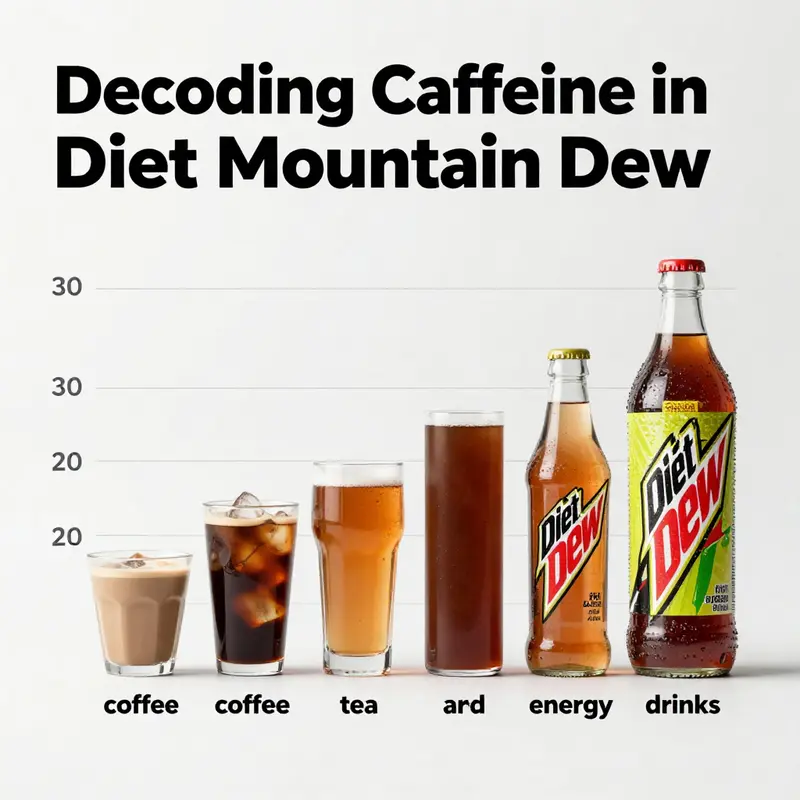
To place this caffeine load in context, compare it with other common beverages. Caffeinated colas generally present a broad spectrum, typically 30–70 mg per 12 oz. A diet citrus soda at the upper end of that range sits near the top of cola caffeine levels without venturing into the territory of energy drinks. In contrast, a regular version of the same citrus soda usually clocks in lower, around 40–50 mg per 12 oz, illustrating how reformulation or product choice shifts caffeine exposure within the same family of drinks. The contrast with tea is striking: black tea, depending on brew strength, provides <20 mg for a 1‑minute brew to roughly 20–40 mg per 8 oz for a stronger infusion. Even at the higher end, tea rarely matches the per‑serving caffeine of a full 12-ounce can of this diet soda. The most dramatic gap appears when coffee enters the comparison. Drip coffee typically harbors about 150 mg per 5 oz, a concentration that dwarfs a can of soft drink, even though the coffee is served in a smaller volume. And energy drinks, popular for their bold caffeine profiles, commonly present 80–160 mg per 8–12 oz, placing them above this diet citrus soda on a per-serving basis. Taken together, these comparisons help frame the soda’s caffeine as substantial for a non‑specialized beverage, yet modest when set against specialty caffeinated products designed for high energy output.
Diving a little deeper, the per‑ounce perspective helps demystify how a consumer experiences caffeine in daily life. If a person consumes a typical 12‑ounce can, the caffeine load is approximately 55 mg. If they sip two such cans, the total approaches about 110 mg. A careful reader might wonder about cumulative intake over the day. In that light, a couple of 12‑ounce servings, perhaps spread across afternoon and early evening, could push sensory alertness into a noticeable, but still not extreme, zone for many people. This matters because caffeine’s effects are not only a function of the dose, but also of timing, body weight, tolerance, and other dietary factors. Sleep quality and arousal patterns can shift when caffeine is consumed late in the day, regardless of the drink’s category. The numbers, then, serve as a practical guide rather than a prescription: they help people gauge how much caffeine they are starting with before adding other sources, such as tea, coffee, or energy products, into the same day.
A useful way to interpret the data is to view the diet citrus soda as a reliable, mid‑range source of caffeine within the soft‑drink family. It is energetic enough to offer a noticeable lift, yet not so concentrated as to approach the caffeine densities seen in most energy drinks or fast‑brewing coffee drinks. In that sense, the beverage acts as a bridge between lighter options, like some colas at the lower end of the caffeine spectrum, and stronger caffeinated choices that are commonly used by people seeking a more pronounced stimulant effect. The consistency across measurements—whether drawn from peer‑reviewed work, USDA data, or standard beverage analyses—makes it a dependable reference point for discussions that compare caffeine exposure across everyday choices. The broader implication is practical too: readers can translate this information into personal planning. If you know you’re sensitive to caffeine, you might moderate your intake by choosing the lower end of the soft‑drink range or by spacing out caffeinated beverages rather than stacking them in a short window. If you want more caffeine, you could turn to other categories, mindful of the higher doses found there.
For readers who want a direct, side‑by‑side sense of how this diet citrus soda compares to a specific product in the same class, a concise, dedicated reference exists that examines caffeine content in this exact type of beverage. See the in‑text exploration at caffeine-content-mt-dew. This internal resource helps illuminate not just the raw numbers, but also how manufacturers approach formulation, labeling, and the public conversation about caffeine in diet beverages. The linked piece clarifies the practical steps researchers take to measure caffeine and how those measurements translate to everyday choices.
As the data converge, a second takeaway emerges: caffeine labeling does not always capture every nuance of how individuals metabolize it. The numeric value tells you the amount present in a serving, but it does not predict how long the stimulation persists, how quickly sleep will be affected, or how it interacts with other dietary components. Caffeine’s journey from can to brain depends on absorption in the gut, distribution through the bloodstream, and the body’s own metabolic tempo. Those processes vary from person to person, influenced by genetics, caffeine history, and even the presence of other substances in a meal. With that in mind, the 55.2 mg per 12 oz figure functions best as a practical yardstick—an anchor for daily decisions rather than a definitive forecast of personal experience.
In the end, the comparison among beverages reveals a simple pattern: caffeine exists on a spectrum, and a diet citrus soda sits squarely in the middle of that spectrum for soft drinks. It is higher than many traditional colas, yet far from the extreme ends inhabited by concentrated coffee and dedicated energy beverages. It is a reminder that the story of caffeine is not a single number, but an evolving landscape shaped by product design, consumer preference, and evolving scientific understanding. The 12‑ounce serving is a useful unit to carry through conversations about daily intake, labeling accuracy, and personal tolerance. When readers step back, they see a coherent map: this drink offers a predictable, moderate caffeine boost that can fit into many daily routines without commandeering the entire day.
External resource: For a broader reference on caffeine content across beverages, see the USDA’s overview of caffeine in common drinks at https://www.usda.gov/.
From Buzz to Balance: Unpacking the Caffeine in a Diet Citrus Soda and Its Place in Everyday Consumption
Caffeine sits at the intersection of flavor, mood, and daily routines. For many, the mornings begin with a brisk, citrus-forward soda that promises a familiar lift without the sugar spike of its sugared counterparts. This is not merely a nostalgic habit; it is a small ritual that feeds into a larger pattern of daily caffeine intake. When people ask how much caffeine such a diet formulation contains, they are really asking about a modest but real dose of stimulation—the kind that can shift alertness, affect sleep timing, and influence how the rest of the day unfolds. In this light, the caffeine content of a 12-ounce serving of a popular diet, citrus-flavored soda becomes more than a number on a label; it is a piece of the puzzle about how we manage energy, appetite, and daily pressures that demand focus without overreliance on a single source of stimulation.
To ground the discussion, a consistent picture emerges from the data available in standard beverage analyses: a 12-ounce can, which is 355 milliliters, contains roughly the same level of caffeine across several reliable sources. The figure most often cited is around 54 milligrams per 12-ounce serving, with other reputable analyses reporting a close range of 54 to 56 milligrams per 12 ounces. In comparative terms, this places the diet citrus soda in a middle tier of caffeine content: less than many energy drinks that are designed to deliver a higher-energy punch, yet more than the majority of traditional colas and many noncola soft drinks. While the exact number can vary slightly from batch to batch or due to minor formulation differences across markets, the character of this caffeine contribution remains steady enough to inform daily planning and personal sensitivity considerations.
This level of caffeine is often framed as a moderate dose when viewed alongside both the broader landscape of caffeinated beverages and the typical daily exposure many adults tolerate. A standard, unsweetened cup of coffee can readily deliver 80 to 100 milligrams of caffeine in a single eight-ounce serving, and many energy drinks advertise caffeine contents that exceed 100 milligrams per can. Within that spectrum, the diet citrus option represents a gentler, steadier form of stimulation. It is sufficient to improve wakefulness and concentration for many people without drawing the same immediate heart-rate spikes or jitters that can accompany higher-dose caffeinated products. Yet it is not so modest as to be a purely negligible contributor to daily caffeine totals, especially for individuals who rely on multiple servings or who already consume caffeine from other sources.
The cognitive and mood-related effects people notice from such a drink largely line up with caffeine’s known pharmacology. Caffeine acts as an adenosine receptor antagonist, temporarily reducing the feeling of fatigue and promoting a feeling of alertness. The effect can be felt more quickly when caffeine is consumed on an empty stomach or when one’s overall caffeine tolerance is low, but it can also be subtler in regular users whose bodies adapt to daily exposure. The practical takeaway is simple: the same 12-ounce serving in the hands of a student, a commuter, or a professional can produce different experiences depending on the broader pattern of intake, timing relative to sleep, and even the presence of other stimulants in the day’s lineup.
Health implications hinge not only on the caffeine itself but on how that caffeine interacts with each person’s physiology and daily schedule. The most consistent public-health guideline, echoed across reputable sources, is that up to about 400 milligrams of caffeine per day is considered safe for the average healthy adult. That threshold is a general guideline meant to accommodate a wide range of body types, metabolic rates, and sensitivities. When a person drinks a single 12-ounce can, they contribute roughly 54 milligrams toward that daily total. If a person habitually mixes several servings with other caffeine-containing beverages—whether coffee, tea, or energy drinks—the total can accumulate quickly. A practical implication emerges: responsibly managing this dietary component means paying attention to both the caffeine count per serving and the number of servings across the day.
For some individuals, even this moderate amount can provoke noticeable effects. People with anxiety disorders, sleep disturbances, or certain cardiovascular conditions may experience heightened sensitivity to caffeine. Anxiety symptoms can intensify, sleep onset can be delayed, and even small amounts may contribute to restlessness or stomach discomfort. For these readers, moderation becomes a practical strategy rather than a rigid cap. The goal is not to shun caffeine but to align intake with personal tolerance, health status, and daily activity needs. Even among healthy adults, the timing of caffeine matters. Consuming a soda with caffeine late in the day can interfere with sleep architecture and result in a less restorative night, which in turn can blunt the daytime cognitive benefits that caffeine was intended to support.
An additional layer in this conversation concerns what else is in the beverage beyond caffeine. Diet versions of citrus sodas are marketed as sugar-free, which means they rely on artificial sweeteners to achieve their flavor profile without adding calories from sugar. The most common of these sweeteners are aspartame and acesulfame K. Regulatory authorities have evaluated these compounds and established acceptable daily intake (ADI) levels that are considered safe for consumption within the context of typical dietary patterns. The scientific discussions around artificial sweeteners often focus on long-term health effects, metabolism, appetite regulation, and mood, rather than on caffeine alone. While the FDA and other agencies have deemed these sweeteners safe within specified limits, ongoing research and diverse consumer experiences continue to fuel conversations about how artificial sweeteners interact with caffeine, gut microbiota, and energy regulation over years of regular use.
From a practical standpoint, this means readers must consider both the amount of caffeine and the other ingredients when evaluating a beverage as part of a daily regimen. If the goal is to minimize overall stimulant exposure or to avoid artificial sweeteners, moderation becomes even more important. The beverage’s sponsorship by flavor enthusiasts—its citrus-forward taste profile that many find refreshing—does not automatically align with health goals for everyone. Taste and stimulation, like so many other daily choices, operate in a delicate balance. The flavor may be a reason to choose this particular diet option, yet the caffeine content remains a separate variable to monitor alongside other sources of caffeine in the day.
For those who monitor caffeine intake closely, the path to balance starts with awareness. Reading a can’s label is a sensible first step, though for this particular beverage, the precise numbers may vary slightly by production lot or regional formulation. The general consensus among beverage-analysis sources, including those used by national nutrition databases, places a 12-ounce serving in the mid-50-milligram range. When planning daily consumption, it helps to imagine a caffeine budget. If you begin the day with a caffeine-rich coffee and supplement with a diet citrus soda, you will likely approach or exceed a third of that commonly recommended 400-milligram ceiling before noon. While not inherently dangerous, this pattern can influence sleep quality and daytime energy regulation and should be considered in the context of one’s overall health objectives.
The broader conversation about caffeine content in diet beverages also invites reflection on how marketers position these products. The choice to offer a sugar-free option in a familiar, citrus-friendly flavor profile is consistent with consumer demand for taste, convenience, and reduced caloric load. Yet the caffeine dose remains a matter of physiological impact rather than branding. The label promises a crisp, refreshing experience; the caffeine dose promises a perceptible, but not overwhelming, stimulant effect. In practice, many people experience the best outcomes when they align flavor preferences with mindful consumption, recognizing that a single can contributes to a larger daily pattern rather than dictating a solitary outcome.
A key takeaway for readers who want to keep their caffeine exposure in check is to think about timing as a co-factor. If your day already includes caffeine from coffee or tea, an additional 54-milligram can should be weighed against how close it is to bedtime. A practical approach is to taper later-in-the-day caffeine if sleep quality becomes a concern. For individuals who are more resistant to caffeine or who need to sustain focus over extended periods, the same amount can be a reliable part of a daily routine without becoming a dominant driver of stimulation. The central idea is that caffeine is a tool, not a mandate, and its efficacy is intertwined with sleep, stress, hydration, and nutrition.
In considering these patterns, it’s easy to slip into a purely numbers-driven view: 54 milligrams per 12-ounce serving, say, and that’s that. Yet the real story lies in how those numbers translate into daily life. If a person is actively managing sleep, work deadlines, and physical activity, the caffeine content of a diet citrus soda becomes a thread in a larger tapestry. It can be a helpful nudge when used judiciously, or a small contributor to a pattern of restless nights if overused or mis-timed. Channeling the information into behavior means pairing awareness with practical routines: setting a reasonable limit for the number of servings per day, choosing earlier consumption windows, and balancing caffeinated drinks with water and nourishment. This approach respects the complexity of human energy management while acknowledging that even modest doses accumulate and interact with personal health goals.
From a public-health perspective, the conversation about caffeine in diet beverages also intersects with broader dietary patterns. People often consume such beverages not as stand-alone choices but as part of a day that includes meals, snacks, and various liquids. The diet version’s lack of sugar is a relative nutritional advantage for those monitoring caloric intake or blood sugar responses, though it does not eliminate the need to consider overall caffeine exposure. The interplay between taste preferences, appetite signals, and stimulation cues makes this a nuanced topic, one that invites readers to fine-tune their intake rather than adhere to a one-size-fits-all prescription.
In summary, the caffeine content of a typical 12-ounce serving of a diet citrus soda sits in a well-defined, moderate range. It contributes meaningfully to daily caffeine exposure for many people, yet remains below the higher end of the spectrum found in some energy drinks or specialty coffee beverages. The number—roughly 54 milligrams per can—provides a reliable reference point for personal planning and for conversations about how caffeine fits into a balanced lifestyle. The real value of this information is not simply in recognizing a number on the label, but in translating that number into thoughtful consumption patterns that align with sleep, mood, heart health, and daily responsibilities. For those who want to delve deeper into the specifics of ingredients and labeled caffeine content, there are external resources that compile and compare data across beverages, offering a broader context for how a single can fits into the daily caffeine landscape.
As you continue to navigate your own caffeine choices, consider not only the amount per serving but also the cumulative impact across all sources. Track how many cans you drink in a day, what time you reach for the next caffeinated option, and how your body responds in the hours after consumption. This reflective approach—rooted in the facts about caffeine content and tempered by personal experience—helps transform a simple number into a practical strategy for health, energy, and well-being. The journey from taste to effect is not a straight line, but with a clear understanding of caffeine’s role in beverages and a mindful plan for consumption, you can enjoy the flavor you love while keeping daily stimulation in a healthy, manageable range.
For readers seeking further reading or official formulations, a direct reference to the primary product site provides a gateway to ingredient lists and caffeine disclosures in the context of broader product information. Visit mountaindew.com for the most current product details and label disclosures related to caffeine and other ingredients.
External resource: mountaindew.com
Final thoughts
In conclusion, understanding the caffeine content in Diet Mountain Dew—approximately 55.2 mg per 12 oz—allows business owners to better navigate the marketing landscape and address consumer queries. By comparing its levels to other beverages, it becomes evident where Diet Mountain Dew fits in the marketplace, thus enabling more informed business decisions. Additionally, recognizing the health implications tied to caffeine consumption can enhance product presentations and consumer relations. This knowledge empowers business owners to leverage the attributes of Diet Mountain Dew effectively in their offerings.