
Understanding the caffeine content in soft drinks like Dr Pepper Zero Sugar is essential for business owners targeting health-conscious consumers. With the rise of sugar-free beverages, differentiating products based on their caffeine levels can boost sales and customer loyalty. This article will dissect the caffeine content of Dr Pepper Zero Sugar, compare it to its regular counterpart, evaluate its position among other diet sodas, and analyze public perception towards caffeine consumption for informed business decisions.
Caffeine in Zero-Sugar Dr Pepper: A Measured Look at How a Sugar-Free Classic Delivers Its Boost
Caffeine is a straightforward yet often misunderstood ingredient in many everyday beverages. When a drink bears the label zero sugar, the mind might assume a lighter overall profile in every dimension, including caffeine. Yet in the realm of soft drinks, zero sugar does not automatically imply a mild caffeine kick. The beverage in focus—widely recognizable as a sugar-free, flavored carbonated option—delivers a caffeine presence that rivals its sugared counterpart. The most current, precise information places caffeine at 41 milligrams per 12-ounce (355 ml) serving. That exact quantity is the same as what you would find in the regular, non-zero-sugar version of the same brand. In other words, choosing the zero-sugar line does not reduce caffeine; it preserves the same stimulant boost while offering the advantage of zero sugar. This consistency matters for consumers who want a predictable caffeine experience without added sugars, and it matters for anyone tracking daily caffeine intake across a portfolio of beverages.
To put 41 milligrams into perspective, consider how this figure stacks up against other popular non-alcoholic, non-energy drinks. Diet Coke, for instance, provides about 46 milligrams per 12-ounce can, a margin that is modest but not negligible. Coca-Cola classic typically hovers around 34 milligrams per 12-ounce serving, offering a lighter caffeine profile than some of its peers. These comparisons are not merely about bragging rights; they influence decisions for morning rituals, afternoon pick-me-ups, or post-workout refueling where a precise caffeine dose matters. The reader who wants a stronger jolt might opt for an energy drink, which can easily triple the caffeine content per can, or for coffee, which varies widely but can exceed 100 milligrams in an ordinary cup. Yet the measured 41 mg in a 12-ounce serving of zero-sugar Dr Pepper keeps it in a category where caffeine is a reliable, moderate stimulant rather than a high-octane energy source.
From a formulation standpoint, the caffeine in zero-sugar beverages usually comes from the same sources used in the regular versions of the same brand. Caffeine is added to achieve a consistent flavor balance and a dependable sensory experience—bitterness, perceived brightness, and the wakeful effect all align between the sugar-free and sugared lineups. The outcome is a product that tastes like the familiar, adored flavor profile many fans expect, while offering a sugar-free alternative that does not alter the caffeine dosing. For someone building a daily routine around beverages, that equivalence across lines removes a layer of guesswork. If you enjoy the taste and want a comparable caffeine lift without sugar, the zero-sugar option provides that alignment.
Within the broader category of soft drinks, 41 mg per 12-ounce serving places this product among beverages with a relatively high caffeine content for mainstream, non-energy products. It sits above many diet or zero-sugar options that typically approach or fall below 40 mg per can, and it remains well below the levels commonly found in energy drinks, which can range from 70 to well over 100 milligrams per serving depending on the brand and can size. This distinction is not merely academic; it translates into practical decisions about how to pace daily caffeine intake. If you already consume coffee or tea and want a discrete caffeine nudge without introducing another separate category of beverages, this zero-sugar option can fit into that plan, provided you monitor total daily caffeine exposure and its cumulative effects on sleep, anxiety, or stomach comfort.
For those who want to explore this topic with more nuance, a deeper dive into the caffeine profile can be enlightening. The data point of 41 milligrams per 12-ounce serving represents a standardized measure that helps consumers compare across products. It also invites questions about serving size. A standard 12-ounce can is the baseline, but many consumers encounter smaller or larger portions in various retail settings. If you drink a larger can, or if you portion out multiple servings, the total caffeine intake scales accordingly. This simple arithmetic matters for athletes fueling performance, students staying alert during late-night study sessions, or parents managing busy households who may be juggling several caffeine sources in a single day. The bottom line remains: the caffeine content is fixed per standard serving, and understanding that baseline helps people plan with confidence.
But context matters. Caffeine interacts with a person’s physiology in different ways. Some people metabolize caffeine quickly, others slowly. Some individuals are particularly sensitive and notice jitters, jitters, or sleep disruption with relatively small amounts. Pregnant individuals are advised to consult healthcare providers about caffeine limits; general guidelines often point to more conservative thresholds during pregnancy. Even for those without special considerations, the cumulative load of caffeine from multiple sources—beverages, chocolate, certain medications, and even some supplements—can add up quickly. The 41-milligram figure is not a universal warning; it is a data point that fits into a larger tapestry of daily intake planning. By knowing the exact caffeine content, you can make informed choices about how many cans you might responsibly enjoy in a given day, especially when you are balancing work demands, family life, and sleep patterns.
Another dimension worth exploring is flavor perception. Caffeine can contribute a slight bitterness that interacts with the flavor chemistry of a classic cola-style profile. In many zero-sugar formulations, manufacturers carefully calibrate sweeteners, acidity, and carbonation to maintain an overall balance. The aim is to preserve the recognizable taste while delivering the same stimulant effect as the full-sugar version. For fans who track flavor notes, this means the zero-sugar variant is not a diluted cousin but a true close relative, engineered to deliver the same perceptual experience even as the sugar content is eliminated. The consistency between the regular and zero-sugar lines is a deliberate choice, reflecting a broader industry trend toward stability and predictability in product performance across different dietary formulations.
As readers consider their personal caffeine strategies, it’s helpful to place the chapter’s central number in a practical framework. If a person drinks one 12-ounce can per day, the caffeine intake from this beverage would be 41 mg. If other sources contribute a total of 200 mg daily, that already approaches the commonly cited upper limit for healthy adults—roughly 400 mg per day, depending on individual health considerations and sensitivity. In a practical sense, that means you could count on about ten days of this beverage alone before approaching the limit, assuming no other caffeine-containing products are consumed. Obviously real life rarely follows such neat arithmetic, but the exercise highlights how a single number—41 mg per can—translates into real-world planning. It also underscores the value of transparency in labeling, so consumers can pair this information with their own wellness goals, whether those are athletic performance, focus during work, or simply the need for a refreshing, calorie-free option when sugar is off the table.
For those seeking a broader map of caffeine content across beverages, an accessible, reader-friendly comparison can be found in related discussions that position this zero-sugar option alongside other popular choices. To explore more about how this specific product stacks up against a wide range of drinks, you can consult a dedicated resource that breaks down caffeine content in a way that complements the data presented here. If you want to take a deeper look at the precise caffeine figure for this product and how it compares to its sugar-containing counterpart, you can follow the detailed discussion linked here: How Much Caffeine in Dr Pepper Zero.
Ultimately, the chapter leaves us with a clear takeaway: zero sugar does not equate to zero caffeine in this case. The beverage preserves a beverage-grade caffeine dose that aligns with the classic flavor profile many consumers love. For fans who want a sugar-free option that still offers a substantial caffeine boost, the answer is straightforward and data-backed. The product delivers a stable 41 mg per 12-ounce serving, maintaining flavor fidelity and caffeine reliability in one convenient package. As with any caffeine-containing product, mindful consumption, awareness of total daily intake, and recognition of personal tolerance will help ensure that the experience remains pleasant and productive rather than disruptive. This alignment of taste, stimulant effect, and dietary preference demonstrates how modern beverage manufacturers can deliver on multiple fronts without compromising on the essentials: flavor, function, and choice.
External resource: For a primary reference to the caffeine content from the brand’s nutrition information, see the official page dedicated to Zero Sugar offerings: Official Dr Pepper Zero Sugar nutrition page
Caffeine Under the Microscope: Unpacking the Stimulant Punch in Zero-Sugar Pepper Soda
Curiosity about caffeine in a popular zero-sugar pepper soda is common. The short answer is yes. Caffeine is part of the formulation, and it matters for people who track their intake or rely on caffeine for focus. In recent years, manufacturers have kept caffeine in many zero-sugar colas to preserve the familiar lift and the perception of alertness, rather than rely solely on flavor or sugar. This chapter moves through what caffeine looks like in a zero-sugar version, how the numbers compare to the regular formulation, and how those figures fit into the wider world of caffeinated drinks. The aim is not to pin down a single number from a single bottle, but to understand how the caffeine story unfolds across markets, batches, and labeling conventions, so readers can make informed choices in their daily routines without guessing.
Across credible analyses, the caffeine content per 12-ounce serving varies. Some sources cite around 41 milligrams per 12 ounces, while other measurements place the zero-sugar variant higher, around 68 milligrams per 12-ounce can. The difference matters because it shifts the drink from a milder option to something closer to the mid-range of non-energy beverages when caffeine is the deciding factor for many consumers. The reason for these discrepancies is not simple. Reformulations, regional recipes, and even differences in serving size can all influence the numbers. In some markets, the zero-sugar version is tailored to mirror the regular formula’s stimulant profile, while in others the emphasis might be to provide a stronger caffeine presence to compensate for the absence of sugar’s quick energy surge. For readers who rely on precise figures for health, work, or study, this variability highlights the importance of verifying the exact milligrams in their locale and batch.
When the numbers are laid out side by side with other beverages, a clearer picture emerges. A typical sugar-free cola sits in the mid-40s for caffeine per 12 ounces. A regular sugar-sweetened cola tends to be a bit lower, often in the 30s. The zero-sugar pepper soda, in many measurements, lands toward the upper end of non-energy drinks. It remains well below most energy drinks, which frequently push caffeine higher per serving, but it stands higher than many traditional colas. This relative position matters for anyone balancing caffeine across a busy day. It provides a practical frame of reference: the zero-sugar option is not caffeine-free, and its stimulant effect depends on which market and batch you’re sipping. If your schedule includes afternoon tasks or late-evening studying, knowing where this beverage sits on the caffeine scale can guide your choices rather than relying on assumption.
Comparing the zero-sugar version with the regular formulation clarifies another point. The regular formulation typically contains caffeine in the low forties per 12 ounces, whereas the zero-sugar variant often records a higher figure in contemporary data. This suggests that switching from the traditional recipe to the sugar-free option could change your caffeine intake, even if you expect both products to be identical in stimulants. For readers mindful of caffeine balance, this is a practical reminder: the flavor profile and caffeine profile do not always march in lockstep, and a sugar-free label does not guarantee a lighter caffeine footprint. The recipe differences driving this outcome may reflect brand decisions, regional tastes, or responses to consumer feedback about energy and focus.
Label literacy becomes helpful here. The key figure is the milligrams per serving, and in many markets the standard reference is the 12-ounce can. Some regions define serving sizes differently, which can shift the labeled caffeine amount when you cross borders. For readers monitoring caffeine intake for health reasons, it is wise to consider total daily caffeine exposure rather than fixating on a single bottle. A single 12-ounce serving of the zero-sugar variant can deliver a dose that is significant for some people, whereas others who habitually consume multiple caffeinated beverages may tolerate it with ease. In practice, close attention to the label—grams per serving, serving size, and the number of servings in a container—becomes a simple habit that supports healthier daily planning. The goal is not to demonize caffeine but to empower readers to integrate it into their routines with clarity.
Beyond the arithmetic, caffeine serves as a sensory cue. It provides a subtle lift that can influence how the palate perceives flavor and the drink’s mouthfeel. For some, a caffeine-containing zero-sugar option pairs well with meals or workouts, offering a crisp finish that complements carbonation and acidity. For others, caffeine sensitivity varies, and the same sliver of stimulant can feel pronounced or negligible depending on sleep, stress, and overall caffeine load for the day. The practical takeaway is straightforward: know your sensitivity and adjust consumption to match your daily rhythm rather than chasing a hypothetical peak. This approach allows readers to enjoy the flavor while staying within personal caffeine limits.
In the wider landscape of beverages, the caffeine profile of zero-sugar pepper soda sits along a spectrum. It is distinct from energy drinks, designed to deliver a pronounced stimulant effect. It also differs from many non-coffee caffeinated beverages, which can vary more subtly in impact. By comparing caffeine content across categories—zero-sugar sodas, regular sodas, and energy products—readers gain a framework for evaluating any drink’s potential. The framework is simple: measure the serving size, check the exact milligrams, and contextualize this information within daily consumption patterns. This method can be extended to other zero-sugar products, turning a casual curiosity into a practical habit of label literacy. For readers seeking a more focused lens on the zero-sugar caffeine details, see this resource: zero-sugar cola caffeine details.
To help readers connect the dots, consider how the numbers fit into real life. If you routinely pair this zero-sugar option with other caffeinated beverages, you are building a daily caffeine budget. The drink’s exact milligrams matter, but so does the total picture: how many hours you are awake, how well you slept, and what other sources of caffeine you have consumed. The right balance will look different for a student pulling an all-nighter, a professional juggling meetings, or someone exercising in the late afternoon. The core idea remains constant: caffeine is present, it varies by formulation and region, and the best way to stay aligned with personal goals is to check the label and keep a running tally for the day.
In practice, many readers will want a quick anchor. The caffeine content in zero-sugar pepper soda is real and variable, not a fixed attribute of the drink’s flavor alone. The practical implication is simple: if you need to limit caffeine, treat this option like any other caffeinated beverage and monitor total daily intake. If you like the taste and want to avoid sugar, this option can fit into a flexible routine, but it may not always be lighter on caffeine than the regular version. Those who enjoy cross-checking caffeine levels across drinks benefit from a basic taxonomy: zero-sugar sodas with caffeine versus dedicated energy products. The plan is reliable and repeatable, yielding a clear understanding of where a given beverage sits on the caffeine map. The narrative does not hinge on a single data point; instead, it builds from multiple measurements, each contributing to a fuller picture of how this category behaves.
The larger takeaway remains useful for everyday readers. Caffeine in zero-sugar pepper soda is present and measurable, with amounts varying by region and batch. It is not caffeine-free, and its stimulant effect sits somewhere in the mid-range of soft drinks, depending on how it is formulated and where it is sold. The practical message is straightforward: read the label, compare across drinks you consume, and pace your caffeine intake to fit your daily routine. If you do this, you can enjoy the flavor while maintaining a predictable energy plan, avoiding surprise spikes or lulls caused by misjudging caffeine exposure. And as the landscape evolves, the central habit—label literacy and mindful consumption—remains your most reliable tool for navigating caffeinated beverages without losing track of health or daily goals.
Readers who appreciate a structured approach to verify caffeine content can adopt a simple checklist: confirm the serving size, read the milligrams per serving, translate that to daily intake by frequency, and consider other caffeine sources in the day. This routine makes caffeine a predictable factor rather than a wild variable. The flavor remains the constant, while the caffeine content can drift. Understanding this nuance helps you make choices that align with your energy needs and personal tolerance. As new formulations appear, the emphasis on measurement and context endures, turning curiosity into practical literacy that can be applied to many beverages in your cart. The chapter thus remains anchored in real-world decision-making, rather than abstract numbers alone.
Wherever curiosity leads, the core insight holds: zero-sugar pepper soda does contain caffeine, with a content that can vary by region and batch. It is not a caffeine-free option, and its stimulant effect sits within a spectrum shaped by formulation decisions and market demands. The practical message to readers is clear: inspect the label, compare to other drinks in your daily rotation, and pace your caffeine intake to match your rhythm. If you follow this guidance, you can enjoy the flavor and the lift without surprises, maintaining a steady course through a busy day. In the chapters that follow, we will trace how flavor, marketing, and consumer expectations interact with caffeine content, shaping a beverage landscape where sugar-free does not always equate to low stimulation and where informed choices rise above assumptions.
External resource: https://www.caffeineinformer.com/dr-pepper-zero-caffeine-content
The Caffeine Equation in a Zero-Sugar Pepper-Flavored Cola: A Closer Look at Diet Soda Stimulation
Across the spectrum of everyday beverages, the caffeine question tends to rise to the surface when people consider a zero-sugar option. The aim is straightforward: does a sugar-free, pepper-flavored cola carry caffeine, and if so, how much? The answer, when framed by the most current labeling information, is yes. In a standard 12-ounce serving, this type of beverage contains about 41 milligrams of caffeine. That figure places it in a distinct camp within the world of non-energy drinks—noticeably caffeinated, yet not an energy drink in disguise. The practical takeaway is simple: you can rely on a familiar stimulant profile in a zero-sugar option, which often appeals to those who want to curb calories or sugar while still enjoying the familiar fizz that accompanies a cola-style beverage. Yet the exact caffeine level is not a one-size-fits-all story; it sits in a dynamic landscape shaped by manufacturing choices, regional variations, and evolving labeling standards. For anyone tracking caffeine intake with care, that 41-milligram mark invites a closer look at how this beverage fits into daily routines and how it compares to other non-alcoholic, non-energy drinks.
To understand the place of this beverage in the broader ecosystem, it helps to consider how caffeine is measured and what the numbers signal for daily life. Caffeine content is typically listed per serving, with the standard reference being a 12-ounce can or bottle. This benchmark translates well into real-world consumption because many households stock beverages in cartons or multipacks that align with that serving size. When you see 41 mg on a label, it does not imply an extreme stimulant effect; rather, it indicates a moderate level of caffeine that can contribute to alertness without pushing the body into the territories often associated with larger doses or with energy-focused products. The presence of caffeine in a zero-sugar formulation also intersects with consumer expectations about flavor and sensation. People who switch from full-sugar or low-calorie options often describe a taste and mouthfeel that feels complete without sugar, and caffeine can subtly influence the perception of energy and focus that accompanies that sensory experience.
From a taste and experience standpoint, the caffeine in a zero-sugar pepper-flavored cola exists alongside the other elements that define the beverage: the pepper-like, spiced character that many describe as giving the drink its heightened sense of personality; the carbonation that adds lift and bite; and the absence of sugar that keeps the beverage from tipping into sweetness-driven afternotes. In a practical sense, caffeine is not a flavoring agent; it is a stimulant. In the context of a pepper-flavored, zero-sugar cola, it performs its usual function of offering a quick, mild wakefulness that can be part of a morning routine, a midafternoon pick-me-up, or a social beverage shared with friends. The exact experience—how soon it takes effect, how long it lasts—can vary from person to person based on genetics, tolerance, and recent caffeine exposure. Some people feel a quick nudge toward focus, while others notice only a subtle increase in wakefulness. Importantly, the caffeine content in this category tends to be lower than that found in most energy drinks, which are designed to deliver more intense stimulation. That comparative frame is useful when you’re weighing your options for a caffeine-inclusive beverage that aligns with goals around calorie intake, sugar reduction, and overall dietary balance.
The broader landscape of caffeinated beverages includes other non-energy sodas that shoppers frequently encounter. Without naming specific brands, it is helpful to recognize a range in this category. One common diet cola option tends to register more caffeine per 12-ounce serving than the zero-sugar pepper-flavored cola we’re considering, while another zero-sugar cola may show a lower figure. Yet a portion of zero-sugar citrus varieties, depending on regional formulation, may carry little to no caffeine at all. The variance across products reflects both historical formulation choices and ongoing product optimization as manufacturers respond to consumer demand for taste, stimulant-level control, and competitive positioning. In that sense, the 41 mg per 12-ounce serving can be seen as a middle-ground anchor within the non-energy, zero-sugar segment. For consumers who are evaluating options for daily consumption, it offers a predictable caffeine baseline that is neither the lowest nor the highest among widely available diet beverages.
The comparison with energy beverages is a natural counterpoint. Energy drinks typically emphasize caffeine as a core sales driver, and their standard servings often deliver markedly higher doses than any non-energy, zero-sugar option. For instance, many popular energy drinks push caffeine content toward 70 to 80 mg in smaller cans and can reach well into the 100s for larger formats. In that context, the pepper-flavored, zero-sugar cola sits comfortably as a lighter alternative for those who want a caffeine lift without the stronger stimulant profile associated with energy-focused products. This distinction matters for day-to-day planning. If you’re trying to limit caffeine to morning hours or aiming for a gentler daily total, the 41 mg figure offers a precise reference point for calculating how a single serving fits into a broader intake plan. If you’re more caffeine-tolerant, the same figure can be counted alongside other daily sources—coffee, tea, and occasional chocolate—to assess overall exposure. For those who must monitor caffeine for medical or personal reasons, having a concrete mg value per serving helps translate beverage choices into numbers you can track in a log or a spreadsheet.
Dietary guidelines and personal health considerations add further texture to the discussion. General recommendations for healthy adults place a broad upper limit around 400 milligrams of caffeine per day, though individual sensitivity varies widely. Pregnant individuals are often advised to reduce intake further, commonly to about 200 milligrams per day or less. In that framework, a single 12-ounce serving of a zero-sugar pepper-flavored cola provides a meaningful portion of the daily budget—enough to be noticeable, but not typically enough to trigger the sharper symptoms some people associate with very high caffeine exposure. The practical implication is straightforward: if your day already includes coffee or other caffeine sources, you’ll want to account for that 41 milligram contribution when planning meals and beverages. If your schedule requires careful timing—perhaps to avoid sleep disturbance—recognizing the stimulant’s potential aftereffects helps you arrange consumption in a way that supports rest and daytime functioning.
Beyond numbers, there is the human element: caffeine handling is personal. Some individuals metabolize caffeine quickly, experiencing only a momentary lift that dissipates within a few hours. Others process it more slowly, resulting in more pronounced effects that last longer. In both cases, the flavor experience of a zero-sugar pepper-flavored cola remains constant: a crisp, refreshing sensation with a peppery twist that can pair well with meals, study sessions, or casual social time. For anyone who is mindful about ingredients, the absence of sugar is a notable benefit. Sugar-free formats reduce caloric load and minimize rapid glucose fluctuations, which can be appealing for those regulating intake for weight management or metabolic health. Caffeine, when considered as an additive rather than a flavor component, becomes part of a broader strategy of balancing taste, energy, and health goals. The 41-milligram level is not an indictment of the beverage; it is a data point that empowers informed choices about when and how to enjoy it.
From a practical standpoint, the decision about consuming this zero-sugar option often boils down to timing and context. A morning or early-afternoon serving can offer a gentle nudge without compromising sleep if the rest of the day is balanced. If caffeine intake is already a central part of your routine, you may opt to limit additional servings after a certain hour, recognizing how the stimulant can persist for several hours in the body. For someone who prefers to avoid caffeine entirely, there are decaffeinated variations and other sugar-free alternatives that provide the sensory experience of a cola without the stimulant punch. And for those who count every milligram, keeping a simple log—recording serving size, caffeine content, and the time of consumption—can illuminate patterns that influence alertness, mood, and sleep quality. In this way, a single product becomes part of a thoughtful daily ritual, not merely a passing taste.
As with many consumer choices, information clarity matters. The most reliable and up-to-date detail about caffeine content comes from the product’s official labeling and the manufacturer’s communications. While a single serving registers as 41 mg, the exact number can vary slightly by production batch or regional formulation. Keeping an eye on the label is a small but meaningful habit for anyone who tracks caffeine intake with precision. In the end, the question—whether a zero-sugar pepper-flavored cola has caffeine—resolves to a clear yes, with a specific, manageable amount that sits in the mid-range of non-energy beverages. It is enough to be noticeable for some people and entirely unobtrusive for others, depending on a person’s sensitivity, total daily intake, and goals for rest and focus.
For readers who want to verify current labeling or explore related questions about caffeinated beverages, the official product information provided by the manufacturer remains the most reliable source. This reference point helps ensure that whether you are just beginning to navigate caffeine in your diet or you are refining a long-standing routine, your choices align with up-to-date data and personal health considerations. In the broader arc of this article, such specifics underscore a larger truth: caffeine content in zero-sugar, pepper-flavored colas is a meaningful factor in daily consumption, one that can be measured, understood, and integrated into a balanced approach to pleasure, alertness, and well-being. For readers who wish to explore more about labeling and caffeine across different beverage categories, trusted sources and official product pages provide a sturdy baseline for ongoing learning and mindful decision-making.
External resource: For the most reliable and current information, you can refer to the official product label or the manufacturer’s website: https://www.drpepper.com/
Caffeine in the Sugar-Free Can: Unpacking the Truth About Zero-Sugar Colas
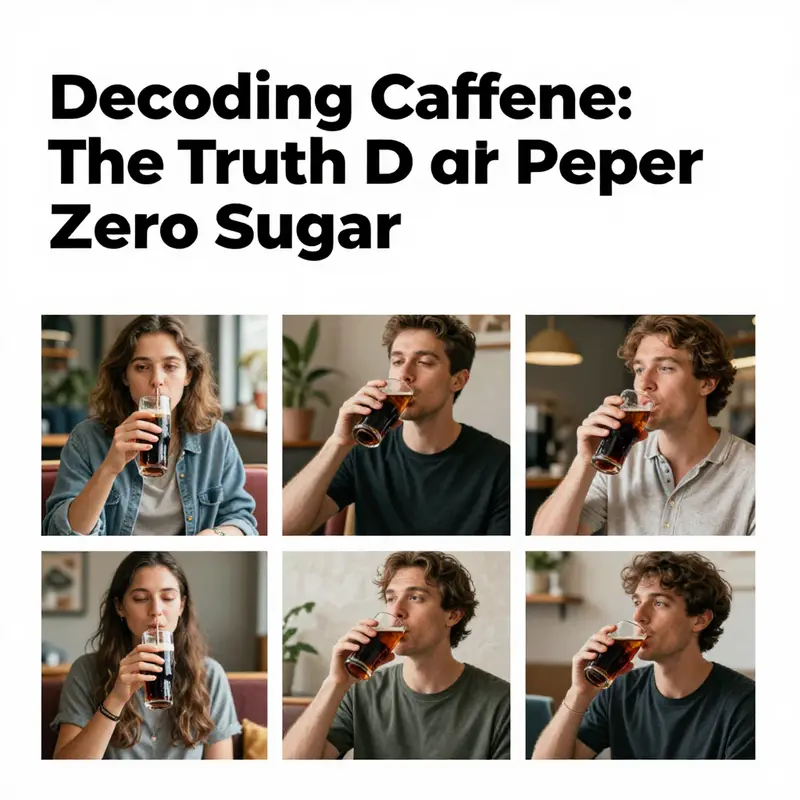
Across the shelf of zero-sugar beverages, caffeine often sits as a quiet constant. The idea that removing sugar automatically removes stimulants persists, yet the reality is more nuanced. For many zero-sugar colas, caffeine remains a core component—delivering a gentle lift, shaping flavor perception, and helping identical products maintain a familiar energy cue that consumers recognize. This chapter traces how a typical can of zero-sugar cola delivers its caffeine, how that amount stacks up against other beverages, and what it means for daily routines, sleep, and overall health.
A standard serving size is a simple measure that matters: a 12-ounce can. In that volume, the caffeine content tends to hover around 41 milligrams. That figure aligns with the caffeine in the same beverage when sugar is present, suggesting that the reformulation focused on sugar reduction did not remove the stimulant entirely. It is a reminder that the caffeine in these drinks is not there by accident but by design, balancing taste, mouthfeel, and perceived alertness. While 41 mg per 12-ounce serving might feel modest next to some energy drinks, it remains within what many adults consider a noticeable, but not overwhelming, level of stimulation.
From a product-development standpoint, caffeine is a versatile ingredient. It contributes to aroma and bitterness, which interplay with carbonation to create what many describe as a clean, brisk finish on the palate. The bitter edge of caffeine can be softened with sweeteners and sometimes with acid balance, and in zero-sugar formulations those sweeteners become even more critical to maintain a satisfying taste profile. The result is a product that carries the familiar caffeine lift without the added sugars that some consumers prefer to avoid. The consistency of caffeine content across standard colas—even when sugar is removed—speaks to a strategic choice: maintain the stimulant effect to meet consumer expectations while delivering a different nutritional footprint.
For public health conversations, the caffeine amount in a single 12-ounce serving is a useful reference point. The U.S. Food and Drug Administration (FDA) does not set a specific limit for caffeine in beverages, but it does provide broad guidance on a safe daily intake for most healthy adults—up to about 400 milligrams. In practical terms, a single can of a zero-sugar cola accounts for roughly 10 percent of that daily threshold. It follows that an average person who enjoys one can per day, or even a couple on occasion, remains within a conservative margin. The caveat is important: individual tolerance varies. People who are sensitive to caffeine because of anxiety, sleep disturbances, or targeted medical conditions may experience amplified effects even at modest doses. For them, even the 41 mg per can is not just a trivial number but a factor to consider as part of total daily intake from coffee, tea, chocolate, and other caffeinated sources.
The broader landscape of zero-sugar beverages shows a spectrum. Some brands choose to remove caffeine entirely, offering caffeine-free options for those who wish to avoid stimulants altogether. Others retain caffeine as a defining characteristic, reinforcing that recognizable lift even without sugar. In practice, readers can become adept at scanning nutrition facts panels to see not only the caffeine amount per serving but also the serving size itself. A compact can may deliver a different mg-per-serving than a larger bottle, and some products offer “per can” versus “per serving” labeling that matters when the container holds more than a single serving. The key takeaway is that caffeine content remains a stable, measurable attribute of many zero-sugar colas, and it should be measured against personal caffeine tolerance and daily consumption patterns.
For those who aim to minimize caffeine exposure, there are still strategies that do not require giving up the flavor profile they enjoy. Reading the label is a practical step: note the mg of caffeine per serving and consider how many servings one typically consumes in a day. If the product line offers a decaffeinated or caffeine-free variant, that option becomes a viable path for those who want the zero-sugar benefit without stimulants. Even when choosing caffeine-containing options, spacing out consumption across the day can mitigate peak effects and help preserve sleep quality for sensitive individuals. The broader message is not to demonize caffeine but to understand how much is being consumed and how it fits into one’s overall lifestyle.
In the context of the chapter’s central question—whether a zero-sugar cola carries caffeine—the answer remains straightforward: yes, it typically does. The caffeine level mirrors that of its sugared counterpart, reflecting a formulation strategy that preserves the drink’s identity while shedding sugar. This parity across versions is worth noting because it highlights the role of caffeine as a stable sensory and functional component, not a trailing afterthought. For readers who monitor caffeine intake carefully, this parity means that switching to a zero-sugar version does not automatically remove caffeine from the routine; the decision should instead focus on total daily caffeine exposure and how each product contributes to that total.
Beyond the numbers, there is a practical dimension to consider: the experience of flavor and energy. Some people describe caffeine as providing a sense of wakefulness that is more about timing and context than pure quantity. A morning can might feel like a brisk punctuation mark to start the day, while an afternoon can can help steer away from a dip in energy. Yet the same stimulant can disrupt sleep if consumed late in the day or in combination with other caffeine sources. The current understanding of caffeine’s pharmacology—blocking a molecule in the brain associated with sleepiness—helps explain why the same mg amount can have different effects depending on one’s circadian rhythm, sleep history, and concurrent intake.
Health practitioners often advise people to consider total daily caffeine load rather than focusing on a single beverage. A 12-ounce serving of a zero-sugar cola is a piece of a larger dietary puzzle. For some, it may be a convenient source of alertness during work, study, or travel. For others, it may be a trigger for restless nights or physical symptoms such as jitteriness or rapid heartbeats, especially if consumed in combination with other caffeine sources or on an empty stomach. The practical guidance is simple: know your own sensitivity, read labels, and balance your caffeine sources across the day. If sleep is an important priority, it might be wise to limit late-afternoon or evening consumption and consider alternative caffeine-free beverages with similar flavor characteristics.
From a consumer education standpoint, the takeaway is that zero-sugar does not automatically translate to caffeine-free. The sweetener choice matters, but caffeine often remains a constant companion in the zero-sugar cola family. This realization invites a broader conversation about how people make beverage choices in the context of overall health goals. For some, the sugar-free option aligns with calorie control and dental health; for others, the caffeine content informs decisions around sleep, anxiety, or cardiovascular health. The overlap of these considerations means that a bottle in the cooler can simultaneously satisfy a preference for taste, a desire for reduced calories, and a personal need for a gentle stimulant—an alignment that can be beneficial when understood and managed.
As we move to the next passages of this article, the aim is to connect these general observations to the specific inquiry that motivates this chapter series. The broader point remains: a zero-sugar cola commonly carries caffeine at a level that is both measurable and meaningful, and it does so in a way that is consistent with consumer expectations for a familiar cola flavor and mouthfeel. The precise amount—around 41 milligrams per 12-ounce serving—provides a tangible benchmark for readers assessing their own intake. Whether one sticks to a single can per day, layers in multiple beverages across the afternoon, or alternates with caffeine-free options, the caffeine content is a factor worth knowing, not a hidden detail to ignore.
External reference: for official data on caffeine content observed in zero-sugar cola products, you can consult the brand’s nutrition facts page. This external resource presents real-time, verified information that reflects how manufacturers describe serving sizes and caffeine levels in these beverages. https://www.keurigdrpepper.com/brands/dr-pepper-zero-sugar
Final thoughts
The caffeine content in Dr Pepper Zero Sugar is a critical consideration for business owners as it can influence consumer choice, especially among health-conscious individuals. Understanding how it stacks up against regular Dr Pepper and other diet sodas gives owners valuable insights for their marketing strategies. In an era where consumers are increasingly aware of their caffeine intake, leveraging this knowledge can lead to more informed business decisions and enhanced customer satisfaction.