

Gatorade, a staple in the world of sports drinks, has taken innovation a step further by introducing caffeinated options tailored for athletes and active individuals. The emergence of Gatorade’s Fast Twitch Energy Drink, notable for its significant caffeine content, highlights the growing demand for beverages that provide not just hydration but also energy and focus. In this exploration, we will delve into the types of caffeinated Gatorade products available, their nutritional profiles, the crucial roles caffeine plays in athletic performance, and the consumer preferences steering these market trends. Each chapter will illuminate the relationship between Gatorade’s caffeinated offerings and the demands of modern athleticism, giving business owners insights into potential market opportunities.
Caffeinated Hydration: An Overview of Sports Drinks with Caffeine
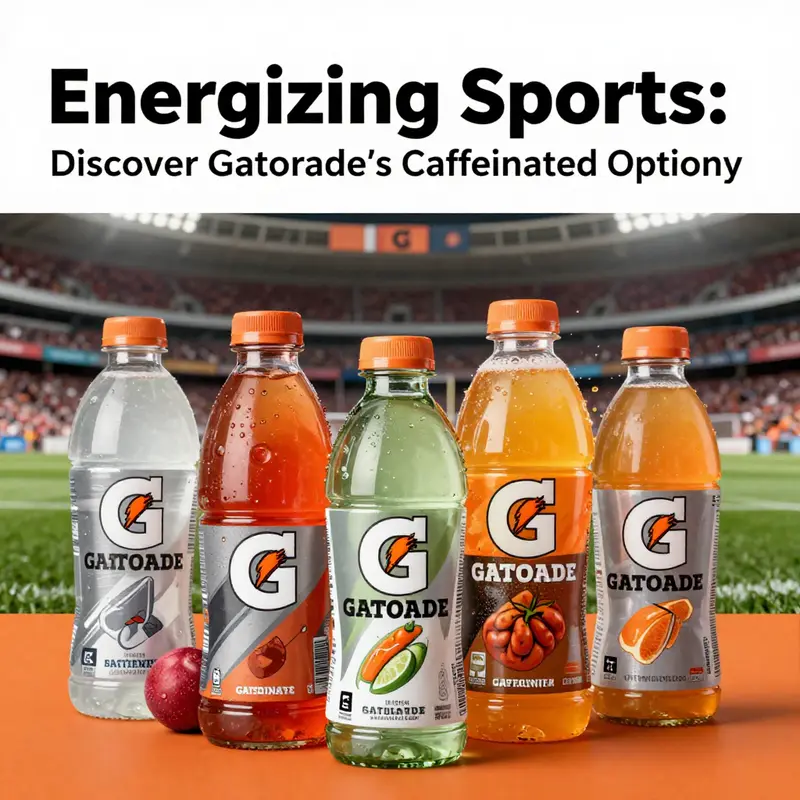
Caffeine has long traveled with athletes as a companion on the road to better performance, but its partnership with hydration is a relatively new pattern in the world of functional beverages. Across gym floors, running tracks, and busy urban corridors, a class of drinks now seeks to combine two familiar appeals: the relief of thirst and the lift of a mild stimulant. The idea is straightforward: deliver fluids and electrolytes to restore balance after exertion while offering a measured dose of caffeine to heighten alertness, sharpen focus, and potentially improve perceived effort. The practical aim is not to turn a daylong routine into a caffeine-fueled sprint but to prime the body and mind for sustained activity, whether that activity involves a track workout, a long study session, or a demanding shift at work. In this light, caffeinated hydration is part of a broader trend toward functional beverages that promise performance support without sacrificing hydration fidelity.
To understand how these drinks work, it helps to start with the core ingredients. Hydration beverages rely on electrolytes to replenish what the body loses through sweat: sodium and potassium are leading signals for fluid balance, nerve conduction, and muscle contractions. Without adequate electrolytes, fluids can move less efficiently in and out of cells, contributing to fatigue or cramping during prolonged activity. Caffeine acts on the central nervous system. In the right amounts, it can heighten alertness, improve reaction time, and alter perceived effort. When these two elements are combined, the product sits in a space where refreshment and stimulation are complementary rather than competing priorities. Fluids rehydrate the body while caffeine helps the mind stay engaged long enough to complete a workout, a study session, or a demanding shift.
Many caffeinated hydration beverages feature zero- or low-calorie options. For many, managing energy intake while staying focused is a matter of balancing calories with daily routines. Zero-calorie caffeinated beverages offer flavor-forward experiences without adding sugar or substantial energy mass. Flavor selections range from familiar fruit notes to cooler, crisper profiles designed to feel refreshing after exertion. The absence of calories does not erase the drink’s functional promise; instead, it aligns with individuals mindful of daily intake or who prefer to keep caffeine delivery separate from caloric load. The electrolyte blend remains crucial, because hydration and electrolyte replenishment do not vanish with caffeine. They coexist, and their synergy matters when the goal is to sustain performance in heat, humidity, or extended cognitive or physical demand.
A recurring question concerns caffeine levels. Some formulations target a robust but manageable dose that can be consumed during or after exercise without crossing into jitters or sleep disruption for most healthy adults. The practical takeaway is that caffeine-containing hydration can be flexibly integrated into daily routines. Timing matters: a caffeinated hydration drink before a session can help with focus and perceived effort, while a post-workout version might support wakefulness during recovery tasks or a late-afternoon shift. The timing, like the dosage, should be tuned to personal tolerance and daily caffeine sources. When caffeine is part of a hydration strategy, it works best as one element in a broader approach to performance that includes hydration, nutrition, rest, and planning.
From a design perspective, packaging and flavor structure are purposeful. They must be easy to sip during activity and not disrupt performance with a heavy or overly sweet taste. The zero-calorie option is not merely about trimming calories; it also improves palatability in contexts where sugar could be a distraction or a concern for individuals monitoring carbohydrate intake. The electrolyte profile is crafted to match typical sweat losses during moderate to vigorous activity, with sodium and potassium leading and sometimes complemented by magnesium and calcium to support muscle function and hydration efficiency. In short, the beverage is engineered to deliver a balanced hydration experience while offering a modest cognitive lift that can be especially valuable in activities demanding sustained attention or quick reactions.
The consumer landscape for caffeinated hydration reflects broader shifts in how people think about energy and hydration. There is a clear demand for products that do not force a binary choice between hydration and stimulation. People want to stay hydrated while maintaining focus through long drives, late-night study sessions, or extended workouts. They also want convenient options that fit into busy schedules—single-serve formats, portability, and flavors that make hydration feel less like a duty and more like a pleasant daily habit. This trend intersects with the ongoing conversation about caffeine in the modern diet. Caffeine sources come from coffee, tea, energy drinks, and certain functional beverages, and individuals often manage multiple sources while staying within safe daily limits. The caffeinated hydration category occupies a unique space: it provides targeted caffeine delivery within a hydration framework, aiming to reduce cognitive and logistical barriers that might otherwise prevent someone from using caffeine strategically around activity.
A practical implication of this category is the option it provides for people with different goals and constraints. For a student pulling an all-nighter, a cold, calorie-free, caffeinated drink can offer a way to remain alert without adding sugar or excess fat or carbohydrates. For an endurance athlete, a beverage that pairs hydration with a purposeful caffeine dose may help maintain mental engagement during lengthy sessions where fatigue can erode decision making and pacing. For a weekday professional, a quick sip during a high-pressure meeting can rival other non-water choices that may be less convenient or less hydrating. In all cases, the underlying logic remains: hydration is not only about fluid replacement; it is about maintaining physiological balance while supporting cognitive function when it matters most.
This evolving category invites a mindful approach to health and safety. Caffeine sensitivity varies widely. The daily ceiling commonly recommended by health authorities hovers around 400 milligrams of caffeine for most healthy adults, though individuals with health conditions or medications should consult a clinician. When caffeine is embedded in a hydration product, it is essential to consider how it contributes to total daily intake rather than focusing only on the dose per bottle. This perspective helps prevent overconsumption, especially for those who rely on coffee, tea, or other caffeinated products throughout the day. It also fosters a more nuanced awareness of how caffeine interacts with hydration status. While caffeine can have a mild diuretic effect in very sensitive individuals or at very high doses, in typical daily use caffeinated beverages contribute to hydration in much the same way as non-caffeinated ones do. The key is balanced usage, mindful timing, and an appreciation that caffeine is a tool rather than a universal solution.
Beyond physiology, there is a cultural dimension to caffeinated hydration. The appeal is not only the promise of energy but also the sense of ritual it can create. Taking a chilled, lightly flavored beverage after a workout, during a long commute, or as part of a study break can become a small daily ritual that reinforces consistency. The zero-calorie variant offers a way to keep this ritual comfortable for people who watch calories or who prefer to limit sugar intake. In this sense, caffeinated hydration can act as both a practical habit and a psychological cue that signals a moment to reset attention and re-engage with a task. As with many wellness-oriented products, the success hinges on credible formulation, transparent labeling, and a clean, predictable sensory experience that invites regular use rather than sporadic experimentation.
From a broader industry perspective, caffeinated hydration heralds a growing willingness to reimagine classic categories. The line between hydration and energy is increasingly porous, and brands are leveraging this blend to appeal to active consumers who want efficiency, convenience, and measurable benefits. The formulations rely on science-informed choices about electrolyte balance and caffeine delivery, with production standards designed to ensure consistent taste and reliable effects. Yet as the market expands, consumers should remain critical and curious: seek products with clear ingredient lists, understand caffeine content per serving, and consider how these drinks fit into overall daily patterns of fluid intake, caffeine consumption, and energy needs. The aim is not to replace whole foods or established caffeine sources but to provide an additional, well-considered option for times when hydration and focus matter together.
In contemplating the role of caffeinated hydration within a day’s routine, it is helpful to imagine scenarios readers may recognize. Picture training in warm conditions, a long classroom or office shift, or a weekend hike that demands steady attention and motivation. In these moments, sipping a beverage that concurrently rehydrates and nudges the brain toward alertness can feel like a practical compromise between two essential needs: fluid balance and cognitive stamina. The experience of taste, temperature, and mouthfeel becomes part of the overall wellness equation, a sensory cue that the body is cared for and the mind is supported. This is not a miracle fix; it is a calibrated extension of hydration science into a world where energy management matters as much as physical performance.
Ultimately, caffeinated hydration reflects a broader truth about contemporary consumer choices: people want products that do more with less friction, that align with values around health and simplicity, and that adapt to varying daily rhythms. As the science behind caffeine and hydration continues to evolve, so too will the formulations and the approaches to labeling and education. For now, the available options offer a practical way to combine hydration with a controlled uplift in wakefulness and focus, a blend that many find useful in the gym, the classroom, or the workplace. In the end, these beverages invite us to rethink how we nourish both body and mind, not as separate endeavors but as intertwined facets of everyday resilience and performance.
For readers who wish to explore further details about caffeine-containing beverages and hydration, the official resource provides a deeper look at formulation principles, caffeine content ranges, and electrolyte strategies. This external reference is a helpful compass for understanding how such drinks are positioned within the broader landscape of sports nutrition and daily wellness. https://www.gatorade.com
Hydration and Focus: Decoding Caffeine in Sports Drinks
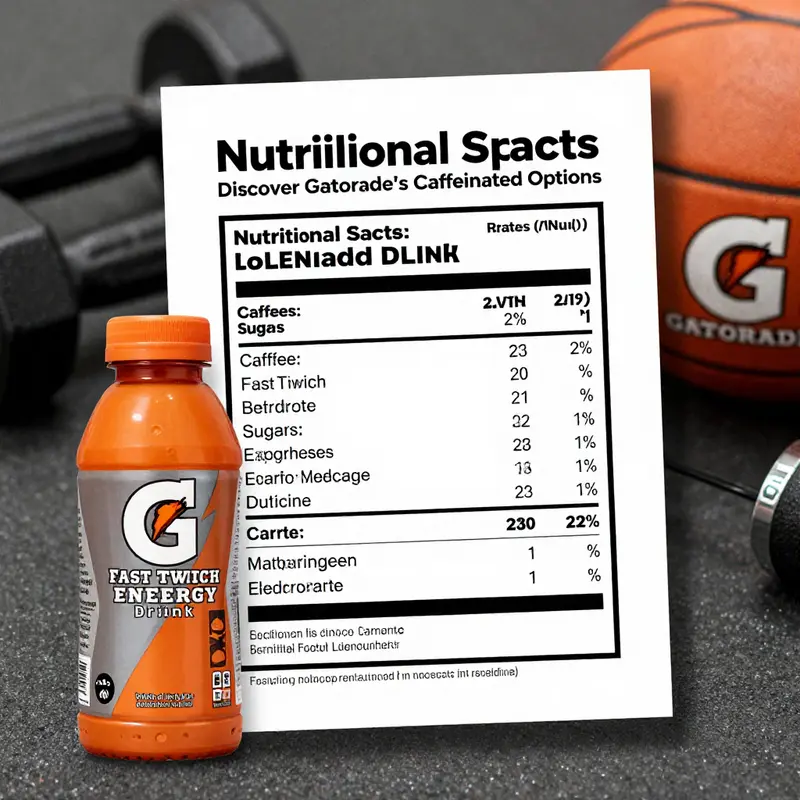
Hydration and Focus: Decoding Caffeine in Sports Drinks\n\nWhen people think about staying hydrated during and after exercise, the picture that often comes to mind centers on fluids, electrolytes, and the quick energy that carbohydrates supply. The question of whether the beverage mix designed to replenish what is lost in sweat also brings caffeine into the formula sits at the intersection of physiology, marketing, and everyday choices. To understand this, it helps to follow the thread from the primary purpose of electrolyte beverages to the broader landscape of caffeinated drinks and the ways manufacturers frame their products for different needs. At the core, the standard formulations in this family of drinks are built to rehydrate, restore electrolytes such as sodium and potassium, and supply readily accessible carbohydrates to support energy during activity. This is not incidental; it reflects a precise set of goals. Hydration is the foundation, and the electrolyte balance helps maintain plasma volume, nerve function, and muscle contraction. Carbohydrate content addresses the energy demand of ongoing activity, particularly as endurance increases or sessions extend beyond a casual stroll. In this sense, the driving mission is clear: rehydrate and refuel efficiently, not necessarily to wake the brain through stimulants or to provide a caffeine boost. The result is a product class whose core line is caffeine-free, designed to complement physical effort rather than to overlap with the stimulant market.\n\nThat does not mean the broader landscape is uniform. The beverage market for athletes and everyday exercisers is nuanced, with several lines and formats that diverge from the original objective. Within the same family of products, there exist specialty or limited-edition variants that experiment with different ingredients to address additional consumer desires, such as heightened alertness or quick energy beyond hydration and electrolytes. In practice, this means you may encounter beverages marketed as performance enhancers or energy-forward options that pair hydration with stimulants or other compounds. The presence of caffeine in such variants demonstrates how a single brand ecosystem can accommodate a spectrum of use cases: some athletes seek a caffeine lift to sharpen focus for mental tasks after a workout, while others prioritize pure hydration and electrolyte replenishment without stimulants. Yet, it is important to distinguish these specialty formats from the core lineup that has defined the product category for decades. The distinction between a caffeine-containing option and the standard, caffeine-free lineup is not merely academic; it affects how athletes plan their intake around training, competition, and daily routines.\n\nFrom a nutritional labeling standpoint, the difference is as straightforward as the ingredient list. Caffeine, when present, appears among other additives that are not part of the standard kit. It is typically marketed as a stimulant intended to improve alertness, perceived effort, or reaction time—attributes that can seem appealing during a long training session or a late-day workout when fatigue is creeping in. For the general user, the key takeaway is to read the label carefully. The label will reveal not only whether caffeine is included but also the total caffeine content per serving and the number of servings per bottle or container. This information helps manage total daily intake, especially for individuals sensitive to caffeine or for those who must adhere to certain dietary guidelines. In contrast, the core products emphasize hydration and electrolyte restoration with a steady supply of carbohydrates, without the stimulant component. The difference is subtle in the moment but meaningful in how a person plans their nutrition around exercise and daily life.\n\nFrom a physiological perspective, caffeine and hydration interact in ways that athletes often weigh. Caffeine can enhance alertness and, in some contexts, performance, particularly in endurance activities or tasks requiring sustained attention. The exact effect depends on dose, tolerance, and timing. However, caffeine’s diuretic effects are a consideration only in some contexts, and many regular caffeine users do not experience dehydration when caffeine is consumed in moderation within a balanced diet. In a beverage intended for hydration, though, the question becomes whether adding caffeine supports or hinders the fluid replacement process. The available science suggests that the hydrating potential of a beverage is not inherently compromised by caffeine at typical consumer levels, but the experience of thirst, perception of effort, and the risk of unwanted stimulant effects may influence how someone uses a caffeinated option. For athletes and everyday exercisers alike, it becomes a question of personal preference and strategy: does the boost in wakefulness and focus outpace any possible jitters or sleep disruptions, or does it complicate the more straightforward goal of steady hydration during activity?\n\nThe broader consumer landscape makes it clear that the standard, caffeine-free lineup remains the default for most people who prioritize rehydration and recovery. This is the baseline against which all other variants are measured. For those who want or need caffeine, there is a separate category—one that is designed to complement training with a stimulant component rather than to replace the base function of hydration. The existence of such options underscores a market truth: athletes and health-conscious consumers are not a monolith. Some want a simple, predictable hydration solution with electrolyte replenishment; others want a two-in-one product that promises both hydration and a mental edge. This dual demand helps explain why manufacturers in this space maintain a diverse catalog. They do not have to choose between hydration and stimulation; they can offer both by differentiating lines and clearly labeling each product’s purpose. Regardless of which path a consumer takes, the critical practice remains the same: verify the ingredient list and align your choice with your activity, your caffeine tolerance, and your overall daily intake.\n\nIn practical terms, what does this mean for someone who is mapping out a training day, a recovery period, or a simple afternoon routine? If your goal is straightforward hydration—rehydration after a workout, for instance—the caffeine-free option is likely the simplest and most consistent ally. It delivers fluids and electrolytes with a carbohydrate source designed to replenish what you’ve lost in sweat. If you’re balancing training with a coffee routine or you routinely consume caffeine elsewhere in your day, you may feel comfortable choosing a caffeinated variant, provided you pay close attention to your total intake and how caffeine interacts with sleep and anxiety levels. In any case, it is wise to consult product labels and official sources for precise information. Ingredient lists can vary by region, by season, or by line, and the presence of caffeine in a non-core product can reflect targeted marketing rather than a universal change across the brand’s beverage family.\n\nThe conversation about caffeine in electrolyte drinks also invites a broader reflection on consumer education. It is all too easy to conflate a brand’s broader marketing ecosystem with the specifics of a single bottle on the shelf. A well-informed consumer learns to distinguish between the foundational hydration profile—fluids, electrolytes, carbohydrates—and the optional additives that serve a separate purpose. Understanding this distinction empowers people to tailor their intake to their physical demands, their cognitive requirements for the day, and their personal caffeine guidelines. For those who crave clarity, the best practice is to check the label before purchase, note the caffeine content per serving, and consider the total daily caffeine load from all sources. This careful approach helps prevent unintended caffeine excess, which can disrupt sleep, contribute to jitters, or complicate stomach comfort during or after exercise. It also supports a broader understanding of how modern sports products fit into a balanced, evidence-informed approach to health and performance.\n\nThe topic inevitably invites comparisons with other common beverages on the market. Many general-use energy products emphasize stimulation as their primary feature, and the caffeine levels in those products are typically higher and more variable than what a hydration-focused option would contemplate. The distinction is not merely about taste or branding; it is about function. A beverage designed to rehydrate with electrolytes and carbohydrates is not inherently optimized for wakefulness in the same way an energy-forward product is. The consumer who wants to optimize focus may choose to separate these roles: consuming a caffeinated drink at an appropriate time in the day and using a separate hydration solution during and after workouts. This approach helps maintain consistent hydration status and allows caffeine to work its effects without inadvertently complicating hydration goals.\n\nFor readers who prefer a more empirical frame of reference, the current consensus from official channels emphasizes a clear separation between standard, caffeine-free formulations and their caffeinated counterparts. In other words, if you are relying on a product for hydration, you can count on caffeine not being part of the equation in the core lineup. If you want to experiment with caffeine, you should approach it as a separate choice, distinct from hydration. This distinction matters because it supports predictable outcomes in both hydration status and caffeine-related effects, such as alertness and potential sleep disruption later in the day. In practice, this means that the decision to use a caffeinated variant should be made with awareness of both timing and dosage, just as with any other caffeine-containing product. It also highlights the value of clear labeling and consumer education in helping people make informed decisions in the moment when they reach for a bottle, rather than wrestling with uncertain assumptions about what might be inside the drink.\n\nAs this topic continues to unfold across markets and seasons, one overarching principle remains stable: the core mission of hydration-focused beverages is hydration, electrolyte balance, and energy delivery through carbohydrates. The presence or absence of caffeine sits on top of that foundation and can be considered a supplementary feature for those who want or need it. For most athletes and casual exercisers, the simplest path to reliable performance remains to choose the base formulation for rehydration and recovery, and to introduce caffeine strategically through separate sources if it aligns with personal goals and tolerances. This approach preserves the integrity of hydration while still offering room for individual preference and performance strategies.\n\nIn sum, the landscape of caffeine in sports drinks reflects a deliberate design logic. Standard formulations are caffeine-free because their primary job is to restore fluids and electrolytes after exertion, with carbohydrates to replenish energy stores. Specialty variants introduce caffeine and other additives to meet distinct needs, but they do not redefine the core hydration and fueling concept. Consumers benefit from this structure when they approach product choices with a clear plan: confirm the caffeine content on the label, understand how it fits into your daily caffeine budget, and align your selection with the specific demands of your workout and your broader health goals. By keeping this framework in mind, you can navigate the options with confidence, choosing hydration that supports performance while avoiding the pitfalls of unexpected stimulants or inconsistent ingredient claims. The conversation is not just about whether a bottle contains caffeine; it is about understanding how a beverage supports the intertwined goals of hydration, energy, and attentional focus in real-world athletic and daily contexts, and making a choice that harmonizes with how you train, rest, and live.
null

null
Shifting Currents: Consumer Preferences and Market Trends in Caffeinated Electrolyte Beverages
A new current runs through the world of hydration and energy, where drinks once designed purely to replace fluids are now expected to refresh, refuel, and sharpen the senses in a single bottle. The trajectory of caffeinated beverages speaks to a broader desire: hydration that does more than quench thirst, hydration that also sustains cognitive and physical performance in the moments when focus, stamina, and quick recovery matter most. In this evolving landscape, brands that traditionally delivered electrolytes and sugars are testing the boundaries of what a sports drink can be. They are exploring how a measured dash of caffeine—an ingredient with well-documented effects on alertness and perceived effort—can complement the electrolyte blend and offer a more complete solution for athletes, fitness enthusiasts, and busy professionals alike. This shift is not a simple one-off experiment; it reflects a broader market dynamic that researchers and marketers alike are watching closely. The global caffeinated beverage market is expanding, the data shows, and the figure for 2025 points to a substantial value with a healthy trajectory ahead. Forecasts place the market around US$263.1 million in 2025, rising at a compound annual growth rate of about 5.5 percent from 2025 to 2032. While such numbers might seem modest in the shadow of the entire beverage category, they signal a structural shift: consumers are increasingly seeking drinks that blend hydration with energy, focus, and endurance in a single, convenient package. The reason is simple and compelling. In a world where time is a premium and needs are mixed—hydration for workouts, caffeine for endurance, and micronutrients for recovery—consumers gravitate toward functional beverages that can streamline choices without forcing trade-offs between taste and performance. In response, the sports-drink segment is pursuing formulations that balance electrolyte replenishment with cognitive and physical performance support, all within a flavor profile that remains appealing to a broad audience. This is not about replacing traditional hydration or denigrating the value of electrolytes alone; it is about recognizing a growing preference for drinks that deliver a measurable benefit beyond hydration and taste.
A key driver behind this trend is consumer literacy around caffeine and its effects. More than ever, people understand that caffeine can improve vigilance, reaction time, and the perceived effort required to complete a task. For athletes, the mental edge can translate to longer training blocks, crisper technique, and more consistent efforts during high-intensity sessions. For busy professionals and students, caffeine can ease the cognitive load of demanding days, improve focus during long meetings, and help bridge the gap between fatigue and performance. The market responds accordingly, with beverage developers experimenting with caffeine concentrations that feel purposeful rather than punishing. A bottle sized for on-the-go consumption may carry a high caffeine dose, but brands are learning to calibrate flavor, mouthfeel, and the overall sensory experience so that the drink remains enjoyable even as it delivers energy and alertness.
The interplay between hydration, electrolytes, and caffeine is not merely additive. It is synergistic in the right formulation, especially when taste and texture are considered. Electrolytes, typically sodium, potassium, and trace minerals, help restore fluid balance and support muscle function during and after exercise. Caffeine, when dosed thoughtfully, can elevate perceived effort and enhance mental focus, which may indirectly support performance by reducing the sensation of fatigue. Yet the line between a helpful boost and overstimulation is narrow. This is why the product landscape emphasizes not only high caffeine content but also sugar-free or reduced-sugar options, natural flavor systems, and clean ingredient decks that reduce the risk of a crash after the caffeine wears off. The consumer response has been nuanced: some athletes prefer a modest caffeine dose paired with a crisp, clean taste, while others seek a stronger boost to carry them through endurance efforts or late-evening training sessions. Brands navigate these preferences by offering a spectrum of options and by clearly communicating caffeine content, hydration benefits, and energy expectations.
What makes the current moment particularly interesting is the convergence of three forces: the ongoing demand for functional drinks, the premiumization of electrolyte beverages, and the evolving understanding of caffeine’s role in performance biology. The first force is evident in consumer education and the adoption of “functional” labels—the idea that a beverage can do more than satisfy thirst. The second force, premiumization, shows up in packaging that highlights enhanced hydration matrices, lower sugar options, and a perceived upgrade in sensory experience. The third force is the science that underpins caffeine’s performance signals: moderate doses can improve endurance and cognitive function in a manner that complements training adaptations. Taken together, these forces push brands to experiment with timing, dosing, and placement within the daily beverage repertoire. Athletes may reach for a caffeinated option after a hard session or during a long training day to sustain focus and hydration; professionals may choose a bottle to sharpen attention during a demanding project; weekend athletes may use a caffeinated electrolyte drink to bridge the gap between workouts and social commitments. The result is a more fluid market, where the distinction between “hydration” and “energy” blurs and a single product can serve multiple contexts.
From a market perspective, the opportunities extend beyond the athletes and professionals who are the most obvious early adopters. Corporate wellness programs, school athletic departments, endurance events, and gym communities all present avenues for caffeinated electrolyte beverages to become part of daily routines. The social experience of working out, commuting, or coaching becomes intertwined with a drink that signals readiness as well as hydration. In this sense, the beverage category is moving from a simple utility function—restore fluids and electrolytes—to a more complex role: a trusted companion that supports the body’s need for both hydration and mental stamina in the hours that follow. Consumer insights increasingly reveal that the value proposition of caffeinated electrolyte beverages is not solely in the caffeine hit or the electrolyte recharge alone, but in the confidence they offer: confidence that one has prepared the body and mind for action, and that recovery can begin sooner with less friction.
Manufacturers are paying careful attention to the structure of caffeine claims, not just the presence of caffeine. Accessibility and clarity in labeling matter because consumers vary in caffeine sensitivity, tolerance, and preference for timing. Some buyers want caffeine to align with morning workouts, others with afternoon tasks, and yet others with late-evening sessions that still need to avoid disrupting sleep quality. This complexity has led to a wider distribution of product formats and a clearer separation of products based on caffeine levels. It has also encouraged the development of zero-sugar or low-calorie lines, a response to growing consumer concern about sugar intake in hydration beverages. The market’s expansion thus hinges on delivering a balanced experience: reliable hydration, a measurable cognitive or physical benefit, acceptable taste, and a price that makes sense across broad consumer segments.
In terms of global dynamics, the caffeinated beverage category’s growth is not a local phenomenon. Markets around the world are embracing functional beverages with caffeinated content as a response to lifestyle changes, urban work cultures, and increasing participation in sports and fitness activities. The data guiding this shift points to a mid-2020s trajectory that reflects both an expanded product universe and a more sophisticated consumer base. As more brands explore caffeine in electrolyte matrices, the emphasis shifts from novelty to nuance: how much caffeine is enough to support performance without compromising comfort; whether the caffeine should come from natural sources or synthetic blends; how to balance flavor and mouthfeel in the presence of electrolytes; and how to communicate these choices in a way that resonates with diverse consumer values, from wellness to taste to affordability. These considerations shape the development pipeline, marketing language, and retail strategies that determine which products gain traction and which fade into the background.
Alongside these market and consumer shifts, there are critical considerations about safety and responsible usage. Caffeine is a potent stimulant with established daily limits for adults, typically around 400 milligrams per day for healthy individuals, though individual tolerance varies. In the context of a caffeinated electrolyte beverage, the per-serving caffeine content becomes a focal point: if a bottle provides a high dose, it must be framed with clear guidance and, ideally, offering alternatives with lower caffeine content to accommodate different tolerances and contexts such as early mornings, late evenings, or for younger audiences under age guidelines where caffeine consumption is more restricted. The beverage developer’s challenge is to create a spectrum of products that meet performance goals while respecting consumer safety and regulatory expectations across regions. Label transparency—explicit caffeine per serving, sugar content, calorie counts, and the presence of other stimulants or herbal blends—becomes a non-negotiable element of trust-building with consumers who want to understand what they put into their bodies before, during, and after activity.
The design question for manufacturers becomes a balancing act: how to craft a formulation that feels accessible to newcomers while still offering value to seasoned athletes; how to ensure flavor remains appealing even as the hydration matrix becomes more complex; and how to maintain a price point that accommodates mass-market adoption alongside premium options for more selective buyers. The answer lies in versatile formats, phase-appropriate messaging, and a disciplined approach to ingredient quality. In practice, this means multiple lines catering to different caffeine thresholds and flavor profiles, a transparent approach to ingredient sourcing, and a focus on taste that keeps the product from becoming a functional, clinically flavored beverage rather than a refreshing, enjoyable one. The consumer response to this approach has been cautiously optimistic: people like the convenience of a single drink that can replenish electrolytes and supply a cognitive lift, particularly when the beverage is paired with an active lifestyle that blends training, work, and social time.
In linking these developments to the broader article topic, it becomes clear that caffeinated electrolyte beverages are not a one-off trend but part of a longer arc toward integrated performance drinks. The market signals are not about supplanting traditional hydration entirely but about expanding the definition of what hydration can represent in a modern routine. As readers follow the chapter that precedes this discussion and the one that follows, the throughline remains the same: consumers want beverages that support body and mind with minimal trade-offs, that fit smoothly into daily life, and that deliver performance benefits that feel tangible. The challenge for researchers and marketers is to keep pace with evolving consumer expectations, to translate complex physiology into simple, credible product benefits, and to maintain integrity in labeling and claims as the market grows more crowded and discerning.
For readers who seek a more data-driven lens on market dynamics, the broader context is provided by industry analyses that chart the growth of caffeinated beverages, including those that blend energy with hydration. These reports highlight consumer demand for functional, performance-oriented drinks and map the competitive landscape across regions and price segments. They show how brands are differentiating themselves not only through caffeine dosage but through the overall sensory and functional experience—taste, texture, aftertaste, and the perceived quality of hydration. The direction is clear: products that demonstrate reliable hydration performance, clear labeling, and a thoughtful approach to caffeine will capture a growing share of a market that increasingly treats beverages as tools for daily efficiency and endurance rather than mere refreshments.
As with any evolving category, the conversation will continue to hinge on consumer understanding and responsible marketing. Education about caffeine, its effects, and appropriate usage will help ensure that caffeinated electrolyte beverages meet the needs of diverse users—from athletes chasing performance gains to busy professionals seeking steady focus. This aligns with a broader trend toward transparency and empowerment in beverage choices. When a drink communicates not only how it hydrates but also how it supports mental and physical performance, it earns a place in the daily routine rather than merely serving as a momentary pick-me-up. The market’s growth will be sustained by products that treat hydration as a foundation and caffeine as a measured add-on—an approach that respects physiology, honors taste, and remains adaptable to changing consumer lifestyles.
Internal link for further exploration: Does the sports drink category include caffeinated options? See this overview for a practical, consumer-facing look at caffeine content in popular caffeinated beverages. https://coffeerichlife.com/blog/does-gatorade-have-caffeine-in-it/
External resource: For a detailed look at the global caffeinated beverage market dynamics, including consumer preferences and emerging trends, see the external report: https://www.fortunebusinessinsights.com/industry-reports/caffeinated-beverage-market-101894
Final thoughts
The introduction of caffeinated options such as Gatorade’s Fast Twitch marks a significant trend in the beverage industry, particularly for health-conscious athletes and busy professionals seeking both hydration and energy. Knowing the nutritional facts of these products and understanding the role of caffeine can enable business owners to better cater to consumer preferences. The market for energy-optimized sports drinks is evolving, and those who adapt to these trends can meet the growing demands of active lifestyles. Embracing innovation within products like Gatorade not only aligns with consumer expectations but also positions businesses to thrive in a competitive landscape.