

For business owners seeking to enhance their coffee offerings, mastering the French press technique can elevate customer satisfaction. The key lies in understanding how much coffee grounds are necessary for optimal results. This article delves into the essential ratios and measurements for French press, the factors influencing ground amounts, and how to optimize flavor to create the perfect cup. By understanding these elements, you can ensure a consistent and enjoyable experience for your patrons.
Grounds, Ratios, and Richness: A Practical Guide to French Press Measurements
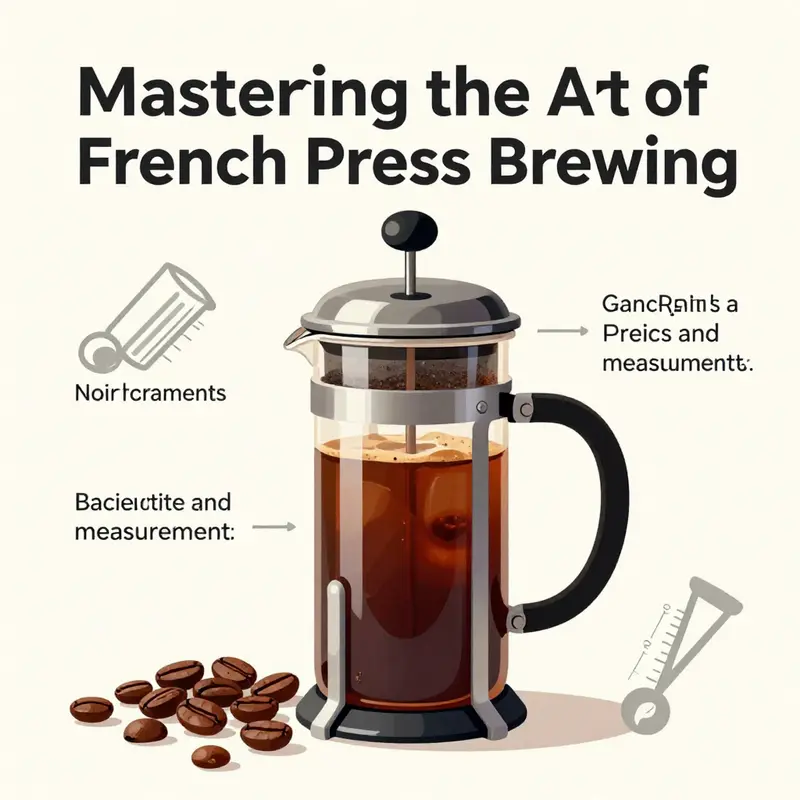
Grounds, ratios, and the sense of a cup that feels neither thin nor muddy form the quiet backbone of the French press ritual. Weight-based measurement anchors the relationship between coffee and water. A common starting point is the golden ratio, typically 1:15 to 1:17. That means for every gram of coffee you use 15 to 17 grams of water. Practically, for a 350 ml brew with 20 g of coffee, you’d aim for roughly 300–340 g of water, closer to 1:17. If you want more body, 1:15 is a stronger option; for lighter cups, drift toward 1:17. The exact numbers aren’t sacred rules but practical guidelines that reward precise weighing and repeatable results. The key is to measure by weight and adjust in small steps, tasting as you go. Other variables like grind size and steep time shape mouthfeel and aroma: grind coarse enough to avoid fines slipping through the filter; keep water just off boil (about 195–205 F / 90–96 C); and a four-minute steep before a steady, calm plunge. A common baseline for a liter batch is around 60 g of coffee, which can be scaled up or down while preserving the ratio. Regular practice and logging your adjustments help you refine personal preferences and reproduce favorable results. For readers seeking a deeper dive, consult reputable brewing guidelines and experiment with small, documented changes to flavor and texture.
Tuning the Grounds: How Much Coffee to Use in a French Press

In practice, a starting point for a standard 12-ounce French press is about 20 grams of coffee. This pairs with roughly 350 milliliters of water, landing in a practical 1:15–1:18 ratio. These aren’t rigid laws, but anchors to tune strength, body, and clarity.
For larger brews, like a liter, aim around 55–60 grams of coffee, keeping a coarse grind and a water temperature around 195–205°F (90–96°C). Adjust by a gram or two until the cup matches your taste.
Grind, water, and time interplay: a coarser grind can tolerate a touch more coffee; a finer grind can intensify extraction and bitterness. Steep about four minutes, then press with even pressure. Freshly ground beans matter more than most home brewers realize; grind just before brewing.
A practical plan: weigh coffee, measure water, grind coarse, heat to temperature, steep four minutes, and press. Start with 20 g for 350 ml; for a liter, around 60 g; then adjust by 1–2 g per brew to refine.
Refining Flavor: Dialing in Ground Amounts for the French Press

Brewing with a French press is less about chasing a one-size-fits-all formula and more about tuning a relationship between your beans, your water, and your patience. The amount of coffee you use—the grounds, measured precisely on a scale—sets the stage for how the flavors unfold. When you dial in the right grounds-to-water balance, the cup can reveal a surprising breadth of aroma, body, and clarity. If you stray from this balance, the brew can veer toward muddiness or sharp bitterness. The core idea is simple: the right amount of coffee grounds helps extract the sweetness and complexity of the bean while keeping harsh tannins and over-extracted notes in check. The practical question, then, becomes how to translate taste preferences into a reliable ratio that works across different batch sizes and bean profiles.
A widely embraced starting point in the world of pour-over and immersion methods alike is the 1:15 ratio. That means for every gram of coffee, you pair it with 15 grams (or milliliters) of water. It is a ratio that aims for balance—enough coffee to offer depth, but not so much that you crowd the grounds and invite bitterness. When you apply this to a typical French press size, the math quickly becomes actionable. If you’re preparing a robust 450 ml (about 15 oz) pot, the guideline suggests roughly 30 grams of coffee. For a smaller 250 ml (8 oz) batch, about 17 grams is a sensible starting point. These figures translate a subjective sense of strength into an objective measure you can trust, especially when you’re refining your technique over time.
The beauty of weighing your grounds lies in consistency. A scale turns a potentially variable ritual—picking a spoonful here or there—into a repeatable practice. It also helps you tailor the brew to the nuances of your chosen beans. Lighter roasts often unveil more delicate acidity and aromatic oils, which can be brought out with a touch more water or a slightly lighter extraction. Deeper roasts may tolerate a touch more coffee to carry the oil and chocolate notes that define their character. In either case, starting with a 1:15 ratio gives you a dependable baseline from which you can explore adjustments with minimal drift in flavor between batches.
To translate this into action without overloading your workflow, begin by preheating the press and your mug with hot water. This step preserves temperature stability from the moment you begin the pour. Then, tare your scale, add the coffee, and note the weight. Because the press is an immersion method, the water weight is what you care about most in relation to the coffee mass. If you’re unusual in your preference for a stronger cup, you might experiment with a 1:12 ratio—more coffee yields a bolder, fuller body, but it also raises the risk of over-extraction. If you opt for a gentler brew, the 1:18 ratio can yield a smoother, lighter cup that emphasizes acidity and delicate aromatics. The key is to taste and to adjust gradually: small shifts in grounds mass lead to meaningful changes in mouthfeel and aftertaste.
For those brewing in the larger 1-liter range, a practical approach is to start with around 60 grams of coffee. This amount aligns with the 1:15 ratio when paired with roughly 900 ml of water, but you’ll likely be adjusting based on your vessel, grind, and personal preference. If the result feels dense or a touch bitter, scale back by a gram or two and reassess. If it reads as thin or sour, add a bit more coffee until the balance tilts toward fullness without tipping into heaviness. The pro tip here is to treat 60 grams as a dependable anchor for a 1-liter French press. From there, you can fine-tune to taste, keeping precise notes so future brews track your evolving preferences rather than your memory.
Think of the grounds-to-water equation as a dialogue rather than a decree. The beans talk back through their inherent sweetness, acidity, and oiliness. Your water, in turn, carries those flavors into the cup. The temperature window you target—195–205°F (90–96°C)—is critical. If water arrives too hot, you risk over-extracting bitter compounds; if it’s cooler, you may retreat into under-extraction and sour notes. A steady, near-boiling pour within this range helps extract the desirable compounds efficiently and predictably, preserving the character of the roast and origin while avoiding sharp edges.
Another piece of the puzzle is grind size. A coarse grind—roughly the texture of sea salt—keeps particles from slipping through the filter, reduces the chance of sludge at the bottom, and promotes a cleaner, more even extraction. A finer grind can expedite extraction and intensify flavor but also increases the risk of over-extraction and a muddy mouthfeel. The intention is to saturate the grounds evenly with the water so that oils and soluble compounds dissolve in a measured way. This is where your scale and your timing work in concert: accurate mass, precise pour, and a grave sense of patience during the steep. The typical steep time for a French press hovers around four minutes. It’s not a universal law—some beans respond to a shade longer or shorter—but four minutes is a reliable baseline that yields a balanced cup with good body and clarity.
When the clock reaches four minutes, a gentle plunge completes the extraction, and the moment you pour should feel like a small ceremony rather than a rushed transfer. The plunger should descend slowly with steady pressure. If you rush, you may emulsify more oils and fines, producing a heavier, more astringent finish. If you slow the plunge and take your time, you preserve the aromatic oils and the smoother texture that a well-balanced cup promises. The moment you remove the lid and begin pouring, you should notice the perfume of the coffee floating above the surface—this is the moment to appreciate the work you put into dialing in the grounds and water to harmonize flavor rather than overwhelm it.
In this light, the adjustment process becomes a dialogue with your equipment. The same beans, prepared with the same water and the same grind size, can taste different if the ratio shifts by even a few grams. A practical way to approach this is to keep a small log on your bench: note the batch size, the grams of coffee, the grind setting, the water temperature, and the brew time. Then rate the cup on a simple scale for balance, aroma, and finish. Over time, you’ll map your bean notes to your preferred ratio and identify which variables matter most to your palate. You’ll also discover how small changes—like a 2-gram adjustment in mass or a couple of degrees of water temperature—alter the balance of sweetness, acidity, and body. This is the craft of optimizing flavor through disciplined measurement, not guesswork.
The guidance above has practical anchors that you can begin applying today. For a standard 450 ml batch, you’ll start with about 30 grams of coffee, ground coarsely. Brew with water at 195–205°F and steep for four minutes. If you want a stronger cup, move to 1:12 and test increments of a gram or two until you achieve the intensity you crave. If you prefer a lighter touch, try 1:18 and monitor the cup for brightness and clarity; you may find a touch of sweetness emerges that’s lost with heavier extraction. The aim is not to chase a universal “perfect” but to craft a reliable, repeatable method that respects your beans and your taste.
To deepen the exploration beyond the numbers, consider the micro-dynamics at play in a French press. The metal mesh, unlike paper filters, lets many of the fine oils remain in contact with the brew. That results in a cup with more body and a more viscous mouthfeel, but it also allows fines to pass through the filter if the grind is too fine or if you press too soon. That is why the recommended coarse grind is so essential: it helps maintain clarity while still delivering fullness. In this sense, the grounds act as both flavor carriers and texture determinants. The balance you seek arises from how finely or coarsely you grind, how long you steep, and how much coffee you use. Each variable nudges the cup toward a different sensory profile, and you become the conductor in shaping that profile to your bean’s natural tendencies.
Alongside precise weighing and timing, water quality and mineral content can subtly influence results. Soft, clean water tends to let delicate floral and fruity notes shine, while hard water can emphasize the coffee’s mineral tangs and reduce perceived acidity. If you have access to a water filtration option, using filtered water can help keep the coffee’s inherent flavors honest. The temperature range remains the same, but the cup’s perceived brightness can shift depending on how the water interacts with the grounds. In practice, many brewers find that a small adjustment in water quality is worth a separate adjustment in the grounds-to-water ratio—another reminder that optimization is a holistic, not a single-variable, exercise.
As you iterate, you’ll learn that the “best” result isn’t a fixed target but a comfortable range. Some days, the beans may yield a cup with an extra bouquet of aroma and a smoother finish at your standard 1:15; other days, you might prefer a touch more body or a brighter acidity, which could be achieved by a slight ratio tweak or a modest adjustment in grind size. The habit of careful measurement pays off here, enabling you to reproduce a good cup with confidence even when beans or water supply vary slightly. In the long run, the process becomes less about chasing a single magic ratio and more about cultivating a reliable framework for evaluating flavor, texture, and aroma.
If you’re seeking a concise reference that aligns with this approach, a practical, reader-friendly dive into ratios can be found in the broader guide on coffee ratio for French press. It’s worth a moment of reading to understand how these numbers translate into real-world practice and how to translate your own sensibilities into measurable actions. coffee ratio for French press.
Final thoughts
Ultimately, the success of your coffee service lies in attention to detail, especially when measuring coffee grounds for the French press. By adhering to the basic ratios, considering various influencing factors, and optimizing for flavor, you can curate a memorable experience for your customers. Properly brewed coffee not only satisfies your patrons’ taste preferences but also enhances your business’s reputation for quality. Start implementing these tips in your brewing routine to unlock the full potential of your coffee offerings.