

A well-maintained coffee pot is essential for any business owner looking to serve fresh, delicious coffee. BUNN coffee pots, known for their durability and efficiency, require regular cleaning to ensure optimal performance. This guide highlights effective steps on how to clean a BUNN coffee pot, covering internal descaling, external cleaning, alternative solutions, routine maintenance, and available resources. Each chapter will equip you with the knowledge to uphold high standards in your beverage service, making every cup a testament to quality.
Inside the Core: Descaling the Internal Components of a BUNN Coffee Pot for Peak Flavor and Longevity
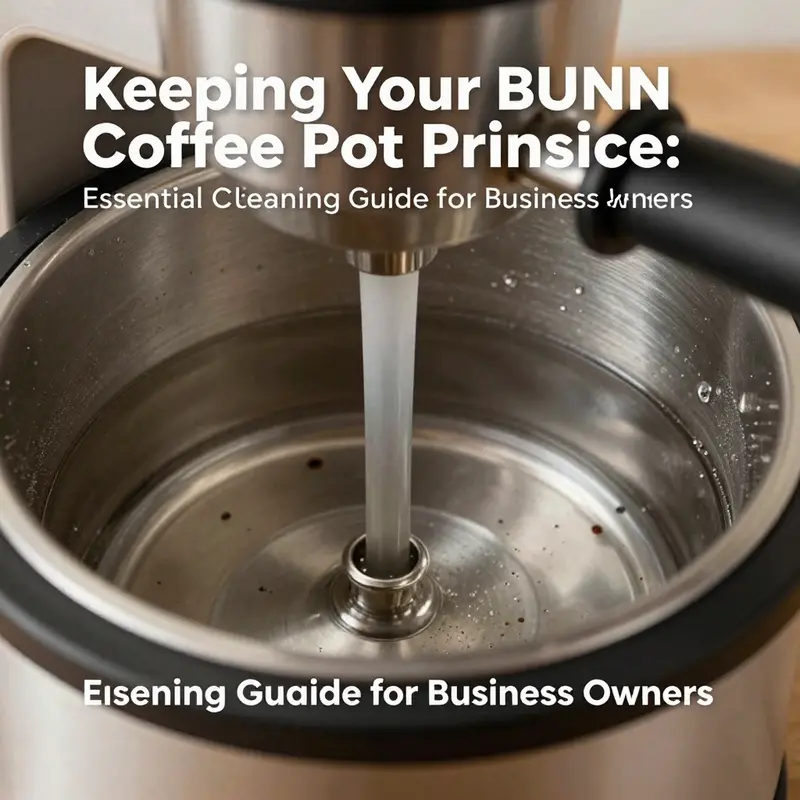
Mineral-laden water leaves more than a chalky trace in a coffee brewer. It seeds scale inside the heating chamber, clogs tiny pathways, and gradually dulls the machine’s performance as surely as a dull blade dulls a knife. Descaling the internal components is not a vanity ritual but a maintenance act that preserves heat efficiency, steady water flow, and the clean, bright flavors you expect from a good pot. The aim is to restore the system’s openness so hot water can travel unimpeded from reservoir to shower head, through the grounds, and into the carafe. When you approach this task, you do it with patience and respect for the machine’s plumbing, because scale tends to hide in places that are easy to overlook yet essential to how evenly the water heats and brews. A well-executed descale routine not only improves taste but also reduces energy use and lowers the chance of quirky timing or weak brews that can come from mineral buildup over time. The core idea is simple: loosen and dissolve mineral deposits, rinse away residues, then return the machine to a neutral, ready state so your next pot tastes as intended. To begin, prepare a descaling solution. White distilled vinegar is a classic, affordable choice because it contains acetic acid that gently dissolves mineral scales. Mix equal parts of vinegar and distilled water for standard-sized brewers, for example a half cup of each. For larger high-capacity machines, you can scale up to a full cup of vinegar and a full cup of water. If you prefer a commercial descaler designed for coffee makers, follow the product instructions carefully. You can also opt for alternatives like a baking soda solution or a gentle citrus-based descaler, but the key is to use a solution that won’t harm seals or plastic components while still effectively breaking down the scale. After you’ve prepared the solution, pour it into the water reservoir and power on the machine. Start a brew cycle as if you were making a pot of coffee, but plan to stop it midstream. Let the brewer draw roughly half of the descaling liquid into the carafe, then unplug the unit and allow the solution to sit inside the system for at least two hours. This soaking phase gives the acid a chance to penetrate scale deposits that cling to the heating element, internal tubing, and the spray head. The exact duration can be adjusted slightly based on the machine’s age and how hard your water runs, but two hours is a reliable baseline. When the soak is complete, reattach power and allow the cycle to finish, letting the remaining solution run through the system. You may notice a lingering scent of vinegar, which is harmless and will fade with the subsequent rinses. If your model comes with guidance from the manufacturer about longer soak times, follow those instructions to avoid stressing any seals. For a practical, model-specific walkthrough, see How to Clean a BUNN Coffee Maker. This resource will provide step-by-step nuances that align with your particular unit. While the solution works, it’s important to address the spray head and filter basket now that deposits have been loosened. Remove the filter basket and gently unscrew the spray head. Use a toothpick or a small brush to clear mineral buildup from the tiny holes that control how water is distributed over the coffee grounds. Wipe the exterior with a damp cloth and a little mild dish soap, taking care not to saturate electrical components. If any stubborn spots resist, a pipe cleaner or a soft brush can reach into tight crevices. Reassemble once clean. Next, shift attention to the showerhead and the internal tubing that feed water into the brewing chamber. A descaling brush or a flexible pipe cleaner works well to scrub the shower tube, moving back and forth to dislodge stuck scale. Repeat this motion for any bypass lines or secondary tubes your model may have, always returning the parts to their original positions once clean. After you finish this internal grooming, run a thorough rinse to flush out any remaining vinegar or cleaning solvents. Refill the reservoir with fresh cold water and run 3–4 full brew cycles without coffee grounds. With each cycle, discard the water to prevent old residue from lingering in the system. The goal is to remove all traces of the cleaning solution and restore a neutral taste profile to future brews. It is normal to detect a faint aroma during the initial rinses; that scent should completely disappear after the final rinse. A final test brew helps confirm everything is back to normal. Refill the reservoir with clean water and run a complete cycle, then let the machine sit for about 15 minutes before brewing again. This pause supports chemical neutralization and helps the system stabilize after cleaning. In addition to the technical steps, build a routine that keeps scale from returning so quickly. How often you descale depends on water hardness and how frequently you brew. In hard water regions, descaling every 3 months may be prudent; in softer water areas, every 6 months or longer can be sufficient. Using filtered or softened water for all brewing also reduces mineral load and extends the time between descalings. Importantly, always follow the manufacturer’s guidance for your specific model and never force components or bypass safety interlocks. Regular cleaning of the interior should be complemented by conscientious exterior care and carafe maintenance. The exterior surfaces can collect coffee oils and mineral residues as well, and a routine wipe-down helps keep the machine looking and smelling fresh. When you finish the internal work, you can turn attention back to the exterior and the carafe, but keep the focus on the core you’ve just revived. The habit of thorough rinsing after every cleaning session—coupled with using fresh water for every brew—ensures the flavor remains clean and bright rather than dulled by lingering residues. In time, you’ll notice the brew heats more evenly, and the coffee emerges with the clarity of taste you expect from a well-maintained machine. If you ever doubt a step, pause and consult the user manual or contact customer support for model-specific advisories. Proper care is a long-term practice, not a one-off chore, and it pays back in consistent performance and flavor. For readers seeking visual confirmation or additional tips, the Pinterest guide offers a clear, step-by-step visual companion to descaling a BUNN coffee maker, reinforcing the approach described here. Remember, while vinegar is a traditional and effective choice, citric acid serves as a natural descaler option that some users favor for its milder aroma and compatibility with delicate parts. In all cases, never leave used coffee grounds in the filter basket after brewing, as this can introduce odors and hinder the next cycle. With these practices in place, the heart of the brewer—the internal pathways that deliver heat and water—remains free of mineral buildup, ready to deliver a clean, bright cup every time. The next chapter will turn to the exterior and the carafe, where routine cleaning and scent management complete the overall maintenance ritual.
null

null
Beyond Vinegar: Safe, Effective Alternatives for Cleaning Your BUNN Coffee Pot

Cleaning a BUNN coffee pot is as much about preserving flavor as it is about extending the machine’s life. While vinegar has long been a go-to descaler, its strong odor and acidity can irritate some seals and rubbers over time, and a few manufacturers advise caution with acidic solutions. That makes it worth exploring other options that are gentle on components while still ruthlessly removing mineral scale, coffee oils, and any microbial residue that can dull the pot’s performance. The core idea is simple: you want a cleaning method that dissolves hard-water deposits and clears pathways without leaving behind harsh residues or odors. Two practical avenues often fit this bill. One is a food-grade descaling agent known for compatibility with coffee hardware, and the other is citric acid, a natural descaler that works well with BUNN’s design. Each approach works best when paired with a careful, hands-on internal cleaning routine that reaches the spray head, tubes, and bypass lines. Then comes a thorough rinse to restore a clean, neutral palate to every brew. This is not just about maintenance; it’s about sustaining the machine’s performance so the water stays heated evenly and the flow remains consistent, yielding the balanced extraction that BUNN machines are known for. When you approach descaling as a composed process rather than a single step, you protect gaskets and seals, minimize off-flavors, and avoid the surprises that come with mineral buildup.
The first noteworthy alternative isingested through a familiar pantry staple: citric acid. It’s a food-grade compound that dissolves mineral scale effectively while leaving little to no residual odor. The beauty of citric acid lies in its gentleness on both plastic and metal components, a fact that makes it a favorite for coffee equipment that sees daily use. A practical approach is to use a solution at a 1:10 ratio of citric acid to water—about one teaspoon per quart of water. With your reservoir filled, run a full brewing cycle as if you were making coffee, then allow the machine to complete the cycle only halfway before you pause and let the solution soak inside for several hours. This soak gives the citric acid time to attack stubborn scale, especially within the spray head and internal channels. After the soak, resume the brew to flush the system, then run two to three additional cycles with plain water to rinse completely. It’s a simple rhythm, but its effect is tangible: clearer lines, steadier flow, and a cleaner taste profile in the next pot. Citric acid is notably forgiving on seals and gaskets, reducing the risk of long-term wear that can accompany more aggressive descalers.
Another widely used alternative is a commercial descaling solution designed for coffee makers. These products are formulated to be pH-balanced or at least non-acidic, with a focus on maintaining the integrity of internal plumbing and seals. When choosing such a descaler, check the label for compatibility with BUNN models and follow the manufacturer’s dosage instructions to the letter. The benefit of these solutions is their predictable performance and official guidance that aligns with how the machine was engineered to operate. They are especially helpful if your water is exceptionally hard or if you’ve noticed persistent mineral buildup that simple citric acid cycles struggle to remove. As with citric acid, the central practice remains consistent: after applying the cleaner, run multiple cycles with clean water to flush everything out. This step is essential to eliminate any cleaner residue that could affect brew flavor or linger in the reservoir. It’s worth stressing that the goal is a neutral rinse, not a faint chemical aftertaste in your coffee.
Between alternatives, there is a shared discipline that keeps every method effective: a balanced rhythm of cleaning and rinsing. BUNN recommends descaling on a schedule that matches water hardness and usage—typically every three to six months for many households. Hard water requires more frequent attention, while softer water may allow for longer intervals. Regardless of the schedule, the key is to treat descaling as routine maintenance rather than an occasional rescue mission. When you commit to periodic cleaning, you prevent clogged water pathways, uneven brew temperatures, and the gradual decline in performance that comes from neglected internal channels. Even with gentler alternatives, you should still disassemble what you can safely access—the spray head, the filter basket, and bypass lines—carefully cleaning each part with a soft brush or pipe cleaner where deposits collect. A gentle soak of the spray head can loosen small clogs, and a rinse through the tubing helps restore smooth, even flow. After reassembly, an initial pot of water (without coffee) can help you verify that all parts are seating correctly and that there is no lingering taste from the cleaning process.
To make this work smoothly, it helps to treat the exterior and carafe with care as well. Cleaning the carafe after each use remains essential, but when you bring in descaling regimes, a quick exterior wipe with a damp cloth helps keep the equipment looking fresh and prevents any residual cleaner from transferring. A touch of lemon juice in the rinse water can leave a pleasant, citrus-clean aroma while remaining compatible with most materials, provided you thoroughly rinse away any residue. However, you should avoid harsh abrasive cleaners that can scratch the base or control surface; such damage can complicate maintenance and shorten the life of sensors and heating elements. It’s also prudent to sanitize surfaces around the base and to wipe the sensor ring or heating plate with a lightly dampened cotton swab. Allow these areas to air-dry completely before plugging the unit back in to avoid any electrical hazard.
If you seek a reliable, model-aware guide without wading through every manual page yourself, you can consult detailed, model-specific guidance that aligns with your experience level. For a broader sense of the cleaning pathway and to see a walk-through that translates into practical steps, you can refer to a concise, model-agnostic overview that emphasizes safe handling and thorough rinsing. This chapter intentionally keeps to a cohesive narrative, but the practical steps map cleanly to a routine you can adapt as you gain familiarity with your machine. For a hands-on walkthrough that mirrors these principles, you might explore how-to resources focused on BUNN cleaning routines. How to clean a BUNN coffee maker offers a familiar, reader-friendly sequence that reinforces the core idea: descaling with safe alternatives, followed by careful rinsing and reassembly. You can check a detailed guide here: How to clean a BUNN coffee maker.
As you finalize this chapter’s approach, remember that the goal is not merely to remove mineral deposits but to preserve the machine’s integrity and the coffee’s flavor. After each cleaning cycle, discard the cleaning solution or vinegar rinse and refill with fresh cold water, then run several full brew cycles with no coffee to flush out any lingering taste. Give the machine a chance to air-dry between uses, especially around the spray head and tubing connections, to minimize the chance of reintroducing moisture that could harbor microbial growth. Finally, document your maintenance plan in a simple log—dates, the solution used, and the number of rinse cycles performed. This small habit compounds over months, ensuring the brewer continues delivering the dependable heat and steady extraction that define a well-maintained BUNN pot.
For readers who want direct manufacturer guidance, the official support page remains the most authoritative resource. It offers manuals, troubleshooting, and model-specific notes that can be invaluable when you encounter a unique configuration or a stubborn deposit. External resource: https://www.bunn.com/support
null

null
A Quiet Maintenance Ritual: Thorough Cleaning and Descaling for Your BUNN Coffee Pot
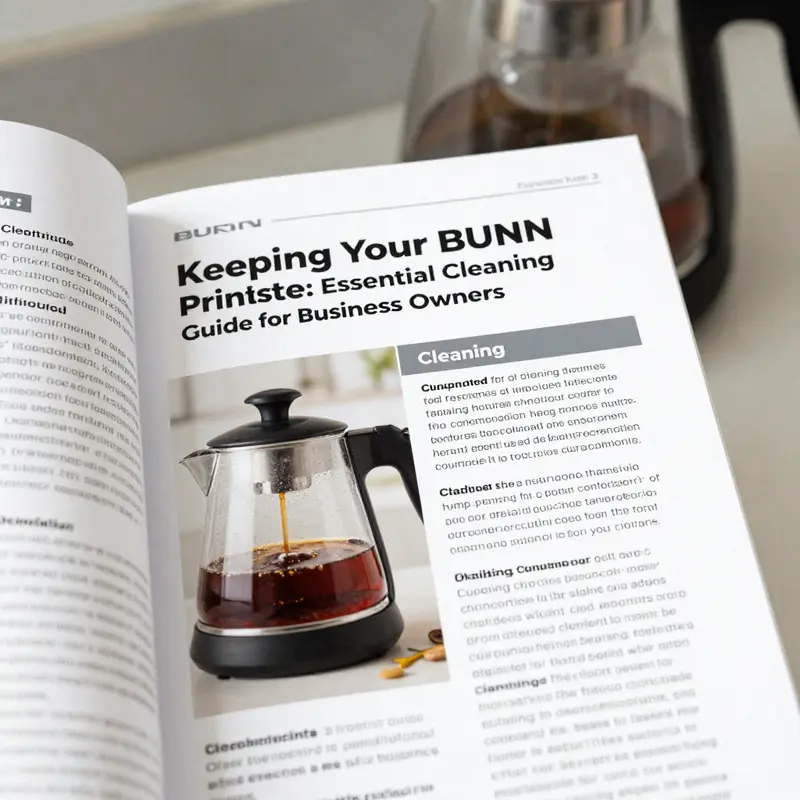
A good coffee routine rests on more than a single pot brewed with precision. It rests on a quiet maintenance ritual that keeps the machine’s heart clean and the flavors bright. Mineral-rich water leaves behind scale that can dull heat, slow brewing, and veil the aroma of a fresh batch. When you approach cleaning as a regular practice, the payoff is immediate: smoother pours, quicker recovery after nights when the pot sits idle, and a longer life for the brewer itself. The most important work is internal maintenance, where scale tends to accumulate inside the water pathways. Start with a monthly or as-needed descaling ritual, especially if you live in a hard-water area. The simplest and most universal method uses common household items, a recipe that has stood the test of many kitchen counters. Distilled white vinegar, mixed with water in a 1:1 ratio, creates an effective descaling solution that dissolves mineral buildup without harsh additives. Pour this into the reservoir, and begin the brew cycle. Let the machine run until it’s halfway through, then unplug it. This pause matters: it gives the solution time to work on stubborn deposits. After a pause of at least two hours, restart the cycle to flush the solution through the system. For larger models—those with bigger baskets or extended spray heads—you can adapt the proportions, using roughly one cup of vinegar to one cup of water. For smaller units, scale down accordingly so you’re not overloading the lines. If you’d rather skip vinegar, there are solid alternatives: a trusted commercial descaler kept to label directions; or a gentle baking-soda-and-water blend (about 0.4 cups of baking soda to a cup of warm water). A lemon-water mix—about half a cup of lemon juice to half a cup of water—can also help cut through mineral films and leave a fresh note. The key is to ensure you flush thoroughly after the soak, so no cleaning solution lingers to affect future batches. While the vinegar method is popular for its simplicity, a clean spray head and filter basket are equally essential. Remove the filter basket first, then carefully loosen and unscrew the spray head. Holes clogged with mineral specks can impede water distribution, so take a toothpick or a small brush and clear each opening. Wipe the exterior with a damp cloth and a drop of mild dish soap for good measure, paying attention to nooks where grime can hide. In stubborn spots, a pipe cleaner or a soft brush can reach tight areas. Reassemble only after everything is completely dry. Cleaning the tubing and spray tubes deserves similar care. If you have a descaling brush or a pipe cleaner, scrub back and forth through the spray tube, and repeat in any bypass lines or internal tubes. Some models include a dedicated descaling tool; when that tool is available, use it in the same back-and-forth motion to loosen scale from the interior pathways. After the internal cleaning, rinse thoroughly. Refill the reservoir with fresh cold water and run 3–4 full brew cycles without any coffee grounds to flush out every trace of cleaning solution. It’s important to discard the water after each cycle and to repeat until the aroma of vinegar or descaler is completely gone. Only then is the machine ready to brew again, reliably delivering the flavors you expect. Prolonging the life of your brewer comes down to consistent maintenance. Always consult your user manual for model-specific guidance, and don’t hesitate to reach out to official support channels if a particular part needs special care. The human touch—the knowledge that you’ve done it right—saves time in the long run and protects your investment.
As you plan your routine, consider how your cleanup looks beyond the internal tubes. The exterior deserves attention after every shift of coffee service. The carafe or thermal carafe should be immersed in warm, soapy water, allowing a gentle soak to loosen any residue from oils and sugars. A soft sponge or bottle brush reaches every interior corner, and a thorough rinse followed by complete air-drying prevents water spots and odors. Wipe the machine’s body with a soft cloth dampened in warm water and a touch of dish soap. Avoid abrasive cleaners and harsh solvents that could scratch finishes or affect control panels. If you’d like a hint of freshness during daily operations, a few drops of lemon juice in the rinse water can impart a light citrus note without harming the machine. Finish by drying with a clean cloth to keep surfaces gleaming and to reduce the chance of mineral deposition.
The base and sensor ring deserve careful attention too. A cotton swab lightly moistened with rubbing alcohol works well for the tight perimeter around the heating element and any sensor contacts. This step helps remove oil buildup and prevents false readings that could affect performance. Allow the cleaned areas to air dry completely before reconnecting power to avoid any electrical hazards. Taking these small steps—the inside, the outside, and the base—not only preserves flavor but also minimizes the chances of a hot, stubborn early-morning maintenance session turning into a longer maintenance day.
There are other practical tips worth noting. Citric acid offers a natural alternative to vinegar for descaling; mix with hot water, soak for a few hours, then rinse thoroughly. Regular cleaning reduces the likelihood of bacterial growth and helps maintain the full range of aromas you expect from your coffee. And a simple reminder: never leave used coffee grounds in the filter basket; discard them after each use to prevent mold and stale flavors from seeping back into future brews. If you want a more model-specific, step-by-step guide, you can consult a detailed resource that translates these general steps into exact actions for your particular unit. For a model-specific guide, see How to Clean a Bunn Coffee Maker.
In the end, the goal is a seamless routine you can perform without fuss, a ritual you look forward to because it guarantees better coffee and a longer-lasting machine. The path is straightforward: descale when needed, clean the spray head and filter basket, clear the tubing, rinse thoroughly, and wipe down the exterior and base with care. The rewards are tangible: your next cup tastes brighter, the brew time remains consistent, and the equipment stays quiet, efficient, and ready. The guidance is practical, built on the very basics of household maintenance, and backed by careful attention to model-specific instructions available through official resources. If you need a direct link to a comprehensive, up-to-date procedure tailored to your machine, it’s worth visiting the official support site linked in the resources below. This is where engineers translate decades of experience into clear, safe steps you can follow with confidence.
Internal link for model-specific guidance: How to Clean a Bunn Coffee Maker
External resource for authoritative procedures: For precise, up-to-date descaling and cleaning instructions, consult the official guide at https://www.bunn.com/support.
Final thoughts
Understanding how to clean and maintain your BUNN coffee pot is crucial for any business owner focused on delivering quality beverages. Regular descaling and cleaning can vastly improve the taste of the coffee served and prolong the life of the machine. By following the steps outlined in this guide, including utilizing alternative cleaning solutions and consulting BUNN’s resources, you can ensure a pristine brewing experience for your customers. Make cleanliness a standard practice, and your coffee service will thrive.