

Caffeine plays a pivotal role in consumer preferences for beverages, especially in iconic brands like Coca-Cola. With the beverage industry continually evolving, business owners need to comprehend the nuances of caffeine levels in their offerings. This article provides a focused exploration of caffeine content in Coca-Cola, placing particular emphasis on health implications, market comparisons, caffeine-free alternatives, and shifting consumer choices. Each chapter unfolds essential insights that can assist business owners in making informed decisions regarding their product lines and catering to diverse customer preferences.
The Quiet Role of Caffeine in a Classic Cola
Across the familiar can, caffeine offers a subtle lift rather than a bold jolt. In classic cola, the caffeine dose is carefully balanced to complement flavor without overwhelming it. The typical serving, about 11.2 ounces (330 milliliters), contains roughly 30 to 35 milligrams of caffeine, placing it below a cup of coffee and well within a moderate daily total.
Caffeine in this beverage comes mainly from natural sources like cola nut extract. This distinction helps explain why the experience can feel milder and longer-lasting, with steadier alertness rather than a sharp spike. For people sensitive to caffeine or trying to schedule intake around sleep, the cola can be a gentler option compared with higher-caffeine drinks.
Because formulations vary by region and product line, checking the nutrition label is the best way to know the exact caffeine amount. Consumers often use these numbers to fit cola into a broader caffeine plan; enjoying a daily lift without sacrificing rest later in the day.
If you want broader context, you can compare with other caffeinated beverages or consult producer resources for the latest figures.
Gentle Sparks: Placing Coca-Cola’s Caffeine Within the Landscape of Everyday Stimulants

Caffeine sits quietly in many everyday choices, yet its presence can subtly shape how we pace our days. In the realm of popular sodas, the flagship cola carries a modest but real dose of caffeine. A standard 12-ounce can of regular Coca-Cola contains about 34 milligrams of caffeine. That figure sits well below a typical cup of brewed coffee, which can range from 95 to 165 milligrams, and even beneath many teas, which often hover around 55 to 65 milligrams per cup. The comparison matters not only for energy expectations but for how people calibrate their daily caffeine load across meals, workouts, and work hours. The caffeine in Coca-Cola comes from the drink’s formulation and its natural ingredients, including the cola nut extract, a botanical source that has long contributed both flavor and mild stimulation. This is part of a broader pattern in carbonated beverages where caffeine is present in varying degrees, turning a familiar, refreshing taste into a small, predictable stimulant. The numbers, though modest, are enough to give a faint lift to alertness, a lift that can be more pronounced for someone who is caffeine-sensitive or who has been caffeine-free for an extended period. The per-12-ounce standard provides a consistent baseline, which helps consumers gauge not only how much caffeine they are ingesting but how that intake may stack up against other sources in a given day.
Where Coke’s caffeine content becomes more interesting is in how the different Coca-Cola family members compare not just to coffee or tea, but to other soft drinks that share the same shelf space. The Diet Coke line introduces a curious twist. Within the same 12-ounce measure, Diet Coke contains about 46.3 milligrams of caffeine, a noticeably higher amount than regular Coca-Cola. That discrepancy captures a common tension in beverage formulation: achieving a specific flavor and mouthfeel while also delivering the energy cue consumers expect. In practical terms, the sugar-free formulation appears to compensate, at least in part, with a stronger caffeine presence. The result is a beverage that offers a sharper caffeine profile without the caloric load of sugar. This dynamic underscores how even closely related products can diverge in stimulant content, shaping how consumers choose between sweetness, flavor, and a desired level of alertness during a busy day.
Turning to other well-known sodas helps place Coca-Cola’s caffeine in a broader context. Dr Pepper, another staple on the soda shelf, delivers around 42.6 milligrams of caffeine per 12 ounces. That places it in the higher middle tier of common soft drinks when it comes to stimulant content, though still far from the punch of coffee. The landscape is thus a spectrum: a regular cola at one end with roughly 34 milligrams, a Diet Cola edging higher at around 46 milligrams, and a rival like Dr Pepper occupying a similar, slightly stronger position. Compared with brewed coffee, even these higher-end soft drinks feel gentle; the same 12-ounce serving of coffee can hold more caffeine than several sodas combined, depending on the brew. In this sense, the caffeinated experience of a soda is often about the delivery—how quickly the body absorbs caffeine from a carbonated, sugar-laden beverage versus a hot, freshly brewed cup. The effect tends to be milder and more gradual, which explains why many prefer soft drinks for daylong sipping rather than a single, intense caffeine spike.
The data illuminate practical choices for people managing caffeine intake for health, mood, or sleep. For those who want to minimize stimulant exposure, there are clearly caffeine-free options across the Coca-Cola family and beyond. The dataset notes a caffeine-free Diet Coke option, and it mentions caffeine-free variants of other popular soft drinks as well. In addition, there are caffeine-free versions of some cola products and a suite of other flavors such as Sprite, Fanta, Lilt, and Seagram’s Ginger Ale in which caffeine is typically absent. These options create a straightforward path for individuals who must avoid caffeine entirely, whether due to medical advice, pregnancy considerations, or personal preference. They also highlight a broader consumer truth: what looks like a simple flavor choice can carry a meaningful implication for stimulant intake. For those curious about how one caffeinated beverage stacks up against another in everyday terms, there is a useful benchmark in the caffeine content of Diet Dr Pepper. See caffeine content of Diet Dr Pepper for a comparative snapshot that anchors the discussion in a concrete example. This internal reference helps readers translate numbers into daily habits without getting lost in jargon or abstract figures.
Beyond the numbers, there is a human dimension to these choices. The average person rarely consumes caffeine in isolation; it comes with meals, at work, during commutes, or in social settings. The sodas’ small caffeine doses can complement other daily sources of stimulation—tea, chocolate, or energy drinks—without delivering the rainstorm of caffeine that coffee can unleash. In that sense, Coca-Cola’s caffeine profile is a practical compromise: enough to be noticeable, but not overwhelming enough to disrupt a typical afternoon or evening routine. The flavor and the fizz help anchor this experience, making it easier to incorporate into a daily rhythm. The user’s sensitivity to caffeine, along with tolerances developed over time, will influence how these beverages fit into a given day. A person who is feeling particularly awake might opt for the standard cola to avoid a caffeine overload, while someone seeking a more pronounced lift may gravitate toward the higher-caffeine variants, or toward a coffee or tea for a quicker surge.
The conversation about caffeine in Coke thus becomes a conversation about balance. It invites readers to consider how much caffeine they want in a single serving, how many servings they typically consume, and how caffeine interacts with other stimulants and dietary components such as sugar, acidity, and even the timing of intake. For expectant individuals or anyone monitoring stimulant intake for health reasons, the takeaway is one of control and clarity: awareness of the per-12-ounce caffeine content empowers informed choices. The evolving formulation practices across the beverage industry, including variations in caffeine content by product line, further underscore the value of reading labels and understanding what each serving conveys. In this light, the caffeine story in a familiar cola isn’t just about a number on the can; it’s about the daily arithmetic of energy that helps people navigate work, study, and recreation with a pace that suits them.
For readers who want to dig deeper into the caffeine landscape of beverages, the research materials point toward practical comparisons and real-world choices. The data frame offers clear figures that help translate caffeine content into expected effects. And for those who want to explore a closely related question—how a popular caffeine claim stacks up against other beverages—the internal link above provides a concrete point of reference. As with any nutrient or stimulant, the key is knowing what is in each drink and how that amount aligns with personal health goals and daily routines. The knowledge enables people to enjoy their beverages with confidence, rather than relying on intuition alone.
External resources for broader guidelines on safe caffeine consumption complement this examination. For a comprehensive view that situates these beverage-specific figures within official recommendations, see the European Food Safety Authority’s caffeine overview.
External resource: https://www.efsa.europa.eu/en/topics/topic/caffeine
Caffeine in Coca-Cola: Reading the Label, Sensing the Stimulus, and Weighing Daily Choices
Caffeine in the familiar cola color and fizz sits at an interesting intersection of taste, tradition, and everyday health decisions. It is a small but meaningful ingredient in a drink many people reach for as a routine pick-me-up, a social companion, or simply a refreshing chill after a long day. The caffeine in Coca-Cola, derived from natural sources such as the kola nut along with the drink’s own flavor chemistry, is not a showstopper, but it is a factor worth understanding when you plan your day. A standard 12-ounce can of regular Coca-Cola Classic carries roughly 34 milligrams of caffeine. That figure places the beverage well below a typical cup of coffee in caffeine heft, yet it remains enough to be noticed by many drinkers who are sensitive to stimulants or who monitor their daily intake. It is a gentle nudge rather than a kick, a nuance that becomes more apparent when seen in the broader context of how caffeine operates in the body and how people shape their beverages around health goals.
To interpret that 34-milligram figure, it helps to compare it to more concentrated sources of caffeine. A standard cup of brewed coffee commonly ranges from about 95 to 165 milligrams, depending on roast, grind, and brew method. In other words, a single Coke can deliver roughly one-quarter to one-third of the caffeine you might receive from a cup of coffee. That relative difference has practical implications for daily routines: for someone who uses caffeine to sharpen focus during a midmorning slump, Coca-Cola offers a milder stimulant with a longer, calmer onset than espresso shots, and it does so without the higher peaks coffee enthusiasts often chase. It is also worth noting that caffeine in Coca-Cola comes not only from coffee-like ingredients but from kola nut extracts and other flavor systems that have evolved within the beverage-making tradition. The result is a product that maintains its distinctive taste while delivering a measured, predictable amount of caffeine.
Health authorities have long examined caffeine’s safety profile, and the guidance remains that moderation matters. The European Food Safety Authority (EFSA) concludes that up to about 400 milligrams of caffeine per day is safe for healthy adults. Translating that to Coca-Cola, you could theoretically drink about 10 to 12 cans in a single day and still remain within that general safety threshold. Of course, real life rarely aligns with those extreme bounds, but the point stands: the caffeine content in a single can is modest enough to be compatible with typical consumption patterns when balanced against other daily caffeine sources like tea, coffee, and certain medications or supplements. For pregnant individuals, the guidance is different; many health authorities advise keeping daily caffeine intake under 200 milligrams. In practical terms, that means a few cans of Coca-Cola across a day could still fit within the limit, but careful planning is wise to avoid exceeding the limit during pregnancy. And for children and adolescents, the consensus across pediatric and medical organizations is more cautious: caffeine can influence developing nervous systems and sleep, so many recommend limiting or avoiding caffeine intake for younger individuals.
It is also important to recognize that caffeine is not a uniform risk factor. The EFSA assessments emphasize that individual sensitivity varies: some people notice jitters, a faster heart rate, anxiety, or sleep disturbances at relatively low doses, while others tolerate similar amounts with little effect. This variability helps explain why some people are more protective of their caffeine intake than others, even when the numbers look modest on paper. In the broader scientific landscape, there is a reassuring consistency: major health organizations have found no credible evidence that caffeine consumption, within typical daily ranges, increases cancer risk. In fact, some studies hint at protective associations with certain cancers, though research is ongoing and nuanced. The takeaway for most adults is straightforward: enjoy caffeine in moderation, stay mindful of all sources, and consider your own sensitivity and daily schedule when choosing beverages.
From a consumer perspective, Coca-Cola recognizes that not everyone wants caffeine in their drink. The company offers a spectrum of alternatives, including caffeine-free options and low-sugar or zero-sugar formulations. If avoiding caffeine entirely feels right, Coca-Cola Caffeine-Free and Coca-Cola Caffeine-Free options exist, providing the familiar cola experience without the stimulant. For those who still want a Diet option with caffeine, Diet Coke contains caffeine—about 46.3 milligrams per 12-ounce serving—so understanding product labels helps you tailor choices to your needs. And for those who simply want a caffeine-free, bubbly alternative, several popular varieties such as Sprite, Fanta, Lilt, and Seagram’s Ginger Ale are widely available as truly caffeine-free options. These choices enable people to align their daily beverages with dietary goals, sleep patterns, or medical considerations without sacrificing the familiar carbonation and flavor profile that makes cola beverages appealing in the first place.
The conversation about caffeine in Coke often intersects with broader comparisons across non-coffee beverages. For instance, if you’re curious how a cola’s caffeine content stacks up against other fizzy, non-coffee drinks, you can explore how Mountain Dew’s caffeine compares in a related discussion. The exploration of these contrasts helps consumers build a more precise daily plan, especially for those who rely on caffeine to manage fatigue or who juggle schedules that include late nights, early mornings, or long shifts. In the context of a comprehensive dietary picture, the caffeine in cola is a piece of a larger puzzle. It interacts with hydration, sugar intake, and overall energy balance. A single can might satisfy a mild craving for stimulation and pleasure without pushing the body into uncomfortable territory, but accumulating caffeine from all sources remains the central constraint.
In practical terms, the consumer’s decision often hinges on more than milligrams per can. People weigh taste, taste consistency across product lines, and the social and cultural associations of cola drinking. They also consider the total daily caffeine load, the timing of consumption relative to bedtime, and personal experiences with sleep quality and anxiety. For some, a can in the mid-afternoon fits neatly into a routine that prioritizes steady energy without the jitteriness that sometimes accompanies higher-caffeine beverages. For others, even the modest amount can disrupt sleep or trigger discomfort when consumed late in the day. The guidance from EFSA and related health authorities is fundamentally pragmatic: know your own threshold, monitor total caffeine from all sources, and adjust accordingly. This approach helps preserve comfort and well-being while still enjoying the beverages that fit your lifestyle.
As readers navigate these considerations, the labeling on the can and the broader product line serves as a practical compass. The numbers on the label—caffeine content, sugar grams, and calorie count—offer a straightforward snapshot of what you are consuming. The available caffeine-free versions further emphasize the role of consumer choice in shaping a beverage landscape that accommodates different health goals. Whether you are selecting a classic, craving a light, refreshing option, or steering toward a caffeine-free path, the decision remains rooted in informed reading of labels, honest reflection on daily intake, and an awareness of how caffeine interacts with one’s unique physiology and schedule.
For those who want a concise, reader-friendly reference as they compare options, a simple takeaway helps: a 12-ounce can of regular cola provides roughly 34 milligrams of caffeine, enough to offer a mild lift without the intensity of coffee. If your day already includes multiple caffeine sources, or if you are mindful of bedtime, it can be sensible to pace cola consumption earlier in the day and lean on caffeine-free beverages later. The wide availability of caffeine-free or low-caffeine alternatives makes it possible to maintain consistency in taste and routine while honoring personal and physiological limits. This balanced approach—enjoyment paired with awareness—helps transform a familiar, widely loved drink into a thoughtful part of a daily dietary plan.
Internal reference for readers exploring cross-category caffeine comparisons: caffeine-content-mt-dew.
External resource: for a broader risk assessment and official safety recommendations, see the European Food Safety Authority’s caffeine safety overview: https://www.efsa.europa.eu/en/press/news/150529
Beyond the Buzz: Navigating Coca-Cola’s Caffeine-Free Options and What They Mean for Your Day
At first sip, the familiar fizz carries more than sweetness; it carries a subtle reminder of caffeine’s role in modern beverages. In most regular colas, caffeine isn’t the star; it’s a quiet partner that elevates alertness just enough to feel a light lift without the jittery edge common to stronger caffeinated drinks. In the case of Coke, recent analyses estimate about 33.9 milligrams of caffeine in a standard 12-ounce can. That’s notably lower than a typical cup of coffee, which can range from roughly 95 to 165 milligrams, depending on bean, roast, and brew method. Yet for many people, that quantity lands squarely in the middle ground—a gentle nudge that can help sustain focus through a midafternoon lull or make a social gathering feel a touch livelier without disrupting sleep later on. The caffeine present in this cola originates from the formula’s natural components, including kola nut extract, a historic source of stimulant compounds. This botanical origin links the product to a wider tradition of caffeinated beverages that use plant-based ingredients to deliver both flavor and energy in one package.
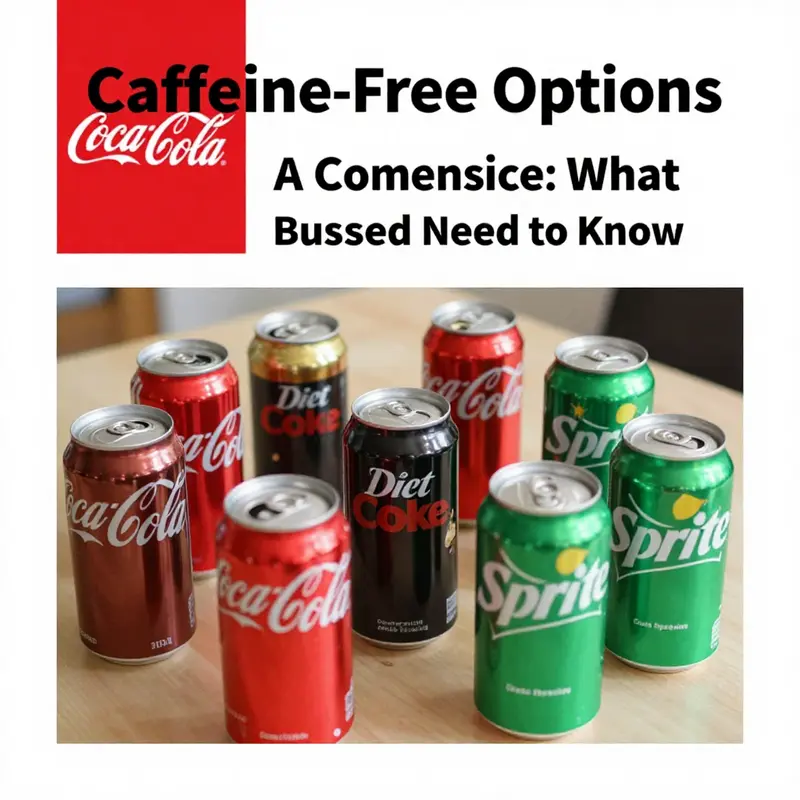
From there, the conversation naturally extends to caffeine-free options. Coca-Cola offers several paths for those who want the taste and fizz of a classic cola lineup or its flavor-family cousins minus the stimulant effect. Among these, the caffeine-free Diet Coke preserves the brand’s signature crispness and lighter mouthfeel, available in familiar sizes such as 12-ounce cans and larger bottles. For fans seeking a less intense sweetness or a different dietary balance, some of the non-cola family drinks in the Coca-Cola portfolio stand out as reliable options. Sprite, with its lemon-lime brightness, delivers a clean, refreshing profile that never veers into caffeinated territory. Fanta, with its bright fruit-forward options, can be a similarly carefree choice for those who want a burst of flavor rather than a caffeine kick. Lilt, a blend of lemon and lime with a touch of sweetness, rounds out the citrus-inspired alternatives, offering a lighter, more playful palate that works well in casual gatherings or as a daytime refresher. Seagram’s Ginger Ale, in its caffeine-free form, adds spice and depth to the lineup, suitable for sipping neat or mixing into simple, bright cocktails or mocktails. That same spirit of flexibility appears in the broader category as well, because tonic water and seltzer—often overlooked in cola discussions—bring effervescence with a crisp finish and little to no caffeine, making them appealing partners for those who want to enjoy a fizz without the stimulant.
The texture and aroma of caffeine-free drinks can still evoke the nostalgia of the brand’s familiar flavors, and this is precisely why these options hold appeal for a wide audience. Not everyone needs an energy boost tied to a sugar-sweet beverage; many simply want a refreshing, thirst-quenching drink that complements a meal, a conversation, or a lazy Sunday afternoon. The availability of these caffeine-free options in major retail channels—whether in a store aisle or via online ordering—helps ensure that a broader set of consumers can choose in line with their personal health goals, sleep patterns, or dietary restrictions. If you’re curious about how caffeine in the same family stacks up against other popular choices, you can explore comparisons such as Mountain Dew versus Coke; the discussion there highlights how different formulations deliver varying caffeine loads and flavor influences across brands. Caffeine in Mountain Dew vs Coke. This kind of cross-comparison invites a practical mindset: it’s not just about whether caffeine is present, but how much, when, and how it integrates with your daily routine.
Opting for caffeine-free choices also has social and lifestyle implications. For someone who enjoys a late-afternoon or evening beverage without altering sleep patterns, a caffeine-free option provides a reliable path to relaxation after a busy day. For those monitoring intake for health reasons, these choices offer predictable caffeine exposure and clarity around what’s in the glass. Coca-Cola’s caffeine-free Diet Coke is presented as a faithful custodian of the classic Diet Coke experience—zero caffeine, consistent sweetness, and the expected crisp finish. The selection’s breadth—ranging from solidly carbonated cans to larger multi-serve packages—addresses different consumption habits, whether you’re stocking a fridge for a family, planning a weekend picnic, or merely ensuring there’s a non-caffeinated option during a hot afternoon. And while some fans might be predisposed to the caffeine-free formats, others may opt for variants that still carry caffeine but at lower intensities, such as caffeine-free iterations of the zero-sugar line or the everyday Diet and lemon-lime fare that complement a broad array of meals.
The idea here is not to chase novelty for novelty’s sake but to provide reliable choices that align with personal rhythm. When caffeine is a factor in beverage selection, timing matters. Consuming a caffeinated drink late in the day can disrupt sleep or alter restfulness, especially if you are sensitive to stimulants. A caffeine-free alternative removes that concern while preserving the experience of a cold, fizzy beverage—an experience that can feel almost ceremonial when shared with friends or family. This is where the value of a broad, well-curated lineup becomes evident: it respects consumer autonomy, acknowledges a spectrum of preferences, and preserves the ritual of a familiar drink while acknowledging the practical needs of the body and the clock. The portfolio also reflects practical considerations beyond caffeine alone. Calorie-conscious consumers might prefer caffeine-free Diet options, while others look for the versatility of mixing partners in the kitchen, where a caffeine-free tonic or a seltzer can be the base for a sparkling mocktail. In these moments, the choice becomes less about a single nutrient and more about a comprehensive approach to hydration, flavor, and balance across the day.
Crafting a narrative about caffeine in Coke inevitably touches on the broader culture of beverages and how people navigate their own relationships with energy, taste, and health. The presence or absence of caffeine does not merely shift a bottle from one shelf to another; it changes the way a person fits the drink into routines, meals, and gatherings. A noon break might benefit from a light, caffeine-containing option to bridge productivity and social ease; a late afternoon lull might be quelled with something that carries zest without a stimulant surge; and a quiet evening could welcome a non-caffeinated chill alongside a light snack. In making choices, patrons weigh flavor fidelity against stimulant load, and the industry responds by offering a spectrum that honors both thresholds. In this sense, the caffeine-free family expands the conversation from “do I want caffeine?” to a more nuanced question: “what mood do I want my drink to support?” This shift mirrors evolving consumer expectations around wellness, sleep hygiene, and personal energy management, underscoring why a robust lineup of caffeine-free options matters as much as the presence of caffeine in any given product.
In closing, a chapter about caffeine in Coke without over-emphasizing brand names becomes a study in balance. The science reveals a modest caffeine presence in the regular formula, enough to register on the palate and on the system for some, but not so overpowering as to define a person’s entire day. The flavor and texture of the drink remain constant, while the caffeine content becomes a variable that consumers can navigate with choices that respect individual schedules and preferences. The caffeine-free lineup demonstrates Coca-Cola’s recognition of diverse consumer needs and underscores a broader industry trend toward transparency and variety. For readers who wish to explore further, a quick glance at available caffeine-free options can reveal how a single company can accommodate a wide readership—from the strict dieter seeking zero-stimulant beverages to the casual sipper who wants a refreshing lemon-lime sparkle in the afternoon.
External resource: https://www.fda.gov/food/food-additives-petitions/caffeine
null

null
Final thoughts
Understanding the caffeine content in Coca-Cola and its implications can significantly influence a business owner’s strategy and product offerings. With a moderate level of caffeine compared to coffee and other beverages, Coca-Cola continues to appeal to a broad audience. By acknowledging health considerations and providing caffeine-free alternatives, businesses can better meet the diverse needs of consumers. Ultimately, fostering a keen awareness of consumer preferences allows businesses to adapt successfully in a competitive market.