
As coffee culture continues to flourish globally, travel coffee brewers have emerged as essential tools for caffeine enthusiasts seeking high-quality experiences on the go. For business owners, understanding these brewers can unlock new opportunities, from enhancing customer satisfaction to diversifying product offerings. This guide will delve into the technology behind travel coffee brewers, the diverse types available, how to choose one that meets your needs, the environmental impacts of making such choices, and how the right brewer can significantly enhance user experience. Each chapter builds on the previous to provide a comprehensive understanding of how travel coffee brewers can seamlessly integrate into your business model.
Brewing on the Move: The Technology Behind Travel Coffee Brewers
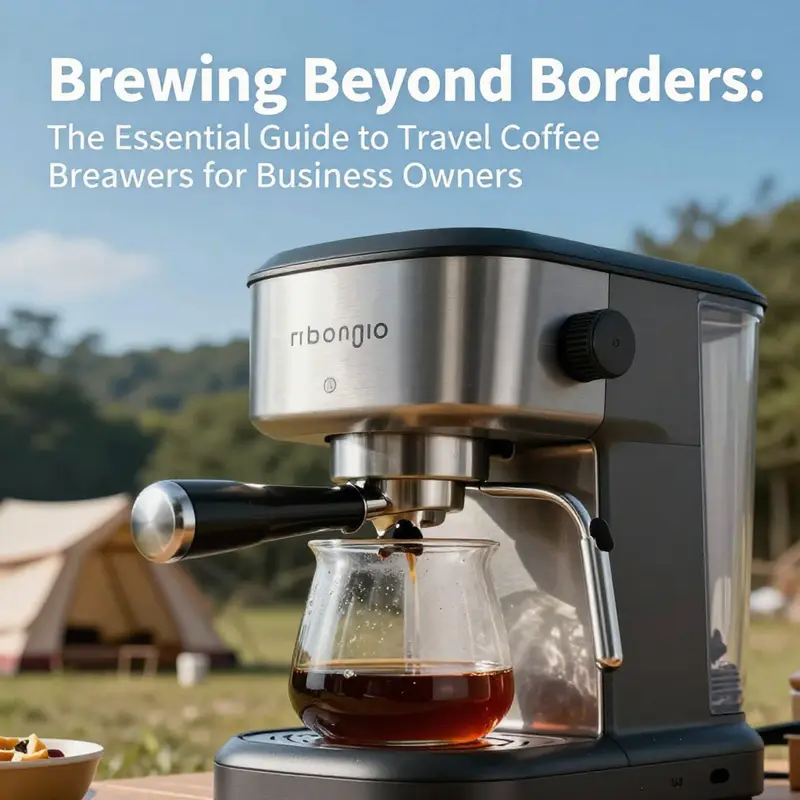
Travel coffee brewers have evolved from curious gadgets to a practical ecosystem for life on the move. They balance heat, flow, and control to deliver reliable, high-quality coffee on trains, trails, or in crowded stations. Core ideas are compact design, efficient heating, and managed water distribution. The best devices translate café ritual into portable experiences while prioritizing weight, durability, and energy use, and still honor flavor subtleties. Travel brewers combine physics, materials science, and user-centered design into systems you can pack in a backpack or a carry-on. They aim not to replicate commercial machines but to stabilize repeatable extraction in imperfect environments. Two broad families define the space: gravity-fed drippers and compact self-contained immersion or pressurized systems. Gravity-fed options rely on gravity through a filter; they are simple, often requiring an external heat source and manual timing, but offer clean profiles. Pressurized systems push water through grounds under controlled pressure, delivering espresso-like concentrate in a portable form. These approaches show travel brewing is about quality within constraints: weight, heat source, and what flavor trade-off you’re willing to accept for portability. Temperature control is central: many devices target 90C to 96C (195F to 205F). Double-walled insulation helps maintain heat; some devices use small heaters or battery-powered elements; others rely on preheated vessels. The interaction between stable temperature and controlled flow yields balanced cups; go too fast and bright acidity dominates; too slow and bitterness rises. Materials matter: stainless steel, BPA-free plastics, and food-grade silicones, with robust seals and leak-resistant lids. Cleaning is a design feature; modular parts simplify maintenance and extend device life. Innovations include collapsible filters, reusable drip bags, and insulation advances that reduce energy use and waste. Smart features are emerging: digital temp control, battery-powered heaters, or sensors; emphasis on repairability, energy efficiency, and minimizing single-use components. The broader aim is to preserve flavor while coping with travel realities. Readers seeking guidance can consult a curated guide like Best Portable Travel Coffee Makers for Great Coffee on the Go to compare options that balance performance and portability.
Brewing on the Move: A Thorough Tour of Travel Coffee Brewers and Their Features
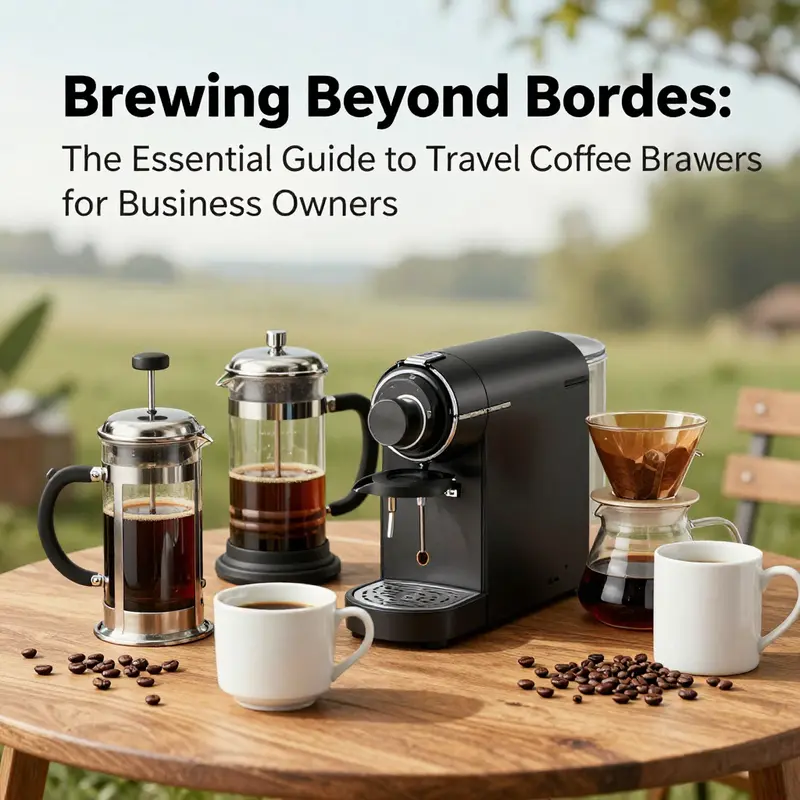
Brewing on the move has transformed from a niche habit into a pragmatic art form for anyone who refuses to let travel dull the ritual of a good cup. The modern travel coffee brewer sits at the crossroads of practicality and taste, a quiet testament to how design can adapt a beloved daily ritual to the demands of packing, pacing, and pacing again through airports, train platforms, campgrounds, and hotel rooms. What begins as a simple need—coffee that tastes like it does back home—morphs into a broader question: what kind of on‑the‑go coffee experience do you want, and how much friction are you willing to tolerate to get it? The spectrum of travel brewers, then, is not a single device but an ecosystem that invites travelers to balance speed, flavor, and convenience in a way that suits their itinerary, weather, and energy level.
In practice, the most common types fall into a few broad categories, each with its own temperament and a distinct set of trade-offs. The first is the single‑serve, portable brewer family. These compact devices embrace the idea that a fresh cup can be brewed on the road with minimal setup. They leverage built‑in filters or micro‑filters and usually come with compact stirrers or measuring tools tucked into the body. The appeal is clear: grind or grindable pods, a short wait, and a cup that can be poured and sipped within minutes. The coffee produced by these machines can be deeply satisfying, capturing complexity that often rivals bulkier setups, especially when the user controls grind size, water temperature, and immersion time with a deft hand. A traveler who values quality but cannot spare space in the pack will often gravitate toward these devices. They are especially popular for cabin or hotel room mornings, or for campers who want a quick, hot cup without hauling extra gear. Yet the very compactness that makes them appealing also means you trade a little control for speed, and you’re typically relying on whatever water is available and whatever heat source the day offers.
Another stream worth noting centers on electric travel companions. These mini kettles and compact drip machines breathe a bit of domestic convenience into travel life. With access to a power outlet—be it in a hotel room, a camper’s inverter, or a dedicated café corner—these devices can heat water quickly and brew a full cup with minimal fuss. They are particularly handy when the traveler wants to stage a precise pour‑over routine or when a larger volume is desired without the perpetual refills of a manual device. The larger footprint and the need for a power source price these options as the more reliable option for travelers who plan to set up a temporary kitchen away from home. The transition from manual to electric brewing often mirrors a traveler’s changing environment: in a crowded airport hotel, a hot kettle and a stable surface can turn a marginal morning into a routine, while in a windblown campsite, the same setup can become a burden. The balance of portability and power becomes the key decision point.
Then there are cold brew concentrate bottles with infusion systems. This approach deliberately sidesteps the need for hot water by letting grounds steep in cold water over extended periods. The result is a smooth, low‑acid concentrate that can be diluted with water or milk on demand. For long journeys, layovers, or destinations where hot water isn’t reliable, this method offers predictability and a gentler caffeine profile. It does require planning and patience, as the steeping time is measured in hours rather than minutes. Yet for travelers who crave a crisp morning pick‑me‑up without heat, cold brew concentrates offer a compelling, space‑efficient alternative. The fourth and increasingly popular category involves insulated thermal travel mugs that embed brewing features inside the mug itself. These hybrid devices fuse thermal insulation with a lightweight brewing chamber, allowing steeping to occur within a sealed vessel that keeps temperature for longer and reduces the number of moving parts. They are especially attractive for commuters who want a “grab‑and‑go” experience—brewing and sipping in the same vessel, with minimal cleanup and a neat, leak‑proof profile. The idea of a mug that not only keeps coffee hot but also supports a basic, contained brewing process epitomizes the modern push toward minimalism without sacrificing flavor. In essence, the travel brewer landscape now ranges from pocket‑sized, ground‑coffee–centric devices to all‑in‑one mugs that carry a complete brewing workflow in a single handhold. This continuum reflects a wider shift in how travelers approach time, space, and taste: the decision is less about choosing a single method and more about selecting a set of tools that harmonize with the specifics of each trip.
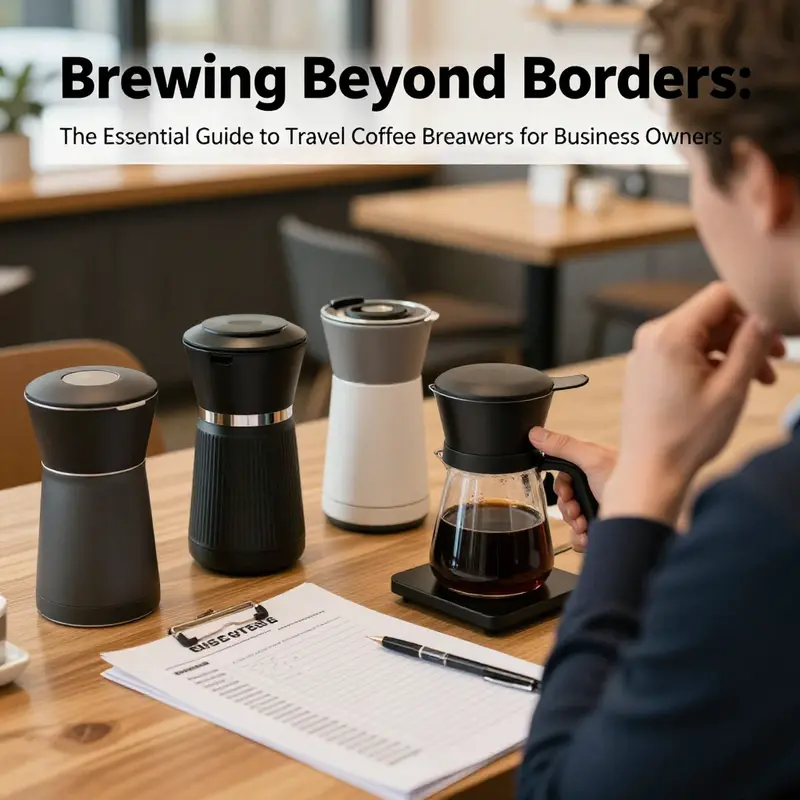
Across these varieties, certain features consistently determine user satisfaction. Portability remains paramount: weight, size, and packability define what can ride comfortably on a daily basis. Cleaning convenience follows closely behind; travelers want components that can be quickly rinsed or are dishwasher‑safe, because space for drying and air circulation is often limited. Material quality matters too: sturdy, food‑safe metals and plastics that stand up to temperature swings, humidity, and rough handling in backpacks or luggage. Temperature control is another decisive factor, especially for those who pursue the delicate balance of extraction and aroma. Vacuum insulation, double‑wall construction, and robust seals keep heat in or cold out, ensuring that a cup brewed hours earlier remains enjoyable later in the day or during a long layover. Compatibility with accessories—grinders, filters, travel spoons, or compatible pods—adds a layer of practicality that many travelers find decisive when planning a short trip or a longer expedition.
The decision framework for a travel brewer often rests on a few grounded questions. How much time do you have in the morning, and how much heat power can you reliably access? Is your travel tempo more about high‑volume caffeine, or about savoring intricate flavors that reward attention to grind size and temperature? Do you need a solution that doubles as a mug, or can you dedicate a dedicated bottle or cup for brewing? The answers guide a traveler toward one of the broad categories discussed above, with the understanding that the best choice is the one that aligns with the user’s routine rather than the idealized, studio‑set version of travel coffee.
In making these choices, many readers discover a helpful middle path: a versatile, portable brewing approach that pairs a compact manual device with a foldable water bottle or travel kettle. This combination preserves the spontaneity of coffee on the road while still honoring the craft of extraction. For those who prize simplicity above all, an integrated travel mug with a one‑touch lid and an easy‑to‑clean air path provides a reliable, no‑fuss experience. And for travelers who relish a bit of ritual and flavor nuance, a compact, ground‑coffee–driven brewer with a responsive temperature range can deliver a café‑worthy cup in a tent, on a train, or in a hotel room. The evolving ecosystem is less about chasing a single perfect gadget and more about embracing a toolkit that can adapt to the day’s constraints and the palate’s demands.
For readers seeking further guidance on the practical logistics of choosing and using travel brewers, a concise resource on the broader landscape of options provides a useful map. See the guide to the best portable travel coffee makers for great coffee on the go for a curated overview that considers weight, capacity, and usability, helping travelers compare the essentials without getting lost in the minutiae. This approach to learning mirrors the way travelers actually live with gear: through hands‑on testing, field notes, and honest reflection about what truly makes travel better.
Ultimately, the travel coffee brewer is not a single instrument but a flexible system designed to travel with us, no matter the route. It embodies a practical philosophy: good coffee should be accessible wherever the day takes us, and the best tools are those that disappear into the rhythm of travel, leaving behind only the taste of a well‑brewed cup. The next chapter will examine how this on‑the‑go coffee culture intersects with the broader landscape of portable amenities, sustainability, and the evolving expectations of modern travelers who refuse to compromise on flavor simply because they are away from home. For a practical overview of options, see the travel coffee makers guide. External reference: https://www.rei.com/blog/outdoors/travel-coffee-makers-guide
null
null
Brewing with a Conscience: Sustainability as the Compass for Travel Coffee Brewers
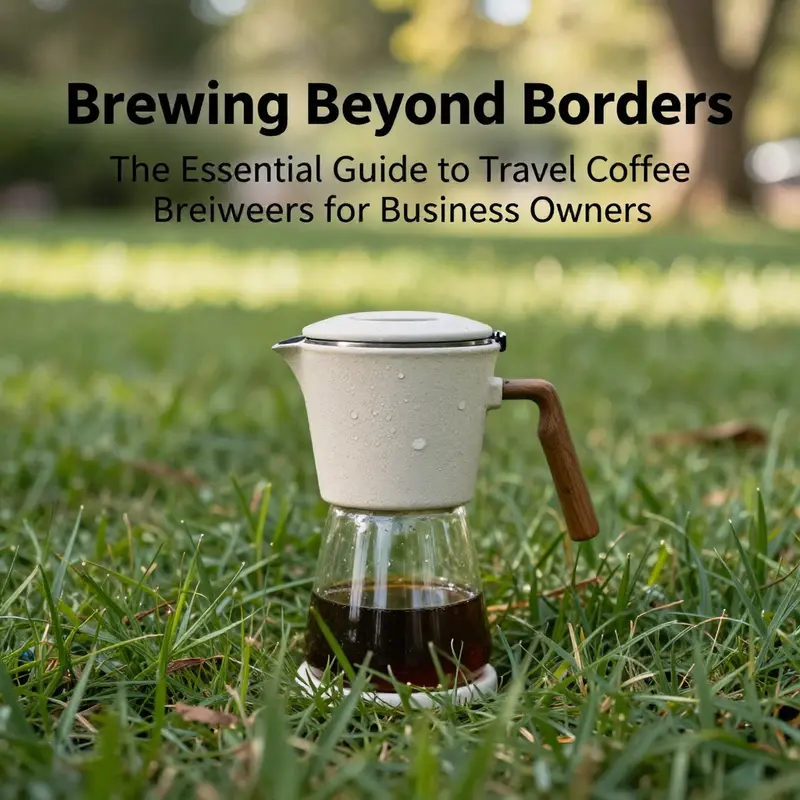
Every cup of coffee brewed on the road carries more than aroma and warmth; it carries a footprint. The travel coffee brewer market has grown into a nuanced ecosystem where design choices, material selection, and user behavior intersect with broader environmental, social, and governance (ESG) priorities. As travelers seek convenience without compromising ethics, manufacturers are shifting from feature blind competition to sustainability-driven innovation. The result is a landscape where compact devices, once judged primarily by speed and flavor, are now evaluated by life-cycle impact, repairability, and the promise of a smaller, smarter footprint. This shift is not a trend but a framework shaping how products are conceived, manufactured, used, and eventually retired. It invites a narrative where every brewing decision—from the grain to the cup—can contribute to a more responsible system for the planet and its people. The journey toward sustainable travel coffee brewing is, at its core, about aligning caffeine rituals with the values many travelers already hold: ease, quality, and stewardship.
A central driver of footprint in coffee is not the hardware alone but the supply chain that feeds the bean. Green coffee beans account for a substantial share of total emissions in the coffee value chain. In many analyses, the supply chain represents over eighty percent of the carbon footprint associated with coffee products. Recognizing this concentration shifts the conversation from merely optimizing the kettle to rethinking sourcing itself. For travelers and brands alike, this means spotlighting transparent sourcing credentials, farm-level sustainability practices, and certification frameworks that verify responsible cultivation and fair labor. In practice, this translates to choosing beans from sources that prioritize soil health, water stewardship, and equitable livelihoods, coupled with packaging and logistics strategies that minimize energy use and emissions. When a travel brewer is framed as a node in a responsible supply network, its environmental story extends beyond the device and into the fields where coffee is grown. The narrative of sustainability becomes a chain of accountability.
Beyond sourcing, the way we brew matters. Travel coffee brewers can shape waste streams in meaningful ways. Pod-based systems, which rely on single-use capsules, are convenient but often generate non-compostable waste unless a brand supports robust recycling streams. In contrast, brewers that encourage reusable filters and ground coffee—whether loose grounds or compostable filter media—tend to align better with circular economy principles. Drip-style brewing with compostable paper filters, for example, produces only organic waste that can be returned to the soil if managed properly. Those small, daily choices accumulate when travelers are on the move, especially in environments where waste management options vary. A shift toward reusable components also invites a broader conversation about how travel gear is disposed of at the end of life. The more a device is designed for disassembly and repair, the easier it is to recapture materials and reduce landfill contributions.
Efficiency and durability form another axis of sustainability. Travel devices that use energy-efficient heating elements reduce the energy required per cup, lowering the indirect carbon footprint of brewing on the road. Durable construction—think robust, corrosion-resistant materials, reinforced joins, and components designed for repair rather than replacement—extends product life and reduces electronic waste. A modular approach to design further reinforces durability. When parts can be upgraded or replaced without discarding the entire unit, a traveler can adapt to evolving tastes or improvements in technology without contributing to obsolescence. In practice, modularity supports a longer product life and a lighter environmental burden, because it distributes the cost of upgrades over time rather than all at once in a new purchase. End-of-life considerations—how easy a device is to take apart, what materials are used, and how readily those materials can be recycled—are increasingly weighed as part of the value proposition for travelers who care about the world they pass through.
The choices a consumer makes in a given context—urban commuting, backpacking, or a café-to-go layover—also shape a device’s sustainability profile. For instance, a compact travel mug with a highly insulated, reusable brewing system can offer excellent temperature retention with minimal energy input while supporting the reuse of coffee grounds and filters. In such configurations, the emphasis shifts from novelty to practicality: can the traveler maintain flavor while minimizing waste and energy use? The answer hinges on aligning the design with real-world use cases. A device that performs efficiently in a high-traffic urban setting, yet remains simple to repair or upgrade in a remote location, earns a longer, more sustainable life. This alignment between context and capability reduces the risk of abandoned gear in corners of a suitcase or closet, a phenomenon all too common with gadgets that chase novelty but neglect durability.
The broader sustainability conversation also invites a critical look at how information is shared with consumers. ESG reporting and third-party certifications are increasingly sought after by travelers who want their purchases to reflect their values. Brands that openly disclose energy consumption during use, material sourcing, recyclability at end of life, and repairability scores empower customers to compare impact beyond price and aesthetics. In parallel, manufacturers are experimenting with sustainable materials and modular designs that facilitate easier repairs and upgrades. This isn’t just about choosing aluminum over plastic; it’s about creating ecosystems in which equipment can be stripped down, upgraded, and reassembled without sending a device into a landfill. Sustainable practices—such as using materials that are readily recyclable, minimizing packaging, and designing for repairability—are evolving from a nice-to-have to a core competitive attribute in the travel coffee brewer market.
If one looks at the industry through the ESG lens, the travel coffee machine market starts to resemble a living system—one that integrates supply chain resilience with consumer-centric design. The push toward sustainable materials and modular architecture is not merely a design preference; it is a response to the volatility of supply chains and the growing expectations of a climate-conscious global audience. The shift also reflects a more ambitious industry-wide ambition: to decouple growth from waste and to create a circular economy around coffee gear. In this sense, sustainability is not an add-on but a fundamental criterion by which products are judged, purchased, and ultimately reimagined for future use.
For readers who want to explore practical, on-the-ground perspectives on sustainable travel coffee gear, a useful resource highlights how portable, repair-friendly options can enhance a traveler’s ethical footprint. This guide emphasizes practical characteristics such as reusable filtration, minimal packaging, and ease of cleaning—factors that influence both the user experience and environmental outcomes. It invites readers to consider not only how a device brews coffee, but how it travels through life with them. The discussion also underscores a broader question: can a traveler’s portable coffee habit contribute to a more sustainable coffee system, from farm to cup to landfill avoidance?
In the spirit of practical guidance, the chapter recognizes that sustainability does not demand perfection from every traveler. Instead, it invites incremental improvements, such as choosing devices that reduce waste, favoring brewing methods that minimize energy use, and supporting brands that commit to transparent ESG reporting. The interplay between design choices and consumer behavior is fundamental. A thoughtfully designed travel brewer paired with responsible handling—refilling, cleaning, and proper disposal—can meaningfully reduce the environmental burden associated with mobile caffeine rituals. As the market continues to evolve, we can expect innovations that further blend flavor fidelity with responsible practices, reinforcing the idea that great coffee on the go can also be kind to the planet.
For readers seeking further context on how ESG standards are transforming the travel coffee industry, the analysis from Grand View Research provides deeper insight into market dynamics, sustainability benchmarks, and regulatory influences shaping this space. External resource: Grand View Research – Travel Coffee Machine Market: https://www.grandviewresearch.com/industry-analysis/travel-coffee-machine-market
Internal reference for readers curious about practical, sustainability-forward gear: Best portable travel coffee makers for great coffee on the go. For more on how compact systems can align with eco-conscious goals, see the following guide: Best portable travel coffee makers for great coffee on the go. This resource offers concrete examples and considerations that complement the broader ESG discussion, helping travelers choose gear that balances flavor, convenience, and responsibility without compromising on quality or ethics.
Brewing on the Move: How Travel Coffee Brewers Redefine Convenience Without Compromising Flavor

A travel coffee brewer is not merely a tool for making coffee away from a fixed kitchen; it is an extension of a daily ritual that travels with you. In the past, the gap between a great cup and a great journey was often a matter of carrying the right gear and contending with imperfect water, uneven heat, or inconsistent timing. Modern travel brewers aim to eliminate those frictions while preserving the core pleasure of the craft: control over temperature, extraction, and texture, even when miles from a predictable café. The result is a cohesive ecosystem where form and function align—from automated cold drip systems that do the heavy lifting to compact, hands-on pots that invite a tactile, mindful moment as you heat water and observe it rise through the process. Taken together, these devices reflect a broader shift in how travelers experience coffee: not a concession to scarcity, but a portable, adaptable approach to flavor and routine.
The heart of this movement lies in two broad families that dominate the current landscape. The first is the automatic cold drip or other automated brewing systems designed to minimize attention while maximizing consistency. These brewers manage the infusion, steeping time, and drip rate with a level of precision that would be hard to replicate with manual methods on a moving train or a windy hillside. For the busy traveler, the appeal is straightforward: a reliable cup with minimal monitoring, a predictable outcome, and the ability to set a preferred strength or aroma profile and then step away. A recent synthesis of user experiences highlighted how such systems deliver consistency and offer some customization without the constant monitoring that accompany traditional methods. This makes them especially attractive for people juggling multiple responsibilities or moving quickly between environments where attention is divided. In practical terms, the automated approach compresses time without compressing quality, turning brewing into a quick, repeatable routine that travels as easily as the traveler does.
The second family emphasizes a more hands-on, no-fuss philosophy: stovetop coffee pots and similar compact methods that fit into the traditional craft narrative. These devices honor the tactile joy of brewing—watching the water heat, observing the bloom of ground coffee, and controlling the pace of extraction with a simple turn of a knob or a gentle tilt of the kettle. They are ideal for backcountry adventures, where electricity may be scarce and the user prefers a ritual that can be integrated with the surrounding landscape. The appeal here is not only the flavor but the mindfulness that arises from direct interaction with heat and time. A common thread among backcountry enthusiasts is the sense that brewing becomes part of the journey itself—a small, repeatable act that centers attention and grounds the traveler in the moment. The rugged, compact nature of these pots supports that aim, offering durability, straightforward maintenance, and the freedom to enjoy a cup of coffee with a sense of ceremony even when the surroundings demand resilience.
Beyond these two archetypes, the travel brewer conversation has shifted toward a broader, more integrated ecosystem. The modern traveler can choose a form that emphasizes consumption convenience, such as an integrated travel mug that combines extraction, insulation, and spill prevention in a single compact unit. The key metrics for these all-in-one solutions include heat retention, portability, and ease of use. Double-wall insulation remains the cornerstone of temperature stability, with designs that minimize heat loss and keep the beverage at the optimal moment for tasting. In practice, that means you can pour a cup and expect to enjoy it within a comfortable window, whether you’re on a red-eye flight, a long bus ride, or a resting stop in a busy airport. The typical capacity for solo travel hovers around 300 to 400 milliliters, a size that balances the need for a satisfying single serving with the realities of space and weight in a backpack or carry-on.
Considering ergonomic and user experience factors reveals how these devices succeed or fail in real-world use. A well-engineered travel brewer blends several design principles: intuitive operation, robust construction, minimal cleaning, and compatibility with the travel rhythms of its owners. A one-button lid, a leak-proof seal, and a straightforward locking mechanism are not mere conveniences; they are essential for peace of mind when moving through crowded terminals, uneven sidewalks, or bumpy roads. The best designs also recognize that travelers rely on limited water sources. They emphasize ease of refilling, the ability to operate with lukewarm or even cold supply, and adaptability to a range of temperatures that travelers encounter across climates and elevations. When a device handles these realities gracefully, it reduces cognitive load and frees attention for the broader experience of travel.
Maintenance and cleaning form a critical, often overlooked, part of the user experience. Travel environments can be harsh on equipment, with grit, mineral buildup, and variable water quality adding layers of complexity. The most successful travel brewers mitigate these challenges by using removable parts that are easy to rinse, machine-wash as permissible, or withstand occasional soap cleanings without compromising material integrity. Materials matter here: food-grade metals that resist staining, molds, and corrosion; non-reactive surfaces that preserve flavor; and seals designed to withstand repeated heat cycles. A thoughtful design also considers when and how to deconstruct the device for a quick refresh. In practice, this translates into fewer stubborn nooks to scrub, faster drying times, and less downtime between trips, all of which contribute to the overall convenience that travelers expect from a portable system.
Weight, balance, and packability also shape the everyday use of travel brewers. The lighter and more compact a device, the more likely it is to become a staple in a traveler’s kit. Yet reductions in weight cannot come at the expense of reliability; a seemingly lightweight component that clogs easily or fails during a climb up a forest trail undermines confidence and undermines the ritual itself. Successful designs achieve a sweet spot where weight is minimized without sacrificing structural integrity, insulation quality, or ease of handling. For many solo travelers, a 300–400 ml cup is an ideal target: enough caffeine to start the day, a manageable footprint in a daypack, and a form that fits comfortably in a palm or mug holder without tipping over in transit. The balance of weight distribution—especially in mugs with integrated lids and spouts—contributes to one’s sense of steadiness while moving through airports, trains, or city streets.
Sustainability has become a meaningful criterion as well. The travel coffee culture increasingly values materials and processes that reduce environmental impact. A growing number of devices emphasize the use of recycled metals, durable plastics, and components designed for longer lifespans. This trend aligns with a broader shopper preference for products that minimize waste, from reusable capsules and pods to components that can be repaired rather than discarded. In practical terms, many travelers now consider not only how quickly they can brew but also how the device aligns with a sustainable ethos—whether through the reuse of water, the possibility of boiling with minimal waste, or the option to replace parts rather than replace the entire unit.
As the market matures, the decision of which travel brewer to adopt becomes a question of context. For those who traverse urban landscapes with access to reliable power and a need for speed, an integrated all-in-one mug offers a frictionless routine: brew, seal, and sip without juggling extra equipment. For backcountry trips where heat sources are precious and space is limited, a compact stovetop option can be set up beside a stove or fire and used to cultivate a more deliberate, hands-on flavor experience. In either case, the evolving design language emphasizes flexibility: devices that slot into diverse itineraries, adapt to shifting weather, and respond to the user’s evolving coffee preferences. The result is not a single best option but a spectrum of choices that reflect different travel styles, from the minimalist to the meticulously organized.
For readers seeking a deeper dive into portable options and perspectives on how these devices perform in real-world travel, a curated overview of portable travel coffee makers offers useful context and practical recommendations. The guide highlights how certain compact systems prioritize ease of use, while others focus on delivering coffee quality that rivals that of a café, despite the constraints of travel. Exploring such resources helps readers calibrate expectations and choose a setup that aligns with their priorities, whether those priorities are speed, ritual, flavor nuance, or environmental considerations. For those who want to explore concrete comparisons and user-tested insights, a closer look at portable configurations can illuminate the trade-offs between automation, control, and portability. This broader lens helps ensure that your travel coffee experience remains both satisfying and sustainable, wherever the journey leads.
In the broader arc of the travel coffee brewer story, the evolution is less about chasing a single ideal and more about building a flexible toolkit. The modern traveler benefits from options that range from automated systems that handle complexity behind the scenes to pared-down, hands-on methods that invite a personal touch. The best devices recognize that travel is ultimately a series of compromises and opportunities: you might trade a longer brew time for a more robust flavor, or you might sacrifice a bit of control for a smoother, more reliable morning routine. The value lies in empowering travelers to choose the approach that fits their day, their route, and their appetite for small rituals that travel as far as their feet can. As the ecosystem expands, the line between “brewing” and “being mindful on the road” blurs into a single experience—a cup that travels as far as you do, preserved in taste, temperature, and intention.
For a concise look at the practical landscape of portable coffee on the go, consider the broader discussion of portable options and community feedback available in the travel coffee gear landscape. In particular, readers can explore a widely cited compilation that aggregates insights from users who value consistency, ease of maintenance, and the environmental footprint of their gear. This contextual frame helps readers appreciate how the travel brewer scene has matured beyond a niche gadget into a daily companion for many different travelers. The conversation continues to evolve as new materials, heating methods, and seal technologies emerge, further expanding the range of experiences that a traveler can curate around a hot cup of coffee. In this sense, the travel coffee brewer becomes not just a tool, but a companion that adapts to the cadence of your journey, helping you savor the moment while you move.
External resource for deeper background on automated cold drip systems: https://www.coffeereview.com/automatic-cold-drip-coffee-brewers/
Internal link for further reading: best portable travel coffee makers for great coffee on the go
Final thoughts
The evolving landscape of coffee consumption demands that business owners stay attuned to customer preferences, particularly in mobility and convenience. Travel coffee brewers embody this shift, offering solutions that can enrich customer experiences while also contributing to sustainable practices. By understanding the technology, types, environmental impacts, and overall user experiences associated with travel coffee brewers, you can tailor your offerings to meet the modern consumer’s demands. Embracing this trend not only satisfies caffeine cravings but also positions your business as a forward-thinking partner in the coffee culture renaissance.