
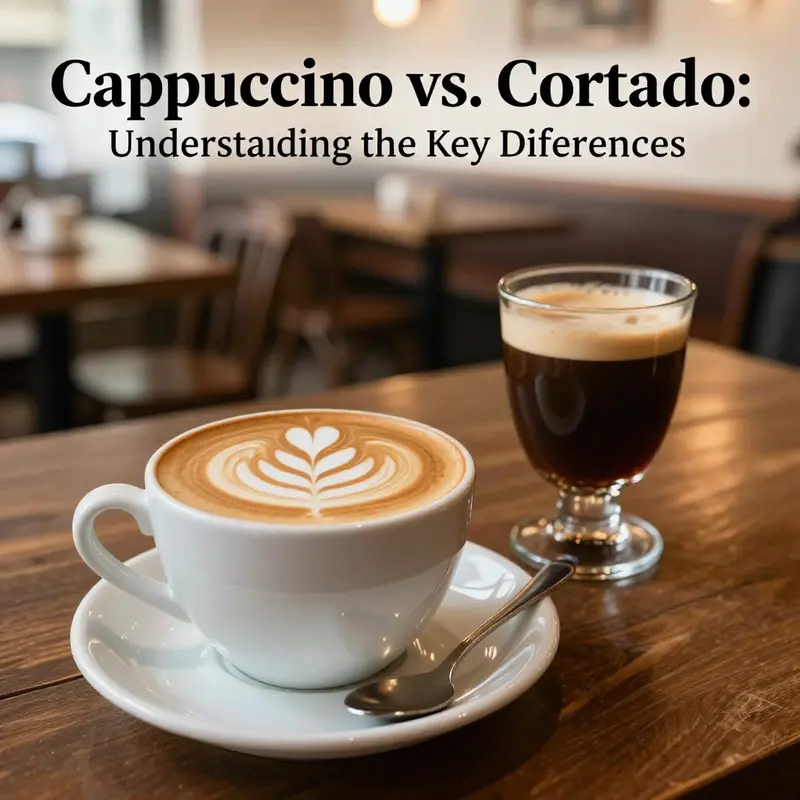
In the world of coffee, cappuccinos and cortados stand out as exquisite choices that appeal to diverse palates. For business owners in the coffee industry, understanding the differences between these two popular espresso beverages is crucial for menu optimization and customer satisfaction. This article will delve into three key aspects: the composition of each drink, their distinct flavor profiles, and cultural preferences influencing their serving sizes. By grasping these elements, coffee shop owners can better cater to customer preferences and enhance their overall competitive edge.
Ratio, Foam, and Flavor: The Subtle Science Behind Cappuccino and Cortado
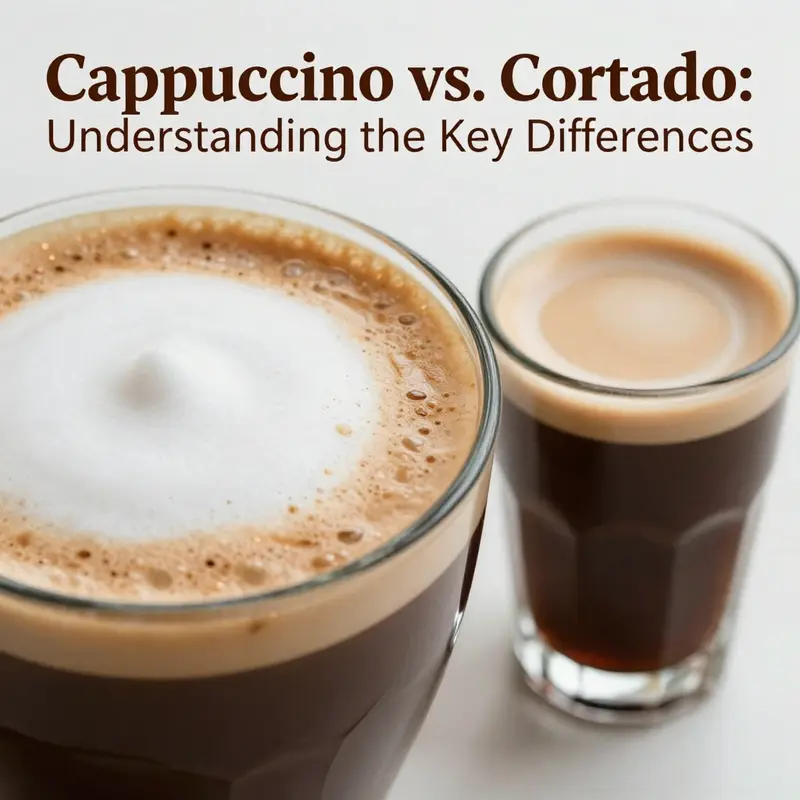
The simplest coffee drinks often conceal the most deliberate design. A quiet, everyday ritual hides a set of choices about balance, texture, and perception. When we compare cappuccino and cortado, we are not just tracking a difference in size or a tweak in the milk; we are peering into how composition governs experience. The espresso, the milk, and the foam—or the absence of foam—meet in a dynamic triad that defines what you will taste, how the drink feels on the tongue, and how the aroma unfolds as the cup approaches your lips. This is more than a preference exercise. It is a study in how ratio shapes expectation, and how faithful execution of technique can turn a simple beverage into a small ritual of sensory precision. In that sense, these two drinks illuminate a broader truth about coffee: the same bean, roasted and ground to a given degree, can yield widely different impressions depending on how the components are composed and delivered to the palate. The craft lies in choosing a structure that respects the drinker’s appetite for intensity, sweetness, creaminess, and motion in the mouth, and then delivering it with a consistency that invites repeated exploration rather than casual sampling.
The cappuccino begins with a proportional philosophy that leans toward generosity. The traditional 1:1:1 ratio—espresso, steamed milk, and milk foam—creates a landscape in which each element contributes to the whole. It is not simply three layers stacked atop one another; it is a living interplay where the foam acts as both envelope and catalyst. The foam’s microstructure is designed to trap air in fine bubbles, producing a thick yet airy cap that settles into a texture described as velvety and light at the same time. When the cup is lifted and the first sip takes hold, the mouth perceives a triad: the bitterness and brightness of the espresso, the sweetness and body of the milk, and the buoyant lift of the foam that hovers above the liquid. The sensory sequence is guided by temperature, density, and the way the foam redistributes as the drink warms in the hand and the aromas travel toward the nose. In practical terms, this means cappuccino is a larger beverage than a cortado, typically served in a cup around six to eight ounces, chosen to accommodate the volume needed for the foam to form a visible crown. The size is not incidental. It ensures that the foam has enough room to coalesce and sustain its presence, while the espresso and steamed milk translate the espresso’s intensity into a balance that never feels diluted or overwhelmed by milk. The effect on flavor, then, is a coffee that presents a bold backbone tempered by sweetness and milk’s creamy texture, all governed by the foam’s buoyant texture.
In contrast, the cortado embraces a different architectural principle. Its hallmark is a tighter, more concentrated relationship between espresso and milk, typically in a 2:1 or 3:1 ratio, with little to no foam. The result is a beverage that feels compact, deliberate, and intimate in its delivery. The absence or near absence of foam means there is no foamy cushion to separate the espresso’s edge from the milk’s sweetness; instead, the two components mingle in near binary harmony. A cortado is usually four to six ounces, a size chosen to preserve the espresso’s character while still offering the smoothing effect of milk. The milk in a cortado is steamed to a smoother, velvety consistency rather than to the airy microfoam that characterizes a cappuccino. When poured, the steamed milk blends with the espresso with a seamless, almost velvet-like transition. This fusion reduces the perceived acidity and sharp edges of the espresso, allowing the chocolatey, caramel notes and roasted undertones to emerge with a gentler brightness. The visual cue here is telling: without substantial foam, a cortado presents a more transparent surface, revealing the coffee’s color and crema with minimal interruption, inviting the drinker to focus intently on the espresso’s core flavors and the milk’s softening presence.
Texture, then, becomes a line of distinction between the two drinks. The cappuccino relies on the airy foam to produce a layered mouthfeel—each sip begins with a foamy, light cap that gradually yields to the denser milk beneath. The sensation is almost tactile: a light breath of air upon the tongue before the rich, creamy foundation arrives. In the cortado, the texture is consistently smooth from first sip to last; there is no foam to punctuate the mouth with airiness, only a steady, creamy balance that keeps the espresso’s concentration in the foreground. The result is a tactile narrative of serving size and shape that aligns with differing caffeine-to-creatine preferences: more milk and foam in the cappuccino can soften the caffeine’s punch and transform it into a wider, more comforting experience, while the cortado’s purity of espresso-to-milk balance preserves a brisk, more direct espresso flavor in a compact vessel.
Flavor profiles follow from these physical configurations. In cappuccino, the taste often presents a bold coffee backbone that remains clearly discernible because there is ample milk to temper but not drown the espresso’s character. The foam’s airiness creates an impression of lightness that sits over the flavors rather than blending them away. The part of the palate that detects sweetness benefits from the microfoam’s texture; the foam’s microbubbles can carry a hint of sweetness and allow the drinker to perceive a longer, more lingering aftertaste. The milk’s contribution is not merely to soften; it contributes warmth and body, a creaminess that rounds off acidity and brings a mellow finish. The overall effect is a well-balanced, approachable flavor that invites repeated sips and a rising appreciation for the craft involved in achieving that foam’s consistency—the beading of tiny bubbles, the temperature at which the foam is poured, and the way the foam layers rise as the drink is served.
The cortado, by contrast, offers an espresso-forward experience. The smaller total volume and higher espresso ratio mean the drink carries a stronger, more immediate coffee presence. The milk’s role here is not to veil or soften the roast but to refine the espresso’s edges, smoothing acidity and integrating sweetness in a way that allows the roast’s nuanced flavors to come through with less dilution. Don’t mistake this for a harsh or bitter drink; the smooth milk interaction often yields a round, balanced finish that emphasizes the chocolate and nuttier notes in the espresso profile. Because there is little or no foam, the cortado presents a more direct aroma—coffee notes rise quickly and stay present, inviting the drinker to breathe in deeply between sips and appreciate how the aroma evolves as the drink cools ever so slightly. In other words, the cortado offers a concentrated, intimate coffee moment that rewards a patient, attentive palate with a more unadorned espresso experience.
These sensory differences have practical implications for how people choose between the drinks. Some drinkers seek an experience that is close to a straight espresso but softened by milk, yet without the time spent waiting for foam to form and settle. The cortado answers that call: a compact drink that preserves espresso’s intensity while offering a gentle, creamy counterpoint. Others prefer the cappuccino’s spaciousness and theatrical foam, which creates a social, almost ceremonial aspect to the beverage. The foam becomes a tactile and visual cue—an invitation to pause, admire latte art, and enjoy a momentary pause before tasting. The choice, then, becomes part of a broader ritual—the kind of decision that reveals not just a preference for taste, but a preference for process and texture as a form of expression in daily life. The differences in composition drive this distinction: the 1:1:1 cappuccino invites a three-dimensional experience that can be read as a celebration of balance, while the cortado’s two-to-one or three-to-one espresso-to-milk ratio creates a more linear, concentrated narrative that speaks to immediacy and focus.
From a technical standpoint, achieving these effects hinges on the barista’s control of the steam wand, the milk’s temperature, and the pouring technique. A cappuccino’s foam rests atop the drink as a sculpted crown, requiring deliberate microfoam formation and careful pouring to avoid breaking the delicate structure. The steam should introduce air in a controlled manner to create a stable, glossy foam with fine bubbles. Pouring from a height can help integrate the milk with the espresso’s crema, but the final touch—the draw of the foam into the cup—must be executed with precision to achieve a uniform, thick, but not overly rigid cap. A cortado’s milk, by contrast, is steamed to a smoother texture with less air incorporated, so that when poured, it blends more seamlessly with the espresso rather than layering above it. The pitcher’s tilt and the speed of the pour influence whether a thin row of crema remains visible or whether the two components fuse into a single, unified liquid. The barista’s hand becomes a conductor, translating an understanding of chemistry, physics, and taste into a cup that reliably communicates its intended identity. This is why many enthusiasts associate cappuccino with a café’s morning ritual and cortado with a more intimate, late-morning or early-afternoon moment when one desires a compact but robust coffee experience.
To understand these differences not merely as abstract definitions but as practical guidelines for home and café preparation, it helps to consider the drinks as extensions of a larger conversation about coffee culture. The cappuccino’s emphasis on foam aligns with a tradition that values visual appeal and a social sharing of a crafted moment—latte art, meticulous steaming, and the ritual of savoring a foam-tlecked sip while chatting with companions. The cortado, with its reduced volume and emphasis on espresso’s profile, resonates with a culture that prizes efficiency without sacrificing depth. It is a drink that travels well in small glasses, suggesting a ritual of quick yet meaningful coffee consumption, one that honors the roast’s intensity in a compact, portable form. The difference in composition thus mirrors differences in social practice and daily rhythm. The cappuccino invites lingering and conversation, while the cortado invites attentiveness and a more solitary or focused experience.
For readers who wish to explore these distinctions further in a concise, comparative format, a direct, reader-friendly resource exists that outlines how these two drinks stack up against each other in practice. Cortado vs Cappuccino. This comparison distills the essential contrasts in ratio, foam presence, serving size, and mouthfeel, providing a quick reference for taste tests or a practical guide for experimentation in home brewing or café hopping. While the specifics can vary by region and café tradition, the core ideas remain consistent: cappuccino emphasizes a balanced, foamy, larger experience, while cortado emphasizes a smooth, concentrated, foam-free connection between espresso and milk. The underlying science is not merely about texture; it is about how the mind perceives balance, how the mouth senses density and air, and how aroma travels as heat and fat mingle with heat from the cup. The result is a richer appreciation for the tiny choices that go into crafting a cup that aligns with one’s momentary preference or mood.
If you want to read more on the broader chemical and sensory characteristics of coffee beverages and how similar drinks can differ in polyphenol content, antioxidant capacity, and flavor chemistry, several authoritative sources explore these subtler aspects of coffee chemistry and sensory science. For a deeper dive into the broader scientific context of drinks like cappuccino and cortado, refer to external research on beverage composition and sensory analysis. The Spruce Eats provides a practical overview of cappuccino and cortado differences, detailing their composition, texture, and serving styles, which can complement the practical understanding offered here. For direct access, see The Spruce Eats guide on cappuccino vs cortado.https://www.thespruceeats.com/cappuccino-vs-cortado-5208973
For readers seeking a concise, surface-level comparison that complements this discussion, a quick note to explore further is to look at a dedicated comparison resource that also maps the practical implications of foam, milk texture, and ratio in everyday café settings. Cortado vs Cappuccino. This resource helps translate the theory of composition into everyday tasting opportunities, whether at home or in a café, and it reinforces how crucial the milk’s treatment and the foam’s presence are to the final experience.
External reading and further exploration can enrich your understanding of how a single order can reflect a spectrum of technique and philosophy. The details of foam texture, milk temperature, and pouring technique are not merely technical notes; they are keys to unlocking the sensory potential of each drink. The cappuccino rewards a patient approach to foaming and layering, inviting a conversation about texture and aroma as part of the drinking experience. The cortado rewards precision in espresso extraction and milk integration, inviting a focus on balance and intensity for those who prefer a shorter, sharper, and more intimate coffee moment. As you experiment, you will notice how your preferences shift with time of day, mood, and even the roast level of your beans, which subtly alters how the milk and foam interact with the espresso.
In sum, the cappuccino and cortado demonstrate how composition governs experience. The 1:1:1 structure of cappuccino crafts a larger, frothier, more forgiving drink that blends bold coffee with a creamy, airy texture, offering a gentle, social, and ritual-rich context. The cortado, with its higher espresso concentration and minimal foam, presents a compact, intense, and intimate encounter—one that invites close attention to the coffee’s intrinsic flavors and the milk’s smoothing touch. Understanding these differences helps coffee listeners—whether casual drinkers, amateur baristas, or café connoisseurs—appreciate not only what they drink but how they drink it, and why certain moments call for foam, while others call for signal espresso and velvet milk in a small, powerful package. If you want to explore these ideas further and see how they translate into practical practice, you can read more on Cortado vs Cappuccino and related topics in trusted café guides and sensory resources, which can deepen your tasting awareness and broaden your home-brewing repertoire.
External source for further reading: The Spruce Eats offers a detailed overview of cappuccino and cortado, including their typical compositions, textures, and serving styles, which can provide a grounded supplement to this discussion. https://www.thespruceeats.com/cappuccino-vs-cortado-5208973
Internal link for readers curious about practical comparisons: For a concise, reader-friendly comparison, see Cortado vs Cappuccino. Cortado vs Cappuccino
Flavor Profiles: A Taste Dialogue Between Cappuccino and Cortado
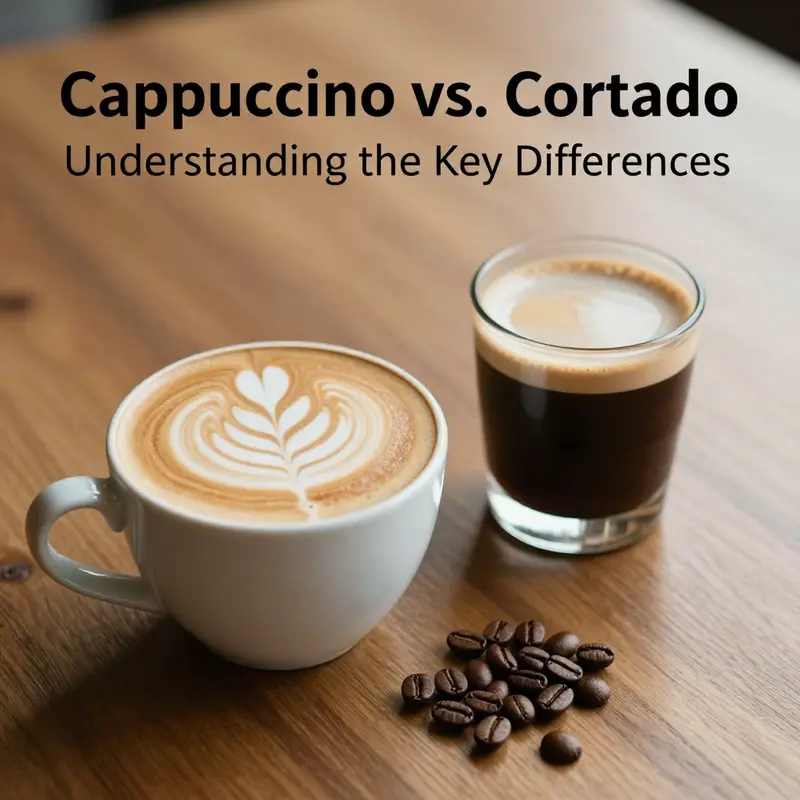
Between the surfaces of a cup, two small worlds unfold: one light, airy, and generous in foam; the other compact, smooth, and quietly assertive. The cappuccino and cortado share a lineage, yet their flavor profiles unfold in different ways as they travel from bean to cup. To appreciate the distinction is to watch how a few simple choices—how much milk, how much air, and how that milk is treated—reshape the coffee’s character. The difference is not only a matter of numbers on a recipe card; it is a study in perception, texture, and the moments we crave when we lift the cup. A cappuccino invites an expansive, almost theatrical experience. Its hallmark is a generous crown of microfoam that cushions the bite of the espresso with a cloud-like creaminess. The foam creates a delicate mouthfeel, soft and buoyant, a texture that carries aroma toward the nose as you inhale and then cushions the swallow with a gentle, lingering sweetness. The foam’s presence changes the pace of drinking. It slows you down, inviting you to savor the evolving layers of flavor—first the sharpness of the roast, then the sweet, dairy-softened notes, and finally the subtle aftertaste of the milk’s creaminess. The drink becomes an event rather than a quick caffeine fix, a small ritual that folds foam, heat, and espresso into a single, coherent experience. The cappuccino’s form—more volume, more surface area for aroma release, and a layer of foam that can support a small flourish of latte art—extends the encounter with the drink beyond the initial sip. In a well-made cappuccino, you’re aware of the foam’s lightness and the way it lifts the senses, inviting a moment of reflection as the mouthfeel remains gently buoyant even as the flavors intensify with the swallow. The texture is not just a sensation; it is a map of the drink’s balance. The espresso presents its acidity and brightness in a way that is softened but not erased by the milk. The milk’s sugars come forward, but the foam’s airiness prevents any single note from dominating. Instead, you experience a harmony where the espresso’s boldness and the milk’s sweetness share a stage, neither overshadowing the other. The aroma, too, follows this story. As you tilt the cup, the microfoam acts like a treasure chest, releasing a bouquet that blends roasted fragrance with the dairy scent of steam-warmed milk. When you take a first sip, you catch on the tip of your tongue that the drink is more than a beverage; it is a choreography of elements that have been tuned to support each other. This sense of balance is where the cappuccino earns its reputation as a texturally dynamic drink, one that prizes the interplay of lightness and depth and rewards careful sipping over quick gulps. The cortado, by contrast, speaks with a different cadence. It is a smaller, more concentrated beverage that pares away the foam and leaves a direct line from espresso to milk. The traditional cortado emphasizes a 1:1 ratio of espresso to steamed milk, with little to no foam. This arrangement concentrates the flavor, yet it does so with a silkier, more velvety texture than one might expect from such a modest drink. The absence of foam is not a defect but an intentional design. Without a foam layer to separate and cushion the espresso, the palate encounters the coffee’s intensity more immediately. The cortado’s milk acts as a gentle moderator, smoothing harsh edges without diluting the depth of the espresso. In practice, that means a cortado often reads as a stronger coffee experience in a smaller package. The texture is not airy; it is enveloping, a soft, almost satin-like coating that glides across the tongue. There is a certain restraint to the cortado that invites closer attention to the espresso’s intrinsic flavors. Where the cappuccino invites a dialogue between foam and liquid, the cortado invites a direct conversation between coffee and cream. The absence of foam makes the drink feel more intimate, as if the gaze is fixed on the espresso’s body—its body, acidity, and nuanced notes—without the veil of foam to blur or soften. In that sense, the cortado can feel more intense, not in heat or caffeine, but in its unshielded presentation of coffee’s character. The aroma, similarly, travels a more focused path. You catch the roasted notes first, then the milk’s sweetness, but without the foam’s dispersal, the fragrance seems denser, closer to the nose, and the moment of inhalation and tasting aligns more tightly with the espresso’s signature. The cortado’s small size contributes to a perception of strength. In a limited mouthful, you experience a concentrated blend where the espresso’s chocolate, nutty, or fruity undertones are not masked by a cloud of foam but are carried forward by milk into a cohesive, slightly sweet finish. The crema—the crema that often crowns a well-pulled shot—still exists, but its role is now more subtly integrated with the milk’s texture rather than buffered by the foam. The result is a beverage that feels like a distilled version of espresso, softened just enough to be approachable yet potent enough to leave an impression of complexity. The sensory contrast between the two drinks becomes a lens for understanding how ratio and preparation shape flavor perception. In the cappuccino, the 1:1:1 balance means the espresso’s acidity, the milk’s sweetness, and the foam’s aerated texture all share the stage. The foam’s microbubbles can trap volatile compounds that would otherwise waft away, and their rapid release can give a fleeting impression of sweetness that lingers even as the cup empties. The foam acts as a vehicle for aroma, a buoyant curtain that draws you into the drink and then slowly lowers as you savor. The latte-like body introduced by the milk projects a smooth cocoa-like sweetness that happily harmonizes with roast notes, sometimes giving a perceived softness that offsets sharp or bright coffee flavors. The cortado, conversely, announces its presence with a more straightforward, unbuffered edge. The milk tames the espresso’s capricious acidity, but without foam to soften it, the underlying flavors—often described as chocolatey, nutty, or even a hint of fruit—come forward with more clarity. The cortado’s mouthfeel can feel almost velvety in its concentration, yet the finish remains clean and precise, a testament to how a simple 1:1 ratio can magnify a coffee’s intrinsic character without the cushion of air. The overall narrative of flavor then reveals a broader truth about coffee culture: small changes in technique—foam versus no foam, plateaus of texture, and the interplay of volume—can reframe how we interpret a bean’s temperament. A cappuccino performs like a warm negotiation between boldness and softness; the foam allows the drinker to explore a spectrum of sensations within a single session. You sip, feel the air and warmth, and the cup seems to unfold—first with brightness, then with creamy sweetness, and finally with a lingering mellow finish that invites another sip. The cortado performs like a compact forensic examination of flavor. It doesn’t encourage a long, meandering tasting journey; it rewards precise attention to the way coffee’s body and the milk’s creaminess meld. You notice the espresso’s inherent depth, then observe how the milk smooths that depth into a coherent line of taste that does not drift from its source. In terms of aroma, the cappuccino’s foam can amplify the sensory experience, giving a light, airy veil to the roasted fragrance and a gentle sweetness that lingers as the drink cools. The cortado, with its minimal foam, offers a more concentrated aromatic profile. You catch the roasted notes with more immediacy, and as the temperature declines, the aroma tends to sharpen rather than soften, guiding you toward the espresso’s more subtle nuances—the bitterness that becomes chocolatey, the bright sparks that may hint at fruit notes, and the nutty or caramel complexity that a well-balanced shot can reveal. The body of the drink reinforces these differences. The cappuccino, with its foamed milk, presents a lighter body overall, but the foam adds a buoyant texture that makes the drink feel larger in the mouth. It’s a texture that can carry sweeter flavors forward, especially when the milk’s own sugars mingle with the coffee’s natural sweetness. The cortado, by contrast, emphasizes body and density. The milk’s presence is enough to soften edges but not enough to dilute the coffee’s fundamental character. In the end, the distinction between cappuccino and cortado rests on a few practical decisions that echo the preferences of drinkers around the world. Some seek a longer, more leisurely coffee experience, and that is where the cappuccino’s larger volume and foamy crown shine. Others want a compact, intense moment—a quick, well-balanced duel between espresso and milk—where the cortado’s smooth, foam-free profile becomes compelling. The beauty of this difference is that it is not about better or worse; it is about temperament. If you are drawn to a drink that invites lingering, that invites you to run your fingers along the rim of the cup and watch the foam collapse with each careful sip, you may find the cappuccino to be a faithful companion. If you prefer a sharpened focus on the espresso’s heartbeat, a glassy, unadorned texture that invites you to discern the coffee’s precise notes, the cortado may speak more clearly to you. For those who study or write about coffee, or for anyone who wants to train their palate, tasting these two drinks side by side can illuminate how ratio, texture, and temperature alter perception. It is not merely psychology; it is physics of flavor: the foam creates a buoyant atmosphere that alters aroma release and how sweetness is perceived; the absence of foam creates a direct line from bean to mouth that highlights acidity, body, and complex flavor notes with greater immediacy. In practice, the choice between a cappuccino and a cortado often comes down to context as much as preference. At a social table, a cappuccino can be a shared ritual, a beverage that invites conversation, the foam acting as a decorative and social surface. A cortado, on the other hand, can be a quiet personal moment—a compact, intimate drink that rewards focus and contemplation. Both drinks, in their own ways, honor the craft of milk and espresso working in concert. They reveal how a simple compression of ingredients—the classic 1:1:1 for cappuccino, the straightforward 1:1 for cortado—produces distinct experiences that stretch beyond taste into texture, aroma, and the rituals surrounding coffee consumption. To readers and tasters, the takeaway is not that one is superior to the other, but that each embodies a different sensitivity to balance. If the aim is a longer, more forgiving tasting session, the cappuccino offers an expansive stage where sweetness, acidity, and foam dance together. If the aim is a precise, focused encounter with coffee’s core flavors, the cortado provides a concentrated, unadorned voice that makes the espresso’s character audible with rare clarity. The broader article’s exploration of the difference between cappuccino and cortado—how a few grams of milk and a single layer of air can steer perception—must bridge the sensory with the practical. It should help readers recognize when to order which drink based not on trend but on taste and intention. To encourage readers to explore more deeply, consider engaging with a concise guide that frames the cortado and cappuccino as two ends of a spectrum, with countless regional and personal variations in between. If you want a quick, comprehensive comparison, see the Cortado vs Cappuccino discussion. Cortado vs Cappuccino. This reference can serve as a starting point for anyone curious about how minor adjustments in technique can yield meaningful differences in flavor, texture, and overall drinking experience. As you move through different cafes and baristas, you may notice that some places emphasize a foam-forward cappuccino with a generous microfoam that stretches into delicate leaves or rosettas, while others lean toward the cortado’s lean, espresso-forward profile with a clean, milk-supported finish. These preferences reflect not only personal taste but also regional traditions, equipment, and even the philosophy a café brings to its milk technique. The science behind these distinctions is anchored in a few practical truths: the foam layer expands the perceived volume of the drink and presents a mouthfeel that is both light and comforting, while the absence of foam in a cortado concentrates the flavors and creates a sense of continuity between the espresso and the milk. Temperature also plays a subtle, yet important, role. Foam layers in cappuccinos can trap and release aromas gradually as the cup cools, contributing to a more evolving sensory journey. In cortados, the direct contact with hot milk and coffee allows the drinker to perceive the espresso’s evolving notes more quickly, making the experience feel shorter but possibly more intense in its flavor clarity. The journey from bean to cup involves decisions about grind size, extraction pressure, and milk texture, all of which subtly influence both drinks. A well-pulled shot that holds acidity and sweetness at the right balance can transform both drinks, but the way that milk is aerated or heated will push those notes in different directions. It is this delicate interplay that makes the study of flavor profiles so engaging. The cappuccino’s combination of espresso, steamed milk, and foam creates a layered experience where the rumble of the crema and the lightness of the foam stand in dialogue with each other. The cortado’s simplicity, with equal parts espresso and steamed milk and no foam, asks you to listen closely to the espresso’s voice and how the milk helps it sing without overt embellishment. The reader who delves into this topic may find that the difference between cappuccino and cortado is not simply a matter of preference but a pathway to understanding how texture, proportion, and technique influence taste. The flavor profile becomes a narrative about how we choose to augment or permit the coffee to speak for itself, how we allow air and heat to sculpt a drink, and how our own memory and palate respond to the flavors presented in a single, careful sip. In closing, the two drinks illustrate a broader truth about coffee culture: it is not a single monolith but a conversation among many approaches to milk, heat, and extraction. The cappuccino tests the imagination with foam and volume, inviting a playful, expansive tasting; the cortado invites concentration and clarity, rewarding discernment in flavor and texture. Both are valuable entries into the wide landscape of coffee, each offering a different anchor for taste memory. And as you navigate your own preferences, it helps to remember that flavor is not a fixed property but a relationship—between the drink, the moment, and the person in the chair. External resource: BBC Travel offers an insightful exploration of the true difference between cortado and cappuccino, grounding these sensations in cultural practice and technique. https://www.bbc.com/travel/article/20240529-the-true-difference-between-cortado-and-cappuccino
Measured by Cups: How Culture Shapes the Size and Soul of Cappuccino and Cortado
Two espresso drinks share a lineage but drift in rhythm with the places that cradle them. The cappuccino and the cortado are not simply recipes; they are cultural footprints pressed into porcelain, glass, and foam. Their diverging paths reveal how communities write rituals, how cafe counters become stages for social habits, and how a single drink can carry layers of meaning beyond its caffeine lift. To understand the difference between cappuccino and cortado is to read a map of coffee culture, where texture, size, and timing translate local values into a universal morning or afternoon ritual.
In the heart of Italy, the cappuccino is a morning companion that travels with a particular proportion and a particular mood. A traditional Italian cappuccino arrives in a cup about 150 to 180 milliliters, a size that tucks the drink into a concise and focused moment just after waking. The design is deliberate: one part espresso, one part steamed milk, and one part foam create a layered sip that is bold at the bottom and buoyant at the top. The microfoam offers a texture that feels almost velvety in the mouth, a lightness that seems to suspend the intensity of the espresso rather than overwhelm it. This is not a beverage to linger over; it is a morning act, a ritual that fits neatly with a pastry or a newspaper, a quick pause before the day’s errands begin. The foam itself plays a visual and tactile role, a buoyant crown that has become iconic in its own right, inviting a pause for artful latte designs in many cafes.
Across Europe, though, the cappuccino’s silhouette changes with the setting. In Spain and parts of France, cafes increasingly serve cappuccinos in slightly larger cups, especially in spots aimed at visitors and travelers. The result is a drink that preserves the core components—espresso, milk, foam—yet shifts the balance toward more milk and a broader sweetness profile. The same drink becomes a different experience because the cup, the pace, and the menu context have shifted. Europe, with its diverse cafe cultures, often negotiates between tradition and tourism, honoring the classic while adapting to modern expectations of portion size and social tempo. In these moments, the cappuccino becomes less a single recipe and more a cultural service, a portable ritual that can be folded into a morning commute or a leisurely weekend stroll.
In contrast, the cortado embodies a different regional philosophy. Originating from Spanish-speaking coffee culture, the cortado leans toward intimacy and balance. Measured in roughly 90 to 120 milliliters, this drink is intentionally small. The hallmark of a cortado is a 1:1 ratio of espresso to steamed milk, with no foam. The absence of foam matters as much as the presence of milk, because foam would add air and alter the mouthfeel and the perception of strength. What you taste is a concentrated espresso tempered by milk, but not diluted or obscured by a luxurious crown of foam. The texture is smooth and direct, a concise conversation between bitter notes and creamy support. This is a drink meant for a moment of focus—an afternoon pause, a post-lunch ritual, or a quiet corner where one can reflect on a day’s work in the presence of a perfectly balanced sip.
That balance is not merely about taste; it is about the physics of the cup. A cortado’s glass or small cup is designed to hold that 3 to 4 ounces without spillage, to keep the heat steady enough to carry both elements together, and to invite a measured, almost ceremonial, approach to consumption. The absence of foam means the drink’s volume carries more of the espresso’s intensity, so the cortado often reads as a sharper, more earnest coffee experience than the cappuccino. Yet because the milk is equal in volume to the espresso, it also presents a gentler finish than a straight shot might. The cortado’s name—meaning “cut” in Spanish—reflects the idea of slicing the bitterness with just enough milk to soften the bite without robbing the drink of its edge. In many regions, cortado and cortadito variants appear in slightly different sizes or with subtle stylistic differences, especially as they travel into different market contexts.
The North American and Australian coffee cultures, with their expansive menus and appetite for larger servings, add another layer to this story. The cappuccino of these regions is frequently offered in larger sizes, often 12 to 16 ounces, as part of a broader trend toward bigger drinks and longer, more relaxed coffee routines. In such contexts, the drink can become a social beverage long after the first cheerful morning exchange, a comforting longer break that doubles as a light meal or a mid-morning pause. The espresso flavor, though still the foundation, can take a back seat to the foam and milk, a shift that changes the perceived strength of the drink and invites a different sensory experience—one that emphasizes creaminess, sweetness, and the texture of foam over the direct espresso bite. Cortados in these markets may be offered in larger formats as well, though the purist intention remains a compact, intense ratio. When the size expands, the harmony between espresso and milk can seem to drift, and the drink risks losing its traditional identity if the milk overshadows the coffee’s edges. Yet even within those adaptations, many baristas and cafés honor the cortado’s essential principle: a careful balance where the shine of the espresso does not fade behind a billow of milk.
Beyond the cup and the scale, the ritual surrounding consumption reveals how culture enshrines these drinks. In Italy, the cappuccino is often a morning feature that accompanies a quick pastry and a brisk walk toward daily duties. Its smaller volume aligns with a fast-paced morning energy, a momentary pause that fits neatly into the city’s rhythm. In Spain, the cortado is commonly enjoyed as an afternoon or post-meal drink, a refined interruption that allows for conversation and a moment of social grace after a heavy meal. In these contexts, serving size becomes a social signal, a cue about when to stop and chat, when to savor a moment, and when to move on. The drinks become sensory markers of time, helping a culture arrange its day with predictability and pleasure.
When the scene shifts to the United States, Canada, and Australia, serving styles often carry the stamp of global coffee chains and local specialty shops that have pushed bigger portions to the forefront. The cappuccino, with its foamed crown, often serves as an inviting, Instagrammable centerpiece—an aesthetically pleasing, voluminous drink that can be shared across a table. The cortado, while its core recipe remains the same, is sometimes found in larger formats in urban cafes and pop-up shops where the aim is to deliver a robust espresso experience in a new frame of size. In both cases, the beverage becomes part of a broader lifestyle narrative—one that equates coffee with a moment of personal time, a pause for reflection, or a social ritual weathered by the convenience of modern life. The changes in size and format are less about a single country’s preferences and more about a global conversation: people want coffee that respects their time, their appetite, and their desire for a particular texture or profile, and cafes respond by offering variations that honor both tradition and modern lifestyles.
This is where the practical distinctions become meaningful to the everyday reader. The cappuccino’s proportion—espresso, steamed milk, and foam in roughly equal parts—produces a drink that carries a bright espresso edge beneath a creamy, airy cap. The foam acts as a cushion and a stage, lifting aroma and mouthfeel into a soft, lingering finish. The cortado’s 1:1 ratio and the absence of foam produce a different arc: the espresso’s character remains vivid, and the milk’s sweetness arrives in a steady, unbroken line. In a sensory sense, cappuccino invites you to experience a multi-textured top and a generous, comforting bottom; cortado invites you to savor a more linear conversation between the two main elements. Those experiences are inseparable from culture, because the choice of cup, the pace of the moment, and the social cues around who sips and when all shape the drink’s final impression.
For someone traveling through regions with divergent coffee customs, the difference becomes a lens for understanding local priorities. In Italy, you learn to value precision and restraint, to appreciate how a carefully layered drink can reveal the skill of the barista in balancing foam and liquid. In Spain or Latin American communities, the cortado teaches you to value balance and clarity—the idea that a small drink can deliver a big, well-defined coffee experience without overwhelming the senses. In North American cities, you pick your dividend: a cappuccino for a bold, foamy afternoon treat or a cortado when you want the espresso’s intensity to stay intact while softened by milk. The interplay of serving vessels, from ceramic cups to glass tumblers, reinforces these preferences. A cortado in a small glass often signals a moment of quiet attention, while a cappuccino in a larger cup invites a slightly expansive, social, or even ceremonial pace.
The story of these beverages also intersects with how cafes present them on menus and how baristas describe them to customers. Menu boards that list sizes alongside drink names carry implicit expectations about strength, sweetness, and mouthfeel. The cappuccino’s appeal often hinges on a promise of texture—the promise that a foamy top will lift the drink into a different sensory plane. The cortado’s appeal hinges on clarity and proportion—the promise that the drink will deliver espresso’s sharpness in a softened, controlled form. When a café adjusts its offerings for a tourist market or a local palate, the result is not simply a different recipe; it is a reimagined ritual that respects the drink’s identity while reinterpreting it through the lens of local culture and practical need.
As this cultural mapping unfolds, a crucial takeaway emerges: the difference between cappuccino and cortado is not merely about a spoonful of foam or a splash of milk. It is about how people organize time, space, and social interaction around coffee. It is about what a cup says about morning expectations versus afternoon pauses. It is about how an espresso shot can be dressed in foam and volume to create a different sensation of warmth and fullness, or kept lean and direct to preserve intensity. In this sense, the cappuccino and cortado function as cultural signifiers, reflecting regional histories, economic patterns, and even the rhythm of the workday. They reveal how a global beverage can retain its core identity while morphing to fit local contexts. The result is a richer, more textured understanding of coffee that honors both the science of milk and espresso and the art of hosting, conversation, and daily life.
For readers seeking a concise side-by-side understanding of these two drinks, a practical reference point is available in dedicated guides that compare cortado and cappuccino directly. See the Cortado-Vs-Cappuccino guide cortado-vs-cappuccino.
In the end, the distinction between cappuccino and cortado rests on more than ounces and foam. It rests on the social frame in which the drink exists—the cup’s size, the time of day, the location, and the shared rituals that accompany the first sip. The narrative of these drinks is a narrative of people and places, a reminder that coffee travels far from its origin but is never truly away from the cultures that shaped it. The cappuccino invites a social, layered, morning conversation; the cortado invites a focused, balanced, afternoon dialogue. Both offer a window into how we live with coffee, how we choose to spend a few minutes, and how we measure those minutes by the cup we lift to our lips.
External resource for further reading: For a concise external overview of how these drinks are commonly understood, see The Spruce Eats’ cappuccino vs cortado guide: https://www.thespruceeats.com/cappuccino-vs-cortado-5208973
Final thoughts
Understanding the differences between cappuccino and cortado is essential for coffee business owners looking to refine their offerings. By recognizing the unique compositions and flavor profiles, along with the cultural preferences that influence serving sizes, you can tailor your menu to meet the desires of your customers. This knowledge not only enhances customer satisfaction but also provides a strategic advantage in a competitive market fueled by diverse coffee preferences.