
Understanding the caffeine content in orange soda is crucial for business owners in the beverage market. With consumer preferences varying widely, some customers are seeking caffeine-free options while others may be drawn to the energizing benefits of caffeinated beverages. This article will explore the variability in caffeine levels across different brands, analyzing which orange sodas contain caffeine and which do not. Business owners will gain insights into brand-specific details, enhancing their ability to cater to customer preferences effectively. Furthermore, we will provide guidance on how to make informed choices when selecting orange soda products, ensuring your business can meet diverse consumer needs.
Orange Soda and Caffeine: Reading Labels and Variations
Orange soda typically does not contain caffeine. Most mainstream orange sodas are caffeine free by default, which makes them a safe choice for many consumers who want to avoid stimulants. However, there are exceptions: some regional or limited edition beverages may include caffeine or other energy-boosting ingredients. To know for sure, always check the Nutrition Facts panel and the ingredients list on the can or bottle. If caffeine is present, it will appear with a milligram value or as part of an energy-boosting blend. Labeling practices can vary by country and brand, so when in doubt consult the official product page or contact the manufacturer. In practice, the takeaway is simple: read the label. The absence of caffeine in the ingredient list is not guaranteed unless the package explicitly says caffeine-free. When you need to avoid caffeine, rely on the packaging language and the nutrition facts. The note about caffeine in orange sodas illustrates how product formulations and regional regulations shape what you see on shelves.
Citrus and the Buzz: A Brand-Level Tour of Which Orange Sodas Carry Caffeine and Which Don’t
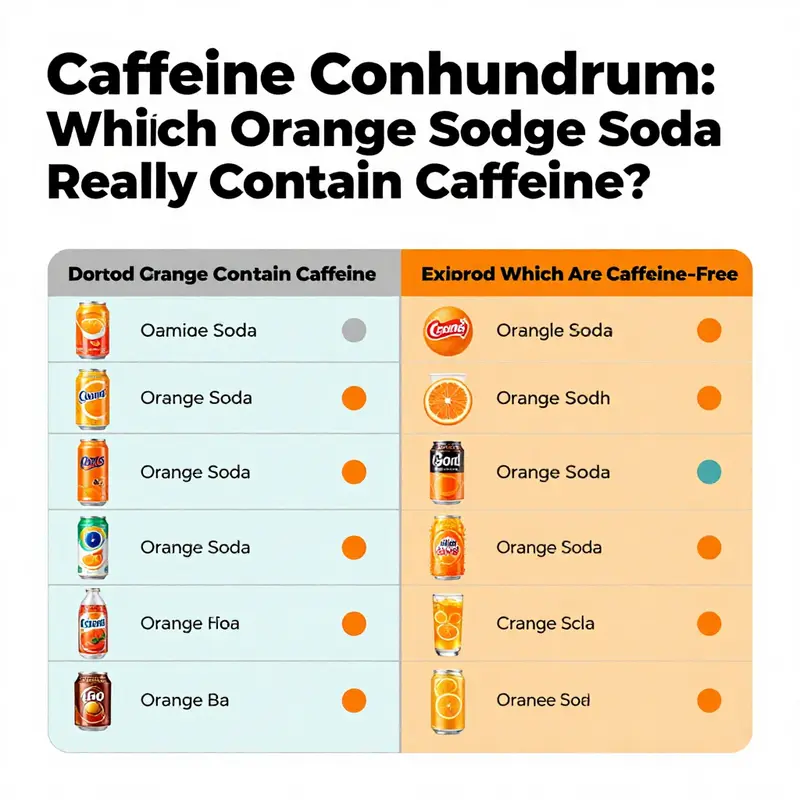
External reference: Crush Orange Soda product page. https://www.crush.com/products/orange-soda
Citrus Buzz or Sweet Sleep: Unraveling Caffeine in Orange Soda
The bright tang of orange, the crackle of fizz, and the quick lift that a cool soda can offer—these sensory cues make orange soda a familiar, even comforting, flavor for many. Yet beneath the sunlit appearance of a citrusy sizzle lies a more intricate question: does this seemingly innocent drink carry caffeine, or is it purely a sugar-and-sparkle refreshment? The short answer is not a single one. In the wide world of orange sodas, caffeine presence varies by product design, manufacturing choices, and labeling. Some formulations carry caffeine as a deliberate additive, while others proudly declare themselves caffeine-free. The distinction is not simply about taste, but about how the product is positioned, what market needs it seeks to satisfy, and how it aligns with consumer health goals. To truly understand where a bottle or can lands on the caffeine spectrum, a reader must look beyond color and aroma and toward the ingredient list, the product page, and the regulatory cues that govern how caffeine appears on labels.
Across the spectrum, caffeination in orange beverages tends to fall into a few broad patterns. Classic, non-energy orange sodas often maintain a caffeine-free profile by default, relying on high-fructose or other sweeteners to deliver that familiar punch of sweetness without the stimulant. In these cases, the orange note shines through without any extra kick, offering a simple, predictable experience that many consumers associate with traditional soft drinks. On the other hand, some orange beverages are designed to be energy-forward or performance-focused. In those instances, caffeine becomes a core ingredient, added either directly as caffeine or through natural extracts like guarana or green tea, to deliver a stimulant effect alongside the citrus flavor. These products are marketed and labeled differently, and their caffeine content can range from modest amounts to substantial, depending on the intended effect and the regulatory framework they operate within.
One practical takeaway for readers navigating these choices is the necessity of verifiable labeling. The ingredient list will tell you whether caffeine is present and in what amount. But caffeine in a drink can appear in multiple forms. It might be listed simply as caffeine, or it may be introduced via other sources that contain caffeine, such as guarana or green tea extract. The presence of these ingredients signals that caffeine is in the formulation, even if the word caffeine itself is not the first item on the list. This nuance matters, because some consumers react differently to natural sources of caffeine than to pure caffeine added in larger quantities. For those who prefer a caffeine-free experience, the label should explicitly state “caffeine-free” or otherwise reassure with wording that no caffeine is included.
The health implications of caffeine in orange soda, like in any caffeinated beverage, deserve careful consideration. A moderate caffeine intake can be tolerable for many adults, but the context matters. The FDA and other health authorities describe a general daily limit that many healthy adults can observe without adverse effects. In practical terms, this means that a cup or two of coffee, a few caffeinated sodas, or other caffeinated products can add up quickly if consumed across a day. For people who are sensitive to stimulants, regular caffeine users, or individuals with certain medical conditions, even small amounts can disrupt sleep, raise heart rate, or provoke anxiety or discomfort. In addition to caffeine, the sugar content in many orange sodas can magnify health concerns when consumed in excess. Sugar and caffeine together can contribute to energy fluctuations, weight gain, and dental issues over time, particularly for children or people who already have high sugar intakes from other sources.
For those seeking clearer guidance, the FDA offers public-facing information about caffeine safety and identification. The agency notes that caffeine is a stimulant and highlights practical steps for identifying caffeine in foods and drinks. It also discusses daily intake guidelines and considerations for different populations. A careful reader will combine this regulatory perspective with product-specific information to make choices aligned with their health goals. This grounding helps transform a momentary craving for a fizzy orange flavor into a deliberate, well-considered decision about caffeine exposure and overall wellness.
A crucial dimension to keep in mind is the dynamic nature of product formulations. Brands routinely update recipes, adjust caffeine levels, or release new variants to meet evolving consumer preferences. What is true today may shift tomorrow, so relying on a single memory or a single label can be risky. A practical approach is to treat each purchase as a fresh data point: read the current ingredient list, confirm whether caffeine is present, and verify the exact amount per serving if the packaging provides a numerical value. In some markets, caffeine content is also indicated on the nutrition facts panel in milligrams per serving, which can help you gauge how a particular orange soda contributes to daily caffeine totals.
In discussing how to discern caffeine presence, it helps to consider how these beverages are categorized and marketed. A portion of orange beverages sits squarely in the traditional soda category, where the emphasis is on flavor and refreshment. Within this segment, many products are naturally caffeine-free due to their formulation and the preferences of broad consumer groups who want a gentle, non-stimulant palate with no late-afternoon or late-evening caffeine concern. Yet a different subset positions itself as an energy-boosting option, sometimes described with terms that suggest heightened alertness or performance support. These products deliberately include caffeine, and their labeling will typically reflect this, sometimes alongside other stimulant ingredients or natural extracts known to contain caffeine. The practical upshot for a consumer is simple: if caffeine avoidance is the goal, prioritize those options labeled caffeine-free and verify the absence of caffeine-containing additives. If an energy-oriented experience is desired, you will find options whose labels and marketing reflect that intent, and the caffeine content will align with the product’s stated purpose.
The communication between taste and label is a fascinating one. In orange beverages, the citrus profile acts as a flexible canvas that can remain intact whether the drink carries a stimulant or not. The sweetness, acidity, and texture of the product are engineered to support the chosen caffeine strategy. For example, a caffeine-free orange soda often relies on a well-balanced acidity and sugar profile to deliver a clean, bright finish that highlights the natural orange flavor without any aftertaste associated with stimulants. In contrast, an energy-forward orange beverage may compensate for the bitterness and metaphorical “kick” of caffeine with more complex flavor engineering, ensuring the drink remains enjoyable despite the presence of a stimulant. This interplay between chemistry and composition is part of what makes reading labels so essential for responsible consumption.
When you consider the broader context of daily beverages, caffeine in orange soda forms part of a larger pattern: people incorporate a variety of caffeinated and non-caffeinated drinks into their routines. A typical day might include coffee, tea, a caffeinated soda, an energy drink, and perhaps a non-caffeinated fruit-flavored option for balance. This mosaic can multiply caffeine exposure quickly if one is not mindful. The risk is not solely about insomnia or jitters. Regular exposure to high sugar in tandem with caffeine can create metabolic and dental concerns over time. For parents and caregivers, these dynamics are especially important to monitor in households with children, where caffeine and sugar can have amplified effects on sleep and behavior. For athletes or highly active individuals, understanding caffeine timing and dosage can also matter for performance and recovery, since caffeine is known to influence perception of effort and reaction time in some contexts.
All of this leads back to a simple, actionable practice: read, verify, and plan. Start with the packaging. Look for explicit statements like caffeine-free to know what you’re getting at a glance. If caffeine is present, check the amount per serving and consider how many servings you typically consume in a day. Remember that serving sizes in beverages can vary between brands and products, so a quick mental math exercise might be necessary to estimate total daily caffeine intake. If the label is obscure or unclear, seek additional confirmation from official product pages or packaging inserts. The reality is that formulations can shift without broad notice, and what you thought was caffeine-free one month could be reformulated the next with a caffeinated upgrade.
For readers who want to dive deeper, the knowledge you gain about labeling is transferable beyond orange soda. It equips you to approach other citrusy, sweet, or even energy-angled drinks with a critical eye. This kind of literacy helps you navigate not only caffeine but other additives that influence how a beverage affects you. You may discover that some products rely on natural flavor components that contain minute caffeine traces, or that certain flavor enhancers interact unpredictably with caffeine to alter perceived intensity. The broader takeaway is that consumer empowerment comes from curiosity, careful reading, and an awareness of how product design aligns with health priorities.
In practice, the decision to choose a caffeinated or caffeine-free orange beverage can be a routine part of setting personal goals for sleep, energy, and daily rhythm. If your evening schedule includes quiet time, screen-free winding-down, or a priority on restorative sleep, opting for a caffeine-free option can reduce the risk of late-day stimulation. If your day requires sustained alertness, a carefully measured caffeinated choice may be appropriate, but it is wise to pair it with mindful timing and awareness of other sources of caffeine in your day. The key is not to demonize caffeine or citrus, but to harmonize your beverage choices with your own physiology, responsibilities, and lifestyle.
To support readers who want a more structured guide, consider this distilled approach: first, identify your caffeine preference for the day; second, inspect the label for caffeine or caffeine-related sources; third, calculate your total caffeine intake across all beverages and foods; and fourth, adjust your selections to maintain balance. This method makes the experience of choosing an orange beverage both rational and satisfying, letting flavor be the guide while caffeine content remains a predictable parameter.
Where does this leave the curious reader who wants a definitive answer about a specific orange soda? The most reliable route is to consult the current product page or packaging. This is the fastest way to confirm whether caffeine is included and, if so, to learn the exact amount per serving. If you encounter a product that is marketed as an orange drink but does not clearly disclose caffeine content, treat it as a red flag and seek out alternatives that provide transparent labeling. In the end, the habit of checking labels becomes a habit of self-care, one that protects sleep, mood, and long-term wellness while still letting you enjoy the bright, fizzy flavor of orange drinks as a refreshing treat.
For readers who want to explore this topic further, a concise overview of how orange beverages fit into a caffeine landscape is available in the public domain. A reader might benefit from comparing general caffeine safety guidelines with the specific labeling practices of orange beverages. In particular, understanding that caffeine can appear as a direct ingredient or as part of a natural extract can help demystify the label. And when the question remains, a quick anchor to a trusted resource can provide clarity: Does orange soda have caffeine. This article serves as a practical reminder that what matters most is what the label says today, not what the label said yesterday.
Ultimately, awareness is the common thread that threads through all these considerations. Whether you savor a classic, caffeine-free orange soda for a carefree afternoon, or you choose a caffeinated variant to power through a busy schedule, the success of your choice rests on your capacity to read, interpret, and apply that information to your daily routine. The citrus bite remains the same, but your response to it—calibrated by caffeine content and sugar load—can be tuned to fit your health goals. In a marketplace that offers both caffeine-free and caffeinated orange options, the smarter drink is the one that aligns with your sleep patterns, energy needs, and overall wellness plan.
External resource: For a broader safety context on caffeine and how to identify it in foods and drinks, you can consult the FDA’s guidance on caffeine safety and labeling at https://www.fda.gov/food/dietary-supplements/faq-about-dietary-supplements.
Internal link reference: For a practical, consumer-focused discussion that many readers will find helpful, see Does orange soda have caffeine, which provides additional context on how to interpret label information and make confident choices. Does orange soda have caffeine.
Final thoughts
In summary, the caffeine content in orange soda varies significantly among different brands, making it imperative for business owners to understand these differences. By examining popular options and knowing which selections are caffeine-free, businesses can better align their offerings with customer preferences. Staying informed about caffeine variations not only aids in product selection but also enhances customer satisfaction and loyalty. As trends and consumer preferences evolve, being proactive in catering to these needs will help your beverage offerings stand out in the market.