
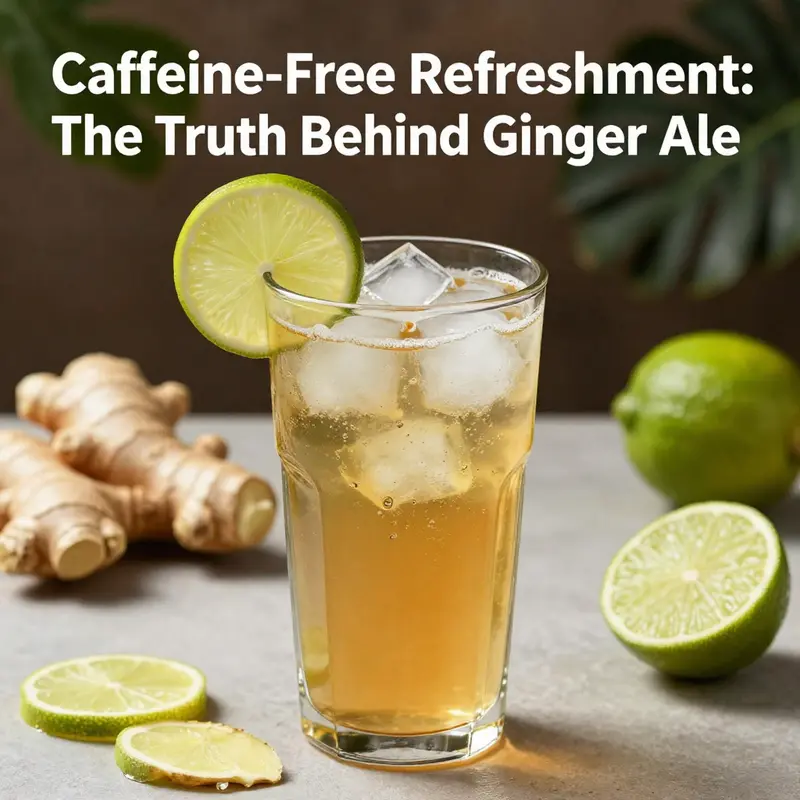
As a business owner, understanding the products you offer, including their caffeine content, is essential in catering to customer preferences. One beverage that often raises questions is ginger ale. This article dives deeply into whether ginger ale contains caffeine, analyzing its ingredients, examining insights from popular brands, and uncovering its historical context. Each chapter sheds light on the unique aspects of ginger ale, helping you make informed decisions for your business and customer satisfaction.
Caffeine-Free Crisp: Tracing Ginger Ale’s Ingredients and the Myths of “Ale” and Stimulants
When you reach for a chilled glass of ginger ale, the fizzy sound and pale gold shine promise refreshment. Yet a common question pierces that promise: does this familiar, comforting beverage contain caffeine? The short, straightforward answer is no. Ginger ale is typically caffeine-free, a detail that matters to anyone watching caffeine intake, whether for health, sleep, or personal preference. The longer story sits at the intersection of history, ingredient choices, manufacturing standards, and consumer expectations. It is a story about how a drink that borrows the old-world charm of ale kept innocent of alcohol and caffeine while delivering bright flavor, sparkle, and a touch of spice. To understand why it stays caffeine-free, we can walk through what goes into a classic ginger ale, how those ingredients function, and how the label communicates that caffeine-free status to the shopper who wants a soft, non-stimulating sip.
At its core, ginger ale is a carbonated soft drink. Its backbone is carbonated water, the effervescence that gives any soda its characteristic lift and mouthfeel. Mixed with that bubbles are sweeteners, which may be sugar or high-fructose corn syrup, and a dose of ginger flavor. The ginger component typically derives from an extract or a blend of natural flavors that evoke the spicy, peppery zing of fresh ginger root. Citric acid provides tartness to balance sweetness, much as a squeeze of lemon would in a culinary preparation. These elements come together to create a drink that feels both refreshing and warming at the same time—the way ginger tastes can evoke comfort even as the bubbles sparkle. In a well-made ginger ale, you also find a small handful of additives that preserve freshness and maintain clarity. Sodium benzoate, for example, is a common preservative used to keep beverages from losing their crisp character or taking on off flavors during shelf life. These components are chosen to maintain stability, taste, and appearance without introducing caffeine or other stimulants.
To the average shopper, the absence of caffeine may be one of the defining features of ginger ale. It is possible to encounter exceptions in the market, but they are unusual rather than rule-breaking. Brands may label their products as caffeine-free or non-caffeinated, signaling clearly that no caffeine has been added and that caffeine is not expected to be present as a byproduct of other ingredients. The consistency across many leading ginger-ale formulations is that they do not rely on caffeine to deliver flavor or mouthfeel. The absence of caffeine aligns with the broader category to which ginger ale belongs: soft drinks. Soft drinks are beverages that are non-alcoholic and that, by general industry practice, do not include caffeine unless explicitly added as a separate ingredient. This distinction helps consumers who want a non-stimulating beverage, whether for children, late-evening sipping, or personal health considerations.
The ingredient list often reads with familiar, sturdy lines: carbonated water, sugar or sweetener, ginger extract or natural flavor derived from ginger root, and citric acid. Occasionally, you will see additional lines such as natural flavors, flavor enhancers, or preservatives. What you will not see, in typical formulations, is caffeine. That absence is not merely a marketing claim; it reflects the formulation choices that define ginger ale as a non-caffeinated, lightly tart, spice-forward soft drink. The sensory profile—sweet with a gentle heat from ginger—emerges from these ingredients without the need for stimulants. It is this combination of taste, texture, and freedom from caffeine that makes ginger ale a preferred option for many people who want a soothing, flavorful beverage at any hour.
In discussing ingredients, it helps to place ginger ale in a broader context. There are many carbonated beverages that share some of the same building blocks yet differ in caffeine content. Cola-based sodas, for example, often rely on caffeine to provide a mild stimulant effect and a particular bite that complements their sweetness. Ginger ale, by contrast, is designed to lean on the spice of ginger and the brightness of citrus, with the bubbles providing lift rather than any stimulating kick. When you compare ginger ale to other flavored sodas, the caffeine status tends to be a defining feature of each category. Ginger ale’s caffeine-free identity is reinforced by the way its flavors are balanced. The ginger note offers warmth and piquancy, while the citrus elements give a tangy brightness that underscores a clean, refreshing finish. The absence of caffeine allows the palate to focus on the ginger’s natural bite and the drink’s overall crispness without competing with any stimulant effect.
This clarity about caffeine is not accidental. It emerges from a deliberate choice in formulation and from the expectations that consumers bring to their beverage choices. For many people, caffeine is a stimulant they wish to avoid in some contexts—late-night sleep, certain medical considerations, or simply personal preference. Ginger ale, therefore, is positioned as a non-caffeinated option that still offers a bold, satisfying flavor. When a consumer scans a label, the language around caffeine becomes a quick verifier: caffeine-free or non-caffeinated is a reliable shorthand that encourages a confident pick, especially for those who want to enjoy a fizzy, flavorful drink without the concerns associated with caffeine. In this sense, the label acts as a bridge between product formulation and consumer peace of mind, signaling that what is inside the bottle remains comfortably stimulant-free.
A helpful way to appreciate why ginger ale remains caffeine-free is to consider what caffeine actually is and how it appears in beverages. Caffeine is a naturally occurring stimulant found in coffee beans, tea leaves, and certain other plant parts. It is also added to some drinks to enhance alertness and concentration. In a drink whose primary identity is the sweetness of sugar, the zing of ginger, and the tartness of citrus, caffeine does not have a natural role to play. The flavor profile and mouthfeel come from a balance of sweet and spicy notes, a quenching sparkle, and a smooth finish. Caffeine is simply not part of that culinary equation. Even in the broader landscape of flavored sodas, caffeine is not a required ingredient. Manufacturers choose caffeine-containing formulations for products marketed as energy drinks or certain specialty beverages. Ginger ale’s positioning as a soothing, non-stimulating option remains aligned with its core ingredients and historical purpose.
Another dimension worth noting is how the term “ale” came to describe this drink. The word evokes a connection to the traditional beer-making process and the effervescence that beer-like textures can exhibit. Yet ginger ale is not beer, and, more importantly, it is not an alcoholic beverage. The typical ginger ale contains less than a trace amount of alcohol—often well under the threshold that would classify a drink as beer or any other alcoholic beverage. In practical terms, that means a standard consumer bottle of ginger ale is a non-alcoholic beverage and a non-caffeinated one at that. The name, rooted in history, speaks to texture and tradition rather than to the presence of alcohol or caffeine. This historical nuance adds a layer of cultural context to the modern, caffeine-free product, reminding consumers that what they are drinking is as much about taste and experience as it is about the cultural stories that beverages carry across generations.
From a manufacturing standpoint, caffeine status is verified by formulation and, to some extent, by labeling. A product may be marketed as caffeine-free or non-caffeinated if no caffeine is added and if no caffeine-bearing ingredients are used. In practice, the claim is reinforced by the absence of caffeine in standard ingredient listings for ginger ale products. For instance, consumer-facing ingredient panels typically list carbonated water, sugar or sweeteners, ginger extract or natural flavors, and citric acid, sometimes with a preservative like sodium benzoate. There is rarely, if ever, a line that reads “caffeine” on ginger-ale labels. That absence is as meaningful as any explicit declaration, signaling that the beverage has been crafted without caffeine—and that the consumer’s sensory expectations (sweetness, spice, fizz) are met without stimulants.
It is also informative to consider how this translates to consumer guidance and third-party references. A consumer may look to official product information from a brand’s site or from the broader company’s product pages to verify caffeine status. While the specific brand labels are numerous, the consistency across the category reinforces ginger ale’s caffeine-free identity. In practice, you will see the same pattern across most well-known ginger-ale products: a clean ingredient list, a clear emphasis on the ginger-forward flavor, and no mention of caffeine. The absence of caffeine is not accidental but a deliberate alignment of flavor, health considerations, and consumer expectations.
For those who want a broader comprehension of how caffeine content is assessed in beverages, the distinction between natural ingredients and added stimulants becomes important. Fresh ginger root, in its natural form, contains no caffeine. This aligns with the general understanding that botanical infusions and plant-based flavors do not inherently carry caffeine unless they are blended with caffeinated elements. In the context of ginger ale, this means that the product’s flavor should derive from the luminous combination of ginger essence and citrus acidity rather than any caffeine-delivered perk. Some herbal tea blends might introduce caffeine if other ingredients are caffeinated, but standard commercial ginger ale does not include such blends. The bottom line is that the product category, by design, avoids caffeine to maintain its easy-drinking, non-stimulating profile. The practical implication is straightforward: ginger ale can be enjoyed at almost any time of day without the stimulating effects associated with caffeine.
As consumers increasingly seek clarity about what goes into their beverages, the topic of caffeine in ginger ale becomes a useful case study in how product formulation communicates with shoppers. The ingredient list, labeling language, and sensory expectations work together to deliver a coherent experience. The familiar ginger bite is amplified by carbonation and citrus brightness, not by caffeine’s jolt. The absence of caffeine preserves the drink’s role as a versatile, everyday refresher, suitable for meals, after-school snacks, or a quiet moment of relaxation. And because the drink is non-alcoholic and caffeine-free, it often serves as a flexible option in social settings where other caffeinated beverages might be less appropriate or where alcohol is not desired.
For readers who want to see how this topic plays out in comparable beverages, there is value in comparing with ginger beer, another ginger-forward option that shares a similar spice profile but may have a different historical and regulatory framework. The key takeaway remains that the caffeine status in such ginger-flavored beverages hinges on formulation decisions rather than on tradition alone. If you are curious about how a ginger-beer formulation handles caffeine or lacks it, you can explore a dedicated discussion that centers on whether ginger beer carries caffeine and how it differs from ginger ale in terms of ingredients and regulatory labeling. This comparison can help you refine your understanding of what to expect from different ginger-flavored drinks, especially when you are trying to manage caffeine intake without compromising on flavor or refreshment. Does Ginger Beer Have Caffeine
In evaluating the broader landscape, one could also consider how ingredient transparency and consumer education influence trust. When manufacturers provide clear ingredient lists and unambiguous caffeine labeling, shoppers can make informed choices quickly. For those who track their caffeine consumption for health reasons or personal preference, ginger ale’s caffeine-free status becomes a reliable anchor. The beverage’s appeal lies not in a stimulant effect, but in its balance of sweetness, spice, and sparkling mouthfeel—a trifecta that satisfies thirst while offering sensory complexity. The absence of caffeine also has a practical benefit for sleep hygiene and daily routines. People who are sensitive to caffeine or who aim to avoid stimulants late in the day may gravitate toward ginger ale precisely because it does not carry that extra energy boost. In this context, the drink’s caffeine-free identity is not a mere footnote but a central attribute that shapes the way it fits into daily life. It complements meals, pairs with a wide range of flavors, and remains a dependable choice for gatherings where a non-caffeinated option is desirable.
From a consumer education perspective, the ongoing dialogue about caffeine in beverages extends beyond ginger ale. It touches on how people interpret labels, how they perceive natural flavors versus synthetic ingredients, and how they weigh taste against health considerations. Ginger ale’s caffeine-free profile invites a straightforward evaluation: do you want a light, aromatic drink that accents ginger and citrus without any stimulant effects? If the answer is yes, ginger ale stands as an accessible and agreeable choice. It is easy to enjoy with spicy foods that benefit from a cooling, non-stimulating companion, or as a refreshing palate cleanser between courses. It can be the base for creative mocktails, where the lack of caffeine invites the possibility to layer other flavors and textures without interference from stimulants. In all these contexts, the caffeine-free trait remains a constant and highly valued attribute.
Ultimately, the caffeine status of ginger ale is a convergence of formulation, labeling, and sensory experience. The drink’s ingredients are selected to deliver a familiar, comforting profile—carbonation that tickles the tongue, sweetness that rounds the bite, and ginger’s signature warmth. This combination achieves balance without caffeine, offering a versatile beverage that can be enjoyed by a wide audience, across ages and occasions. The historical tie to “ale” adds a cultural texture, but the modern product remains clearly non-alcoholic and caffeine-free. In short, the drink delivers a refreshing, flavorful, and stimulant-free experience that aligns with consumer expectations for a soft drink: simple ingredients, honest labeling, and the predictable, satisfying fizz that many people reach for again and again.
For those who want to explore further, there is a wealth of information available about ingredient practices and labeling standards across the beverage industry. While flavor development and texture are central to the ginger-ale experience, the caffeine question often serves as a practical lens through which to view how products are formulated, labeled, and consumed. The takeaway is straightforward: standard ginger ale, as encountered on shelves and in fridges, is caffeine-free. It remains a popular choice for those seeking a non-caffeinated, non-alcoholic beverage that delivers both comfort and refreshment in a single, sparkling package. As with many familiar foods and drinks, the true value lies not only in what is stated on the label but in the sensory memory of a refreshing sip—an experience that is, at its core, caffeine-free and reliably satisfying.
External resource reference: https://www.coca-colacompany.com/drinks/seagrams/ginger-ale
Caffeine-Free Fizz: Tracing Ginger Ale’s Label, History, and Everyday Truths
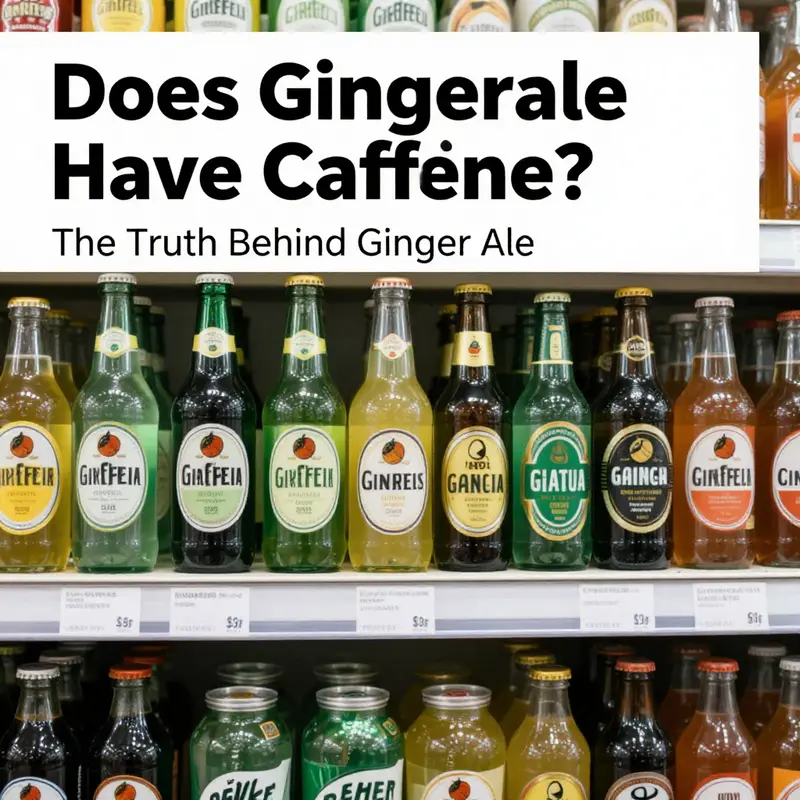
The question of whether ginger ale contains caffeine is a deceptively simple one with a surprising amount of nuance once you pull at the threads of what makes this drink what it is. The plain, widely held answer is that ginger ale is caffeine-free. This aligns with the way most soft drinks are defined in everyday use: beverages that are carbonated, non-alcoholic, and free of caffeine unless a specific ingredient or formulation adds it in. That straightforward claim rests on how ginger ale is typically produced and marketed, and it rests on what you would expect to see on the label when you pick up a bottle or can in a store. Yet beyond that first glance lies a history and a chemistry that help explain why the caffeine question is often asked in the first place and why the answer remains consistently the same across major producers and product lines.
To understand why ginger ale is caffeine-free, it helps to start with its core components. A traditional ginger ale is built from carbonated water, a sweetener—whether sugar or an alternative—and an infusion or extract that gives the drink its characteristic ginger zing. The tartness from citric acid or lemon juice often accompanies the blend, balancing the heat of the ginger with a bright, palate-cleansing finish. The crucial point here is that caffeine is not a natural constituent of ginger itself. Caffeine appears in certain plants—tea, coffee, cacao, kola nut—and many beverages are caffeinated by adding one of these ingredients or a specially formulated caffeine extract. Ginger root does not contribute caffeine to the mix. So, in the absence of any added caffeine, the standard ginger ale remains caffeine-free by design.
This is reflected in how most manufacturers describe their products. When a consumer checks a typical ingredient list, they often see carbonated water, sugar or sweeteners, citric acid, natural flavors, and a preservative like sodium benzoate. There may also be a dash of something to stabilize flavor or preserve color, but caffeine rarely appears in that roster. The absence of caffeine is not an accident; it is an intentional choice that shapes the drink’s positioning as a family-friendly, non-stimulating option suitable for a broad audience. The labeling language you encounter reinforces this: the product is presented as a refreshing, caffeine-free beverage meant for any time of day, including after school hours or as a mixer in non-alcoholic cocktails. Without caffeine to worry about, ginger ale becomes a flexible companion to meals, desserts, or a simple, bubbly palate cleanser between bites.
The historical layer of this topic adds another layer of clarity. The word ale evokes a beer-like texture and effervescence, but it is a historical naming convention rather than a statement about alcohol content or caffeine content. The modern, non-alcoholic ginger drink bearing the label ginger ale shares only the fizzy kinship with beer. The label serves as a nod to tradition, not a promise of alcohol or caffeine. In that sense, the name functions more as a cultural artifact than a technical declaration. The result is a drink that carries the comforting familiarity of a classic soft drink, with the nuance that you can safely enjoy it in the evening, in a school cafeteria, or as a mixer at a family gathering without worrying about caffeine’s stimulating effects.
The consistent caffeine-free status across widely consumed ginger ales also speaks to consumer expectations. People often reach for a ginger ale because they want something pleasantly fizzy and gingery without the rush or jitters associated with caffeine. This is particularly true for households with children, for late-evening refreshment, or for someone who wants to enjoy a drink while winding down after a long day. The absence of caffeine keeps the experience approachable and predictable. It is a factor in how these beverages are integrated into daily routines, whether as a stand-alone drink or as a base for non-caffeinated mocktails, where the aim is to preserve balance and clarity of flavor without introducing stimulants into the mix.
From a consumer behavior perspective, the caffeine-free status of ginger ale influences choices in social settings where caffeine intake might be a consideration. People who are sensitive to caffeine or who wish to minimize intake—whether for health reasons, sleep quality, or simply a preference for non-stimulants—often find ginger ale to be a reliable option. In practical terms, this translates to a versatile beverage that can accompany meals late in the day, serve as a refreshing palate cleanser, or act as a lively, family-friendly mixer in non-caffeinated beverages. The social and lifestyle context matters because it helps explain why so many households keep ginger ale on hand as a dependable option that remains faithful to its caffeine-free promise across a spectrum of occasions.
The absence of caffeine in ginger ale is reinforced by standard product information from mainstream producers, and this consistency is reinforced by the way the drink is developed and marketed. The production approach centers on extracting ginger flavor, achieving the right level of sweetness, and ensuring the drink remains carbonated and crisp. The flavor profile—bright, spicy, and aromatic—owes its momentum to the ginger itself and a careful balance of sweetness and acidity. Caffeine, being a stimulant, would alter the perceived experience of the drink, adding a jolt that could shift how the flavor unfolds on the palate. For a beverage whose identity rests on being a gentle, comforting, and versatile option, adding caffeine would alter its role in daily life rather than enhance it. Thus, caffeine-free is not merely an absence but a functional design choice that helps ginger ale occupy its niche in the beverage landscape.
As you move through this topic, you may encounter broader discussions about how other ginger-flavored beverages differ from ginger ale. There is a related category often explored in consumer guides and product comparisons: ginger beer. Ginger beer and ginger ale share a flavor affinity rooted in ginger, yet they can diverge in production methods and alcohol content. A classic ginger beer historically involved fermentation and could carry varying degrees of alcohol, depending on the method and the product. In modern market terms, there are many non-alcoholic ginger beers that behave similarly to ginger ales in terms of flavor, but the key distinction lies in carbonation, sweetness, and the fermentation angle rather than caffeine content. If curiosity extends to whether ginger beer itself could carry caffeine, the takeaway remains that caffeine presence is determined by the formulation—not by the herb ginger. A useful way to explore this facet further is to look at related discussions about caffeine in ginger beverages, such as whether ginger beer has caffeine, which helps map how different products approach the ginger-flavored space.
For readers seeking a deeper, more practical understanding, consider how this information translates into everyday choices. If you are selecting a drink for a child after a sport or at a casual family gathering, the caffeine-free guarantee gives peace of mind about stimulation and sleep. If you are crafting a mocktail or a party beverage, the caffeine-free status preserves the integrity of flavors without competing with caffeine’s bite. And if you are simply curious about the science and labeling behind your preferred bottle, the consistent message across major producers is that this is a caffeine-free product by default, with exceptions only when a product is explicitly formulated to add caffeine as an ingredient. The result is a robust, reliable category that invites experimentation in flavor and pairing without introducing stimulants you may not want at certain times of day.
In the spirit of curiosity that underpins these inquiries, a related exploration can be helpful. If you are curious about other ginger beverages and their caffeine content, you can read about whether does ginger beer have caffeine, which expands the map of how caffeine interacts with ginger-forward drinks and how producers decide where caffeine fits into a product’s identity. This broader view helps situate ginger ale within a family of ginger-flavored options, giving you a fuller sense of how caffeine decisions shape product design and consumer expectations without losing sight of the core fact: ginger ale, as it is commonly produced and sold, remains caffeine-free.
The evidence supporting this conclusion comes not from a single source but from a pattern across how ginger ale is described and labeled by the producers who bring this familiar fizz to market. Ingredient panels consistently omit caffeine, and marketing copy emphasizes refreshment, balance, and compatibility with meals and social occasions rather than stimulation. When you consider the practical implications—the ability to enjoy a cold ginger ale in the evening, the suitability as a mixer for non-caffeinated cocktails, or the option to offer a kid-friendly beverage at a party—the caffeine-free status becomes an expected and valuable trait. This is not merely a trivia point; it is a practical attribute that informs how people choose drinks in different settings and how brands position themselves in a crowded soft drink landscape.
For readers who want to explore a broader context beyond ginger ale, the landscape of caffeinated vs non-caffeinated beverages expands quickly. There are drinks that pair the comforting spice of ginger with the energy boost of caffeine, giving rise to products that sit at the crossroads of flavor and function. In those cases, caffeine becomes a deliberate design choice aimed at a different audience or a different moment in the day. Ginger ale, in its traditional and widely available form, maintains a different objective: to deliver crisp refreshment with no caffeine kick. This distinction clarifies why ginger ale remains a staple at many dinner tables, picnics, and late-night gatherings where the presence of caffeine would feel out of place or unnecessary.
In closing this line of thinking, the simplest takeaway remains robust and practical. Ginger ale is caffeine-free—by design, by labeling, and by the chemistry of its ingredients. The drink delivers its signature warmth and sparkle without introducing stimulants, which is why it has endured as a versatile, everyday option for a broad audience. If you are planning a beverage menu, a family meal, or a casual evening with friends, ginger ale offers a reliable option that pairs well with a wide range of flavors while respecting the preference of those who wish to avoid caffeine. And if curiosity drifts toward related beverages and how caffeine may or may not appear there, the connected discussions about ginger beer and other ginger-flavored drinks offer a helpful map for understanding how producers decide what goes into each bottle or can.
External resources can provide additional validation of these points and a broader view of the caffeine status in ginger beverages. For a more formal reference from a major producer’s documentation, you can consult the external resource linked here. It offers official guidance on caffeine content and related labeling, helping to confirm what many consumers already expect when they reach for a bottle of ginger ale. External resource: https://www.coca-colacompany.com/drinks/seagrams-ginger-ale
Internal link for related reading: if you are curious about related ginger beverages, you may find it informative to read about whether does ginger beer have caffeine to understand how caffeine considerations can vary across similarly flavored drinks without altering the core identity of ginger-forward beverages.
null
null
Final thoughts
In summary, ginger ale stands as a delightful, caffeine-free alternative among soft drinks, making it a favorite for many consumers. Business owners should appreciate the beverage’s unique ingredients, its varying offerings among popular brands, and its rich historical background. By aligning your beverage selections with customer preferences, particularly in avoiding unwanted caffeine, you’ll enhance your establishment’s appeal and customer satisfaction, paving the way for continued success.