
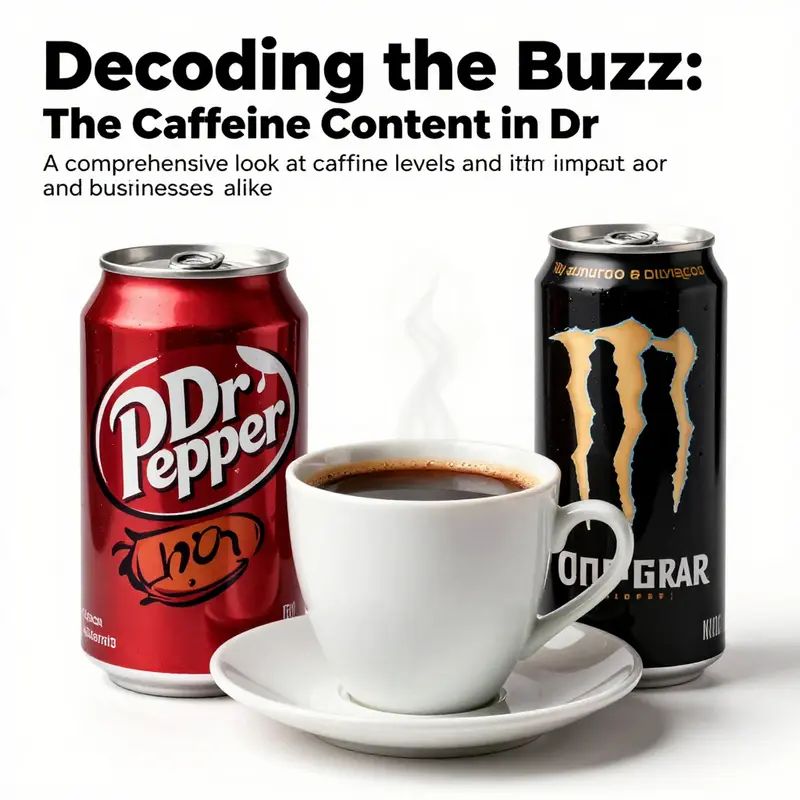
Understanding the caffeine content in beverages like Dr Pepper is crucial for both consumers and business owners alike. Many people are unaware that Dr Pepper contains 41 milligrams of caffeine per 12 ounces, which can influence purchasing decisions and consumption habits. In this exploration, we will delve deeper into the specifics of caffeine in Dr Pepper, compare its effects and content with other popular drinks, and discuss the broader societal implications of caffeine consumption. Each chapter emphasizes these aspects, providing valuable insights for business owners looking to market their beverages effectively while catering to health-conscious consumers.
Caffeine Content in Dr Pepper: Understanding the Numbers
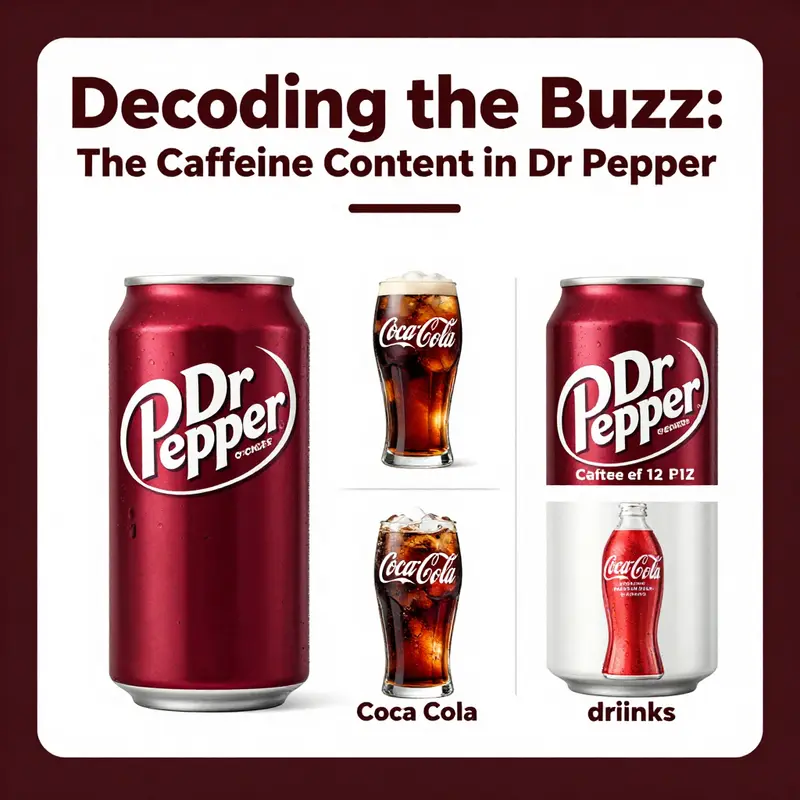
Caffeine has a shaping influence on how we experience everyday beverages, and Dr Pepper sits at a distinctive point on that spectrum. It isn’t marketed as a traditional energy booster, yet it isn’t dismissed as caffeine-free either. The drink occupies a middle ground where flavor and stimulation meet in a careful balance. To fully understand what that means in practical terms, we need to start with the numbers that lie behind Dr Pepper’s kick. A standard 12-fluid-ounce serving, which is about 355 milliliters, contains roughly 41 to 42 milligrams of caffeine. This figure is widely echoed across reliable sources and aligns with the formulation that most consumers encounter in regular and zero-sugar versions alike. That equivalence—nearly identical caffeine content in both the regular and the zero-calorie variant—creates a predictable baseline for people who count every milligram or who rely on consistency for daily planning. In other words, the caffeine you get in a classic can is the same as the caffeine you get in a zero-sugar can, which makes the beverage a reliable option for those who appreciate steadiness in their caffeine habits.
What stands out in the landscape of caffeinated beverages is not just the absolute amount, but its relative position. Dr Pepper’s caffeine level sits above many popular non-cugmatched colas and sodas, yet it remains well below the high-energy profiles associated with coffee, heavy energy drinks, or specialized stimulant beverages. For context, a typical cup of coffee can range from about 95 to 200 milligrams of caffeine, depending on bean type, brew method, and serving size. In comparison, the classic cola benchmark hovers around 34 milligrams per 12 ounces, while Pepsi often lands in the high 30s. Dr Pepper’s roughly 41 to 42 milligrams thus places it in a middle range—more robust than a standard cola, but gentler than the most potent caffeinated options on the market. That positioning has important implications for everyday use. It offers a mild lift without the intensity or jittery edge that some individuals associate with higher-caffeine alternatives, making it a go-to for routine refreshment rather than an all-out stimulant strategy.
The caffeine present in Dr Pepper does more than simply nudge alertness; it subtly interacts with the drink’s signature flavor profile. The beverage is celebrated for its complex taste, often described as a blend of 23 flavors that contribute depth, warmth, and a certain sweetness that lingers on the palate. Caffeine works in concert with those flavors. It introduces a slight bitterness that helps to balance sweetness, preventing the profile from tipping too far into saccharine territory. The net effect is a smoother experience where the lift from caffeine is felt, but it does not overwhelm the taste. For many tasters, that balance is what makes Dr Pepper a convenient daily choice. It can be enjoyed across different moments of the day without demanding a dramatic shift in appetite or mood, which is a practical benefit for people who want a little something extra without making caffeine the centerpiece of their beverage routine.
A common misperception worth addressing is the idea that Dr Pepper might be caffeine-free because it isn’t categorized as a traditional cola—especially for those who equate caffeine with what they expect in classic colas. In reality, caffeine is added to Dr Pepper to support the drink’s stimulating effect and to harmonize its sweetness with a touch of bitterness. This alignment with flavor and function helps explain why Dr Pepper remains a popular choice for daily consumption among a broad audience. It isn’t about a bold energy spike; it’s about a measured lift that fits into everyday life. Moreover, the consistency of caffeine content across standard U.S. and Canadian formulations adds a layer of reliability for regular drinkers. If you’re accustomed to your usual can, you can anticipate the same caffeine experience whether you’re purchasing in the United States or Canada, which is valuable for planning caffeine intake across a day, week, or month.
In practical terms, the numbers also matter for people who are watching their caffeine exposure for health or personal reasons. Pregnant individuals, anyone with anxiety disorders, or people with certain cardiovascular considerations often discuss caffeine with healthcare providers to determine what level of intake is appropriate for their circumstances. The presence of caffeine in a drink that people already enjoy as part of their daily routine means considering its contribution to total daily caffeine exposure. The fact that a single serving of Dr Pepper contains roughly 41 to 42 milligrams makes it easier to estimate how many servings can fit into a day before reaching personal limits. It also underscores the value of clear labeling and transparency from manufacturers, so consumers can make informed choices about how to balance taste, mood, and overall well-being without resorting to guesswork.
The broader landscape of beverages reminds us that caffeine content alone doesn’t tell the whole story. The flavor experience, the brand’s history, and the context of how and when people choose to drink it all contribute to why a particular beverage ends up as a daily staple for some and an occasional treat for others. Dr Pepper sits at an intersection where flavor complexity and mild stimulation converge. The modest caffeine level supports a gentle lift that can be enjoyed at various points in the day—perhaps alongside a light meal, during a midafternoon break, or as a calmly refreshing option after activity—without compelling a drastic shift in routine. For individuals who monitor caffeine intake due to sleep sensitivity, work schedules, or medical considerations, the 41 to 42 milligrams per 12 ounces offer a tangible reference point for planning, estimating, and adjusting consumption accordingly. The predictability across products means you can budget your caffeine in small, manageable increments rather than facing a wide range of surprises from week to week.
From a nutritional labeling perspective, the consistency of caffeine content across standard regional formulations also helps explain why the figure is highlighted prominently in discussions about the beverage. It appears in the context of total energy content, carbohydrate and sugar presence in regular versus zero-sugar variants, and the broader conversation about how caffeine interacts with flavor and palatability. The cumulative effect of these factors shapes how people perceive the beverage—neither as a pure stimulant nor as merely a sweet, fizzy drink, but as something in between, crafted to deliver a balanced sensory and physiological experience. In this sense, caffeine serves more than a binary role of “present or absent.” It contributes to the personality of the drink, along with its famous taste profile, and helps explain why some people reach for it as a comfortable, daily companion rather than a once-in-a-while indulgence.
When considering these numbers, one practical takeaway is the stability of the caffeine profile across formats. The regular version and its zero-calorie counterpart share the same approximate 41 to 42 milligrams per 12-ounce serving. This parity is important for anyone who keeps a close eye on caffeine intake because it means there’s less variability to account for when planning a day’s beverage consumption. If you’re counting milligrams as part of a broader dietary plan, this consistency reduces the cognitive load of comparing products or second-guessing label claims. You can trust that swapping from a regular can to a zero-sugar can preserves the same caffeine footprint, even as other nutritional aspects—calories, sugar, or artificial sweeteners—may differ. That reliability helps make Dr Pepper a practical option for people who want flavor, a mild stimulant, and predictable intake all in one package.
The source of these figures is widely acknowledged in the industry and is supported by official nutritional data available from the manufacturer and corroborated by health and regulatory resources. The official product page provides the caffeine content information, while mainstream references align with the 41–42 mg range for a 12-ounce serving. In addition to company pages, external health references and regulatory bodies provide context about caffeine in soft drinks, helping consumers understand how this ingredient behaves in the broader food landscape. For readers who want to verify the numbers or learn more about how caffeine is evaluated in soft drinks, there are authoritative resources that spell out the assumptions, measurement approaches, and labeling practices involved in keeping these figures accurate and up-to-date. Such transparency is especially important for people who rely on precise intake tracking as part of medical advice or personal wellness goals.
For readers who want a practical, bite-sized takeaway, the core message is straightforward: if you’re picking up a can for a midday lift or a casual daily refreshment, you can expect a stable 41 to 42 milligrams of caffeine per 12-ounce serving, whether you choose the standard or the zero-sugar version. That level provides a gentler stimulus than strong energy formulations but is clearly above the caffeine content of the classic, widely known colas. It’s a level that accommodates everyday use while remaining mindful of personal limits. And because the flavor profile of the drink is independent of that subjective uplift, you can enjoy the experience without feeling that caffeine is the only reason you’re sipping.
As you plan your day, this information becomes a practical compass. If your routine includes one can at lunch and another in the late afternoon, you’re looking at roughly 80 to 84 milligrams within that two-can window. If you’re more conservative in your caffeine intake, you may choose to alternate with caffeine-free or low-caffeine options to maintain balance. For those who add coffee, tea, or other caffeinated beverages to their day, you can map out how Dr Pepper fits into your broader caffeine budget. The key is to recognize that the beverage’s caffeine contributes to a mild lift, not a peak-level stimulant, and to use that understanding as a guide for your daily rhythm.
An additional nuance worth noting is the global consistency of the caffeine content in both the standard and zero-calorie versions across markets where Dr Pepper is sold. While regional formulations can vary for many foods and drinks due to local regulations and taste preferences, the caffeine content for these products has been described as stable in primary markets. This stability further reinforces the idea that the drink offers predictability for consumers who travel, relocate, or order from international vendors. In practice, you can expect a familiar caffeine footprint whether you’re in North America or certain international contexts where the brand maintains standardized formulations.
The broader conversation about caffeine in soft drinks emphasizes that there is more to a beverage than a single number. The sensory effect—the gentle uplift—works in tandem with the flavor inventions, the carbonation, and the aftertaste to shape how a person experiences the drink. In the case of this particular beverage, the caffeine component is integrated in a way that supports casual consumption. It provides enough of a lift to feel energetic without being overwhelming, which makes it appealing to a broad audience: students, professionals, and casual sippers alike can appreciate a product that neither overdelivers nor underdelivers on the stimulant front. That balance is part of what gives the drink its staying power in a crowded market where choices are abundant and the desire for a reliable, flavorful experience remains strong.
For readers who crave deeper exploration, the question often extends beyond “how much caffeine is in a can?” to “how does this align with health guidance and practical living?” The answer rests in mindful consumption. If you are counting daily caffeine intake for health reasons, you may want to consider all sources—coffee, tea, energy drinks, and even certain foods—rather than isolating a single beverage. The moderate level found in this drink makes it an option that can fit into many schedules, but it should be weighed against personal sensitivity, medical advice, and daily routines. In the end, understanding the numbers provides a foundation for informed decisions, and with that foundation, individuals can enjoy a familiar taste without compromising their goals or well-being.
For readers curious about how this aspect translates to other beverages in a similar category, there is a broader discussion to be had about how caffeine content varies depending on formulation, brand philosophy, and regulatory labeling. If you want a targeted look at how caffeine can differ even within near-cousin beverages, you can explore further through related discussions that examine caffeine content across popular drinks and how those figures are calculated and presented on labels. This can help you compare your options and build a daily plan that aligns with taste preferences, lifestyle needs, and health considerations. Moreover, recognizing that caffeine is not simply a number but a component that interacts with flavor and mood can enrich the way you choose beverages over time.
If you’re looking for a direct reference that captures the practical takeaway in a concise form, think of it this way: a standard serving brings roughly 41 to 42 milligrams of caffeine, a score that supports a mild lift without dominating the experience. The fact that this figure remains consistent across major variants means you can rely on a stable caffeine footprint as you decide how many cans to include in your week. In a world of choices, such predictability is valuable for anyone who wants to enjoy a flavor-forward drink while maintaining a clear sense of their daily caffeine exposure. And for those who want to explore related topics further, there are accessible resources that discuss how caffeine content is determined in soft drinks and how consumers can interpret these numbers when planning meals, breaks, or study sessions.
To bridge these ideas to actionable guidance, consider how you structure your day around meals, work, and rest. If you drink one can at midday to cut through a post-lunch lull, you’re likely benefiting from that gentle lift without pushing into oversaturation. If you keep a bottle or can handy for the afternoon, you can tailor your intake to your own tolerance, staying mindful of other caffeine sources. The key is not to view caffeine as a singular solution but as a component of a balanced approach to hydration, flavor enjoyment, and personal wellbeing. When you approach Dr Pepper with that mindset, the numbers start to feel less like a mystery and more like a practical tool for daily living.
For those who want to investigate further into related questions about similar beverages and caffeine content, a related discussion addresses how various formulations—such as diet variants—impact caffeine presence. If you’re curious about whether a diet variant carries caffeine and to what extent, you can explore this topic in depth by visiting the article Does Diet Dr Pepper Have Caffeine In It. This resource provides considerations that are adjacent to the core focus on Dr Pepper’s caffeine content and helps readers place this information in a broader context of caffeine in everyday drinks. Does Diet Dr Pepper Have Caffeine In It
For readers seeking a broader regulatory and health context, you may wish to consult a widely recognized federal resource that discusses caffeine in soft drinks and related safety considerations. The U.S. Food and Drug Administration provides information about caffeine content in beverages and the regulatory framework surrounding its use. This external reference offers a reliable backdrop to numeric guidance and labeling practices, helping readers understand how the industry measures and reports caffeine content across products. External reference: https://www.fda.gov/food/food-additives-petitions/caffeine-drinks
Between Spice and Stimulation: Mapping Dr Pepper’s Caffeine Footprint in a Flavor-Forward Beverage World
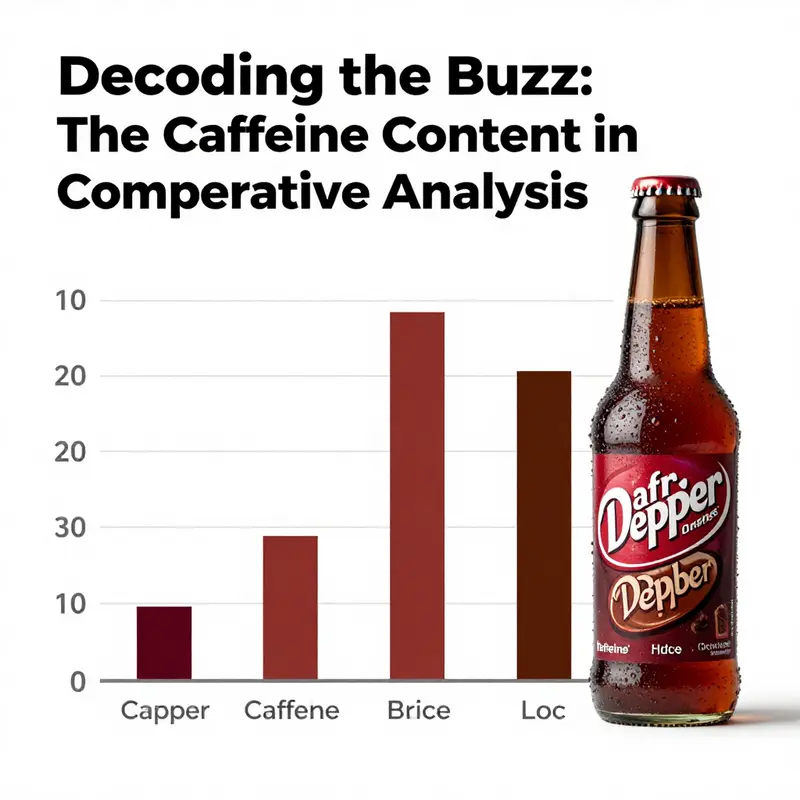
The science of a familiar flavor often begins with a careful tally of its energizing parts. In the case of a well known peppery, cherry-toned cola style drink, the caffeine content sits at a modest but perceptible level. Specifically, a standard 12 ounce serving contains 41 milligrams of caffeine. This amount applies not only to the regular formulation but also to the zero sugar version, which follows the same labeling standard. That parity matters for anyone watching their caffeine intake, whether they are balancing a daily caffeine budget, managing pregnancy related considerations, or navigating the anxieties that can accompany caffeine use. The consistency across versions reinforces a simple reality: the stimulant effect is an intentional part of the beverage’s profile, not an incidental byproduct of flavor enhancers or marketing choices. The caffeine is there to provide a gentle lift, to keep pace with a day that moves quickly, and to harmonize with the drink’s distinctive taste rather than overwhelm it. In this sense, the beverage sits in a comfortable middle ground among caffeinated options, more than a casual indulgence, yet less intense than the high caffeine offerings that flood energy drink aisles. The user who sips it regularly often reports a steady, approachable alertness that supports focus without the peak and crash that some beverages can deliver. This balance is part of its appeal and part of its identity in a crowded field of caffeinated choices.
A common misperception deserves clarity: this drink is not considered a traditional cola in the sense that it relies on kola nut extracts or cocoa beans as a primary flavor anchor. Yet it does contain caffeine, a choice made to heighten its invigorating effect while balancing the sweetness that defines its taste. The caffeine content is not a marketing afterthought but a core component that complements the beverage’s flavor structure. When we compare its caffeine load to other popular beverages, the middle position becomes even clearer. A typical 12 ounce serving of Coca Cola carries about 34 milligrams of caffeine, while classic Pepsi hovers near the same region. Coffee, by contrast, is a very different category entirely, with a typical 8 ounce cup delivering around 95 milligrams. Energy drinks, designed to deliver sustained stimulation, commonly range from roughly 80 to 200 milligrams per serving. In this spectrum, the drink under discussion sits closer to the low end of energy drinks yet above the most common soft drinks, a placement that explains why it feels more noticeable than a non caffeinated option but never reaches the intensity of a strong cup of coffee. This relative positioning matters for everyday use, as it supports a pattern of consumption that fits neatly into many daily routines without demanding a full reset of one’s caffeine strategy.
The flavor profile of this beverage is a story in itself. Its signature taste is not built on kola nut or a singular citrus note but rather on a proprietary blend of fruit essences and spice undertones. The result is a complex, layered palate with hints that resemble plum, licorice, and a whisper of vanilla, all weaving together with a bright spark of carbonation. The caffeine is there to provide a little buoyancy, enhancing the perception of alertness without masking the nuanced flavor. The interaction between flavor and stimulant is not accidental; it is a deliberate design choice that makes the drink a popular everyday option for people who value taste as much as a gentle lift. In social settings, this balance also supports its use as a mixer. A few bartenders and home mixologists have experimented with it in cocktails that rely on a subtle spice and a soft effervescence to keep the drink interesting without turning the caffeine into the central focus. The result can be described as a well integrated tonic of spice and pep, where the energy boost serves the flavor rather than dominating it.
Understanding this drink’s place requires more than a glance at the caffeine label. It requires recognizing how caffeine works in concert with a flavor signature that resists simplicity. The lift it offers tends to be perceptible but not overpowering, a steadier kind of stimulation that aligns with a habit of daily consumption rather than a one off indulgence. For some people, this means a reliable afternoon pick me up that does not feel like a jolt. For others, it means a reliable flavor companion that plays nicely with meals or with other beverages when a lighter, more compatible caffeine experience is desired. The balance is not accidental; it reflects a careful calibration between taste and wakefulness, a bargain struck between a refreshing mouthfeel and a practical energy lift. In this sense, the drink can function both as a standalone refreshment and as a flexible element in a broader beverage repertoire, offering consistency in caffeine content while inviting culinary and mixology experimentation.
There are practical considerations that readers with caffeine sensitivity or medical concerns should keep in mind. Pregnant individuals, those with anxiety disorders, or people with certain cardiovascular conditions are often advised to monitor caffeine intake carefully. The 41 milligrams per 12 ounce serving, while moderate, adds to the daily total that a person may consume from all sources. Understanding this helps in planning daily consumption to ensure it aligns with personal health goals and medical guidance. The beverage industry labels caffeine content clearly, following FDA compliant practices, which allows consumers to make informed choices. For someone who approaches caffeine with a cautious mindset, counting milligrams per serving can be a practical habit that complements a mindful approach to nutrition and wellness. It is not about a single number alone but about the larger pattern of how caffeine appears in one’s daily diet and how that pattern lines up with personal tolerance, sleep patterns, and overall energy needs.
The inclusion of caffeine in a flavor forward drink also raises considerations about how one consumes it across the day. Some people enjoy it as part of a morning ritual, a midmorning break, or an after lunch lift that helps maintain focus during tasks that require attention. In workplaces, classrooms, and homes, the drink offers a familiar option that can be integrated into routines without the dramatic spikes associated with higher caffeine products. The moderation afforded by the 41 milligram dose means it can be used repeatedly in a day without triggering a pronounced caffeine cycle, provided that the total daily intake remains within personal and medical guidelines. This is where consumer education and labeling play a critical role. Clear labeling makes it easier to track caffeine exposure and to compare it with other beverages or foods people consume. It also helps those who enjoy the product to avoid overconsumption while continuing to appreciate its distinct flavor profile.
From a cultural standpoint, this beverage embodies a broader shift toward recognizable flavors with a nuanced energy profile. The crowd that reaches for it often values a dependable taste that has stood the test of time, yet are not seeking the strongest caffeine experience available. The product’s ability to hold its own as a daily option rests on a combination of flavor fidelity and a predictable stimulant effect. In social terms, the drink can act as a shared reference point—a familiar palate that can accompany countless moments, from casual conversations to evenings that blur the line between refreshment and ritual. The presence of caffeine, rather than being a loud feature, is more of a steady partner that helps maintain a comfortable cadence through a day that requires steady attention and steady mood. This dynamic makes the drink a meaningful subject of discussion for people who care about how flavor and energy intersect in everyday life.
For readers who want to explore the topic further, a deeper dive into the caffeine question across related products can be instructive. For a deeper dive into how diet variants may differ in caffeine content, see Does Diet Dr Pepper Have Caffeine? Get the Truth In. The link offers a concise comparison and helps readers understand where the caffeine content for diet and regular formulations aligns with regulatory labeling practices. Such explorations reinforce the idea that caffeine content is a factual aspect of product formulation, not merely a marketing claim. They also illustrate how the public conversation around caffeine can be nuanced, balancing flavor expectations with energy considerations.
In sum, this flavor forward beverage provides a measured caffeine experience that many find compatible with daily life. It offers a distinctive taste that stands apart in a crowded market and delivers a lift that feels purposeful rather than overpowering. The 41 milligram per 12 ounce dose is a practical benchmark for readers seeking a moderate stimulant option with a depth of flavor that supports rather than competes with the caffeine effect. For those who care about the full context, regulatory data and labeling standards provide assurance that the numbers reflect what is in the can, every time. The result is a beverage that feels familiar and reliable, a steady companion that honors taste as much as wakefulness. For consumers who want to understand the caffeine landscape more broadly, the official regulatory resources offer a grounded perspective on how these numbers are determined and how they should be interpreted in everyday life. External reference: https://www.fda.gov/food/food-labeling-nutrition/caffeine-content-beverages
null

null
Final thoughts
The caffeine content in Dr Pepper plays a fundamental role not just for individual consumers but also for business owners who must navigate this information when strategizing their product offerings. As the beverage landscape evolves, staying informed about such details can aid in crafting marketing strategies that address consumer health concerns while appealing to those seeking flavor and refreshment. Understanding the comparative caffeine levels and the societal implications surrounding caffeine consumption can lead businesses toward more informed decisions and enhanced customer relations.