
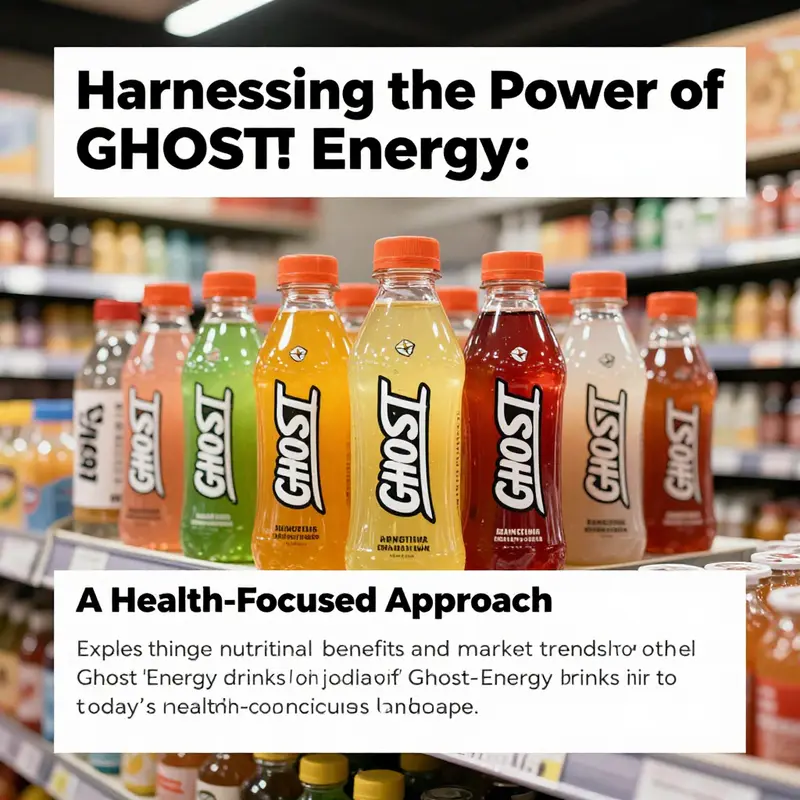
As businesses aim to attract health-conscious customers, understanding the beneficial properties of energy drinks like GHOST Energy becomes crucial. Crafted with natural ingredients, GHOST Energy offers a variety of benefits such as enhanced focus, energy support, and cognitive function. In this exploration, we will delve into the health implications of these carefully selected ingredients, examine safe consumption practices, and analyze market trends that shape consumer perceptions. Each aspect of GHOST Energy will provide insights for business leaders looking to align their offerings with the evolving preferences of health-oriented consumers.
Clean Energy, Clear Mind: A Health-Focused Look at Natural Caffeine and Clean-Label Boosters
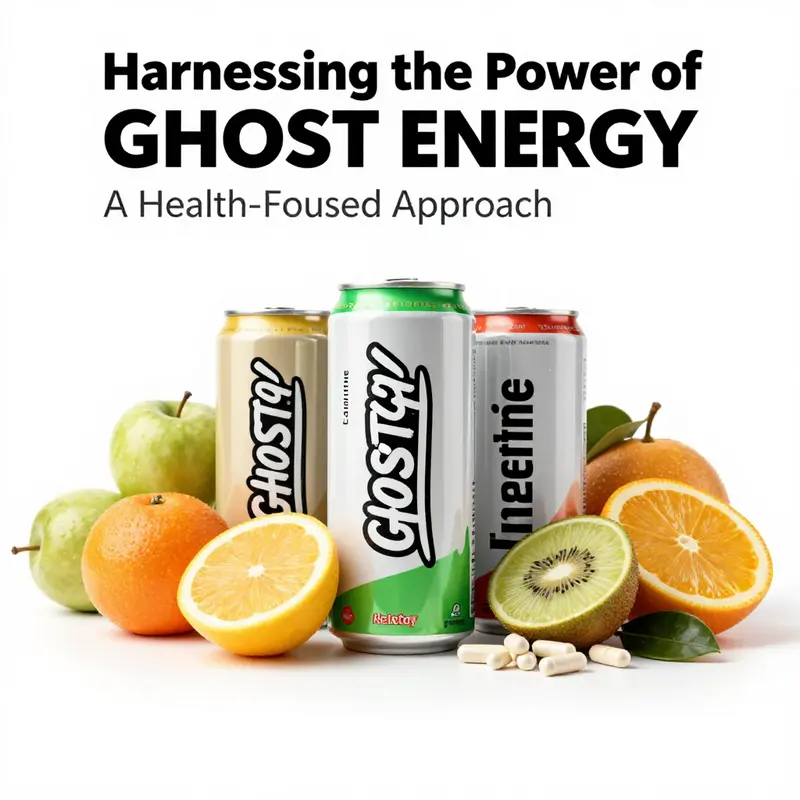
Energy drinks occupy a curious middle ground in modern nutrition. They promise quick, reliable fuel for work, study, exercise, and everyday life, yet they sit at the intersection of convenience and health considerations. The narrative around a well-known energy beverage that markets itself as clean-label centers on a concise premise: a formulation designed to deliver sustained energy and sharper focus without resorting to artificial additives or questionable ingredients. This framing matters because it shifts the discussion from mere caffeine content to the broader set of compounds that accompany caffeine, and how those compounds might influence energy, mood, and performance over a few hours or even across a day. When one Item in hand packs 200 mg of natural caffeine per 16-ounce can, it invites questions about tolerance, sleep disruption, and cardiovascular responses for different people. It also invites curiosity about the rest of the formula—the amino acids, the nootropic-inspired components, and the absorption enhancers that can modulate how well those ingredients work in the body. Within this context, a careful, science-informed look at the ingredients reveals a tapestry of mechanisms that may support energy production, cognitive function, and recovery, while also highlighting the need for mindful use in light of individual physiology and daily caffeine totals. The conversation thus becomes less about chasing a magic bullet and more about understanding how a clean-label approach translates into real-world benefits, risks, and personal fit for healthy adults who seek steady motivation without excessive stimulation or dietary discordance.
At the heart of this discussion is natural caffeine. The source of caffeine in a clean-label energy beverage is often described as more socially acceptable or smoother than synthetic alternatives. In practice, the caffeine in this category is still caffeine, and it primarily acts by blocking adenosine receptors in the brain. That blockade reduces the feeling of fatigue and increases alertness, thereby enhancing attention and reaction time in the short term. The nuance lies in how users respond to this stimulation. For many, 200 mg in a single can provides a noticeable lift that supports focus during a long work session or a demanding training workout. For others, especially those who are naturally caffeine-sensitive or who already consume substantial caffeine from coffee, tea, or other sources, the same amount can feel jittery or provoke a rapid heartbeat. The American Heart Association’s guideline of up to 400 mg per day for most adults remains a useful benchmark. It’s a reminder that the line between productive energy and overstimulation is not a fixed boundary but a spectrum that shifts with sleep history, stress, hydration, and metabolic rate.
Beyond caffeine, the formulation commonly includes L-carnitine in a substantial dose. This nutrient, often supplied as L-carnitine tartrate, plays a pivotal role in fat metabolism and mitochondrial energy production. In the body, carnitine helps shuttle long-chain fatty acids into mitochondria where they are oxidized for energy. In practical terms, this means a potential improvement in endurance and recovery after exercise, especially when energy demands are high and carbohydrate stores may be challenged. While carnitine’s effects on performance are nuanced and can depend on exercise type, training status, and overall diet, the presence of 1000 mg per can points toward a formulation aimed at supporting sustained energy rather than a simple caffeine jolt. For some individuals, this can translate to longer zones of effort and a smoother perceived exertion, which matters when training sessions extend beyond the first half of a workout or when workdays stretch into the late afternoon.
Taurine, another key amino acid included at a similar 1000 mg level, contributes to several physiological pathways relevant to energy and performance. Taurine participates in hydration strategies, cardiovascular function, and neurological health. It is associated with improved cellular hydration, which can influence subjective energy and perceived stamina, particularly in hot or high-traffic environments. Taurine’s influence on insulin sensitivity and muscle function is less direct but meaningful in the context of post-exercise recovery and overall metabolic harmony. In a daily routine where hydration, electrolytes, and recovery support are in play, taurine can augment the sense of stable energy without provoking excessive stimulation. The combined presence of taurine with caffeine often appears to produce a synergy that supports mental clarity and physical steadiness rather than a rapid spike-and-crash pattern.
Alpha-GPC adds another layer to the cognitive dimension of the beverage. This choline-rich compound is known to elevate acetylcholine levels in the brain, a neurotransmitter critical for learning, memory, and attention. In both mood and cognitive performance paradigms, Alpha-GPC has shown promise in supporting mental performance during challenging tasks and physical exertion. A modest 150 mg dose integrates into the broader aim of maintaining not just energy, but a resilient cognitive state during demanding tasks. The implications for students, professionals, and athletes are meaningful: sharper recall, quicker information processing, and steadier decision-making under fatigue can all contribute to more efficient work and training sessions. This is not a claim of limitless enhancement but a plausible benefit for those who structure their days around high cognitive and physical demands.
The NeuroFactor® coffee berry extract, supplied at about 100 mg per can, introduces a different mechanism tied to neurobiology. Derived from the fruit of the coffee plant, NeuroFactor is promoted for its polyphenol content that may stimulate Brain-Derived Neurotrophic Factor (BDNF) production. BDNF is a protein associated with neuroplasticity, learning, and cognitive resilience. In practical terms, the idea is that this ingredient supports a brain environment that adapts and strengthens in response to cognitive tasks and stimulus exposure. While human studies vary in their findings and often rely on specific task designs and populations, the inclusion of a neurotrophic-promoting component aligns with a broader trend in energy formulations that seek to couple energy with cognitive support rather than focusing solely on wakefulness. For someone balancing study or performance tasks with long workdays, the prospect of a small, consistent boost in neural adaptability is appealing—provided it aligns with individual responses to caffeine and polyphenols.
AstraGin®, at 25 mg, operates in the realm of absorption. This patented blend of herbal extracts is positioned as a bioavailability enhancer, potentially increasing the absorption of other active ingredients in the formulation. When a product aims to leverage several potent compounds, improving their uptake can matter as much as the amounts actually included. AstraGin may help maximize the effectiveness of the caffeine, L-carnitine, taurine, Alpha-GPC, and NeuroFactor by supporting gut absorption and nutrient transport. The practical takeaway is that the beverage may deliver its intended effects more efficiently than a formulation with the same amount of active ingredients but poorer bioavailability. For individuals who value consistent effects across repeated dosing or the occasional late-day caffeine lift, this absorption enhancement could translate into more predictable energy and cognitive outcomes.
In keeping with a clean-label philosophy, the beverage positions itself as vegan, gluten-free, and free from artificial colors and flavors. This appeals to consumers seeking simplicity and integrity in ingredients, especially those who scrutinize processing aids and synthetic additives. Yet there is a note of nuance in the mix: while the product avoids artificial colorings, it does include sweeteners such as sucralose and, in some variants, stevia. The presence of sucralose—a high-intensity sweetener—sparks debate among health-conscious readers. Some studies caution about long-term effects on gut microbiota or metabolic signaling, while others find minimal impact at typical consumption levels. Stevia, a natural sweetener, tends to be better tolerated by many but can introduce its own flavor notes or aftertaste for some individuals. The consumer should weigh personal preferences and potential sensitivities when evaluating whether a clean-label stance is fully aligned with their broader dietary goals.
The public messaging around GHOST Energy—if we may refer to it in the general sense—often emphasizes moderation, athletic performance, and intellectual focus. In a real-world setting, this translates to a practical approach: one can may be appropriate for most healthy adults who plan around daily caffeine totals and personal tolerance. The cautionary lens remains vital. For some people, particularly those with heart rhythm irregularities, anxiety, sleep disorders, or who take stimulant medications, even a single can could contribute to adverse effects. In such cases, medical advice becomes prudent, and a slower, more incremental introduction to caffeine and related ingredients may be wise. For others, the blend might harmonize with a physically active lifestyle, a structured training schedule, or the mental demands of a crisp, late-afternoon study session. The point is not to universalize a single experience but to recognize that energy-balance, sleep hygiene, hydration, and nutrition all shape how a given formulation feels in daily life.
From a public health perspective, the conversation about clean-label energy beverages intersects with broader dietary patterns. A single can introduces a manageable dose of caffeine alongside amino acids, neurotrophic potential, and a bioavailability booster. It is not a metabolic cure-all, nor is it a reckless indulgence. Rather, it sits at the intersection of performance science and personal choice. The scientific literature on caffeine, including meta-analyses and task-specific studies, underscores that caffeine can modestly improve cognitive performance and alertness in diverse tasks, particularly when individuals are fatigued or under time pressure. The additional ingredients—L-carnitine, taurine, Alpha-GPC, and NeuroFactor—bring a complementary logic: energy metabolism, hydration and muscle function, cognitive signaling, and neuroplasticity targets may collectively support a more resilient energy state. Still, the magnitude of these effects is contingent on a constellation of factors—quality of sleep, hydration status, overall diet, and the person’s baseline caffeine intake.
For readers seeking deeper scientific grounding, peer-reviewed sources delineate the caffeine-cognition landscape with nuance. The cited PubMed entry on the effects of caffeine and other stimulants on cognitive performance offers a rigorous overview of how caffeine modulates attention, reaction time, and executive function across varied tasks and populations. This is not a call to abandon caution but a reminder that caffeine, when used thoughtfully, can be a practical tool for cognitive maintenance and performance. In the same breath, it invites readers to consider how the additional ingredients may support or modestly compound these effects, depending on their own physiology and goals. The interplay between stimulation, neurotrophic signaling, and nutrient absorption presents an approachable framework for thinking about how a clean-label energy beverage might fit into a balanced lifestyle.
A practical dimension of this discussion is the daily rhythm of caffeine consumption. For some, timing matters as much as total intake. A single can before a workout or a big meeting can provide the necessary lift to perform at peak level, while avoiding late-evening consumption helps preserve sleep quality. Hydration remains essential; caffeine is a mild diuretic in some contexts, and electrolytes are essential to maintain plasma volume during heat or exertion. The Taurine in the formula may support hydration dynamics, but it does not replace a deliberate hydration strategy. Nutrition comes into play as well. A stable intake of complex carbohydrates, adequate protein for recovery, and a healthy fat balance all influence how efficiently the body converts the available energy into usable work. In this light, the beverage can be seen as a targeted support within a broader, nutritionally coherent plan rather than a standalone solution.
The cultural and market context adds another layer of meaning. A product that positions itself as vegan, gluten-free, and clean-label has found resonance with segments of the population chasing purity in ingredients and transparency in labeling. The beverage’s marketing partnerships, such as collaborations with major league sports franchises, reflect a broader trend toward mainstream acceptance of energy beverages as a legitimate option for adults seeking enhanced performance. This is not a verdict on the moral or ethical dimensions of such marketing but an observation about how consumer perceptions shift when products align with values around health, inclusivity in dietary practices, and accessible performance nutrition. It is easy to connect the dots between consumer values, product positioning, and habit formation—how a well-presented, science-grounded formula can fit into a daily routine without feeling like a departure from one’s normal dietary pattern.
In weaving together the science and the lived experience, the central takeaway is one of balance and personalization. The health potential of a clean-label energy beverage with natural caffeine rests on a careful alignment of dose, timing, and individual tolerance. The integrated blend—caffeine for wakefulness, L-carnitine for metabolic support, taurine for hydration and neuromodulation, Alpha-GPC for cognitive-enhanced signaling, NeuroFactor for neurotrophic balance, and AstraGin for absorption—presents a coherent strategy to support energy, focus, and recovery. Yet it remains essential to interpret these ingredients through the lens of one’s daily caffeine footprint, sleep pattern, hydration, and overall dietary quality. For some people, one can is a robust and reliable ally in pursuit of a demanding workday or tough training session. For others, a lighter approach or a different timing strategy may be more prudent. The goal is not to prescribe a universal path but to offer a thoughtful framework for integrating a clean-label energy option into a broader plan for health, performance, and well-being.
If you want to explore how this type of energy formulation fits into broader beverage choices and lifestyle, you can discover related conversations in other articles on the topic. For a closer look at how these beverages are discussed and reviewed, consider exploring related content that delves into the broader landscape of energy drinks and caffeine content, including comparative analyses and consumer guides. This broader exploration helps readers place individual ingredients in the context of overall diet and daily energy needs, mitigating the risk of overreliance on any single source of stimulation. In this sense, the conversation becomes more about informed choice and sustainable energy strategies than about chasing a temporary lift.
For readers who want to connect the science with practical daily habits, a simple approach can help. Start by assessing your current caffeine intake from all sources. Track how you feel after one can, noting mood, heart rate, sleep quality, and next-day energy. If you notice jitteriness, palpitations, or trouble sleeping, it may be wise to reduce intake or adjust timing. Consider pairing any caffeinated beverage with a glass of water to optimize hydration and a small amount of protein or healthy fat to slow absorption and support steady energy. If you are pursuing cognitive tasks that require sustained attention, experiment with the timing of your dose so that peak effects align with your most demanding tasks. The aim is consistent energy without a late-day crash, and in many cases this requires a personal calibration rather than a one-size-fits-all rule.
In sum, the health profile of a clean-label energy beverage rests on multiple pillars: caffeine quantity and source, metabolic helpers like L-carnitine, hydration-supporting taurine, cognitive enhancers such as Alpha-GPC and NeuroFactor, and the idea that better absorption can translate into more reliable efficacy. The vegan, gluten-free, and clean-label positioning adds social value for many consumers, while the presence of sweeteners invites individual evaluation. The final judgment, as with many nutritional choices, is that moderation, personal tolerance, and integration with a broader dietary pattern determine whether such a beverage is a net positive in a given life. As researchers continue to tease apart the long-term implications of these ingredients, readers can rely on a principled approach: use thoughtfully, vary timing to fit personal rhythms, and remain attentive to how caffeine interacts with sleep, stress, and hydration. If you wish to read more about the cognitive and performance implications of caffeine and related stimulants, peer-reviewed resources offer deeper context and specific findings that can guide personal decisions.
To learn more about the broader discussion on this topic and to see how others are thinking about energy, focus, and clean-label nutrition, you can explore related insights in the body of work on energy beverages and caffeine research. For a deeper dive into the science behind caffeine and cognitive performance, refer to credible sources in the field, which provide systematic reviews and experimental findings that illuminate how these ingredients behave in real-world contexts. Ghost Energy Drinks serves as a reference point for the kind of dialogue surrounding clean-label energy formulations, while the linked external resource below offers a grounded scientific perspective on caffeine’s effects on cognition.
External reference for readers seeking scientific grounding and broader context: https://pubmed.ncbi.nlm.nih.gov/37849864/
Beyond the Buzz: Safe Use of a Popular Energy Beverage for Focus and Well-Being
Caffeine fuels many modern routines, and for a segment of the population an energy beverage offers a reliable shortcut to sharper focus, steadier energy, and a sense of momentum during a long day. When we examine a widely circulated option that markets itself as clean-label, vegan, gluten-free, and free from artificial colors, the questions widen beyond taste and marketing claims. How much is safe? How should it fit into a balanced day? And what does the science say about its ingredients, its potential benefits, and its risks? This chapter moves through those questions with a steady, practical lens, weaving together the caffeine contents, the common additives that accompany it, and the real-world patterns that influence safety and satisfaction for healthy adults. It also considers the broader dietary context, because energy drinks do not exist in a vacuum; they are one element in a tapestry that includes meals, hydration, sleep, and the timing of daily activities. In short, a careful, considered approach can help people decide when and how to use this beverage in ways that support daily performance without undermining rest, hydration, or long-term health goals.
At the heart of any discussion about safety is the simple fact that caffeine is an active compound with stimulant properties. In many versions of this beverage, a single can contains roughly 200 milligrams of caffeine. That amount sits comfortably within the commonly cited upper limit of about 400 milligrams of caffeine per day for most healthy adults. In everyday terms, that limit translates to roughly four cups of brewed coffee, though the exact caffeine content of coffee can vary widely by bean, roast, and brew method. For the energy beverage in question, a single can is, by itself, a substantial dose. It often represents a direct and predictable caffeine intake in a small, convenient package. Consumers who already consume caffeine from other sources—coffee, tea, chocolate, some medications—may approach the daily limit more quickly than they expect. This reality underscores a central guideline: track total daily caffeine intake rather than focusing only on one product. A single can is manageable for most healthy adults if it’s your only caffeine source for the day, but the math changes quickly when other sources add up alongside it.
Tolerance to caffeine is highly individual. Some people feel energized with a small amount, while others notice jitteriness, a faster heart rate, or sleep disruption even at modest doses. Sensitivity can be influenced by genetics, body mass, habitual caffeine use, medications, and underlying health conditions. The energy beverage in question provides more than caffeine as a stimulant; it also features a blend of ingredients claimed to support energy production, mental clarity, and athletic performance. Among these components are L-carnitine, taurine, alpha-GPC, a coffee-fruit extract, and an absorption enhancer. Each of these has a rationale for being included, but their effects vary among individuals and depend on context. L-carnitine is commonly discussed for its role in fat metabolism and energy production at the cellular level. Taurine is often linked to hydration and neuromuscular function, while alpha-GPC is explored for potential effects on acetylcholine availability, a neurotransmitter associated with attention and memory. The coffee-fruit extract is marketed as a focus-promoting ingredient, and an absorption enhancer is included to optimize how other components behave in the body. Taken together, these ingredients aim to complement caffeine, potentially extending the time course of alertness, heightening focus, or supporting perceived energy during demanding tasks. Yet the evidence for these claims is mixed, and the magnitude of any real-world benefit can depend on dose, timing, and individual biology.
Beyond the science of energy and focus, there are practical considerations embedded in the product’s formulation and branding. The beverage is described as gluten-free and vegan, valued by consumers seeking clean-label options. It also avoids artificial colors and sweeteners in some variants, though it does include sucralose and, in certain formulations, stevia. This mix can be a point of debate for people who scrutinize artificial sweeteners, scientific evidence, or personal tolerances. For a portion of consumers, sucralose raises concerns about gut health or metabolic responses, while others report no adverse effects. The presence of stevia in some variants adds another layer of diversity in taste and potential metabolic responses. The net effect is that the beverage’s safety is not a black-and-white matter; it is a balance among caffeine load, sweetener considerations, and the broader dietary pattern of the individual.
Clinical and dietitian perspectives, including a peer-reviewed assessment published in early 2024, generally suggest that for most healthy adults, energy drinks with caffeine around 200 milligrams per can can be acceptable in moderation. This position aligns with the widely accepted daily caffeine limit and emphasizes context: not every day, not in combination with multiple cans, and not as a substitute for meals or hydration. In practice, this means a mindful approach in which one can can be a reasonable part of a day that already includes water, nutrient-rich foods, and an awareness of sleep timing. The American Heart Association’s guidance of up to 400 milligrams per day serves as a practical ceiling for most adults. In other words, one can per day is generally within safe bounds for many people, but the hazard lies in cumulative intake and in the potential for adverse reactions among sensitive individuals.
The conversation about safety naturally flows into timing. The evidence base consistently highlights that late-day caffeine can interfere with sleep quality and sleep onset. A reasonable recommendation is to avoid consuming this beverage after mid-afternoon, with a preferred cut-off around 2 p.m. for most people. The goal is to preserve sleep integrity, which in turn supports daytime energy and mood. The rhythm of one’s day matters as much as the dose. If you listen to your body—tracking how late doses affect your ability to fall asleep, your heart rate, or your next-day alertness—you can refine your pattern to sustain energy without compromising rest. In addition to timing, balancing energy drink use with adequate hydration is essential. Caffeine has a mild diuretic effect in some individuals, though this effect is generally modest at typical daily doses. Still, pairing an energy drink with water or non-caffeinated beverages can reduce the risk of dehydration, which can amplify feelings of fatigue, headaches, or difficulty concentrating. Hydration is not a luxury in this equation; it is a core component of effective energy management.
A broader, lifestyle-oriented framework for safe use includes the reality that energy beverages do not provide essential vitamins or minerals in the way a well-rounded diet does. They should not be viewed as meal replacements. Rather, they are a convenience tool that can support performance during specific windows—late mornings, long afternoons, or periods of intense cognitive or physical demand—when balanced meals and steady hydration are feasible but insufficient due to time constraints. A healthy daily pattern would prioritize whole foods, fruits and vegetables, lean proteins, whole grains, and adequate fiber, while using the beverage strategically rather than habitually. Establishing a baseline of healthy nutrition makes it easier to determine whether caffeine and stimulants are offering true added value rather than simply masking fatigue temporarily.
Special populations deserve additional caution. Pregnant individuals, people with known heart conditions, or those who are sensitive to caffeine should seek medical advice before incorporating energy beverages into their routine. The heart, in particular, is a sensitive barometer for caffeine intake. Even in the absence of diagnosed conditions, a fast heart rate, palpitations, or episodes of dizziness after consuming caffeine should prompt a pause and a reassessment of intake. People who mix caffeine with certain medications—stimulants or some antidepressants, for example—should consult healthcare providers to prevent potential interactions. For athletes or those engaging in high-intensity physical activity, caffeine can influence performance and perceived exertion; however, the same prudent boundaries apply. It is prudent to consider caffeine as a tool to support focus and energy, not a universal solution for fatigue or performance deficits. If fatigue persists despite adequate sleep, nutrition, and hydration, it is wise to evaluate underlying causes with a healthcare professional rather than relying solely on caffeinated beverages.
In this context, the design and marketing of the beverage play a role in consumer choices. The product’s positioning around clean-label attributes may appeal to people seeking transparency and simplicity. Yet the pricing of convenience, the sensory appeal of taste, and the social dimension of energy consumption—paired with marketing that connects a boost to productivity—can influence patterns that are not purely about physiology. The best path is one of conscious consumption: recognizing that energy is a finite resource, and caffeine is a finite tool within a broader toolkit that includes sleep, stress management, physical activity, and nutritious meals. The goal is not abstinence or restraint for its own sake but the cultivation of a personal routine that supports steady daytime energy while protecting sleep quality and long-term health.
When people evaluate whether this energy beverage fits into their daily routine, a simple internal check can be valuable. Start with one can on a non-workout day, and monitor how you feel over the next several hours. Do you notice a clean boost in focus without jitteriness? Does sleep later that night get affected if you have it earlier in the day? Are you drinking additional caffeinated beverages to compensate for fatigue? Journaling these responses can illuminate patterns that may not be obvious in the moment. If you notice repeated jitters, a rapid heartbeat, headaches, or trouble sleeping, it is reasonable to scale back or avoid the beverage altogether. If you are unsure, consider discussing your caffeine habits with a dietitian or clinician who can tailor guidance to your health profile, lifestyle, and goals.
From a consumer education perspective, acknowledging the broader evidence base is important. The mix of caffeine with other ingredients such as L-carnitine, taurine, alpha-GPC, and the coffee-derived extract is designed to produce a synergistic effect, at least in theory. The idea is to leverage multiple pathways—neural signaling, metabolic energy, and hydration support—to deliver a more robust and sustained feeling of alertness. In practice, however, the magnitude and duration of these benefits vary among individuals and are often modest relative to the caffeine dose alone. Moreover, the scientific landscape is not settled on the exact degree to which each contributor adds value in everyday settings. Consumers who prioritize proven outcomes may choose to emphasize core pillars of energy management—adequate sleep, regular physical activity, balanced meals, and consistent hydration—before turning to supplements, even those marketed with clean-label claims. In other words, caffeine can be part of a healthy toolkit, but it does not replace the fundamentals of healthful living.
For those who want to deepen their understanding beyond personal experimentation, it can be helpful to consult credible sources that synthesize current evidence on caffeine safety. A peer-reviewed article provides a current, evidence-based perspective on dose boundaries, individual variability, and practical safety practices. It notes the widely cited 400 milligrams per day ceiling for healthy adults and emphasizes that one can per day generally fits within that boundary, assuming no other high-caffeine intake and no special sensitivities. It also discusses how timing affects sleep and how the interaction with sleep, hydration, and nutrition shapes overall well-being. This broader, scientifically grounded view aligns with the practical, everyday approach discussed here and reinforces the notion that safe consumption is a function of dose, timing, individual tolerance, and a supportively healthy lifestyle. For readers seeking to anchor their understanding in primary research, this external reference offers a thoughtful starting point to explore contemporary caffeine safety guidelines and their implications for daily habits.
Within the broader landscape of energy beverages, there is room for nuance. The beverage in question markets itself to a consumer segment that values clarity of ingredients and minimal processing, while still delivering a recognizable energy signal. The emphasis on vegan and gluten-free attributes may resonate with people who pursue certain dietary standards, but these claims should be evaluated alongside the overall nutritional profile and the caffeine load. The awareness that sweeteners such as sucralose are present in some variants invites a thoughtful consideration of personal tolerances and preferences. For individuals who remain undecided, a practical approach is to alternate with non-caffeinated, nutrient-dense options such as water with electrolytes, herbal teas, or beverages that provide flavor and satisfaction without caffeine. This can help maintain variety in the daily fluid intake while reducing the cumulative load of stimulants.
As the conversation evolves, the most consistent message is that safety is not a fixed state but a daily discipline. One can approach energy beverages as a strategic tool rather than a default habit. By pairing mindful intake with a foundation of good sleep, balanced meals, and adequate hydration, individuals can derive usable benefits without tipping into discomfort or sleep disruption. The question, ultimately, is not whether one single product is universally safe, but whether its use—within a person’s unique physiology and life circumstances—contributes to a healthier, more productive day. In this sense, the path to safe consumption becomes a personal calibration: a steady, ongoing assessment of how caffeine interacts with one’s body and daily rhythm, and a commitment to rely on the fundamentals of nutrition and rest as the true engines of well-being.
To connect practical guidance with ongoing curiosity, consider exploring a broader resource on the topic of energy beverages and their place in daily life. For additional context on how the beverage category intersects with lifestyle choices and wellness goals, see ghost-energy-drinks. This internal reference point can help readers situate their choices within a larger conversation about energy, nutrition, and health, while keeping the core messages about safety, timing, and balance front and center. As with any health-related decision, the most responsible path blends informed understanding with personal awareness and professional guidance when needed. With that foundation, individuals can navigate the buzz with confidence, recognizing when a single can serves as a helpful nudge and when it signals the need to pause, hydrate, and return to core health habits.
External reference for further reading on caffeine safety and consumption guidelines: https://www.ncbi.nlm.nih.gov/pmc/articles/PMC7516988/
Clean-Label Momentum: Market Trends and Consumer Perception in Health-Oriented Energy Drinks
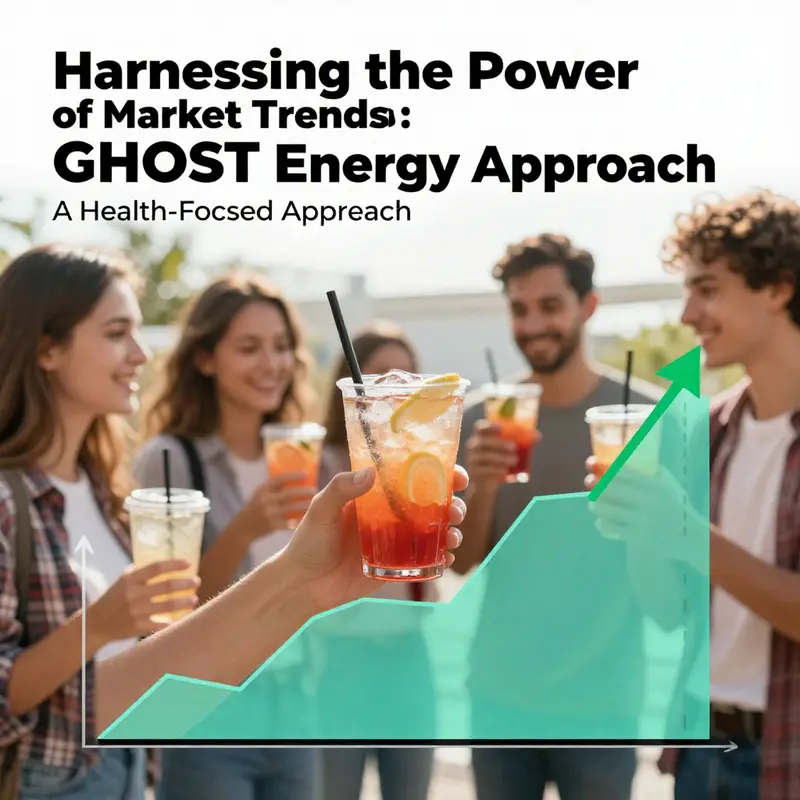
The energy drink category has matured from its early, sugar-forward iterations into a more nuanced landscape where health, transparency, and functional performance increasingly define consumer choice. In this chapter, we follow the arc of market trends and the evolving perception of health-oriented energy beverages, focusing on a line that touts clean ingredients, transparent labeling, and a performance-forward profile. What emerges is less a story of a single product and more a snapshot of a broader movement: brands that ask for trust by showing their work, that promise energy without an overload of mystery, and that frame a beverage not merely as a quick pick-me-up but as a deliberate tool for focused, sustainable exertion. The shift is not only about what is inside the can but also about what the consumer expects from the brands that put their name on it. In many ways, the market response mirrors a larger cultural shift toward self-care that blends athletic aspiration, cognitive performance, and everyday practicality. People want energy that supports endurance and clarity without overwhelming the system, and they want to know exactly what they are consuming and why.
From the outside, the category appears simple: a can, caffeine, a few supporting ingredients, a flavor profile. But within the can lies a carefully curated balance of substances that claim to optimize energy production, hydration, and mental sharpness. The core of this narrative rests on a formula that adds L-Carnitine, Taurine, Alpha-GPC, NeuroFactor coffee fruit extract, and absorption-enhancing agents, all anchored by a notable caffeine content. Taken together, these components position the beverage as more than a caffeine shot; they present a holistic approach to performance that resonates with athletes, students, professionals, and weekend warriors who want steadier energy rather than abrupt peaks and valleys. The 16-ounce can carrying 200 milligrams of natural caffeine represents a deliberate choice: substantial enough to meet the demands of sustained attention and physical activity, yet within a framework that emphasizes moderation, individual tolerance, and overall daily caffeine budgeting.
The dialogue around health and energy drinks has grown more sophisticated as consumers become more discerning about ingredients. A key driver is the desire for transparency. Brands that publish explicit ingredient lists, explain the roles of key compounds, and avoid opaque shortcuts earn credibility. In this environment, clean-label positioning—gluten-free, vegan, and free from artificial colors and colors—becomes a meaningful differentiator. It signals that the product aligns with a lifestyle built on clarity, simplicity, and accountability. Yet even within clean-label narratives, there is nuance. The presence of sucralose and, in some variants, stevia illustrates a split in consumer sentiment. For some, any artificial sweetener is a trade-off; for others, these sweeteners are acceptable if they enable a low-sugar profile and a palatable taste. This tension is not about vilifying one ingredient but about acknowledging diverse health philosophies and tolerances. It also highlights the importance of transparent talking points: how much sugar is avoided, how the taste profile is achieved, and how the product fits into a broader dietary pattern.
If the market is to be understood as a conversation, then the language of that conversation increasingly centers on performance with balance. The energy drink line that emphasizes low sugar and high impact is tapping into a demand for sustained energy rather than transient surges. For many consumers, a beverage that promises longer cognitive focus and physical endurance without a spike-and-crash pattern is particularly appealing during long training sessions, late-night study marathons, or high-pressure work days. The emphasis on endurance over quick bursts aligns with broader wellness trends that value gradual, reliable energy delivery and cognitive stability. Consumers are not only chasing alertness; they are seeking a product that fits into a disciplined routine—one that can be trusted to deliver when it matters most while remaining mindful of daily caffeine thresholds and sleep considerations.
The science underpinning the formula also matters here. L-Carnitine contributes to fat metabolism and energy production, a function that resonates with athletes and active individuals who want to optimize performance through metabolic efficiency. Taurine supports hydration and endurance, which is meaningful for athletes but also for anyone who spends long hours in environments where fluid balance matters. Alpha-GPC is associated with acetylcholine activity, a neurotransmitter linked to attention and memory, offering a tempting proposition for those who need steady mental clarity during demanding tasks. NeuroFactor coffee fruit extract is marketed as a cognitive aid, with claims about focus and mental performance. And AstraGin, a plant-derived absorption enhancer, is positioned to help the other ingredients work more effectively. While the precise magnitudes of these effects will vary by individual, the collective frame of the formula is consistent with a push toward synergy: a set of ingredients designed to work in concert to support energy, focus, and hydration rather than to rely on caffeine alone.
Market leadership in this segment is shaped as much by brand storytelling as by chemistry. A transparent label whets the appetite for trust; it invites scrutiny and invites a consumer to feel they are making informed choices. The idea of a product that is vegan and gluten-free, that does not rely on artificial colors, and that discloses key performance-focused ingredients, aligns with what many health-conscious shoppers seek in a crowded marketplace. This is not merely about removing undesirable elements; it is about offering a compelling, positive value proposition: a beverage that can be integrated into a health-centric lifestyle without compromising taste or experience. It is a narrative that blends sport, science, and everyday practicality into a single bottle, and it has found fertile ground among discerning consumers who are balancing performance goals with long-term wellness.
Another layer shaping perception is the recognition that health-oriented energy drinks occupy a middle ground between sports nutrition and cognitive-enhancement products. They are not purely recreational beverages nor are they medical or therapeutic aids. They sit at a crossroad where the goal is to support performance across physical and mental domains while acknowledging the complexities of daily life. This positioning helps explain why the products attract a diverse audience: athletes looking for a performance edge, gamers seeking sustained focus during long sessions, and professionals who want reliable energy to navigate complex tasks. It also explains the cautious reception from traditional health authorities, which often emphasize moderation and personalized considerations. The American Heart Association’s guidance to limit caffeine intake to 400 milligrams per day remains a practical benchmark for consumers who are balancing different sources of caffeine, including coffee, tea, and other caffeinated beverages. In this context, the energy drink line’s standard 200-milligram can is a sensible component of a daily plan, provided that consumers monitor total caffeine intake and avoid stacking multiple caffeinated products in a short period.
Marketing alignment with consumer lifestyle is evident in how the product line leans into authenticity and value. The clean-label message resonates with shoppers who want straightforward ingredient lists and genuine, science-backed claims about performance support. In a world where packaging and marketing can often oversell benefits, the emphasis on transparency, vegan and gluten-free attributes, and the absence of artificial colors and flavors provides a credible alternative that many shoppers find appealing. The brand narrative extends beyond the can, weaving into a broader ecosystem of education about caffeine, hydration, and cognitive function. This approach helps to build a sense of community around the product, inviting conversations about how energy management intersects with exercise, study, and work routines. It also fosters a perception of accountability—consumers feel empowered to make choices aligned with their own health goals, rather than simply following a conventional energy-story that focuses on immediate effect.
Diving deeper into consumer demographics clarifies how perception translates into purchasing behavior. Athletes, both amateur and competitive, often prioritize ingredients that support endurance and recovery. They look for products that can contribute to performance without added sugars that impede training objectives. Gamers and high-performance professionals emphasize mental stamina, concentration, and reduced cognitive fatigue. They want a product that can sustain long gaming sessions or demanding work days without introducing irritability or sleep disruption later on. In both cases, trust in labeling and in the science behind the ingredients matters. The ability to explain why a particular combination of nutrients is included—and how it is expected to work within the body—becomes a differentiating factor. This is where the interplay between research, regulatory expectations, and marketing becomes visible. Brands that invest in credible education and transparent communication can convert curiosity into loyalty, turning first-time buyers into repeat customers who feel aligned with a broader health-forward ethos.
The market’s growth trajectory, while buoyed by the appeal of performance, is also shaped by the broader functional beverages category. Consumers increasingly seek products that deliver more than a single feature—energy plus hydration, or energy plus cognitive support, or energy plus a favorable sugar profile. The trend toward functional beverages dovetails with a growing skepticism about traditional sugar-loaded drinks and synthetic additives. In this climate, the energy drink line that markets itself as low-sugar and high-impact is well positioned, because it hits the trifecta: energy delivery, health-conscious formulation, and a compelling narrative about long-term wellness. This alignment is reinforced by a broader dataset showing that comfort with functional beverages is rising as consumers expand their definition of what a beverage can do for them. It is no longer enough to simply taste good or give a quick lift; the product must contribute to a healthier, more capable version of the consumer, whether that means better hydration during workouts, sharper focus during a late shift, or steadier cognitive performance across complex tasks.
Part of the appeal is how the market recognizes the value of strategic partnerships and mainstream visibility. While the core product remains a simple, convenient source of energy, the brand’s affiliations with professional teams and athletic communities signal credibility and aspirational value. Such partnerships do more than increase visibility; they proxy a commitment to performance standards and to the integrity of the product’s claims. For consumers who have reservations about the safety or efficacy of energy drinks, these endorsements provide a form of social proof. They suggest that a broader ecosystem—the teams, the venues, the athletes who rely on consistent energy—supports the product’s promise. The net effect is to move the conversation away from sensationalized marketing toward a more credible image of performance-oriented nutrition that integrates into a sport- and health-driven lifestyle.
What does all this mean for the future of health-oriented energy beverages? First, transparency and clean-label positioning are likely to remain core differentiators. As more brands enter the market and as consumer literacy increases, labeling practices that clearly explain the roles of active ingredients will be a crucial competitive advantage. Second, the consumer base for these beverages is likely to broaden as awareness of functional nutrition grows. The appeal to athletes will continue, but the demand from students, professionals, and hobbyists who desire sustained focus and energy is expanding. Third, the complexity of the formula—balancing caffeine with supportive compounds and absorption-enhancing agents—will encourage ongoing innovation. Brands will experiment with sourcing, dosing, and combinations to optimize stability, taste, and perceived outcomes without increasing risk. Fourth, the tension between natural and artificial components will persist, underscoring the importance of transparent communications about sweeteners, flavors, and calories. Companies that can navigate this tension by offering clear rationales for why certain ingredients are preferred or avoided will earn lasting trust.
In the broader context of consumer health, the energy drink line’s emphasis on low sugar and sustained energy resonates with a growing desire to minimize dietary spikes while maximizing everyday performance. The market’s response—steady growth in the functional beverages segment and an expanding conversation about wellness, rather than mere stimulation—suggests that this trend is not a temporary phenomenon. It reflects a broader cultural shift toward deliberate consumption, where people consider how a product fits into their overall health strategy. For many consumers, a health-oriented energy drink is not about rejecting caffeine or energy altogether; it is about incorporating energy in a way that aligns with personal goals, sleep patterns, and daily rhythms. The result is a product category that values accuracy of information, reliability of effect, and a meaningful linkage between what is promised and what is delivered.
In sum, the health-oriented energy drink narrative is gaining traction because it speaks to a practical, modern relationship with energy: one that favors controlled, predictable performance and a transparent approach to ingredients. The consumer perception that accompanies this trend—trust built through clean labeling, evidence-informed ingredient choices, and responsible caffeine management—serves as a powerful driver of brand loyalty and market expansion. As the category continues to evolve, it will increasingly reward brands that treat health not as a secondary feature but as an integral element of the product’s core identity. The result is a healthier-aligned energy beverage ecosystem where performance, wellness, and transparency coexist, guiding both producers and consumers toward a future in which energy is something to sustain rather than something to chase in a rush. For readers who are navigating this landscape, the lesson is straightforward: look for a product that clearly explains its ingredient purposes, respects daily caffeine limits, and supports your personal goals with evidence-backed ingredients that align with your overall wellness plan.
External context and ongoing market analysis can deepen this understanding. For a broader view of leadership and trends in the energy beverage space in the current year, see the market analysis that surveys leaders and trends shaping the category. https://www.example.com/energy-drinks-2026-market-trends
Final thoughts
As GHOST Energy continues to grow its foothold in the energy drink market, understanding the health benefits of its ingredients, adhering to safe consumption guidelines, and recognizing market trends becomes essential for business owners. By aligning product offerings with consumer needs for health and wellness, businesses can tap into a lucrative market segment while promoting a balanced lifestyle. With its commitment to clean, effective ingredients, GHOST Energy not only satisfies the thirst for energy but also appeals to consumers looking for healthier options in a crowded beverage landscape.