

Maintaining a clean and well-functioning BUNN coffee maker is essential for any business owner looking to deliver high-quality coffee. A well-maintained coffee machine not only ensures that your brews are flavorful but also prolongs the life of your equipment, saves costs on repairs and replacements, and enhances the overall customer experience. In this guide, we will explore the detailed cleaning methods for internal components, external surfaces, and establish an effective maintenance schedule to keep your BUNN coffee maker operating at its peak. Each chapter aims to provide actionable steps that will contribute to the longevity and efficiency of your coffee machine, ensuring that every cup of coffee served meets the expectations of your clientele.
Brewing Clarity: A Thorough, Gentle Cleaning and Descale of the Core Elements in Your BUNN Coffee Maker
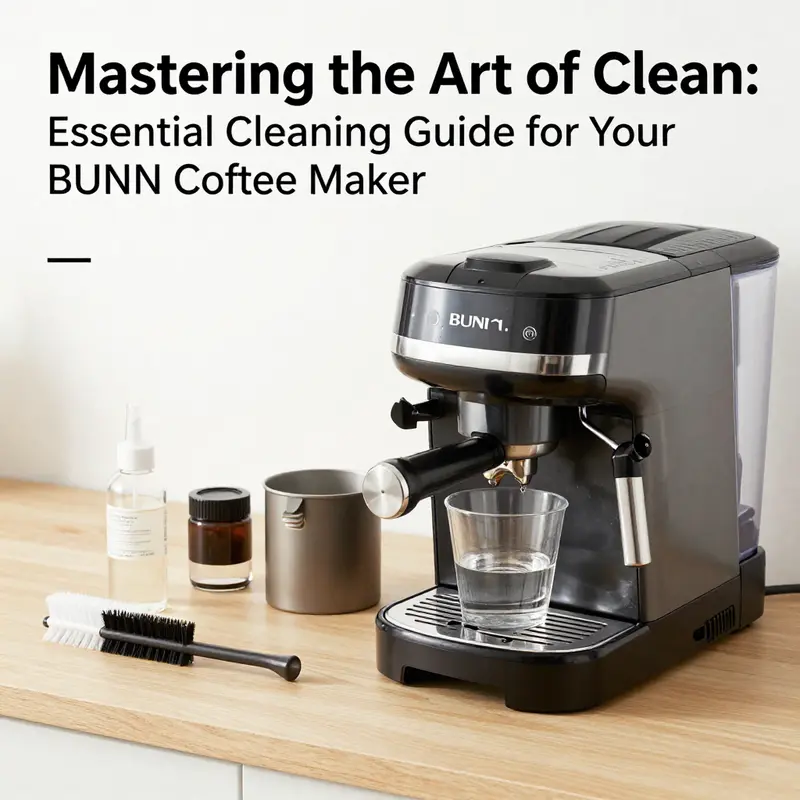
Every cup of coffee starts with a clean machine. Over time, mineral deposits accumulate where hot water meets metal, plastic, and moving parts. Those deposits can dull flavor, slow brewing, and eventually shorten the life of the brewer. Cleaning and descaling your BUNN coffee maker is less a chore than an investment in flavor, reliability, and consistency. The process invites you to pause, gather a few simple tools, and work with a calm, deliberate method that respects the machine’s design while restoring its performance. This chapter threads together the practical steps with a mindset that makes maintenance feel like part of the ritual of brewing rather than ailing work. It is not a sprint but a steady, mindful care routine that, when performed regularly, pays off in clearer extraction, brighter aroma, and fewer hiccups in the morning ritual.
Begin with preparation. Before any cleaning or descaling, empty the water reservoir and the carafe, and make sure there are no used filters or coffee grounds lurking in the basket. Take stock of removable parts—the brew basket, the showerhead, and any fittings that connect tubes or bypass lines. Wash these parts in warm, soapy water and rinse them until they gleam. While the exterior will benefit from a wipe-down later, the real work happens inside, where mineral buildup hides in plain sight. This initial cleanup reduces the risk that suspended soap or unintended residues will interact with the descaling solution and distort flavor. A clean workspace also lowers the risk of misplacing a part or misremembering where a tube attaches when you reassemble the unit.
Descaling is the heart of the internal maintenance. You have two reliable, widely recommended options: a white vinegar solution or a more neutral descaler like citric acid. Each method targets mineral scale—calcium, magnesium, and related compounds—that accumulate as water heats and flows through the internal pathways. If you choose vinegar, a traditional, widely trusted approach, the standard guidance is to mix equal parts vinegar and water. In practical terms, this means four cups of white vinegar with four cups of water for larger models, and typical smaller units may use proportionally less. There is a sense of comfort in this time-tested solution: it’s inexpensive, widely available, and effective at dissolving mineral deposits that cling to the interior surfaces.
If you prefer a odorless, possibly gentler option, citric acid provides a strong descaling action without the sharp tang of vinegar. Dissolve one tablespoon of citric acid powder in four cups of water to create a robust descaling solution. Citric acid is popular in the coffee community for its clean neutral scent and efficient mineral dissolution. If you have concerns about taste during the rinse cycle, citric acid can be a good alternative that minimizes after-notes and aroma that some users associate with vinegar, though rinsing remains essential regardless of the chosen method.
Once you’ve prepared the descaling solution, fill the reservoir and start a full brewing cycle. Do not place coffee grounds in the filter basket for this cycle; the goal is to circulate the cleaning solution through the machine’s internal pathways until it reaches every nook and cranny that gets wet during normal operation. Let the machine work through the cycle, and when roughly half of the solution has brewed into the carafe, pause the cycle, unplug the unit, and let the liquid sit inside the system. A soak of at least 30 minutes to an hour is highly effective for softening mineral deposits. This soak is not a luxury but a crucial step that multiplies the descaling agents’ ability to loosen scale built up over months of daily use. During this time, you can wipe down the exterior or prepare other tools you’ll need for the next phase.
After the soak, resume the cycle to finish the descaling run. Once the machine has completed the brewing portion, you should run a full series of plain water cycles to rinse away every trace of cleaning solution and any lingering odor. A prudent approach is to complete two to three additional water-only cycles. Each cycle should produce a full carafe of clear water to guarantee that any residual taste or scent is swept away. This rinse is essential to ensure the next pot of coffee tastes like coffee, not the cleaning solution. It also prevents corrosion or irritation to the interior parts from any residual acidic solution. If you notice even a faint smell or taste during the first post-clean cup, you can simply run another water-only cycle and repeat until your palate confirms the water is neutral and the machine is fully flushed.
The structural components that deliver water to the brew head—the showerhead and the tubes—also deserve careful attention. After finishing the descaling cycle and performing the initial rinse, reattach the brew basket and give the showerhead a closer look. Remove the showerhead by unscrewing it gently with your fingers, taking care not to force connections in ways that could kink hoses or strip threads. A small tool such as a toothpick or a dedicated cleaning tool can help clear clogged holes. Gently probe each opening to remove mineral crust without pushing debris further into the fitting. A light scrub with a soft brush or an old toothbrush can remove grime and mineral buildup from the outer surface. Wipe the showerhead and surrounding components with a damp cloth to remove loosened deposits and any soap residue. If there’s a difficult-to-reach joint, a pipe cleaner can be used to reach into tight angles, working with patience rather than force. Reattach the showerhead securely to the brew basket when you are done.
Beyond the showerhead, the tubing and piping that connect the head to the reservoir also benefit from attention. A descaling brush or pipe cleaner can be inserted into the tube that feeds the showerhead. Move the brush back and forth and rotate it as you gently work along the interior, allowing the descaling solution to reach and dissolve any mineral buildup that hides inside the tube walls. This step may feel meticulous, but it is the difference between a machine that merely “works” and one that delivers consistent, clean extraction every time. Don’t neglect other accessible internal pipes or bypass fittings; repeat the same careful cleaning motions to ensure all interior channels receive attention. After cleaning, reassemble the units to their proper positions, making sure all joints are secure. A loose connection can lead to leaks or improper water flow and will undermine the cleaning effort.
Rinsing is not a passive step; it is a decisive one. After the soak and brushing, reinsert the brew basket and plug the machine back in. Run a complete cycle using only fresh, cold water, discarding the carafe once the cycle completes. This initial rinse should be followed by two to three additional plain-water cycles. The goal is a complete flush of any remaining cleaning solution and a neutral taste profile by the time you brew again with coffee. If you detect any residual odor or taste, extend the rinse sequence by an extra water-only cycle. Some builders and service manuals emphasize patience here; the more thoroughly you rinse, the more predictable your next brew will be. In cases of very hard water or long periods between cleanings, you may even choose to run a fourth rinse to be certain that all traces of descaling agents have left the machine.
This internal cleaning routine should be complemented by mindful external care. The exterior of the machine, the drip tray, and the carafe deserve regular, gentle attention to keep the overall appliance looking and functioning well. Use a damp cloth with a touch of mild dish soap to wipe down the exterior, paying special attention to any stains or spills. A separate damp cloth should be used to rinse away soap residue, ensuring that no film is left on the housing that could attract fingerprints or dust. Drying with a clean towel prevents water spots and helps keep the finish looking like new. The carafe, whether glass or plastic, should receive the same level of care. Soak it in warm, soapy water for deeper cleaning if needed, and make sure it’s completely dry before placing it back onto the warmer plate. A clean carafe helps safeguard flavor, since any residue left in the carafe can affect aroma and taste.
Another layer of wisdom comes from aligning cleaning with water quality. Regular use of distilled water reduces mineral buildup and the frequency of full descaling. While many kitchens rely on tap water, especially in areas with soft water, using distilled or filtered water can be a practical adjustment that lessens the burden on your machine over time. It’s not about deprivation but about preserving the integrity of the interior components, preserving heat transfer efficiency, and supporting consistent extraction. If you do choose to use distilled water, keep in mind that the flavor profile of coffee can still be influenced by coffee beans, grind, and water temperature, so continue to attend to grind size, brew strength, and water temperature in parallel with your cleaning routine.
The cadence of cleaning and descaling varies with your local water hardness and usage patterns. For many households, a clean cycle every 1 to 3 months and a descale every 3 to 6 months offers a balanced rhythm that preserves performance without becoming a repetitive chore. In regions with very hard water, or for homes that brew multiple pots daily, you may wish to align more frequent care. Conversely, in areas with very soft water, the schedule may be relaxed somewhat. The underlying principle is simple: the more mineral-laden the water, and the more you brew, the more maintenance your machine will require. Observing the machine’s performance—such as slower brewing, reduced aroma, or a change in brew temperature—can offer practical clues that it is time to descaling or perform a deeper internal cleaning.
As you implement this routine, you gain more than reliability; you promote lasting performance. A well-maintained machine reaches optimal brewing temperatures faster, saturates the coffee bed more evenly, and extracts flavors more consistently. You may notice a brighter, cleaner taste with less residual bitterness when deposits are kept at bay. The process of cleaning, while sometimes meticulous, becomes a steady, almost meditative sequence that mirrors the daily ritual of making coffee. If you ever feel uncertain about whether you’re performing steps in the right order, or if you find a specific model presents slightly different interior configurations, you can consult model-specific instructions from the manufacturer’s official resources. A practical touch is to bookmark the official support page for quick reference during maintenance, ensuring you stay aligned with any updates that might affect how you clean or descale.
If you would like a detailed, step-by-step walkthrough that emphasizes visuals and model-specific tips, you can check a concise guide that walks through the exact phases of internal cleaning. It provides a clear visual of where the showerhead sits, how to detach it safely, and the precise sequence for descaling, soaking, and rinsing. The guide also suggests a few practical checks to confirm that every internal pathway is clear, including a quick verification of water flow during the rinse cycles. Access to such visual resources can be especially valuable if you are a first-timer or if you’ve recently moved a machine into a different kitchen layout where the plumbing fits differently than your previous experience.
Beyond the procedural details, the spirit of this chapter is to remind you that maintenance is an act of care for a device that serves as the quiet center of mornings. When you approach descaling and cleaning with a calm plan rather than a rushed, last-minute scramble, you protect the machine’s longevity and direct your energy toward crafting a better cup. The result is a kitchen routine that honors both the craft and the tool, allowing the aroma of coffee to rise unimpeded by mineral haze or stale residues.
A practical consolidation comes in knowing where to look for more guidance when needed. If you want a compact, model-tailored walkthrough with practical tips and safety reminders, you can read How to Clean a Bunn Coffee Maker. This resource offers an accessible companion to the method described here, reinforcing the idea that a clean machine is the foundation of a great brew. It is not a replacement for the steps outlined above, but a helpful reinforcement that aligns with the same principles: thorough preparation, careful descaling, mindful rinsing, and gentle exterior care. The alignment between a robust internal cleaning and a well-kept exterior creates a holistic maintenance practice that protects the machine and sustains flavor over time.
In sum, the internal cleaning and descaling process is not merely about removing scale. It is about preserving the integrity of the water pathways, the heat delivery system, and the delicate surfaces that guide water through coffee grounds to produce flavor. It is about respecting the machine’s design while embracing a methodical routine that makes every cup taste as fresh as the first. And it is about reimagining maintenance as an ongoing conversation with your kitchen appliance—a conversation that values precision, patience, and the joy of a consistently excellent cup. For model-specific maintenance videos and manuals, the official support page remains a reliable companion, offering guidance tailored to your particular unit. This approach ensures that your routine stays both practical and aligned with manufacturer recommendations, letting you focus more on the craft of brewing and less on the guesswork of upkeep.
External resource: https://www.bunn.com/support
Polish and Preserve: Exterior Cleaning for a Home Drip Brewer and Its Carafe

Exterior care should feel simple, not daunting. A clean housing reflects the care you put into your coffee ritual and helps you spot wear before it becomes a problem.
Start with the right tools: a soft microfiber cloth and a mild, non-abrasive cleaner. Avoid abrasive pads that can scratch finishes. If you like a touch of brightness, a tiny amount of lemon juice added to the damp cloth can help, but never apply cleaner to seams, gaskets, or the control panel. Wipe gently, work along curves and edges, and never let liquid pool in crevices.
Drying is as important as wiping. Use a dry microfiber to remove moisture from the exterior, especially around joints and the base. In a humid or cool kitchen, a quick dry with a second towel prevents water spots and film. Drying also reduces the chance that moisture migrates toward electrical components and helps maintain finish integrity.
Extend the same care to the carafe. After brewing, rinse with warm water to remove most residues, then wash with warm, soapy water using a non-abrasive sponge. For stubborn stains, a brief soak (15-30 minutes) followed by a gentle scrub can restore clarity for glass carafes; plastic carafes benefit from the same routine but with extra attention to scratches that can harbor odors. Dry completely before placing back on the brewer.
This exterior routine complements deeper maintenance, including periodic descaling and interior rinsing. By keeping the outside tidy, you are more likely to notice seal wear or residue that could affect flavor or performance. A brief weekly wipe-down plus a monthly exterior inspection creates an approachable, repeatable habit that supports the overall longevity of your brewer and the quality of every cup.
Rituals of Clean: Crafting a Practical Maintenance Routine for Your BUNN Coffee Maker
A morning cup can feel ordinary until you realize the ritual behind its consistency. The flavors that reach the cup are shaped long before the first pour, by the care you give your brewing gear. A BUNN coffee maker, trusted for its speed and reliability, rewards a patient, methodical approach to cleaning with coffee that tastes fresher, brighter, and more consistent from week to week. Cleaning, for many, is a chore to be squeezed in between alarms and appointments. For others, it becomes a quiet moment of maintenance, a ritual that preserves equipment longevity and preserves the clean, balanced notes in every cup. The difference lies in rhythm rather than effort. When you weave cleaning into a regular routine, you stop relying on symptom treatment—the occasional frantic vinegar rinse just before guests arrive—and instead embrace a proactive practice that keeps mineral buildup and coffee oils from eroding performance or taste. The maintenance you build now is not a burden but an investment in dependable functionality and a steady, pleasing aroma that greets you each morning. In this chapter, the aim is to translate the science of cleaning into a steady cadence you can follow with confidence, regardless of the model size or water hardness you face. It is about turning a potentially messy maintenance task into a straightforward, repeatable practice that protects your machine and your coffee experience without stealing valuable time from your day. A robust routine begins with clarity about what needs attention and when, and it concludes with a rinse that leaves the machine ready for the next brew and the palate prepared for the next sip. This approach links the practical steps of descaling and cleansing with the sensory payoff of a clean, bright cup. The details that follow blend the guidance from manufacturer manuals with the wisdom that comes from regular hands-on care, all while keeping the flow of daily life intact. If you want a quick, hands-on guide to a step-by-step process, you can consult a practical guide focused on how to clean a BUNN coffee maker, which distills the same steps into a concise, illustrated format. The essence of the routine is not in a single heroic scrub but in a predictable sequence that becomes almost second nature over time. The goal is not just to wipe away visible grime but to address the hidden mineral deposits that accumulate where water flows and oils accumulate in the brewing path. When you approach cleaning as a natural extension of daily use, you reduce the risk of taste drift, clogs, and slowing performance, and you extend the life of the machine while maintaining the clarity of each cup. This chapter centers on a practical maintenance schedule and a unified method that works across most BUNN models, with attention to how water hardness, usage patterns, and model differences shape the exact steps. While specific instructions can vary, the underlying principles are consistent: descaling to dissolve mineral deposits, cleaning the pathways that deliver water and coffee, and refreshing the exterior and carafe to prevent residue from migrating back into your coffee. The steps below are designed to be adaptable, so you can tailor the routine to your household’s needs without losing the core benefits. The heart of the routine lies in cadence—how often you perform certain actions—and the harmony between internal maintenance and external upkeep. In the long run, the real reward is not a single pristine morning but a steady stream of reliable brews: the same workflow, repeated, that keeps every cup tasting as it should and minimizes downtime due to mineral buildup or sticky coffee oils. As you read, you may notice a clear expectation: regularity matters more than intensity. The recommended frequency is rooted in how hard your water is, how often you brew, and how thoroughly you follow the descaling and cleansing steps. The guidance here aligns with expert recommendations and the official Use and Care Manual, which emphasizes routine cleaning at intervals that promote optimal performance and longevity. This is not a rigid timetable but a framework that you can adjust as you learn your own usage patterns. The practical payoff is a coffee maker that remains responsive, a carafe free of stubborn stains, and a clean, inviting aroma that signals a well-kept machine ready to deliver the next cup. To stay on track, imagine your maintenance as a gentle, predictable ritual rather than a reactive task. This mindset makes it easier to gather the right supplies, schedule cleaning moments in your calendar, and keep the machine ready for your next brewing session. When you commit to a cadence, you are not just maintaining a device; you are preserving the quality and consistency that make your daily coffee experience something you can rely on. The two parts of the plan are the internal descalers and the external care—the inner pathways that water travels through and the outer surfaces that contact hands, spouts, and the carafe. Both require attention, and both benefit from a thoughtful rhythm. As you read through the steps, you’ll notice a logic that emphasizes compatibility with most BUNN models while remaining sensitive to variations in model design and water hardness. There is a natural alignment between a solid descaling cycle and a methodical rinsing sequence; together they prevent the familiar telltale signs of mineral buildup and stale oils from creeping into your daily brew. The chapter’s structure mirrors the rhythm of a well-tuned kitchen routine: prepare, treat, rinse, and restore. The preparation is simple and practical—pull the machine into a clean workspace, gather the descaler choice that suits you (vinegar solution or a manufacturer-approved cleaner), and have handy a few tools: a soft cloth, a toothbrush or cleaning brush, a pipe cleaner or descaling brush, and a carafe dedicated to practice cycles. The treatment phase is where you engage with the machine’s internal channels. You will wash two critical components—one, the descaling solution that travels through the pathway, and two, the showerhead and its spray holes that distribute water across the coffee bed. The rinse phase is the final, crucial act that ensures no cleaning solution lingers to alter flavor, leaving a clean slate for the next brew. The restoration is the exterior and carafe care that keeps the entire system looking and performing at its best. These elements blend into a single, coherent practice that you can perform on schedule, turning a potentially tedious maintenance task into a reliable habit. As with any home appliance, the key is consistency and attention to detail. Descaling and cleaning become easier the more often they are integrated into your routine, because mineral deposits accumulate gradually, and coffee oils can cling to surfaces even when they seem clean at first glance. The ritual reduces the likelihood of surprises: a brewing cycle that takes longer than usual, a carafe that stains with stubborn residue, or a taste that hints at yesterday’s coffee rather than today’s bright cup. The approach described here respects diverse models and water qualities, recognizing that your own kitchen has its own rhythm. You can adopt a standard, repeatable script, and then tune it according to how your machine behaves in practice. The result is a maintenance pattern that feels almost automatic, freeing mental bandwidth for the more enjoyable aspects of coffee—the aroma, the ritual of brewing, and the moment of anticipation before the first sip. If you want a concise reference that you can bookmark and return to, the essential idea is this: treat mineral buildup early, use a descaler that suits your preference, scrub the spray head and the interior tubes, rinse thoroughly, and wrap up with a clean exterior. The internal steps are not complicated, but they require patience and a little attention to detail. The external steps are straightforward, but they matter because they prevent cross-contamination of residues back into the brew. In practice, you’ll find that a short, well-executed cleaning session every few months beats a longer, sporadic effort that leaves stubborn mineral deposits to complicate future cycles. For those who crave a practical link to a more explicit tutorial, consider visiting a dedicated how-to guide that walks through each action with photos or short videos; it can be a helpful supplement to the steps described here. An important part of the routine is how you choose to descale. While vinegar is a traditional and effective option, there are reputable alternatives that some households prefer for odor or taste considerations. Citric acid, baking soda mixed with warm water, or lemon juice can also serve as descaling agents, though they may require slightly different soak times or rinse sequences. The vinegar method remains popular for its affordability and effectiveness: mix equal parts white vinegar and distilled water, run the cycle until half the solution has flowed into the carafe, then unplug and let the solution soak for at least two hours. This soaking window is critical because it allows mineral deposits to loosen in a way that a quick cycle cannot achieve. After soaking, you reassemble and complete a series of fresh-water brews to flush the system. Three to four full cycles of rinsing with clean water ensure that the vinegar odor or taste disappears entirely, leaving you with a clean machine and an unblemished cup. If you decide to skip vinegar, you still benefit from letting the descaling solution dwell inside the lines. The key is to give the deposits time to loosen, rather than pushing the cleaning agent through too quickly. The subsequent rinses remove acidity and ensure a neutral flavor in your next pot. The showerhead, often overlooked, deserves equal attention. Remove the brew basket from the machine, unscrew the showerhead by hand, and inspect its holes for clogs. A toothpick or a dedicated tool can clear blockages, while a small brush can address crusty buildup on the outer surface. After you’ve cleared the holes, wipe the showerhead with a damp cloth and mild dish soap. If a joint is difficult to reach, a pipe cleaner can help you dislodge grime without disassembling anything further. Cleaning the tubings and bypass fittings follows a similar logic: a descaling brush or pipe cleaner can be inserted into the tubing to sweep away mineral scale and coffee oils from the interior. Gently rotate and move the brush back and forth, then reattach the parts securely. Rebuild the system as you go, ensuring that all connections are snug and that no parts are loose or misaligned. Once you’ve completed the internal cleaning, you reinsert the brew basket, plug the machine in, and run a full cycle with fresh water. This rinse is a critical part of the process; it’s not enough to spray water through the lines—you want to ensure any residual cleaning solution is flushed out. You should repeat the rinse cycle three to four times. The goal is a clean, odor-free brew path where water travels cleanly from reservoir to showerhead to carafe. Then comes the external care. Wipe the exterior with a soft cloth dampened with warm water and a little dish soap, being careful around any control panels or electronic surfaces. A separate damp cloth should rinse away any soap residue, followed by immediate drying to prevent water spots or streaks. The carafe deserves special attention too. Wash it with warm, soapy water, using a non-abrasive sponge to lift stains without scratching the glass or plastic. For a deeper clean, an overnight soak in warm water and dish soap can dissolve stubborn stains, followed by a thorough rinse and dry. A carafe that’s completely dry helps prevent water spots and keeps the next brew from picking up any lingering scent. Beyond the internal and external steps, a few practical notes help sustain the effectiveness of your routine. First, always consult your machine’s use and care manual for model-specific steps and safety cautions. Some models have bypass fittings or extra filters that require special attention. Second, using distilled water reduces mineral buildup over time, preserving the clean pathways and helping to prevent scale formation in the reservoir. Third, the cadence you adopt matters as much as the actions themselves. A baseline schedule—clean at least every three months and descale every three to six months depending on water hardness and usage—gives you a dependable framework that you can adapt. For households with very hard water or heavy use, the frequency may shift a notch higher, while households with soft water and moderate use can keep to the lower end of the range. The choice to stay within this window is what sustains performance and flavor. It’s worth noting that regular, light maintenance often yields more tangible results than occasional, intensive cleaning. Think of it as routine maintenance on a vehicle: small, consistent care often prevents the need for larger, more disruptive service later. In addition to the internal discipline, don’t overlook the simple act of keeping the exterior surfaces clean. Wipe the control panel with a clean, slightly damp cloth to remove fingerprints and spills that can affect readability and control responsiveness. Ensure the drip tray and any removable components are dry before reassembling to prevent mold or mildew in damp corners. The carafe’s cleanliness also affects flavor. The glass or plastic carafe should be rinsed and washed after every use; if stubborn stains persist, a soak can loosen residues and restore clarity. A spotless carafe contributes to a balanced coffee presentation, ensuring no residual odors or tastes transfer into the next batch. A practical tip: build the cleaning process into your coffee routine rather than treating it as a separate task. For instance, when you finish brewing, you can immediately begin a brief clean-up—dump the residual coffee, rinse the carafe, then begin the descaling cycle in the background as you take care of other morning rituals. By the time you return, the descaling solution is ready to work and the system is primed for the soak period. If you want a compact reference to follow in a pinch, a quick scan of the essential steps—choose a descaler, run a partial brew, soak, run full cycles of fresh water, rinse the showerhead, clean tubing, and finish with exterior care—will guide you through a reliable, repeatable process that protects both taste and machine. For those who prefer a more visual walkthrough, a dedicated guide on how to clean a BUNN coffee maker offers diagrams and photos to complement the written steps, making the process even more approachable when you’re learning the routine. In the end, the ritual you adopt should feel natural and intentional. It should blend into your mornings as a steady rhythm rather than a disruptive interruption. With a properly maintained machine, you are more likely to enjoy consistently bright coffee, harvest sweeter aromas, and rely on a device that remains responsive and efficient across seasons and evolving usage patterns. Regular cleaning and descaling, conducted with care and attention to model specifications, is a small investment that yields a surprising return in flavor and reliability. You can incorporate this routine into a broader habit of mindful appliance care, linking it with other kitchen maintenance activities so that it becomes as natural as brewing itself. For greater confidence in the long term, keep a simple log that marks each cleaning and descaling event, noting the month, the level of water hardness you experience, and any observations about taste or performance. This log can guide adjustments to your cadence and help you notice trends before they become problems. The path to consistently excellent coffee with a BUNN machine is not magic; it is disciplined, repeatable care. By making descaling and cleaning a routine practice, you protect the integrity of the brew bed, keep the spray head unobstructed so the water reaches every coffee particle evenly, and preserve the clean aroma that accompanies a well-maintained machine. As you continue on this path, the next cup will taste as it should—bright, balanced, and inviting—while your coffee maker remains ready for action when you are. For further guidance and model-specific instructions, refer to the official Use and Care Manual, which provides authoritative details and safety reminders for your particular machine. External resource: https://www.bunn.com/wp-content/uploads/2021/09/Use-and-Care-Manual-2021.pdf. And for an additional practical walkthrough that translates the steps into a user-friendly guide, you can explore the internal guide linked here: how-to-clean-a-bunn-coffee-maker.
Final thoughts
Regular cleaning and maintenance of your BUNN coffee maker is crucial for delivering exceptional coffee quality that your business can rely on. An effective cleaning routine not only improves the flavor and freshness of your brews but also extends the lifespan of your equipment, providing significant cost savings over time. By following the structured approach laid out in this guide—understanding both internal and external cleaning techniques as well as establishing a disciplined maintenance schedule—you can ensure that your coffee service remains at a high standard and your customers leave satisfied. Prioritize this vital aspect of your business to cultivate a sterling reputation and loyal customer base.