
Understanding the caffeine content in beverages, particularly in Diet Mountain Dew, is crucial for business owners in the beverage industry. Caffeine is not just a stimulant; it influences consumer choices, marketing strategies, and health considerations. In this examination, we will delve into the specific caffeine content of Diet Mountain Dew, exploring its health implications and comparing it to other popular beverages. Chapters will offer in-depth analysis, ensuring that business owners are well-informed for strategic decision-making regarding product offerings and marketing initiatives.
Caffeine in a Diet Citrus Soda: An In-Depth Look at the Energizing Ingredient
When people ask whether a diet citrus soda contains caffeine, the answer often hinges on what they consider a typical energy boost. This particular beverage has long been part of a crowd that seeks a brisk, refreshing lift without the calories or sugar that can accompany other sodas. The question, at its core, is about the presence and amount of caffeine, but the discussion naturally expands to how much caffeine matters, how it compares with other common beverages, and what that means for different kinds of consumers. The short, factual answer is yes, this diet citrus option does contain caffeine. That fact is not simply a label whisper or a marketing line. It emerges from the product’s formulation, which aims to deliver a noticeable stimulant effect alongside its bright, lemon-lime flavor profile. Over the years, researchers and reviewers have often aligned on the idea that caffeine is a purposeful ingredient in many flavored, non-cola sodas, particularly those positioned as more “energizing” than the average soft drink. The wider context helps explain why caffeine is present here and how it fits into the taste and experience that fans have come to expect.
A pivotal point comes from a robust analysis published in a respected nutrition journal. In a study led by KH Chou in 2007, researchers examined the caffeine content across a range of prepackaged national-brand sodas, including this style of citrus diet beverage. The methodology was systematic: researchers collected samples from multiple production batches and employed standardized laboratory techniques to quantify caffeine levels. The result for this category of drink was clear: a 12-ounce can contained about 55 milligrams of caffeine. This figure places the beverage among the higher-caffeine offerings in the soft-drink world, well above many traditional colas and a number of other citrus or fruit-flavored sodas. The study’s emphasis on a national-brand baseline adds weight to the finding, making the 55 mg per 12 oz serving a reference point that consumers and health professionals can compare against similar beverages.
Those numbers sit alongside consumer reports that often describe a tangible lift after the first few sips. For someone seeking alertness or a quick pick-me-up, the caffeine content helps explain why the drink can feel more energizing than a standard diet cola or a caffeine-free option. It’s not merely a flavor accelerator; it’s part of the beverage’s overall identity. The interplay between taste and stimulant effect is a defining feature, with the lemon-lime tang and the drink’s acidity acting in concert with caffeine to deliver a stronger, more immediate sensory impact. This combination makes the beverage a go-to for fans who want both a bold taste and a noticeable boost. As with many caffeinated products, the experience varies with individual sensitivity, tolerance, and timing. A person who is caffeine-sensitive or who consumes caffeine late in the day might notice alerts like faster heart rate, jitters, or disrupted sleep if they drink more than a modest amount. Those nuances matter when people place this product in the broader pattern of daily caffeine intake.
What resembles a simple label claim—“contains caffeine”—turns out to be a meaningful datum for everyday decisions. The published figure also aligns with independent sources that have reported roughly the same quantity per can, though minor deviations can occur. In practice, those variations usually reflect differences in production batches, slight regional formulation tweaks, or measurement methodologies rather than a wholesale shift in the recipe. The consistency of the approximate caffeine level, however, underscores a broader reality: for this category of beverages, the caffeine content is not an afterthought but a deliberate aspect of product design. For consumers who track caffeine intake carefully, keeping a mental note of the 50–60 mg range per 12-ounce serving helps create a practical accounting method. It’s easy to misjudge the cumulative effect when a single serving can be part of a larger daily pattern of caffeinated foods and drinks, from coffee to tea to energy-boosting snacks. Knowing the ballpark figure helps people pace themselves and plan around meals, workouts, or bedtime.
In the context of the beverage landscape, this caffeine level stands in contrast to the spectrum of options available. Regular colas, for instance, commonly hover in the 30- to 40-milligram range per 12-ounce serving, while many citrus or fruit-flavored sodas sit closer to the lower end of that band. This particular drink, with its higher caffeine content, is frequently described as offering a more pronounced stimulant effect. That perception feeds into its popularity among fans who value a quick, noticeable lift without resorting to an energy drink with a much higher caffeine concentration. The positioning is not accidental; it reflects a conscious decision to pair bold flavor with a measurable degree of stimulation.
From a consumer perspective, understanding the caffeine content involves balancing the likelihood of an alertness boost with other factors such as taste, tolerance, and daily caffeine goals. A 12-ounce can delivering about 55 mg means that two cans would bring the total to roughly 110 mg, while a six-pack would push closer to 330 mg. Those figures sit well within the general safety threshold for healthy adults, which is commonly cited as up to 400 mg of caffeine per day. Yet this threshold is not a universal directive; physiological differences, pregnancy considerations, medications, and personal health conditions can shift safe limits. Pregnant individuals, for example, are often advised to limit caffeine intake to around 200 mg per day, though recommendations can vary by jurisdiction and medical guidance. For someone who regularly consumes caffeine in the morning via coffee, a single can of this particular beverage can feel like a modest extension of that routine. For someone who avoids caffeine entirely, the same can represents a meaningful deviation from their usual intake.
The practical implications extend beyond personal preference. Labeling regulations in many regions require that caffeine be disclosed as an ingredient, which means consumers can make a direct, informed choice about whether to include the drink in their daily pattern. The presence of caffeine in this diet option is not a secret held in the back of a can; it’s visible in product information and can be compared against other caffeinated and decaffeinated beverages. The explicit acknowledgment of caffeine content supports better consumer literacy, allowing people to tailor their consumption to meet health goals, energy needs, or sleep requirements. When people read about caffeine in connection with a drink, they often consider timing too. Consuming caffeine earlier in the day can align with work or study schedules, whereas late-day consumption might interfere with sleep for sensitive individuals. The caffeine content helps readers forecast the likely duration and intensity of the stimulant effect, and it invites a more mindful approach to how this beverage fits into daily routines.
If a reader wants to ground this discussion in a broader, easy-to-navigate resource, there is a companion piece that explores the caffeine content of various popular beverages, including this citrus-focused diet option. The article distills the practical takeaways by offering a side-by-side comparison of caffeine amounts across beverages, which helps translate laboratory measurements into everyday decisions. By framing the question of caffeine in terms of real-world use rather than abstract numbers, the piece makes the topic accessible to a wide audience. The comparison also highlights how some drinks can contribute a substantial portion of a daily caffeine limit with a relatively small serving, while others deliver caffeine more gradually or in smaller amounts. This distinction can be especially helpful for parents managing a household, students coordinating study schedules, or athletes calibrating caffeine intake around training. For those who see caffeine as part of their energy toolkit, the connection between flavor, stimulation, and daily rhythm becomes a meaningful guide rather than a simple curiosity.
Beyond the numbers, the sensory experience matters. The flavor profile of such a drink—its bright lemon-lime acidity and the crisp finish—works in tandem with caffeine to produce a perception of sharpness and alertness. Some tasters describe the combination as a single, focused surge of energy that feels tied to the drink’s sparkling carbonation. That sensory synergy contributes to why the beverage maintains a loyal following. The high-intensity flavor can mask any bitterness that caffeine sometimes introduces in other contexts, making the stimulant feel more acceptable as part of a regular refreshment rather than as a separate, medicinal kick. Yet for those who are caffeine-averse or highly sensitive, even a modest amount can provoke noticeable effects. In such cases, a cautious approach—sampling a half can, waiting to gauge effects, or choosing a caffeine-free alternative—often proves prudent.
The broader takeaway is not merely the presence of caffeine but what that presence signals about how this drink positions itself within the caffeinated landscape. It is a product designed for individuals who want their beverage to deliver both flavor and a perceptible lift. The formulation choices reflect a balance: the need for a stimulant to satisfy a certain consumer expectation, and the need to maintain a flavor that remains palatable and refreshing. For those who rely on caffeine to support focus, stamina, or quick mental clarity, the beverage can be a convenient option among many. For others, it might be a treat that fits within a larger strategy to monitor caffeine intake. Either way, recognizing that caffeine is an intentional ingredient helps demystify the drink and places it more accurately within the spectrum of caffeinated beverages available on shelves.
For readers who want a concise, accessible exploration of how this drink stacks up against other caffeinated choices, there is a related article that delves into the broader question of caffeine content across popular beverages. The piece compares similar products and offers practical tips for tracking caffeine in daily life. It can serve as a useful companion to the detailed figures cited in the study, translating laboratory data into everyday decision-making. If you are curious about the precise caffeine figures for this category, that resource provides a clear, reader-friendly overview while maintaining a scientific baseline. To bridge the gap between curiosity and memory, a quick reference to the exact figure—about 55 mg per 12-ounce serving—can help you estimate your own daily intake more accurately. For those who want a deeper dive into the methodology and the data behind these numbers, the original research article remains the authoritative source. A direct link to that study is provided in the external resources at the end of this chapter for readers who wish to examine the study design, batch sampling, and analytical methods in detail.
In sum, the question of whether this diet citrus soda contains caffeine is answered with a clear yes, supported by measured data and a long-standing formulation approach. The implications—ranging from budgeting caffeine intake to understanding flavor development—are meaningful for a broad audience. The numbers provide a reliable compass for planning, especially for individuals who must manage caffeine intake for health, sleep, or personal preference. Yet the narrative around caffeine in this beverage also reminds us that numbers alone do not tell the whole story. The experience of flavor, the timing of consumption, and the context of one’s daily routine all shape how caffeine feels in real life. That is the essence of moving from mere data to practical wisdom in the realm of caffeinated beverages.
External resource for further study: https://www.sciencedirect.com/science/article/pii/S000282260700038X
Internal resource: For a concise, reader-friendly overview of caffeine content in this category, see the article on caffeine content of Mountain Dew. caffeine content of Mountain Dew
Caffeine in a Sparkling Glass: Health Implications of Diet Mountain Dew and the Wakeful Dilemma
Caffeine sits at the center of countless beverage choices, from morning rituals to midafternoon pick-me-ups. When a consumer reaches for a can of a familiar diet citrus carbonated drink, the mind often turns to two questions: how much caffeine is there, and what does it mean for health? This chapter threads those questions into a cohesive exploration, focusing on Diet Mountain Dew as a representative example of a caffeinated, sugar-sparing beverage. In doing so, it weighs the science of caffeine with real-world patterns of consumption, examining who might feel the effects more acutely and what boundaries keep intake within a safer range. The discussion does not hinge on sensational claims but rests on established findings about caffeine’s actions in the body, how the body processes it, and how the combination of caffeine with other dietary factors can shape health outcomes over time. By the end, readers should have a clearer sense of not only whether Diet Mountain Dew contains caffeine, but how that caffeine interacts with daily habits, life stages, and the larger dietary landscape that frames chronic disease risk and everyday well-being.
Caffeine is a naturally occurring stimulant that is widely consumed. In beverages like Diet Mountain Dew, caffeine acts quickly after ingestion, typically being absorbed through the small intestine and reaching peak levels in the bloodstream within about 30 to 60 minutes for most people. It then crosses the blood-brain barrier, where it exerts its well-known effects on alertness, reaction time, and mood. The rise in wakefulness comes from caffeine’s interaction with adenosine receptors in the brain. Adenosine promotes sleep and relaxation, but caffeine binds to those same receptors, blocking adenosine’s calming signals. The result is a temporary lift in alertness and a reduction in perceived fatigue. For many, this pharmacology translates into improved performance on tasks requiring attention, faster responses, and a more buoyant mood. Yet the same mechanism can give rise to unwanted effects when caffeine intake is excessive or mis-timed, especially in people with certain sensitivities or health considerations. This dual potential—clear benefits for some and disruptive effects for others—frames the health implications that follow.
In the context of Diet Mountain Dew, the exact caffeine content matters, not only for personal tolerance but also for how the drink fits within daily intake limits. Available product information confirms that caffeine is among the listed ingredients, a fact that aligns with the broader formulation strategy for this brand’s diet and related variants. The commonly cited figure, reflecting typical can sizes, places caffeine around the 50-something milligram mark per can in various market formulations. One representative estimate lists roughly 54 milligrams of caffeine per 591-milliliter can, noting that actual amounts can vary with different can sizes and regional formulations. While a 12-ounce can (about 355 milliliters) is a more familiar size in some markets, the underlying point remains consistent: Diet Mountain Dew contributes a measurable caffeine dose to daily intake, and that dose is not negligible for people who monitor caffeine consumption closely. Understanding this content helps frame the health considerations that accompany regular or episodic use. For readers who prefer a quick primer on the caffeine question, a concise reference is available through dedicated discussions that examine whether Diet Mountain Dew contains caffeine and what that means in practice. Does Diet Mountain Dew Have Caffeine? Discover the Truth.
Beyond caffeine’s immediate stimulant effects, a broader picture emerges when we consider how caffeine interacts with dietary patterns. The existing evidence points to a spectrum of potential health benefits at moderate intake. Some studies associate caffeine with a reduced risk of certain chronic diseases, including type 2 diabetes and some cardiovascular conditions. There is also evidence suggesting antioxidant and anti-inflammatory properties of caffeine-containing beverages, which can contribute to a favorable physiological milieu when consumption is balanced. In the context of Diet Mountain Dew, these potential benefits are tempered by the beverage’s other nutritional attributes. Diet Mountain Dew is sugar-free, which removes the direct caloric burden of sugar that can accompany some caffeinated drinks. However, the overall health impact cannot be reduced to caffeine alone. A beverage’s complete nutritional profile matters. The absence of sugar does not automatically render a drink entirely benign from a metabolic standpoint, particularly when caffeine is consumed in substantial quantities or in conjunction with other dietary choices that bear on body weight, insulin sensitivity, and cardiovascular risk factors.
In discussing health implications, it is essential to acknowledge the variability in individual responses to caffeine. Some people experience heightened alertness with only small amounts, while others report jitteriness, anxiety, or sleep disturbances even at modest doses. Factors such as genetics, baseline caffeine tolerance, age, hormonal status, and concurrent use of medications can modulate these responses. Pregnant and breastfeeding individuals represent a particularly sensitive group. The fetus and infant are more vulnerable to caffeine’s effects, in part because caffeine crosses the placenta and can be metabolized more slowly in a developing system. The early stages of pregnancy warrant extra caution, with guidelines commonly advising a conservative daily caffeine ceiling. One well-cited recommendation is to keep daily caffeine intake within 100 milligrams during early pregnancy, recognizing that even seemingly small doses can accumulate when caffeine is consumed across multiple sources. This caution does not imply that caffeine must be avoided entirely during pregnancy, but it does underscore the importance of mindful beverage choices and total daily caffeine accounting in later stages as well.
For most adults who are not pregnant, the dietary guidelines tend to emphasize moderation rather than abstinence. A commonly cited practical ceiling hovers around 400 milligrams of caffeine per day for the general population, although this target is not universal. Individual tolerances vary, and people with certain health conditions—such as anxiety disorders, insomnia, certain heart conditions, or sensitivity to caffeine—may benefit from a lower ceiling. When Diet Mountain Dew or similar beverages contribute a portion of caffeine to daily intake, it helps to track cumulative caffeine exposure across all sources: coffee, tea, energy drinks, chocolate, certain medications, and even some decaf products that still contain trace caffeine. The cumulative effect is what shapes the real-world experience of energy, sleep quality, and cardiovascular symptoms. The broader implications of caffeine intake also intersect with other dietary patterns. Consider that Diet Mountain Dew sits in a landscape of beverages that include both caffeinated and non-caffeinated options, some with sugar, some sugar-free. The alignment of caffeine with sugar content matters because the combination—caffeine with high sugar or artificial sweeteners—can influence appetite regulation, energy fluctuations, and dental health over time. While Diet Mountain Dew’s sugar-free nature reduces the sugar-proliferation concern, users should still be mindful of the overall acidity and potential dental erosion from frequent consumption of acidic beverages.
The long view on caffeine and health also invites a reflection on how lifestyle factors shape risk. Moderate caffeine consumption has been linked with certain protective associations in observational studies, but these datasets can be sensitive to confounding factors such as physical activity level, sleep patterns, and overall dietary quality. When caffeine is paired with a high-calorie, energy-dense dietary pattern, any potential benefits may be offset by weight gain, metabolic imbalance, and inflammation. Diet Mountain Dew, being calorie-light or calorie-free in its sugar-free formulation, changes the calculus somewhat. If caffeine is consumed alongside a balanced diet rich in fruits, vegetables, lean proteins, and whole grains, the marginal impact on metabolic health may differ from scenarios where caffeine is part of a more energy-dense, sugar-laden habit. Still, regular, heavy consumption of caffeinated beverages—regardless of sugar content—may be associated with disrupted sleep, increased sympathetic activity, and transient elevations in blood pressure for some individuals. These effects tend to be dose-dependent and more likely with late-day intake, which can impair sleep quality and create a cycle of fatigue that drives further consumption.
Sensitivity to caffeine varies, and age adds another layer of nuance. Adolescents and youth tend to be more susceptible to the anxiety and sleep-disruption effects of caffeine than adults, and even formerly tolerant teens may experience mood swings or headaches with higher doses. For parents and caregivers, this reality calls for clear boundaries around caffeinated beverages in households and within school-age schedules. Education about where caffeine comes from, how much is in a given beverage, and how to read labels becomes a practical habit that supports healthier patterns. The beverage landscape includes a broad array of options, and the choice to favor lower-caffeine or caffeine-free alternatives can be a proactive step toward better sleep and steadier energy levels, particularly for those with sensitive sleep schedules or heightened stress.
In recognizing the real-world implications, it helps to anchor the discussion in practical takeaways. First, know your daily total: count all caffeine sources, not just one item. Second, consider timing: recent caffeine intake can influence sleep if consumed late in the day. Third, evaluate overall dietary context: a single caffeinated drink, especially a diet beverage without calories, is less likely to derail health if it replaces higher-calorie choices or late-night snacking. Fourth, be mindful of special populations: pregnant individuals have explicit cautions about caffeine, and adolescents may require stricter limits. Fifth, remember that caffeine interacts with individual health conditions and medications; consulting healthcare providers can tailor advice to personal needs. In this light, Diet Mountain Dew is not merely a flavor profile or a spark of energy; it is a caffeinated option that should be integrated into daily routines with awareness rather than reflex.
The broader conversation about caffeine in beverages often circles back to a simple question: how much is too much? The risk calculus becomes more nuanced when the caffeine is part of a larger dietary pattern. For those who enjoy Diet Mountain Dew as part of a varied diet and who avoid excessive overall caffeine load, the health implications may be modest. For others, particularly those who already sleep poorly or carry anxiety or cardiovascular sensitivities, even moderate caffeine exposure can tilt that balance toward discomfort. In both cases, the choice to drink Diet Mountain Dew with caffeine involves weighing the short-term wakefulness and mood effects against the potential for longer-term disruption of sleep, appetite regulation, and cardiovascular rhythms. The decision is not about vilifying caffeine or demonizing a single beverage but about recognizing how a well-known stimulant behaves within the larger ecosystem of daily habits. If readers want deeper context for caffeine’s effects that extends beyond the scope of a single drink, an accessible external resource provides a comprehensive synthesis of recent findings and recommendations. See the National Institutes of Health review for a broad overview of caffeine health effects and safety considerations: https://www.ncbi.nlm.nih.gov/pmc/articles/PMC8746348/.
For readers who want a quick internal lens on the caffeine question in Diet Mountain Dew, the following resource offers a focused exploration: Does Diet Mountain Dew Have Caffeine? Discover the Truth. This link connects to a concise explainer that situates Diet Mountain Dew within the wider category of caffeinated beverages and helps translate lab findings into everyday practice. The discussion is not about restriction without context but about informed choices grounded in physiology, personal tolerances, and lifestyle goals.
In sum, caffeine in Diet Mountain Dew contributes a measurable stimulant load that interacts with a person’s overall diet, sleep, and health status. While moderate caffeine intake can be a harmless uplift for many adults, pregnant individuals, adolescents, and sensitive individuals may need to tailor or limit consumption. The sugar-free nature of many Diet Mountain Dew formulations does eliminate the sugar-driven energy spike, yet it does not erase caffeine’s potential to influence sleep and anxiety in sensitive users. As with many dietary choices, the key lies in mindful integration: understanding the caffeine footprint of your day, aligning it with your sleep schedule and activity level, and choosing alternatives when your body signals that it has reached its limit. For more rigorous context and depth, consider exploring the NIH-backed synthesis of caffeine research, which offers a broad framework for evaluating caffeine consumption in daily life and across life stages. The chapter’s takeaway is not a one-size-fits-all prescription but a reminder to treat caffeine as a tool—one that can sharpen focus and mood for some while contributing to sleep disruption or jitteriness for others if not managed thoughtfully.
Caffeine in the Can: How Diet Mountain Dew Stacks Up Against Everyday Stimulants
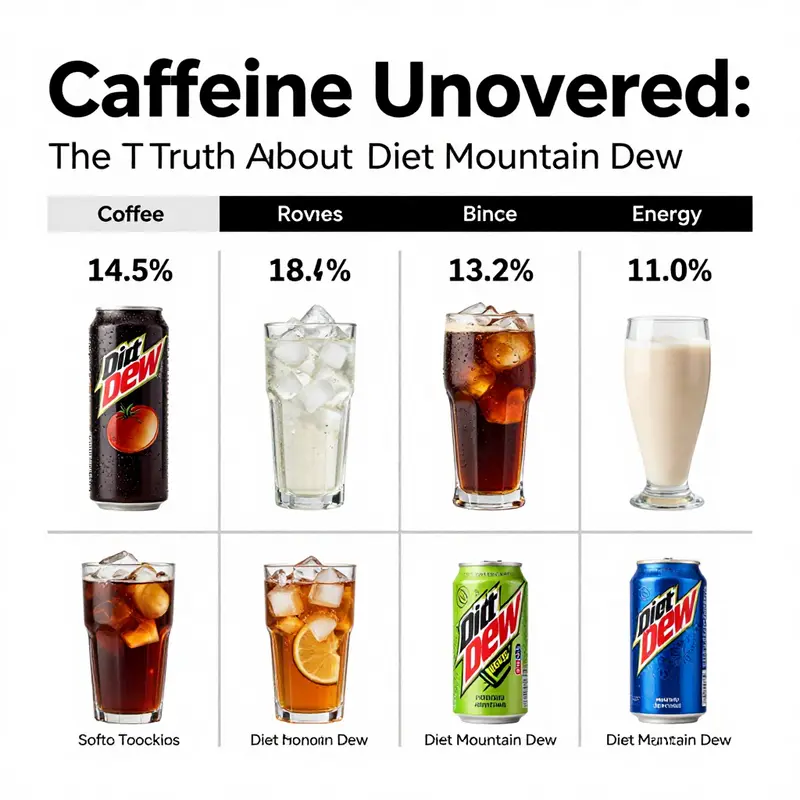
Caffeine is a familiar, almost cultural, companion in many of our daily rituals. It sits at the intersection of flavor, function, and routine, offering a lift that some people count on and others prefer to avoid. When we explore whether a popular soft drink like Diet Mountain Dew contains caffeine, we are not only peering at a single ingredient but also considering how that caffeine fits into a broader landscape of beverages that people reach for in different moments of the day. The story of Diet Mountain Dew’s caffeine content is less a tale of a single number than a window into how modern beverages are engineered to balance taste, energy, and consumer expectations. In this chapter, we travel through the specific figures, the comparisons that illuminate them, and the implications for everyday choices. The science of caffeine in soft drinks is not merely about a milligram count; it is about context, labeling, and the way individuals manage their intake across hours and activities. From the outset, the question is straightforward: does Diet Mountain Dew contain caffeine? The answer, grounded in the product’s official formulation and the standard practices of the brand, is yes. The ingredient list for the diet variant includes caffeine among its listed components, a hallmark of the beverage’s intended stimulant effect. This aligns with the brand’s typical approach across its diet and other variants, where caffeine is used to deliver a brisk lift without the calories that sugar-based drinks would contribute. The numeric expression of that lift—how many milligrams per 12-ounce can—becomes the focal point for comparisons and for understanding how this drink sits within a broader caffeine ecosystem. In the case of Diet Mountain Dew, the caffeine content sits around the mid-five tens of milligrams per 12-ounce can. Specifically, it contains approximately 55.2 milligrams per 12-ounce can, a figure that situates it among the higher end of caffeinated soft drinks. This fact alone helps explain why the beverage can feel energizing, distinct from many other diet sodas that carry lighter loads of caffeine. The precise number, while useful, is part of a larger picture that includes how the drink compares to its peers and to other caffeine sources people commonly consume. A direct comparison reveals a spectrum of caffeine levels across beverages that are frequently chosen as coffee alternatives, afternoon picks, or routine thirst quenchers. Consider the surrounding landscape: Diet Mountain Dew sits at 55.2 mg per 12 oz, while Diet Pepsi clocks in around 36.7 mg per 12 oz, and Dr Pepper comes in near 42.6 mg per 12 oz. Regular Mountain Dew—the non-diet version—shows a caffeine bite almost as strong as its diet cousin, at about 54.8 mg per 12 oz. In this space, Diet Mountain Dew’s numbers place it near the top among mainstream soft drinks, but it is still separate from extreme energy beverages that push caffeine well above the 100 mg line per serving. That distinction matters because it is easy to assume that a “diet” product would somehow reduce or remove caffeine. Yet the diet formulation retains caffeine as a performance-minded component, acknowledging that many consumers seek a similar stimulant effect with lower calories. This combination—calorie-conscious branding paired with a meaningful caffeine dose—helps explain why a single can can feel like a deliberate energy cue in the middle of a busy day. For context, the caffeine content of Diet Mountain Dew becomes more meaningful when we place it against a familiar yardstick common in households: coffee. A typical eight-ounce cup of brewed coffee contains about 95 to 100 milligrams of caffeine, which means a can of Diet Mountain Dew provides a little more than half the caffeine of a standard small coffee serving. That juxtaposition—roughly 55 milligrams in a can of soda versus about 95–100 milligrams in a cup of coffee—highlights why some people treat Diet Mountain Dew as a modest energy option, particularly when they want a caffeine bump without a hot beverage. The numerical comparison is a reminder that the beverage ecosystem offers multiple routes to caffeine, each with its own flavor profile, aroma, and consumer experience. The numbers also underscore the practical reality that caffeine intake accumulates. Someone who reaches for Diet Mountain Dew in the morning and then has another caffeinated beverage later in the day could easily approach or exceed a threshold that makes them feel overstimulated or nervous. The idea that caffeine exists in beverages beyond coffee emphasizes the importance of mindful consumption. It isn’t enough to know that Diet Mountain Dew contains caffeine; one must also understand how it adds to daily totals when combined with tea, chocolate, energy drinks, or caffeinated medicines. Within this framework, the nutrition labels on caffeinated sodas often become a practical tool. They provide transparency about the amount of caffeine per serving, enabling consumers to estimate their intake for the day. The value of approximately 55.2 mg per can, together with the knowledge that some people drink more than one can in a day, invites a careful approach to planning how and when caffeine enters the system. It is not just about the one-can experience; it is about the cumulative effect across morning, afternoon, and evening routines. The practical takeaway is simple: if you are monitoring caffeine intake for health, sleep, or sensitivity reasons, the can’s content is a meaningful data point within a broader arithmetic of daily caffeine. This is where the value of internal knowledge comes into play. For readers who want a larger view of how Diet Mountain Dew’s caffeine content lines up with other Mountain Dew products and similar beverages, a deeper dive into the broader caffeine landscape of soft drinks is instructive. The comparative picture reveals that Diet Mountain Dew’s caffeine level sits near the higher end of the soft-drink spectrum, though still below the outsized caffeine levels found in many energy drinks. In other words, its caffeine dose is substantial for a soda, yet it travels within a familiar range that consumers can gauge alongside their other daily choices. This balance—significant caffeine without reaching the territory of highly caffeinated energy beverages—helps explain why the drink remains popular among people seeking a quick lift in a familiar, refreshing format. The labeling also supports consumer awareness. While the exact numbers can vary slightly by batch or formulation, the product page and ingredient lists consistently identify caffeine as a component. The public-facing data, often corroborated by retailers and consumer reviews, reinforce the central premise: Diet Mountain Dew does contain caffeine, and its amount is measurable, not incidental. A nuanced reader might notice small variances in caffeine counts among different packaging and regional formulations. Some markets may see slight deviations due to regulatory or sourcing differences, yet the overall footprint remains recognizable. The upshot is not merely a numeric tally; it is an understanding of how the drink positions itself within the caffeinated beverage ecosystem. Diet Mountain Dew offers a robust caffeine kick for a soda, supported by a flavor profile that is bright, citrus-forward, and distinctly refreshing. Its caffeine is not a hidden attribute; it is part of the product’s core identity—an attribute that surfaces in product descriptions, in labeling, and in the experiences of consumers who rely on caffeine to spark focus, alertness, or a momentary lift during a long afternoon. For someone trying to map out their daily caffeine, this product sits as a reliable, predictable option in the realm of soft drinks. It fills a particular niche: the desire for a cold, flavorful beverage that also carries a credible caffeine dose without requiring a hot cup or a specialized energy drink. When comparing Diet Mountain Dew to other beverages, the conversation often returns to two realities: ratio and rhythm. Ratio refers to the amount of caffeine per serving—roughly 55 mg in this case—versus the serving size and the other stimulants or ingredients in the drink. Rhythm refers to how that caffeine integrates into daily patterns—awake mornings, post-lunch energy dips, or late-afternoon slumps. The chapter’s data points equip readers to imagine, with greater clarity, how Diet Mountain Dew might fit into their typical consumption patterns. It is not a judgment on preference or suitability but a practical framing: if you care about caffeine intake, you should consider the offerings around you, the occasions when you drink them, and how much caffeine you’ve already consumed across the day. If you want to explore further, you can look at related discussions and deeper data on Mountain Dew’s caffeine across the lineup by following the internal resource linked here. caffeine content of Mountain Dew This cross-reference can place Diet Mountain Dew within the broader spectrum of caffeinated beverages, offering a more holistic sense of how this family of drinks positions itself against coffee, tea, and energy-focused options. Beyond the numbers, the conversation also carries a practical message about labeling and consumer literacy. Regulatory frameworks require clear labeling of caffeine amounts per serving so that consumers can make informed choices. The presence of caffeine on the ingredient list is a straightforward signal, but the interpretation comes from actively reading the label, understanding serving sizes, and integrating that information into daily routines. In this sense, the chapter’s exploration translates into a broader habit: cultivating awareness about caffeine sources, potential sensitivities, and the cumulative effect of multiple caffeinated products across the day. This awareness is especially important for individuals with heightened sensitivity to caffeine, expectant mothers, or those who are managing sleep patterns or anxiety symptoms. The math behind the numbers—55.2 mg per 12-ounce can—remains constant enough to guide decisions, while the context—the sorts of days we have, the other caffeine sources we consume—gives meaning to that math. The broader takeaway is not that one product is “better” or “worse,” but that caffeine exists in a wide array of beverages, and the caffeine load we experience is the sum of many small choices. That sum shapes energy, mood, and sleep in ways that are often invisible until we notice it. In closing, the caffeine content of Diet Mountain Dew is a tangible attribute that informs everyday decisions. Placed alongside other sodas, coffee, and energy drinks, it illustrates how brands design stimulants into consumer-favorite flavors while aiming for a balance between taste, function, and moderation. The numbers show that Diet Mountain Dew is a notably caffeinated option within the realm of diet sodas, capable of delivering a meaningful lift without the calories of sugar-laden drinks or the high caffeine counts associated with some energy products. The practical implication is straightforward: if you base your day around caffeine management, you can use Diet Mountain Dew as a reference point to gauge your intake and to calibrate your selections across beverages, meals, and activities. For readers who want a broader sense of where this drink sits in the caffeine hierarchy, the comparison to coffee and to other caffeinated beverages provides a clearer vantage point. It also invites readers to consider how they structure their daily rhythm around the beverages they choose. The conversation about caffeine in soft drinks, including Diet Mountain Dew, is ongoing and evolving as brands adjust formulations, as consumer preferences shift, and as research clarifies how the body metabolizes caffeine in the presence of other ingredients. As you navigate these choices, keep in mind that the numbers are not just digits on a label; they are signals about energy, lifestyle, and daily balance. External resource: https://www.amazon.com/dp/B00005KZJN
Final thoughts
In conclusion, understanding the caffeine content in Diet Mountain Dew is essential for business owners looking to align their products with consumer preferences, health trends, and market demands. As illustrated, Diet Mountain Dew contains caffeine, posing both potential health implications and advantages in terms of consumer appeal. Comparisons with other beverages also reveal insights into product positioning, allowing for strategic marketing and sales decisions. Ultimately, this knowledge equips business owners to make informed choices, enhancing their market strategies and meeting customer expectations.