
Dr Pepper, a unique and beloved soft drink, is often questioned regarding its caffeine content. This inquiry is particularly significant for business owners in the food and beverage sector who must understand the products they sell. This article delves into Dr Pepper’s caffeination, examining its levels of caffeine and how they compare to other sodas. Each chapter contributes to a comprehensive view, covering the role of caffeine, health implications, and the beverage’s cultural perception, ensuring a well-rounded understanding of whether Dr Pepper is caffeinated and what that means for consumers.
Sweet Buzz, Quiet Power: Decoding Dr Pepper’s Caffeine and Its Everyday Impact

Sip after sip, a familiar warmth travels from the tongue to the brain, a gentle nudge rather than a shout. Dr Pepper’s taste has long carried a sense of comforting routine, a flavor that sits somewhere between cherry and spice, a little mysterious, a lot memorable. Yet for all its distinctive profile, a practical question lingers for those who track what they consume: is this beloved drink caffeinated, and if so, how much is in a regular can? The short answer is yes, Dr Pepper is caffeinated, and it carries a modest amount of caffeine that sits squarely in the middle of soft drinks. In a standard 12-ounce (355 milliliter) can, you’ll typically find about 41 to 42 milligrams of caffeine. This range appears consistently across both the regular and the zero-sugar versions, which might surprise some caffeine observers who expect the sugar-free variant to carry less energy. The consistency of caffeine across versions is not the product of whim but of formulation choices that aim to preserve flavor balance and mouthfeel without sacrificing the stimulant pull that caffeine provides. It’s enough to offer a gentle lift during a midafternoon slump, yet far below the levels you’d encounter in a cup of coffee, where caffeine often ranges from 95 to 200 milligrams per serving depending on roast, brew, and cup size. That comparison alone helps demystify the landscape: Dr Pepper sits in a safer, milder zone for most adults, one that is unlikely to provoke a jittery surge or a disrupted night’s sleep for the vast majority of readers if consumed in typical amounts.
To understand what this means in practical terms, it helps to place Dr Pepper’s caffeine in the broader spectrum of caffeine-containing beverages. A standard can of cola typically ranges from about 25 to 40 milligrams, with some brands offering a bit more or less depending on formulation. Dr Pepper’s 41–42 milligrams thus edges toward the higher end of many non-coffee sodas without tipping into the realm of high-caffeine energy drinks. This positioning is not accidental. Caffeine’s role in sodas extends beyond sheer alertness; it contributes to mouthfeel, a subtle bitterness that balances sweetness, and a sense of liveliness in the overall drinking experience. The bitterness from caffeine can counterbalance the drink’s natural sugar or sweetener profile, creating a perception of depth rather than a one-note sweetness. It’s a small, well-calibrated dose that aligns with the brand’s aim to feel familiar, comforting, and a touch invigorating at the same time.
The decision to keep caffeine in both the regular and zero-sugar versions reflects a broader intention: to preserve the sensory character of the drink while offering a sugar-conscious option. The zero-sugar variant replaces sugar with non-nutritive sweeteners like aspartame and Ace-K, yet the caffeine remains at the same level. That means if you reach for a zero-sugar Dr Pepper in the name of cutting calories or carbohydrate content, you’re still getting that same mild caffeine lift that accompanies the classic formulation. For some readers, this might be a pleasant surprise, especially if they assume sugar-free versions would also reduce caffeine. The reality is more about flavor fidelity and the brand’s preference to maintain a consistent stimulant profile across variants. In practical terms, this means your day can be punctuated not only by the distinctive taste but also by a familiar, predictable caffeine cue that helps you pace your energy across tasks and appointments.
From a health perspective, the amount—roughly 41 to 42 milligrams per 12 ounces—is often described as moderate. It’s enough to support a light boost—perhaps a steady, low-key lift that makes a late-morning meeting feel a little more manageable or a long commute feel less wearing. Yet it’s not so potent that it dominates the experience or sharply disturbs the body’s natural rhythms for most adults. The midrange caffeine level is part of what helps Dr Pepper avoid the extreme effects associated with energy drinks and high-caffeine beverages, making it a popular choice for people who want a gentle stimulant alongside a flavorful, familiar drink. Still, there are important caveats. Individuals with anxiety, certain cardiovascular conditions, or those who are pregnant should monitor their caffeine intake carefully, as even moderate caffeine can interact with underlying health considerations or sensitivity. And for the many people who prize sleep quality, the timing of caffeine matters; even a modest amount can influence sleep for a portion of the population if consumed late in the day.
In discussing caffeine, timing matters as much as quantity. The effects of caffeine are not only about waking you up; they influence how alert you feel, how your body processes pain, and how quickly you recover from fatigue. Among those who regularly monitor caffeine intake for health or performance reasons, a 41–42 milligram dose is commonly viewed as a “soft lift” rather than a strong surge. It’s the kind of caffeine that fits comfortably into a daily routine: a can during a workday, a quick pick-me-up on a long drive, or a modest companion to a meal. It’s this predictability that makes Dr Pepper a reliable choice for many people who want flavor and function in a single beverage. The consistency across versions reinforces the idea that the brand’s caffeine strategy is focused on balancing taste and stimulation rather than chasing a high-energy effect.
For those who enjoy a deeper dive into the caffeine question, there are practical ways to relate the numbers to everyday choices. If you’re tracking caffeine for health, sleep, or pregnancy considerations, knowing the exact amount helps you map your total daily intake across all sources. It’s easy to overlook the caffeine lurking in tea, chocolate, or even certain medications, but when you know Dr Pepper’s precise caffeine content, you can assemble a more accurate daily picture. And because the caffeine content is stable across regular and zero-sugar versions, your decision to choose sugar-free will not inadvertently lower your caffeine exposure, which is an important nuance for anyone who relies on caffeine as a daily driver of alertness.
Readers curious about how this translates to dietary questions can explore related topics through thoughtful, accessible resources. For instance, if you’ve ever wondered about the caffeine in other diet beverages, you can compare with a concise entry that addresses whether a diet variant has caffeine and how much. Does Diet Dr Pepper Have Caffeine In It? This reference helps place Dr Pepper in a broader caffeine landscape, where the interplay of taste, sugar content, and stimulant effect shapes daily choices as much as any flavor profile. It’s also worth noting that while caffeine content is a key piece of the puzzle, other factors like sugar, artificial sweeteners, and personal sensitivity all influence how someone experiences a given drink. In other words, caffeine is part of a larger puzzle about how beverages fit into a daily rhythm rather than a standalone measure of energy.
Ultimately, the caffeine question for Dr Pepper resolves into a straightforward takeaway: yes, it is caffeinated, with a moderate, predictable dose of about 41 to 42 milligrams per twelve-ounce serving. This is enough to impart a gentle lift without dominating the flavor or the day, a design that aligns with the drink’s long-standing appeal as a comforting, versatile option. The distinction from a traditional cola rests not in the absence of caffeine but in the broader flavor base and branding choices that render Dr Pepper unique in the soft-drink landscape. The caffeine content supports both the drink’s sensory profile and its everyday function—an easygoing pick-me-up that doesn’t demand a heavy energy-boosting response. In a culture where caffeine comes from many sources, Dr Pepper offers a predictable, palate-friendly option for those who value complex sweetness tempered by a hint of bitterness, a balance that caffeine helps to achieve just as reliably as the bottle’s familiar shape and label.
External reference: for a detailed nutrition-focused verification of Dr Pepper’s caffeine content, see the cited nutrition database entry. https://www.nutritionvalue.org/DrPeppercaffeinecontentNutritionFactsInformation
Gentle Lift, Singular Flavor: Positioning Dr Pepper’s Caffeine in the Soft-Drink Landscape
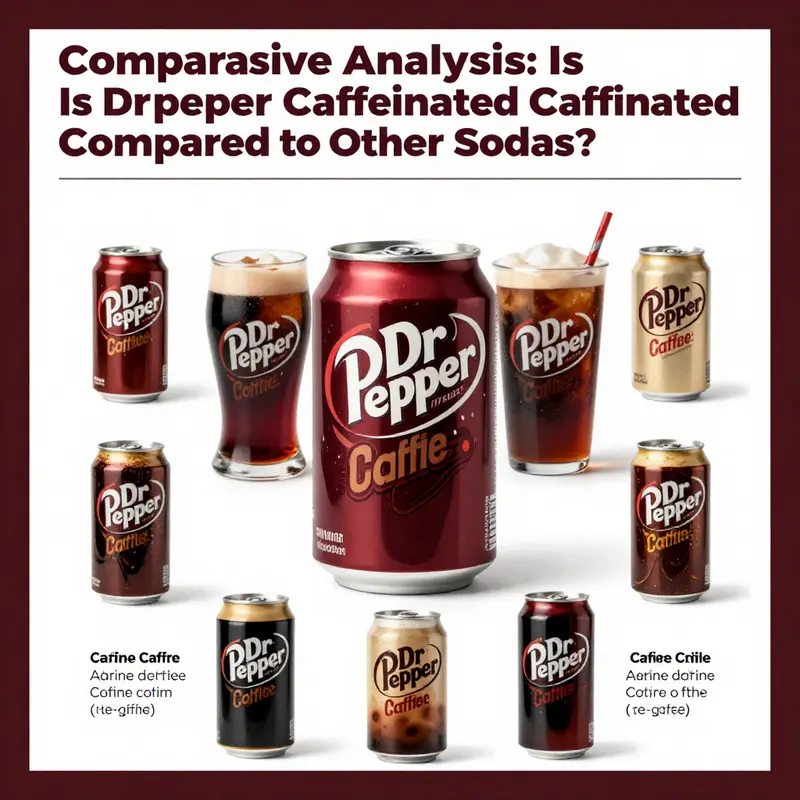
In the evolving map of caffeinated beverages, Dr Pepper sits in a curious, unmistakable niche. It offers a mild stimulant effect that never feels like an energy-boost ramrod but still provides a noticeable lift when sipped in the middle of a busy afternoon. The caffeine level in a standard 12-ounce can is 41 milligrams, a precise figure that remains consistent across the regular and zero-sugar variants. This stability matters as much for taste as for the ritual of drinking; it means people can expect the same gentle wakefulness whether they reach for the classic sweetness or the calorie-conscious alternative. When you place 41 milligrams beside the caffeine content of other well-known sodas, the picture becomes clearer. Coca-Cola Classic hovers around 34 milligrams per 12 ounces, and Pepsi sits near 38 milligrams. Dr Pepper thus sits in a mid-range zone—slightly above the typical cola but well below beverages that intentionally trade flavor nuance for a higher energy push. That positioning matters for the everyday consumer who wants a modest lift without the jitters or the pronounced alertness that comes with higher-caffeine drinks. It also clarifies why Dr Pepper often appears in conversations about caffeine as a measured, approachable option rather than a hard stimulant or an all-day energy source.
Yet Dr Pepper’s identity extends beyond numbers. It is not categorized as a cola, in part because it does not rely on kola nut extract or the classic vanilla-caramel-phosphoric acid flavor base that marks some colas. Instead, Dr Pepper leans on a distinctive blend of 23 flavors, including notes of cherry, licorice, vanilla, and almond. The caffeine acts as a companion to this flavor tapestry, not as a loud counterpoint that drowns the palate. The effect is a “gentle lift” that can heighten focus slightly or simply improve the sense of alertness during a routine afternoon slump, all while preserving the drink’s signature taste profile. This synergy between taste and caffeine helps explain why Dr Pepper can be a familiar daily companion without appearing as a pure stimulant or a mere after-lifty pick-me-up.
The consistency of caffeine across regular, diet, and zero-sugar versions adds another layer to its identity. No matter which formulation a consumer reaches for, the caffeine content remains 41 milligrams per 12-ounce serving. This uniformity means that flavor choices do not carry hidden caffeine swings and that the energy component becomes a predictable constant you can factor into daily planning. For individuals who monitor caffeine intake for health reasons—such as anxiety management, cardiovascular considerations, or pregnancy concerns—this predictability offers a straightforward reference point. It also simplifies comparisons with other drinks that have widely varying caffeine information that can change with a reformulation or a different serving size.
From a consumer behavior perspective, the presence of caffeine at a moderate level supports a habitual consumption pattern rather than a sporadic, high-stakes energy boost. Many people enjoy a familiar flavor with a mild lift that complements work, study, or casual social time, rather than requiring a surge of energy to push through. In this sense, Dr Pepper’s caffeine content aligns with its broader brand proposition: a distinctive, non-mainstream option that feels both comforting and a touch sophisticated. The overall experience—flavorful complexity, moderate caffeine, and steady availability—encourages routine consumption without pushing into the realm of aggressive stimulation. For those who keep a close eye on caffeine as part of a broader daily intake, the 41-milligram benchmark across variants makes planning much easier.
Of course, the caffeine story isn’t told in isolation. The beverage landscape also features much higher levels of caffeine in certain beverages designed to deliver a pronounced energy surge. For instance, beverages marketed as energy drinks can exceed the caffeine content of a typical soda by a wide margin, sometimes delivering a comparable or greater boost in a single serving. In contrast, Dr Pepper’s 41 milligrams per 12 ounces sits at a moderate level that can be felt but generally won’t overpower other flavors or physical sensations. This balance reinforces its place in discussions about caffeine in everyday drinks, where many people want a reliable, low-to-mid-range lift that remains compatible with extended social time, long work blocks, or casual nightlife without altering sleep patterns dramatically for the majority of adults.
From a nutritional labeling perspective, the caffeine figure is part of a broader narrative about sugar, flavors, and the sensory experience. The 23-flavor profile contributes to a perception of complexity and depth that invites a longer, more savoring pause than a quick, strictly functional beverage might. In this context, caffeine serves as a subtle amplifier of alertness that complements rather than competes with the taste cues. People often describe the effect as a gentle ”lift” that clarifies thought and steadies attention without triggering anxiety or restless energy—an outcome that aligns with the drink’s widely discussed sensory identity. The moderate caffeine content thus helps keep Dr Pepper in a category that many consumers find approachable and versatile for both daily routines and occasional indulgence.
The role of caffeine also intersects with broader health considerations. While 41 milligrams per 12-ounce serving is generally considered safe for most adults, certain groups may need to tailor their intake. Those with anxiety disorders or cardiovascular concerns may prefer to limit caffeine to reduce potential symptoms such as palpitations or heightened vigilance. Pregnant individuals are often advised to discuss caffeine consumption with a healthcare provider, as some guidelines encourage moderation to minimize potential fetal exposure. The same caution applies to people who routinely consume multiple caffeinated beverages in a single day. In practice, the mid-range caffeine level of Dr Pepper supports a flexible approach: a single can can be enjoyed as part of a balanced day, while multiple servings might push someone beyond their comfortable threshold. This nuance underscores the importance of reading labels, understanding serving sizes, and recognizing how caffeine interacts with personal sensitivities and health goals.
The beverage’s flavor profile and caffeine content together shape the decision to choose Dr Pepper in a crowded aisle of options. When a consumer contemplates the idea of a caffeinated soft drink that isn’t a classic cola and that can pair with a wide range of foods and social situations, Dr Pepper offers a compelling argument. The taste complexity invites curiosity, while the caffeine provides a predictable, moderate lift that does not overshadow the experience. This compatibility—between taste, caffeine, and everyday usability—helps explain why Dr Pepper remains a staple for many who want a distinct, non-novelty caffeinated option that still fits neatly into a busy daily rhythm.
As with any caffeine-containing beverage, context matters. If someone already uses caffeine from coffee, tea, or other sources, the 41-milligram figure can be factored into a daily total. For those who maintain strict limits, it becomes a straightforward calculation: one can equals 41 milligrams, two cans would push the count toward a higher daily total. In such cases, the decision to reach for Dr Pepper is a deliberate choice about taste and mild energy, rather than a default setting for a quicker, more aggressive energy fix. This practical calculus—balancing flavor preferences, caffeine intake, and the rhythms of the day—helps explain why the beverage remains popular across diverse age groups and lifestyles.
For readers seeking a concise reference point, the official product labeling and brand communications confirm a consistent caffeine profile that travels with every can. The information is readily accessible to the curious consumer who wants to weigh Dr Pepper against other options in a thoughtful, evidence-based way. And while the broader conversation about caffeine safety continues, the mid-range 41-milligram figure offers a reliable benchmark for ongoing comparisons. If you want to explore this topic further and see how Dr Pepper’s caffeine data sits within a wider caffeine ecosystem, you can visit the dedicated page that discusses the caffeine status of Dr Pepper and related formulations. Is Dr Pepper caffeine provides a concise overview and links to related discussions about caffeine content across variants. This internal resource helps maintain a clear, numbers-driven perspective while appreciating the drink’s unique flavor identity.
Even as the caffeine conversation remains focused on numerical benchmarks, the deeper takeaway is worth repeating: Dr Pepper’s caffeine is a measured component of a broader sensory and experiential package. It supports a mild, steady lift without commandeering the palate or the day’s rhythms. The drink’s enduring appeal lies in its unusual flavor architecture, which invites curiosity and savoring. The caffeine content is the quiet partner in this composition, a reliable accent that complements the 23-flavor profile and the brand’s distinctive character. In a marketplace brimming with bold claims and high-energy formulas, this combination stands out as a thoughtful, balanced choice for people who value nuance as much as necessity when they reach for a cold can.
External reference: For the most official data on caffeine content and product formulations, see the brand’s primary information hub at https://www.keurigdrpepper.com. This source provides the authoritative framing for any consumer trying to reconcile taste, caffeine, and daily intake in a single, coherent package.
A Gentle Lift and a Signature Blend: Tracing Caffeine’s Quiet Role in Dr Pepper

Caffeine’s presence in Dr Pepper is not a flashy afterthought but a quietly deliberate element that helps shape how the drink feels, tastes, and slots into a daily routine. When people ask whether Dr Pepper is caffeinated, the straightforward answer is yes, with a precise measure that has stayed remarkably steady across product lines. The standard 12 fl oz (355 mL) can contains about 41 mg of caffeine. That figure appears consistently whether you reach for the classic formula or its zero-sugar counterpart. It’s not enormous by coffee standards, but it is enough to deliver a gentle lift that can translate into a moment of mental sharpness or a steadier sense of wakefulness as the day unfolds. This moderate caffeine level positions Dr Pepper in a distinct category: caffeinated, but not an energy drink, not a cola with kola nut, and not a sugar-free impulse shop item. Instead, the caffeine serves a dual purpose. It enhances alertness and contributes to the drink’s mouthfeel, while also weaving into the broader ritual of daily refreshment that many fans associate with Dr Pepper.
The relationship between caffeine and flavor is an art of balance. Caffeine’s bitter edge can temper sweetness, a quality that helps the beverage maintain a complex, layered profile. Dr Pepper’s flavor family—an intricate blend often described as cherry-forward with accents of licorice, vanilla, clove, and a host of other notes—benefits from a subtle bitterness that doesn’t shout but lingers. In this context, caffeine acts almost like a seasoning: it deepens the perception of bitterness just enough to keep the sweetness from becoming cloying, while also supporting the caramel-vanilla core that defines the drink’s signature mouthfeel. The result is a sip that feels both bright and grounded, with the caffeine helping to modulate the sweetness and the flavor base to stay cohesive from the first sip to the last.
That 41 mg per 12-ounce can is more than a mere statistic. It anchors readers in a concrete reality: Dr Pepper is a caffeinated option, but one that tends toward a steady, approachable lift rather than a jolt. For many people, this makes Dr Pepper a reliable choice during midday lulls or as a companion to work or study sessions. The caffeine provides a gentle nudge that helps sustain focus without the pronounced peak and crash associated with higher-caffeine beverages. It’s a nuance that matters for those who monitor their intake, whether due to personal sensitivity, medical considerations, or a preference for more predictable energy levels throughout the day.
From a health perspective, the caffeine content in a single can positions Dr Pepper within what researchers and nutrition guides often classify as a moderate range. In comparative terms, a standard cup of coffee typically delivers somewhere between 95 and 200 mg of caffeine, depending on bean type, roast, and brewing method. Dr Pepper’s 41 mg is well below that spectrum, yet it still contributes to a perceptible lift for a segment of the population. This distinction matters for individuals who routinely balance multiple sources of caffeine across the day. The modest amount means that for about 98 percent of adults, the effect is unlikely to disturb sleep when consumed earlier in the day, assuming typical sensitivity and a standard daily pattern. Of course, personal factors matter: anxiety disorders, certain cardiovascular conditions, or pregnancy necessitate mindful management of caffeine intake. For these readers, knowing the exact caffeine content becomes a practical tool rather than a mere trivia point.
One common misperception about Dr Pepper is its categorization. It is not a traditional cola because it does not rely on kola nut extract or the classic flavor base associated with cola beverages. Yet, it remains a caffeinated soft drink with a distinct recipe and sensory profile. The decision to include caffeine, rather than to omit it, aligns with broader industry strategies that seek a balance between flavor development and consumer perception of energy and alertness. Caffeine here is not about sensational energy; it is about a dependable, slightly uplifted everyday experience that can complement daily routines without demanding a caffeine-led lifestyle.
The practical implications of this formulation extend into how people structure their days. A can in the morning can offer a crisp start without hijacking the morning mood, while a midday pick-me-up can provide a momentary lift that doesn’t leave the consumer jittery or overheated. The steady caffeine level also supports habitual consumption in a way that many drinkers find comforting. People often reach for a familiar flavor in a familiar setting, and the consistent caffeine content reinforces that sense of routine. It becomes a small, predictable pattern that can anchor a day—much like a morning playlist, a commute, or a preferred work snack. The sensory impression—the way caffeine accents bitterness, and how bitterness parries sweetness—interacts with Dr Pepper’s 23-flavor blend to create a distinctive mouthfeel that feels both refreshing and a touch sophisticated.
For readers seeking clarity about the caffeine equation, consider how the information is presented and how it might affect decisions around beverages with multiple caffeine sources. Some households balance caffeinated drinks with caffeine-free options, especially for late afternoons or evenings. The 41 mg figure invites a pragmatic approach: it isn’t a barrier to enjoyment, nor is it a license to ignore individual health considerations. It is a data point that, when combined with personal sensitivity and medical guidance, helps people tailor their intake to fit their health goals, sleep schedules, and daily rhythms. The knowledge that both the regular and zero-sugar variants share this same caffeine level further clarifies that sweetness or sugar content does not determine caffeine presence. The caffeine is part of the beverage’s structure, not a byproduct of one formula deviating from another.
Putting these elements together invites a broader reflection on how caffeinated soft drinks fit into modern life. In a culture that prizes quick, accessible energy and flavorful, satisfying options, Dr Pepper carves out a niche that emphasizes balance. It is not about a singular, explosive moment of stimulation; it is about a steady, present lift that aligns with the drink’s long-standing identity as a daily refreshment. The caffeine content underlines this relationship, functioning as a quiet partner to the flavor’s complexity, the mouthfeel’s smoothness, and the ritual’s predictability. This makes Dr Pepper a kind of companion drink: not the loudest voice in caffeine-heavy aisles, but a consistent one that listeners can rely on when they want something more intricate than plain water or a straightforward cola.
For those who want to dive deeper into the caffeine nuance, an entry point exists that explains how caffeine interacts with the flavor systems and why it is included in Dr Pepper’s formulation. Is Dr Pepper caffeine? The answer resonates beyond the simple yes: it speaks to a design choice that prioritizes a balanced sensory experience and a reliable energy signal that respects consumer habits and health considerations. To explore the broader question and related ideas about how caffeine content is reported across beverages, one can consult dedicated resources that discuss the caffeine content and guidelines in more detail, and see how Dr Pepper’s stance fits into the wider picture of caffeinated soft drinks. Is Dr Pepper caffeine?
As readers move through this topic, it’s useful to recognize that caffeine’s role in Dr Pepper is part science, part craft. The scientists and formulators who contribute to its recipe aim for a flavor that feels both familiar and unique. The caffeine helps achieve a mouthfeel that isn’t just about sweetness or body but about a certain crispness that accompanies the flavor complexity. In essence, caffeine is a collaborator in the drink’s overall experience. It stabilizes the perception of sweetness, sharpens certain flavor notes, and supports a durable, day-spanning consumption pattern. The result is a beverage that can be enjoyed in a variety of contexts—from a mid-morning break to a post-lunch moment of levity—without demanding a specific caffeine mindset.
In the wider landscape of caffeinated beverages, Dr Pepper’s 41 mg per can serves as a useful reference point. It’s a reminder that caffeine content, flavor design, and consumer routines are tightly coupled in beverage development. The numbers matter not only as a metric but as a signal about intent: a brand inviting people to experience a nuanced, layered taste while offering a gentle cognitive nudge that helps maintain momentum through the day. For anyone weighing sleep, anxiety, or cardiovascular considerations against the pull of a familiar, flavorful drink, such precise information empowers smarter choices. The story of Dr Pepper’s caffeine is, in the end, about balanced stimulation—enough to be noticed, but not so much that it dominates the moment.
External reference: Official information on Dr Pepper caffeine content can be found here to corroborate the caffeine quantity and serving details discussed above: https://www.drpepper.com/caffeine-content/
Dr Pepper and Daily Caffeine: Balancing Flavor, Safety, and Moderation
- For further context on daily caffeine management and how it relates to other widely consumed drinks, keep in mind that the 400 mg daily limit is a general guideline, not a universal prescription. Individual factors such as metabolism, concurrent medications, and sleep quality can shift the safe threshold. The ongoing conversation about caffeine safety continues to emphasize moderation, personalized assessment, and mindful decision-making. If you want more precise comparisons or deeper scientific background, the resource landscape includes official health communications and independent reviews that help translate raw numbers into practical recommendations. This ongoing dialogue supports readers in making informed choices that fit their tastes and their health priorities. The bottom line is that Dr Pepper—and its zero sugar counterpart—offers a distinct and approachable way to enjoy a caffeinated beverage without overwhelming the senses or the clock. For a concise external reference, see the FDA’s caffeine safety guidance.https://www.fda.gov/food/dietary-supplements-and-foods/caffeine
Brewing Identity: How Dr Pepper’s Gentle Caffeine Fuels Culture, Flavor, and Everyday Ritual

Caffeine is a quiet force in many beverages, shaping how we feel without demanding the limelight. In the case of Dr Pepper, that force is both modest in its push and wide in its cultural reach. The drink carries a precise caffeine footprint—about 41 milligrams per 12-ounce can, a detail that often slides under the surface of conversations about flavor and habit. Yet that number matters more than a mere statistic. It cements Dr Pepper’s role as a gentle energizer rather than a high-octane stimulant, a distinction that echoes through the ways it is perceived, paired, and enjoyed across different moments of daily life. The caffeine present in Dr Pepper is a deliberate element of its formulation, not an afterthought tucked into the label. It contributes to a subtle lift that can accompany a long drive, a late afternoon pause, or the quiet concentration needed to finish a task that benefits from a steady, mild buzz rather than a stark jolt. In this way, caffeine becomes part of the beverage’s personality, inseparable from its unique flavor profile and the rituals it supports.
The flavor of Dr Pepper—a fusion of fruity brightness, spicy warmth, and caramel undertones—often leads to a misperception that the drink is caffeine-free or somehow less energizing than more straightforward caffeinated beverages. This misperception is a cultural artifact in itself. People accustomed to judging thirst-quenching drinks by a single dimension—their taste—may overlook the caffeinated backbone that quietly sustains many ordinary, everyday moments. The soda’s complexity invites a slower, more contemplative consumption pattern, where the caffeine acts as a steady companion to the taste experience rather than a loud accelerator of activity. The effect is not dramatic; it is a gentle accompaniment to conversation, work, or a commute. That temperament aligns with the way many communities in which Dr Pepper has found a home have absorbed it: as part of daily life rather than as a singular caffeine fix.
When Dr Pepper sits on a shelf next to other beverages, its caffeine content sits as a point of comparison that reveals a broader story about energy and social rhythm. It is notably lower in caffeine than a typical cup of coffee, which commonly ranges from about 95 to 200 milligrams per serving. This disparity places Dr Pepper in a space where it can be enjoyed across more of the day without the intensity associated with coffee. For people who want a modest lift that doesn’t demand their entire focus, or who drink in settings where a loud stimulant would be out of place, Dr Pepper offers a compromise that still respects the body’s need for wakefulness. It becomes a preferred choice for casual, sustained energy—the kind that supports tasks that require steadiness rather than acceleration, such as long drives, late-night study sessions, or routine errands that benefit from a steady pace.
The cultural footprint of Dr Pepper extends well beyond its caffeine. In the South, where the drink has become part of culinary and social fabric, it appears in more than just the cooler section of a market. It has found its way into barbecue glazes and as a pairing in regional recipes, where its caramel-sweet notes and spice-like undertones complement savory, smoky flavors. This culinary integration amplifies the drink’s character, turning a simple soda into a pantry-worthy ingredient that carries tradition as well as flavor. In these contexts, caffeine is not the sole driver of consumption; it is one element among many that create a sense of place and belonging. The beverage becomes a symbol of comfort and familiarity, a ritual that signals a moment of pause within a larger, often bustling, day.
A loyal following has grown up around Dr Pepper precisely because its identity defies easy categorization. It is not a cola, even though it sits on shelves with other carbonated beverages that share some functional similarities. The absence of kola nut extract and the presence of a distinct flavor base contribute to a sense of distinctiveness that resonates with people who prize nuance and a certain everyday charm. This distinctiveness helps cultivate a sense of nostalgia and ritual. For some, Dr Pepper marks a moment of connection—whether it is shared at a table with friends, enjoyed during a quiet afternoon, or tucked into a pocket of daily routine on the way to work. The drink’s modest caffeine content supports this ritual by offering a predictable, non-disruptive lift that can become a subtle heartbeat in a day full of small, regular actions.
Perception and reality converge most clearly in how people react to the idea of Dr Pepper’s caffeine in various life circumstances. Those managing conditions such as anxiety, cardiovascular considerations, or pregnancy are often advised to monitor caffeine intake, and the nuanced profile of Dr Pepper makes such cautions particularly relevant. The caffeine level is enough to contribute to alertness, yet gentle enough to avoid the jittery sensations that can accompany higher-caffeine beverages. This balance makes Dr Pepper accessible to a broad audience, while still requiring mindful consumption for certain populations. The result is a beverage that invites conversations about how we balance flavor, energy, and health in everyday life. The 41-milligram figure functions less as a rigid rule and more as an invitation to readers to reflect on how caffeine interacts with personal physiology and daily routines.
From a storytelling perspective, the cultural presence of Dr Pepper as a caffeinated beverage is inseparable from the broader narrative of regional identity and shared habit. In many communities, the drink acts as a shorthand for hospitality and conviviality. It appears in diners, family gatherings, and casual get-togethers where the choice of drink helps define the mood and pacing of the moment. The subtle energy it provides can help sustain conversation and activity without overtly changing the dynamic of the gathering. This aspect of its cultural function aligns with the experience of other beverages that carry ritual weight but offer a more restrained energizing effect. Dr Pepper’s caffeine becomes a quiet, dependable thread that ties together flavor, memory, and moment, making the beverage feel more like a trusted companion than a mere refreshment.
In moving through these cultural dimensions, it becomes clear that Dr Pepper’s caffeine content acts not only as a scientific data point but as a social signal. It communicates a philosophy of consumption that values balance—between sensory complexity and physiological response, between tradition and modern casualness, between regional pride and nationwide accessibility. The drink’s caffeine profile supports that philosophy by providing a mild, reliable lift that does not overwhelm the senses or demand a specific consumption context. It makes room for spontaneity and routine alike, a quality that helps explain why Dr Pepper maintains a persistent place in the calendar of everyday life, even as new beverage options continually compete for attention.
For readers who wish to explore the factual dimensions of caffeine in Dr Pepper beyond perception, the official data provides a precise reference point. The most direct source of information regarding caffeine content and nutritional details is the manufacturer’s own platform, which outlines the product’s formulation and its role in enabling the brand’s distinctive sensory experience. If you’re curious about whether it’s caffeinated at all or how the 41 mg figure is determined, you can consult the official data for confirmation and context. Is Dr Pepper caffeine? The answer is yes, and the context around that caffeine is what makes the beverage an enduring artifact of flavor and routine, rather than a mere curiosity.
In weaving together taste, energy, and cultural meaning, Dr Pepper emerges as more than a drink with a set caffeine content. It stands as a symbol of how a single formulation can shape perception, influence culinary practices, and become a familiar thread in the fabric of daily life. Its caffeine content anchors a broader conversation about energy and tradition, while its flavor profile invites ongoing exploration of how taste and stimulant effects intersect in social and personal spheres. The result is a beverage that participates in the everyday ritual with restraint and character, a combination that helps explain its enduring prominence in a landscape crowded with options and evolving preferences. External data can illuminate the specifics, but it is the lived experience—the way it feels on the palate and in the moment—that truly defines its cultural weight.
External resource: Keurig Dr Pepper official caffeine content and nutritional information: https://www.keurigdrpepper.com/
Final thoughts
In conclusion, Dr Pepper serves as a caffeinated beverage offering a unique alternative to traditional sodas and coffees. Understanding its caffeine content and health implications allows business owners and consumers alike to make informed choices. As caffeine plays a substantial role in enhancing flavor and experience, the cultural significance of Dr Pepper continues to thrive. Armed with this knowledge, business owners can navigate product offerings confidently while catering to consumer preferences for caffeinated beverages.