
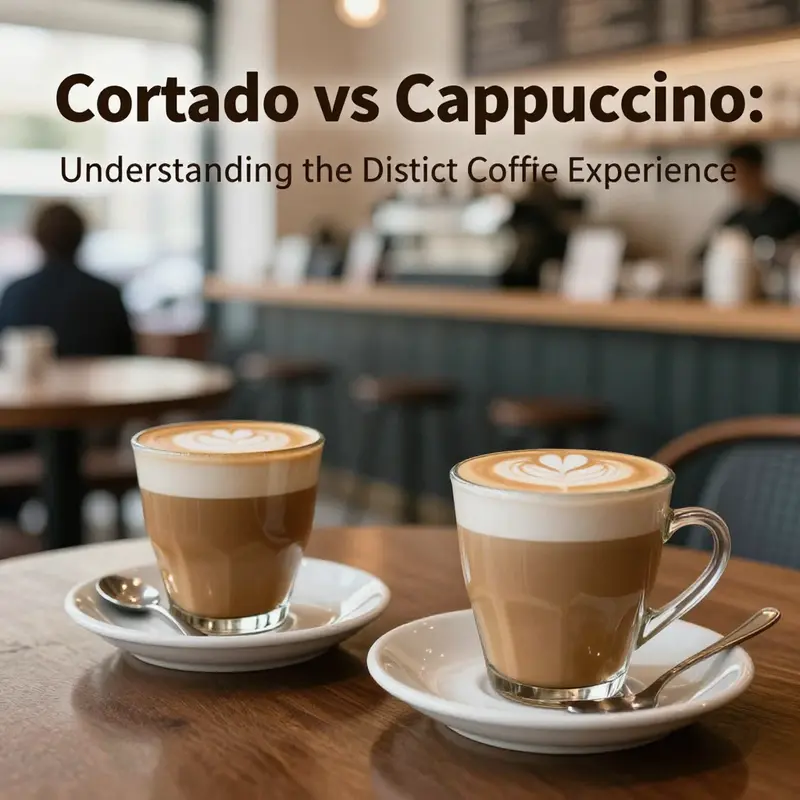
Exploring the intricate world of coffee, the Cortado and Cappuccino stand out as distinguished beverages that not only satisfy different palates but also exemplify various coffee cultures. As business owners in the coffee industry, understanding these differences can enhance customer experience and tailor offerings to meet diverse preferences. This guide examines the fundamental definitions and origins of these drinks, compares their taste profiles, describes their serving styles, suggests ideal consumer demographics, and provides practical tips for accurate ordering. By delving into these aspects, we equip you with the knowledge necessary to make informed decisions in your coffee business, enhancing both product offerings and customer satisfaction.
在边界之间切开香气:Cortado 与 Cappuccino 的起源、定义与风味哲学
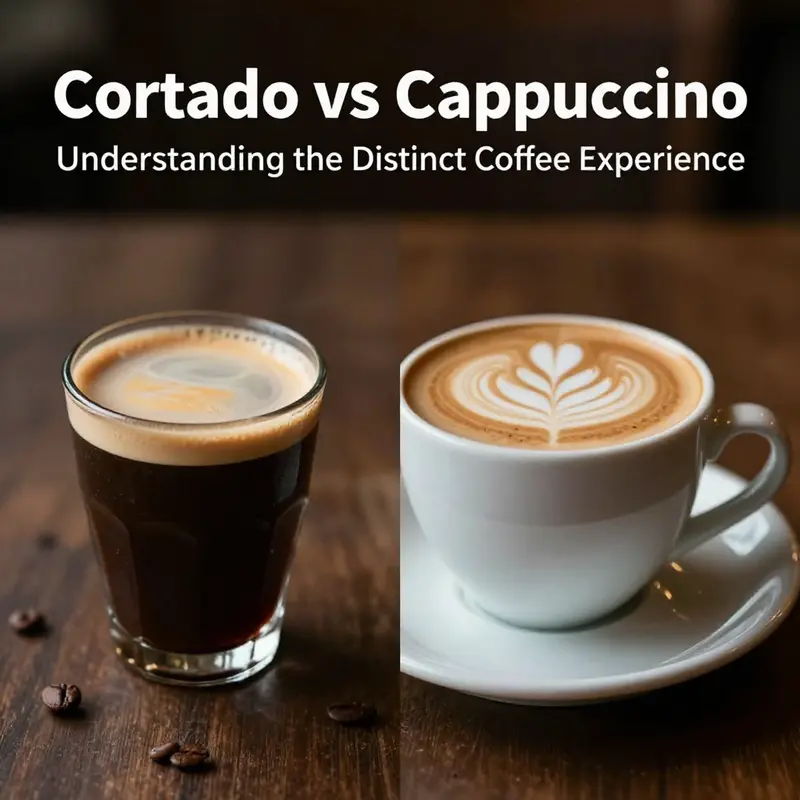
当咖啡的香气从蒸汽管道涌出,Cortado 与 Cappuccino 这两杯看似相近的饮品却在口感、结构和仪式感上走出两条并行的轨道。它们同样来自欧洲的咖啡传统,却以不同的逻辑讲述“咖啡的平衡”与“奶的陪衬”这一主题。要理解这两者,先从基本定义和起源谈起,因为起点往往决定了口感的走向和饮用时的心境。Cortado 的核心在于以极少量热牛奶“切断”浓缩咖啡的锐度,让苦与酸的边界变得更温柔;Cappuccino 则以三重结构打造一种层层递进的口感体验,咖啡、热牛奶与厚厚奶泡共同构成一张绵密的口感网。两者都不只是“怎样做”的问题,更是“为什么这样做”的哲学。正是在这种哲学的差异中,我们能感受到西班牙北部巴斯克地区对平衡的执着,以及意大利传统对层次与仪式感的追求。
Cortado 的定义简洁而深刻。它起源于西班牙的巴斯克地区,名字来自西班牙语的 cortar,意为切断、截断。这个名字形象地描绘了把浓缩咖啡的强烈风味用等量或接近1:1的热牛奶轻轻“切入”的过程。口感因此更柔和,酸苦被中和,风味的轮廓保持清晰但不喧嚣。最典型的做法是将咖啡与热牛奶以接近1:1的比例混合,奶泡几乎不可见,甚至可以说没有明显的泡沫。杯量通常很小,约在90到135毫升之间,选择透明玻璃杯往往是为了欣赏液体的颜色与混合的丝滑质感。与卡布奇诺相比,Cortado 更像一口“浓而不苦、柔而不腻”的三明治——把咖啡的个性安放在丝滑的牛奶里,既保留了苦香的边界,也让整体口感更易被日常接受。
Cappuccino 的故事则来自意大利。名字来自 cappuccio,一词意指修道士的帽子,外观的颜色层次让人自然而然联想到修道士头顶的深色外罩与奶泡的白色泡沫的对比。这杯饮品以1:1:1的比例著称:意式浓缩咖啡、蒸汽加热的牛奶以及一层厚实的绵密奶泡。奶泡的存在是它最具辨识度的特征,也是它在全球范围内广受欢迎的重要原因之一。厚厚的奶泡不仅提升口感的顺滑度,也形成一个视觉上的“顶层”,给人一种完整的、富有仪式感的体验。在大多数传统做法中, cappuccino 的杯型偏大,180到240毫升的陶瓷杯让奶泡有足够的空间膨胀、留下拉花的余地。许多人把它视作早餐的经典搭档,奶香与微苦的咖啡香互为对方的底色,形成一种更为温和、层次分明的口感画布。
这两种饮品的差异并非仅在比例上。口感与风味的对比,是一组可以在味蕾上“看得到”的对照。Cortado 通常显得更浓郁,咖啡的风味在热牛奶的润滑下显得更加直接,酸苦被温和地中和,但咖啡的底色仍旧清晰可辨。整体质地偏向液体的、接近奶香的存在感,缺乏明显的泡沫感,入口更像是被温柔包裹的咖啡本身。余韵往往带有清晰的回甘,咖啡的香气和风味层次在短短几口后仍然留香。
相比之下,Cappuccino 的味觉轮廓更像是一幅曲线丰富的画。咖啡的存在感仍然坚实,但被牛奶的润滑与奶泡的轻盈所包裹,甜度的初始感来自于奶泡的天然乳香,随之而来的则是咖啡的微苦。奶泡提供的“绵密感”使入口变得饱满,口腔里的泡沫质地与咖啡的酸香之间形成对比,最终在舌尖处释放出较为温和的余韵。若说 Cortado 的美在于“浓而不苦、柔而不腻”的平衡,那么 Cappuccino 的美则在于“奶香四溢、层次分明”的口感层叠。就像一场小小的音乐会,前奏是咖啡的苦香,接下来跳出的则是奶香的温暖,再以奶泡的质地收束成一段和声。
杯型与饮用方式也在无形中放大了两者的差异。Cortado 常被放在小巧的玻璃杯之中,强调的是一次性品尝的体验与风味的即时性。它的份量设计成一口或两口就能喝完,像是一种“迷你杯型”的典型展现,强调风味的即时性与纯粹性。 Cappuccino 则以较大的陶瓷杯为舞台,奶泡的高度与纹理往往成为视觉的一部分。它不仅是一杯饮品,更是一种早餐仪式,常伴随糖、巧克力粉等轻微装饰,拉花艺术成为对这份仪式感的颂扬。叙事也因此延伸到点单的语言练习上:若你追求咖啡的清晰风味,可以选择 Cortado;若你更想让奶香成为主角,则 Cappuccino 是更易被接受的入口。
在点单与体验的细节上,语言与习惯也会影响你对这两杯饮品的印象。对于追求低热量、低糖分的人来说,Cortado 的牛奶用量更少,天然的风味更易保留咖啡的酸香与苦味的边界;而 Cappuccino 的奶泡层往往带来额外的脂肪与口感厚度,热量与脂肪含量也相对更高。对于追求仪式感和视觉美的人,奶泡与拉花的艺术就像一面镜子,映照出咖啡馆的用心与风格。尽管两者都属于“咖啡加奶”的范畴,但它们各自讲述了不同的“咖啡故事”——一个更偏向纯粹咖啡的风味保留,一个更偏向奶香与口感层次的扩展。
如果你愿意迈出一步走进更深的对比,可以参考一个更完整的对照来理解它们之间的细微差别。对本文读者来说,或许最有价值的,是把这两杯饮品视作两种不同的“口感哲学”。Cortado 的哲学在于用少量牛奶温和切割咖啡的强度,保持咖啡本味的清晰与直白;Cappuccino 的哲学则在于奶泡与咖啡的和声,将多层次的口感一层层推向前景。这既是一场口味的对比,也是一次对饮用场景与个人偏好的自我探索。若你想要更系统的对照与分析,欢迎点击了解更完整的对比内容:Cortado vs Cappuccino 的深入解读。
在下一章,我们将探讨“口感与风味的技术实现”这一主题,看看气温、奶温、牛奶脂肪含量等因素如何影响这两杯饮品的最终呈现。通过深入实验与品鉴笔记,我们将把这两种饮品的不同面向转化为可操作的感官线索,帮助读者在家中也能复现或改良这两种风味体验。若你愿意进一步了解与阅读,请参考以下权威资源以获得更全面的背景信息与实验方法:外部参考资料可到 Serious Eats 的对比文章获取更系统的分析。 Serious Eats 对比文章。
Internal参考与延伸阅读方面,可以通过下列内部链接进一步探索:对 Cortado 与 Cappuccino 的对比在我们的专题中有更广泛的讨论与实践指导,感兴趣的读者可进一步阅读相关条目以拓展视野,帮助你在不同场景下做出更符合个人偏好的选择。若需要深入阅读较完整的对比分析,可参考本文中的扩展章节。为了解更多关于两种饮品的风味关系和起源背景,可以点击这里的深入对比页面以获取更具体的风味描述与历史叙事:Cortado vs Cappuccino。
在这段叙述的尾声,我们仍然回到那个最本质的问题:在你此刻的心境与场景中,想要的是“咖啡的纯粹与边界感”还是“奶香与层次的温柔扩展”?这不是简单的对错,而是一种对个人味觉偏好与日常仪式的选择。Cortado 以其简练与精准,给人一种恬静但坚韧的咖啡感;Cappuccino 则以温暖的奶泡与视觉美感,给人一种舒适而包容的开始。无论你选择哪一杯,它们都在用不同的方式让咖啡成为日常的一次小小仪式,也是在提醒我们,风味与体验的平衡,永远是一个可以被细细调校的过程。
切割浓缩的柔软边界:Cortado 与 Cappuccino 的口感风味对话
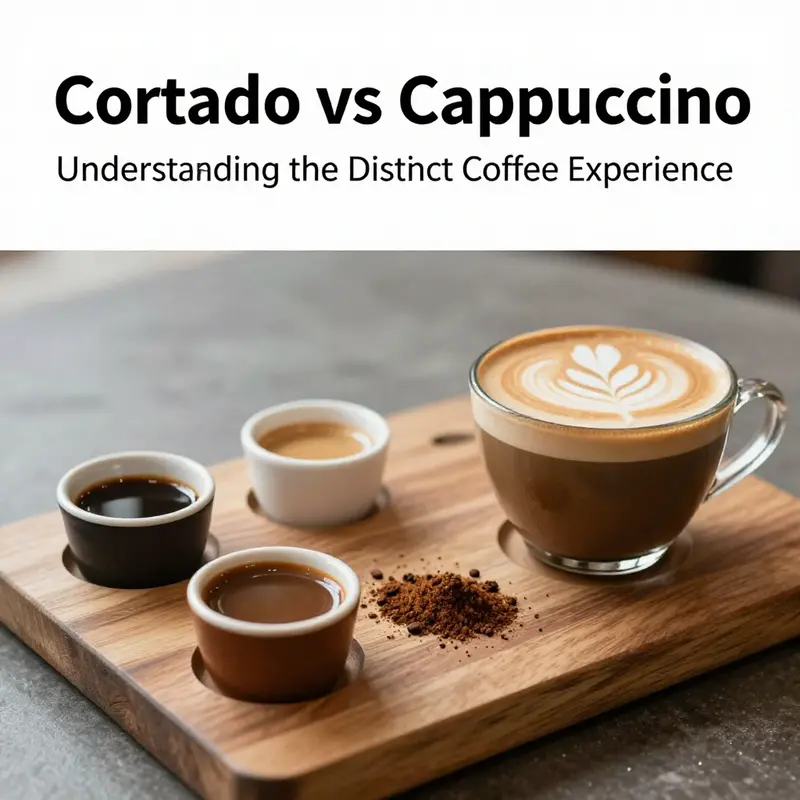
当咖啡的香气沿着杯沿升起,Cortado 与 Cappuccino 便在同一壶热气里展开两种不同的表达。前者源自西班牙巴斯克地区,其核心理念是用少量热牛奶来削弱浓缩咖啡的尖锐,名字中的 cortar 有切断、中和之意。后者则来自意大利,凭借厚厚的奶泡和细腻的分层,成为早餐桌上的经典形象。把两者并排看,仿佛在同一壶热情里放了一把不同风格的调味:一份是直接、干净的酸甜与苦香的交错,另一份是光滑、丰盈与温暖的奶香。
在比例上 Cortado 通常是1:1,甚至可以是1:0.5,强调的是等体积的浓缩与牛奶之间的直接平衡。Cappuccino 则遵循1:1:1的经典结构,浓缩、热牛奶和厚奶泡各占同等体积,形成一个三层的口感框架。这样的差异直接映射到口腔中的第一感受:Cortado 的入口是咖啡风味占主导,随之而来的温热牛奶温和地收束酸味与苦味,而 Cappuccino 的首口就被奶泡的空气感与乳脂感包裹,咖啡的存在被柔软地扩散开来。
奶泡的厚薄是最直观的区分。Cortado 倾向极薄甚至没有可见的泡沫,牛奶与咖啡在杯中实现近似一体化。喝起来像是直接吞下了一份温热的浓缩酒体,不追求拉花的视觉效果。Cappuccino 则以厚实、绵密而持久的奶泡著称,泡沫像顶上一朵雪软的云,入口第一感受是顺滑和奶香,随后才是咖啡的苦甜在口腔中缓慢展现。这样的质地让 Cappuccino 成为许多人心中的“奶香咖啡”,也因为泡沫的存在而更易产生仪式感。
在味道层次上,Cortado 更像是一场有边界的品鉴。牛奶的加入削弱了酸度,让烘焙香、果香与隐含的苦甜更清晰地呈现。你会感觉到咖啡的核心被温柔地保留,牛奶只是让风味轮廓更圆润而不过度膨胀。相对地,Cappuccino 的味道会显得更柔和、全局更甜润,奶香几乎成为主角,酸味与苦味被奶泡的质地缓和,整杯饮品像是咖啡与奶的合奏。对于喜爱甜润口感、或在早晨需要久一点时间去慢慢醒来的饮者,Cappuccino 的体验往往更具吸引力。
从文化角度看,Cortado 的小杯子与微泡在很多地区被视为快速而专注的尝试。它更强调咖啡本身的风味,而不是花式表现,常在工作间隙或与朋友短暂对话时享用。杯型通常是小巧的玻璃杯,直观地呈现饮品的温度与浓度,一口饮尽后留下清晰的风味记忆。相比之下,Cappuccino 的仪式感更强。大杯、厚奶泡、甚至拉花艺术都成为日常早餐的一部分,让人愿意慢慢品味,从杯口开始到杯底,风味在层层奶泡中延展。
点单时的选择往往取决于当前的口感需求。若你渴望更纯粹的咖啡灵魂、想把酸苦与香气放在前台,Cortado 会是更合适的选择。若你追求奶香的丰富、希望口腔充满顺滑的触感,Cappuccino 提供了更长的尾韵与更温柔的甜感。关于牛奶的分量与泡沫的厚度,Cortado 可以讲究1:1或1:0.5的平衡,甚至要求极薄的奶泡;而 Cappuccino 则可以要求厚奶泡、希望有更明显的奶泡纹理。对热量与糖分有关注的人,Cortado 的牛奶用量自然更控制;若你偏好乳脂带来的自然甜润,Cappuccino 的口感会更贴近这个方向。
两者虽然各有千秋,但都是对意式咖啡传统的不同尊重。Cortado 以短促而直接的风味对话,强调在有限的牛奶中保留咖啡的骨架;Cappuccino 则以泡沫为舞台,打造一种奶与咖啡的和声。对初学者而言,Cortado 的直接性更容易理解与欣赏;对老练品鉴者,Cappuccino 的分层与视觉艺术提供了更大的探索空间。无论从口感还是文化角度讲,这两种饮品都是同一颗咖啡豆在不同脉络中的演绎。
如果你愿意进一步探索两者之间的细节,可以参考更多的对比资源。关于 Cortado 与 Cappuccino 的理解在不同地区存在差异,但核心理念还是围绕咖啡的风味与牛奶的平衡展开。你可以查看这篇对比页面以获得更系统的分析 cortado-vs-cappuccino。
对于热爱阅读的朋友,外部资料也能提供一些科学与实践的视角。一个权威的英文对比页面通过比例、口感笔记和风味描述,帮助读者建立更清晰的认知。进一步阅读可以参考 Serious Eats 的 Cortado vs Cappuccino 页面,以便把理论和味觉体验联系起来:Serious Eats: Cortado vs Cappuccino.
Cup by Cup: The Quiet Craft of Cortado and Cappuccino—How Cup Size, Foam, and Ritual Shape Your Coffee Experience
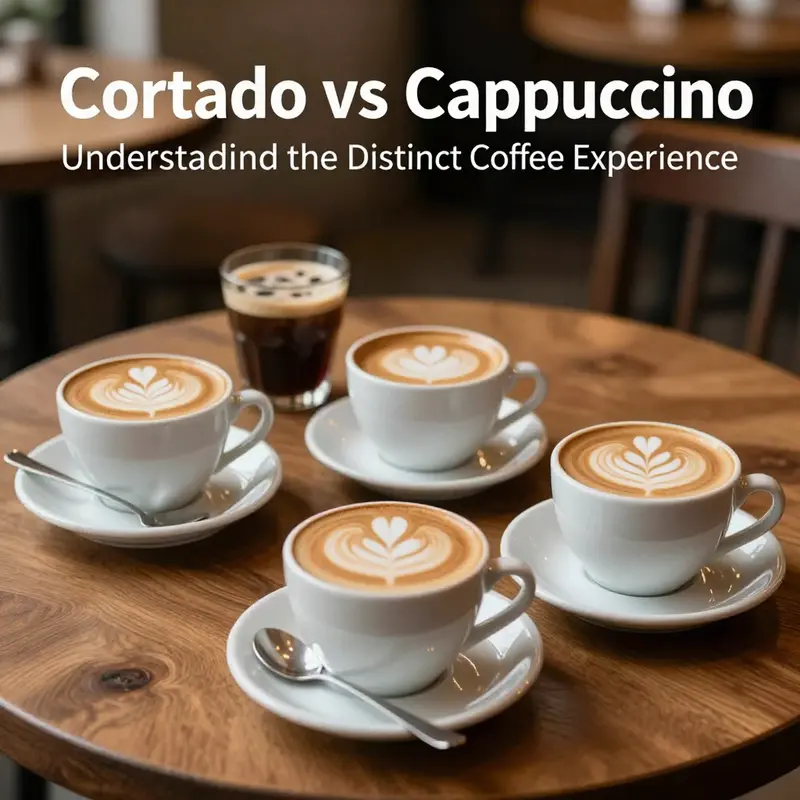
In the familiar world of espresso and milk, two drinks stand as quiet pillars of contrast: the Cortado and the Cappuccino. They share a foundation—strong espresso, steamed milk, and a desire to soften the edge of caffeine with warmth and cream—but they diverge in a way that speaks volumes about what coffee can be in a single moment. This divergence is not merely about taste; it is about the cup, the temperature, the texture, and the ritual that frames every sip. To understand why one is perceived as bold and concise while the other feels expansive and ceremonious, we start with the most tangible difference: the cup itself. Cortado arrives in a small glass or a compact ceramic vessel, typically around ninety to a hundred and thirty milliliters. The intention is precise: a balance that allows the espresso to retain its identity while the milk tames its sharpness just enough to invite a longer, calmer dialogue with the palate. Cappuccino, by contrast, calls for a larger vessel, usually a standard espresso cup or a larger mug, ranging from roughly one hundred eighty to two hundred forty milliliters. This bigger stage matters. It gives space for a thick, foamy crown that does more than decorate; it defines how aroma travels, how warmth lingers, and how the mouth fills with a soft, buoyant texture before the coffee asserts itself.
The ratio tells a parallel story. In the Cortado, the classic 1:1 proportion—espresso to hot milk—creates a compact, almost surgical blend. The aim is almost surgical in its intention: to cut the coffee’s natural bitterness with a measured slice of milk, producing a drink that remains coffee-forward yet smooth enough to drink in one or two cycles of a quick coffee break. In practice, you might encounter variations such as 1:0.5, where a touch more coffee breathes through the milk’s gentleness, but the essence stays one of controlled intensity. There is little to no foam in this drink; the milk is liquid and integrated, chosen not to float a cloud above the surface but to weave through the coffee like a silken thread. This is the core of Cortado’s philosophy: the milk is a solvent and the drink’s architecture rests on a clean, uninterrupted line of flavor.
Cappuccino plays on a different stage. The recipe is famously explicit: roughly equal thirds of espresso, steamed milk, and a distinct layer of thick, velvety foam. The foam is not a garnish but a sculpted element that shapes the entire experience. It acts as a soft lid that traps aroma and cushions the force of the first sip, offering a creamy entrance before the liquid coffee beneath meets the tongue. The foam’s texture—dense, airy, almost marshmallow-like—transforms the moment of the first contact with the lips into a tactile pleasure. It is a form of theater, a gentle show of foam that invites the drinker to savor not only the taste but the sensation of the mouth filling, the lips parting, and the cup warm against the fingertips. In that sense, Cappuccino is less about masking coffee’s bite and more about orchestrating a symphony of textures that accompany the coffee’s evolving flavor.
The physical shape of the cup amplifies these intentions. Cortado’s small vessel is not just a matter of portion control; it constrains the experience to a brief, concentrated window. The heat remains more intense, and the scent—where the roasted notes rise and mingle with the tiny stream of milk—hits sooner. One can imagine the Cortado as a compact, high-energy fragment of a longer conversation with coffee. Cappuccino’s larger cup creates a slower initial impression. The foam acts as a volumetric cushion that delays the abrupt arrival of caffeine’s bitterness, while the warm milk folds into the coffee more gradually, allowing aromas to ride the air longer and giving the drinker a moment to anticipate the bottom layer—the espresso itself—without rushing through it. The foam’s presence also makes the drink visually generous; the surface becomes a canvas, and the act of pouring and, in many places, the art of latte decoration, turns the beverage into a small performance as much as a drink.
Temperature and timing are subtle but persistent forces in both drinks. Cortado is designed for rapid consumption—an almost brisk exchange with caffeine. The milk, heated but not scalding, neutralizes the high notes just enough to avoid sharp bitterness while preserving coffee’s core character. The clock is brief: a Cortado should be enjoyed while the temperature still invites a clean, almost bright profile from the espresso. Cappuccino, conversely, benefits from a slower, ongoing warmth. The steam-warmed foam acts as insulation; as you pause between sips, the foam’s upper layer remains responsive to your breath, releasing aroma over time while the coffee below maintains a comforting, soothing rhythm. In practice, the drinking tempo becomes part of the drink’s identity. Cortado asks for quick, deliberate tasting—sip, savor, and move on. Cappuccino asks for a rhythmic ritual—sip, allow the foam to mingle with the aroma, then sip again, letting the layers reveal themselves gradually.
This distinction has broad implications for how the drinks are perceived in different coffee cultures. A Cortado is often associated with a sharp, direct coffee moment—a compact balance that travels well, perhaps as a mid-morning pause or a quick pit stop that still respects the integrity of espresso. Its presentation suits a cafe culture that values speed, precision, and a no-fuss approach to coffee flavor. The Cappuccino carries a different cultural weight: it speaks to a ritual of morning and social space, where the drink becomes a centerpiece for conversation and a visual reward—a foamy crown that invites admiring glances as much as it invites the palate to indulge. The sensuality of the foam, the fragrance of steam, and the soft creaminess of the milk layer all conspire to create a sense of ceremony around an everyday shot of caffeine.
There is also a practical social dimension to how these drinks influence order and expectation. When someone orders Cortado, the ask is often for a bold, intact coffee note with a modest dairy touch—“a cortado, no foam if possible” in places where milk foam might be standard. It signals a preference for clarity and balance, a desire to hear the coffee more clearly than the foam’s texture. Requesting a cappuccino, many patrons seek the foam’s texture as part of the drink’s identity, or they may adjust strength by asking for a touch more espresso to keep the coffee character present even through the creaminess. A subtle difference may be rendered in the final taste—roughly, Cortado leans toward “concentrated coffee with a gentle hug of milk,” while Cappuccino leans toward “creamier, more forgiving under the foam.” This makes Cortado a straightforward choice for those who want to taste the coffee’s personality at its core, and Cappuccino a comforting option for those who want a smoother, more indulgent mouthfeel.
For readers who crave context beyond the glass, a deeper, side-by-side examination of these two drinks can be found here: Cortado vs Cappuccino. It lays out the proportions and nuances in a way that complements the physical cues described above, connecting the cup’s shape with the drink’s feel and flavor over the course of a tasting. In the end, the choice between Cortado and Cappuccino comes down to a moment’s preference—whether you want coffee’s intensity tempered by a liquid kiss or a layered experience that marries foam, warmth, and aroma into a longer, ritual-rich encounter. The two drinks reveal, in their own ways, that even within the shared language of espresso and milk, there are many ways to tell a story with a cup.
As this chapter closes, the reader is reminded that the craft of coffee is not only about technique but about choosing a moment and letting it unfold. Cortado offers a compact, precise experience that respects the espresso’s backbone. Cappuccino offers a broader, more expansive experience where foam and milk provide a luxurious frame for the coffee’s character to emerge gradually. Each cup encodes a philosophy: one favors speed and clarity, the other favors ceremony and texture. The next chapter will expand on how different roasting profiles and milk alternatives influence these very differences, inviting a fresh look at how the same base can yield distinct sensory journeys.
External reference: Serious Eats provides a rigorous, research-informed comparison that deepens the distinctions between these two iconic drinks. See their analysis for a broader, palate-driven perspective: https://www.seriouseats.com/cortado-vs-cappuccino
Cortado 与 Cappuccino 的对话:风味、质感与适合人群的最终抉择
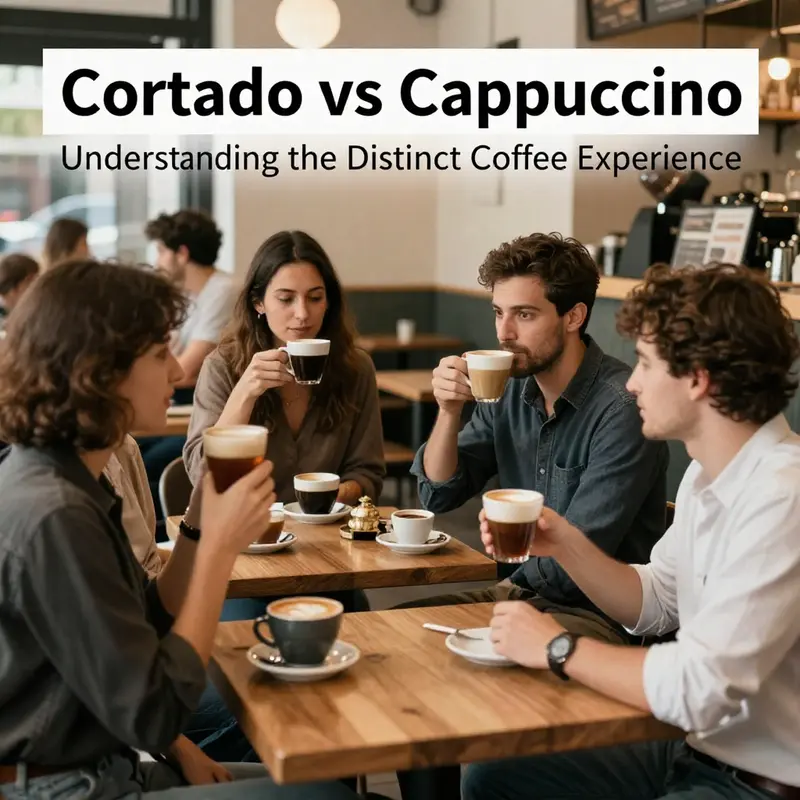
当我们把注意力放在咖啡的日常仪式上时,Cortado 和 Cappuccino 常常像两位性格迥异的朋友,一位偏向沉着而强烈的自我表达,另一位则以温柔而层次丰富的拥抱迎接早晨。它们都源自歧义而迷人的历史脉络:前者在西班牙的巴斯克地区成形,后者则是意大利厨房里升腾的经典香气。两者的差异并非仅仅在于杯子的大小或糖的多少,而是深藏在比例、口感、奶泡厚度和饮用体验中的微妙平衡。理解这场对话,既是品鉴技巧的练习,也是对咖啡本味与奶香之间那条细线的探索。研究对比给出的核心框架告诉我们:Cortado 的目标是以少量热牛奶“切断”浓缩咖啡的苦味,让苦感变得圆润而不被奶味掩盖;Cappuccino 则以厚厚的奶泡为载体,制造出乳脂般的顺滑和层次的叠加。这样的区分并非为了僵化地贴标签,而是在你选择喝哪一杯时,帮助你对当天的心情、时间段和口味偏好做出更贴切的匹配。若你愿意将这场对话放在日常生活的节奏里,Cortado 与 Cappuccino 就像两条并行的路径,分别指向“浓而不苦、柔而不腻”的平衡与“奶香四溢、绵密顺滑”的温柔拥抱。若要深入了解两者的对比,可以把注意力投向一个核心问题:你更想在清晨获得清醒的对话,还是在晨后获得温暖的拥抱?在这一点上,咖啡馆的布局、杯型的选择以及点单的语言都在无形中引导你走向其中之一的体验。为了更直观地把握差异,我们可以把两者放在一个看似简单的对照里:Cortado 的比例通常是咖啡与热牛奶1:1,奶泡极薄,强调液态牛奶与浓缩咖啡的融合感;Cappuccino 则遵循1:1:1的经典分割,奶泡厚度显著,往往还带有拉花的艺术感。这种差异的直接结果,是口感的密度与甜感的分布在舌尖的“分层”体验。正因如此,Cortado 给人一种“浓而不苦、柔而不腻”的即时印象,像是把苦感温和地切开,让咖啡的香气与酸甜在口中持续展开;而 Cappuccino 则像是一部旋律,先被奶香笼罩,随后咖啡的苦香逐渐显现,最后以奶泡的细腻收尾,留下一种回甘的持久感。若你对“口感”的定义偏向强烈的咖啡本味,那么 Cortado 会更符合你对“纯粹与锋利”的追求;若你偏好奶香的包围感与层次的叠加,Cappuccino 的柔滑与甜润则更能满足这份需求。对于日常节奏的影响,杯型的不同也在无声地塑造着体验的节拍。Cortado 常盛放在小巧的玻璃杯中,容量通常在90至135毫升之间,一口或两口就能品尽风味的转折;Cappuccino 则以较大容量的陶瓷杯示人,180至240毫升的身姿让奶泡在舌尖上形成绵密的“云层”,饮用过程自带一种仪式感。正是在这样的杯型与比例组合里,饮用者几乎不需要太多额外的努力就能感知到两杯饮品所传达的不同哲学。也因此,研究对于“适合人群”的判断显得尤为实用而温和。Cortado 的受众往往是偏好浓郁咖啡风味、但不愿被过量奶香淹没的人群;它更像是一条直线,清晰而强烈地描绘咖啡的骨架。对于工作日的早晨,它提供了一个稳定、可控的口味基底,使你在推进任务时不被甜腻的乳香分散注意力。另一方面,Cappuccino 则更易被广泛接受,尤其是那些想要从第一口就感受奶香与甜润平衡的人群。它的奶泡带来的质地感与视觉美感,能够为学习或工作中的短暂放松提供一个“温柔的暂停符”。如果你在热量或糖分方面有考量,Cortado 的牛奶用量通常更可控一些;而 Cappuccino 的奶泡层与薄糖的组合,往往会带来相对更高的能量输出。这并非道德评判,而是对个人节奏与生活方式的一种对齐。在点单层面,理解这两杯饮品的差异也能帮助你更自如地表达口味偏好。例如,若在欧美咖啡馆想要接近 Cortado 的风格,可以简短地说出“我想要一杯 Cortado,最好不带奶泡”;若想让 Cappuccino 更显浓郁,你可以在点单时请求“稍多一点 Espresso 的强度”。这类对话虽简短,却在跨文化场景中起到了关键的作用。为了方便读者在实践中快速对照,我们不妨把核心要点记在心里:Cortado 注重“咖啡本味的平衡”,奶泡极薄,杯量小;Cappuccino 注重“奶香与口感的叠层”,奶泡厚,杯型更大,视觉与口感都更具仪式感。你若追求仪式感与视觉美感,Cappuccino 的拉花艺术就像一个精心设计的开场白;你若追求“干净而直接的咖啡对话”,Cortado 则像一位冷静的对话者,给你一个不被华丽修饰的咖啡体验。关于这点的更深讨论,已在相关对比页面中展开,读者可以在这里进一步浏览 Cortado vs Cappuccino。与其将两杯饮品视为对立的选择,不如把它们看成两种不同的情绪入口。早晨的阳光透过玻璃杯的边缘, Cortado 让你在第一口就感知咖啡的重量与温度的平衡;而 Cappuccino 的泡沫像一层轻雾,将你带入一个缓慢展开的香气与口感叠加的旅程。若你愿意用心去感受这两种语言的差异,日常的点单、家中的冲煮、甚至是街头咖啡馆的简短对话,都会变成一本关于“风味与情感”的微型手册。用力与温柔在这个议题上并非对立,而是两种表达的不同渠道: CORTADO 是对“强度与清晰”的坚持, CAPPUCCINO 是对“层次与安抚”的追求。对于正在阅读本文的你,这场对话或许并非要给出一次性答案,而是让你在不同情境下,能够自如地选择那一杯最契合心情的饮品。若你想把这份理解带入更广泛的咖啡学习路径,历史与比例的交叉探讨往往最能帮助你建立一个稳定的判断框架。外部资源也能提供更广的视角,例如,若你对 Cappuccino 的历史演变和全球化进程感兴趣,权威的百科条目会给出系统性的梳理。外部参考: https://en.wikipedia.org/wiki/Cappuccino。
从牛奶的微妙切割到奶泡的云端:深探 Cortado 与 Cappuccino 的差异与点单之道
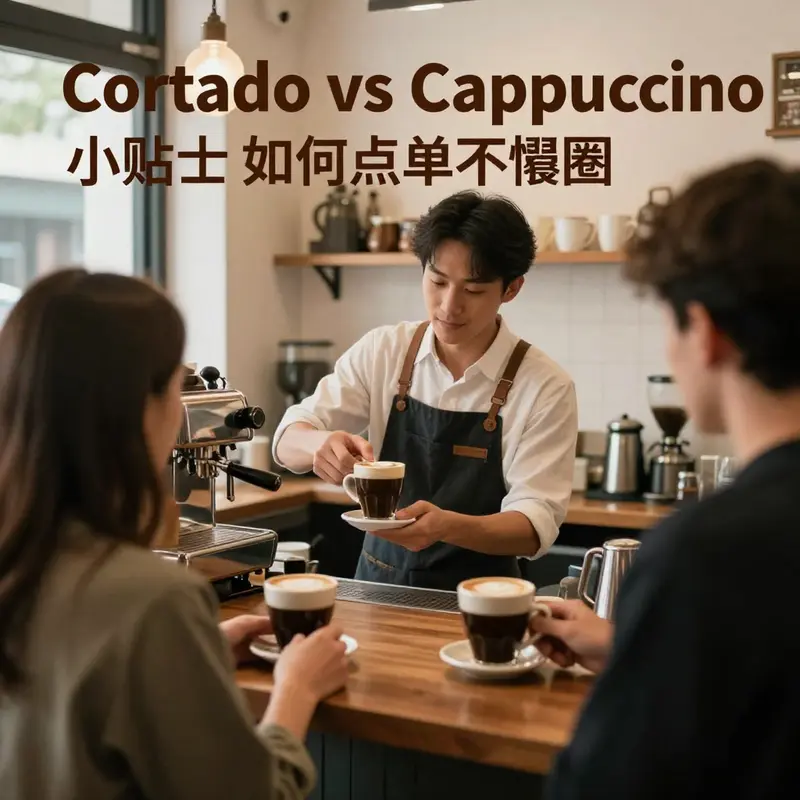
Cortado 的核心在于极简而明确的配比与质地。它通常以等比的热牛奶与浓缩咖啡相遇,常见的比例接近1:1,甚至有1:1.0的经典版本。这意味着口感中的咖啡风味并不会被大量牛奶稀释到几乎无感,反而被热牛奶的顺滑和温度稳定地包裹,酸苦被削减,呈现出一种“浓郁且圆润”的状态。这种平衡有时被描述为“像液体的拿铁与纯 espresso 之间的一座桥梁”,它让你在品尝时直接感受到咖啡本身的香气、甜感和回甘,而不被厚重的奶泡所遮蔽。另一方面,Cortado 的奶泡几乎是零,或者只存在极薄的一层。没有泡沫的存在,使得口腔接触的是牛奶与浓缩咖啡的直接融合,液体的质地更接近于奶油状或接近乳状,入口顺滑而迅速,与 Cappuccino 的层次感形成鲜明对照。杯型方面,Cortado 常在小巧的玻璃杯或小瓷杯中呈现,容量通常在120到180毫升之间,紧凑的份量也让品饮节奏更趋短小而专注。正是这一点,使 Cortado 更像是一次“闭环的品鉴”——你几口就能喝完,迅速感受到咖啡的浓度、酸度与奶味的边界,而不被体积所拖拽。Cortado 的这一特质也常被视为“介于浓缩咖啡本味与拿铁柔和之间的一种选择”,适合在追求咖啡香气同时又不愿被大量奶泡遮蔽的人群。若把目光从口感转到风味高度,Cortado 的呈现更强调咖啡的风味轮廓:清晰、直接、并带有温和的甜感中和酸苦的冲突,层次感分明而不分离。对一些喝咖啡寻求“浓而不苦”的体验者来说,它是一种极具吸引力的选项。在实际点单时,若想避免奶泡,简单地说明你想要 Cortado、并尽量要求“不要奶泡即可”。这类需求在不同咖啡馆的执行程度会有微小差异,但核心原则始终是保持牛奶与咖啡的1:1 融合,而不借助丰厚奶泡来增添口感表层。Cortado 的定位也提醒我们,点单并不仅仅是选择一种饮品,更是在阐释你此刻对口感密度、香气强度、与口腔内的触感的偏好。相对地,Cappuccino 则以截然不同的方式打开另一扇门。它的经典魅力在于“1:1:1 的三要素”——等量的浓缩咖啡、热牛奶与蓬松奶泡,且奶泡的厚度通常达到1到2厘米的云朵般高度。这样的奶泡层不仅给人以视觉上的丰满感,更在口腔内创造出独特的口感分层。入口首先感受到轻盈的奶泡,像是一层薄薄的毯子把咖啡与牛奶之间的边界拉得更远,随后是温热的牛奶的圆润和中和,最后才是浓缩咖啡的深层味道逐渐显现。奶泡的存在让 Cappuccino 的口感显得更加“柔和而上口”,这也帮助它成为很多早餐时段的“奶香味道的代表作”。不同于 Cortado,Cappuccino 的杯型更大、重量更显著,常以陶瓷杯呈现,杯壁的温度也会影响奶泡的保持与口感的展开。有时,熟练的调制者会在表面拉出花纹,形成视觉与味觉的双重享受。尽管拉花艺术本身并非 Cappuccino 的必然条件,但它确实成为了许多咖啡馆的仪式感表达,提醒人们这不仅是一杯饮品,也是一次对技巧与美学的致敬。Tasting 的角度看,Cappuccino 给人的总体感受是“咖啡味被奶香包裹得更为广泛”,奶泡的脂肪带来天然的乳甜,口感圆润且层次丰富,但这也意味咖啡的强度在一定程度上被稀释。若你偏好强烈的咖啡精神、而不想被乳脂与泡沫过度分散注意力,Cortado 的风味轮廓更容易清晰地站上前台。对比之下,若你偏好奶味与口感的叠加,以及希望通过泡沫寻求一种“云端的触感”, Cappuccino 则更能满足这种需求。不同地域的呈现也会带来变体。某些地方的 Cortado 可能更接近 Flat White 的风格,带有轻微泡沫或不同的1:0.5 的配比浮动;而 Cappuccino 的奶泡厚度与杯型也会因店而异,甚至有较大杯的版本以适应本地消费习惯。这种多样性并不削弱两者的核心而是扩展了理解的空间。对点单来说,明确你的口味偏好是关键。若你想要“浓郁的咖啡味且口感顺滑”,Cortado 是更稳妥的选择;若你想要“层次丰富、奶香充盈并带有花样拉花的展示”,Cappuccino 将更契合你的心情。点单时的小技巧也值得保留。若想要 Cortado,直接表达“我要 Cortado,尽量不要奶泡”;若想要 Cappuccino 的标准结构,可以以“要有厚厚奶泡、咖啡味不过于稀释”为指引,确保得到符合预期的口感。需要注意的是,Cortado 的定义在全球并非完全统一,个别地区的制作可能与上面的描述略有出入,向店员确认该店的 Cortado 做法仍然是一个明智的步骤。总之,Cortado 和 Cappuccino 之间的差异并非谁更好,而是你此刻的心态与场景。若问自己需要的只是“咖啡的风味更直接、牛奶的干净柔滑更少阻碍”,就选 Cortado;若渴望“奶泡与咖啡的交响、视觉上的仪式感与口感的多层次”,Cappuccino 将给你答案。关于两者的对比和点单细节的进一步深入,可以参阅一篇关于 Cortado 与 Cappuccino 对比的权威分析,以扩展对比例与风味的理解。更多细节与对比分析,请参阅 cortado-vs-cappuccino。同时,若你愿意进一步探索权威的英文研究与实证描述,可以参考独立的咖啡研究资源,例如 Serious Eats 关于 Cortado 与 Cappuccino 的对比文章,它以图示、比例分析和品鉴笔记系统地呈现两者的差异,提供科学与实践相结合的视角: Serious Eats: Cortado vs Cappuccino。这两条资源互为补充,帮助你在不同场景下做出更自信、更加符合个人口味的选择。
Final thoughts
In conclusion, the Cortado and Cappuccino offer distinct experiences that appeal to different customer preferences and cultural contexts. By understanding their origins, flavor profiles, serving styles, and target demographics, business owners can tailor their coffee offerings to create a more satisfying customer experience. Whether it’s the bold essence of the Cortado or the creamy comfort of the Cappuccino, having this knowledge positions your coffee business to better cater to a diverse clientele and elevate the overall coffee experience. Embrace these insights to showcase variety and quality in your menu, driving both customer satisfaction and loyalty.