
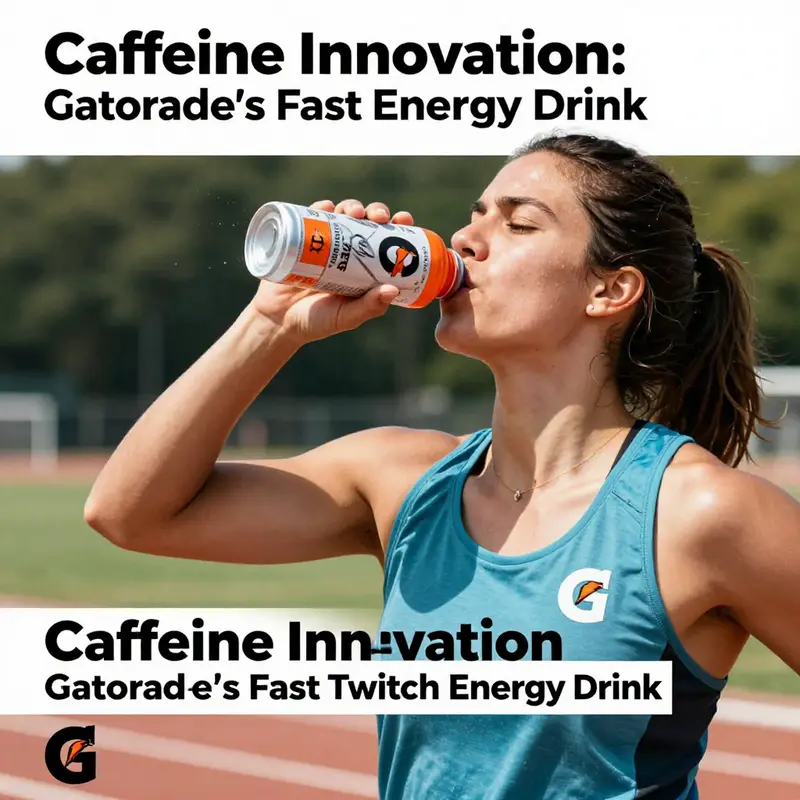
Caffeine has emerged as a crucial component in the modern sports beverage landscape, particularly with Gatorade’s Fast Twitch Energy Drink. As many business owners in the fitness and wellness industry navigate the growing demand for products that fuel performance, understanding the role of caffeine in Gatorade can reveal insights that help shape their offerings. This article delves into the specifics of Gatorade’s caffeinated variant, its effects on athletic performance, and how it stands against conventional energy drinks. Each chapter will provide business owners key information to leverage caffeine strategically for their product lines.
Is Caffeine in Gatorade? Untangling the Fast Twitch Narrative from Hydration Realities
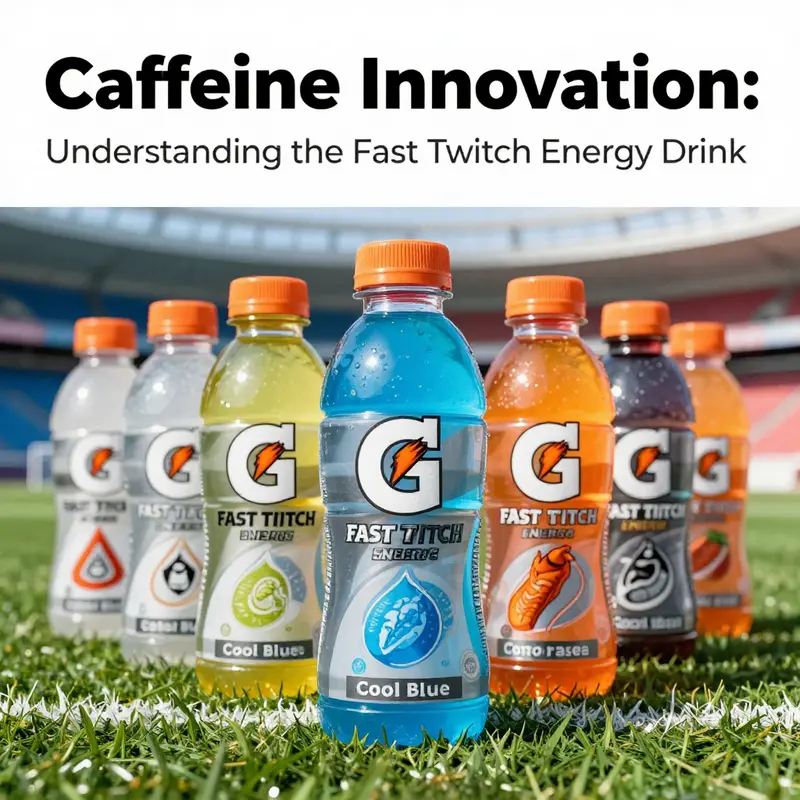
Across the gym floors, sideline benches, and training rooms, a persistent question travels with athletes and curious readers alike: does caffeine live in Gatorade? The straightforward answer, based on current product formulations, is that the standard Gatorade lineup is caffeine-free. This clarity matters because hydration and energy are two different tools in an athlete’s arsenal. Hydration beverages are designed to restore fluids and electrolytes, supporting performance by maintaining blood volume and regulating temperature. Caffeine, by contrast, is a stimulant that can alter perception of effort and momentarily boost alertness. The two functions can complement each other in a well-designed plan, but they belong to different product categories. The wider Gatorade family does include caffeinated offerings in some markets or under certain product lines, which adds to the confusion on shelves and in conversations. It is worth naming this distinction early so readers can navigate the label jungle with confidence: if you want hydration first, caffeine-free is the default; if you want caffeine for a separate purpose, that caffeine should come from a clearly labeled caffeinated product, not your everyday hydration drink.
Caffeine’s role in athletic performance is nuanced. It is a central nervous system stimulant that can reduce the perceived effort of exercise and may improve time to exhaustion in endurance activities for some athletes. Yet caffeine’s effects are dose-dependent and highly individual. Habitual caffeine users may experience enhanced performance at certain doses, while non-users might feel jitters or stomach discomfort. Importantly, caffeine does not automatically derail hydration. Modern research suggests that moderate caffeine intake does not cause meaningful dehydration in the context of regular training and hydration practices. The practical upshot for athletes is that caffeine can be a performance tool for some, but it is not a universal prerequisite for hydration. When caffeine is present, it is a separate variable to manage in the broader fueling and recovery plan, not a default component of hydration drinks.
The core Gatorade mission centers on refueling more than stimulating. Sodium, potassium, and other electrolytes in Gatorade help replenish what is lost through sweat, supporting plasma volume, muscle function, and thermoregulation during high-intensity activity. The formulas are calibrated to restore balance quickly, with simplicity and reliability in mind. In this light, caffeine would be out of place as a default ingredient; the emphasis remains on fluids and electrolytes rather than on a stimulant effect. This separation is not a mere branding choice. It reflects fundamental differences in how a beverage supports the body under heat, fatigue, and exertion. The result is a product family where the standard beverage remains caffeine-free, giving athletes a predictable hydration tool that does not introduce stimulations into the daily training cycle.
Where the narrative becomes more intricate is in the broader portfolio that carries the Gatorade name beyond the familiar electrolyte drinks. In some markets and product lines, caffeinated options exist alongside hydration beverages. In those cases, caffeine is an intentional ingredient with a different purpose and labeling. The caffeinated variant is designed for energy and focus rather than to function solely as a hydration solution. This distinction is important because readers should not assume that all Gatorade-branded products share the same formulation. When caffeine appears on a label, it marks a shift from hydration-focused benefits to stimulation-based effects. For athletes balancing caffeine intake with hydration planning, this means reading the label carefully and recognizing that the brand name alone does not guarantee a uniform formulation across products. A practical approach is to verify the ingredients list rather than relying on branding alone. If you want to verify caffeine content directly, see Does Gatorade contain caffeine? The link provides a focused look at how caffeine appears, or does not appear, across the lineup. Does Gatorade contain caffeine?
The existence of caffeinated options within a brand that is otherwise known for hydration can fuel confusion, especially for teams that standardize their fueling protocols. When coaches or nutritionists design an intake plan, they often prefer to separate hydration from energy products. Hydration strategies hinge on fluid balance, electrolyte replacement, and a steady supply of carbohydrates in some formulations, but without the variability that caffeine introduces. The caffeine-containing products, if used, require careful timing relative to training, competition, and sleep. A late-day caffeinated drink can disrupt sleep, which in turn can impair recovery and next-day performance. In contrast, caffeine-free hydration drinks support consistent recovery routines, sleep quality, and daily training loads without introducing stimulants that could interfere with rest.
The practical implication for readers is straightforward. If your goal is to maximize fluid intake and electrolyte replacement during exercise, choose the caffeine-free Gatorade or similar hydration-focused beverages. If caffeine is part of your plan for a separate energy boost, you should source a clearly labeled caffeinated product and account for its dose, timing, and potential effects on sleep. The dichotomy is not about a hidden caffeine content in a hydration drink but about recognizing different product purposes within a brand’s portfolio. This distinction helps athletes, coaches, and everyday readers align their intake with the physiological needs of their workouts while avoiding unintended stimulant exposure.
In practice, the label is king. The ingredients list tells you exactly what is in the bottle. The serving size and caffeine content, if present, are disclosed there. Since caffeine can influence alertness, performance, and sleep, its inclusion in a beverage requires deliberate planning. A hydration-focused drink relies on water, salts, and carbohydrates in a formula that keeps the body circulating and cooling efficiently. A caffeinated energy drink, by contrast, may rely on caffeine, additional carbohydrates, and flavorings to support an energy boost or cognitive alertness. Reading the label is a habit worth cultivating for any athlete who manages performance, recovery, and sleep.
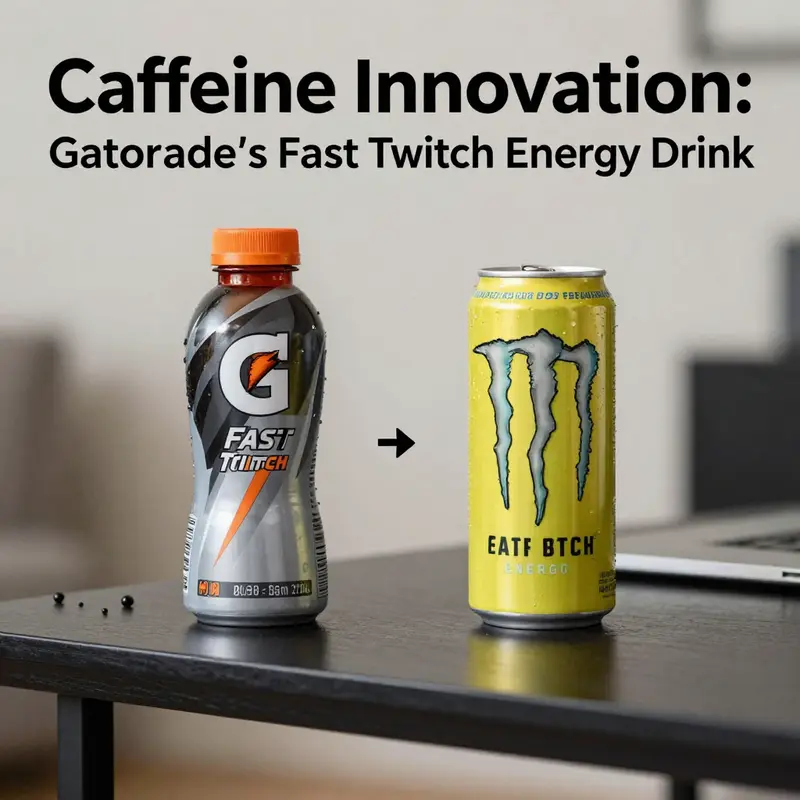
For readers seeking a direct, practical confirmation, the literature and official sources emphasize the same point: standard Gatorade beverages remain caffeine-free. This consistency supports users who aim to hydrate during workouts without the risk of unintended stimulation. At the same time, the broader portfolio may contain caffeinated products marketed in different ways, where caffeine is intentionally included and clearly identified. The contrast is instructive: it clarifies how a brand can span multiple product categories while retaining clear boundaries between hydration and energy products. This clarity can empower consumers to tailor their choices to personal tolerance, performance goals, and daily schedules.
To further ground this discussion in accessibility, consider the importance of how questions arise in the first place. People often encounter headlines or social media posts that imply a straightforward yes or no regarding caffeine in Gatorade. In reality, the situation is more nuanced, shaped by regional product lines, formulation updates, and the distinction between hydration beverages and caffeinated energy products. The best practice is to treat caffeine as a separate variable from hydration. Hydration is the body’s fluid maintenance system. Caffeine is a stimulant with potential performance benefits for some and sleep implications for others. Each has a distinct role, and each should be chosen with the context of training, competition, and recovery in mind.
If you want to verify the exact caffeine status for a given bottle, the best resource is the product label and the brand’s official information. For a broader, independent check that addresses common questions about Gatorade and caffeine, readers can consult dedicated articles that summarize ingredient disclosures and provide practical guidance on label-reading. This approach helps separate rumor from fact and supports readers in building hydration plans that are precise and reliable. The ultimate goal is to equip readers with a clear framework: hydrate with caffeine-free beverages during physical activity, use separate caffeine sources when needed, and always read the label to confirm the caffeine content. In doing so, athletes can optimize hydration while controlling caffeine exposure and sleep quality.
In conclusion, the central question is less about a blanket confirmation that caffeine is or is not inside every Gatorade bottle and more about understanding the product family’s structure. The standard electrolyte drinks are caffeine-free, designed to maximize hydration and electrolyte balance during exercise. Caffeinated offerings exist within the brand’s broader portfolio, but they belong to a separate category and are clearly labeled as such. This distinction matters for athletes who need precise control over caffeine intake and for readers who seek clarity in labeling. By approaching product choices with label literacy, readers can separate hydration needs from energy needs and plan accordingly for training days, competition schedules, and sleep health. For those who want a quick reference, the official brand site remains the most reliable source for current formulations, while specialized articles can help interpret labeling in everyday terms. In the end, hydration remains the core function, and caffeine, when used, is a separate variable to manage with intention. External resources can provide further verification and context, including guidance from the brand’s own information hub. See the official site for the most up-to-date details: https://www.gatorade.com
null
null
null
null
Final thoughts
As the landscape of athletic performance continues to evolve, the inclusion of caffeine in products like Gatorade’s Fast Twitch Energy Drink represents a strategic shift towards combining hydration with energy. For business owners in the sports and fitness sector, understanding this dynamic can guide product development and marketing strategies aimed at maximizing athlete performance. Embracing the potential of caffeinated hydration solutions could provide a competitive edge, empowering consumers to enhance their workouts while meeting their hydration needs.