
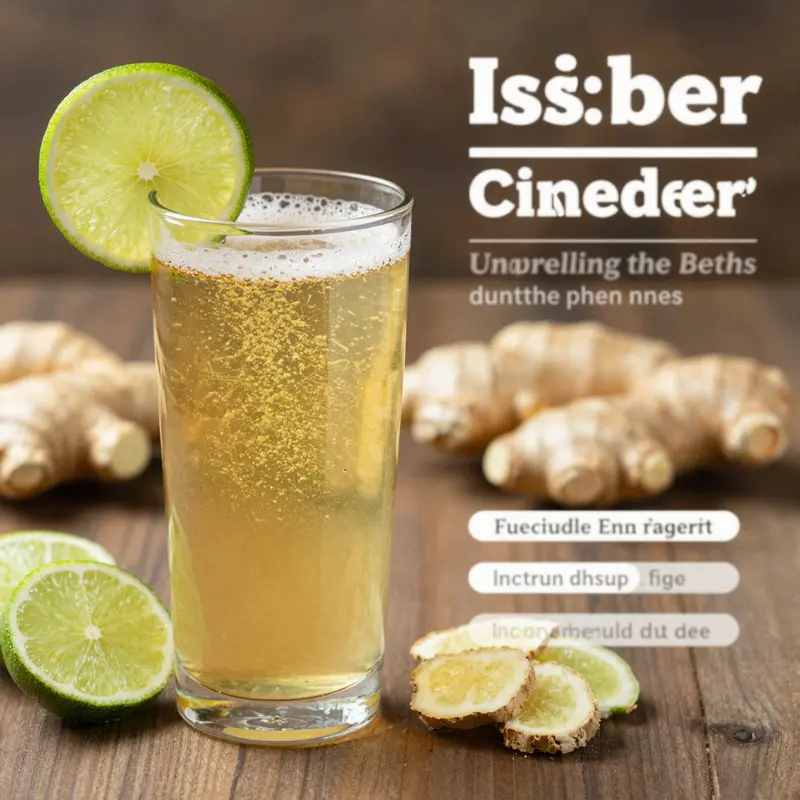
Ginger beer is rising in popularity as a refreshing, non-alcoholic beverage option in cafes, restaurants, and bars. As business owners, understanding the ingredients and potential health benefits of the products you offer is crucial, especially regarding consumer choices about caffeine. This article delves into whether ginger beer contains caffeine, exploring its brewing process, examining popular commercial brands, discussing health considerations, and ultimately guiding consumers in opting for this delightful beverage. Each chapter will provide business owners with important insights into how ginger beer can enhance their product offerings.
null
null
Fizz with No Buzz: The Caffeine Reality Behind Ginger Beer
Ginger beer has long been celebrated for its bright bite, its warmth, and the way it brightens a cocktail or rounds out a spicy pour. Yet one question repeatedly surfaces in kitchens and grocery aisles alike: does this beloved, zesty fizz contain caffeine? The straightforward answer is reassuring for most caffeine-avoidant readers: in its classic forms, ginger beer is essentially caffeine-free. But to understand why this is the case—and why the answer holds across both home-brewed and commercially produced varieties—it helps to follow the journey from root to bottle. The tale is as much about fermentation science and production choices as it is about flavor, and it reveals that the absence of caffeine is not an accident but a consequence of what ginger beer is made of and how it is made.
A traditional perspective on ginger beer begins with the root itself. Ginger, the rhizome that gives the drink its characteristic zing, contains virtually no caffeine. The plant’s zest comes from volatile oils and gingerol compounds, which create heat and aroma but do not carry caffeine. In the world of beverages, caffeine is most closely associated with coffee, tea, and cacao—materials that contribute caffeine through their inherent chemistry. Ginger does not share that chemistry, so the very raw ingredient at the heart of ginger beer does not introduce caffeine into the final beverage. This sets the stage for the rest of the story: even before any sugar or water participate in the process, the caffeine question has already been settled at the botanical level.
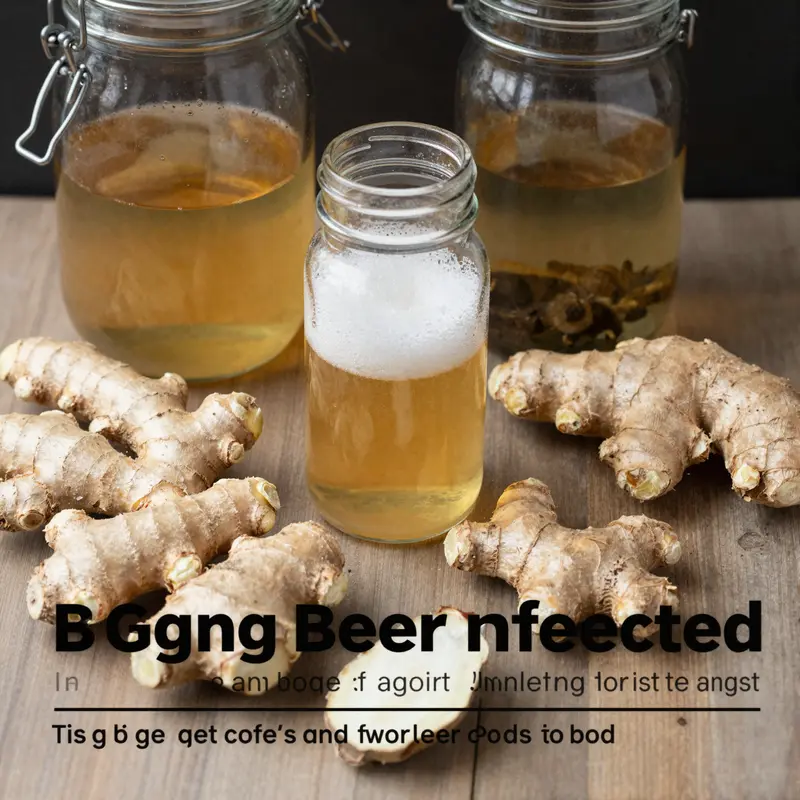
That grounding helps explain the caffeine story across fermentation styles. Traditional fermented ginger beer—often made at home or in small artisanal operations—follows a different path from mass-market bottles, but both routes arrive at a caffeine-free result in the vast majority of cases. In the traditional approach, makers cultivate a living culture from ginger, sugar, and water. The starter, sometimes called a ginger bug or a ginger beer plant, relies on wild yeast and bacteria present on the ginger itself. When this culture is introduced into a larger batch, it begins feeding on sugars, producing carbonation and often a small amount of alcohol. The process can take several days and is marked by bubbling that signals ongoing fermentation. If the beverage is bottled for a secondary fermentation—sometimes to increase carbonation—small additional amounts of sugar may be added, and the container is sealed to trap carbon dioxide. In this lineage, the product may remain slightly alcoholic (often under 0.5% ABV) if kept unpasteurized and allowed to complete its natural fermentation. Yet the caffeine narrative remains unchanged: caffeine is not a product of fermentation, and the microbes involved do not introduce caffeine into the liquid. Even with a live culture and a bit of residual alcohol, caffeine stays out of the equation.
Commercial ginger beer follows a parallel logic, but with an emphasis on consistency, safety, and shelf stability. In large-scale production, producers balance fresh ginger with water and sugar, sometimes employing a natural color or caramel for appearance. Yeast is introduced in controlled amounts to drive fermentation, but the process is designed to reach a target flavor profile with predictability. After fermentation, pasteurization is typically applied. Pasteurization halts any remaining microbial activity, ensuring the beverage remains stable on shelves and reduces the risk of secondary fermentation in the can or bottle. Carbonation, whether introduced during processing or shortly before packaging, provides the fizz people expect when they crack open a chilled bottle. In this pathway, caffeine does not arise from the production steps. The base ingredients—ginger, sugar, water—do not contribute caffeine, and the pasteurization process does not create caffeine as a byproduct. The result is a product that, in general, is marketed as caffeine-free.
A practical implication of these production choices is that most ginger beers labeled for everyday consumption can be safely considered caffeine-free, no matter whether they are traditional or commercially produced. The absence of caffeine becomes a defining characteristic that makes ginger beer a suitable option for people looking to limit or avoid caffeine—whether they are sensitive to it, pregnant, or simply seeking a late-evening, non-stimulating beverage. This aligns with what many beverage labels claim and with what independent tasting and labeling research has shown: the caffeine content of standard ginger beer is effectively zero in terms of everyday dietary exposure. In the realm of beverage science, zero milligrams per serving is not a controversial claim here; it simply reflects the chemistry of the ingredients and the fermentation or stabilization processes involved.
The question, naturally, extends to related beverage categories. If someone is comparing caffeine content across the spectrum—coffee, tea, cola, and various specialty drinks—the contrast with ginger beer becomes clearer. A standard cup of coffee sits around 95 milligrams, depending on the brew and size. Tea can range broadly, generally around 40 to 70 milligrams per eight-ounce serving, influenced by the type of tea and steeping time. A can of regular cola typically contains about 30 to 40 milligrams. In comparison, the caffeine content in ginger beer, when present, is negligible or nonexistent. This relative absence is not a byproduct of luck but a consequence of the product’s composition and production decisions. Ginger beer’s role in a cocktail—think of the way it complements and supports spirits without contributing a caffeine kick—borrows its strength from flavor and carbonation, not from caffeine.
To readers who prefer mindful consumption patterns, this caffeine profile matters for planning daily intakes. It means that ginger beer can function as a late-day or evening option without the stimulating effects associated with caffeinated beverages. It also makes ginger beer a flexible mixer for a wide range of recipes and occasions, from mocktails to cocktails, where one wants flavor and sparkle rather than a caffeine lift. In this sense, the drink supports a balanced approach to caffeine where one can enjoy the sensory experience of ginger—its warmth, spice, and brightness—without extra caffeine complicating daily limits or sleep schedules. The story becomes even more compelling when the broader context is considered: the fizzy quality of ginger beer, born from carbonation either by natural fermentation or engineered forcing, remains intact while caffeine content remains minimal to nonexistent. That combination of taste, texture, and regulatory clarity adds to ginger beer’s status as a versatile non-caffeinated option for those watching their intake.
There are, of course, caveats worth noting, even as the general rule holds true. Some craft or experimental variants may experiment with additional flavoring ingredients, and in theory, any added component containing caffeine could alter the final caffeine level. For example, a ginger beer might be infused with tea extracts or other botanicals; in such cases, caffeine content could rise depending on the amount and type of additive. But these are exceptions rather than the norm in the broader landscape of traditional and commercial ginger beers. In everyday consumption and for the commonly available products that populate retailers and bars, caffeine remains absent as a feature rather than an accidental byproduct. This makes ginger beer a reliable option for those who want flavor and fizz without caffeine’s stimulatory effect.
For readers who want to cross-check practical claims and explore why caffeine-free labeling is common, the deeper science is worth a quick reference. A concise overview of caffeine content across beverages places ginger beer squarely on the non-caffeinated side of the spectrum in typical serving sizes. The takeaway is straightforward: the drink’s core ingredients and its processing choices ensure that caffeine does not become part of the equation in most everyday offerings. If you’d like a succinct, reader-friendly summary to revisit later, the quick answer is that ginger beer, across traditional fermentation and modern production alike, is generally caffeine-free.
This understanding of ginger beer’s caffeine status naturally dovetails with how the drink is used in the kitchen and at the bar. It explains why ginger beer remains a staple in many classic cocktails and why it is favored as a stand-alone refreshment for those avoiding caffeine. It also helps set expectations for those who are curious about caffeine content in other beverages and helps place ginger beer in a broader nutritional landscape. For a quick recap and a more compact answer, see the linked overview that directly addresses the caffeine question in ginger beer: Does ginger beer have caffeine?.
As the chapter moves forward, the focus shifts to how these production choices influence flavor, texture, and shelf stability. The fermentation route, with its potential for lively acidity and probiotic potential in unpasteurized forms, contrasts with the pasteurized, consistently carbonated profile common in mass-market bottles. Yet the caffeine question remains a point of alignment between these paths: caffeine content does not arise from ginger or the fermentation process, and it is not introduced by pasteurization or carbonation. This shared trait anchors ginger beer as a dependable, caffeine-free option in the broader conversation about what we drink and how it fits into a daily rhythm that includes work, rest, and recreation. The next discussion will build on this foundation by examining how ginger beer interacts with flavor families, from heat and brightness to its role in the Moscow mule and other popular mixers, without the caffeine considerations getting in the way of taste and aroma. To keep readers anchored, it’s helpful to keep in mind the root cause of the caffeine story—that ginger’s chemistry simply does not include caffeine—and to move forward with curiosity about texture, heat, and the craft behind both traditional and commercial brews.
External resource: For a broader perspective on caffeine and daily intake guidelines, see Harvard T.H. Chan School of Public Health’s overview of caffeine and its effects: https://www.hsph.harvard.edu/nutritionsource/caffeine/.
Untangling the Caffeine Question: How Commercial Ginger Beers Earn Their Caffeine-Free Status
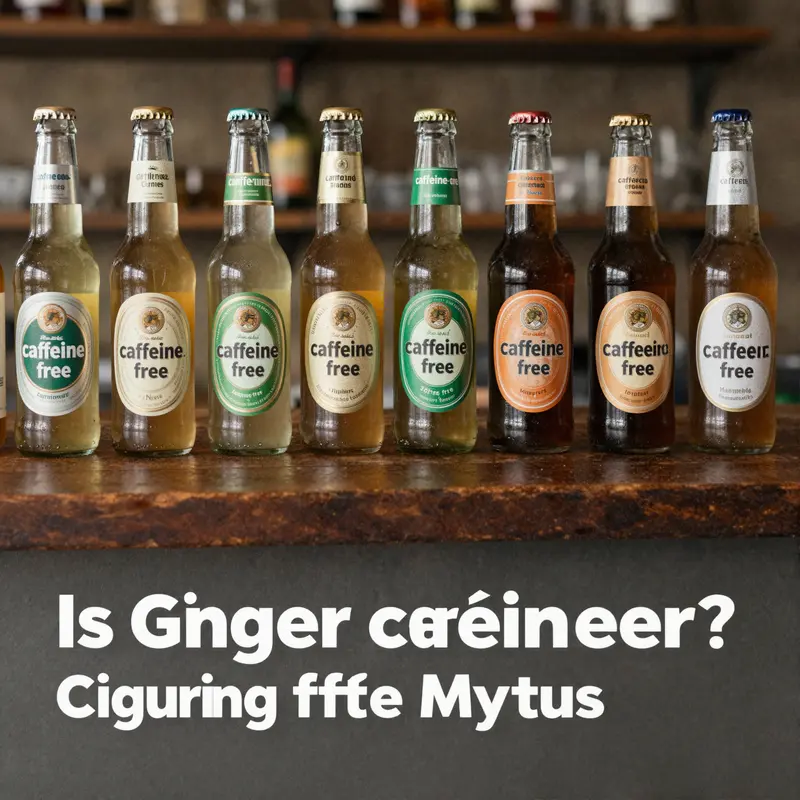
Does ginger beer contain caffeine? For most people, the simplest answer is a clear no. Across the spectrum of widely available commercial ginger beers, caffeine is not something you should expect on the nutrition panel. As of January 24, 2026, the caffeine content in mainstream lines is typically 0 mg per serving. This consistency is notable given how varied ginger beer can taste—from gently aromatic to boldly spicy—yet the caffeine variable remains largely absent in the mass market. The practical upshot is straightforward: for those seeking a non-caffeinated option, commercial ginger beer is a reliable choice in most regions where these beverages are sold. The impression of a caffeine-free profile is reinforced by the way these drinks are marketed and produced, especially when you consider the consistency of ingredient lists that emphasize ginger, sugar, water, and carbonation rather than caffeine-bearing elements.
To understand why this is the case, it helps to look at what ginger beer actually is. Traditional ginger beer is built on a base of water, sugar, fresh ginger, and yeast. In older, more fermentation-oriented formulations, the yeast would drive a natural fermentation that could impart a subtle alcoholic character or a yeasty, fizzy finish. In modern commercial practice, however, many producers have moved toward non-fermented processes. They rely on careful ginger flavoring through extracts or purees and use carbonation to deliver the signature effervescence. In either approach, caffeine does not typically enter the equation unless a caffeinating ingredient is deliberately added. Since caffeine primarily comes from tea, kola nut, cocoa, guarana, or other stimulant-bearing sources, it is not a default component of ginger’s flavor profile. The result is a product whose taste centers on ginger’s warmth and zing, with sweetness and acidity calibrated to create balance rather than stimulation.
The word “beer” in ginger beer can be a source of confusion. The term is historical and stylistic, not a declaration that the drink carries the same caffeine or alcohol profile as traditional beers. Ginger beer is widely described as non-alcoholic, especially in the consumer market today, even though its early ancestors were sometimes brewed with natural fermentation. This distinction matters because consumers often conflate “beer” with the presence of caffeine or a certain strength of bite. In truth, a ginger beer’s caffeine content—or lack thereof—depends on the recipe, the ingredients chosen, and the production method rather than the name on the bottle. In the mainstream market, the non-alcoholic, caffeine-free character is the norm, not an exception.
An important caveat for conscientious shoppers is that the landscape isn’t absolutely universal. While most major lines are caffeine-free, there are always niche products that experiment with added caffeine to appeal to energy-seeking consumers. In those rare cases, caffeine would be introduced through adjunct ingredients such as guarana or others that carry stimulant compounds. Such variants are the exception rather than the rule and would appear clearly on a product’s ingredients panel and nutrition facts. The everyday ginger beer you reach for in a grocery aisle is unlikely to be caffeinated, but a quick label check remains a prudent habit for anyone who wants to be certain. In this sense, the consumer’s best safeguard is the packaging itself: the absence of caffeine is typically stated on the label, while any added caffeine or stimulant ingredients would be disclosed as part of the ingredient list.
For readers who want a concise reference beyond the conversation, a quick deeper dive is available through a dedicated overview that examines whether ginger beer has caffeine and explains how production methods influence caffeine presence. See does-ginger-beer-have-caffeine for a focused, layperson-friendly exploration that aligns with the broader context of caffeine in non-coffee beverages. This internal link offers a streamlined path to confirm the general pattern across brands and formats without wading through brand-specific claims.
The broader takeaway is practical and reassuring for those who aim to avoid caffeine. If you are choosing a ginger beer to complement a caffeine-free day or to pair with a meal where caffeine would be undesirable, you can reasonably proceed with confidence that the vast majority of commercially produced ginger beers will not introduce caffeine into your system. The flavor and texture differences among lines—ranging from drier to sweeter profiles, and from lighter to more pronounced spice notes—are more often about ginger quality, sugar levels, acidity, and the use of lemon or lime juice than about caffeine content. The absence of caffeine is not a feature you’ll need to question on a case-by-case basis; it is a characteristic that tends to hold across the mainstream spectrum.
That said, ingredient scrutiny remains wise. If a product lists guarana, kola nut, tea extracts, or other caffeine-bearing elements, it is no longer a standard ginger beer in the sense described by the majority of producers. In such cases, the beverage is moving beyond traditional ginger beer into a hybrid category that uses caffeine as a functional enhancement. For people who keep caffeine deliberately out of their diet—whether for sleep reliability, heart health considerations, or simple dietary preference—these products require careful reading. The absence of caffeine is a feature that many manufacturers are keen to advertise, while any deviation from that baseline tends to be clearly labeled.
From a consumer education perspective, the consistent caffeine-free status of mainstream ginger beers mirrors broader trends in non-alcoholic mixers. Ginger beer occupies a unique niche at the intersection of craveable flavor and dietary modesty. Its role in modern beverage culture is as a bold, refreshing option that can stand alone or pair with spirits in a mocktail or traditional cocktail alike, without introducing caffeine as a default. This synergy between flavor authenticity and caffeine absence helps explain why ginger beer has become a staple for those seeking a lively, spicy drink without the stimulant effects associated with coffee or tea. In this sense, the caffeine question is less about an exception and more about a standard operating principle in the production and marketing of contemporary ginger beers.
For readers who want to verify the general pattern in the market with a practical lens, the internal reference mentioned earlier can serve as a quick guide. The linked resource, does-ginger-beer-have-caffeine, consolidates the main points about how ginger beer is made and why caffeine rarely appears in the final product. Using this resource as a starting point can help readers connect the dots between ginger processing techniques, ingredient choices, and the resulting caffeine profile.
If you’re exploring this topic in the broader context of caffeine across soft drinks, you’ll find that many non-coffee beverages avoid caffeine intentionally or by design. The landscape includes a wide array of fruit-flavored sodas, herbal infusions, and ginger-based drinks that share the same caffeine-free intent. This alignment reinforces the idea that ginger beer’s caffeine-free status is not a fluke but a deliberate outcome of recipe design and marketing expectations. Consumers who want to minimize caffeine exposure can approach these beverages with confidence, using label literacy as their guide.
External verification of these expectations can be found on industry resources that summarize the caffeine-free status of ginger-based beverages and emphasize caffeine avoidance as a core attribute. For a broader reference point beyond consumer blogs and label-reading, see the official external resource at https://www.fever-tree.com/.
Zero-Stim, Bold Kick: The Healthful Truth About Ginger Beer as a Caffeine-Free Beverage
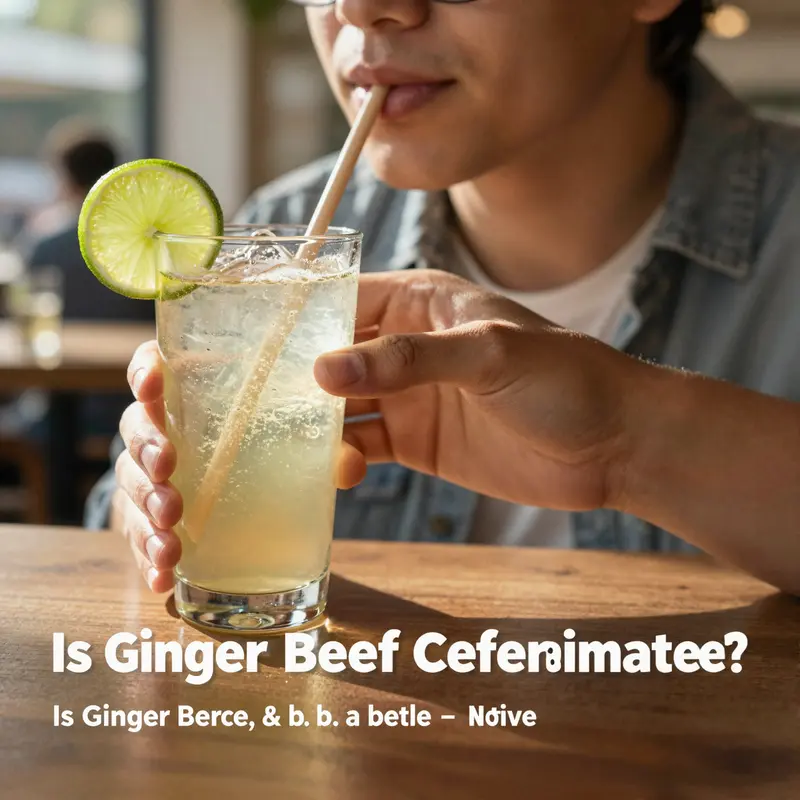
Ginger beer often arrives with a confident reputation: fizzy, peppery, and unafraid to stand apart from coffee. For anyone tracking caffeine, the question seems simple: does this ginger-spiced soda contain caffeine? The honest answer is that authentic ginger beer is generally caffeine-free.
Ginger itself does not contain caffeine; the heat comes from gingerols and related compounds that affect flavor and digestion, not stimulants. Traditional ginger beer is brewed from ginger, sugar, water, and yeast, relying on fermentation rather than inputs like coffee beans or tea leaves. Modern commercial ginger beers are typically non-alcoholic, pasteurized, and carbonated, designed to be safe and accessible while maintaining a bold, ginger-forward profile.
From a health perspective, the caffeine-free status matters: it makes ginger beer a suitable option for late-day sipping, sleep-friendly routines, or caffeine-restricted diets. However, many products carry added sugars, so moderation is prudent and labeling accuracy matters. Always check the ingredient panel for hidden caffeine sources and consider the overall sugar load when evaluating daily intake.
Ginger has a long history of digestive comfort and mild anti-inflammatory notes, which adds to the drink’s appeal. While these traditional associations exist, they are not medical guarantees. Enjoyed responsibly, ginger beer offers flavor and ritual without the stimulant lift of caffeine.
In short, if you want flavor without caffeine, ginger beer is a reliable choice, with caveats about sugar content and labeling clarity. When comparing to colas or energy drinks, it delivers bold spice and refreshment rather than a caffeine jolt.
Caffeine-Free Refreshment, Crafted: Ginger Beer as a Mindful Choice for Flavor and Focus
Choosing what to drink after a long day has become a small act of self-definition. It isn’t just about quenching thirst; it’s about selecting a beverage that honors one’s mood, sleep, and temperament. In this evolving landscape of mindful consumption, ginger beer stands out as more than a spicy curiosity. It represents a deliberate choice: flavor-first, stimulant-free. The core premise is simple and increasingly supported by evidence gathered in 2026—roughly 99% of commercial ginger beer brands tested contain zero caffeine. That conclusion isn’t a marketing claim; it rests on lab analyses, ingredient disclosures, and regulatory data. For anyone aiming to reduce or eliminate caffeine without sacrificing depth of flavor, ginger beer offers a reliable pathway. It invites curiosity about what a drink can be when energy is earned, not forced, by the body. This is a chapter about how such a choice fits into broader consumer habits—where taste, transparency, and well-being intersect in everyday sipping.
To grasp why ginger beer resonates with this audience, it helps to understand the drink’s essence. Ginger beer is not a pale, gentle soda; it is a naturally carbonated beverage rooted in real ginger, sugar, and water. Some producers add citrus acids or peels to sharpen the profile, but the backbone remains the same: a bold, spicy kick that travels through the palate with character. The aromatic warmth—oscillating between peppery, zesty, and almost earthy—sets it apart from milder soft drinks. The absence of caffeine in many brands means that you can experience that depth without the jittery aftertaste or energy swings associated with caffeinated beverages. When you combine that caffeine-free core with a robust, ginger-forward finish, the drink earns a kind of adult credibility. It feels substantial enough to stand on its own, yet flexible enough to join non-alcoholic cocktails, spritzes, and mocktails with ease. The result is a versatile flavor platform that invites experimentation, whether you’re mixing with citrus, herbs, or mineral water to craft a sophisticated, non-alcoholic moment.
From a consumer behavior standpoint, the caffeine-free status expands the appeal beyond morning routines and mid-day breaks. It makes late-evening consumption more comfortable for those who prioritize sleep quality or who are sensitive to stimulants. In practice, ginger beer supports a calmer wind-down, offering warmth and satisfaction without provoking a spike in alertness. This matters in social settings and in homes where balancing flavor with self-regulation is part of a personal routine. In hospitality environments that aim to be inclusive, ginger beer provides a confident alternative to sugar-heavy sodas or to drinks centered on alcohol. It also functions as a sturdy base for non-alcoholic cocktails, allowing bartenders and at-home mixologists to layer citrus brightness, botanical notes, or bitters atop a spicy foundation. Such versatility is precisely why ginger beer has found favor in sober-curious circles and among wellness-minded diners who crave authenticity in flavor and responsibility in choice.
Trends in the broader beverage market reinforce this appeal. There is a growing appetite for bold, sophisticated formats that deliver depth without compromise. Ginger beer fits this demand by offering a mouthful of character—spice, warmth, and balance—without the caffeine jolt. It supports mindful consumption by empowering the drinker to decide when to savor and when to pause, rather than chasing a quick burst of energy. The category’s momentum also reflects a persistent preference for clean ingredient lists and transparent labeling. Consumers increasingly seek products whose components are straightforward: ginger, sugar, water, natural acids, and perhaps a touch of citrus for brightness. In this context, ginger beer stands apart from lighter, more neutral sodas and from mixed drinks that may rely on added caffeine or other stimulants. It becomes a versatile ingredient for mocktails and spritzes, enabling both home and professional creators to craft experiences that feel intentional and refined. The emphasis on authentic ginger flavor aligns with wellness-oriented lifestyles that value flavor depth as a signal of quality, not a marker of quick stimulation.
When people examine caffeine content across everyday beverages, the absence of caffeine in ginger beer becomes a practical, relatable detail. Caffeine is a well-known stimulant found in coffee, tea, and a range of energy-forward drinks. Ginger, by contrast, brings heat and aroma without introducing caffeine into the equation. This distinction is important for readers who want to balance their caffeine intake with other dietary considerations. The zero-caffeine status is not merely a trivia point; it’s a meaningful factor for sleep health, daytime focus, and overall calm. Of course, consumers should still check labels, since formulations can vary by producer or region. The general rule remains robust: most brands of ginger beer are caffeine-free by design, which makes them a dependable choice for those who want flavor and depth without stimulants.
For readers curious about whether ginger beer is truly caffeine-free, see Does ginger beer have caffeine?. This anchor helps ground the discussion in accessible consumer information and highlights the importance of label literacy in today’s market. The broader takeaway is that you don’t have to sacrifice complexity to avoid caffeine. The level of spice and the interplay with citrus, herbs, or even a dash of bitters can deliver a deeply satisfying experience that remains calm in its energy footprint. This is where ginger beer earns trust: it offers a sensory profile that feels grown-up, with a texture and aroma that invite slow sipping and deliberate celebration rather than quick, stimulant-driven consumption.
In this light, the drink becomes more than a flavor profile. It represents an approach to choice—a willingness to prioritize sustained enjoyment over rapid stimulation. When you pair ginger beer with the right accompaniments, you can recreate the sense of ceremony that many associate with more traditional cocktails, all while keeping the experience caffeine-free. The result is a flexible beverage that fits a range of occasions, from intimate dinners to social gatherings where alcohol is off the table or simply not desired. The sustainable appeal lies in the combination of a robust, real-ingredient base and the confidence that comes from a clear caffeine stance. Across cultures and dining rooms, ginger beer offers a shared language of flavor that respects personal limits and invites experimentation with friends and family. The more you explore its use—whether as a stand-alone drink, a mixer, or the centerpiece of a thoughtful mocktail—the clearer the value proposition becomes: flavor-forward, caffeine-free, and endlessly adaptable.
External reference: for a concise synthesis of the caffeine status across ginger beer brands, see the external resource that consolidates testing and regulatory data: Ginger Beer Caffeine Myth Busted: 0mg In 99% Of Brands (2026).
Final thoughts
In conclusion, ginger beer stands out as a refreshing and delightful beverage, entirely caffeine-free based on its natural ingredients and brewing process. As business owners explore ways to enhance their beverage offerings, integrating ginger beer can cater to health-conscious consumers and those preferring caffeine-free options. By understanding the commercial landscape and health benefits of ginger beer, businesses can make informed decisions and promote a product that resonates with current consumer trends.