
Understanding the caffeine content in popular beverages like Mountain Dew is critical for business owners in the food and beverage industry. With different varieties offering varying levels of caffeine, this article explores how these differences can impact consumer choices and business strategies. In the first chapter, we break down the caffeine content across Mountain Dew’s various formulations. Following that, we will consider the health implications of caffeine consumption associated with these drinks. The third chapter will compare Mountain Dew’s caffeine levels with similar beverages in the market. Finally, we’ll delve into consumer perceptions about caffeine levels in Mountain Dew, illustrating how these perceptions can shape marketing and sales strategies.
The Caffeine Map of Mountain Dew Varieties
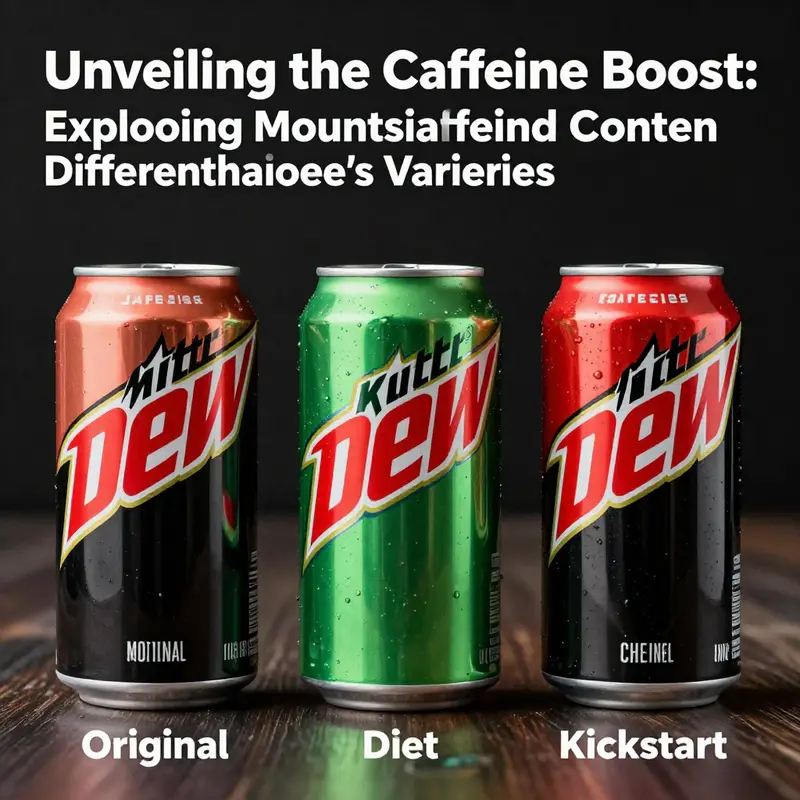
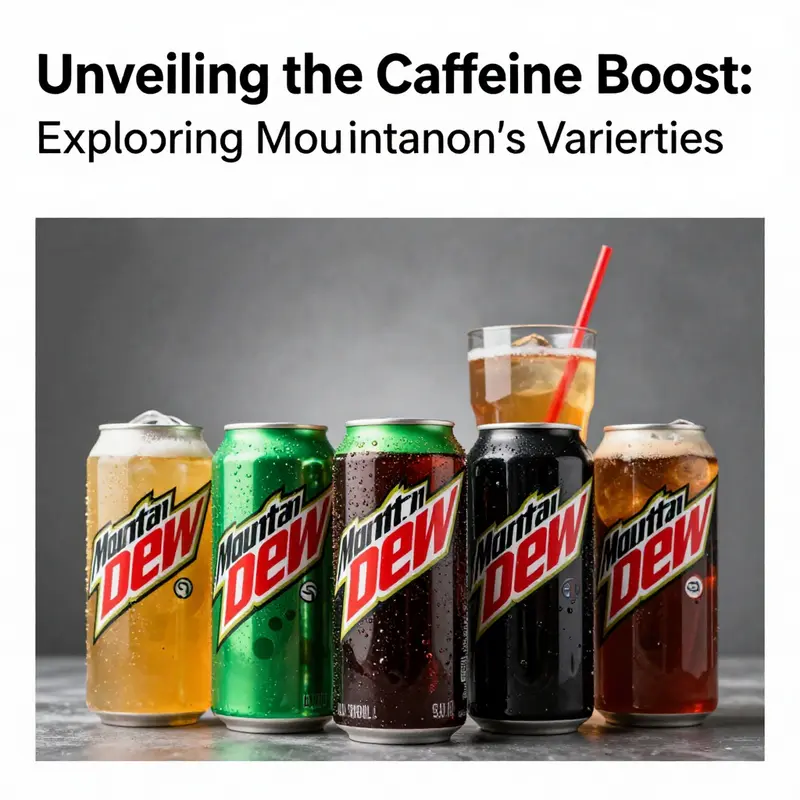
Mountain Dew caffeine content provides a reliable lift in the standard 12-ounce can, typically around 54 to 55 milligrams. This places it between a small cup of brewed coffee and many energy beverages, offering a brisk but manageable alertness level for most adults.
Some variants come in larger formats, such as a 16-ounce can carrying about 92 milligrams of caffeine, which yields a higher per-serving intensity when you drink more liquid.
Volume matters: the same base formula in a larger can raises total caffeine, while the flavor profile remains distinct across varieties. Seasonal or specialty lines may shift the caffeine slightly, so checking the label is a good practice if precise dosing matters for you.
From a practical standpoint, consumers can think in terms of per-serving caffeine: roughly 54–55 mg per 12-ounce can, with more caffeine available in larger formats. Plan your daily intake accordingly to match tolerance and health considerations.
Stimulation, Sugar, and Sleep: Health Implications of Mountain Dew’s Caffeine Load
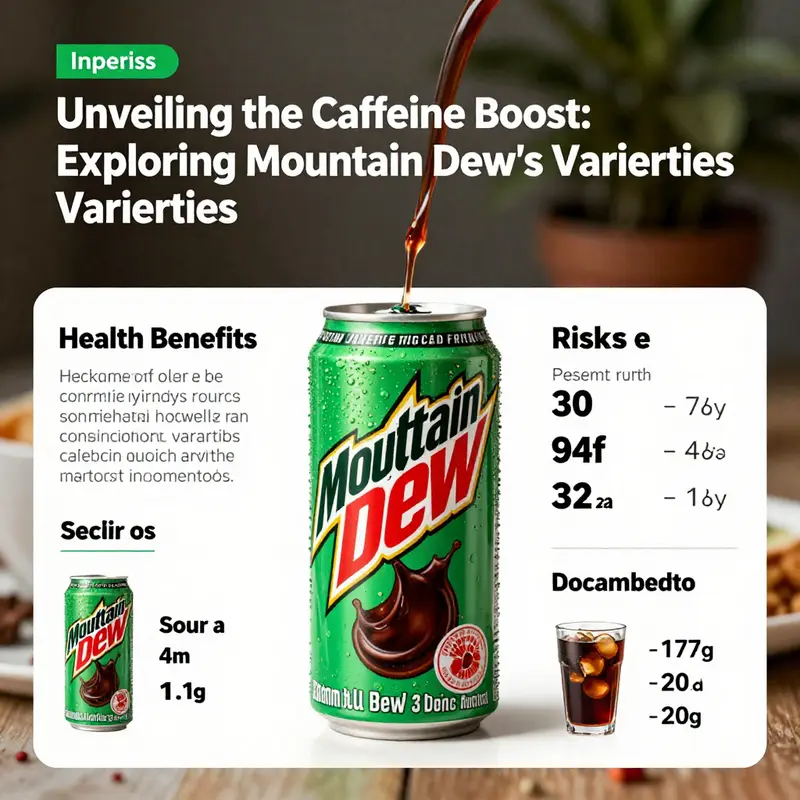
Caffeine in everyday drinks often feels like a familiar companion, a quick boost that becomes routine before the workday even properly starts. Yet when that stimulant sits inside a beverage that also carries a hefty sugar load and a sharp acidity, the health implications become more layered than a simple pick-me-up. This chapter digs into what the numbers say, what they mean for real-life health, and how people can navigate a habit that blends taste with a measurable physiological jolt. At the heart of the discussion is a 12-ounce can that contains about 54.8 milligrams of caffeine, a figure that places this classic citrus-forward drink well above the caffeine found in many other soft drinks. A close variant, the Diet version, clocks in at roughly 55.2 mg per 12 ounces, showing that the presence of sugar or its absence does not dramatically alter its stimulant strength in this case. A different product line, Mountain Dew Kickstart, which is marketed as an energy-infused variant, pushes the caffeine ceiling higher: about 92 milligrams per 16-ounce bottle. These numbers reflect analyses of prepackaged national-brand and private-label beverages and illuminate a key truth about caffeine exposure in common beverages. The Kickstart formulation’s higher caffeine content aligns with its energy-drink positioning, while the classic flavors maintain a similar baseline that still exceeds many ordinary soft drinks. For a quick reference, see the caffeine content of Mountain Dew. This contrast matters because it is not just the caffeine per se but how it is consumed in combination with sugar, acidity, and habitual use that layers on risk and reward in everyday life.
The health implications of this caffeine profile begin with the straightforward: caffeine is a stimulant. In moderate amounts, it can improve alertness and time-to-task performance, and for many adults, staying within roughly 400 milligrams of caffeine a day is a commonly cited threshold for safety. But the actual effect depends on the whole dietary context—how much caffeine is consumed over the day, what other stimulants are in the mix, and how the body metabolizes caffeine on an individual basis. In the case of Mountain Dew, the relatively high caffeine content in a single serving means that even a few drinks during a single day can push a person toward the upper edges of that moderate range, especially if other caffeine sources are present, such as coffee, tea, or energy drinks. The practical effect is that a person who reaches for one or two 12-ounce cans or a Kickstart bottle in the afternoon may experience stronger stimulant effects than someone who consumes the same beverage only infrequently. The effect is not only about wakefulness; it can extend to heart rate and blood pressure elevations, sleep disruption, and mood fluctuations if intake is inconsistent or excessive. The beverage’s acidity—its pH hovering around 3.3—adds another dimension, particularly for individuals with sensitive digestive systems or those who consume large quantities in a short period. Sugar content compounds the story. While caffeine is the central focus, the metabolic burden of added sugars accelerates glucose absorption, challenges insulin responses, and contributes to energy cycles that can amplify cravings and mood swings later in the day.
A broader view recognizes that moderate caffeine use generally remains safe for most adults, yet the real-world pattern matters. If someone sips a couple of these beverages daily, the cumulative caffeine intake may approach or exceed the recommended daily ceiling. The pattern is especially important for people who have sleep-sensitive schedules, work night shifts, or engage in routines that require steady focus across long hours. In such contexts, the stimulant effect is welcome but not without potential trade-offs, including sleep disturbances that ripple into mood, energy, and even cognitive function the next day. The balance between benefits and drawbacks often hinges on timing and total exposure. The simple arithmetic is telling: a 12-ounce can of the classic version carries about 54.8 mg of caffeine, which is not trivial but still within a level that many people can tolerate in isolation. When the Diet version replicates nearly the same amount, the sugar-free variant removes the extra sugar burden but leaves the caffeine energy intact, maintaining a comparable stimulant profile for those who manage calories as a priority. Kickstart’s 92 mg per 16 ounces, however, translates into roughly six milligrams of caffeine per fluid ounce, a density that can deliver a noticeably stronger lift and a different physiological response over the same time frame.
Beyond the numbers, there is an emerging, more nuanced story in the research landscape about how caffeine interacts with mood and mental health. Some studies have observed a positive relationship between caffeine use among Mountain Dew drinkers and depressive symptoms. Importantly, this association appears to be mediated by withdrawal symptoms that occur when caffeine intake drops, suggesting a complex feedback loop where relief from withdrawal temporarily masks or alters mood states. This does not mean caffeine directly causes depression, but it signals that abrupt discontinuation of caffeine can trigger a symptomatic rebound in some individuals. In addition, at least one study found no clear link between caffeine intake and anxiety levels in this population, underscoring that individual responses to stimulants are uneven and shaped by biology, habitual use, and perhaps concurrent stress or sleep quality. These patterns remind readers that caffeine is not a universal remedy or hazard; its effects ride on personal physiology and daily rhythm, especially when the beverage is consumed as part of a broader dietary pattern.
The story of dependency and withdrawal is another layer worth noting. The relatively high caffeine content in some Mountain Dew products makes withdrawal plausible if intake is suddenly reduced. Common withdrawal symptoms include headaches, irritability, fatigue, and trouble concentrating. For some people, these symptoms can create a self-reinforcing cycle: a morning headache or grogginess prompts another caffeine-containing drink, which then temporarily relieves the discomfort but perpetuates dependence. This dynamic is not unique to this beverage; it reflects caffeine’s well-documented pharmacology, wherein regular exposure leads to adaptive changes in adenosine receptors and neurochemical balance. Yet the practical impact is very real: for those who limit caffeine later in the day or abruptly stop, the early days can feel uncomfortable enough to trigger cravings, and social or work routines can be disrupted as individuals adjust their patterns.
Long-term health considerations emerge when caffeine use is paired with high sugar content. The combination can contribute to metabolic strain that increases the risk for type 2 diabetes and cardiovascular disease over time. The sugar load also feeds the liver’s metabolic burden, which may contribute to non-alcoholic fatty liver disease (NAFLD) in sustained high-consumption scenarios. A practical takeaway is that the risk profile is not determined by caffeine alone but by how caffeine sits inside a package of calories, acidity, and frequency. While a single can can be enjoyed without immediate harm by many adults, habitual consumption in the context of a modern diet—one rich in refined carbohydrates and caloric density—may tilt risks upward for chronic conditions. This is especially pertinent for individuals who already carry risk factors such as family history of diabetes, elevated triglycerides, or liver function concerns. The dental arena adds another clear dimension. High acidity and sticky sugars create corrosive conditions in the mouth that foster enamel erosion and bacterial acid production, potentially accelerating tooth decay with regular, repeated exposure. The restorative costs and the discomfort of dental issues are not merely cosmetic but affect overall well-being, sleep quality, and daily energy levels, which can influence mood and motivation in the long run.
This layered health picture invites practical reflection. For people who enjoy these beverages, mindful consumption is key. Limiting daily intake to avoid approaching the upper edge of caffeine tolerance can help, especially if other caffeine sources are part of the day. Paying attention to timing—avoiding large caffeine doses late in the day—can protect sleep and mood stability. For those seeking to reduce sugar exposure, rotating in lower-sugar or sugar-free options without sacrificing taste can ease the metabolic load. The option to switch to caffeine-free beverages is also a relevant path for individuals who find themselves reliant on stimulants to function across the day. From a dental perspective, balancing consumption with good oral hygiene, water rinsing after acidic drinks, and waiting before brushing can mitigate enamel wear and bacterial growth. Panoramic dietary strategies, rather than isolated beverage choices, tend to yield the most durable health benefits. In other words, the caffeine content in this familiar drink matters, but its impact is amplified or muted by how often it is consumed, what else is in the diet, and how the body handles sugar and acids.
For researchers and readers who want to examine the specifics more closely, these data points offer a concrete anchor. The classic version and the Diet version share nearly identical caffeine levels, while the Kickstart line introduces a higher caffeine tier suited for a different consumer intention. This distinction matters when people plan daily caffeine budgets or when clinicians assess risk around sleep and anxiety symptoms. The practical takeaway remains: awareness of product-specific caffeine content matters, and awareness becomes more powerful when paired with mindful dietary patterns. If you are curious about how many milligrams of caffeine you are ingesting with a particular Mountain Dew product, the linked reference provides a clearer view of product-by-product content and how it compares to other caffeinated beverages within the broader landscape of soft drinks and energy drinks.
In the broader arc of the article, this chapter ties together the chemistry of caffeine with the lived experience of consumption. It underscores that while caffeine can be a harmless ally for alertness, its health footprint grows when combined with sugar, acidity, and habitual use. As readers move forward to compare caffeine exposure across a range of beverages, the evidence here helps calibrate expectations: there is no universal answer about safety or risk, only a spectrum shaped by quantity, timing, and personal health context. The next sections will broaden that comparison, giving readers a framework to evaluate caffeine in everyday drinks beyond Mountain Dew and toward a more informed daily rhythm. For those who want a concise refresher on the caffeine content for Mountain Dew itself, see the linked resource above. And for readers seeking a deeper dive into scientific discussions of caffeine exposure in packaged beverages, including this category, the external study provides a foundational reference: a comprehensive examination of caffeine content across prepackaged beverages and private-label products.
External resource: Caffeine content of prepackaged beverages on the National Center for Biotechnology Information site: https://www.ncbi.nlm.nih.gov/pmc/articles/PMC6909774/
Between Soda Bright and Energy Surge: Tracing Caffeine in a Popular Citrus Beverage
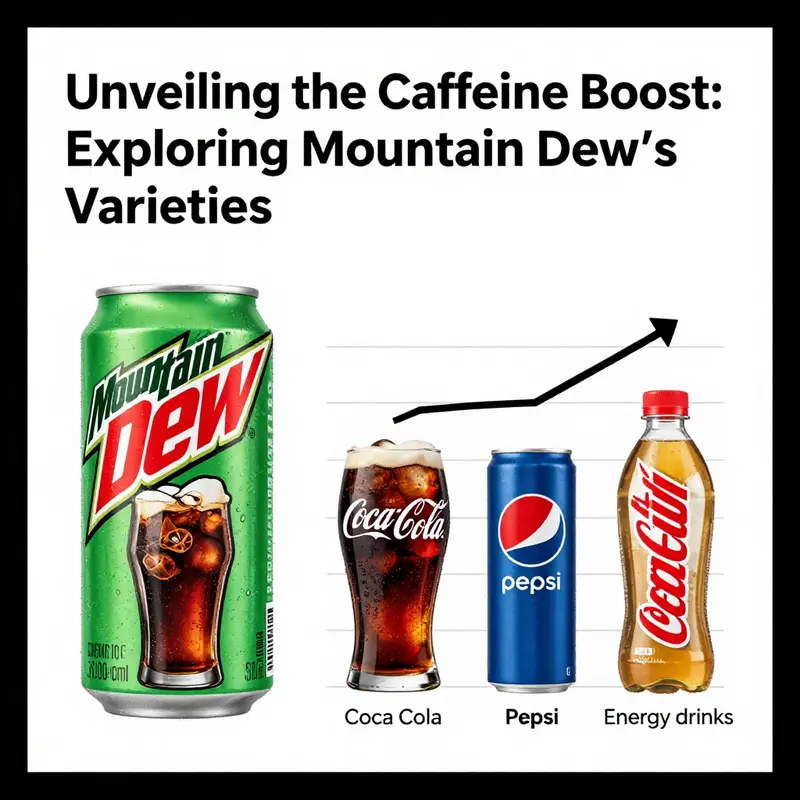
On crowded shelves, a familiar orange-tinted can sits between row after row of soft drinks and energy-boosting blends. What makes this particular citrus-forward beverage stand out is not merely its flavor profile, but the caffeine it carries per serving and how that load shifts with size and formulation. Across the standard 12-ounce serving, the caffeine content lands around 54 mg, a level that places it well above most traditional colas and well within the category of beverages people reach for when they want a noticeable lift without committing to a purpose-built energy drink. A zero-sugar version in the same 12-ounce size nudges the caffeine slightly higher, to about 55 mg, suggesting that calorie-free formulations do not necessarily trim the stimulant kick. Then there is the larger, energy-oriented variant, sold in a 16-ounce bottle, which steps up the caffeine to about 92 mg per bottle. Taken together, these figures sketch a profile that sits in a curious middle ground: not as mild as many standard sodas, but not as high as most dedicated energy drinks. This speaks to a broader question that readers often ask when they encounter such beverages on grocery shelves or coffee shop menus: how does caffeine in this citrus-forward option compare to other caffeinated drinks, and what does that mean for someone choosing a daily or occasional pick-me-up? The data behind these numbers is drawn from analyses of prepackaged national brands and store brands, yet they are also part of a broader conversation about how caffeine content interacts with flavor, price, and the ritual of consumption.
To understand the place of this beverage in the caffeine ecosystem, it helps to situate its numbers within a wider landscape of popular drinks. A standard cola typically delivers caffeine in the mid-30s milligrams per 12-ounce serving. That means the citrus beverage in its classic form already sits above many traditional sodas, offering a more noticeable stimulant effect without pushing into the realm of energy-targeted drinks. When the discussion shifts to energy-dedicated beverages—those formulated with a stronger emphasis on alertness, often in more compact cans—the caffeine load generally ranges from about 80 mg to 160 mg per can, depending on size and formulation. In this context, the 12-ounce classic variant reads as a more modest option, while the 16-ounce energy-oriented variant presents a higher but still accessible level of caffeine that many consumers find easier to obtain in daily life than a larger, higher-caffeine energy bottle. The practical takeaway is that the same flavor, offered in two sizes and two formulations, can deliver a spectrum of stimulant intensity while maintaining the same basic taste profile that attracts a broad audience.
The sensory experience accompanying caffeine in beverages goes beyond the number on the label. Carbonation creates a brisk bite on the tongue, which can amplify the perception of energy even before the caffeine starts to act. Citric acid gives citrus-forward drinks a zing that can feel almost like a quick, fizzy spark in the brain, and the sugar—present in many versions of this beverage—delivers a rapid source of glucose that can contribute to a transient boost in energy and mood. Even in zero-calorie versions, where sugar is absent, the overall mouthfeel and the carbonation-driven effervescence can enhance the sense of wakefulness and alertness. This interplay between flavor chemistry and physiology helps explain why moderate caffeine can feel more immediate in a bright, citrusy base compared with a flat, non-carbonated drink. In practical terms, the combination of a relatively high caffeine load for a non-energy drink, paired with familiar, palatable flavors and a widely accessible price point, makes this beverage a popular option for people seeking a quick lift during work, study, or a busy day that demands sustained attention.
From a health and daily-use perspective, the presence of caffeine in a beverage of this type can influence how people plan their intake. For many, a single 12-ounce serving represents a manageable chunk of caffeine that can be accommodated within a daily limit, particularly when other sources—coffee, tea, chocolate, and certain medications—are accounted for. Yet the larger 16-ounce version, with its higher caffeine content, invites a different calculus. It becomes a trade-off: you swap a longer, more spread-out caffeine experience for a more immediate, concentrated jolt. For readers who are particularly caffeine-sensitive, the higher 92-milligram load in a larger can might be a turning point in deciding whether to reach for the standard version or opt for something lighter, or perhaps to reserve the larger size for days when a stronger lift is genuinely needed.
The pricing and accessibility of this citrus-forward option reinforce its position in the marketplace. It tends to sit at a sweet spot where price-point, flavor familiarity, and caffeine strength align, offering a familiar break from plain water or tea without the premium usually associated with specialized energy drinks. This is not a product positioned as an energy-shot or as a heavy stimulant; rather, it is a beverage that provides a little more punch than a typical soda while keeping a broad consumer appeal. In everyday life, that adds up to a flexible tool for people juggling work, family, or study and who want something to sip while they read, type, or commute without shifting into a distinctly athletic performance mindset. The flavor remains recognizable and comforting, a factor that often matters as much to daily consumers as the caffeine itself, because taste reinforces routine and reduces the cognitive load of choosing something new.
For readers seeking a quick reference that situates this citrus option alongside other common caffeine sources, there is a concise explainer that breaks down how its caffeine content stacks up against similarly popular beverages. The resource offers a straightforward comparison, helping readers gauge how much caffeine they would be ingesting if they reach for this drink versus a cup of coffee, a different soda, or a traditional energy drink. It is a useful reminder that caffeine is not just a number on a label; it is a stimulant with real physiological effects that can accumulate across the day. See the article at caffeine-content-mt-dew for a compact overview and cross-check against other common caffeinated beverages.
While the beverage in question is often discussed in terms of caffeine alone, the broader topic invites readers to consider how sensory cues and packaging influence consumption. The vivid orange hue and the familiar can shape expectations about energy and tempo, potentially guiding how quickly a person drinks, how much they pace themselves, and whether they pair it with food or another caffeine source. Those behavioral patterns matter because they affect how caffeine behaves in the body: the rate of absorption, the peak of alertness, and the onset of any subsequent crash or rebound. In other words, the data on caffeine content is not just a numerical snapshot; it contributes to a complex set of decisions about how, when, and why to consume a beverage that blends flavor with a measurable stimulant effect.
The conversation about caffeine in this citrus-forward option also touches on broader consumer education. People often assume that higher caffeine always means more energy, but the body’s response is nuanced and influenced by factors like tolerance, time of day, and concurrent nutrient intake. For some, the classic 12-ounce form offers a satisfying lift with a comfortable balance of flavor and stimulation. For others, the 16-ounce version delivers a more pronounced push, which can be invaluable in late afternoons or during long study sessions. And for those monitoring calories or sugar intake, the diet variant presents a similar caffeine profile to the regular version with zero caloric load, illustrating how formulation choices can tailor experience without compromising the stimulant effect.
If you want to explore more about how this brand’s caffeine content integrates with other lifestyle choices—including comparisons to non-coffee caffeinated options and how different beverages can fit into a daily routine—you can follow internal resources that discuss Mountain Dew caffeine in a broader context. The linked explainer offers a focused look at how this specific product line’s caffeine stacks up against some common benchmarks, aiding readers who want a quick, practical frame for planning their daily caffeine intake. Additionally, for readers who want to cross-check with official data, the brand’s site provides detailed nutritional information and product-specific caffeine content across variants, helping to align personal use with validated numbers. External sources beyond the brand data can complement this knowledge by offering independent analyses and broader caffeine research that illuminate how such beverages perform as part of a general caffeine strategy.
Ultimately, the discussion of caffeine content in this citrus-forward beverage is about more than numbers. It invites readers to think about why they choose a drink in a given moment and how flavor, size, price, and stimulant load converge to shape daily habits. It invites a mindful approach: notice the exact amount of caffeine you’re consuming, consider the timing relative to meals and sleep, and appreciate how the drink’s bright, familiar taste can cue a quick cognitive and physical lift without necessarily leaning into the more intense territory of purpose-built energy products. In a marketplace full of options, this beverage’s position—higher than many standard sodas, lower than high-potency energy drinks, and widely accessible—offers a practical middle path for people who want a reliable, flavorful lift without stepping fully into the world of energy-focused products.
For readers who want to dig deeper, the following external resource provides official data and serves as a useful reference point for interpreting caffeine content across beverages offered by the brand:
External resource: https://www.mountaindew.com
Internal link reference for quick cross-check: caffeine-content-mt-dew
Riding the Buzz: Caffeine Levels, Consumer Perception, and the Citrus Energy Icon

Caffeine often operates as both fuel and signal in the crowded aisle of carbonated beverages. For a citrus-forward energy drink that sits at the crossroads of nostalgia, flavor innovation, and quick-acting lift, the caffeine tally becomes more than a mere statistic. It becomes a cue that readers, shoppers, and casual tasters read in tandem with taste, packaging color, and branding heritage. The perceptual map that surrounds this beverage is complex: high caffeine signals reliability and immediacy, yet it also invites scrutiny from those wary of jitters, sleep disruption, or cardiovascular sensitivity. When a product can claim a spirited wakefulness without sacrificing flavor, it earns a distinctive place in a consumer’s routine. Numbers matter, but they matter within a context—one that blends physiology, culture, and personal experience into a single perception of what a “boost” should feel like and how intense that boost should be.
In the latest available data, the flagship formulation provides roughly 54.8 milligrams of caffeine per 12-ounce serving, with a diet variant close at 55.2 milligrams per 12 ounces. A larger, energy-forward variant—designed to emphasize intensified lift—delivers about 92 milligrams per 16 ounces. Translating these figures into concentration emphasizes how the brand crafts distinct experiences within a single family. The standard and diet options cluster around 0.154 to 0.156 milligrams of caffeine per milliliter, while the higher-energy variant reaches about 0.194 milligrams per milliliter. In plain terms, the energy-focused option is roughly a quarter denser in caffeine than the everyday formulation. Consumers who track caffeine intake across beverages, supplements, and even medications tend to notice this delta, especially when they pair the product with earlier caffeine sources in a given day.
This proximity among the classic formulations makes the differences subtle in a single sip, yet the higher-density option signals a different category of consumption. The perception of a stronger lift is not merely about the number on the label. It is about how that number sits beside the drink’s acidity, its sweetness profile, and the overall sensory package. For many, the familiar bite of citrus and the crisp effervescence set a baseline expectation of a brisk, refreshing wakefulness. When the caffeine load is modest and steady, the experience can feel reliable but restrained. When it climbs, the experience is marketed and perceived as more immediate, more intense, and more likely to translate into a rapid onset of alertness. This pairing—high caffeine with a crisp, tangy edge—has proven attractive to a segment of consumers seeking a dependable, on-the-go lift that can fit into a busy afternoon or a late-night study session.
Beyond the numbers, consumer psychology leans on the broader story the brand has cultivated. The beverage is often read as a cultural artifact—part childhood memory, part social signal, part quick fix for fatigue. The brand’s visual language—green and orange hues, a bold wave motif, and energetic typography—works in concert with caffeine to evoke both memories of youth and a sense of immediacy. The perception of high caffeine reinforces a narrative of strength and momentum, aligning with the lifestyle images that dominated youth culture for years: sports momentum, late-night gaming, weekend adventures, and the sense of self that comes from choosing a beverage that promises to “keep you going.” Yet, the same attributes can trigger concern. Some consumers experience discomfort when caffeine levels feel overpowering—an elevated heart rate, a fluttering sensation, or an anxious edge—especially if they are sensitive to caffeine or approach a bottle late in the day. The experience is not universal; it depends on the individual’s tolerance, the other caffeine sources in their day, and the situational context in which the drink is consumed.
The brand’s product-development approach helps explain why such perceptions persist. Rather than relying on a single flavor profile, it deploys a steady cadence of flavor updates, seasonal introductions, and regionally tuned blends. The goal is not merely to refresh the palate but to calibrate a perception of energy that feels modern, accessible, and socially relevant. In practice, this means listening to social chatter, piloting forms with focus groups, and analyzing regional sales performance to detect which flavor and caffeine-weight combinations resonate with specific communities. The result is a repertoire of taste experiences that can satisfy both longtime fans who crave a familiar lift and new customers who seek a smoother or sweeter path to alertness. In this sense, caffeine content becomes a strategic instrument, one that helps shape consumer expectations and informs how innovative flavors enter the lineup without alienating core fans.
The dialog between caffeine content and flavor is further enriched by the sensory signature of the drink. The citrus-forward, lightly tart profile can temper perceived intensity, making a moderate caffeine load feel brisk but approachable. In contrast, higher caffeine, when paired with a bolder flavor concept such as a cherry-tused citrus blend, can amplify the sense of immediacy, delivering a sharper kick that some consumers associate with “real energy.” This interplay helps explain why a company might explore higher-caffeine formats while still preserving a broad appeal. The balance is delicate: too little lift risks being perceived as weak, too much lift risks triggering discomfort or a feeling of “overstimulation.” The marketing and product-development teams must therefore continuously balance potency with palatability, ensuring that the caffeine story remains aligned with taste, mood, and cultural resonance.
In considering consumer perception, it is also essential to recognize the role of nostalgia. The flagship formulation anchors a long-running cultural moment, often recalled as part of childhood or adolescence. That nostalgia can lend a degree of trust and sentimental value that makes customers more forgiving of taste flaws or aggressive marketing. Yet nostalgia can also complicate risk assessments. Older fans who recall the brand as their first energy-boosting friend may underestimate the caffeine burden, while younger consumers who encounter the product with a more cautious stance toward stimulants may be more attuned to potential effects such as sleep disruption or jitteriness. The dual force of memory and modern science creates a dynamic where caffeine content functions as a living signal—one that can evoke both comfort and caution depending on who is listening.
From a consumer-education standpoint, the clarity of labeling and public discourse around caffeine is crucial. The data show that even within a single family, the caffeine burden can vary by serving size and formulation. For someone who reads nutrition panels, the differences between a standard 12-ounce serving and a larger 16-ounce serving can be substantial in daily caffeine accounting. This awareness interacts with drinkers’ daily routines—commuting, studying, exercising, or socializing—where the timing of caffeine intake can influence both mood and performance. A consumer who drinks the standard formulation mid-afternoon may experience a predictable lift, while someone who combines the higher-concentration option with other caffeine sources may need to moderate to avoid sleep disruption or anxiety. These behavioral adaptations illustrate how perception of caffeine is not only a function of the number on the label but also of personal routines, context, and the consumer’s own caffeine literacy.
The link between perception and innovation is not accidental. The brand’s approach to flavor development—rooted in social feedback, regional demand, and the analytics of emotion—demonstrates a clear pattern: caffeine content becomes a differentiator that can be harmonized with taste to produce a contemporary, relatable product. A reader curious about the exact caffeine content can quickly locate a numeric reference for MT Dew by clicking through to a concise comparison and getting a sense of how the numbers translate into experience. See here for a focused look on caffeine content: caffeine content of MT Dew. This resource anchors the discussion in concrete figures while the surrounding narrative explores how those figures shape perception across time and culture.
As the conversation around caffeinated beverages evolves, consumers increasingly expect both transparency and nuance. They want to know not only how much caffeine is in a can or bottle but how that caffeine interacts with flavor, mood, and daily life. The brand, acknowledging this demand, has leaned into a strategy that positions caffeine as a meaningful, measurable aspect of the product’s identity rather than a vague promise of energy. This approach helps explain why the higher-caffeine variant, despite offering a stronger lift, is not simply marketed as “more.” It is framed as a different experiential package—one that might fit a longer workday, a late-night gaming session, or a weekend adventure—without abandoning the familiar citrus-forward character that anchors the brand’s public image.
In sum, consumer perception of caffeine in a beloved citrus energy icon rests on a triad: precise yet varied caffeine content, the tasteful balance of flavor and acidity, and a cultural narrative that links energy with identity. The numbers become meaningful only when they harmonize with taste and social meaning. When they do, the beverage earns a place not just on a shelf but in memory—a symbol of a quick, reliable lift that can ride the moment, be it plain afternoon focus or a burst of weekend motivation. For researchers, marketers, and everyday readers, the lesson is clear: caffeine is not a single fact to be read; it is a living conversation about energy, flavor, and the way a brand speaks to its community.
External reference for broader context and product information: https://www.mountaindew.com
Final thoughts
In summation, understanding the caffeine content of Mountain Dew products is vital for business owners looking to optimize their beverage offerings. Each variety presents unique caffeine levels, which can influence health implications and shape consumer perceptions. By analyzing how Mountain Dew compares to other beverages and considering consumer feedback, owners can develop effective marketing and sales strategies. Leveraging this knowledge not only enhances business strategies but also promotes consumer well-being as they make informed choices. Emphasizing transparency regarding caffeine content can strengthen brand loyalty and position your business favorably in a competitive market.