
As energy drinks gain popularity, many business owners have to grapple with the implications of offering products like C4 Energy Drinks. While marketed as a quick boost, the potential health risks associated with these beverages warrant serious consideration. This article explores the health risks posed by C4 Energy Drinks, the significant caffeine and sugar content, the safety of certain ingredients, and the effects on individuals with pre-existing conditions. By delving into these aspects, business owners can make informed decisions about their offerings and understand their responsibilities toward customer health and well-being.
Stimulants, Sugar, and the Fine Print: Tracing the Health Costs Behind C4 Energy Drinks

C4 Energy drinks sit on shelves as quick fixes for focus and performance, marketed to athletes, gamers, and busy professionals alike. They ride a wave of popularity built on promises of sharper attention, steadier energy, and a boost that won’t leave you drained. Yet behind the glossy can and the upbeat slogans lies a medical and physiological calculus that deserves careful attention. This chapter follows that calculus, tracing how the key ingredients interact with the body, what the science says about real-world risk, and what this means for someone trying to decide whether a can of C4 is a harmless pick-me-up or a potential health risk. The core tension is simple: the same compounds that can sharpen performance in the short term may, with regular or high intake, introduce a suite of adverse effects that are easy to miss in the moment of excitement or relief. The lens here is not moralizing but medical and practical. It asks where the line lies between a product that can be safe in moderation and a product that can become hazardous when used as a daily staple or as part of a larger pattern of stimulant use. Central to that question is caffeine, but not only caffeine. The blend in many formulations includes other stimulants that amplify caffeine’s effects, and the sugar load that accompanies many modern energy drinks adds a second axis of risk that can unfold over years rather than minutes or hours. In other words, the health risks associated with C4 energy drinks are not just about the jitters; they are about how a high-stimulation system can push cardiovascular, metabolic, and nervous systems in directions that may surprise even those who feel they tolerate caffeine well in other contexts. And that is why the topic matters beyond celebrity endorsements or gaming lore: it is about what we choose to put into our bodies on a routine basis and how those choices interact with underlying health and personal sensitivity to stimulants. The first and most salient point is the caffeine content. A single can of many C4 formulations delivers roughly two hundred milligrams of caffeine. That figure places it above the daily caffeine guideline often cited for the general adult population, and it sits near the upper end of what experts consider safe for most adults if consumed in a single day. What matters is not a single can in isolation but the cumulative effect of multiple servings, significant daily totals, or concurrent caffeine from other beverages and foods. When caffeine crosses into the range of four hundred milligrams or more in a day, the chance of experiencing palpitations, anxiety, sleep disturbance, and digestive issues rises meaningfully. These symptoms are not mere discomfort; they can reflect underlying stress on the heart and autonomic nervous system. For someone with pre-existing hypertension or a heart condition, even moderate caffeine can provoke symptoms that require medical attention. The body’s response to caffeine is not uniform; genetic differences, tolerance built from prior exposure, and concurrent use of other stimulants all shape outcomes. The basic pharmacology—the way caffeine blocks adenosine receptors to promote wakefulness and triggers downstream adrenaline release—helps explain the variety of effects people notice. Some experience a clean lift in focus and mood, others encounter jitteriness, a racing heart, or a sense of being overstimulated. In contexts where performance is essential, like gaming or athletic competition, those effects can translate into faster reaction times in the moment but poorer fine motor control or increased error rates if the stimulation becomes overwhelming or sustained. The overall risk profile grows when caffeine is paired with other stimulants. Taurine, often included to support energy metabolism, does not reliably offset stimulant burden at high doses. Guarana, a natural source of caffeine itself, can add to total caffeine intake, and beta-alanine can contribute to paresthesias and a sensation of tingling, especially when used with other stimulants. The combination can magnify cardiovascular strain in ways that aren’t immediately obvious to those who feel energized and focused. A case study widely cited in medical literature—though not specific to any one brand—illustrates the potential severity of stimulant-heavy energy beverages. A man in his fifties consumed eight energy drinks in a day, totaling around twelve hundred milligrams of caffeine. He developed dangerously high blood pressure, ultimately stabilizing only after he stopped consumption. This stark example underscores a principle: when stimulants accumulate, their effects can escalate beyond comfortable levels and into life-threatening territory for some individuals. Beyond the stimulant load, sugar content compounds the risk. Many C4 formulations carry substantial added sugar, commonly in the range of thirty to forty grams per can. That sugar burden contributes to weight gain, insulin resistance, and an elevated long-term risk of type 2 diabetes and cardiovascular disease. It also carries dental health implications that are easy to overlook in the pursuit of a sharper edge. Sugar-free versions exist, but they often replace sugar with artificial sweeteners or sugar substitutes whose metabolic effects remain a subject of ongoing research. The long arc of health risk here runs through the metabolic and cardiovascular systems. When calories come in the form of high-sugar beverages, the body’s response includes not only glucose and insulin fluctuations but potential shifts in appetite regulation, energy density, and fat storage. For some people, this can translate into a gradual trend toward weight gain independent of other dietary choices. The sugar question also interacts with caffeine. Adrenaline-fueled alertness, when coupled with a rapid rise and fall in blood sugar, can create a post-stimulation crash characterized by irritability, fatigue, and mood fluctuations. For someone who uses energy drinks to manage performance lapses in long gaming sessions or endurance tasks, those crashes can become a recurring obstacle to sustained productivity and well-being. Another layer of complexity comes from the demographic and clinical risk factors. Pre-existing conditions such as hypertension or anxiety disorders heighten the likelihood of adverse responses to stimulants. Individuals with heart rhythm disorders, arrhythmias, or other cardiac concerns may be especially vulnerable to tachycardia or palpitations induced by caffeine and other stimulants. Adolescents and young adults are a particularly sensitive group; the developing nervous system can be more susceptible to anxiety, sleep disturbance, and potential behavioral side effects. The FDA has not established a universal legal cap on caffeine in energy drinks, which leaves a gray zone for consumers seeking safety through self-regulation rather than through federal guidance. This underscores the importance of reading ingredient labels, recognizing the total caffeine load from all sources, and calibrating intake to personal health status and tolerance. Research over the past several years, including a 2026 study in Nutrients, suggests that caffeine can improve certain cognitive functions at low-to-moderate doses. However, as doses climb above about two hundred milligrams in a single sitting or day, the benefits tend to plateau and the risk of jitters, impaired coordination, and mood disturbances increases. The practical takeaway is not to demonize caffeine or energy drinks outright but to balance the potential gains in focus with the possibility of a detrimental afterglow. For those who value sustained performance, a strategy might involve limiting daily caffeine to well under four hundred milligrams, avoiding multiple high-caffeine servings within the same day, and choosing products with transparent labeling about total caffeine and other stimulants. It also makes sense to consider alternatives for energy and alertness when possible. Hydration, sleep quality, balanced meals, and regular physical activity contribute to steady cognitive function without the oscillations associated with stimulant-driven highs and crashes. When someone does choose to consume C4 or similar products, moderation becomes a form of risk management. Pairing a single serving with a low-stimulant routine, such as a glass of water and a meal or snack, can cushion abrupt fluctuations. It’s also prudent to avoid combining these drinks with alcohol or other stimulant-laden products, as the interaction effects can compound risk in unpredictable ways. The guidance is not meant to scold consumers but to empower them with information so that decisions reflect both short-term goals and long-term health. For readers who want a concise synthesis of the ingredient safety landscape, Is C4 Energy Drink Safe? provides a practical overview that anchors the broader discussion in real-world labeling and user experiences. At the same time, the scientific record invites continued caution. The BMJ Case Reports narrative, for instance, highlights how individual vulnerability can turn high intake into a medical emergency, reinforcing the need for mindful consumption rather than carefree use (external link provided below). The broader take-home message is straightforward: occasional indulgence may be harmless for many healthy adults, but regular or heavy use, especially among adolescents or people with certain health conditions, can raise meaningful risks. That is not a verdict on every can or every user; it is a call to approach energy drinks with the same prudence we apply to any stimulant or sugar-laden product. In the end, the question “Are C4 energy drinks bad for you?” admits a nuanced answer. They are not inherently poisonous, and they can be used safely under specific limits and circumstances. Yet the combination of high caffeine, other stimulants, and substantial sugar creates a risk profile that deserves respect and awareness. Understanding the ingredients, recognizing personal health limits, and choosing moderation over routine overuse can help preserve both focus and long-term health. For readers seeking a deeper dive into clinical case findings and risk circumstances, the following external resource offers a detailed medical perspective on extreme consumption and its consequences: https://www.ncbi.nlm.nih.gov/pmc/articles/PMC10793689/.
null
null
Sweet Risk: How Sugar Load in Energy Beverages Shapes the Safety Question
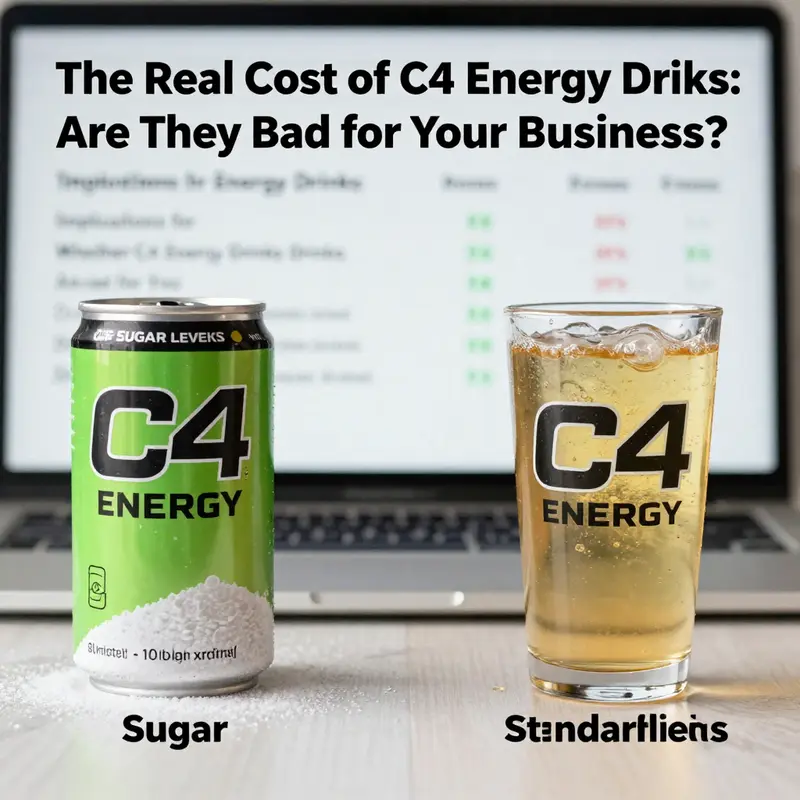
Sugar often hides in plain sight in energy beverages, and the debate over safety hinges on a cluster of factors. Yet among these, the sugar load stands out as a central piece. When a consumer reaches for a single can, the immediate question becomes not only about a quick lift in energy but about what that lift costs in the hours and days that follow. In a common 16-ounce can, sugar content often reaches around 25 grams, roughly six teaspoons. That amount is substantial by most measures, and it sits well above many added-sugar guidelines for adults. For many, this single can contributes to the daily total in a way that can influence weight, blood sugar, and long-term metabolic health. The sugar question is thus about energy balance, appetite signals, and how the body processes a sudden sugar infusion alongside caffeine and other stimulants.
This is especially important because sugar’s effects do not occur in a vacuum. In beverages that promise mental or physical performance, the high sugar dose can be paired with a concentrated caffeine dose to form a complex physiological signal. The added sugar can cause a brief glucose and insulin spike, often followed by a crash that leaves some people feeling unsettled, irritable, or fatigued a few hours later. The psychology of energy drinks—the expectation of quick alertness—can amplify those experiences. If a beverage’s sugar content drives daily consumption or pushes total sugar intake toward health thresholds, the risk calculus changes. For readers seeking a broader view on how caffeine and sugar interact in everyday beverages, a related discussion is available in broader health resources.
The sugar story becomes more complex when a product line offers sugar-free variants. In those versions, manufacturers replace sugar with artificial sweeteners such as sucralose and acesulfame K. These substitutes reduce immediate sugar intake, but they are not without questions. Some research points to potential effects on appetite, gut microbiota, and metabolic signaling when artificial sweeteners are used regularly over long periods. While the evidence is not conclusive, it underscores why sugar-free does not automatically imply a risk-free product. Consumers who choose sugar-free options should still consider the broader nutritional matrix of the drink, including caffeine content and other stimulants.
Caffeine, the other major player in these beverages, often appears at relatively high levels, typically around 150 to 200 milligrams per can, with some formulations approaching 250 milligrams. The exact amount varies by product line and flavor, but the pattern is clear: these beverages deliver a sizable caffeine dose in a single sitting. The health implications are nuanced. For adults, daily caffeine intake that spikes well above 400 milligrams has been associated with palpitations, anxiety, insomnia, and digestive discomfort in some people. For adolescents and young adults, caffeine is a particularly sensitive nutrient given developing nervous systems and comparatively lower tolerances. The U.S. FDA does not set a hard legal upper limit for caffeine in energy drinks, making precautionary choices all the more important for younger individuals or those with pre-existing conditions.
High caffeine content is not the only potential concern. The blend of taurine, B-vitamins, and herbal stimulants such as guarana commonly appears in these beverages. Taurine and B-vitamins play roles in energy metabolism, but their effects at high doses within concentrated drinks remain an area of active research. Some studies suggest that the combination of caffeine with other stimulants can amplify alertness in the short term, but there is less consensus about long-term benefits and risks, especially when these ingredients are consumed repeatedly in a single day. A recent review cautions that while moderate caffeine can improve cognitive function, doses above about 200 milligrams are more likely to produce jitteriness or irritability in some people. Taken together, the sugar and stimulant profile of these beverages makes them a double-edged sword: they can offer a quick perceived boost, but the cost in terms of mood, sleep, and physiological stress cannot be ignored.
The sugar story also has a practical side for those monitoring weight, dental health, or metabolic risk. The American Heart Association’s guidelines emphasize limits of about 25 grams per day for women and up to 36 grams per day for men. A single can with 25 grams of sugar uses a sizable portion of that daily allowance for some people, which means frequent daily consumption can tip the scale toward excess energy intake. For individuals managing blood sugar or weight, including such a beverage in a daily routine may undermine balance. In terms of dental health, frequent sugar exposure can contribute to tooth enamel demineralization and caries when paired with imperfect oral hygiene.
The health calculus becomes especially relevant for people with pre-existing conditions such as hypertension, anxiety disorders, or heart problems. In these groups, stimulants commonly found in energy beverages can exacerbate symptoms or produce uncomfortable side effects, even at moderate amounts. Guidance from health authorities and clinicians consistently emphasizes caution for younger consumers and those with cardiovascular or anxiety-related concerns. In essence, sugar content is not a standalone risk; it interacts with caffeine levels, other stimulants, and individual health status to shape the safety profile of these drinks.
From a practical standpoint, readers seeking to minimize risk can focus on moderation and context. If choosing to consume these beverages, it makes sense to avoid daily use and to balance them with primary hydration such as water or unsweetened tea. For those who want a caffeine boost without added sugar, sugar-free options are available, but they should be chosen with awareness of potential effects of artificial sweeteners and any interplay with caffeine and other stimulants in the product formula. Reading the label is essential: the listed sugar grams, caffeine content, and presence of other stimulants provide the data needed to decide whether a beverage fits within an individual health plan.
Health professionals and researchers typically advise treating energy drinks as occasional supplements rather than daily staples—especially for those who are not athletes or who engage in activities requiring short bursts of energy. For gamers, students, or workers who rely on improved attention and performance, considering the timing of intake is key. A caffeine-fueled session late in the day can disrupt sleep, which in turn can worsen daytime energy cycles and appetite regulation. For athletes, situational use may be acceptable if it aligns with training goals and is not combined with other caffeine sources or high-sugar foods. The core message remains that sugar content matters because it directly adds to daily energy intake and potential metabolic burden, while caffeine and other stimulants determine the quality and duration of the energy boost.
In sum, the sugar load inherent in energy beverages contributes meaningfully to the safety puzzle. The 25-gram sugar content of a standard can is not negligible, and it interacts with high caffeine levels and other stimulants in ways that vary across individuals and situations. Sugar-free variants offer a path to reducing sugar intake, but they introduce their own considerations regarding artificial sweeteners and cumulative stimulant exposure. The broader question—are such beverages bad for you?—is not answered by a single factor. It depends on how often, in what context, and in combination with other dietary choices the drinks are used. For some, an occasional treat may fit within a balanced lifestyle; for others, especially those managing weight, blood sugar, or heart health, regular consumption raises red flags. As with many health questions, personalized guidance from a clinician or nutrition professional is the most reliable compass. And as the science evolves, staying informed about both sugar and caffeine—and how they interact with each person’s health profile—remains essential for making choices that support long-term well-being.
The Jolt Dilemma: Assessing Safety, Stimulants, and Sugar in Modern Energy Drinks
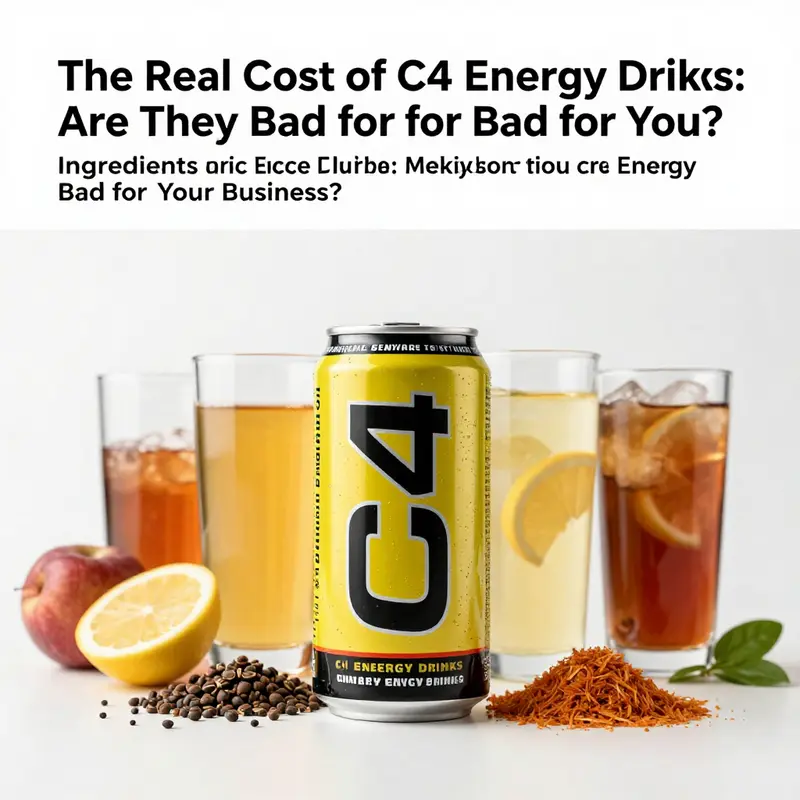
In recent years, energy drinks have moved from gym bags and college dorms to everyday routines. People reach for them when they need a quick lift before a workout, a late-night study session, or a gaming session that demands precise reaction times. The question that sits behind all the hype is simple but consequential: are these drinks bad for you? The answer isn’t a flat yes or no. It depends on how much you drink, what you already carry in your body, and how you use them in combination with other sources of caffeine and sugar. What makes this topic particularly intricate is that these beverages are built around a blend of stimulants and performance-supporting ingredients. Caffeine is the star, but a chorus of other compounds—taurine, beta-alanine, L-citrulline malate, and various B vitamins—joins in, while sweeteners and flavoring agents round out the package. The effect, when taken in moderation, can be a welcome boost. The risk emerges when consumption exceeds sensible limits or when individual health factors tilt the balance toward adverse reactions.
Caffeine content is the loudest part of the story. In many widely available formulations, a single can carries roughly 150–200 milligrams of caffeine. Some versions push toward the upper end of that range, approaching or surpassing 200 mg per can. That amount sits well above what adolescents should consume in a day and sits near the upper boundary of what most healthy adults would consider safe in a single dose. The American Academy of Pediatrics has long recommended that adolescents cap caffeine intake at about 100 mg per day. For adults, daily guidance varies, but the American Heart Association has cautioned that topping 400 mg of caffeine daily can raise the odds of heart palpitations, anxiety, insomnia, and digestive discomfort. These effects aren’t universal, but they’re common enough to matter for anyone who values steady wakefulness rather than a jittery in-between state. For people who are especially sensitive to caffeine or who live with conditions such as anxiety disorders, high blood pressure, or certain heart problems, even smaller amounts can provoke noticeable symptoms. When a single drink already enters a range that challenges daily limits, it’s wise to count it toward your daily caffeine tally rather than treating it as a one-off treat.
Equally important is the sugar story. Even in the non-sugar versions, some energy drinks still bring modest sweetness from noncaloric sweeteners, but many regular versions carry substantial sugar. The range can reach up to around 40 grams per 12-ounce can, with newer formulations sometimes edging higher. That sugar load matters not just for immediate taste but for longer-term health. Added sugars have been linked with weight gain, insulin resistance, and increased cardiovascular risk when consumed in excess over time. The recommendations from public health authorities emphasize limiting added sugars to reduce these risks, and a single can can account for a significant share of that daily quota. When one focuses on frequent use—before workouts, during long gaming sessions, or as a daily pick-me-up—the sugar contribution can accumulate quickly, compounding the caffeine effects and inviting what some describe as a post-boost crash: irritability, fatigue, and a tendency to crave more caffeine to regain momentum.
Beyond caffeine and sugar, the blend of stimulants and metabolic boosters in these drinks deserves careful attention. Taurine and B vitamins are common companions to caffeine in many formulas. Taurine is an amino acid that has been studied for potential neuromodulatory and cardiovascular effects, but its impact at the doses found in energy drinks remains an active area of investigation. B vitamins play roles in energy metabolism and nerve function, yet consuming them in high doses from an energy drink does not automatically translate into extra energy or improved performance. Some research suggests that moderate caffeine can boost certain aspects of cognitive performance, particularly alertness and reaction speed. Conversely, higher doses may produce jitteriness, decreased fine motor control, and a sense of unstable energy that dissipates with a crash. The presence of other stimulants—whether natural sources like guarana or synthetic or plant-derived compounds—can intensify these effects in susceptible individuals. Beta-alanine is often added to reduce perceived muscle fatigue, but its impact is more about performance perception than a direct energy lift. L-citrulline malate is included to support blood flow and endurance, yet the practical benefits vary among people and activities. Glucuronolactone, marketed as a detoxifier or energizer in some formulations, has limited robust evidence supporting strong physiological effects. In practice, the overall stimulant load is what matters: the total ceiling of how much your nervous system is asked to push through before fatigue or adverse reactions set in.
All of this happens within a regulatory framework designed to ensure basic safety. These products are manufactured under general food-safety standards, and the listed ingredients are typically recognized as safe when used as directed. Yet “as directed” matters, because labeling can be ambiguous for some consumers who misinterpret serving sizes or overlook the cumulative effect of multiple products containing caffeine within a day. The risk landscape expands when sugar content is high, when multiple sources of caffeine are consumed in quick succession, or when energy drinks are mixed with alcohol or other stimulants. The potential for adverse cardiovascular, neurological, and gastrointestinal symptoms increases with higher total stimulant doses, and it grows more pronounced in people with pre-existing conditions.
Public health data illustrate a broader pattern: emergency department visits linked to energy drink consumption rose over the late 2000s and early 2010s among adolescents, a signal that misuse or overconsumption can lead to tangible health consequences. While these data do not prove that every drink is dangerous, they do underscore the importance of mindful use and better consumer education. At the same time, the broad science suggests there is a spectrum of response. Some individuals notice clearer focus, steadier energy, and improved performance with moderate use, especially when combined with appropriate hydration, food, and rest. Others experience restlessness, insomnia, tremor, or anxious feelings after similar doses. Genetics, tolerance, sleep history, and concurrent medications all shape these outcomes. The bottom line is not a universal verdict but a nuanced one: these beverages are not inherently dangerous for everyone, but they are not risk-free, and their safe use hinges on knowing your own limits.
For people who routinely juggle multiple caffeine sources—coffee, tea, chocolate, chocolate-flavored products, and various soft drinks—the cumulative caffeine can creep upward more quickly than expected. It is prudent to view an energy drink as one part of a daily caffeine budget rather than a standalone boost. If a person already drinks coffee in the morning and tea in the afternoon, a single energy drink could push total intake toward or past the upper safe threshold. In addition, sugar-heavy formulations can push daily added sugar well beyond recommended limits, even if caffeine alone would be manageable for that person. For those seeking cognitive or physical benefits, it may be worth exploring non-stimulant strategies too, such as optimized sleep, balanced meals, hydration, and structured training for focus and endurance.
A practical path to safer use begins with simple labeling habits and self-awareness. First, check the caffeine content and the serving size; remember that some products do not treat a standard can as a single serving. Second, tally daily caffeine from all sources and aim to stay under established personal thresholds, especially if you are young, pregnant, or sensitive to stimulants. Third, be mindful of sugar intake; if you opt for a sugar-containing version, count that sugar toward the daily limit. Fourth, consider the context of use. Using such a drink to sharpen focus for a one-off exam is different from relying on it daily to sustain long-term energy levels, sleep patterns, or athletic recovery. Fifth, avoid mixing with alcohol, as the combination can mask fatigue and increase the likelihood of dehydration or risky behaviors. Finally, listen to your body. If you notice palpitations, chest discomfort, headaches, anxiety, tremors, or sleep disruption after consuming one of these drinks, stop using it and seek medical advice.
To place these ideas in a broader frame, think of caffeine as a tool rather than a pill. It can temporarily enhance alertness and reaction speed when used judiciously. But a tool whose effects depend on how it is used also carries the responsibility to avoid overuse, to monitor interactions with other stimulants, and to respect individual differences in sensitivity. For readers seeking a broader context on caffeine sources and safety, a related perspective from a consumer-focused resource highlights how different beverages contribute to daily intake and how to balance enjoyment with health. It may be worth exploring in your own time: Coffee Rich Life.
In sum, these beverages are not universally dangerous in moderation, but they are not universally safe either. The key is balance, awareness, and personalization. If you have hypertension, anxiety disorders, irregular heart rhythms, or are pregnant or nursing, the guidance is clearer: minimize or avoid these drinks. If you are healthy and active and you regulate your overall caffeine and sugar intake, occasional use is unlikely to cause harm. Yet even in healthy adults, high caffeine consumption can disrupt sleep, contribute to anxiety, and worsen certain digestive symptoms. The best approach is to treat energy drinks as a convenient, situational tool rather than a daily staple. Read labels, consider your total daily intake, and be mindful of how you use them in conjunction with other sources of energy.
External resources can provide additional context and official guidance. For official safety information about energy drinks, see the FDA resource: https://www.fda.gov/food/food-additives-petitions/energy-drinks. Remember that information evolves, so check current guidelines and consult a healthcare professional if you have specific health concerns or conditions that might affect how you respond to stimulants and sugar.
null

null
Final thoughts
Navigating the complexities of energy drinks like C4 requires an informed approach, especially for business owners aiming to cater responsibly to their clients. Understanding the health risks, the implications of caffeine and sugar levels, and the effects of various ingredients offer critical insights into making ethical business decisions. Ultimately, ensuring consumer awareness and promoting safe consumption will help safeguard health while building trust in your business.