
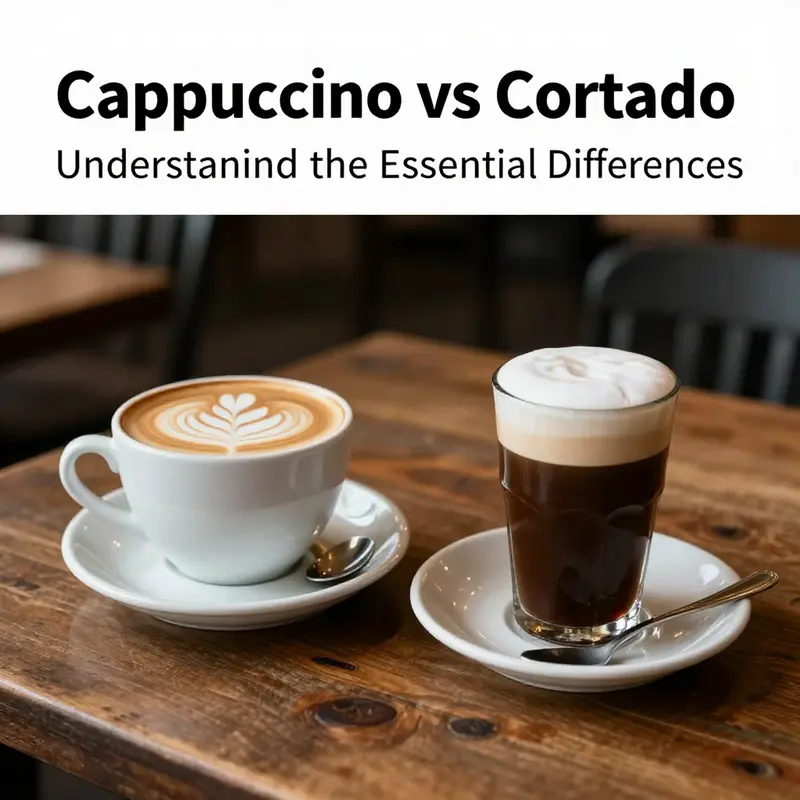
Cappuccino and cortado are two rich espresso drinks, each distinct in their composition and cultural significance. This article delves deep into their disparities, highlighting the differing ingredients, flavor profiles, and serving styles that make each beverage unique. Understanding these differences is paramount for business owners in the coffee industry, as it not only aids in perfecting recipes but also enhances customer experience. We will examine the specific components and ratios, taste and flavor aspects, as well as the visual presentation and appropriate occasions for each drink. By grasping these key factors, café owners can better cater to diverse customer preferences and refine their offerings in an increasingly competitive market.
null
null
Between Foam and Focus: A Flavorful Expedition Through Cappuccino and Cortado
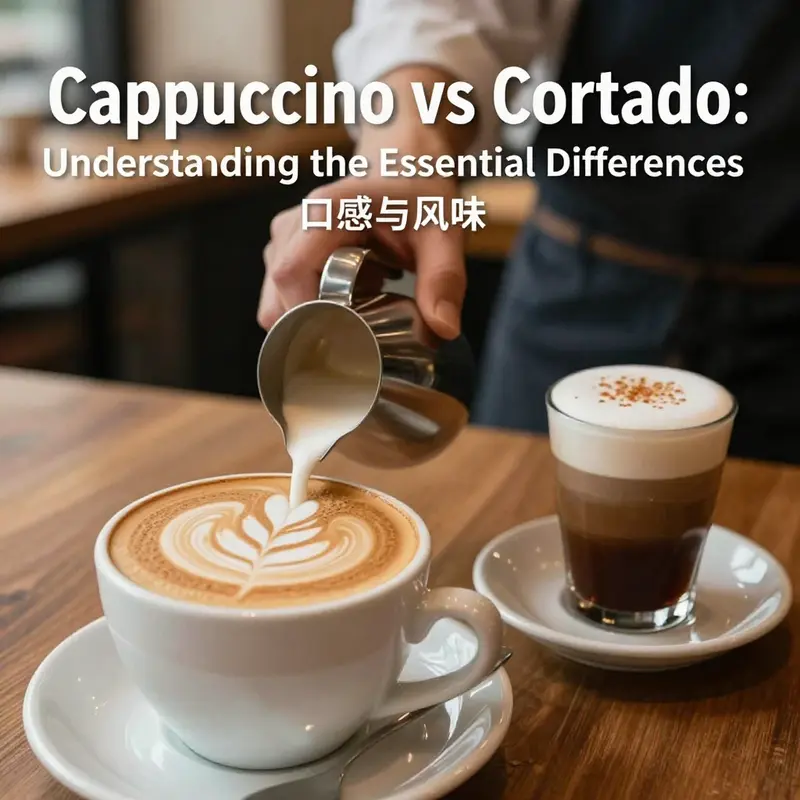
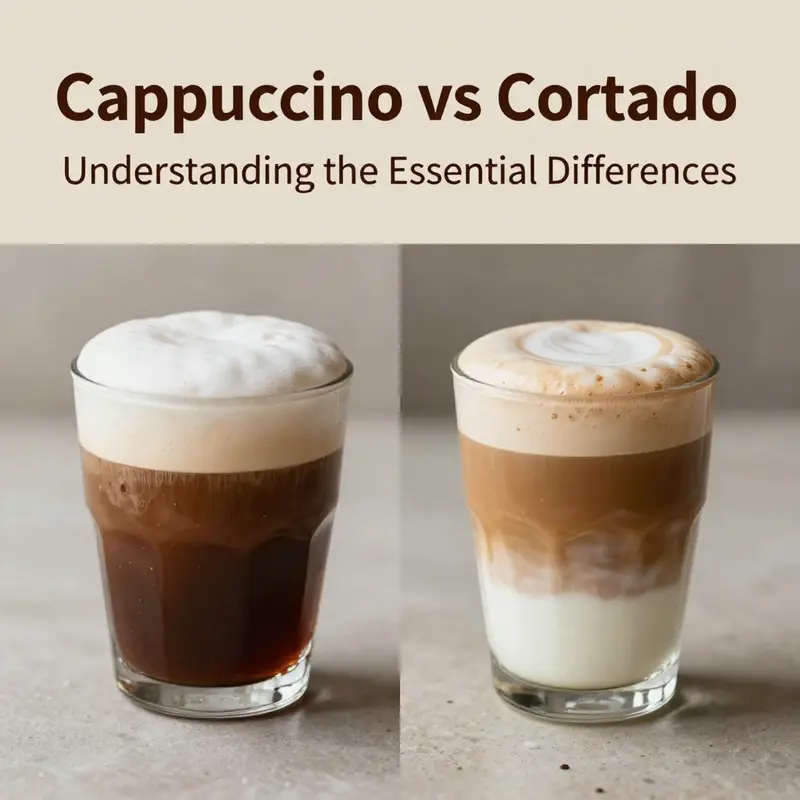
Tasting is a language of texture, temperature, and timing. In the dialogue between cappuccino and cortado, flavor speaks in two different voices. Each drink carries a lineage and a philosophy about how coffee should be experienced, and the way those ideas come to life in the cup reveals more than mere preference. When we consider cappuccino, we are stepping into a tradition built on layering. The classic formula—espresso, steamed milk, and a head of velvety foam—creates a three-layer sculpture inside a ceramic vessel. The first impression is visual, the surface a soft canopy of microfoam that invites a closer look and a longer inhale. The aroma lingers, carrying notes of roasted cacao, caramelized sugars, and a whisper of toasted nut. As the eye follows the foam down through the milk, the mind anticipates a cascade of textures. The mouthfeel arrives as a gentle, yet substantial, silkiness. The foam acts as a courier for sweetness, smoothing the edges of the espresso’s acidity and bitterness while carrying a particular creaminess that feels almost indulgent. In this balance, the coffee’s character does not vanish; it becomes more approachable, the milk guiding sugars toward a caramelized sweetness that makes the cup feel complete and comforting. The temperature—typically around the mid-sixties Celsius—keeps the foam stable and the flavors harmoniously aligned. With every sip, the drink presents a recognizable sequence: a foam-forward first impression, then the creamy body of milk, and finally the robust coffee backbone that lingers with a toasty finish. This sequence gives cappuccino a sense of ceremony, a ritual that invites deliberate sipping and slow savoring. The foam is not merely a decoration; it is a functional carrier of aroma and texture. When the milk foam is dense enough, it can trap volatile compounds, releasing a gentle perfume as the cup is tilted and the spoon of air is coaxed to the surface. The experience is multi-sensory, a small theater of warmth and comfort, where the sweetness of the milk helps soften the coffee’s natural bitterness without erasing its identity. In contrast, cortado speaks a different dialect of flavor. Its essence rests on equal parts espresso and hot milk, with little to no foam. The absence of a foam layer creates a leaner mouthfeel, a more direct line from the espresso to the palate. The espresso’s character is not diluted by a thick foam curtain; instead, it is embraced by milk in a tight, almost intimate hug. This is where cortado earns its reputation for honesty. It asks you to notice what the coffee truly tastes like when it is not wrapped in a cloud of aerated milk. The texture is smoother than straight espresso but not as rounded as cappuccino. You may notice a satin-like quality that glides across the tongue, with the milk softening acidity while letting the crema gently pepper the finish with nuanced bitterness. The overall body feels more compact, and the sweetness arises primarily from the interaction with milk rather than from a foam-encased sweetness. In many ways, cortado acts as a magnifying glass for the coffee’s intrinsic flavors. The nose approaches the cup and finds aromas of roasted cereals, subtle fruit tones from the beans, and a quiet chocolatey depth that lingers without the overtly caramelized edges that foam can sometimes promote in cappuccino. Because the milk is present in a balanced proportion, the drink’s warmth remains steady, inviting a brisk yet mindful sip that encourages a quick, focused caffeine lift rather than a lingering ritual. The temperature for cortado often echoes the same range as cappuccino, but the sensory payoff feels different because the foam is not there to create a barrier or a tent of aroma. The result is a flavor profile that reads as more “true to the bean” in the moment, with the coffee’s acidity and body finding a steady companionship in milk rather than a flamboyant foam. In practice, the contrast becomes the central drama in any tasting conversation. Cappuccino can feel like stepping into a room where the walls are softened by the presence of foam, and the cup offers a playful invitation to linger. Cortado, meanwhile, feels like entering a studio where every brushstroke on the canvas reveals the artist’s deliberate choice to present the coffee in its near-pure state, with milk as a precise counterweight rather than a soft, creamy veil. The cultural settings around these drinks amplify the sensory differences. In many places, cappuccino is associated with morning rituals and leisurely pauses—an invitation to slow down, to pair the cup with a pastry or a quiet moment of reflection. The foam’s texture often invites a visual appreciation—microfoam shines with latte art, turning the act of drinking into a small performance. Cortado, by contrast, is often tied to a brisker pace. Its straightforward composition and the absence of a thick foam layer suit fast-paced environments, where a quick, balanced caffeine fix is valued. Yet the drink still has a social dimension. A cortado can be served in small glassware that reveals the coffee’s dark hue and the milk’s softening edge. Drinkers may observe the color shift from near-black to warm brown as the milk integrates, a micro-portrait of the moment when the espresso and milk become one. In both beverages, the choice of milk matters profoundly. The fat content—whether whole, 2%, or alternative plant milks—shapes the mouthfeel and sweetness. Whole milk amplifies the creaminess of cappuccino’s foam and intensifies the sense of luxury that many expect from a morning treat. Plant-based milks, with their varied profiles, can alter the foam’s stability in cappuccino or the smoothness of cortado’s blend. The dairy choice subtly shifts the flavor map: the foam’s lift in cappuccino can carry vanishing sweet notes and a gentle dairy aroma; the milk’s integration in cortado can reveal a coffee’s fruity or chocolatey cues with a cleaner finish. The roast level of the espresso itself is another crucial thread in the flavor tapestry. A lighter roast tends to emphasize brightness, citrus, and floral notes, which can become more pronounced when paired with the soft sweetness of cappuccino’s foam or the clean balance of cortado’s milk. A darker roast tends to push toward caramel, cocoa, and roasted nuttiness, with the foam in cappuccino spotlighting body and texture, while cortado highlights a steadfast coffee backbone that resists masking by dairy. Given these dynamics, the choice between cappuccino and cortado can reflect a person’s mood as much as their palate. When the day demands a sensory theatre—a visual cue, a creamy mouthfeel, and a moment to pause—cappuccino offers a ritual that can anchor a morning or afternoon. The foam becomes a stage prop for a reflective break, while the milk’s sweetness glides in softly and leaves a lingering, comforting aftertaste. If the day requires a cleaner line—a sharper coffee presence with minimal milky distraction—cortado provides that clarity. The milk is there to balance, not to overwhelm, and the coffee’s natural acidity and body come to the fore with a sense of direct communication. The choices extend beyond taste into technique and service. A skilled barista can tailor the texture of cappuccino’s foam with microfoam stability, creating a velvet top that ages well as the drink cools. For cortado, baristas focus on pour technique that wets the milk evenly, achieving a smooth integration and preventing any frothy pockets that could disrupt the intended balance. The final impression in either case is not simply about flavor. It is about the story the cup tells—the narrative of craft, the legacy of regional preferences, and the personal moment the drink is meant to accompany. To those who want to explore flavor more deeply, a practical path unfolds. Start with a cappuccino to sense how foam shapes aroma, texture, and sweetness. Then switch to a cortado to hear the coffee’s direct voice and test how milk can tune acidity without drowning it. This sequential tasting can illuminate why the two drinks occupy adjacent but distinct spaces in coffee culture. For readers who crave a richer, more layered experience, the ritual around cappuccino often includes a sense of ceremony—perhaps the swirl of foam creating a tiny canvas for a delicate design, or the aroma signaling a moment of calm before the day’s pace quickens. For those who want speed coupled with nuance, cortado serves as a practical, expressive option, keeping the coffee’s essence central while offering a moderated warmth that invites steady focus rather than a lingering indulgence. The flavors themselves, when observed with curiosity, reveal that neither drink is inherently superior; each embodies a philosophy about how milk should relate to espresso. The foam in cappuccino is not merely an aesthetic; it is a tactile and aromatic gateway. The milk in cortado is not a softening cloud; it is a precise balance, a dialogue that respects the bean’s character. If you want to deepen your understanding beyond sensory notes, consider how naming and history shape expectations. Cappuccino’s label evokes a certain medieval, ceremonial mood—the “Capuchin” monk’s hood reflected in the foam’s shade and texture. Cortado’s name speaks to a cutting, an intentional intervention that splits the intensity into a more approachable, balanced form. These origins inform how we approach the cup, shaping our anticipations before the first sip and coloring our reflections after the last swallow. In exploring flavor, one useful approach is to notice how the finish evolves. In cappuccino, the finish often returns with a soft sweetness and a residual creaminess that can carry subtle spice or chocolate hints. The memory of the foam’s texture lingers, inviting another sip that remains comfortable and familiar. In cortado, the finish tends to be direct, with coffee’s caramelized notes or darker chocolate finishing quickly, leaving a clean mouthfeel that invites immediate evaluation of the bean’s roast and origin sensations. This is how flavor becomes a personal map. Each sip narrates a tiny chapter, and the chapters accumulate to reveal a broader portrait. The longer you dwell with cappuccino, the more you appreciate the creative tension between sweetness and coffee’s edge. The longer you sit with cortado, the more you sense how milk can negotiate the coffee’s acidity while preserving a crisp, espresso-forward identity. The dialogue between foam and focus is more than taste; it is a meditation on the role of dairy, on texture, and on the tempo at which we drink. Those who enjoy comparing the two will often discover that a well-crafted cappuccino still reads as a coffee-forward drink despite its foam, while a well-executed cortado still whispers a chocolatey or nutty background that elevates the espresso rather than masking it. The conversation continues as you move through shops, cafes, and home setups, where equipment, milk texture, and espresso quality all sculpt the final flavor impression. In this sense, flavor is dynamic rather than fixed. It evolves with temperature, with the milk’s microstructure, and with how long the drink sits in the cup. A slight tilt can release a different set of aromas, and a longer hold on the palate can transform the perceived sweetness. The journey from foam to focus is, in effect, a journey through technique, culture, and memory. For readers seeking a concise takeaway, the tasting guide below offers a mental hinge to grasp the contrast without losing the flavor’s nuance: cappuccino presents a three-layer texture with a fluffy, aromatic foam that amplifies sweetness and provides a soft cushion for the espresso’s bitterness; cortado offers a two-layer harmony where milk tempers the coffee while preserving its intensity, delivering a clean, direct, and often more caffeinated finish. This guide is not a verdict but a map for discovery. It encourages you to test the waters with both preparations, to notice how the foam shifts aroma and mouthfeel, and to listen for how the milk’s presence redefines the coffee’s acidity and body. Ultimately, the flavor story is personal, shaped by your palate, your context, and the moment’s mood. If you want to see a practical comparison that translates these sensory principles into a real-world setting, you can explore more here: Cortado vs Cappuccino. This link offers a concise, visually grounded exploration of how the two drinks diverge in practice, grounded in tasting notes and service conventions. For readers who wish to deepen their understanding of cortado’s balancing act and its cultural roots, an external resource that delves into the cortado’s philosophy and technique can be valuable. An accessible, authoritative overview is available at Barista Hustle, which explains how steam, milk texture, and espresso strength converge to create the cortado’s signature harmony. External resource: https://baristahustle.com/what-is-a-cortado/
层次之美与简约之力:从外观到饮用方式理解卡布奇诺与科塔多
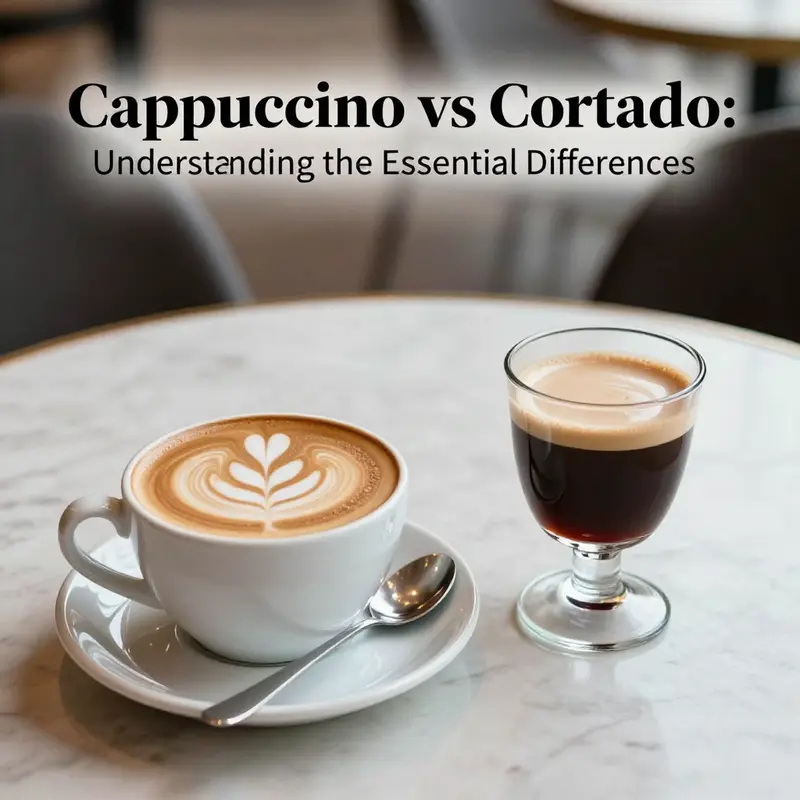
在咖啡的世界里,外观往往是第一道语言,也是我们与一杯饮品建立对话的起点。卡布奇诺以它的三层结构—底部苦香的浓缩咖啡,中间蒸汽牛奶的柔滑,以及顶部那层厚厚的奶泡—向我们传递一种 ceremonious 的仪式感。科塔多则以更简洁的轮廓出现,深色的液体在小杯中显现出均匀的色泽,表面没有奶泡层,只有细腻的光泽与平滑的质感。两者来自相同的基底——浓缩咖啡——却在外观上讲述着不同的故事,仿佛两位同名却性格迥异的角色在同一条街道上并肩而行。你若从杯口第一眼望去,便能感知到它们之间的距离:卡布奇诺像一幅分层的油彩画,奶泡用力地托起,像是为咖啡的香气撑起一个云朵般的舞台;科塔多则像一块切面的巧克力,边缘锋利而轮廓清晰,香气直接从杯壁向上蔓延,未被过度修饰。这样的视觉差异并非偶然,而是成分与比例的直接结果,也映射出不同的品饮心态。文献中对这两种饮品的描述往往强调层次感与纯净性的对立,但真正的魅力在于它们如何让口腔在不同的节拍上做出回应。当你把鼻尖贴近杯口,空气中的蒸汽带来的是温柔的热度与微微的焦糖香,这香气在口腔中慢慢展开,仿佛一场微妙的音乐会。此时,杯子的重量、奶泡的厚度、以及牛奶的温度共同决定你第一口的感知:是如柔软羽毛般的绵密,还是如丝滑大理石般的清透。\n\n在成分与比例上,卡布奇诺的经典结构强调三要素的和谐共振。浓缩咖啡的浓烈先触发味觉的起伏,随后热牛奶的加入拉低苦感,使香气更具圆润性,最后奶泡以厚度产生口感层次,带来温暖而可口的口腔表面质感。这样的组合让人愿意在相对较长的时间里慢慢品尝,每一口都包含了从苦、香、甜到奶香的逐层体验。相对而言,科塔多的核心在于等量或略多的热牛奶与浓缩咖啡的直接融合。没有奶泡的介入,口感更接近于“咖啡味道的直接表达”,热牛奶像一把温柔的刀,切开浓缩咖啡的强度,使苦味与甜感、酸度与香味在口中保持一种更紧凑的平衡。正因为没有奶泡的阻隔,科塔多常给人一种更干净、直接的感受,仿佛把咖啡本身的醇香和酸度都暴露在舌尖之上。这两种不同的口感策略,恰恰体现了浓缩咖啡在不同文化语境中被解读的方式:一种追求仪式感与层次变化,一种追求纯粹与即时的风味表达。\n\n对于口感的理解,常常需要一次次的品尝来建立“味觉地图”。卡布奇诺的绵密感来自奶泡的气泡结构,气泡的稳定性会影响到口腔对温度的维持以及口感的持续性。奶泡的存在让这杯饮品在口腔内保持较长时间的湿润度,香气释放也伴随气泡的破裂而缓慢展开。味觉层次因此显得更为悠长,甜香与苦香在唇齿之间巧妙交错,仿佛一场缓慢的舞蹈。科塔多则以其“被牛奶切断的浓缩咖啡”这一表述闻名,这一表达不仅来自口感的物理层面,也来自文化语境中对“平衡”的理解。牛奶的比例若稍微增多,口感会变得更顺滑,酸度与苦味被温和地抑制,香气的边界也会自然地向香草、焦糖等甜香扩展。若牛奶略少,浓缩咖啡的原味就会更直接地冲击舌尖,酸度、果香甚至微苦都被放大,整杯饮品呈现出一种更“干净”的强度。正是在这种对比中,卡布奇诺与科塔多成为两种不同口感哲学的代言人。\n\n从温度、杯型到饮用节奏,外观以外的维度也强化了两者的差异。卡布奇诺通常盛放在约180到240毫升的陶瓷杯中。这一容量的设计既能容纳稳定的奶泡,又能让表层的奶泡在较长时间内保持柔软与蓬松,形成一种视觉与触感的双重享受。温度通常维持在65摄氏度左右,保证奶泡不过热而失去绵密,与你的舌头进行缓慢而不刺激情烈的接触。饮用方式往往带有仪式感:先用勺子轻轻搅拌,让三层的风味在口中重新混合,再缓缓啜饮,以确保奶泡、牛奶与咖啡香同时在口腔中展开。与之相比,科塔多的杯体更小,容量约150到180毫升,很多时候采用小玻璃杯以呈现其深色液体的光泽。热牛奶与浓缩咖啡的融合是在杯壁和杯底的香气边缘逐渐释放的过程,这也意味着饮用节奏更快一些,尤其是在工作日的清晨,作为“快速提神”的一环。没有奶泡的干净表面,让人更容易直接感受咖啡的温度与香气的爆发,这种即时感往往与日常工作节奏的节拍相吻合。\n\n文化差异也在这两种饮品的饮用方式中显现。颜色本身就是一种文化标记。卡布奇诺在意大利被赋予“早餐的仪式感”——它常与晨间的面包、甜点相伴,成为一天开始的节日化时刻。奶泡的蓬松与美观的拉花在视觉上传递温暖与舒适,入口则带来柔软的口感与甘甜的余韵,仿佛用一杯饮品迎接新的一天。科塔多则在西班牙和巴斯克地区成为日常的“咖啡伴侣”。不追求花哨的装饰,只强调平衡与即时性。它像是咖啡馆日常的旋律,随手端起就能获得稳定的口感体验,无论是在繁忙的工作间隙,还是在放学后的短暂休憩时光,科塔多都成为一种生活中的小而可依赖的仪式。这样的差异并非单纯的风格对立,而是两种文化对“时光”的理解在饮品中的折射。卡布奇诺更强调慢品与温柔的时刻,鼓励人在拉花与牛奶的旋律中放慢脚步;科塔多则强调效率与纯粹,让人以更短的时间获得咖啡的冲击与安定。\n\n历史的回溯也帮助我们理解这两种饮品的命名与发展。卡布奇诺的名字源自修士帽的外形联想,仿佛奶泡覆盖的顶端是一顶轻盈的圆帽,给人以视觉上的呼应。科塔多则来自西语中的“切断”,强调牛奶在口腔中对浓缩咖啡烈度的“切断”作用。这种命名上的巧合,与各自文化的口味偏好相互呼应,成为讲述两种饮品故事的线索。更重要的是,它们在全球化语境下的传播方式对各自的口感认知产生了影响。随着咖啡馆的连锁化和消费人群的多元化,卡布奇诺的梦幻般奶泡和层次美学成为一种文化符号,而科塔多的简洁、干净的风格则成为效率时代的一种风格选择。两种风格在不同国家、不同年龄段的顾客群体中都找到了稳固的位置。\n\n在选择上,经验往往比复杂的口味分析更有价值。若你追求“视觉的仪式感、层层递进的口感、以及拉花所带来的艺术享受”,卡布奇诺无疑是首选。它在节日氛围、朋友聚会或宁静的周末午后,能提供一种仪式性的愉悦,让人愿意花时间凝望杯口的纹理与颜色变化。相反,若你更在意“口味的浓郁、平衡的直接表达、以及快速提神的效果”,科塔多会更契合。这种选择不仅仅是口味的偏好,也是对生活节奏的一种适应。它们的存在提醒我们,咖啡不只是饮品,更是一种人与时间、人与场景之间的对话。\n\n正如研究资料所指出的,尽管两者都以浓缩咖啡为核心,但它们的外观、口感和饮用方式在许多方面构成了互补的语言体系。卡布奇诺以其三层结构和奶泡的高度艺术性,展示了对“慢生活”的追求;科塔多以其两层结构和无奶泡的干净性,展示了对“即时满足”的尊重。无论你是追求哪一种风格,理解它们的差异都能帮助你在日常喝咖啡时做出更有意识的选择。若你愿意进一步深入对比与细节,可以参考专门的对照文章,那里对两者的比例、质地和口感进行了更细致的考察与对比。 cortado-vs-cappuccino\n\n另一方面,若你希望从权威词典与专业资料中获得对这两种饮品的正式定义,可以查阅公开词典与咖啡行业资料。Cambridge Dictionary 对 cappuccino 的定义强调了它由浓缩咖啡与热奶泡共同构成的热饮特征,以及常见的装饰元素。尽管两者在块状描述上有所不同,核心精神是一致的:热咖啡与热奶的结合,带来香气与口感的变化。与此同时,行业资料库中对 cortado 的描述则强调“等量的浓缩咖啡与蒸汽牛奶,以及无奶泡”的平衡与和谐。这一描述从技术层面揭示了口味分布的稳定性,也解释了为何科塔多在口感上显得如此直截了当。这样一个平衡性原则在现代咖啡文化中尤为重要,因为它帮助我们理解为何某些日常场景更适合科学的配比与简洁的表达,而另一些场景则适合艺术性的层次与仪式感。\n\n在日常实践中,关于选择的对话往往也是关于时间与情境的对话。早餐桌上,如果你希望在甜点或点心的陪伴下慢慢体验咖啡的香气,卡布奇诺会成为理想搭配。奶泡的质感与香甜的奶香在口腔内打造出一条更长的余韵,让人愿意停顿、观看杯中的光影。午后或工作间隙,则可能更偏向科塔多的简练与稳定。它的速度感来自于没有奶泡的阻碍,香气与口感的统一让人能够在短时间内得到满意的刺激。两种不同生活节奏的搭配,使咖啡成为一个人日常的情绪调味品,而非单纯的热饮。\n\n最后,关于语言与叙述的力量也不应被忽视。无论你身处喧嚣的城市,还是在安静的乡间小馆,理解这两种饮品所代表的风格就像掌握两种语言的语调。卡布奇诺的语调柔和而富有戏剧性,像是一段抒情的独白;科塔多的语调简洁而直接,像是一段短促有力的对话。你在点单时的选择,往往不仅是口味的偏好,也是你此刻需要的情感走向。若你愿意把对话延展到文字与图像的世界,这两种饮品的外观差异也提供了丰富的素材:三层的视觉分明、拉花纹样的艺术性、以及杯身与色泽的对比,都成为视觉叙事的一部分。综观历史、文化与个人偏好,卡布奇诺与科塔多并非简单的替代关系,而是两条并行的路径,带领我们走向对咖啡世界更丰富的理解。\n\n在这一章的末尾,留给读者的并非只有“该选谁”的答案,而是一个关于时间、风格与个人感官的对话。你可以把卡布奇诺视为一个关于慢生活的邀请,一个与朋友共享时光、欣赏奶泡纹理的仪式;你也可以把科塔多视为一个关于专注与效率的工具,一口之内理解咖啡最直接的风味。不同场景中的选择,反映出我们对咖啡的态度与生活的节奏。愿每一次倒入杯中的液体,都成为理解这门古老艺术的一次机会。\n\n外部参考资源:https://dictionary.cambridge.org/dictionary/english/cappuccino
Final thoughts
In summary, both cappuccino and cortado hold distinct places in the coffee landscape. The cappuccino, with its intricate structure and layers, appeals to those who appreciate the interplay of textures and flavors. In contrast, the cortado serves a more direct experience, showcasing the purity of espresso balanced with just enough milk. For business owners, understanding these differences can significantly enhance their menu offerings and customer satisfaction. By leveraging the unique attributes of each beverage, cafés can cater to a wider array of tastes and preferences, ensuring that both traditional and modern espresso drinkers find something to love.