

For business owners who rely on their BUNN coffee maker to serve delicious coffee to customers, maintaining the machine’s performance is crucial. A clean coffee maker not only ensures superior taste but also extends the lifespan of the equipment. This comprehensive guide will walk you through the essential steps to properly clean your BUNN coffee maker, enhancing the quality of each brew. Each chapter addresses a specific aspect of the cleaning process, from preparation and safety to the final rinsing and regular maintenance, ensuring your coffee maker is always in top condition.
Safe Hands, Fresh Brews: Preparing to Clean Your BUNN Coffee Maker
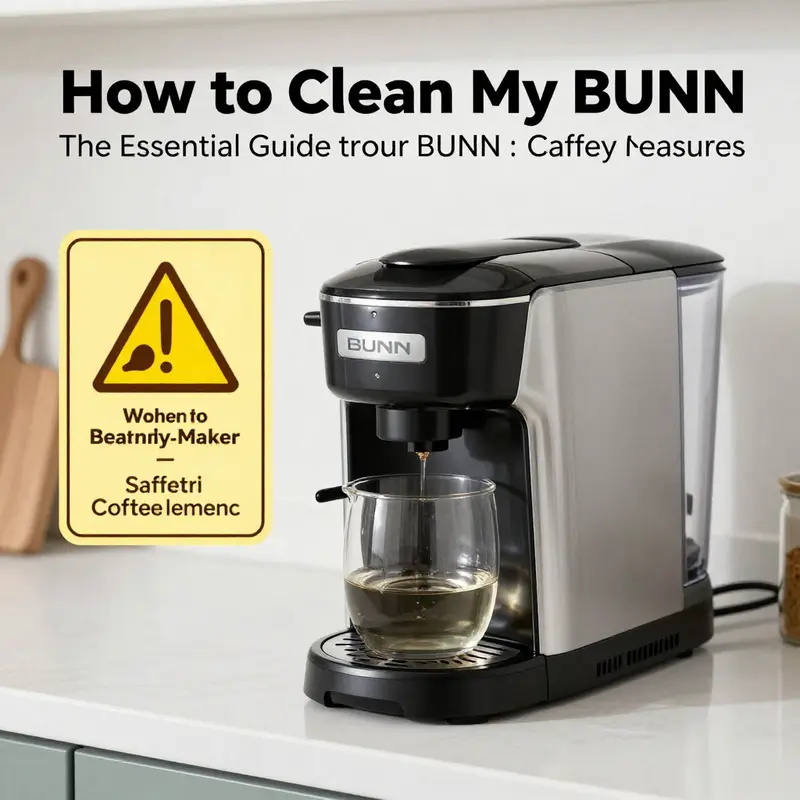
Before you dive into cleaning your BUNN coffee maker, there is a moment of preparation that often determines the ease and safety of the task. Cleaning is as much a mental practice as a physical one. The first rule is simple, almost axiomatic: turn off the machine and unplug it from the wall. Electricity and water do not mix well, and a quick unplug is your first line of defense against shocks and short circuits. Once unplugged, allow the machine to cool. If your model has a metal heating element or a thermal carafe, give it at least 30 minutes to drop from its hot peak to a safe, workable temperature. This cooling grace matters not only for you but for the internal seals and gaskets, which respond better to a gentle temperature shift than to a sudden change. As the unit rests, take a moment to gather the tools you will need and to remember why this ritual matters: a clean machine is a healthier gateway to the morning ritual of coffee, and a careful approach now prevents messy surprises later.
Next comes a quiet check of the removable parts. If your model allows you to detach the brew basket, shower head, or carafe, do so with care, but resist the urge to force components that are not meant to come apart. The official manual is your map here, worth consulting even briefly to confirm which pieces are user accessible and which are fixed. Removing parts that aren’t designed to be removed can void warranties or invite misalignment that compromises the brew path. With safety in place, lay out the parts you will clean and the materials you will use. Choose non-toxic cleaning agents—food-grade vinegar or a baking soda solution—and prepare them in a well-ventilated space. The preparation phase is as much about setting boundaries as it is about assembling tools. A calm workspace prevents accidental splashes and keeps the process predictable.
Descaling is the core of the task, but the choice of cleaner matters. The standard approach for most BUNN models is a white vinegar and water solution mixed in equal parts. For smaller home units, half a cup of each may suffice; for larger, more robust models, you may scale up to a cup of each. If you’d rather avoid vinegar, warm water with a measured amount of baking soda or a touch of lemon juice can also work. Commercial descalers designed for coffee makers are another option. The key is to use only food-grade, non-toxic substances. Harsh chemicals can corrode metal parts or degrade plastics and may leave residues that alter flavor. Prepare the solution in a well-ventilated space, wear rubber gloves if your skin is sensitive, and keep these supplies out of reach of children and pets. This stage sets the tone for a safe, thorough clean rather than a quick, slapdash rinse.
With your cleaning mix ready, the descent into descaling begins. Pour the chosen solution into the water reservoir, then return the machine to power and start a brewing cycle as if you were making coffee. When the solution has brewed halfway into the carafe, there is a critical moment. Turn the machine off again and unplug it, letting the solution sit in the system for at least two hours. This soak gives minerals time to loosen their bonds with metal and plastic surfaces. After the soak, resume the brewing cycle to finish the process. The waiting period may feel counterintuitive, but it is essential for allowing the acid and minerals to work without agitation. During this stage you should avoid running multiple cycles in quick succession; instead, give the system time to interact with the descaler. If your machine includes bypass or secondary tubes, observe how the solution travels through those pathways and note any areas that appear more congested than others. The aim is not speed but thorough contact with every nook where scale can hide, so expect a deliberate rhythm rather than a rushed sprint.
After the soak, attention shifts to the spray head and shower screen. Remove the filter basket and carefully unscrew the spray head by hand. Use a toothpick or a dedicated cleaning tool to clear clogged holes, then rinse the piece thoroughly under running water. A gentle wipe of the exterior with a damp cloth and a small amount of mild dish soap can help remove oils and fingerprints, but avoid harsh cleaners that could nick seals or dull surfaces. Reassemble the spray head onto the brew basket with care, ensuring the threads engage cleanly. Misthreading can lead to leaks and disrupt the brew flow, so take your time to align everything. This subtle step—cleaning a small but pivotal component—improves consistency, because the spray head shapes how water blankets the coffee bed during extraction.
The spray tube and any adjacent bypass tubes deserve a careful pass with a descaling brush or pipe cleaner. Insert the tool where the spray head connects and rotate while guiding it through the tube to scour the interior walls. If your machine includes side tubes, give them the same attention. A couple of passes through each conduit are usually enough, followed by a thorough rinse with clean water. Clearing these pathways prevents mineral films from clinging to the metal as water travels, which in turn preserves a clean taste in the cup. The result is a smoother flow of water through the system, a more even extraction, and a coffee flavor that reflects the care you put into maintenance rather than the stubborn traces of scale.
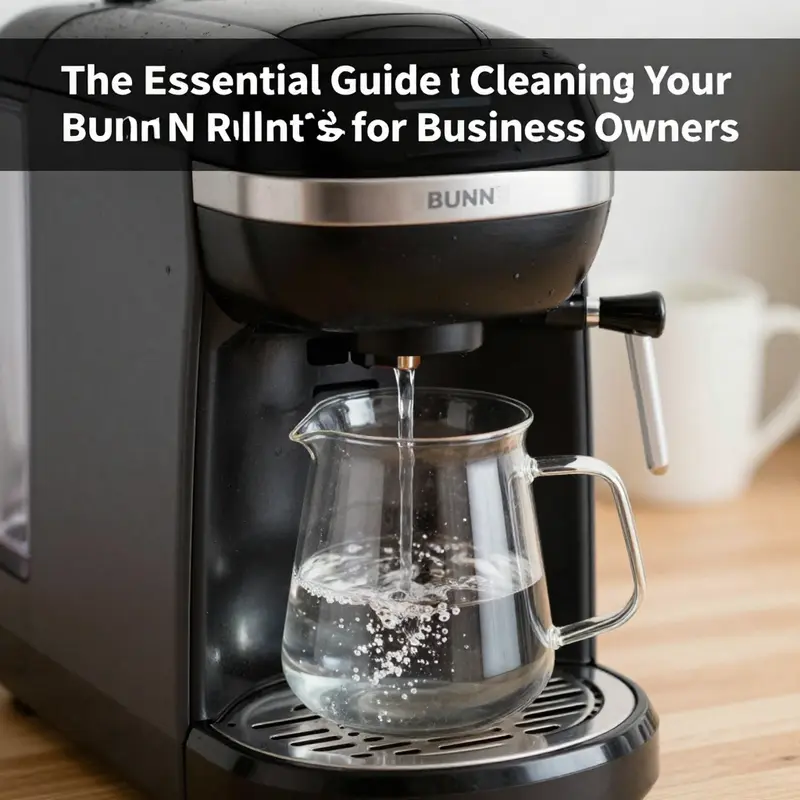
Rinsing is where the preparation becomes practice. Empty the carafe and refill the reservoir with fresh, cold water. Turn the machine back on and run a full brewing cycle, then discard the water. Repeat this rinsing sequence three to four times, or until you no longer detect vinegar or cleaning solution smells. The goal is to remove every last trace of the cleaner so the next brew tastes like itself rather than like a science experiment. You may notice a faint fragrance at first, which should fade as the cycles continue. Clean the carafe with warm soapy water and a soft sponge, rinse well, and dry. Wipe the exterior with a damp cloth; if you enjoy a hint of lemon, wipe with a cloth dampened in water with a few drops of lemon juice. This adds a refreshing scent without introducing harsh cleaners.
The final check before you brew again is simple but important. Refill with clean water, place the carafe back, and run a test cycle. Watch for leaks around the spray head and ensure all surfaces are dry to prevent puddling. Do not operate the unit with an empty reservoir or with insufficient water during any cycle, as this can overheat the heating element. If you followed these steps, your machine will deliver a cleaner flavor profile from the first cup after cleaning. The routine may feel meticulous, yet it preserves performance and taste, and it extends the life of the coffee maker by keeping mineral buildup at bay. If stubborn deposits linger, repeat the descaling steps or extend the soak time for the affected areas. A gentle, regular cleaning schedule is the best defense against scale and flavor drift.
To deepen your understanding of the exact steps and to see model-specific guidance, you can consult a concise walkthrough that mirrors this approach. See the dedicated guide here: How to Clean a BUNN Coffee Maker. This resource reinforces the practical sequence and the careful checks that make cleaning predictable rather than daunting.
Finally, for the most up-to-date safety notes and official recommendations, refer to the manufacturer’s support page. It provides model-specific cautions and direct contact options for questions or parts. External resource: https://www.bunn.com/support/
A Clean Brew, Clear Path: Descaling and Mineral Buildup Removal for Your BUNN Coffee Maker
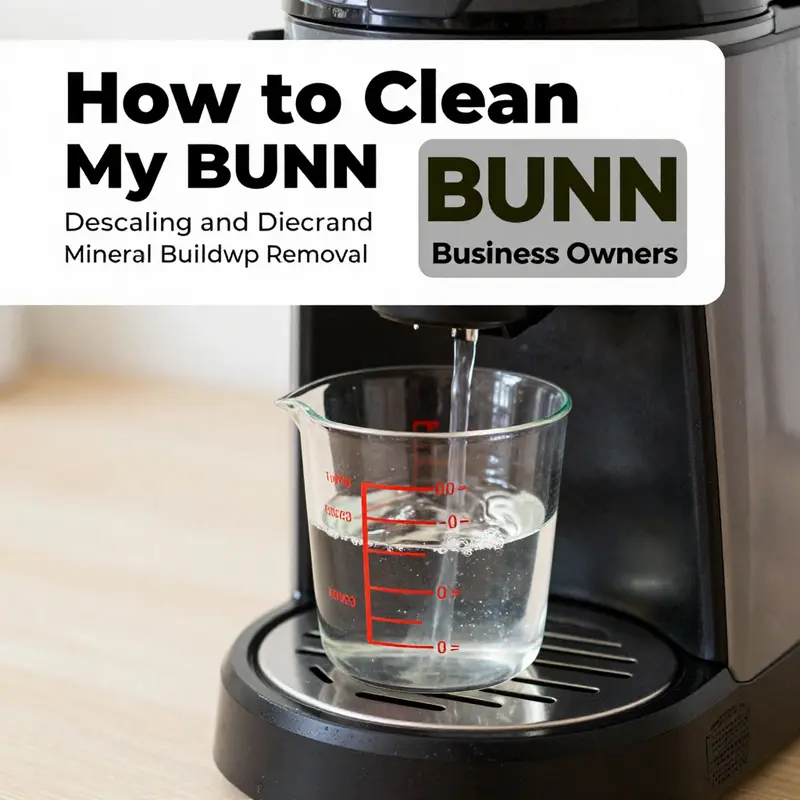
A reliable BUNN coffee maker is built to deliver speed and consistent warmth, but even the toughest machine needs regular attention to keep a clean, flavorful pot in reach. Mineral deposits from hard water can cling to the heating chamber, line the brew pathways, and muffle the machine’s efficiency. Over time, scale not only dulls the sweetness of your coffee but can also slow heating and shorten the life of the boiler. When you approach maintenance as a straightforward ritual rather than a dreaded chore, cleaning becomes an act of preserving taste, speed, and the equipment you rely on every morning. The core of this approach is descaling, the process of dissolving mineral buildup so water can flow freely and heat evenly. In practice, descaling for a BUNN brewer means a careful sequence that alternates cleansing with deliberate rinsing, followed by a thorough wipe-down of the spray assembly, tubes, and carafe. It is a routine that rewards patience with a brighter cup and a more responsive machine, especially when you consider the cost and effort of replacing parts that scale can stress over time.
The descaling options you choose can reflect your preferences for scent, taste, and ease. The classic method uses white distilled vinegar mixed with fresh water. Equal parts vinegar and water are a reliable, time-tested solution for mineral dissolution. For smaller models, a half-cup of each is sufficient; larger models scale up proportionally, so a 10-cup Speed Brewer might call for about a cup of each, and more robust Platinum Brew machines may demand two cups of each. The vinegar approach has the advantage of being inexpensive and widely available, but some users prefer alternatives to avoid any vinegar odor or aftertaste lingering in the system. Citric acid presents a natural, odor-free option when dissolved in warm water, following the same soak-and-rinse method. Baking soda provides another non-acidic alternative; a solution of half a cup in a quart of warm water can descale, though it tends to be favored more for odor neutralization than heavy mineral removal. Commercial descalers designed for coffee makers offer a third path, often built around citric or lactic acid formulations and intended to simplify the process while ensuring compatibility with your machine’s materials. Regardless of the chosen method, the key is to run the solution through the reservoir, initiate a brew cycle until you reach the halfway mark, then pause, unplug, and let the solution soak for a minimum of two hours. This soak time is crucial for allowing the acids to break down mineral bonds that have formed inside narrow passages. After soaking, resume the cycle to finish the descaling, and prepare for an immediate flush of fresh water to remove any residue.
Once the mineral scale is loosened and concentrated in the reservoir, the next phase focuses on the spray head and its surrounding plumbing. The spray head, sometimes called the shower screen, is where most of the water is distributed onto the coffee grounds. Clogs here are common, and they can starve the brew of even distribution, leading to uneven extraction and a bitter or weak cup. Begin by removing the brew basket, also known as the funnel, to expose the spray head. Carefully unscrew the spray head from the assembly and inspect the tiny holes for clogs. A toothpick, a dedicated cleaning tool, or a small pipe cleaner can gently clear any mineral or coffee oil residues without damaging the channels. After cleaning, rinse the spray head under warm running water and wipe the exterior with a damp cloth. Reassemble the spray head securely, ensuring a proper seal that prevents leaks during the next brew. This step not only improves flow but also helps the machine maintain consistent temperature across cycles, a factor that directly affects flavor constancy.
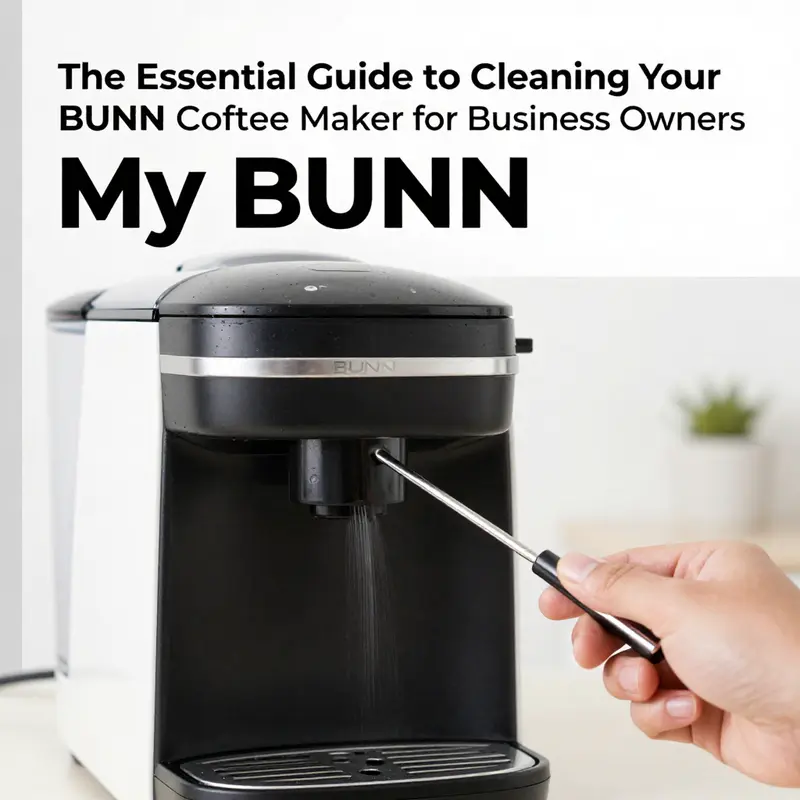
The internal journey of cleaning continues with the spray tube, the siphon that guides the water from the boiler toward the spray head. This tube is another hotspot for mineral buildup and organic residues. A descaling brush or pipe cleaner is inserted into the tube at the junction where the spray head connects. Gentle rotation and back-and-forth movements with the tool can dislodge stubborn deposits that would otherwise impede flow or create off-flavors. Don’t overlook any accessory tubes or bypass lines that might be present on your model; even small passages can accumulate scale or coffee oils over time. If you use a descaling kit or a proprietary cleaner, follow the kit’s instructions for connecting these tools to the tubing to maximize reach without forcing parts apart. The goal is to restore clear pathways from the boiler to the spray head, so the machine can deliver hot, evenly distributed water to every cup.
After you have addressed the mineral-scale and oily residues inside the system, the crucial step is a thorough flush. Empty the carafe and refill the reservoir with fresh, cold water. Run a full brew cycle to push clean water through the system, then discard that water. Repeat this rinsing sequence three to four times, pausing between cycles when practical, until you no longer detect any vinegar or cleaning-solution scent. This flush is essential because even the mildest cleaning agent can leave a taste behind if not fully cleared from the circulation. The goal is a pristine internal environment where water can heat quickly and reach the optimal brewing temperature without carrying remnants of prior cleaning agents.
Cleaning does not stop with the internal components. The carafe itself and the exterior of the machine deserve attention to maintain overall hygiene and a fresh appearance. The carafe should be washed with warm, soapy water and a non-abrasive sponge after every cleaning session. For deeper cleaning, soaking the carafe in warm water with dish soap for about 30 minutes, followed by a thorough rinse, helps remove any stubborn coffee oils that cling to the glass. The exterior deserves a wipe with a damp cloth, and a touch of lemon-infused water on the cloth can leave the surface smelling clean and citrusy. Avoid abrasive cleaners or steel wool that could scratch or dull the finish. These steps may seem cosmetic, but they help prevent little residue build-ups that could later migrate back into the brew and alter flavor or aroma.
As a final touch, run a test cycle with a fresh carafe of water to confirm that everything is functioning smoothly and that the water flows freely from the reservoir, through the tubes, and into the brew basket. If the test cycle proceeds without issue, you have completed a comprehensive cleaning that safeguards flavor and performance. For model-specific instructions, you can consult the detailed guide on How to Clean a BUNN Coffee Maker. This resource is particularly helpful if your machine has a unique spray-head configuration or additional bypass lines. If you need replacement cleaning tools or parts, contact the manufacturer’s support for guidance and availability. The steps described here are designed to be adaptable to most BUNN models, but model-specific disassembly and reassembly instructions can vary, so it is wise to reference the official documentation for your exact machine.
In practice, maintaining a routine is the best defense against persistent mineral buildup. For most homes with average water hardness, a monthly descaling is a prudent schedule. In areas with very hard water, descaling every two weeks can prevent rapid scale formation and keep the brewer performing near peak efficiency. To further minimize mineral buildup, consider using filtered or bottled water for daily brewing. While the descaling agents are effective, filtering water before it enters the reservoir reduces the scale that would accumulate in the first place, extending the interval between deep cleanings and preserving the taste profile of your coffee.
The human factor in this process matters as well. A calm, attentive approach to cleaning reduces the risk of missed spots or damaged components. Patience pays off here: allow the soak times to do their work, avoid forcing parts, and never skip the final rinse. A well-maintained BUNN not only yields better flavor but also provides quicker heats and fewer interruptions during busy mornings. It is the kind of practical ritual that rewards you with consistency—the kind of consistency that makes every pot a reliable, comforting start to the day. For model-specific guidance, refer to the official support page and the detailed, model-conscious steps that accompany your machine. And when you want a concise reminder of the steps, a single, well-timed cleaning session can serve as the baseline for ongoing maintenance, providing a foundation for many excellent cups to come. To add a helpful shortcut for readers, consider linking to a detailed, model-tailored guide on How to Clean a BUNN Coffee Maker with a simple anchor: How to Clean a BUNN Coffee Maker.
External resources can supplement this process, especially if you encounter unusual build-ups or peculiar machine behavior. If you need direct guidance on parts or disassembly, consult the maker’s official support resources, which provide model-specific diagrams and recommendations. In practice, the most important outcomes are clear water flow, steady heating, and a coffee flavor that remains true to your preferences. When you maintain these principles, your BUNN will keep delivering reliable performance that supports your daily routine and preserves the joy of a well-made pot.
External resource: https://www.bunn.com/support
null
null
Inside the Narrow Channel: Mastering Spray-Tube Cleaning for Your BUNN Coffee Maker
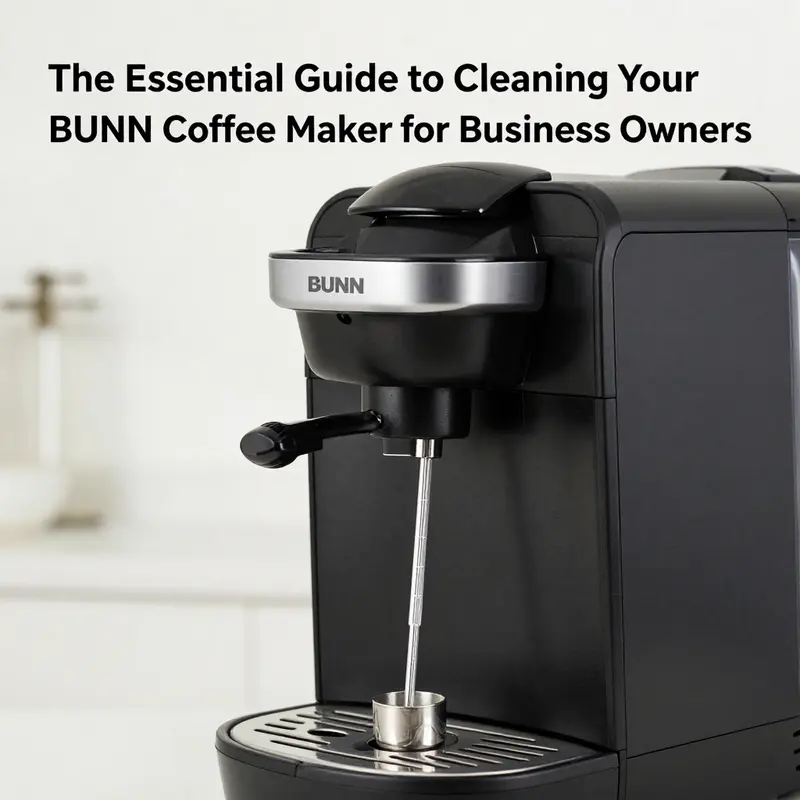
The spray tube sits at the base of the brew basket, a slender conduit that carries hot water from the reservoir up to the shower head. It is easy to overlook, yet its condition directly shapes how evenly coffee grounds are saturated. When mineral deposits cling to the inner walls, the spray becomes uneven, leading to under-extracted flavors and a pot that tastes inconsistent from batch to batch. Cleaning this tiny tube, though precise in its attention to detail, is a straightforward maintenance ritual that yields a noticeably brighter, more balanced cup. The act matters not just for flavor but for the long life of the machine, because a clear path of water flow reduces strain on seals and reduces the chance of stubborn clogs forming in tight corners where minerals can nestle.
Begin with safety in mind. Unplug the machine and let it cool completely after the last brew. The spray tube belongs to the internal plumbing, so you want to avoid any risk of electric shock or burns. Accessing the spray tube requires a careful hand and a gentle touch. Start by removing the brew basket, the little funnel through which grounds pass, and then the shower head assembly. Some models secure the shower head with a small nut or threaded connection; others require only a light twist to release. Do not force anything. The threads are delicate and can be damaged with haste. Once the shower head is off, you should see the mouth of the spray tube, a narrow passage that invites attention but resists rough handling.
The cleaning tool you choose makes a quiet difference in the result. A specialized tool designed for coffee makers—the thin, flexible brush or a slim pipe cleaner—fits just inside the spray tube without bending or scraping. If your kit includes a dedicated descaling tool, use that first. The goal is to reach the full length of the tube, scrubbing along its inner walls, not simply flattening deposits at the entrance. If a stubborn patch persists, a cotton swab dampened with a mild vinegar solution can help, but use it sparingly near seals and gaskets. This step is not about brute force; it is about patient, deliberate movement that dislodges mineral cling without marring the metal or plastic surfaces.
Accessing the spray tube is a two-part operation. First, remove the brew basket and loosen the shower head assembly so the tube can be revealed. Hold the tube steady as you introduce the cleaning tool into the open end. Push gently and slide it through the tube, then rotate slightly as you advance. The rotation helps with any curvature inside the tube and aids in dislodging mineral crusts that have taken hold on the inner walls. You may encounter deposits that resist, especially if your water is hard. In those moments, repeat the forward, then backward, pass with the tool. The process should feel deliberate rather than hurried. If you use vinegar occasionally to augment mineral removal, be mindful that strong residues can linger; the cleaning objective is to clear the path, not to leave a scent behind that might influence your next brew.
Rinse is the next crucial act. After you have worked the tool through the length of the spray tube, flush the interior with a steady stream of clean water. This step is essential because residual cleaning solution or mineral fragments can re-enter the brew path if not thoroughly rinsed. Reassemble the shower head and brew basket once you are confident the interior is clear. Before you attempt another brewing cycle, perform a full rinse cycle with plain water. Run the machine for a complete cycle, then discard the water. Repeat this rinsing sequence two or three times until there is no trace of vinegar, cleaning solution, or off-putting odor. The goal is a clean, neutral conduit that delivers water evenly during the next extraction.
In a broader sense, the spray-tube clean sits within a larger habit of maintaining the machine. While the spray tube is a relatively small component, it plays a disproportionate role in the consistency of your coffee. A neat tube often accompanies a well-maintained shower head, a clear spray pattern, and fewer interruptions from mineral buildup in the reservoir lines. Some models offer a dedicated descaling kit or a slightly thicker spray path, and in those cases the tool selection and the cleaning sequence may differ a touch. Yet the underlying principle remains: regular attention to the interior passages prevents scale from hardening into stubborn plugs that can slow water flow or distort distribution. If you are new to this ritual, imagine your spray tube as the bloodstream of the brewer. Clean, unobstructed, and free of blockages, it ensures every coffee encounter receives the same volume of water at the same temperature, yielding a cup that tastes consistent and bright rather than dull or uneven.
As you gain experience, you may notice that maintenance becomes almost second nature. The cleaning tool slides in with a comfortable ease, and the rinse cycles roll off with the familiarity of a familiar routine. You learn to handle the shower head assembly with a confident lightness, recognizing the subtle cues of a good seal and a properly reattached tube. Some days you might find a small amount of crust around the opening that requires another quick pass, while other days you find the tube practically gleaming after a careful scrub. The important constant is the approach: a slow, deliberate process that respects the delicate internals while delivering a deeper clean than a cursory rinse could achieve.
If you carry a routine beyond the spray-tube check, you will find the experience of brewing more predictable. The internal tubes, the spray head holes, and the reservoir feel connected by a shared rhythm of cleaning, so that a solid spray-tube session supports a cleaner overall system. The habit is reinforced by a small mental checklist that you can recall without effort: unplug, disassemble, scrub the tube, rinse thoroughly, reassemble, and run multiple rinse cycles. The discipline translates into a cup that tastes cleaner, with more even extraction and a more even aroma across the pot. And as you become more adept at this particular cleaning step, you may find it easier to integrate it with the other maintenance practices you already perform, creating a smoother, more reliable routine rather than a scattered, ad-hoc process.
If you want a broader context for your efforts, this spray-tube focus sits within a complete cleaning approach. A comprehensive descaling of the water reservoir, a thorough spray-head inspection, and the flushing of all line passages work in concert with this targeted tube cleaning. The end result is a coffee maker that remains reliable over the long term, producing consistent flavor and a clean aroma with each use. For model-specific instructions and any replacement cleaning tools that may accompany your machine, consult the official user manual or reach out to the manufacturer’s support resources. While the steps outlined here describe a careful, model-agnostic approach, every machine has its own idiosyncrasies that a quick reference to the manual can illuminate. And when questions arise, the dedicated help line can guide you through quirks related to connectors, threads, or particular descaling attachements that your model might employ.
If you’d like to explore related guidance, you can find a broader overview of BUNN cleaning methods in this detailed guide. It walks through the various steps you might take beyond the spray-tube work, including reservoir descaling, spray-head inspection, and the final test brew to verify that the machine is ready for another optimal pot. This broader resource ties together the nuance of spray-tube maintenance with the other essential cleaning steps, helping you build a holistic routine that supports consistent performance over time. For model-specific instructions and to obtain any replacement cleaning tools, you can contact the manufacturer directly at the official support page. The path to a perfectly clean brew begins with attention to the narrow channels that feed every pot of coffee you brew.
For a broader overview of all cleaning steps, see How to clean a BUNN coffee maker. How to clean a BUNN coffee maker. This linked guide complements the spray-tube focus by detailing the descaling options, reservoir cleaning, and thorough flushing routines in a broader, user-friendly sequence that helps you maintain optimal performance across the entire machine. After completing your spray-tube work, consult the official support page if you need model-specific directions or replacement cleaning tools. Keeping the tube clear is a vital habit, and the effort you invest today pays off in better-tasting coffee tomorrow, with the confidence that your machine will keep delivering dependable flavor for many brews to come. https://www.bunn.com/support
null
null
Final thoughts
Maintaining a clean BUNN coffee maker is essential for business owners aiming to provide quality coffee. By following the outlined procedures for preparation, descaling, deep cleaning, rinsing, and regular maintenance, you can improve both the lifespan of your coffee maker and the taste of your brews. A well-maintained machine not only enhances customer satisfaction but also demonstrates your commitment to quality.