
For business owners in the food and beverage industry, understanding ingredient details can significantly impact consumer satisfaction and product offerings. One popular beverage, Diet Dr Pepper, often raises questions regarding its caffeine content. This article explores whether Diet Dr Pepper is indeed caffeine-free and why this matters for both consumers and business operators. Each chapter builds on this topic, addressing comparisons with regular Dr Pepper, health implications of caffeine-free drinks, changing consumer preferences, and broader shifts in beverage offerings. By the end, you’ll be well-equipped to inform your customers about this popular drink option.
Caffeine in Diet Dr Pepper: Decoding the Label and the Myths of ‘Diet’
When we skim a label and see the word diet, the mind often assumes a caffeine lull follows close behind. In the realm of soft drinks, the word diet has long been a signal about sugar and calories, not about caffeine. Yet, the truth about Diet Dr Pepper sits in the same chassis as many other diet beverages: it uses artificial sweeteners to cut calories, while caffeine remains a separate ingredient that keeps its own distinct role. The result is a caffeine content that surprises some readers and confirms others’ suspicions. It is not zero. It is not sugar-free in the sense of sweetness alone. It is a beverage that carries a mild stimulant, a small but real amount of caffeine that can influence alertness, mood, and sleep if consumed later in the day. The bottom line is simpler and more precise than popular lore suggests: Diet Dr Pepper is not caffeine-free, though it is engineered to be low in calories and free of sugar. Understanding this distinction helps anyone who tracks caffeine for health reasons, sleep hygiene, or daily energy budgeting. For further detail, you can explore a focused explainer that delves into the caffeine content and how it compares with other beverages by following the linked resource below. Does Diet Dr Pepper Have Caffeine In It.
A closer look at the numbers makes the point clear. The typical 12-ounce (355 mL) can of Diet Dr Pepper contains about 41 to 42 milligrams of caffeine. That range is consistent across multiple reputable disclosures and fact-checking sources. It places the drink’s caffeine content on par with a cup of black tea and well within the range many people encounter in a single morning. The exact milligram amount can vary slightly by batch or production method, but the consensus across reliable references leaves little room for doubt: this beverage carries caffeine, even as it dispenses with sugar and delivers sweetness through synthetic sweeteners like aspartame and ace-K. The caffeine itself is not added to flavor alone; it contributes to the drink’s overall mouthfeel and perceived brightness of taste, balancing the tartness and helping to sharpen the finish. This is a subtle but important distinction for readers who assume that “diet” equates to caffeine elimination.
The contrast with regular Dr Pepper is instructive. The regular version of the same brand contains a similar level of caffeine, typically around 42 milligrams per 12-ounce can. It is a reminder that the brand’s approach to caffeine remains consistent across product lines that differ primarily in calorie content and sweetener choices. The sugar in regular Dr Pepper and the zero-sugar formulation in the diet version share the same caffeine backbone, so the stimulant effect remains similar in both. The difference that most readers notice is the presence or absence of sugar, not the absence of caffeine. That nuance matters when people plan their caffeine budgets for the day or decide what to drink after dinner to avoid sleep disruption. A common misconception—that “diet” automatically means caffeine-free—lacks nuance and fails to reflect how these beverages are formulated. A quick glance at the facts helps separate myth from measurement.
For those who want a broader context, caffeine content is a familiar topic among many popular drinks. Compared with some energy drinks, the diet cola in question typically carries less caffeine, yet it still contributes to daily intake in meaningful ways for sensitive individuals, those who are avoiding caffeine altogether, or people who are balancing multiple sources of caffeine from coffee, tea, and other beverages. The range of 41 to 42 mg per can sits between a small to moderate amount for a single serving, but it can add up quickly if you drink more than one can in a day. When people map out their caffeine exposure, they often start with a baseline from coffee but must account for other sources. The diet alternative, despite its calorie savings, does not escape that consideration. It can still influence sleep, energy, and jitteriness in the same way another caffeinated beverage might, just with a different profile of sugar, calories, and sweeteners.
The misconception about caffeine in diet beverages underscores a larger point about how the market communicates health and energy. The label’s “diet” promise can blur expectations about caffeine, especially for readers who are new to mindful caffeine management. It is easy to assume that a calorie-free option also means caffeine-free, but the science behind beverage formulation does not align with that assumption in this case. The beverage uses caffeine because it is part of the product’s flavor architecture, helping to round out a familiar, brisk finish that consumers recognize and seek out. The interaction between caffeine and taste is subtle but real. Caffeine can intensify perception of flavor, brighten the palate briefly, and contribute to a sense of lift that many associate with a refreshing chill on a hot day. As a result, even a zero-sugar product can still offer a caffeine-triggered pick-me-up, which might be exactly what some readers want—and exactly what others wish to avoid.
Understanding the label also means recognizing the practical implications for everyday life. If you are monitoring caffeine intake for health reasons, pregnancy, medication interactions, or sleep quality, this information matters. The presence of 41–42 mg per can is a concrete datum that helps shape decisions: how many cans to drink, at what time of day, and how to balance it with other caffeine sources. It is a reminder that caffeine content is not a moral verdict on a product; it is a measurable attribute that influences how that product fits into a broader caffeine budget. The ability to weigh calories and sugar against caffeine makes Diet Dr Pepper an example of how modern beverages are engineered to offer specific trade-offs. An informed consumer can appreciate the calorie savings while still respecting caffeine limits, a balancing act that is increasingly common in diets that aim for both enjoyment and restraint.
To those who want to dig deeper, the story above aligns with the broader literature on caffeine in diet beverages. It also aligns with the practical approach many readers take: check the label, compare to morning coffee, and make a decision that respects your health goals. If you are curious about how this particular product is discussed within health-focused circles, you can read a concise explainer that confirms the caffeine presence and frames it within the context of dietary choices. Does Diet Dr Pepper Have Caffeine In It. This reference helps distinguish between sweeteners, calories, and stimulants, making it easier to apply the information to daily life.
In the end, the caffeine question about Diet Dr Pepper is not a black-and-white label issue so much as a matter of measurement and expectation. The drink provides a familiar sensory experience—refreshing, slightly tart, and pleasantly brisk—without sugar, but with a caffeine kick comparable to a cup of tea. The learning here is practical: “diet” signals fewer calories, not reduced stimulation. Those who consume it should be aware of the caffeine content, just as they would with tea, coffee, or other caffeinated beverages. With that awareness, the beverage can be enjoyed responsibly, integrated into a personal caffeine plan, and considered alongside other daily sources.
External reference for further verification and context: https://www.caffeineinformer.com/diet-dr-pepper-caffeine-content/
The Equal Buzz: Comparing Caffeine Content Between Diet and Regular Cola
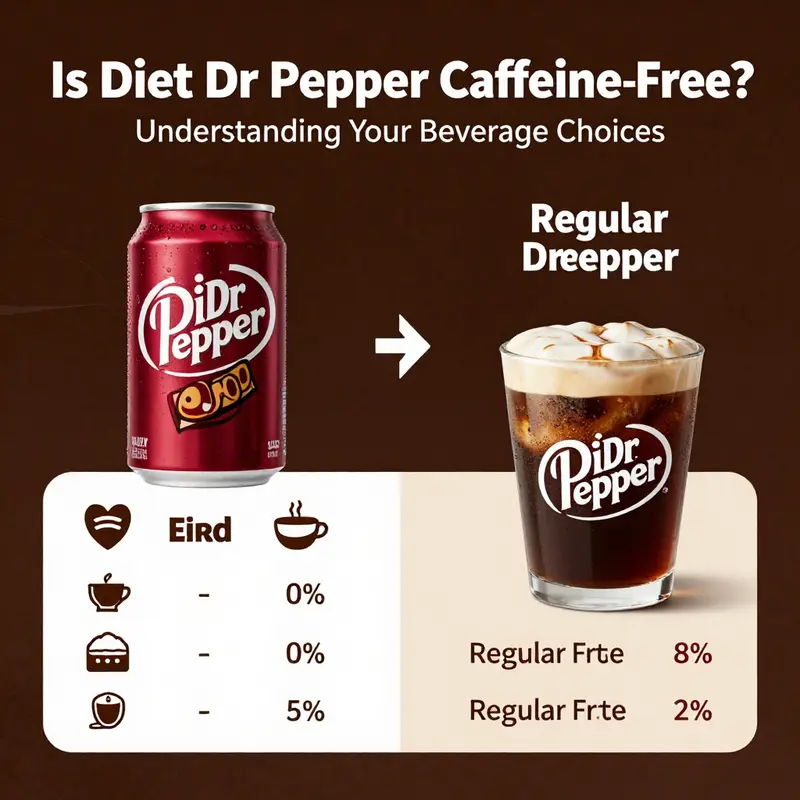
Caffeine often sits in the background of the beverage decisions we make daily. In the world of cola variations, many assume that the diet version is caffeine-free simply because its label promises zero sugar or zero calories; caffeine isn’t the target of the diet formulation, after all. Yet the truth is more nuanced. When you compare the caffeine content between the diet variant and the regular variant, the numbers can surprise. The person sipping the drink at a desk, on a commute, or after a workout is getting the same caffeine bump from both options. This isn’t a mystery so much as a detail that rewards careful reading of the data behind the label. It also shows why the caffeine question about a diet product deserves more than a quick yes-or-no answer.
Across official data and product information, both versions contain roughly 41 milligrams of caffeine per 12-ounce can. This is the standard size used in the United States and aligns with the caffeine levels common to many standard-colas. It’s worth noting a slight variation exists in some listings, occasionally rounding to 42 mg. But the core finding remains: the diet version is not caffeine-free, and the regular version does not deliver a different caffeine punch in terms of the label. The verifiable figure widely cited is 41 mg per 12 fl oz, and this is what most independent testers and official pages agree upon. That convergence matters because it sets a baseline for anyone trying to manage caffeine as part of a daily rhythm. If you’re charting intake, treating both variants as equal in caffeine helps avoid overestimating the “extra” lift you might expect from one over the other, which can be a tempting but misleading assumption.
From a consumer perspective, this equality matters. It means that if you’re trying to avoid caffeine completely, neither option fits the bill; you would need to seek products marketed as caffeine-free or decaffeinated. If you’re monitoring caffeine intake for health reasons or personal tolerance, both beverages contribute similarly to your daily total. The caffeine in these drinks also mirrors what people expect from a familiar cola flavor: the mild energy lift and the tingling bite that helps balance sweetness and acidity. That combination—taste, sensation, and a predictable chemical profile—helps explain why both versions occupy similar spots in many people’s beverage repertoires. It’s not a betrayal of flavor to discover the caffeine content is the same; it’s a reminder that caffeine’s role in this category is more about stabilizing a sensory experience than providing a dramatic caffeine spike.
To place 41 mg into context, a standard cup of black tea ranges widely from about 40 to 70 mg, depending on brewing time and brand. A 12-ounce can thus holds roughly the same amount as a cup of strong tea for most people. This comparison helps demystify the caffeine myth: the sensation of alertness from such beverages is a shared feature among numerous everyday drinks, not unique to coffee. The caffeine in this class of beverages tends to be a secondary driver of flavor, working alongside acids, vanilla-like notes, and botanicals that define the familiar cola profile. The synergy between caffeine and the flavor matrix is part of what gives the drink its signature character and a modest, approachable energy. In practice, this means both the diet and regular variants behave more like cousins than rivals when it comes to caffeine’s role in taste and tone.
Another layer worth considering is how marketers present these products. The diet version is often associated with calorie-conscious decisions, while the regular version is cast in the light of traditional taste. But when it comes to caffeine, both share the same engine: caffeine is a stimulant that remains in these beverages to preserve the overall sensory balance and to offer a predictable, mild energizing effect. That effect comes without a huge spike, especially compared with coffee or energy drinks, making both options convenient for people who want a small lift without a heavy caffeine load. The labeling around sugar and calories can influence choice, yet the caffeine shadow remains a constant across the two forms. In this sense, the chapter invites readers to separate marketing impressions from chemical identity and to assess caffeine based on the exact milligrams per serving rather than brand rhetoric.
Health audience perspectives emphasize moderation. For most adults, moderate caffeine—roughly a few tens of milligrams per day, spread across beverages—can be consumed safely. The exact tolerance varies by individual, but for many, 41 mg per can is manageable as part of a daily intake. People with caffeine sensitivity, certain heart conditions, or those who prefer to avoid stimulants altogether should consider caffeine-free alternatives or consult a clinician. The broader takeaway is that the “diet” label does not guarantee a caffeine-free product; it primarily signals sweetener choices. When caffeine content becomes a deciding factor, it is useful to track sources across the day, not just within a single can. That practice helps maintain a clear overview of how stimulants accumulate, especially for those who rely on multiple beverages for refreshment or alertness.
If you are building a daily beverage plan, it is helpful to map caffeine across your choices rather than relying on a single product. A single can can contribute enough caffeine to be mindful of cumulative totals from tea, coffee, soft drinks, and other sources. In practical terms, a routine coffee habit and a routine cola habit may push daily totals into a noticeable range for sensitive individuals, even if both cola variants contain the same caffeine. Consumers who track caffeine often appreciate this clarity: the difference between “diet” and “regular” in this family is mostly about sugar, flavor, and calories, not caffeine content. This distinction becomes more pronounced when you consider other components—sugar substitutes in the diet version, or caramel notes and natural flavors in the regular version—that shape the overall experience but not the caffeine tally itself.
For readers seeking a quick fact-check, a reliable reference point is the official information on caffeine content, which clearly demonstrates the parity between these two variants. The numbers align across markets and across brands that share a similar formulation in this product category. If you want to explore further, you can consult the dedicated page that catalogues caffeine content and see the same 41 mg per 12-ounce standard. The takeaway remains consistent: if your goal is zero caffeine, neither option will satisfy that goal. A no-caffeine path requires products explicitly marketed as caffeine-free or decaffeinated, or simply choosing beverages that by design exclude caffeine from the formulation.
To connect this to everyday choices, it can be helpful to compare with another widely consumed substance: a cup of tea. Tea tends to sit in the 40-70 mg range per cup, which means the beverage in question sits at the lower end of that spectrum. In other words, the caffeine in both the diet and the regular variant of this cola sits within what many would consider a modest caffeine exposure for a single serving. With this understanding, listeners can adjust their consumption based on personal appetite and health considerations rather than relying on marketing labels alone. The practical takeaway is not to fear caffeine in moderation, but to be aware that the label you choose primarily reflects sugar and flavor decisions rather than the caffeine balance.
Finally, a note on reading the broader landscape of caffeinated beverages: the fact that the diet version retains caffeine invites us to reframe how we think about the product category. It reinforces that caffeine delivery in carbonated, sweetened beverages can be a deliberate design choice, balancing flavor, mouthfeel, and a gentle lift without dominating the palate. In the end, the equal caffeine content of the two versions is less a mystery and more a reflection of formulation priorities that emphasize taste and familiarity. For those who want a caffeine-free experience, the search should lead toward options specifically marketed as caffeine-free. If you’d like a quick reference to a resource that dives into these figures, see the linked page. Does Diet Dr Pepper Have Caffeine In.
As the article moves forward, the next chapter will explore how caffeine interacts with sugar content and how different formulations balance both to craft consistent experiences across the product family. For now, the evidence supports a simple conclusion: when it comes to caffeine, diet and regular cola share the same amount per serving, which is a value that helps readers and shoppers make informed, mindful choices. External references provide an external validation of this figure and offer broader context for readers who want to see the numbers spelled out in official material. External reference: https://www.drpepper.com/caffeine-content/
Not Truly Caffeine-Free: Tracing Diet Dr Pepper’s Real Caffeine Content and What It Means for Health

When people encounter a drink labeled Diet, the first assumption is often that it skimps on more than just calories. In the case of Diet Dr Pepper, that assumption misleads the most important practical question for many health-conscious consumers: is it truly caffeine-free? The short, data-backed answer is no. A standard 12-ounce can delivers about 41 to 42 milligrams of caffeine. That puts it in the same caffeine neighborhood as a typical regular cola, and it sits just a bit below or on par with a cup of black tea, depending on brewing strength and brand. This detail matters because caffeine is a bioactive compound that can influence sleep, mood, cardiovascular dynamics, and even how we perceive appetite and energy across the day. The label “Diet” signals sugar or caloric management, not the absence of caffeine. In fact, the caffeine content of this popular beverage mirrors the caffeine found in many other widely consumed beverages, which means the consumer’s experience of alertness, jitters, or sleep disruption is not ruled out simply by choosing a “diet” option. The overall beverage marketplace often presents caffeine as a secondary attribute to taste and calories, yet the stimulant effect is real and measurable, and it should be accounted for in daily planning, especially for individuals who are caffeine-sensitive or who are trying to reduce caffeine intake for health or sleep reasons. For those who want to verify the exact caffeine numbers, a closer look at the detailed caffeine content can provide clarity about how this drink compares with alternatives in the same category. You can explore a precise breakdown and related context in the article focused on caffeine content of Diet Dr Pepper. caffeine content of Diet Dr Pepper.
Beyond the numbers, the caffeine story fits into a broader health conversation about how we manage stimulants in daily life. Many people assume that caffeine-free or zero-calorie beverages automatically align with a risk-averse health plan, but caffeine is only one piece of the puzzle. The same drink that supplies a modest caffeine lift also uses artificial sweeteners to maintain sweetness without sugar. In Diet Dr Pepper, aspartame and related sugar substitutes provide the familiar sweet profile while avoiding caloric load. FDA-approved sweeteners have undergone extensive evaluation, yet ongoing research and public discourse highlight nuanced questions about long-term effects on metabolism, appetite signaling, and even gut microbiota. In other words, you do not get a singleHealth signal from a single ingredient; you get a composite of how caffeine, sweeteners, and other additives interact with your physiology over time. That layered reality motivates a careful reading of labels and a thoughtful approach to consumption, rather than a blanket avoidance anchored in a single banner term like “diet.” The goal is to understand how a given beverage fits into one’s overall diet, caffeine tolerance, sleep patterns, and metabolic health goals, rather than judging it solely by its marketing category.
From a practical standpoint, the caffeine content in this beverage is not exceptional by itself, but it is not negligible either. A daily pattern that includes several caffeinated drinks—whether they come from cola, tea, coffee, or energy drinks—can lead to a cumulative load near or above commonly cited thresholds that health professionals warn about for certain individuals. For people who are sensitive to caffeine, the onset of symptoms such as restlessness, unsettled sleep, increased heart rate, or heightened anxiety can occur even at modest doses. Pregnant people, those with hypertension or arrhythmia, and individuals who metabolize caffeine slowly may want to track their intake carefully and consider spacing caffeinated beverages away from evening hours. The body’s caffeine clearance varies widely among individuals, influenced by genetics, liver enzyme activity, age, and concurrent medications. As a result, two people drinking the same 12-ounce can may experience very different subjective effects. Recognizing this variation is essential for anyone who aims to maintain steady sleep continuity or minimize anxiety-related symptoms while still enjoying beverages that taste good and fit cultural patterns of snacking and socializing.
The health implications of Diet Dr Pepper extend beyond caffeine to the sphere of artificial sweeteners, which play a central role in why many people choose diet options in the first place. Aspartame, along with other approved substitutes, can deliver sweetness without added sugars, helping to manage caloric intake and glycemic responses for some individuals. Yet research and regulatory commentary continue to surface questions about long-term metabolic regulation and appetite signaling. Some studies suggest that artificial sweeteners may alter sweetness perception, impact appetite regulation, or even subtly shift cravings toward sweeter foods over time. While the FDA maintains that approved sweeteners are safe for the general population under established usage levels, ongoing investigations into gut microbiota and metabolic outcomes remind us that the human body responds to engineered foods in complex, sometimes surprising ways. For readers who want to explore the safety landscape in more depth, the FDA’s authoritative resource on sweeteners and other food additives offers a comprehensive overview of approval status, dose guidance, and the ongoing scientific conversation about how these ingredients behave in the gut and beyond. This is not a definitive verdict one way or another, but it provides a grounded scientific frame for evaluating what to sip and how often.
In the lived experience of everyday beverages, labeling can shape our decisions just as powerfully as the content itself. The word Diet carries a promise of reduced calories, not a guarantee of reduced stimulant exposure. A consumer who reads Diet and assumes “no caffeine” may inadvertently exceed a self-imposed limit by combining multiple caffeinated sources in a day. For someone balancing caffeine intake with family duties, work demands, or late-evening routines, that distinction can be meaningful. The broader lesson is one of label literacy: treat Diet as a calorie-control feature rather than a caffeine-control feature, and audit your day for total caffeine exposure rather than reacting to a single product’s label. In this context, understanding the precise caffeine content of Diet Dr Pepper becomes a practical step in aligning beverage choices with health goals, sleep quality, and personal sensitivity. If you want to anchor your decision with a precise figure, consult the discussion on caffeine content in Diet Dr Pepper. caffeine content of Diet Dr Pepper.
From a health-management perspective, the takeaway is nuanced and individualized. For many adults, a daily caffeine ceiling around 400 mg is a commonly cited benchmark that supports alertness without stark disruption to sleep, anxiety equilibrium, or blood pressure control. However, this estimate is not universal. Pregnant people often receive stricter guidance, and those who are caffeine-sensitive may need to limit to far lower amounts. Dietary patterns that include multiple sources of caffeine—coffee, tea, soda, and even some medications—require a cumulative accounting rather than wrestling with each item in isolation. Similarly, the choice to use artificial sweeteners hinges on broader health considerations: weight management, metabolic risk, and personal tolerance to these additives. The conversation is not about a single product in a vacuum but about how such a product fits within a person’s unique physiology, lifestyle, and health objectives.
As you weigh your day, consider both the caffeine load and the sweetener context. If you’re curious about how Diet Dr Pepper stacks up in your personal plan, you can examine the exact caffeine quantity and compare it with other beverages you consume. That comparative lens reveals where adjustments might yield meaningful benefits, whether you’re seeking more consistent sleep, better appetite regulation, or simply a calmer daily rhythm. In the grand scheme of beverage choices, the label’s promise does not automatically equal a health outcome; the real story lies in how all the pieces—caffeine, sweeteners, calories, and your own body’s signals—meet in your daily routine. For a clearer frame on caffeine content and its placement among similar drinks, see the dedicated look at Diet Dr Pepper’s caffeine numbers. caffeine content of Diet Dr Pepper.
For readers who want external validation and regulatory context, the FDA’s stance on sweeteners provides a foundational reference point. The agency summarizes approved substances, safety assessments, and usage parameters that help explain why diet beverages can maintain flavor without added sugar while still delivering a measurable caffeine dose. This broader safety and regulatory landscape is a useful backdrop when interpreting consumer questions about what makes a drink “diet” and how caffeine and artificial sweeteners interact with health outcomes over time. As with any nutrition topic, informed choices come from blending product specifics with personal health status and trusted scientific resources. To explore official assessments and regulatory details, visit the FDA’s page on Sweeteners and Other Food Additives.
External resource: FDA – Sweeteners and Other Food Additives: https://www.fda.gov/food/food-additives-petitions/sweeteners-and-other-food-additives
Caffeine-Free Flavor, Clearer Choices: Why Diet Dr Pepper’s Zero-Caffeine Position Matters in a Wellness-Driven Beverage World
The modern beverage landscape is evolving in ways that go beyond calories and sweetness. Within this shift, a distinct pattern has emerged: consumers are increasingly seeking drinks that satisfy taste and enjoyment while minimizing or eliminating stimulants. When a product like Diet Dr Pepper offers a caffeine-free option, it resonates with a growing cohort of shoppers who want to indulge without compromising on sleep, focus, or daily rhythm. This longing for control over stimulation is not merely about avoiding the jitters; it aligns with broader wellness goals that emphasize balance, transparency, and personal tailoring of dietary choices. In practice, caffeine-free beverages become more than just a substitute for their caffeinated peers; they become a behavioral signal about how a consumer wants to structure daily routines, late-night errands, and weekend social rituals. The rise of these options mirrors a more intentional consumption culture where flavor and function fuse without forceful contrasts.
Market data from recent market analyses underscores this trend. Consumers are not only chasing lower calories and sugars; they are prioritizing ingredients and experiences that support a calmer, steadier energy profile. In practice, a caffeine-free formulation can provide a reliable alternative for people who are sensitive to stimulants, those who avoid caffeine due to medical guidelines, and parents seeking calmer beverage options for family meals. The appeal is functional as well as emotional: the absence of caffeine reduces the likelihood of sleep disruption after a late meal or a long day, and it eliminates one more variable in daily routines that may otherwise complicate productivity or rest. This practical dimension is a decisive factor for many shoppers who want to enjoy a familiar, flavorful soda without second-guessing how it might affect their sleep schedule or daily energy.
Important research insights point to a nuanced relationship between caffeine and health risk perceptions. While the direct links between caffeine and adverse health effects are not as pronounced as concerns about certain artificial sweeteners, the consumer imagination is increasingly engaged with ingredient transparency. The broader reevaluation of beverage ingredients—driven by rising awareness of potential risks and a desire for cleaner labels—fuels demand for caffeine-free options. In this context, Diet Dr Pepper’s caffeine-free formulation becomes a case study in how brands respond to wellness-oriented expectations without sacrificing the brand’s beloved flavor profile. For readers curious about the caffeine content across the lineup, exploration of these details is often a meaningful step toward making informed choices. If you’re wondering about the specifics for Diet Dr Pepper, you can dive into the discussion here: Does Diet Dr Pepper Have Caffeine? Get the Truth.
The practical benefits of a caffeine-free option extend beyond sleep and jitters. For many, the absence of caffeine creates a more forgiving experience in social settings and daily rituals. It means that enjoying a familiar soda with friends at any time of day does not require timing around caffeine-sensitive considerations. It also supports individuals who monitor stimulant intake as part of a broader wellness plan. In communities increasingly focused on mindful consumption, the flavor remains central, while the stimulant component is simply absent. A zero-caffeine formulation therefore serves a dual purpose: it preserves the sensory pleasure of a well-loved beverage and respects the boundaries that some consumers set for themselves in the name of sleep quality, anxiety management, or daily energy stability.
From a brand perspective, the zero-caffeine, low-calorie approach represents more than a product attribute. It is a signal of alignment with wellness-oriented consumer expectations that prize clearer ingredient narratives and predictable sensory experiences. As beverages compete for attention in crowded aisles, a caffeine-free option stands out not only for its health-conscious positioning but also for its reliability. Consumers who prioritize routine stability appreciate knowing what they are getting with each can or bottle, and caffeine-free formulations reduce the number of variables that can influence mood, focus, and rest. This predictability, coupled with the familiar taste profile that fans have grown to expect, helps create a loyal base that values consistent experiences as part of everyday life. The result is a win for the category, as more shoppers seek out drinks that feel like a natural extension of a healthy, manageable lifestyle while still delivering the indulgence of a favorite flavor.
The narrative around caffeine-free beverages also intersects with broader conversations about ingredient transparency and labeling. In an era of clean-label expectations, consumers scrutinize what is listed and what remains unsaid. The shift toward straightforward formulations—where sugar, calories, and stimulant content are easy to understand—speaks to a desire for trust and simplicity. This is particularly true for beverages that promise flavor without compromise. In such contexts, a caffeine-free option is not merely a workaround for caffeine sensitivity; it is a tangible expression of how brands listen to their customers and adapt to evolving priorities. The emphasis on clear, honest labeling helps reduce cognitive load for shoppers who balance multiple dietary commitments, whether they are watching sugar intake, seeking to minimize artificial ingredients, or simply wanting a steady, dependable beverage choice during the day.
Of course, flavor remains the anchor. A caffeine-free formulation must maintain the sensory satisfaction that consumers expect. The challenge and opportunity lie in preserving the aromatic complexity, the balance of sweetness, acidity, and mouthfeel that define the brand’s signature profile. When done well, the result is a beverage that delivers the same moments of pleasure without the supporting stimulant. For many people, this is more than a preference; it is a lifestyle choice that aligns with values around sleep, stress management, and daily rhythm. The end effect is a more holistic consumer experience: a trusted option that fits neatly into a health-conscious routine without asking for sacrifices in taste or enjoyment. The conversation about caffeine-free options, then, is not about depriving the palate but about expanding the possibilities for mindful indulgence.
In retail and manufacturing, the success of zero-caffeine options also prompts a dialogue about ingredient sourcing and formulation. Stakeholders recognize that consumer questions about artificial sweeteners and their safety feed a broader demand for transparency. Even when scientific consensus supports the safety of certain ingredients in moderate amounts, the consumer desire to understand what is in a product—how it is sweetened, how many calories it carries, and whether caffeine was ever part of the equation—remains a powerful driver of trust. Brands respond by simplifying ingredient lists, clarifying caffeine status on pack labels, and offering accessible education through digital content and official product pages. The payoff is more than brand loyalty; it is a relationship built on clarity, respect for consumer intelligence, and shared values around wellness and enjoyment in daily life.
In sum, the growth of caffeine-free options within the soda category reflects a broader evolution in consumer behavior. It signals a willingness to trade a conventional stimulant presence for a predictable, wellness-aligned experience without sacrificing flavor or social enjoyment. Diet Dr Pepper’s zero-caffeine positioning exemplifies how a well-loved flavor can evolve to meet shifting expectations without losing its identity. The chapter of consumer preferences that centers on caffeine-free choices is not a niche moment; it is part of a longer arc toward beverages that harmonize taste with personal health priorities. For readers seeking the most direct source of caffeine data and formulation details across the lineup, official product information remains the most reliable reference point and a logical companion to the insights shared here. As the wellness conversation deepens, caffeine-free formulations will likely continue to gain ground, inviting a broader audience to discover how a familiar, comforting soda can fit gracefully into a thoughtful, balanced lifestyle.
External resources and further reading can provide additional context on caffeine content across products and how specific formulations are described by manufacturers. For a broader understanding of official product contents, you can explore the official product information page. Dr Pepper – Product Information
Quiet Buzz, Clear Choices: Is Diet Dr Pepper Caffeine Free and the Rise of Caffeine-Free Soft Drinks
Caffeine has long served as both a flavor cue and a stimulant in many soft drinks, especially colas. Its presence helps shape the drink’s bite and contributes to a perceptible lift after a cold sip. For decades, consumers associated that jolt with the classic experience, and manufacturers built formulas around a balance of sweetness, acidity, and a subtle bitter edge that caffeine often amplifies. Yet as public health awareness grew, so did curiosity about the true impact of caffeine on daily life. A pivotal study published in The Lancet in 1979 by Darragh and colleagues examined caffeine content across widely consumed beverages and linked intake to physiological responses such as increased blood pressure in some individuals and stomach discomfort with regular use. The exact effects vary with dose, timing, and individual sensitivity, but the overarching message endured: caffeine is not a passive additive; it interacts with physiology in meaningful ways that can alter how a drink is experienced and how a day unfolds after consumption.
As science and health messaging matured, consumer attention shifted toward how much caffeine people actually want to ingest. Public health discussions highlighted sleep disruption, anxiety, and potential concerns for bone density and dental health with high caffeine intake. The beverage industry did not ignore these signals. Instead, it pursued a dual strategy: preserve the sensory identity of beloved flavors while offering caffeine-free options that keep the ritual intact without the stimulant. This approach reflected a broader industry shift toward transparency and wellness, as brands sought to meet diverse dietary goals without sacrificing the familiarity that makes a product feel like a reliable daily companion. The result is not simply a subtraction of one ingredient; it is a reimagining of product design that preserves mouthfeel and carbonation while removing the stimulant that once defined the drink’s character. Within this context, caffeine-free options have become a meaningful pathway for consumers who want the taste they love minus the physiological side effects that caffeine can provoke for certain people.
What this means in practical terms is that a line of products now exists in which caffeine is absent from the entire equation from bottle to sip. The absence of caffeine can influence sleep routines, anxiety levels, and even how late into the evening a person can enjoy a refreshing beverage without rest disruption. The move toward caffeine-free variants does not erase the flavor story of the classic style; it reconfigures a consumer’s routine so that the same taste experience comes with a different physiological companion. In sensory terms, removing caffeine can nudge the balance slightly, yet many tasters report that the essence remains intact. The drink’s backbone—its carbonation, its crisp finish, and its caramel-vanilla notes—retains the character fans recognize, while the absence of the stimulant softens the edge felt by caffeine-sensitive consumers. The practical effect is a smoother fit for people who want to enjoy a familiar flavor without jitters or sleep interference that can accompany caffeine.
From a manufacturing standpoint, producing caffeine-free versions often involves adjusting extraction processes, rebalancing sweeteners, and ensuring stability across shelf life. Brand storytelling then becomes important: packaging and messages emphasize clarity, restfulness, and everyday convenience rather than buzz. In markets where sleep health and anxiety reduction are part of a broader wellness narrative, caffeine-free options are not merely a niche; they are a normalized choice within a family of beverages that celebrates balance and moderation. This alignment shows up in households, workplaces, and social settings where a familiar, refreshing routine can be enjoyed without sacrificing rest or mood stability. The industry’s willingness to build on a familiar taste while offering transparent, safe choices mirrors a broader commitment to consumer autonomy and health-conscious consumption. The shift also invites manufacturers to consider the environmental and economic dimensions of reformulation, packaging, and education around what zero caffeine actually means for the consumer.
Within this evolving landscape, a well-known diet line’s caffeine-free variant stands as a practical illustration of how tradition can harmonize with health-focused reform. The caffeine-free option preserves color, aroma, and sweetness, delivering the same anticipated experience while removing caffeine’s physiological footprint. For readers who care about caffeine content, this is not simply about a label; it is about a measurable difference that widens accessibility for people with sensitivities, sleep concerns, or preferences for fewer stimulants in daily routines. In households or office environments seeking variety, the availability of a caffeine-free alternative simplifies decisions and supports daily life that balances refreshment with rest. This is not about abandoning flavor tradition; it is about honoring it while offering safer, more inclusive choices. The broader takeaway is that the industry’s investment in zero-caffeine options signals a mature market that respects individual differences in tolerance and wellness goals without sacrificing the sensory pleasures that define the category.
For readers navigating everyday choices, the path forward blends label literacy with personal experience and a willingness to experiment within healthy boundaries. Understanding serving sizes and caffeine status helps avoid unintended stimulation, particularly for late-day consumption or for those particularly sensitive to caffeine’s effects. The shift toward visible, clearly labeled caffeine-free options supports a more intentional approach to hydration and snacking. It invites a broader reflection on how taste memory and ritual intersect with health goals, and how a familiar flavor can persist even when the stimulant behind it is removed. This nuanced evolution honors both flavor tradition and the modern emphasis on well-being, encouraging readers to consider whether a caffeine-free option could play a larger role in their daily routine.
To connect this discussion with practical resources, consider a consumer-focused explanation that directly relates to the product discussed here. For readers who want quick reassurance, a direct link provides a straightforward confirmation of caffeine status. See Does Diet Dr Pepper Have Caffeine? for a concise verification that the zero-caffeine claim is accurate. Beyond this, the broader scientific literature offers a foundational context for understanding caffeine’s biology and health implications in beverages. For context and further reading, refer to the external resource that laid the groundwork for these discussions: https://doi.org/10.1016/S0140-6736(79)91880-4. End of chapter.
Final thoughts
Understanding whether Diet Dr Pepper is caffeine-free is crucial for business owners looking to cater to health-conscious consumers. As demand for caffeine-free options grows, recognizing the differences between beverages can enhance product offerings. By embracing these insights, you can position your business to meet consumer needs effectively and capitalize on the growing trend towards caffeine-free choices in the beverage market.