

Understanding caffeine content in popular beverages like Mountain Dew is crucial for business owners in the food and beverage industry. It influences customer choices and product strategy, especially in environments where energy and alertness are prioritized. This article delves into various Mountain Dew offerings, examining caffeine levels in the classic Original Mountain Dew, its Diet counterpart, and an array of flavored variants. By analyzing these aspects, business owners will be equipped to better meet customer expectations and market demands.
How Much Caffeine Is in Original Mountain Dew — The 54 mg Truth
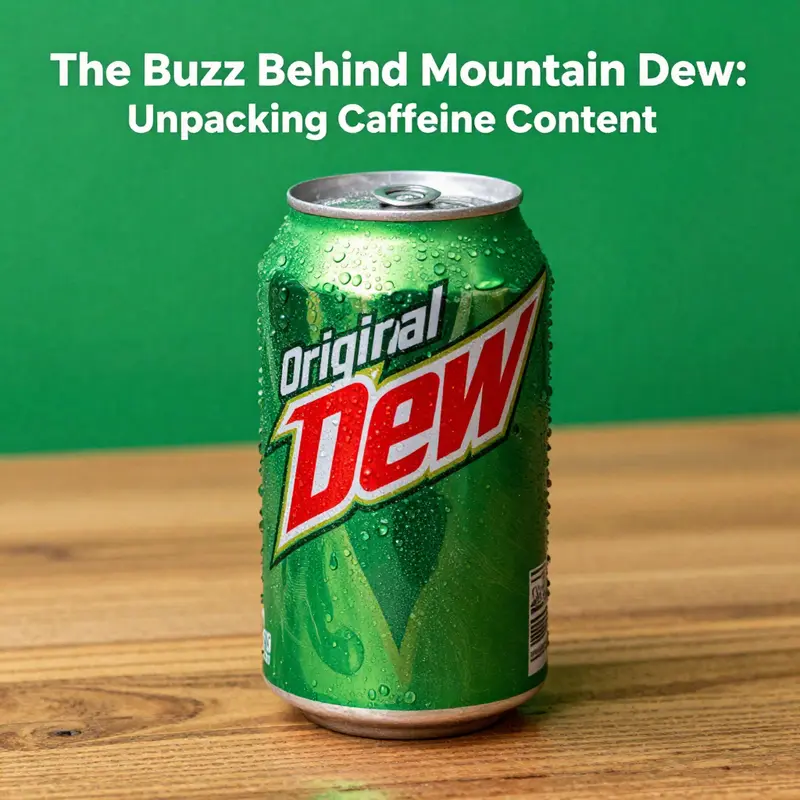
Original Mountain Dew delivers 54 milligrams of caffeine per 12-ounce (355 ml) can. That single figure shapes how people choose, consume, and respond to this soda. It explains why some reach for it to wake up and others avoid it late at night. In this chapter, the focus is on that concrete number and everything it implies: how strong it is compared with other beverages, what a 54 mg dose means physiologically, how serving size changes the picture, and practical guidance for integrating this caffeinated soda into daily routines.
Understanding the 54 mg figure starts simply. A standard 12-ounce can lists caffeine at 54 milligrams. That amount places the beverage among the more caffeinated mainstream soft drinks. The caffeine content contributes noticeably to alertness without approaching energy-drink levels. For many, 54 mg is enough to reduce sleepiness and sharpen focus for a limited time. For others, especially those who are sensitive to stimulants, even this dose can trigger jitteriness or sleep disruption.
Caffeine affects people differently. Body weight, habitual consumption, genetics, and tolerance shape the response. A person who drinks coffee daily will usually experience a weaker response to 54 mg. Someone rarely exposed to caffeine will feel a stronger effect. The time of day matters too. Consuming 54 mg late in the evening can delay sleep onset for many adults. The half-life of caffeine ranges roughly from three to seven hours, depending on individual metabolism. Thus, a can consumed mid-afternoon can still influence sleep for a subset of people.
Beyond immediate alertness, 54 mg adds to daily caffeine totals. Public health guidelines often advise that healthy adults keep daily caffeine under 400 mg. A single can therefore consumes about one eighth of that recommended cap. For people who combine this soda with other caffeinated sources — brewed coffee, tea, chocolate, or energy shots — the amounts add quickly. Tracking cumulative intake helps avoid unintended excess.
Serving size shifts the math. A 20-ounce bottle contains more than one can’s worth of volume and thus more caffeine. At 54 mg per 12 ounces, a 20-ounce portion would contain roughly 90 mg of caffeine. Fountain pours or large bottles can lead to surprisingly high totals when consumed in a single sitting. Reading labels and estimating serving size can prevent accidentally doubling or tripling intended caffeine intake.
Comparisons make 54 mg more meaningful. A typical eight-ounce cup of brewed coffee often contains between 80 and 140 mg of caffeine. That places one 12-ounce can below a standard coffee serving but still significant for a soda. Many colas contain about 30 to 40 mg per 12-ounce serving, making 54 mg a noticeably stronger soda option. Energy drinks can range much higher, with many containing 160 mg or more per can. Against that backdrop, the original soda sits in the middle: stronger than most colas, milder than energy drinks and most coffees.
The composition around caffeine also shapes the experience. Sugar, carbonation, and acidity modulate how quickly caffeine is absorbed and perceived. A sugary, carbonated beverage can produce a rapid, perceptible pick-me-up. The taste profile itself, combined with conditioning and rituals, enhances the perceived effect. People often link particular drinks to performance, breaks, or social moments. That learned response can amplify caffeine’s impact.
The dosage question intersects with age and health. Children and adolescents metabolize and react to caffeine differently from adults. Health authorities tend to advise limits for younger people. For example, many recommend that children avoid regular caffeine intake. A single can at 54 mg can represent a large share of a younger person’s recommended daily maximum. For pregnant individuals, organizations often suggest keeping daily caffeine well below general adult limits, because intake can affect fetal development. Those with certain heart conditions or anxiety disorders should consult health professionals before consuming stimulants regularly.
Tolerance develops with repeated exposure. Regular soda drinkers who consume caffeinated beverages daily may notice that 54 mg eventually feels less potent. The body adjusts receptors and physiological responses. That adaptation leads some people to increase their intake to chase earlier effects. While tolerance reduces acute side effects for many, it can also lead to dependence and mild withdrawal when caffeine is reduced suddenly. Symptoms can include headaches, lethargy, and irritability, often beginning within a day of stopping.
Timing and context matter as much as quantity. Many prefer a caffeinated soda in the morning or early afternoon when alertness is desired. Some avoid it within six hours of bedtime to minimize sleep disturbances. Athletes or workers with irregular schedules may use a can strategically to align alertness with performance needs. Consuming caffeine alongside carbohydrate-rich foods can influence its effects. Meals can slow absorption and blunt the immediate spike, while a can on an empty stomach may produce a sharper onset.
Label transparency helps consumers manage intake. The stated 54 mg per 12-ounce can gives a reliable baseline. When variants or sizes change, so does the caffeine amount. For example, sugar-free formulations sometimes have equal or slightly higher caffeine than their sugared counterparts. Knowing that the classic formulation contains 54 mg makes it easier to estimate totals when mixing different products or when a larger container is involved.
Public perceptions shape choices as well. Caffeinated sodas are often associated with youth culture, long drives, and late-night study sessions. That cultural framing influences when and why people drink the product. Marketing and availability contribute to the habit loop, encouraging repeat consumption. For a person trying to cut back on caffeine, replacing a late-afternoon can with a noncaffeinated alternative can restore sleep quality and reduce dependency.
Practical strategies help manage intake. Start by measuring how many cans are consumed in a typical day. Consider substituting one can for a noncaffeinated soda or flavored water. If mornings require a stimulant, opt for a single portion early and avoid additional caffeinated snacks. When cutting down, reduce gradually to avoid withdrawal headaches. Hydration matters too; alternating a can with water helps offset the diuretic effect some experience with caffeine.
For those curious about palatable trade-offs, variants with lower caffeine exist. Some flavored editions contain less stimulant, making them suitable for later-day consumption. Choosing a lower-caffeine flavor for evening use can maintain taste satisfaction without the sleep penalty. For anyone monitoring sugar or calories, sugar-free options may offer the stimulant with fewer calories, though they can contain roughly the same caffeine.
Special circumstances require extra caution. Mixing caffeine with alcohol suppresses the perception of intoxication. As a result, people can underestimate impairment while still being physiologically impaired. Combining caffeinated soda with alcoholic beverages can create a false sense of alertness. Health experts warn against relying on stimulants to mask alcohol’s sedative effects.
The dose-response curve for caffeine is not linear. Low to moderate doses, such as 50 mg, often enhance vigilance and reaction time. Higher doses can increase heart rate and anxiety. Therefore, for many people, a single 54 mg serving hits the lower end of the range where benefits outweigh risks. Exceeding moderate intake frequently increases the likelihood of negative effects.
Caffeine measurement is straightforward but requires attention. Milligrams per volume are the standard. Converting between sizes is simple math. Multiply the per-12-ounce value by the actual ounces consumed, then divide by 12. For a clearer metric, 54 mg per 355 ml translates to about 0.152 mg/ml. That helps estimate caffeine in custom servings poured from larger containers or fountain systems.
Understanding product labeling allows safer choices. When a can lists caffeine content, use it. When the label omits caffeine, assume a lower level or consult official nutrition pages. Manufacturers sometimes publish nutrition facts online, providing exact numbers for different formats and flavors. Reliable sources make it easier to plan consumption, particularly for those tracking daily totals or managing medical conditions.
The social dimension of consumption matters as well. People often share cans, glasses, or large bottles. When portion control is loose in social contexts, it’s easy to consume more caffeine than intended. Pouring into multiple cups can disperse the dose, but the total remains. Awareness and modest portioning keep intake aligned with personal limits.
For travelers and shift workers, caffeine timing is a tactical tool. A 54 mg serving can help combat temporary dips in alertness. Strategic use before extended tasks or commutes can reduce error rates and improve performance. However, reliance on small doses to combat chronic sleep deprivation is not a sustainable strategy. Adequate sleep hygiene offers more consistent benefits than repeated caffeine boosts.
Finally, scientific nuance is important. Research shows caffeine improves attention, vigilance, and mood at low to moderate doses. It can also temporarily increase blood pressure in some individuals. Long-term regular consumption tends to diminish acute effects. The decision to include a 54 mg can in a daily routine should reflect individual health status, goals, and sensitivity to stimulants.
For those who want to explore further details about broader caffeine comparisons, see the detailed overview of the beverage’s caffeine profile available here: caffeine content of Mt Dew.
For exact labeling and the source of the 54 mg figure, refer to the official nutrition information published by the brand: https://www.mountaindew.com/nutrition
Diet Mountain Dew’s Caffeine Punch: Why the Diet Variant Delivers a Stronger Jolt

Diet Mountain Dew’s Caffeine Punch: Why the Diet Variant Delivers a Stronger Jolt
Diet Mountain Dew is often chosen for fewer calories, not for less stimulation. That choice matters because its caffeine content is notably high. A single 12-ounce can contains about 55.2 milligrams of caffeine. That amount positions the drink among the higher-caffeine sodas on store shelves. It also helps explain why people reach for it when they need a sharper pick-me-up without the calories of a sugared cola.
Measured per 12 ounces, the diet formula slightly edges out its regular counterpart. Regular versions register around 54.8 mg per 12 ounces—very close to the diet formula, yet technically a hair lower. Those small differences rarely change perceived effect. Still, when caffeine is a deciding factor, that extra milligram or two helps justify choosing the diet variant for some consumers.
Compared to other diet sodas, the gap is more obvious. Popular diet colas often carry far less caffeine. For example, many diet cola alternatives have caffeine in the mid-30s milligrams per 12-ounce serving. A drink with 55.2 mg offers roughly 50% more caffeine than a typical diet cola. That difference affects wakefulness, alertness, and the length of the stimulant effect.
It is useful to put 55.2 mg into everyday perspective. A single eight-ounce cup of brewed coffee commonly contains about 95 mg of caffeine, though that number varies widely. So a 12-ounce can of this diet soda delivers a solid caffeine dose, but it is still less than a standard cup of coffee. For people mixing beverages across the day, that gap matters. Two cans equal roughly one full-strength cup. Mix a single can with a modest coffee, and you can approach stimulant levels that some people prefer to avoid.
How the caffeine amount influences consumer behavior is straightforward. Diet soda drinkers often look for the energy boost without extra sugar. Diet Mountain Dew offers both the stimulant and a low-calorie profile. That combination helps explain the beverage’s popularity among commuters, students, and shift workers. It is a choice driven by taste and functional benefit. The citrus-forward flavor pairs with the caffeine to create an impression of clarity and energy for many drinkers.
The diet formula’s caffeine content also raises questions about tolerance and sensitivity. Regular exposure to caffeine leads to tolerance, which reduces the perceived effect over time. A daily drinker will feel the initial jolt less after weeks of habitual consumption. But intermittent users will notice the stimulant sharply. For people with high sensitivity, a single can may cause palpitations, jitteriness, or sleep disruption. Those with low sensitivity may find the can a reliable and manageable pick-me-up.
Serving sizes change the picture further. The 55.2-milligram figure applies to a 12-ounce container. Many available servings are larger. A 20-ounce bottle contains almost twice that amount. A 16-ounce can delivers roughly 73.6 mg. Picking a larger serving can push daily intake into a range that matters for health and sleep. Reading labels and understanding how serving size affects caffeine intake helps consumers make informed choices.
Pregnancy and children bring additional concerns. Health guidelines commonly advise limiting caffeine during pregnancy. For children and adolescents, high caffeine exposure is discouraged. A single 12-ounce can is a sizeable dose for a child. For an adult, it can be part of moderate daily intake. Those who care for children or who are pregnant should track cumulative caffeine from all sources, including diet soda.
The diet formula’s caffeine content also plays a role in performance situations. Athletes and competitive hobbyists sometimes use caffeinated beverages to sharpen focus or reduce perceived effort. The soda’s combination of flavor and stimulant can provide a tolerable dose without the bitterness of some energy drinks. Still, for performance-enhancement in sports, more controlled caffeine sources are often preferred because dose and timing can be more precisely managed.
People often ask why a diet soda might have the same or higher caffeine than the sugared version. Caffeine is not a sweetener substitute. It contributes to flavor and has a mild bitter note that complements citrus and citrus-adjacent profiles. In diet formulas, manufacturers balance sweetness using artificial sweeteners. Keeping caffeine levels consistent preserves the intended sensory profile and the expected stimulant effect. Thus, removing sugar does not typically reduce caffeine.
Another dimension is marketing and expectation. Many consumers associate certain brands with a particular level of intensity. The diet variant exists within that brand identity. Maintaining high caffeine keeps the identity intact. This is practical for brands that cultivate an image of boldness and high energy. For consumers, it ensures that switching between sugared and diet versions does not compromise the product’s familiar kick.
The physiological impact of a 55.2 mg dose includes changes to alertness, reaction time, and mood. Caffeine blocks adenosine receptors, which reduces the feeling of tiredness. That mechanism also increases neurotransmitter activity, enhancing concentration and sometimes mood. The effect peaks in about 30 to 60 minutes and fades over several hours. How long individuals feel the effect depends on metabolism, body mass, and genetic differences in caffeine processing.
People metabolize caffeine at different rates. Genetic variations influence the enzymes that break down caffeine. Fast metabolizers may feel the effects for a shorter period. Slow metabolizers may experience prolonged stimulation and a greater chance of side effects. Medications can also alter caffeine metabolism. Those on certain drugs may need to monitor intake and discuss it with their healthcare provider.
Sleep is a key area impacted by caffeine. Even moderate daytime caffeine can reduce sleep quality if consumed too late. A midday can might not disrupt sleep for some people, but evening consumption often does. The half-life of caffeine averages three to five hours in adults. That means a significant portion remains hours after drinking. For anyone with sleep issues, shifting consumption earlier in the day or choosing lower-caffeine beverages helps.
Comparing diet soda to other caffeinated beverages clarifies consumer choices. Some energy drinks exceed 150 mg per serving. Coffee ranges widely. Tea generally contains less caffeine than coffee but more than most colas. The 55.2 mg figure sits in the middle, giving a meaningful boost without the intensity or sugar of other options. For those who dislike coffee’s flavor, the soda provides a more palatable alternative.
Taste and mouthfeel also affect perception of the caffeine. Citrus notes and sharper carbonation can make the stimulant feel more immediate. The diet formula’s bright flavor accentuates the alerting effect. Perception of energy links to both chemical effect and sensory cues, meaning the same caffeine dose may feel stronger in a drink with an assertive profile.
Packaging and retail formats add complexity. Fountain pours, mixed drinks, and variations in bottling can slightly change caffeine concentration. Lab analyses generally use standard packaged sizes to keep comparisons fair. Still, consumers get different experiences at restaurants and vending machines where pour sizes can vary. Relying on labeled amounts is the safest way to estimate intake.
Labeling rules differ by region and jurisdiction. Some countries require clear caffeine labeling for beverages above certain thresholds. Others do not. In markets where labeling is mandatory, consumers can quickly compare. Where it is voluntary, published lab analyses and third-party testing become important. Publicly available analyses provide a baseline for comparing products across markets.
There are practical strategies for moderating intake while enjoying the diet formula. Choose smaller servings. Alternate with water or unsweetened tea. Space caffeine-containing beverages across the day. Monitor how sleep, mood, and heart rate respond. If side effects appear, reduce frequency or switch to lower-caffeine sodas. These simple steps help maintain the benefit of alertness without unwanted consequences.
For those tracking daily caffeine, benchmarks help. Health authorities often cite 400 mg per day as a general upper limit for healthy adults. A single 12-ounce can of diet soda accounts for roughly 14% of that amount. Drinking several cans a day can quickly approach or exceed recommended limits. Combining soda with coffee, tea, or energy products increases cumulative intake. Awareness of sources matters more than any single beverage.
Finally, context matters for choosing a beverage. People pick diet sodas for taste, calorie control, or caffeine. Recognizing the actual caffeine content allows for smarter decisions. Those who want a quick, calorie-free lift will find the diet formula efficient. Those who need to limit caffeine should account for the 55.2 mg per 12 ounces when planning their day.
For readers who want a deeper dive into whether this diet variant contains caffeine and what that means, further reading is available: Does Diet Mountain Dew Have Caffeine? Discover the Truth.
(Source: https://www.amazon.com/dp/B08L5XZJ9V?psc=1&ref=cmswrcp_tai)
Caffeine at the Core: Tracing the Consistent Jolt Across Mountain Dew Flavors
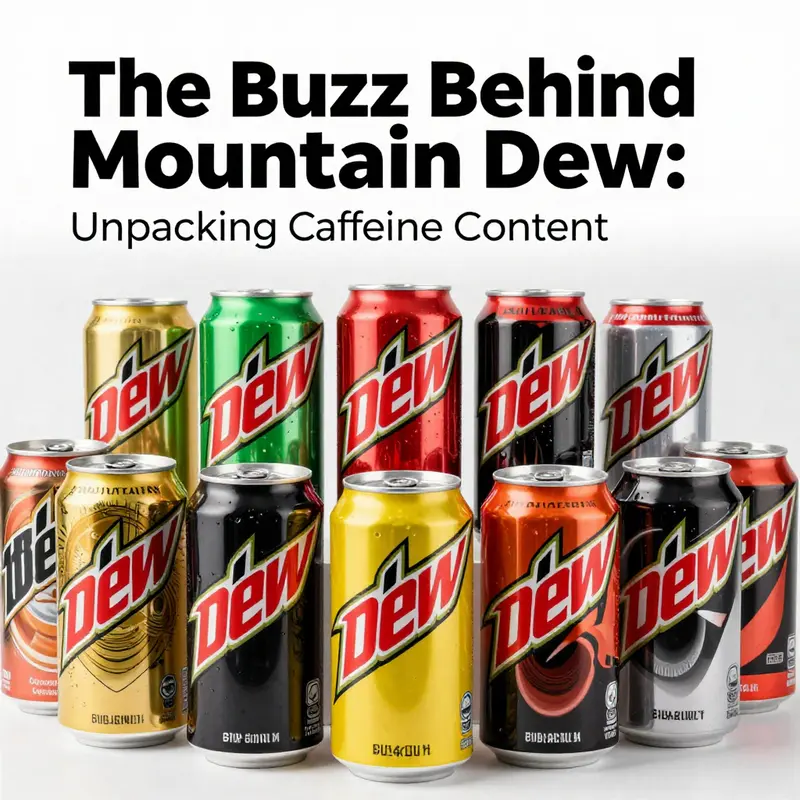
Caffeine content is not merely a footnote on a label; it is a shaping force that docks flavor, color, and consumer expectation to a single, unmistakable aim: energy. In the case of Mountain Dew, the caffeine blueprint sits at the intersection of science, marketing, and everyday rhythm. When you crack open a standard 12-ounce can and hear the hiss of carbonation, you are not just sipping a lemon-lime spark; you are engaging with a carefully calibrated dose of caffeine that the brand has kept remarkably steady across its most recognizable flavors. This steadiness is not accidental. It is a deliberate design choice that allows the consumer to anticipate the same morning nudge, afternoon pick-me-up, or late-evening alertness across variants that feel wildly different on the palate. From the original citrus-forward Original to the cherry-bright Code Red and the sunny, zippy Live Wire, the caffeine content maintains a near-identical profile for mainstream offerings. The pattern is so consistent that it becomes part of the signature identity of Mountain Dew itself: a high-caffeine, high-energy beverage that doesn’t force you into a single flavor but rather invites you to choose your mood while keeping the same energizing core.
To understand this layout, start with the standard reference point: a 12-ounce can. Across the board, the most widely distributed Mountain Dew variants tilt toward roughly 54 milligrams of caffeine per 12-ounce serving. That figure isn’t a random artifact but a fixed design target that aligns with the brand’s energetic persona. It’s a caffeine level high enough to deliver a noticeable lift for many drinkers, yet balanced to avoid overwhelming the palate or triggering uncomfortable jitters in casual consumption. The original, the one that established the line’s identity, keeps faith with this caffeine baseline. The flavor remains sharp, bright, and unmistakably lemon-lime, while the caffeine count keeps pace with its marketing promise of a bold, refreshing jolt.
Diet Mountain Dew follows a nearly identical caffeine footprint, a curious but deliberate choice that shows the brand’s emphasis on energy even within a zero- or low-calorie context. Per 12-ounce can, Diet Mountain Dew delivers approximately 55.2 milligrams of caffeine—just a touch higher than the regular version. This narrow difference matters to anyone watching caloric intake but not willing to sacrifice alertness. The slight elevation in caffeine (relative to the regular version) is not a statement about a stronger stimulant by design; it reflects how the product is formulated to preserve that same swift kick despite a different macro profile. The result is a beverage that appeals to those seeking a lean, low-calorie option without surrendering the familiar energy lift that Mountain Dew fans expect.
The core trio—Original, Code Red, and Live Wire—illustrates how flavor and caffeine interact without forcing a trade-off that would alienate taste-focused fans. Code Red, a cherry-citrus blend, replicates the 54-milligram benchmark per 12-ounce serving, offering a fruit-forward profile that many describe as warmer and sweeter than the original while still maintaining the same caffeine punch. Live Wire, marketed as a vivid wild orange, also lands at 54 milligrams per 12-ounce can, delivering a tropical brightness that feels lighter on the tongue but not on the caffeine count. This uniformity across distinct flavor profiles is more than a curiosity; it is a deliberate engineering choice that signals to consumers that they can switch flavors without recalibrating their expectations about energy delivery.
One notable outlier in this landscape is Baja Blast, a flavor celebrated for its tropical, beachy persona. Baja Blast diverges by offering about 34 milligrams of caffeine per 12-ounce serving, a substantial reduction compared with the 54-milligram standard that marks the flagship lineup. The lower caffeine level in Baja Blast invites a different kind of consumer to the table—a palate that desires the familiar Mountain Dew taste but with a gentler stimulant effect. The contrast matters, because it demonstrates that the brand’s caffeine strategy is nuanced, not monolithic. It suggests a tiered approach in which certain flavors preserve the traditional energy profile, while others explore lower-caffeine expressions for variety and broader appeal. That variety does not undermine the overall identity of Mountain Dew; instead, it expands the brand’s reach to people who want brightness and refreshment without feeling tethered to a single caffeine intensity.
The story behind these numbers is not merely about taste or budgetary optimization. It reflects a broader conversation about how caffeine is deployed in modern soft drinks. Caffeine is a stimulant, yes, but it also carries social and cultural signals. In many consumer contexts, a 12-ounce can of Mountain Dew with its near-constant 54 milligrams offers a reliable, predictable energy boost that fits into a range of daily rituals—from late-mmorning slump busting to mid-afternoon focus maintenance. This reliability is especially meaningful in a market crowded with options that compete not only on flavor but on timing, duration, and perceived mental sharpness. The consistency across core flavors ensures that a fan who loves the taste knows exactly what to expect in terms of kick, regardless of whether they reach for Original, Code Red, or Live Wire. The Baja Blast deviation, meanwhile, sends a subtle signal: flavor trumps energy in certain moments, inviting a slower burn that seduces the palate before it nudges the system into alertness.
From a formulation perspective, the caffeine figures you see on the can or in nutrition databases reflect a careful calibration process. The numbers come from a combination of extraction, formulation, and quality standards that producers constantly monitor. In practical terms, it means that caffeine is treated as a fixed resource within the product architecture, a steady variable that can be counted on as one would count on the fizz when you pour a glass. The precision behind these numbers is why beverage analysts, enthusiasts, and regular consumers alike often cite Mountain Dew as a reliable reference point when comparing caffeine content across similar products. It is not merely about a jolt; it is about a predictable experience that can be counted on in different contexts, whether you are planning a long study session, a road trip, or a workout breather.
The research landscape surrounding these figures includes a clear, documented breakdown. The core flavors—Original, Code Red, and Live Wire—clock in at 54 milligrams per 12-ounce serving, while Diet Mountain Dew sits close at 55.2 milligrams for the same volume. Baja Blast stands out at 34 milligrams per 12-ounce can, reflecting a deliberate trade-off between flavor intensity and stimulant load. This pattern demonstrates not only consistency in caffeine delivery across the board but also a willingness to introduce flavor-driven variations that temper the caffeine dose for specific consumer preferences. The practical consequence for readers is straightforward: if you want the classic Mountain Dew energy profile in any of the mainline flavors, you can expect roughly the same caffeine per can, and you can adjust your intake based on how many cans you plan to drink in a day. If you are drawn to Baja Blast by its legendary tropical profile, you should anticipate a noticeably lighter caffeine lift per can, a factor that might influence how many cans you would reasonably consume to achieve a desired level of wakefulness.
How should a consumer navigate this landscape? The answer lies in a blend of personal tolerance, daily caffeine targets, and situational needs. For someone who relies on caffeine to kickstart the day or to push through a demanding afternoon, the roughly 54 milligrams per can in most Mountain Dew flavors offers a potent, dependable option without pushing past typical daily thresholds too quickly—assuming a moderate pace and reasonable total intake. For those who are watching their caloric intake as a companion concern, Diet Mountain Dew becomes especially attractive because it preserves the caffeine lift while keeping calories at bay, illustrating how caffeine content can be decoupled from sugar content in product design. The Baja Blast choice, meanwhile, represents a different kind of decision: flavor enthusiasts who want a lighter stimulant effect, perhaps to avoid late-evening disruption, can opt for the lower-caffeine option without sacrificing the familiar taste profile. All of this underscores a broader truth about Mountain Dew: caffeine is not just a parameter; it is a strategic element that shapes consumer choice and the brand’s appeal across a spectrum of lifestyles and moments.
For readers who crave a concise cultural anchor, consider the official breakdowns and scholarly notes that document these caffeine levels and flavors. A detailed analysis by Lily Morgan, dated January 23, 2026, provides a technical framing of how Mountain Dew flavors maintain a high caffeine content as a hallmark of the brand, while also acknowledging occasional deviations like Baja Blast that diversify the lineup. This kind of documentation helps connect the everyday experience of ordering a cold can with the scientific and production realities behind what ends up in your fridge. If you want to see how Mountain Dew stacks up against other caffeinated beverages in a broader comparison, you can explore educational content at a dedicated resource that summarizes these dynamics in a single place, highlighting both the appeal and the practical implications of caffeine dosing in popular drinks.
In the end, the caffeine story of Mountain Dew is not a tale of one number but a narrative about consistency within variety. The brand preserves a core identity through a stable caffeine baseline across most flagship flavors while offering flavor-led exceptions that broaden the audience. Original, Code Red, and Live Wire deliver a uniform jolt—54 mg per 12-ounce can—that supports the drink’s reputation as a high-energy, high-spirited option. Diet Mountain Dew narrows the calorie question without softening the lift, maintaining a nearly identical caffeine profile that makes it a favorite for those who want the kick without the extra sugar or calories. Baja Blast invites a different kind of engagement, one that foregrounds its tropical flavor while delivering a gentler stimulant profile for moments when a lighter touch is preferred. Together, these dynamics reflect a well-orchestrated balance: flavor variety without sacrificing the recognizable energy confidence that has helped Mountain Dew maintain its place in the caffeinated landscape.
For readers seeking a quick reference, the numerical anchors are clear. 54 milligrams per 12-ounce can holds as the standard for Original, Code Red, and Live Wire. Diet Mountain Dew sits very close at 55.2 milligrams, preserving the energy lift with a minimal calorie footprint. Baja Blast, the tropical outlier, sits at a more modest 34 milligrams per can, offering a different pace of stimulation. These figures sit alongside packaging realities and consumer expectations that this be a beverage you can reach for in multiple moments across a day without having to relearn the energy dynamics each time. It is this reliability—paired with flavor diversity—that helps explain Mountain Dew’s enduring appeal in a crowded soft drink market.
If you are exploring the broader conversation about caffeine in beverages, you can find a compact comparison that situates Mountain Dew against other caffeinated drinks at the linked resource caffeine-content-mt-dew. That piece offers a focused lens on how Mountain Dew’s caffeine numbers relate to common alternatives, providing context for casual readers who want to understand not just the numbers in a bottle, but what those numbers mean for daily routines and health considerations. For a deeper dive into the industry context and flavor-level breakdowns, the Beverage Insider analysis highlights the spectrum of Mountain Dew flavors and the design choices behind their caffeine profiles, reinforcing the idea that caffeine content is a strategic lever in product development. External readers can consult that comprehensive source to see how the brand situates its offerings within a broader market of energy-oriented beverages. This two-pronged approach—internal reflections and external benchmarking—paints a fuller picture of why caffeine content matters as a practical and cultural touchstone in the Mountain Dew story.
In sum, the caffeine content across Mountain Dew flavors demonstrates both consistency and tasteful differentiation. The core lineup sustains a robust energy lift that fans have come to expect, while flavor-driven variants offer nuanced caffeine experiences that can meet different timing needs and taste preferences. The Baja Blast exception reminds us that even a strong brand can experiment with its energy profile to broaden its appeal, inviting new rituals without eroding the backbone of what makes Mountain Dew recognizable in the first place. The result is a beverage family that is not merely about taste or caffeine in isolation but about how a single design intention—delivering a dependable, refreshing jolt—can travel through multiple flavors and still feel like the same moment in a busy day. A reader who follows this thread gains a practical understanding: if you want a reliable lift, choose any of the mainline flavors; if you want a more tropical, lighter caffeine cadence, Baja Blast offers an alternative that still sits within the Mountain Dew universe. The science behind these numbers remains steady, even as the sensory experiences vary, and that is perhaps the most compelling aspect of Mountain Dew’s caffeine narrative.
External reference: https://www.beverageinsider.com/inside-different-mountain-dew-flavors/
Final thoughts
In summary, understanding the caffeine content in Mountain Dew products is vital for business owners looking to optimize their beverage offerings. The Original and Diet versions provide a solid caffeine boost, appealing to a wide consumer base, while flavored variants like Baja Blast offer a different experience with lower caffeine levels. This insight not only aids in inventory decisions but also aligns with the evolving preferences of health-conscious consumers.