
The beverage industry is constantly evolving, and understanding the components of popular drinks can help business owners cater more effectively to consumer preferences. One such beverage is Diet Dr Pepper, which is renowned not only for its unique flavor but also for its caffeine content. A standard 12 fl oz (355 mL) can contains 41 mg of caffeine, aligning it with many other soft drinks. In this comprehensive guide, we’ll delve into the caffeine levels of Diet Dr Pepper, comparing it with other beverages, examining health effects, uncovering consumer preferences, and highlighting regulatory standards regarding labeling. Each chapter will provide valuable insights that can aid business owners in their strategic decision-making processes.
A Measured Buzz: The Real Caffeine Story Behind Diet Dr Pepper

To put the caffeine figure into perspective, a standard 12-ounce can of Diet Dr Pepper delivers roughly 42 to 44 mg of caffeine. That translates to about 3.5 to 3.7 mg per fluid ounce. By comparison, a typical eight-ounce cup of brewed coffee commonly contains around 95 mg, though the exact number can swing with bean type, grind size, and brewing method.
Diet Dr Pepper’s caffeine is modest relative to coffee and many energy drinks, yet it is not caffeine-free. Some databases report a slightly different baseline; for example, Diet Pepsi generally clocks in around 36.7 mg per 12-ounce can, placing Diet Dr Pepper in the mid-range among diet sodas.
Because data can vary by batch or source, expect a small range rather than a single exact figure. For practical purposes, using 42 mg as a representative value plus awareness of a possible 41-44 mg spread can help track daily caffeine intake.
To verify or explore further, consult flavor-specific nutrition data from trusted databases; the overall message is that Diet Dr Pepper contributes a modest amount to daily caffeine totals, but it is still a caffeinated beverage. For example, NutritionData lists the entry at https://www.nutritiondata.com/foods/diet-dr-pepper/18920 as a formal data snapshot.
The Dose in a Can: Understanding Diet Dr Pepper’s Caffeine and How It Raresfits the Beverage Caffeine Landscape
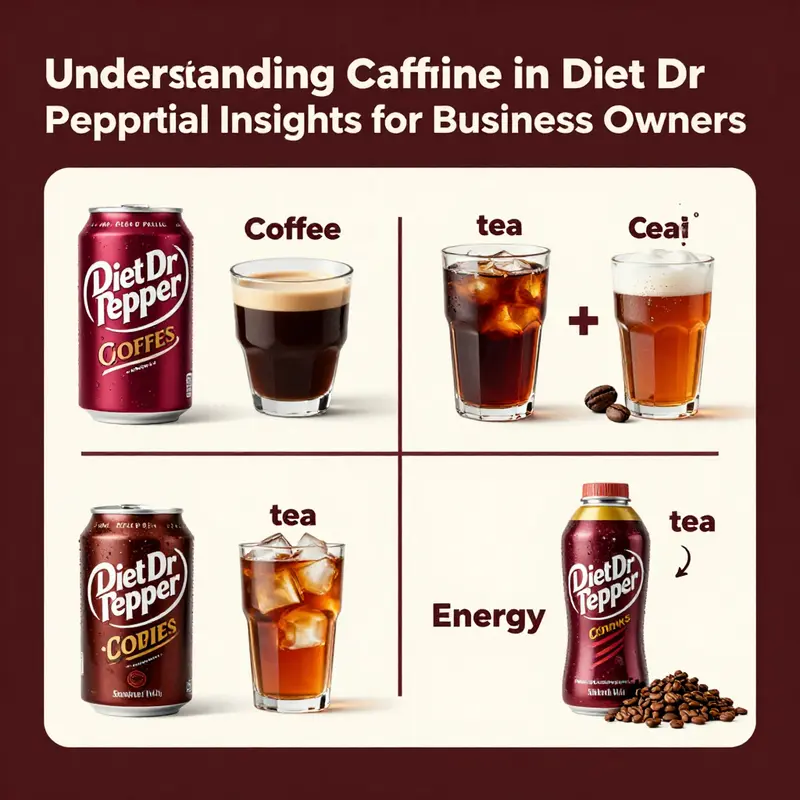
Caffeine often travels through daily routines in quiet, unremarkable ways. A morning cup, a midafternoon lift, or a late-evening pick-me-up can feel ordinary until the numbers behind the buzz are laid out in plain sight. In the landscape of caffeinated beverages, a 12-ounce can of a popular diet pepper-flavored soda sits squarely in the middle of the pack. Official sources place its caffeine content around forty milligrams per 12-ounce serving, while more recent, independent analyses typically report a narrow range in the low-to-mid forties. The discrepancy is small, but it matters for anyone who tracks caffeine intake with care or who feels sensitive to caffeine’s effects. What remains consistent across sources is that, in terms of sheer caffeine content, this diet option delivers a moderate boost rather than a sharp jolt, a nuance that helps explain why many consumers choose it as part of a broader, caffeine-aware routine.
To grasp what these numbers mean, it helps to anchor them in a simple frame: caffeine is a stimulant that varies in effect not only with the milligram amount but also with serving size, individual tolerance, and even the context in which it is consumed. A standard 12-ounce can is the reference point for most caffeine labeling, and the figures around forty milligrams place the beverage in a familiar neighborhood. It is not as high as many energy drinks, which can push well past eighty milligrams per smaller servings, but it is higher than some traditional non-diet carbonated options that hover in the mid-twenties to low thirties. Within that circle, this diet pepper beverage occupies what many would call a moderate tier: enough to lift alertness and mood without overpowering the senses or producing the sharper, longer-lasting caffeine effects that come with larger doses.
The variability you see across sources often reflects two factors: the precision of measurement and the version of the formula that manufacturers use over time. On the one hand, an official product page will present a straightforward value for caffeine per serving, typically expressed as a single number on the nutrition facts panel. On the other hand, independent tests, reviews, or compilations gathered from multiple production runs may report a range. A few points tend to recur in these discussions. First, the difference between a figure of 41 mg and a range of 42–44 mg is small in practical terms, but it matters for anyone who monitors caffeine intake closely or who must manage caffeine sensitivity in a clinical or personal health context. Second, the caffeine content of a given beverage can shift slightly between batches or regional formulations, even if the product remains the same in name. Third, the way measurements are rounded or the exact serving size used in a study can push numbers into a slightly different bracket, even though the underlying caffeine content remains close to the same order of magnitude.
When you widen the lens to compare this drink with other widely available options, the contrast becomes more informative than any single figure. A common cola—surveyed across multiple markets—often lands in the mid-thirties milligrams per 12-ounce can. Another familiar cola variation, sometimes marketed as a diet option with zero sugar, can come in a hair higher in caffeine, frequently in the mid-to-high forties depending on production specifics. In contrast, an energy-dense beverage designed for quick stimulation and endurance can ply even more caffeine in smaller volumes, underscoring how serving size and product category shape the perceived intensity of the caffeine buzz. The key takeaway is not that one drink is categorically stronger than another, but that caffeine content sits along a continuum. The diet pepper beverage in question sits comfortably toward the middle, offering a dependable, moderate lift that has become familiar to many who want a familiar taste with a predictable caffeine profile.
That predictability matters for people who mediate their total daily caffeine intake across meals, snacks, and beverages. If someone drinks one 12-ounce can in the morning and perhaps another later in the day, the cumulative effect will reflect that moderate baseline. This is where awareness of size and frequency becomes as important as the raw milligrams per serving. For individuals who regulate caffeine carefully—whether due to sleep considerations, medication interactions, or sensitivity—the difference between 41 mg and 44 mg may seem negligible in a one-off context, but it can contribute meaningfully to daily totals when repeated over days and weeks. The broader lesson is simple: caffeine literacy is about both the numbers and the patterns in which they appear. A moderate amount, consumed consistently and with attention, tends to support steady alertness without the amplified effects that frequent high-dose caffeine can provoke.
A crucial dimension of the discussion is the way we interpret “moderate.” In this case, moderate does not imply weak or insubstantial by any means. It signals a level that many people can incorporate into a balanced caffeine plan, especially when paired with other sources of hydration, nutrition, and rest. The exact impact will vary from person to person; some may notice a gentle lift that enhances focus when the workday stretches long, while others may barely register a difference. That variance is normal. Caffeine does not hit everyone with identical intensity, and the supporting context—sleep quality, stress levels, and overall caffeine load from other sources—shapes the final experience. The middle-ground position of the diet pepper beverage’s caffeine content thus has practical value: it offers a reliable flavor and a predictable dose that can be dialed into a larger caffeine strategy rather than dominating it.
For readers who want a quick, actionable takeaway, the suggestion is straightforward. If you’re counting caffeine and your daily target lands near the mid-range, a single 12-ounce can of this diet option accounts for roughly one-quarter to one-third of a typical upper daily allowance for many adults, depending on personal sensitivity and any concurrent caffeine sources. If you are monitoring caffeine for work, sleep, or health reasons, treat this beverage as a moderate contributor rather than a stimulant benchmark. In other words, it is a reliable, steady option that can be used in moderation alongside other beverages to achieve a comfortable, sustainable intake rather than a sudden, sharp spike.
As you navigate the numbers, it helps to anchor your understanding in a single, practical reference. The official site and standard labeling provide a clear baseline, while independent analyses offer a corroborating view that often aligns with a few-milligram margin. This convergence reinforces the notion that the diet pepper beverage sits near the center of the caffeine spectrum among common, widely available drinks. It is not the strongest option on the shelf, but it is not a non-factor either. The balance it offers can be appealing for those who want a dependable boost without the dose that might push into stronger effects for more sensitive individuals. If you are curious about the precise caffeine content of the diet pepper beverage in a particular batch, or if you want to see how its caffeine stacks up against other beverages in a more formal comparison, there is a resource that digs into the numbers and offers a transparent look at the caffeine content. For a deeper look at the caffeine content of the diet pepper beverage, see the article on caffeine content of the diet pepper beverage.
Ultimately, the take-home message is that caffeine labeling is both precise and practical. The numbers matter because they empower informed choices. The can’s splash of forty-some milligrams gives you the lift you expect, without the overpowering effect that can come with higher-dose beverages. In combination with a healthy sleep routine and mindful daily caffeine planning, this level of caffeine can help sustain attention through a busy afternoon, support focus during a long stretch of work, or simply provide a steady, familiar lift that fits a moderate caffeine budget. And when you compare it to other beverages—without needing to memorize every brand’s exact figure—the relative position becomes clear: it’s a solid, middle-of-the-road option that many consumers reach for as part of a broader, nuanced approach to caffeination.
For readers who want more context on how these numbers translate into everyday choices, a closer look at the caffeine content of various popular drinks can be enlightening. The landscape shows a broad spectrum, where the same 12-ounce standard can harbor anywhere from roughly 34 to over 46 mg, depending on the product and formulation. The takeaway remains consistent: if you drink a single 12-ounce can now and then, you’re likely in a comfortable zone; if you drink multiple caffeinated beverages in a day, you’ll want to account for the total. And if you’re trying to compare beverages outside the scope of relative buzz—flavor, calories, or sugar content—the caffeine figure is just one part of a larger nutritional map. The journey to understanding caffeine content is not about locking in a single number forever, but about building a reliable framework for interpreting the numbers that appear on the label and in reputable resources.
External resource note: Official information from the manufacturer remains a primary reference for caffeine content and serving sizes. For readers seeking the most direct, manufacturer-provided data, visit the source: https://www.drpepper.com/.
Internal link reference: For a concise breakdown focused specifically on the caffeine content of the diet pepper beverage itself, see the related article here: caffeine content of the diet pepper beverage.
Caffeine in a Diet Pepper: A Subtle Boost with Real Health Considerations
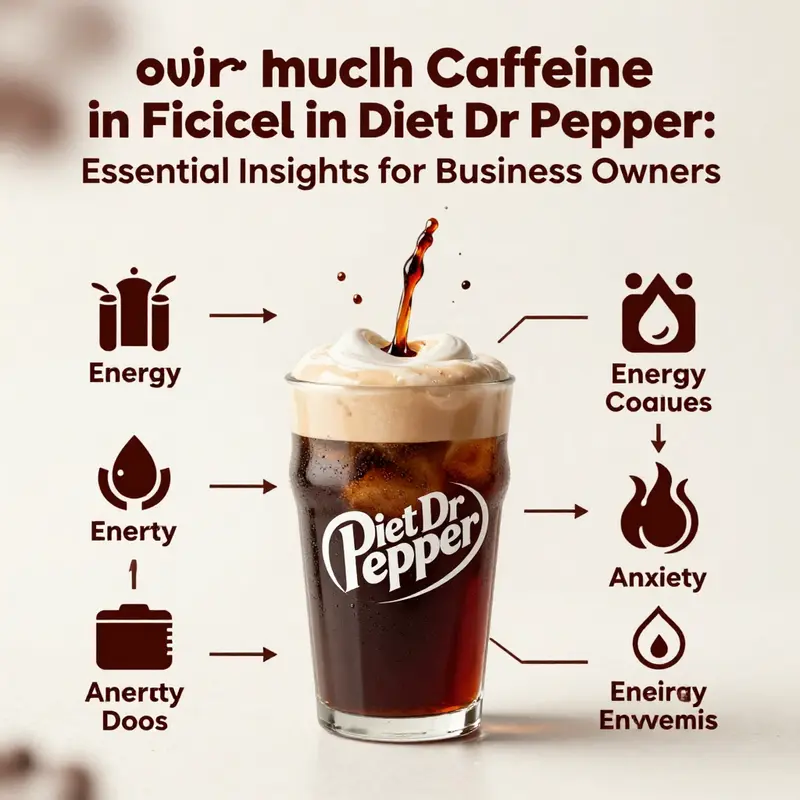
Across the daily beverage landscape, a diet pepper-flavored cola sits quietly on the shelf, offering a mild caffeine lift without calories. When people weigh their caffeine choices, that compact can often becomes a small but meaningful starting point. The standard 12-ounce can contains about 44 milligrams of caffeine, a figure that appears consistently across reliable beverage databases and health information sources. While some readers assume all diet sodas are caffeine-free, this particular drink is not among them. The caffeine level sits close to that of its regular counterpart, which runs around 41 milligrams per 12 ounces, aligning with official brand data and independent reviews. The practical takeaway is simple: you’re getting a modest, steady spark rather than a jolt, and the impact grows only with the sum of your daily caffeine sources. This nuance matters because caffeine is a stimulant that interacts with mood, sleep, and heart rate in ways that depend on context and timing.
To place that 44 mg in context, compare it with common caffeinated staples. A typical 8-ounce cup of brewed coffee can range roughly from 70 to 95 mg, depending on roast and brewing method; a strong tea might hover around 40 mg per 8 ounces; an energy drink can vary widely, often between 60 and 200 mg per serving. In other words, a single can of the diet pepper beverage contributes a small slice of a daily limit rather than a dominant share. The daily safety guidelines, such as those outlined by major health authorities, typically set a broad ceiling around 400 mg of caffeine for healthy adults, though individual sensitivity can shift that number downward or upward. Those limits help frame how a drink like this fits into a typical day.
The short-term effects of caffeine in such a dose are nuanced. For many people, the 44 mg acts as a gentle nudge toward improved alertness and concentration, with only mild sensations of warmth or jitter if consumed on an empty stomach or late in the day. For those who are regular caffeine users, the body’s tolerance can smooth out these effects, producing a steadier, less noticeable uptick in wakefulness. For athletes or people performing tasks requiring quick focus, that 44-mg boost can translate into a small edge in reaction time or endurance—though it is far from the high-dose performance gains seen with larger servings. The key here is consistency and timing: a single can earlier in the day is unlikely to disrupt routines, whereas caffeine near bedtime can undermine sleep quality for sensitive individuals.
Yet there are valid concerns to balance. Sleep disruption tops the list. Even small amounts of caffeine in the late afternoon or evening can delay the onset of sleep or reduce slow-wave sleep in some people. Regularly delaying sleep can compound daytime fatigue and impair mood, setting off a cycle of higher caffeine use. Then there is the issue of dependency. Regular intake over weeks or months can lead to tolerance, meaning more caffeine is needed to achieve the same effect, and sudden cessation may trigger withdrawal headaches, fatigue, or concentration dips. For some, caffeine can also contribute to elevated heart rate or blood pressure, particularly when multiple caffeinated products are consumed in a short period. It’s important to emphasize that a single 44 mg can is unlikely to push most healthy adults into risk territory, but it becomes more relevant as part of a broader daily pattern.
Beyond caffeine itself, the drink’s other ingredients deserve attention. Diet beverages rely on artificial sweeteners—substances such as aspartame and acesulfame K—to provide sweetness without calories. The science on these sweeteners is mixed, with some studies suggesting subtle effects on gut microbiota or metabolic signaling in specific contexts, while others find minimal or no harm for the general population. The caffeine discussion, then, sits alongside these additives as part of a broader picture of how a single serving fits into a balanced diet. The overall message remains cautious but not alarmist: moderate, occasional consumption is unlikely to cause lasting harm for most adults, especially when paired with a varied, nutrient-rich diet and healthy sleep habits.
For those mapping out a daily caffeine budget, the small can serves as a practical anchor. It’s common to encounter caffeine from multiple sources in a day—coffee, tea, chocolate, even some medications—so tracking becomes practical rather than punitive. If sleep quality, anxiety symptoms, or irregular heartbeats begin to surface, it may be time to reassess how and when caffeine enters the routine. Pregnant individuals, people with certain heart conditions, and those particularly sensitive to stimulants should consider lowering their intake, and many healthcare providers advise keeping total caffeine well below the general 400 mg daily limit during pregnancy. The overall approach is personal: knowing one’s own response and adjusting accordingly supports long-term health and energy management rather than relying on any single beverage to carry the day.
If readers want a precise sense of where this particular beverage stands within a broader lineup, a careful comparison can be enlightening. The exact numbers are less important than the pattern they reveal: caffeine is present, but in modest quantities that add up across a typical day. In practice, choosing a mix of beverages with and without caffeine, and planning consumption earlier rather than later, can help maintain balance. For those who enjoy variety, non-caffeinated options provide a pleasant way to close the day without compromising sleep. The bigger picture is this: caffeine serves as a tool, not a tyrant, and a mindful approach helps it support rather than derail daily functioning.
For readers seeking a concrete reference on the caffeine content in diet pepper beverage, see the dedicated explainer linked here. caffeine content in diet pepper beverage. This resource offers a straightforward breakdown of where the caffeine sits in the broader spectrum of caffeinated drinks and clarifies how a single can compares with coffee, tea, and other sources you might encounter in a typical day.
In addition to this guide, trusted health resources offer guidelines that help translate a handful of numbers into everyday decisions. The Centers for Disease Control and Prevention provides accessible context on caffeine intake and dietary health, helping readers recognize safe ranges and individual vulnerabilities. This broader framework reminds us that a single can’s content is just one piece of a daily pattern, and that personal health status should guide how we interpret any given caffeine amount. Keeping that perspective helps ensure caffeine remains a support—heightening focus when needed, supporting alertness during the day, and yielding to sleep when night falls.
External resource: for formal guidelines and broader context, consult the CDC’s nutrition data and statistics portal, which outlines safe intake ranges and population-level considerations. https://www.cdc.gov/nutrition/data-statistics/
Forty-One Milligrams and the Taste of Preference: How Caffeine Shapes Diet Dr Pepper in Daily Life

Caffeine sits at the intersection of science and everyday choice. It is not merely a number on a label but a factor that people weigh when they decide what to drink, how much they want to consume, and how they want a beverage to fit into their day. In the realm of diet sodas, a familiar, zero‑sugar option has a caffeine content that matters to a broad spectrum of consumers. For Diet Dr Pepper, the canonical can—the standard 12 fluid ounce (355 milliliter) size—delivers 41 milligrams of caffeine. That figure is consistent with the brand’s own disclosures and is echoed by multiple reputable sources. The number itself is concrete, but the real story lies in how people respond to it, how it fits into their routines, and how it shapes preferences over time. The caffeine in this drink becomes part of a larger pattern of energy management, mood regulation, and dietary choice that many readers recognize in their own lives.
Diet Dr Pepper distinguishes itself in part by offering caffeine without the sugar load that many other energy- and lifestyle-focused beverages carry. The zero‑calorie, zero‑sugar profile is attractive to those who want to limit calories or carbohydrates while still enjoying the sensory cue of caffeine. In a crowded marketplace of caffeinated options, a beverage that provides a moderate but noticeable jolt without extra sweetness invites a particular kind of consumer story. It is not a pure energy shot, nor a beverage that relies on flavor alone to sell its value. The caffeine content, in this context, becomes a pivot around which taste, health goals, and daily rituals revolve. The 41 mg per 12 oz can places Diet Dr Pepper in a familiar band for those who keep a steady caffeine cadence without escalating sugar intake.
From a consumer-preference standpoint, several dimensions converge around that 41 mg mark. First, there is the differentiation between caffeine and sweetness goals. For many, the goal is not to avoid caffeine entirely but to moderate it while enjoying a familiar flavor profile. The zero-sugar aspect helps maintain a sense of balance in meals, workouts, and social occasions where calorie counts matter or where sugar intake is watched for reasons of energy stability, mood, or dental health. In that sense, Diet Dr Pepper becomes a practical choice for a daily routine that seeks to blend taste with a controllable caffeine exposure. The decision is seldom about caffeine alone; it is about how caffeine complements other habits, such as morning routines, post-lunch breaks, or social moments that call for a refreshing lift without added sugar.
Second, there is the question of preference for a particular sensory experience. The flavor of Diet Dr Pepper—its unique blend that many describe as a complex cherry-like, slightly spiced profile—acquires new meaning when paired with caffeine. Some consumers report that caffeine enhances the perceived intensity of flavor, while others feel it simply accompanies the familiar, smooth finish of a zero‑calorie beverage. The caffeine content becomes a supporting actor in a larger flavor story. This dynamic matters because taste experiences drive repeat purchases, and repeat purchases reinforce a sense of reliability. If a drink reliably delivers a familiar taste and a reliable, modest caffeine lift, it earns a place in daily routines. That reliability often translates into consumer loyalty—an important facet of preference when people are choosing among a dozen similarly positioned beverages in a given store aisle.
Third, the social and cultural context of caffeine consumption shapes how people interpret a 41 mg can. In many households, caffeine is a shared resource—an item that helps coordinate work, study, commutes, and downtime. The fact that Diet Dr Pepper delivers caffeine without sugar makes it a practical option for those who are mindful of added sugars in all aspects of their diet. This practicality resonates in conversations about health goals, energy management, and even post-workout refueling. The result is not a simple math problem of mg per serving but a narrative about how a product fits into a lifestyle that values energy clarity, flavor integrity, and caloric mindfulness.
To readers who want to verify the caffeine content or explore related questions, a direct inquiry is often reassuring. For many, the simple question—Does Diet Dr Pepper Have Caffeine?—becomes a doorway to understanding how a familiar beverage aligns with personal limits and preferences. Exploring that question can illuminate not only the caffeine amount but also how people interpret labeling, how they weigh trade-offs between flavor and energy, and how they navigate a retail landscape that constantly reshapes itself around health trends and taste desires. If you’re curious about the precise caffeine content in relation to other beverages or serving sizes, you can consult reliable sources that document these details and provide context for consumption patterns. Does Diet Dr Pepper Have Caffeine In It.
The discussion of caffeine in a zero‑sugar beverage also invites a practical look at daily intake guidance. Health authorities commonly outline broad limits to help consumers manage caffeine exposure. While personal sensitivity varies, many adults tolerate up to several hundred milligrams per day, spread across multiple drinks. Pregnant individuals and those with certain health conditions are often advised to moderate caffeine more carefully. In this light, a single 12 oz can of Diet Dr Pepper contributing 41 mg becomes a meaningful data point for daily planning. If a person typically consumes one can with their lunch and perhaps another in the afternoon, they approach a moderate tier of daily caffeine that fits within common guidelines. If they pair non-caffeinated beverages for the remainder of the day, the overall pattern remains balanced and predictable. For others, who might seek a stronger morning boost or who rely on caffeine for sustained focus, the 41 mg can seem modest, leading them to seek additional sources or larger servings. In every case, the value of 41 mg lies less in the isolated dose than in how it integrates into personal routines, taste loyalties, and health-aware decision making.
From a consumer education perspective, transparency about caffeine content matters for trust. Official disclosures that confirm 41 mg per can reinforce credibility with readers who track caffeine intake for health, fitness, or daily rhythm reasons. When people understand not only the number but its relative standing among common caffeinated beverages, they can make more informed choices. And while the sugar-free profile may draw people who want to cut calories, caffeine remains a variable energy source that many readers plan around. The discussion naturally extends to the broader ecosystem of caffeinated beverages, where different products offer a spectrum of caffeine doses, flavors, and sugar profiles. In that landscape, Diet Dr Pepper’s combination of 41 mg caffeine per 12 oz and zero sugar emerges as a distinct option for a wide audience that values both taste fidelity and dietary control.
As readers reflect on their own consumption patterns, the practical math behind caffeine content becomes a helpful tool. A simple rule of thumb can guide choosing size and frequency: multiply the per-serving caffeine by the number of servings in a day, then compare with personal tolerance and any medical considerations. For 12 oz servings, the math is straightforward: 41 mg per can times the number of cans. Doubling that for two cans in a day yields about 82 mg, a modest amount for many, yet substantial enough to influence rest patterns and energy stability if consumed late in the day. The same arithmetic helps compare Diet Dr Pepper to other options in the same category, providing a framework to weigh flavor, calories, and caffeine in a single, coherent decision. The takeaway is not that one can fixes all energy questions. It is that caffeine, calories, and taste are interconnected in daily choices, and understanding the numbers helps people tune their habits to align with preferences and goals.
In the end, consumer preference around Diet Dr Pepper’s caffeine content rests on a delicate balance of taste loyalty, energy management, and health-minded intent. The 41 mg per can is not just a technical specification; it is a cultural cue that informs how many people structure their days around a trusted, zero-sugar beverage that still offers a recognizable caffeine lift. For some, that lift is a steady, dependable companion through the afternoon lull; for others, it is a moderate nudge that enables focus without a sugar spike. And for many, the decision to choose this drink centers on the combination of flavor identity and caffeine profile—an identity that resonates with a wide array of routines, preferences, and goals.
External resource: https://www.drpepper.com/products/diet-dr-pepper
Caffeine by the Can: Reading the Diet Dr Pepper Label Through Regulation and Reality
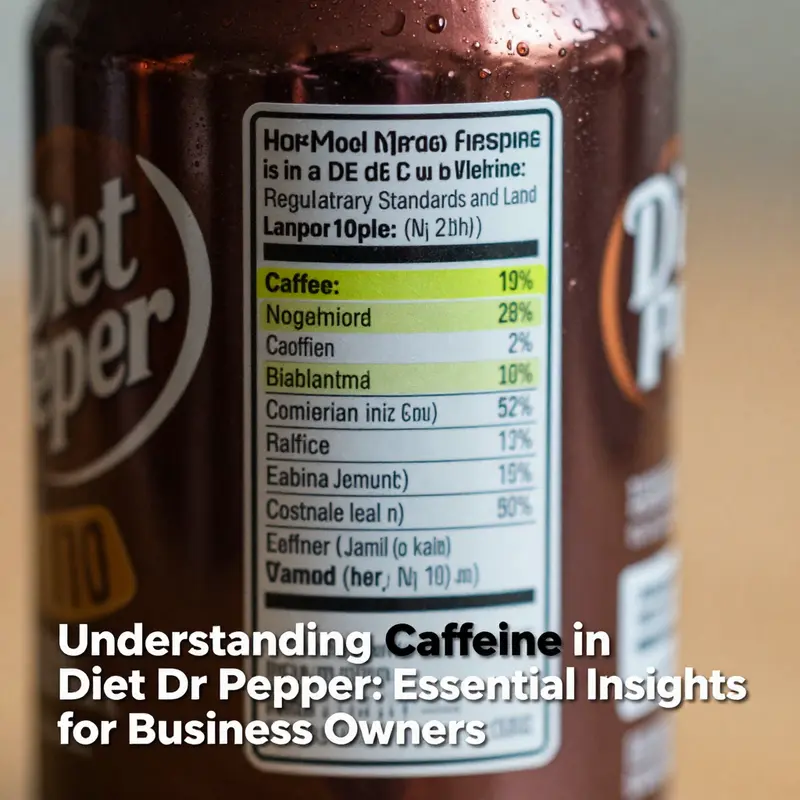
Caffeine has a way of turning up in beverages with the same casual predictability as the sweet fizz itself. In the case of Diet Dr Pepper, the question of how much caffeine is in a single can sits at the intersection of numbers consumers can trust and the rules that govern how those numbers appear on a label. The official figure—41 milligrams of caffeine per 12-ounce (355 mL) can—meets a straightforward standard and travels through a chain of verification that extends from the manufacturer to independent nutrition databases. This chapter follows that thread, not as a parade of data points, but as a cohesive story about what the label conveys, why it is that way, and what readers should keep in mind when they sip and compare.
From the outset, the essential fact is simple: a 12-ounce can of Diet Dr Pepper contains 41 milligrams of caffeine. This amount aligns with the caffeine content found in regular Dr Pepper and is consistently reported by Dr Pepper’s own disclosures. The figure is not tucked into a vague line on the back; it appears on the Nutrition Facts panel as the caffeine content per serving. The consistency across official sources is deliberate and meaningful. In a market where products can vary by batch or formulation, having a stable reference point gives consumers a reliable basis for planning their caffeine intake, whether they are balancing a busy workday or managing a personal limit. The 41 mg per can is not just a number; it is a standard readers can use when they tally caffeine from different beverages to avoid overconsumption.
The regulatory framework behind that disclosure is a key part of the story. In the United States, the Food and Drug Administration sets the ground rules for labeling caffeine content on beverages. The FDA requires that if a beverage contains more than 20 mg of caffeine per serving, the amount must be clearly listed on the Nutrition Facts panel. The threshold itself is a clear signal that caffeine information is not optional; it is a regulated piece of product labeling designed to enhance consumer transparency. A 12-ounce can like Diet Dr Pepper meets that threshold, so its caffeine content must be disclosed, and it is.
This regulatory stance carries practical implications for both manufacturers and shoppers. For manufacturers, the obligation to disclose ensures honesty in the presentation of nutritional content and helps prevent silent, inconsistent variations in labeling. For consumers, the label becomes a trustworthy point of reference when comparing caffeinated beverages. If you are tracking your daily caffeine intake, knowing that Diet Dr Pepper’s 41 mg per can is disclosed on the Nutrition Facts panel provides a concrete data point you can incorporate into a broader calculation. It also means you can compare Diet Dr Pepper to other caffeinated drinks with some confidence, knowing that the same labeling standards apply across products that fall under the same regulatory scope.
Beyond the federal rules, a layer of verification supports the reliability of the 41 mg figure. Official product disclosures from the manufacturer are one cornerstone. When such disclosures are cross-checked against independent nutrition databases, the alignment tends to reinforce the credibility of the data. In the United States, databases like USDA FoodData Central compile and verify nutritional information from a variety of sources, including manufacturer disclosures and laboratory analyses. The convergence of data from these independent platforms with the manufacturer’s own statements reinforces the sense that the label is not arbitrary but grounded in standardized measurement. This convergence matters because it gives readers a sense of confidence when they use the information in practical, everyday contexts—whether planning caffeine-intense work sessions, balancing beverages for a dietary plan, or simply satisfying curiosity about how Diet Dr Pepper stacks up against other drinks.
The consistency of the caffeine figure also makes it natural to discuss cumulative intake. A single can provides 41 mg of caffeine; two cans would amount to 82 mg, and so on. For readers who juggle multiple caffeinated beverages, this arithmetic is a reminder that the total caffeine intake from different drinks can add up quickly. The label’s explicit disclosure per serving makes it possible to sum up caffeine exposure without guesswork, which is especially valuable for those who try to stay within personal or health guidelines. It also underscores a broader point: the serving size matters. The stated caffeine content is tied to a 12-ounce serving, and any deviation from that size—such as sipping Diet Dr Pepper from a larger can or sharing a can—requires a re-calculation to maintain an accurate total.
An approachable way to connect the data to everyday decision-making is to consider how readers might use the information alongside other caffeinated choices. If someone routinely drinks a Diet Dr Pepper with lunch and then later reaches for a cup of coffee or a tea, the combined caffeine load becomes a practical concern. The 41 mg per 12-ounce can serves as a baseline for these comparisons. In a landscape crowded with beverages that contain caffeine—some in surprising amounts—having a reliable per-serving figure allows readers to weigh options with clarity rather than estimation. This is not merely about one product’s caffeine content; it is about building a cumulative awareness that respects personal comfort, sleep patterns, and daily rhythms.
For readers who want to dig deeper beyond the numbers, there is value in consulting both manufacturer resources and independent references. The official Dr Pepper site provides the primary disclosure for caffeine content, making it the most direct source for a consumer seeking confirmation. In addition, third-party nutrition databases can give a broader context, enabling comparisons with other popular drinks. A practical note for readers who enjoy a quick check is that these sources often echo the same figure for a given product, yet they may differ in presentation or rounding conventions. The essential takeaway remains: the widely cited 41 mg per can is the standard reference point for Diet Dr Pepper in a typical 12-ounce serving.
To help curious readers bridge the gap between curiosity and confirmation, one convenient resource specifically addresses the question of whether Diet Dr Pepper contains caffeine. It distills the essence of the labeling and the regulatory backdrop into a concise yes-or-no exploration. If you want a short, direct read before diving into the broader discussion, you can consult Does Diet Dr Pepper Have Caffeine? Get the Truth, which contextualizes the caffeine content within the regulatory framework and the practicalities of measurement. This linked reference is chosen to offer a focused, reader-friendly cross-check without replacing the more comprehensive sources discussed above.
For readers seeking an official anchor, the industry’s standards are publicly accessible through the manufacturer’s own disclosures. The authoritative external reference underscores that the caffeine content is not a rumor or a marketing line but a quantified figure backed by label requirements. The regulatory environment and the verification ecosystem together create a reliable frame for interpreting the caffeine content of Diet Dr Pepper and other caffeinated beverages.
In the end, the 41 mg per 12-ounce can stands as a quiet witness to how we read beverage labels today. It signals compliance with labeling standards, reflects consistent product formulation, and offers a practical touchstone for anyone managing caffeine intake. The label is not merely a list of numbers; it is a bridge between policy, production, and personal health decisions. As readers move through the article and compare notes with other beverages, this grounding point—the 41 mg per can—serves as a reliable anchor that helps translate regulatory language into everyday choices. To explore the topic further, you may find it helpful to consult the chosen quick-reference link, which distills the caffeine question into a readable verdict while aligning with the broader regulatory narrative presented here.
External resource: Dr Pepper Nutrition Facts – Official Information
Final thoughts
Understanding how much caffeine is in Diet Dr Pepper—41 mg per 12 fl oz—provides crucial insights for business owners. This knowledge not only helps in meeting consumer demands but also guides marketing strategies tailored to health-conscious customers. By comparing Diet Dr Pepper to other beverages, evaluating its health implications, gauging consumer preferences, and adhering to regulatory standards, businesses can make informed decisions that optimize their beverage offerings and enhance customer satisfaction. Engaging with consumer knowledge around caffeine content is a step towards building a successful beverage strategy.