
As business owners look for ways to enhance productivity and longevity, scientific findings reveal that moderate coffee consumption holds remarkable potential for improving both lifespan and healthspan. Multiple epidemiological studies indicate that drinking a modest three to five cups of coffee daily correlates with a significant reduction in overall mortality risk by up to 17%. This article delves into the various dimensions of coffee consumption—from its impact on cardiovascular health and cancer risk to cognitive benefits. Each chapter will explore specific facets of these findings, providing invaluable insights for business leaders seeking to incorporate health-boosting practices into their routines.
Brews for a Longer, Healthier Life: A Cohesive View of Population Studies on Coffee and Longevity
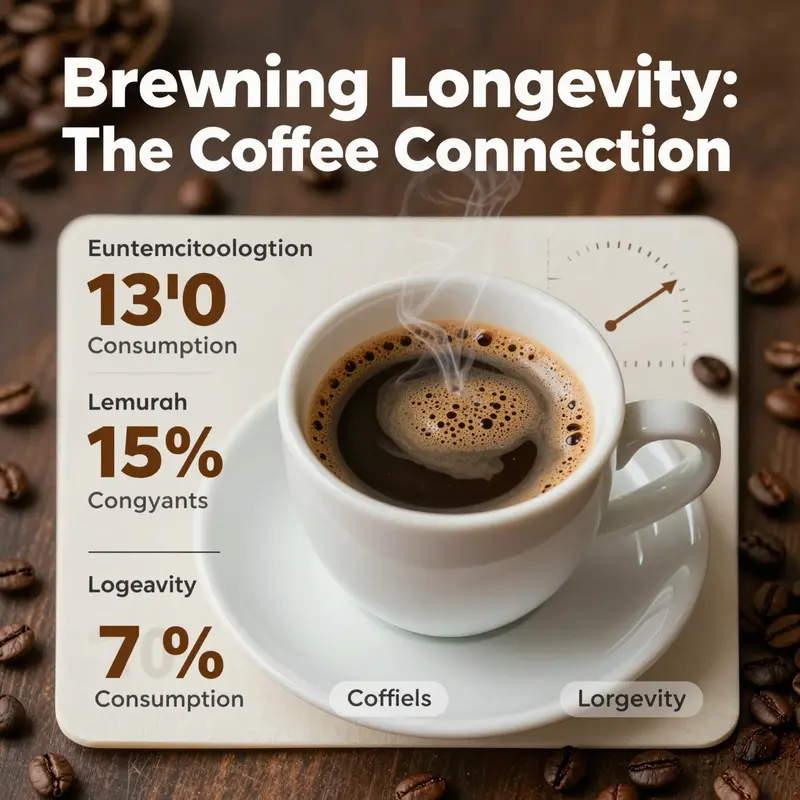
Across decades of epidemiological inquiry, coffee has shifted from a simple morning ritual to a subject of serious longevity research. In the most expansive synthesis to date, researchers pooled more than fifty population-based studies, drawing on nearly three million participants from diverse regions and backgrounds. The headline finding is striking: moderate coffee consumption, roughly three cups per day, associates with a measurable reduction in overall mortality. The magnitude of that association—a roughly 17 percent lower risk—echoes through both life expectancy and healthspan, the period of life spent in good health, free from major disease and functional decline. This is not a claim about a single cohort or a isolated group; it is a pattern that holds across large, heterogeneous populations, which strengthens the plausibility of a genuine link between habitual coffee intake and longer, healthier living. The numbers, however, are best understood as part of a broader narrative about aging, physiology, and lifestyle, rather than as a simple cause-and-effect equation. Still, the consistency and scale of these findings invite attention from clinicians, policymakers, and readers seeking practical paths to healthier aging.
The health benefits described in the synthesis extend beyond longevity. Coffee drinkers appear to experience a slower pace of functional decline with age. Cognitive performance, memory retention, and mood show more favorable trajectories among those who drink coffee regularly within recommended ranges. The analysis highlights notable reductions in several major age-related diseases. Cardiovascular disease and cerebrovascular conditions—conditions that often determine late-life health and independence—show reduced incidence and mortality among habitual coffee consumers. Digestive disorders also occur less frequently, suggesting a potential protective effect on the gut that may relate to the synergy of compounds found in coffee, including polyphenols and other bioactive constituents in addition to caffeine.
The cancer landscape in the context of coffee is nuanced but encouraging in aggregate. Liver cancer and certain other cancer types, including prostate and endometrial cancers, show lower risk associated with moderate coffee intake. The discussion here does not imply that coffee is a universal shield against cancer, but it aligns with a broader body of evidence that compounds in coffee may contribute to mechanisms that limit cancer development or progression in some populations. Related metabolic benefits also emerge. The reduced risk of type 2 diabetes, gallstones, and gout points to coffee’s potential to influence metabolic homeostasis, liver function, and inflammatory pathways. Together, these patterns sketch a portrait of coffee as more than a wakefulness aid; it appears to interact with core physiological systems that govern aging, metabolism, and resilience.
A particularly provocative concept to arise from this body of work is the reframing of caffeine itself. Rather than being viewed solely as a stimulant that promotes alertness, caffeine is proposed as a physiological normalizer. In this framing, caffeine helps stabilize regulatory networks that tend to disengage or drift with age. This is not a claim that caffeine cures aging, but it does offer a plausible mechanism by which coffee could contribute to maintaining homeostasis in multiple organ systems. The stabilizing effect might manifest in more consistent blood pressure regulation, steadier glucose handling, steadier mood and cognitive function, and more robust liver and gut function. While the exact pathways remain a focus of ongoing research, the normalizer concept helps connect disparate observations into a cohesive hypothesis about how regular coffee intake could support healthy aging across several domains.
The breadth of the dataset matters here. The analysis draws on ten European populations in particular, where coffee-drinking habits vary widely, from frequency to preparation style to overall caffeine exposure. Yet the associations persist across these diverse settings, suggesting that the benefits are not artifacts of a single cultural pattern or a specific brewing method. This cross-population consistency strengthens the argument that the observed links reflect something biologically meaningful rather than a statistical mirage produced by a particular cohort. It also helps address concerns about external validity, reinforcing the idea that a broad swath of adults could potentially experience these benefits when coffee is consumed within reasonable bounds.
Safety and practicality are essential complements to these findings. The current evidence supports moderate consumption, typically described as up to three to five cups per day, or up to about 400 milligrams of caffeine, as compatible with a healthy diet for most healthy adults. The exact tolerability of caffeine varies among individuals, influenced by genetics, age, pregnancy status, sleep patterns, and existing medical conditions. For many, the recommended range delivers benefits with minimal risk; for others, lower amounts or even abstinence may be warranted. The overarching message is one of balance: coffee can be a meaningful component of a healthful pattern when integrated thoughtfully with sleep, physical activity, and a diet rich in fruits, vegetables, whole grains, and lean proteins.
The possibility that higher intakes may confer additional advantages in some cases deserves careful note. Some studies hint that drinking more than the standard upper bound, even up to eight or more cups daily in certain analyses, might be associated with further reductions in mortality. This observation does not erase the caveat about potential adverse effects for sensitive individuals or in specific contexts, such as pregnancy or certain heart conditions. Instead, it invites a nuanced interpretation: while moderation remains prudent for most people, there may be subgroups who tolerate and potentially benefit from higher caffeine exposure under appropriate medical supervision. In practice, this means readers should assess caffeine tolerance, consider personal health history, and discuss long-term patterns with a clinician if they have concerns about sleep disruption, anxiety, or heart rhythm.
An equally important thread concerns whether coffee is simply a proxy marker for healthier living. People who drink coffee moderately may engage in other health-promoting behaviors, such as more regular social activity, better overall diet, or higher physical activity—factors that can confound observational findings. The analytical approach in a meta-analysis of observational data strives to adjust for such confounders, but residual confounding remains a possibility. The robust statistical power of a dataset spanning millions of individuals provides a compelling, though not conclusive, case for coffee as part of a lifestyle pattern associated with longer, healthier lives. Importantly, the interpretation remains careful: correlation does not imply causation, and coffee should be considered as one piece of a broader strategy for aging well.
From a policy and public health perspective, these insights encourage a more nuanced dialogue about dietary patterns and longevity. If coffee can contribute meaningfully to healthspan and lifespan without introducing new risks for the majority of healthy adults, supporting accessible, enjoyable, and sustainable coffee consumption could be a reasonable component of broader interventions aimed at reducing age-related disease burden. Yet it is crucial to balance enthusiasm with individualized care. Healthcare professionals should help individuals tailor consumption to their unique physiology and life circumstances, recognizing that caffeine sensitivity, sleep health, and comorbid conditions all shape the net effect of coffee on well-being.
For readers seeking a practical lens on translating these epidemiological findings into daily life, there is value in integrating coffee thoughtfully into routines. A moderate, predictable pattern—consistent daily timing, mindful preparation, and attention to sleep quality—can support both enjoyment and health goals without encouraging overindulgence. Beyond the beverage itself, this approach invites a broader mindfulness about how everyday choices accumulate to influence aging trajectories. In turn, readers may discover that a well-timed cup of coffee becomes not only a moment of alertness but a small, sustaining contribution to a longer, more vital life.
For those who want a more concrete sense of how to weave this research into a broader health philosophy, a larger conversation about daily habit formation and longevity is worth pursuing. Practical guidance emphasizes balancing caffeine with adequate hydration, prioritizing sleep, and keeping physical activity regular. In addition, attention to stress management and social connection reinforces the context in which coffee is enjoyed. When consumed as part of a balanced lifestyle, coffee can be a meaningful, pleasurable, and potentially health-promoting element rather than a solitary self-improvement signal. This integrated view helps situate the epidemiological findings within the lived experience of aging, where enjoyment and health can align through simple, repeatable choices.
Readers who want to explore more about how to translate scientific insights into lasting habits can consult long-form discussions and practical guides that connect daily routines with health outcomes. For additional reading on the topic, see the broader commentary and analysis in reputable health literature. And for a seamless connection to practical, everyday caffeine strategies that align with the latest science, consider visiting the resource that focuses on building a coffee-forward, healthful lifestyle: coffee-rich-life.
External resource: the March 2026 International Coffee Report provides an authoritative synthesis and deeper methodological context for these findings. It offers an up-to-date, global perspective on coffee consumption and health outcomes: https://www.folicht.com/reports/international-coffee-report-2026
Brewing a Stronger Heart: How Moderate Coffee Consumption Shapes Cardiovascular Health and Longevity
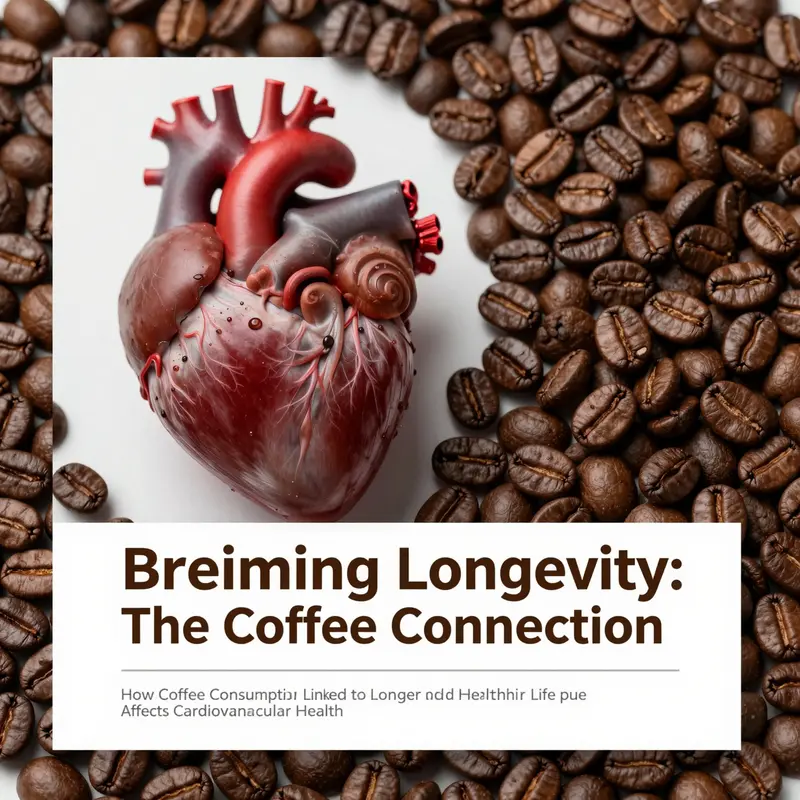
Across continents and cultures, a simple, familiar beverage has quietly become a protagonist in the story of aging well: coffee. A growing body of research links moderate consumption to longer life and, perhaps more importantly, a longer healthspan. In the realm of cardiovascular health, the effect is particularly compelling: regular, moderate intake appears to bolster the heart’s resilience, support vascular function, and reduce the burden of age-related disease. What looks like a routine daily ritual may, in fact, function as a subtle, ongoing investment in cardiovascular robustness. The narrative is not about a miracle drink but about how a complex set of bioactive compounds, routinely consumed, can harmonize bodily systems that often drift with age.
Central to this story is the balance between risk and protection. Large-scale analyses, drawing on tens of millions of person-years of observation, have consistently shown that moderate coffee drinking—commonly defined as about one to five cups per day—associates with a lower risk of several cardiovascular outcomes. In practical terms, this translates into a lower incidence of heart failure, a reduced likelihood of stroke, and a diminished burden of chronic kidney disease, all of which collectively influence overall mortality. When researchers summarize these patterns, they rarely point to a single mechanism; instead, they highlight a constellation of effects that work in concert to support cardiovascular resilience. Importantly, these benefits appear across diverse populations, strengthening the case that coffee can fit into a heart-healthy lifestyle for many different people.
The conversation about coffee and heart health often turns to caffeine, the most recognizable compound in coffee. Early concerns—namely that caffeine could acutely raise blood pressure or heart rate—have given way to a more nuanced understanding. For people who drink coffee regularly, the acute hemodynamic responses tend to attenuate over time, and long-term cardiovascular risk does not rise in step with caffeine exposure. In fact, several studies point toward a neutral or even favorable profile for blood pressure and lipid measures in habitual drinkers. This helps explain why moderate coffee intake does not correlate with higher rates of coronary heart disease in many analyses. It also aligns with a broader view of coffee’s chemistry: beyond caffeine, coffee contains antioxidants and polyphenols that support the endothelium, modulate inflammatory processes, and promote vascular health.
The “normalizer” hypothesis, sometimes invoked to describe caffeine’s role, speaks to a broader pattern: caffeine may help stabilize autonomic and metabolic rhythms that tend to waver with age. By dampening excessive inflammatory signaling and supporting endothelial function, caffeine and its companion compounds can contribute to steadier blood flow, healthier pressure regulation, and improved glucose handling. When these systemic stabilizations accumulate across years, they translate into fewer moments of slipping health between the lines of chronic disease. In this sense, coffee appears not merely as a stimulant but as a modest, ongoing inflow of physiological balance that helps preserve cardiovascular function as time marches on.
The idea that coffee can support cardiovascular resilience fits neatly with findings on mortality risk. Several lines of evidence—longitudinal cohorts, meta-analyses, and population-specific studies—show that moderate coffee consumption is associated with lower all-cause mortality and, importantly, lower cardiovascular-specific mortality. The relationships are not about dramatic leaps but about consistent, small-to-moderate gains that accumulate. The lifeworld of aging is characterized by an interplay of risk factors—hypertension, diabetes, chronic kidney disease, chronic inflammation—and coffee’s package of bioactive constituents appears to weaken the chain of events that connects these factors to adverse outcomes. In other words, coffee contributes to a cardiovascular environment that is less prone to tipping into disease states that shorten life and erode health along the way.
A comprehensive view of cardiovascular health and coffee also acknowledges the realities of how coffee is consumed. Preparation methods, added sugars, and portion sizes can modify the net effect. When coffee is enjoyed without excess sugar and with mindful portion control, the cardiovascular benefits tend to be clearer. The evidence aligns with a broader dietary pattern that emphasizes whole foods, fiber, and consistent physical activity, all of which amplify the protective impact of coffee. In this light, coffee does not replace the need for lifestyle habits; it complements them. In a world where heart disease remains a leading cause of death, adding a moderate coffee habit to a patient, clinician, or self-guided health plan can be a practical, enjoyable, and accessible step toward greater cardiovascular resilience.
Interpreting the data through the lens of healthspan also matters. A longer healthspan implies not only living longer but maintaining functional capacity—physical strength, cognitive clarity, and independence for as long as possible. In cardiovascular terms, this means fewer episodes of heart failure, strokes with severe consequences, or progressive kidney decline that strips away quality of life. Reviews of 2023 and 2024 literature point to coffee’s association with favorable cardiovascular mortality patterns and better vascular function, alongside links to lower risk of diabetes and renal disease. Taken together, the signal is consistent: moderate coffee consumption contributes to a cardiovascular milieu that supports healthy aging rather than a simple prolongation of fragile years.
Of course, readers should interpret these findings within a practical frame. The consensus in many studies supports a range—roughly one to five cups per day, or up to about 400 milligrams of caffeine—being compatible with a healthy diet for most adults. Some investigations even suggest that higher intakes can correlate with further reductions in mortality, though such observations require cautious interpretation and an eye toward individual tolerance. Moderation remains a prudent default because caffeine sensitivity varies and some people experience anxiety, sleep disturbances, or palpitations with higher intakes. For those with specific cardiovascular conditions or strong caffeine intolerance, personalized guidance from a clinician is essential. Still, the broad pattern across numerous populations suggests that for many people, coffee can be a meaningful component of a heart-healthy lifestyle rather than a risk factor to fear.
From a physiological standpoint, the protective story is anchored in coffee’s complex chemistry. Antioxidants, chlorogenic acids, and other polyphenols contribute to improved endothelial function, reduced oxidative stress, and moderated inflammatory pathways. Endothelial health is central to cardiovascular well-being; when the endothelium functions well, arteries dilate more readily, blood flow remains smooth, and blood pressure regulation stays more stable. These micro-level improvements echo across macro-level outcomes like stroke risk and heart failure incidence. The link to chronic kidney disease is particularly relevant: coffee’s renal benefits—interacting with glucose metabolism and mineral balance—help soften the cardiovascular load kidney function endures over time. When we connect the dots from vascular health to organ resilience, coffee’s role broadens from a simple stimulant to a contributor to systemic aging resilience.
In discussing these findings, it is useful to acknowledge the ongoing evolution of the science. While the broad consensus supports moderate coffee consumption as beneficial for cardiovascular health, researchers continue to refine estimates of optimal dose, preparation styles, and population-specific responses. The narrative is not about a one-size-fits-all prescription but about an evidence-based invitation to consider coffee as part of a broader strategy for healthy aging. For many people, sipping a cup or two while reading or walking through the day can be a small, pleasurable habit that aligns with longer, healthier years ahead. For others, especially those with specific health conditions, the decision may require a more individualized approach—yet the general pattern remains encouraging and hopeful.
For readers seeking a practical bridge between science and everyday life, a simple reminder can be useful: see coffee not only as a momentary lift but as a daily opportunity to support cardiovascular resilience. In this sense, the beverage becomes a partner in longevity, a companion to exercise, sleep, and nutritious eating. It sits at the intersection of culture and biology, a liquid motif through which science translates into everyday choices. If you want a concise, lifestyle-oriented framing that connects coffee to broader well-being, you can explore companion perspectives that frame coffee as part of a “coffee-rich life”—a lifestyle approach that emphasizes balance, mindfulness, and consistent routines. For a broader view of how coffee can fit into a healthful life, see coffee-rich-life.
Looking ahead, the dialogue between epidemiology and physiology will continue to sharpen our understanding of how coffee interacts with aging. In the meantime, the chapter remains clear: moderate coffee consumption holds meaningful associations with cardiovascular health and longevity. It is not a miracle cure, but it is a practical, enjoyable, and accessible component of a lifestyle aimed at longer, healthier years. The consistency of findings across studies and populations invites both curiosity and prudence. It invites readers to consider how a small daily ritual might support a larger arc of well-being, especially when paired with activity, sleep, and a diet that honors cardiovascular health. As science progresses, coffee’s story may unfold further, but the current chapter is already compelling—a testament to how everyday choices can contribute to the durability of the heart and the length of life itself. For those who wish to explore the topic further, external resources provide deeper scientific context that supports these observations and offers a window into ongoing inquiry into how coffee intersects with cardiovascular health: https://www.ncbi.nlm.nih.gov/pmc/articles/PMC10185792/.
null
null
Brewing Brains for Longevity: Cognitive Benefits of Coffee and a Longer, Healthier Life
Across decades of research, coffee has emerged not merely as a morning ritual but as a potential ally for the aging brain. It is no longer seen only as a quick pick-me-up; it is a beverage whose effects ripple through attention, memory, and the pace at which cognitive aging unfolds. In the realm of long-term health, a consistent thread runs through many studies: moderate coffee consumption is associated with a longer, healthier life, and cognitive vitality appears to be a central piece of that puzzle. A particularly telling insight comes from a 43-year study that tracked a large, diverse cohort; it found that moderate intake of caffeinated coffee or tea is linked to an 18% lower risk of developing dementia. Together with broader findings that a moderate intake reduces overall mortality risk by roughly 15–17% in analyses of nearly three million participants, these results suggest caffeine’s brain benefits are part of a broader, longevity-enhancing effect. The takeaway is not simply that coffee makes mornings brighter, but that regular, measured consumption may shape brain aging decades down the line, aligning cognitive health with longer and more robust life expectancies.
How can such a simple habit exert influence over the aging brain? The science points to several converging pathways. Caffeine, the most discussed component, acts as an adenosine receptor antagonist. By blocking adenosine, caffeine helps maintain neuronal signaling, supports attention and working memory, and can sharpen cognitive performance when needed. But coffee is not caffeine alone. The beverage contains a rich mix of polyphenols and antioxidants that combat oxidative stress and modulate inflammation—processes intimately tied to cognitive aging. Through these combined actions, caffeine and the coffee matrix may help preserve synaptic function, stabilize neural networks, and dampen the chronic low-grade inflammation that accompanies aging. Some researchers have described caffeine as a “normalizer” of physiological systems, subtly smoothing fluctuations in metabolism and neural activity that become more pronounced with age. In this view, coffee contributes not just to momentary alertness but to a steadier cognitive rhythm over the years.
Beyond the brain, the cognitive benefits connect to longer healthspan—the years of life spent in good health and independence. When cognitive function remains robust, people can stay engaged in work, family, and community activities, maintain safe driving, manage complex tasks, and recover more readily from illnesses. These functional advantages compound with other coffee-related health benefits, including cardiovascular and respiratory risk reductions that emerge across large populations. In other words, a person who habitually drinks coffee in moderation may experience not only more years but more healthy years, during which daily tasks are performed with less cognitive strain and greater confidence. The pattern of better cognitive maintenance aligns with observational data showing lower risks of stroke and metabolic dysregulation that contribute to brain health across the life course.
Cross-cultural and demographic diversity in the research supports a broad relevance for coffee’s cognitive advantages. The protective associations appear across different dietary patterns, genetic backgrounds, and lifestyle contexts, suggesting that caffeine’s brain-protective effects are not confined to a single group. This universality is important for public health narratives that aim to translate science into practical guidance. Moderation remains a shared theme, with recommendations often pointing to up to three to five cups per day, or up to 400 milligrams of caffeine, as a safe range for most adults. While some studies have hinted at even higher consumption being associated with lower mortality, the key message is nuanced: individual tolerance, sleep quality, and cardiovascular considerations must guide intake. The takeaway is not a one-size-fits-all prescription but a flexible pattern that can fit many people’s lives without compromising other health goals.
This integrated view of coffee and brain aging invites reflection on how we structure daily routines. A warm cup can be part of a mindful ritual that includes regular movement, social engagement, and mental stimulation—elements that together sustain cognitive reserve. It is not simply about caffeine’s wakefulness; it is about a constellation of factors that support brain resilience. For those who prize coffee as a daily hinge of productivity and mood, the science invites a practical message: enjoy coffee, but listen to your body. If late-day consumption disrupts sleep, if caffeine worsens anxiety, or if blood pressure is a concern, adjusting timing, choosing decaf, or moderating total intake can preserve the cognitive benefits while reducing potential downsides. In this way, coffee serves as a bridge between momentary alertness and long-term brain health, a bridge that many people cross daily with minimal risk and potential reward.
Readers seeking a broader sense of how daily choices shape a brain-healthy life can explore the coffee-rich-life resource.
Finally, the cognitive story of coffee intersects with a larger public conversation about aging well. The 43-year trajectory of observed cognitive benefits aligns with other long-term findings that moderate coffee intake is associated with a reduced risk of major age-related diseases and improved healthspan. The mechanisms are not singular; they reflect a tapestry of interactions among neural signaling, inflammation, oxidative stress, and metabolic regulation that are all sensitive to timing and dose. In practical terms, people who enjoy coffee in the middle range of consumption—roughly three cups per day—may be doing more than simply chasing a momentary lift. They may be contributing to a cognitive reserve that sustains independence, supports memory, and fosters a sense of continuity as years accumulate. This perspective reframes coffee from a simple stimulant to a modest, enduring investment in brain health.
External resource: Coffee, tea, and caffeine consumption and prevention of late-life cognitive decline and dementia: A systematic review. For deeper reading on the topic, this systematic review pools decades of data to examine how habitual caffeine-containing beverages relate to cognitive trajectories in later life.
Brewing Longevity on a Global Scale: Coffee, Healthspan, and Sustainability
Across regions and cultures, coffee is more than a morning ritual; it is a window into how people balance health, pleasure, and responsibility. A growing body of epidemiological research suggests that moderate coffee intake is associated with meaningful health benefits and may contribute to longer healthspan, the period of life free from major disease. For many adults, about three cups a day appears compatible with a lower risk of mortality and with better cognitive function and cardiovascular resilience. These findings are nuanced: caffeine sensitivity, sleep quality, and overall diet shape the net effect for each person, underscoring the value of individualized guidance rather than universal rules.
Beyond individual health, the coffee story intersects with commerce and sustainability. Consumers increasingly value provenance, transparency, and ethical production, and markets are responding with traceable, single-origin, and certified coffees. This shift aligns health-conscious choices with planetary stewardship, as sustainable farming practices can reduce environmental footprints while preserving flavor and livelihood for farmers. The result is a market where quality and responsibility reinforce one another, not a trade-off between taste and well-being.
Environmental challenges accompany growth in demand. The industry faces water use, waste streams, and climate risks, which demand robust stewardship, investment in wastewater treatment, and climate-smart farming. By supporting responsible brands and supply chains, consumers participate in a broader health and ecological project: protecting ecosystems that underpin long-term human health as well as the coffee experience itself. In this sense, enjoying coffee can be part of a mindful lifestyle that values vitality, fairness, and a thriving planet.
Ultimately, the coffee life invites continued dialogue among scientists, producers, and consumers about how daily rituals align with longer-term health and sustainability goals. The practical takeaway is simple: savor coffee in moderation, seek information about sourcing, and support systems that promote well-being for people and the planet.
Final thoughts
In summary, the evidence is clear; moderate coffee consumption is significantly linked to enhanced longevity and health benefits. For business owners, incorporating coffee into daily routines not only improves productivity but also supports long-term health. By understanding the benefits outlined in this article—from cardiovascular improvements to cognitive enhancements—business leaders can make informed choices that not only fuel their days but potentially extend their lives. The simple act of enjoying coffee could serve as an easy yet effective strategy to foster both business success and personal wellness.