
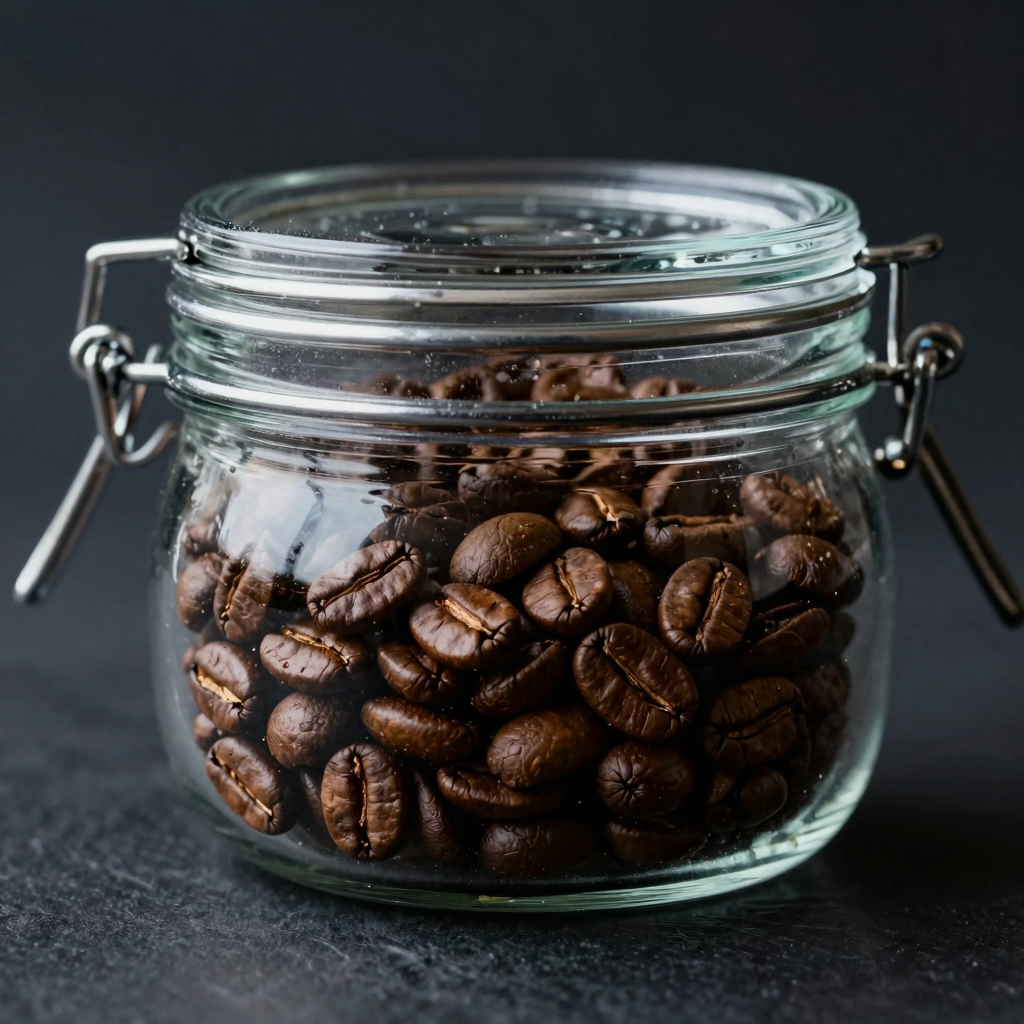
In the competitive world of coffee businesses, understanding coffee shelf life is crucial for success. Freshness and quality directly influence customer satisfaction and retention. A well-informed business owner knows that even the most exquisite beans can lose their flavor and aroma if not stored correctly or used within their optimal timeframe. This not only affects the taste of the coffee but can also lead to significant financial losses and dissatisfied customers. As trends shift towards high-quality, specialty brews, maintaining the integrity of your product becomes ever more important. Proper storage techniques and awareness of product longevity can elevate your brand in the eyes of consumers. In this article, we’ll delve deep into the science of coffee shelf life, providing insights on how to preserve freshness and quality in your offerings. Don’t let poor storage practices undermine your hard work; learn more about effective coffee storing techniques.
| Coffee Type | Storage Condition | Shelf Life (Months) | Key Notes |
|---|---|---|---|
| Whole Roasted Beans | Airtight container, cool, dark place | 1-2 (after opening) | Best freshness within 2 weeks; flavor degrades over time due to oxidation. |
| Whole Roasted Beans | Freezer (sealed, moisture-proof container) | Up to 6 | Suitable for long-term storage; avoid frequent temperature changes. |
| Ground Coffee | Airtight container, cool, dark place | 1-2 (after opening) | More exposed to air than whole beans; loses aroma and flavor faster. |
| Ground Coffee | Freezer (sealed, moisture-proof container) | Up to 6 | Similar benefits as whole beans in freezer; use within 3-4 months for best quality. |
| Instant Coffee | Unopened, cool, dry place | 24 (2 years) | Highly stable due to processing; expiration date is a guideline, not safety threshold. |
| Instant Coffee | Opened, stored in humid or warm environment | 12-18 | Can clump or lose potency if exposed to moisture or heat. |
| Instant Coffee | Opened, stored in airtight container at room temperature | Up to 24 | Maintains quality longer when protected from humidity and light. |
Sources:
The table highlights various coffee types along with their respective shelf lives and optimal storage conditions. Proper storage methods can significantly extend the freshness and flavor profile of coffee, making it essential for both business owners and consumers to understand these guidelines. To deepen your knowledge about coffee longevity, visit our guide on coffee life.
Factors Affecting Coffee Shelf Life
The shelf life of coffee is significantly influenced by various storage conditions. Understanding these factors can help businesses maintain coffee freshness and enhance the overall quality of their offerings. Here are the key factors that affect coffee shelf life:
1. Moisture
- High humidity levels can lead to the absorption of moisture by coffee beans, resulting in clumping and the potential growth of mold. Keeping coffee in a dry environment is crucial to prevent spoilage. Studies indicate that moisture is one of the primary enemies of coffee, leading to microbial growth and quality fading (ScienceDirect).
2. Light
- Exposure to light, especially ultraviolet light, can rapidly degrade the aromatic compounds in coffee, leading to a loss of flavor and overall quality. It’s essential to store coffee in opaque containers to block out light.
3. Air (Oxygen)
- Oxygen exposure causes oxidation, which can deteriorate the taste of coffee over time. This is particularly evident in ground coffee, which has a larger surface area exposed to air. Airtight containers can significantly help mitigate this issue by reducing air exchange.
4. Temperature
- Temperature plays a critical role in coffee freshness. High temperatures can accelerate rancidity and the evaporation of aromatic oils, both of which negatively impact flavor. Ideally, coffee should be stored in cool, dark locations, away from sources of heat. Maintaining a consistent temperature of 15-25°C is recommended for optimal freshness (National Coffee Association).
Best Storage Practices
To ensure coffee retains its quality for as long as possible, consider the following storage practices:
- Use airtight, opaque containers
- Store in a cool, dry place
- Avoid refrigeration and prolonged exposure to air
- Brew only what is necessary to minimize waste and maintain freshness
By implementing these strategies, businesses can extend the shelf life of their coffee while delivering a consistently delightful experience to their customers.
Best Practices for Coffee Storage to Maintain Quality and Shelf Life
Proper coffee storage is vital for businesses looking to maintain the quality and flavor of their coffee beans. Here’s a list of best practices that every coffee business owner should follow:
-
Use Airtight Containers
Store your coffee beans in airtight containers to minimize exposure to air. Glass jars with rubber seals or stainless steel containers work exceptionally well. -
Avoid Light Exposure
Keep coffee beans stored in opaque containers or in a dark place. Light can cause coffee to degrade and lose its freshness. -
Maintain Ideal Temperature
Store coffee at temperatures between 10°C and 25°C (50°F to 77°F). Avoid exposing coffee to heat sources, which can accelerate the aging process. -
Control Humidity
Coffee should be kept in a low-humidity environment. High moisture levels can lead to mold growth and degrade the flavor of the beans. -
Avoid Refrigeration
Contrary to popular belief, do not store coffee in the fridge or freezer. Temperature fluctuations can cause condensation, impacting the quality. -
Purchase in Small Quantities
Buy smaller amounts of coffee more frequently. This helps ensure that the coffee used is always fresh.
For tips on enhancing your coffee offerings, learn more about coffee life here.
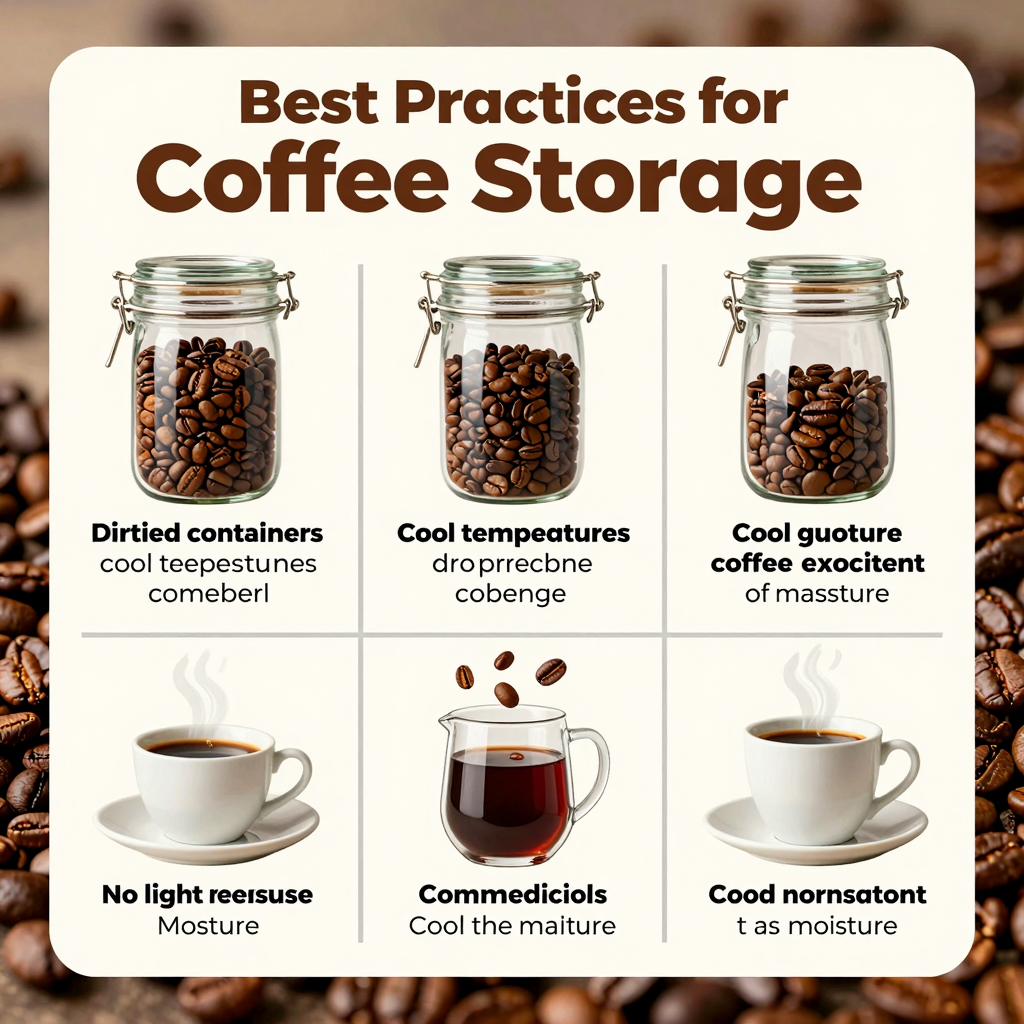
By adhering to these best practices, business owners can ensure they serve high-quality coffee to their customers, maximizing freshness and flavor.
Recognizing Stale Coffee: How Business Owners Can Identify Quality Decline
For business owners in the coffee industry, maintaining high coffee quality is essential for customer satisfaction and loyalty. Recognizing stale coffee is critical to ensuring that your offerings remain delightful and aromatic. Here’s how to identify staleness through visual, smell, and taste indicators.
Visual Indicators
Fresh coffee is vibrant, showcasing a rich crema when brewed. In contrast, stale coffee beans often lose their sheen and appear dull, sometimes developing grayish or whitish patches. Ground coffee may clump together due to moisture absorption and may feel sticky or look oily. When brewed, look for a lack of bloom during pour-over, indicating insufficient release of gases that come with fresh coffee.
Olfactory Cues
The aroma of coffee is one of the most telling signs of its freshness. Fresh coffee beans emit bright and lively scents, such as floral, fruity, or nutty notes. Stale coffee, however, may have a flat, musty, or even papery odor-think old cardboard or damp earth. If your cafe or business environment has a lingering scent reminiscent of rancid oil or dust, it may indicate that your coffee has crossed the freshness line.
Taste Test
A cup of stale coffee typically lacks complexity and vibrancy. Instead of the balanced flavors you seek, you may encounter a sour, bitter, or completely bland experience on your palate. Freshly brewed coffee should leave a sweet aftertaste, while stale coffee often feels hollow, sometimes hit with unpleasant metallic or chemical notes.
By familiarizing yourself with these indicators, you can ensure that you are serving high-quality coffee that delights customers. If you’re interested in enhancing your coffee knowledge, learn more about optimal coffee quality to keep your offerings fresh and appealing!
Importance of Coffee Shelf Life
Understanding the shelf life of coffee is crucial for maintaining its quality and freshness, which is particularly important for business owners looking to provide the best product to their customers. According to renowned barista and coffee quality specialist James Reed, “Oxygen is the enemy of fresh coffee. It triggers oxidation, which dulls volatile compounds responsible for floral, fruity, and acidic notes. Over time, beans lose vibrancy and develop flat, cardboard-like flavors. Always store beans in an airtight, opaque container away from heat and light.” This highlights that proper storage and attention to shelf life are vital for preserving the delightful characteristics of freshly roasted coffee.
By taking steps to ensure the freshest coffee possible, businesses can enhance customer satisfaction and loyalty. For further insights, check out learn more about coffee freshness.
In conclusion, understanding coffee shelf life is crucial for business owners looking to maintain the quality and freshness of their coffee products. Knowledge of the different factors that affect coffee’s longevity-such as type, storage conditions, and packaging-equips business owners to make informed decisions. By implementing best practices like proper storage techniques and ensuring the use of airtight containers, businesses can significantly extend the shelf life of their coffee offerings, which ultimately leads to enhanced customer satisfaction and reduced waste.
Additionally, educating customers about the importance of these practices can also foster brand loyalty. As a business owner, remember that communicating your commitment to quality not only elevates your brand but also improves customer trust and repeat purchases. For more insights on optimizing coffee selection and storage, explore our comprehensive guides on coffee life and best coffee practices.
We encourage you to apply these insights and take action today! Assess your current practices regarding coffee shelf life and make adjustments that will help position your business as a leader in quality and freshness. The steps you take now will resonate with customers who appreciate high-quality coffee, setting you apart in a competitive market.
Coffee Consumption Trends in 2023
Recent studies show a significant evolution in coffee consumption trends, particularly in the United States. According to the National Coffee Association (NCA), approximately 73% of American consumers reported drinking coffee daily in 2023. This marks a notable increase compared to previous years, underlining the resilience of coffee as a daily staple for many.
Key Data Points on Coffee Consumption
- Ready-to-Drink Coffee: Over 50% of coffee drinkers have tried or purchased ready-to-drink coffee products, reflecting changing preferences toward convenient options for consumption.
- Specialty Coffee: The interest in specialty coffee also continues to rise, with 52% of U.S. consumers having consumed specialty coffee in the last week alone, indicating a strong demand for quality and fresh coffee options.
- Home Brewing: Furthermore, 83% of coffee drinkers brew their coffee at home, up from past years, contributing significantly to coffee bean and equipment sales. Many consumers are seeking quality and freshness, which drives their purchasing decisions.
Impact of Freshness and Quality
The emphasis on freshness and quality has become more pronounced. Consumers are now more discerning about the coffee they purchase, resulting in increased demand for high-quality beans and freshly processed products. The 2023 NCA report highlights that quality is a key factor influencing consumer preferences, with many opting for freshly roasted beans over mass-produced options.
Global Context
Globally, coffee consumption has also surged, with a noteworthy increase of 2.2% in the total consumption volume this year, reaching 106.2 million 60kg bags daily. North America remains the largest market, supporting the trends seen in the U.S., where freshness and specialty products have captured consumer interest.
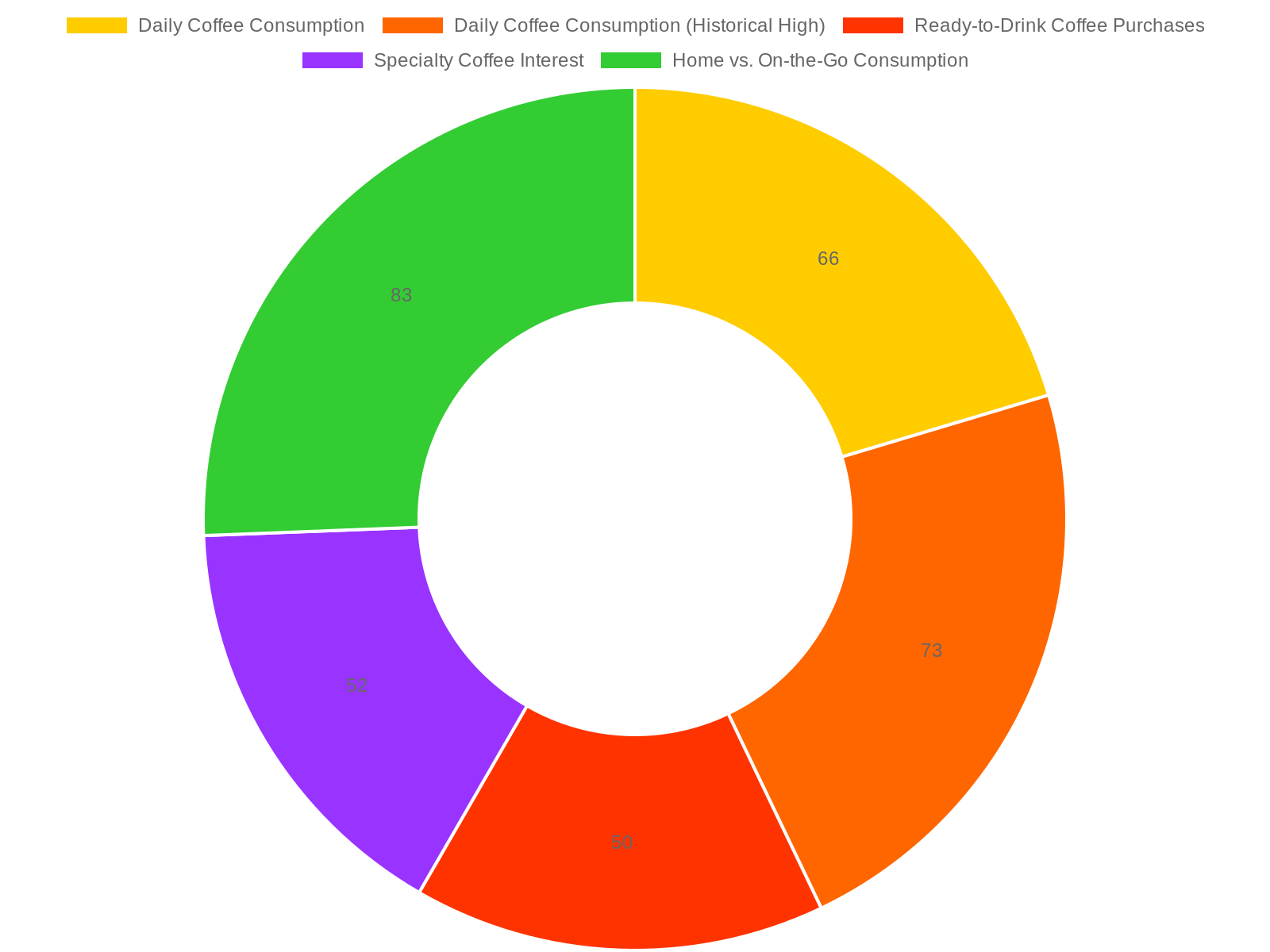
As a business owner in the coffee industry, understanding these consumption trends is crucial for success. Adapting to the market’s emphasis on freshness and quality can position your brand favorably among discerning consumers.
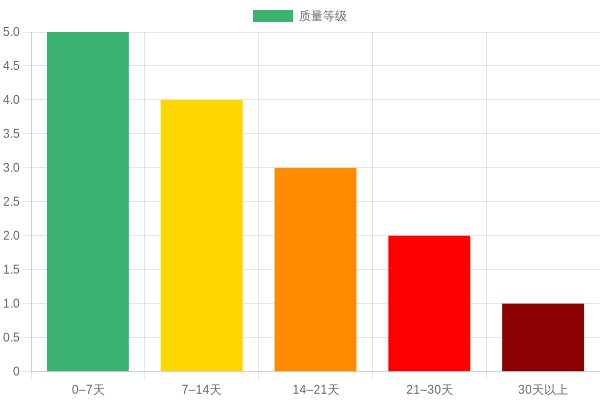
The chart below visually represents the timeline of coffee freshness and corresponding quality indicators:
| 时间段(从烘焙日算起) | 质量等级 | 颜色标识 | 关键质量指标说明 |
|---|---|---|---|
| 0-7天 | 最佳新鲜度(Optimal Freshness) | 绿色 | 香气:浓郁、复杂,带有明显的花香、果香或甜香; ** blooming:冲煮时迅速且剧烈地释放二氧化碳,形成明显“气泡”; 咖啡油脂(Crema)**:浅金至琥珀色,细腻绵密,持久不散。 |
| 7-14天 | 良好(Good) | 黄色 | 香气:仍具活力,但部分高阶风味开始减弱; ** blooming:反应温和,释放气体较慢; 咖啡油脂(Crema)**:颜色偏浅,质地较松散,持续时间缩短。 |
| 14-21天 | 一般(Fair) | 橙色 | 香气:明显平淡,缺乏层次感,可能有轻微氧化味; ** blooming:几乎无明显反应; 咖啡油脂(Crema)**:极少甚至无,快速消散。 |
| 21-30天 | 下降(Declining) | 红色 | 香气:显著衰减,出现陈旧或纸板味; ** blooming:基本无反应; 咖啡油脂(Crema)**:完全缺失。 |
| 30天以上 | 变质(Stale) | 深红色/暗红 | 香气:严重劣化,可能有霉味或金属味; ** blooming:无任何反应; 咖啡油脂(Crema)**:不可见。 |
📌 注:
- 此时间线基于多数烘焙豆的典型表现,浅烘豆通常在第5-10天进入最佳期,深烘豆则在第3-7天即达峰值。
- 一旦开袋,咖啡豆的保鲜期将大幅缩短,建议在7天内使用完毕,并密封保存于避光、干燥处。
- 研磨后咖啡粉的风味流失速度极快,15分钟内挥发性芳香物质损失可达70%(来源:Journal of Agricultural and Food Chemistry, 2026)。
🔗 参考资料来源:
- Coffee Subscription Vs Local Roaster Beans Which Offers Fresher Flavor Monthly (2026-02-21)
- How To Store Coffee Beans For Maximum Freshness Beyond The Bag (2026-03-14)
- Best Way To Store Coffee Beans To Preserve Freshness And Flavor (2026-03-14)
- Coffee Beans Vs Ground Coffee Is The Freshness Difference Noticeable To Average Drinkers (2026-02-23)
- Coffee| 咖啡知识分享 | 咖啡的新鲜度,到底可以保持多久? (2025-08-20)