

Understanding the caffeine content in beverages like coffee and cola is essential for business owners, especially in the food and beverage industry. The caffeine levels affect customer choices, energy boosts, and health perceptions. In this comprehensive exploration, we will delve into the caffeine content differences between coffee and cola, examining various servings and preparation methods. We will also look into the implications these differences have on health and consumer behavior, before rounding off with practical insights that will enhance your product offerings and customer experience.
Caffeine Showdown: Coffee vs. Cola
Caffeine is one of the most recognizable stimulants in everyday life, a small molecule with outsized effects that shapes daily routines and study sessions. When people reach for a drink, they weigh more than flavor or habit; they weigh how much caffeine that cup or can will deliver. The coffee versus cola comparison is not just a matter of taste but of delivery, processing, and serving size. In this chapter we examine caffeine content with a focus on real-world numbers readers can relate to.
To begin, caffeine content in coffee varies widely, rooted in extraction, bean origin, and brewing method. A standard 8-ounce cup of brewed coffee typically contains about 95 to 120 milligrams of caffeine. A single espresso shot carries about 63 milligrams, delivering a strong punch in a small volume. A 16-ounce grande from many retailers can exceed 300 milligrams of caffeine, showing how volume and strength matter.
By contrast, a 12-ounce can of cola typically contains about 34 to 35 milligrams of caffeine, with diet versions often around 42 milligrams. Larger packaging, such as a 500-milliliter bottle, can push caffeine toward the 50-to-60-milligram range. Over a serving, coffee generally offers a higher caffeine payload per unit of volume than cola, though variability exists between brands.
Botanical realities also matter. Arabica beans tend to have around 1.2%–1.5% caffeine by weight, while Robusta beans contain roughly 2.2%–2.7%. This difference helps explain why drinks made with Robusta blends can deliver more caffeine than those made with Arabica, even before considering serving size.
In everyday servings, a brewed cup typically sits in the 95–120 milligram range per 8-ounce serving, with larger drinks climbing well above 300 milligrams. Cola remains steadier and lower in caffeine per serving, though diet variants can push the total slightly higher in some cases. The practical takeaway is simple: coffee usually provides more caffeine per serving than cola, especially in larger or stronger preparations.
Guidelines for daily intake suggest that about 400 milligrams of caffeine per day is a reasonable upper limit for many adults. Within that boundary, coffee tends to be the primary source of caffeine for those seeking a stronger or more sustained lift, while cola offers a smaller, more modest boost and often a calorie consideration due to sugar content. Health goals, tolerance, and timing all shape how people use these beverages in daily life.
Keep in mind that caffeine content is not fixed. Preparation methods, serving sizes, and bean choices all influence the totals, and different cola products may show small variations by brand and packaging. The broader point remains: if your goal is a quick, high-dose caffeine hit, coffee generally wins; if you want a milder lift with fewer calories, cola is a reasonable option.
For readers seeking a granular view, it can be useful to compare caffeine by actual product and serving size. The key is to look beyond a single number and consider how label information, portion size, and personal consumption habits interact. The takeaway is to tailor beverage choices to energy needs, daily routines, and health objectives.
The Caffeine Equation: Coffee vs Cola
Caffeine acts like a quiet conductor in the body, guiding wakefulness, focus, and momentum. Yet the way it arrives—the vessel, the size, the brew method—shapes the actual surge you feel. When you compare coffee to cola, the contrast is not simply about “more is better.” It’s about the chemistry of serving sizes, extraction methods, and the surrounding nutritional landscape that accompanies caffeine on the ride into your bloodstream. The core message from the data is clear: coffee tends to deliver far more caffeine per serving than cola, but the nuance matters because both beverages come in a spectrum of sizes and preparations that can blur the line between a mild buzz and a jittery surge.\n\nCoffee sits in a class by itself when it comes to caffeine content, but the exact numbers are a function of method and volume. A standard cup of brewed coffee—roughly 8 ounces or 237 milliliters—routinely carries about 95 to 120 milligrams of caffeine. That range already signals variability: the cultivar of bean, the roast level, and even the grind size can nudge the total upward or downward. Brew strength matters, too. In some contexts, a deliberately robust cup can push caffeine closer to the upper end of that spectrum, while a lighter brew may land nearer the lower bound. Espresso, by contrast, is a more concentrated pocket of caffeine. A single 1-ounce shot typically contains about 63 milligrams. The contrast between a standard cup and a single shot is not merely about size; it’s about delivering caffeine in a compact delivery that can punch more strongly per milliliter. The result is a simple arithmetic truth: if you’re seeking a quick, potent wakefulness in a small package, espresso is hard to beat. The broader reality is that caffeine content scales with both the amount of beverage and the strength of the extraction, which is why a café-style cup can range widely—up to roughly 225 milligrams in a 355-milliliter serving, and often around 200 milligrams in a similar range for strong pour-overs or robust brews.\n\nOn the cola side, the caffeine story unfolds at a different tempo. A standard 12-ounce can of a typical cola beverage generally carries about 34 to 35 milligrams of caffeine. In some markets, a 355-milliliter can hovers around the same neighborhood, with 38 to 40 milligrams appearing as a common figure. When you scale up to larger bottles, the total caffeine rises modestly, typically topping out in the 50- to 60-milligram range for a half-liter to a liter bottle, depending on the exact product formulation. The key point for most people is this: even a generous serving of cola delivers far less caffeine than a regular cup of coffee. The discrepancy is not a marginal difference but a factor of two to three or more in typical serving sizes. If you measure by the common 8-ounce coffee versus a 12-ounce cola, coffee wins decisively in caffeine density, even though cola can still offer a meaningful, if more modest, lift.\n\nThe numbers tell a straightforward story, yet the real-world experience of caffeine depends on more than the raw milligrams. A cup of coffee represents not only caffeine but a cascade of acids, oils, and potentially other compounds that affect digestion and appetite. Some people may find coffee stimulating in a way that feels smoother or more sustained, while others experience stomach irritation or a shaky edge if the brew is particularly strong or taken on an empty stomach. Cola, meanwhile, is not purely about caffeine. The sugar content in cola is substantial—roughly 50 grams per half-liter bottle, a detail that carries health implications well beyond caffeine. The sugar can influence energy spurt dynamics, leading to a quick spike followed by a downturn as insulin and metabolic processes respond. This is part of the broader context in which caffeine operates: the accompanying nutrients and how your body metabolizes them can color your perception of “how much wakefulness” you get from a given amount of caffeine.\n\nFrom a practical perspective, the per-serving comparison is clear. Coffee typically delivers two to three times as much caffeine as a standard cola can, which means that a large coffee—often in the neighborhood of 225 milligrams in a 355-milliliter cup—will eclipse a cola serving by a wide margin. That said, there are occasions when the numbers converge, particularly when you consider very large cola servings or when you choose high-powered caffeinated soft drinks. Some specialty beverages designed for sustained energy can reach toward the upper range of caffeine content, though the average cola product remains well below most coffee preparations. To match the caffeine of a sizable coffee in a single drink, you would need multiple cola servings—roughly seven standard cans if you’re aiming to reach a 225-milligram benchmark. The arithmetic is blunt, but it helps anchor expectations for what each beverage can deliver in a single sitting.\n\nThe caffeine landscape also includes energy-forward drinks that sit between coffee and cola in both marketing and chemical composition. These products often pack a higher caffeine punch per serving, with estimates ranging from about 80 to 160 milligrams in a single can or bottle. In other words, there are beverages that can punch as hard as or harder than a medium coffee, depending on the formulation. That reality widens the practical gap between coffee and cola because it introduces a broader spectrum of caffeine experiences people may encounter in daily life. It also underscores the importance of mindful consumption, especially for those who are sensitive to caffeine or who are juggling multiple caffeinated beverages in a single day.\n\nThe health considerations surrounding caffeine consumption are not solely about the stimulant itself. The daily limit commonly cited by clinicians and nutrition guides is around 400 milligrams for most adults. This ceiling is not a hard line but a pragmatic guideline, acknowledging that individual tolerance varies. Some people metabolize caffeine quickly and feel little effect even at elevated intakes; others may experience anxiety, sleep disturbances, or heart palpitations with far lower amounts. When you pair caffeine with the sugar and other ingredients present in cola, the health picture becomes more complex. Sugar intake is a separate concern, with excessive intake linked to obesity, insulin resistance, and metabolic disorders over time. The combination of caffeine and sugar can create a rapid energy surge followed by a potential crash, a pattern that may contribute to fluctuating energy levels during the day. Coffee, which tends to be without added sugar unless you choose it that way, presents a different nutritional profile. It can still irritate the stomach if consumed in excess or on an empty stomach, and the perception of restlessness or jitteriness can be amplified in sensitive individuals. The bottom line remains practical: if you are aiming for a controlled, moderate caffeine intake, coffee’s higher caffeine density per serving means you can reach your target with fewer beverages, but you must stay mindful of the total daily load and any accompanying calories from sugar or fat in specialty drinks.\n\nThe numbers and the narrative together suggest a nuanced takeaway. Coffee is the stronger caffeine vehicle on a per-serving basis, especially for those who prefer larger or more concentrated brews. Cola offers a meaningful but modest lift, one that can be sufficient for a mild alertness boost without delivering the same level of stimulation or the same caloric load that sometimes accompanies non-diet coffee preparations or energy drinks. The broader picture is that caffeine is a tool with form as important as function: the same milligrams can produce different effects depending on how the caffeine arrives, what else is in the drink, and how your body interacts with those other ingredients. This is why people often notice different sensations from a cup of regular coffee, from a strong espresso, or from a can of cola, even when the labeled caffeine content seems close in some settings. The story is not simply about a single measurement; it’s about the way caffeine travels through your system and interacts with your daily rituals, sleep patterns, and nutritional choices.\n\nIf you’re curious to see how another caffeinated beverage stacks up against coffee in a similar framework, consider the broader landscape described in related explorations. For a broader taste of how coffee stacks up against another popular caffeinated beverage, refer to the article coffee-vs-energy-drink. This reference helps illuminate how different drink formats can shape your caffeine experience even when the goal is the same: a reliable lift that fits into your day without derailing your overall wellness plan. The practical implication is simple: knowing the approximate caffeine content helps you tailor your intake to your schedule, your sensitivity, and your daily goals. It also invites a mindful approach to choosing beverages in contexts like work deadlines, study sessions, or physically active periods when a precise caffeine balance matters more than a vague sense of urgency.\n\nExternal reference: Mayo Clinic’s Caffeine Content in Common Foods and Beverages provides a careful catalog of how caffeine can vary across beverages and serves as a reminder that the numbers are averages, not absolutes. It reinforces the practical stance that moderation and personal observation trump any one-size-fits-all rule when managing daily caffeine intake.\n\nExternal link: https://www.mayoclinic.org/healthy-lifestyle/nutrition-and-healthy-eating/in-depth/caffeine/art-20045678
Brewing Health: Caffeine in Coffee versus Cola and What It Means for Your Body
Caffeine is a numerical soundtrack to daily life, a small molecule with a big footprint on mood, alertness, and a cascade of physiological responses. When we compare coffee and cola, we’re not just weighing two beverages; we’re weighing two different approaches to caffeine, each wrapped in a distinct milieu of accompanying substances. The numbers tell a clear story: coffee typically delivers far more caffeine per serving than a standard cola. Yet the health implications extend beyond the caffeine milligrams and into how each drink is consumed, what else it contains, and how it fits into longer patterns of eating and living. Understanding these nuances helps people tailor their habits to their needs, whether for focus, energy, or metabolic balance. The conversation about caffeine and health is rarely about caffeine alone; it is about the total package of the drink, the context of consumption, and the way the body metabolizes and responds to it over time.
Coffee is, in many respects, a complex chemical matrix. It brings to the table more than 1,000 bioactive compounds, including powerful antioxidants such as chlorogenic acids that contribute to anti-inflammatory effects and may modulate oxidative stress. This is not mere flavor science; it is a backdrop for epidemiological observations linking moderate coffee intake to reduced risks of cardiovascular disease, type 2 diabetes, and liver conditions like fatty liver disease. The narrative around coffee’s health impact often emphasizes moderation—roughly one to three cups per day—as a sweet spot where benefits appear consistently in population studies. The polyphenols and diterpenes in coffee, alongside caffeine, seem to create a synergy that supports metabolic function and liver health while not aggressively tipping the balance toward adverse effects for most healthy adults.
But the caffeine component is real and potent. In practical terms, the caffeine content in coffee varies by brew method and serving size. An average 8-ounce cup tends to hover around 95 to 200 milligrams, depending on how it’s prepared and the bean it’s made from. Espresso brings a concentrated dose—roughly 63 milligrams per 1-ounce shot—though a typical café drink often includes multiple shots, pushing the total well beyond a single capsule’s worth. A popular large serving, such as a 16-ounce cup, commonly lands in the 300-milligram range, sometimes exceeding that depending on the roast and grind. For many people, this means a single large coffee can deliver more caffeine than several colas combined, especially when compared to a standard 12-ounce cola, which carries about 34 to 40 milligrams. In larger cola formats, such as a 500-milliliter bottle, caffeine totals approach the mid-range of a single coffee shot’s content but still fall short of daily coffee doses for most individuals.
Cola drinks, by contrast, are not caffeine-free while offering a markedly different nutritional environment. The caffeine per serving is modest, and the typical daily reality often includes multiple cans or bottles spread across the day. Yet the health implications of cola extend beyond caffeine alone. Most regular colas contain high levels of added sugars, often in the form of high-fructose corn syrup, which has been linked to increased risks of obesity, insulin resistance, and type 2 diabetes when consumed regularly in large amounts. Phosphoric acid, another common cola ingredient, can affect mineral balance if consumed frequently, contributing to concerns about bone mineral density over time, particularly in adolescents and postmenopausal women. These factors collectively shift the focus from caffeine alone to the broader metabolic and skeletal context in which cola is typically consumed.
Diet versions of cola complicate the picture further. Artificial sweeteners replace sugar, and the long-term metabolic and microbiome consequences of these substitutes are still a matter of active investigation. Some researchers have raised questions about how non-nutritive sweeteners influence gut microbiota, glucose metabolism, and even appetite regulation. The overall health calculus, therefore, becomes more nuanced: caffeine is only one piece of a broader dietary pattern that includes sugar intake, artificial sweeteners, acidity, and mineral balance. In other words, the health effects of cola may hinge less on caffeine per se and more on the combination of sugar load, acidity, and the body’s long-term metabolic response to these components.
From a health perspective, the guidelines that anchor many discussions of caffeine consumption are practical and cautious. Most adult health authorities suggest a daily caffeine limit around 400 milligrams as a reasonable ceiling for most people. This upper bound allows for the experience of alertness and cognitive benefit without tipping into trouble such as insomnia, jitters, or palpitations for many individuals. Yet “one size fits all” rarely captures the real-world variability in caffeine sensitivity, sleep patterns, cardiovascular risk, and medication interactions. For some people, even smaller amounts can disrupt sleep or provoke anxiety, while others tolerate higher intakes without noticeable distress. The question then becomes not only “how much caffeine” but also “how closely is it paired with other dietary factors?” A single large coffee, for instance, might push someone close to or beyond the daily threshold, while a few cans of cola could accumulate significant sugar intake that compounds any metabolic burden well before caffeine becomes a limiting factor.
The pattern of consumption matters as much as the dose. Coffee is frequently sipped in the morning or early afternoon, sometimes with little added to minimize caloric load. In such contexts, coffee can deliver a cognitive boost with relatively modest caloric cost when prepared without sugar or cream. Cola, by contrast, is often enjoyed as a mid-day refresher or a pairing with meals or snacks, contributing not only caffeine but a substantial intake of free sugars and acidity. This difference can shape long-term outcomes in distinct ways. Regular cola consumption may contribute to weight gain and insulin resistance if it displaces more nutrient-dense choices or adds empty calories. Coffee, especially when consumed without sugar, can be integrated into a diet that supports metabolic balance and liver health, particularly when the rest of the day emphasizes whole foods and hydration. The nuance matters; the same caffeine source can interact with different dietary contexts to yield varying health trajectories.
The evidence base also points toward notable differences in how these beverages interact with sleep and stress. Caffeine’s effect on sleep latency and sleep quality is well-documented, with sensitivity varying widely among individuals. For some, a morning cup or an early afternoon espresso may not disturb sleep at all, while others may notice delayed onset or lighter sleep stages even with modest amounts. Cola’s profile adds the dimension of sugar-driven energy spikes that can be followed by a crash, potentially influencing daytime energy and appetite regulation. When caffeine is the primary driver of alertness, the timing of consumption becomes a critical tool for managing circadian rhythms and daily functioning. For those who are sensitive, even small amounts late in the day can impede restorative sleep, eroding next-day performance and mood. In this sense, both beverages can be navigated successfully with attentiveness to timing, total daily caffeine load, and the broader tapestry of daily habits.
From a public health and personal choice perspective, several actionable recommendations emerge. For coffee, the emphasis is on moderation and preparation choices. Opting for fresh, independently brewed options tends to minimize contaminants and maximize the integrity of the brew. Limiting added sugars and high-fat dairy can keep the caloric footprint modest while preserving the potential cardiovascular and metabolic benefits attributed to coffee’s bioactive compounds. For individuals seeking a more intense cognitive or metabolic lift, a measured approach—such as a single cup of higher-quality brew in the morning—may yield benefits without crossing comfort thresholds. The message is not to dread caffeine but to integrate it into a thoughtful pattern of intake that respects individual tolerance and overall dietary quality.
For cola, the guidance centers on moderation and replacement rather than elimination in all cases. Regular consumption should be weighed against sugar load, and attention should be paid to the broader dietary pattern. If cola is consumed, lowering sugar intake by choosing smaller portions or shifting to low-sugar or zero-sugar variants can help, though even these substitutes are not risk-free. Hydration with water, unsweetened tea, or other unsweetened beverages represents a healthier baseline. The overall objective is to reduce the metabolic strain placed on the body by high sugar intake and to limit exposure to the acidic and mineral-disrupting components of cola over the long term.
Understanding these dynamics requires looking beyond caffeine as a standalone metric. The health narrative about coffee versus cola is best framed as a comparison of two beverages that deliver caffeine within markedly different nutritional and metabolic environments. Coffee’s advantage lies not only in its higher caffeine content but also in its rich constellation of bioactive compounds, which may confer protective effects when consumed in moderation. Cola’s cautionary notes arise from the combination of sugar, acidity, and, in many contexts, the cumulative effects of long-term consumption on metabolic health and bone balance. In practical terms, a balanced approach favors coffee as a preferred vehicle for caffeine in most daily routines, provided sugar and cream are kept in check, while cola should be consumed infrequently and with attention to total daily sugar intake.
For readers seeking a concise comparison, a practical contrast can be found in a dedicated caffeine-content discussion that weighs coffee against a popular cola option. That resource reinforces the central point: a large coffee can deliver more caffeine than a can of cola, but the health effects depend on how the beverage fits into the whole diet and lifestyle. It is not merely about caffeine pounds per serving; it is about the sum of nutrients, the timing of intake, and the way the body processes these signals over time. A well-rounded approach recognizes that both beverages have their place within a broader framework of hydration, nutrition, and personal health goals.
Another layer of context is the broader dietary environment. The differences between coffee and cola highlight a more general principle: foods and drinks that deliver caffeine do so within a matrix of sugars, acids, and other compounds that shape metabolic outcomes. A shift toward water and unsweetened beverages as the primary daily intake, with coffee as a controlled companion, can align with many health trajectories. When cola is part of the routine, it is wise to limit frequency and volume, minimize added sugars, and consider pairing with meals that stabilize blood sugar and satiety. These considerations are not about demonizing one beverage or sanctifying another; they are about crafting daily choices that reduce risk and support vitality over years of life.
In sum, caffeine’s ripples extend far beyond the momentary alertness it provides. Coffee and cola each carry a distinct health signature shaped by their caffeine content, accompanying substances, and typical consumption patterns. Coffee offers a richer therapeutic milieu with caffeine as part of a complex natural matrix, while cola brings a more challenging combination of sugar and acidity that can accumulate metabolic burden if consumed regularly in large amounts. The prudent path is clear: savor coffee in moderation, mindful of added sugars and personal tolerance, and treat cola as occasional rather than routine fuel, mindful of sugar load and its metabolic consequences. The long arc of health favors practices that respect the body’s need for steady energy, balanced nutrition, and adequate hydration. For those who want a deeper dive into how coffee intersects with health, see the broader analysis linked here. coffee-vs-mountain-dew.
External resource: For a comprehensive overview of coffee’s health effects and the nuanced evidence base, see Harvard’s overview on Coffee and Health. https://www.hsph.harvard.edu/nutritionsource/coffee/
The Caffeine Gap: How Coffee Outranks Cola in Every Sip
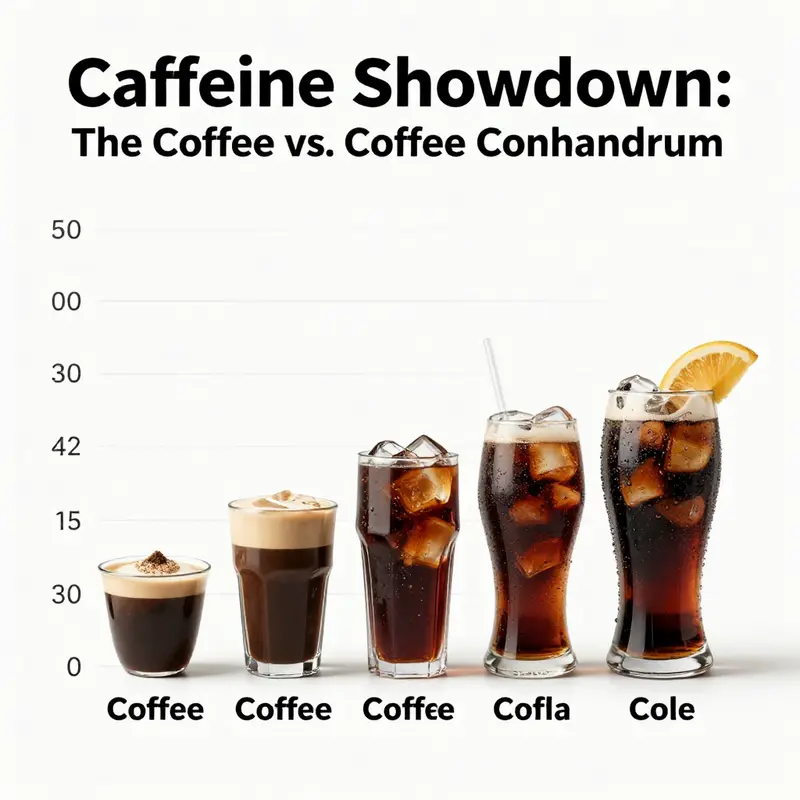
Coffee typically delivers a higher caffeine payload per serving than cola, driven by both caffeine concentration and serving size. A standard eight-ounce cup of brewed coffee contains roughly 95 to 200 mg of caffeine, depending on bean, roast, grind, and brewing method. An espresso shot of about one ounce provides around 63 mg, while a larger coffeehouse serving can easily reach 200–300 mg. This difference matters: even a single large cup can surpass the caffeine found in a can of cola by a substantial margin. As a result, coffee often acts as a robust cognitive and physical boost, especially when a schedule requires sustained attention over several hours.
Cola typically contains about 30 to 40 mg per 12-ounce can, with variation across brands and formulations. The per-serving dose is steadier and lower, which can be advantageous for those tracking daily caffeine intake or who prefer a milder lift. Sugar content also plays a role, potentially adding calories and affecting energy dynamics later in the day.
The practical takeaway is simple: coffee delivers a higher caffeine density per serving, while cola provides a lighter, more predictable lift. When planning a day, many people start with coffee to set a strong baseline and reach for cola later for a quick, lower-dose adjustment without overshooting their tolerance.
Health guidelines commonly cited by health authorities suggest a rough daily ceiling around 400 mg of caffeine for healthy adults. Within that framework, you might tally roughly two to four cups of coffee or several cola servings, depending on size and brew strength. Individual metabolism, sleep quality, and sensitivity vary, so personal pacing matters more than any one rule.
In practical terms, the caffeine gap informs how you structure your day: coffee for a strong morning anchor or long stretch of work, cola for lighter energy boosts or social moments. The key is to balance dose, timing, and personal tolerance to sustain alertness without compromising sleep or well-being.
Final thoughts
In dissecting the caffeine content of coffee and cola, it becomes evident that coffee is a dominant source of caffeine, offering substantial energy boosts crucial for both consumers and business owners. The varying levels of caffeine not only influence energy and alertness but also impact health considerations that should guide product offerings. By understanding these differences, business owners can refine their beverage selections, cater to their customers’ preferences, and ultimately drive sales. Enhancing customer awareness around caffeine intake can elevate the dining experience, ensuring safety while promoting informed choices.