
As consumers increasingly seek beverages that offer a combination of refreshment and mild stimulation, understanding the caffeine content in popular drink choices becomes crucial for businesses. Arnold Palmer Half & Half Lite, the beloved blend of iced tea and lemonade, provides a low-caffeine option appealing to health-conscious individuals. In this article, we delve into its caffeine content, nutritional overview, and how it stands in comparison to other beverages, while also examining market trends and potential health considerations relevant to consumers. By exploring these aspects, business owners can better align their product offerings with consumer preferences and make informed decisions in their beverage portfolios.
null
null
Light Sip, Mild Kick: The Nutritional and Caffeine Profile of Arnold Palmer Half & Half Lite
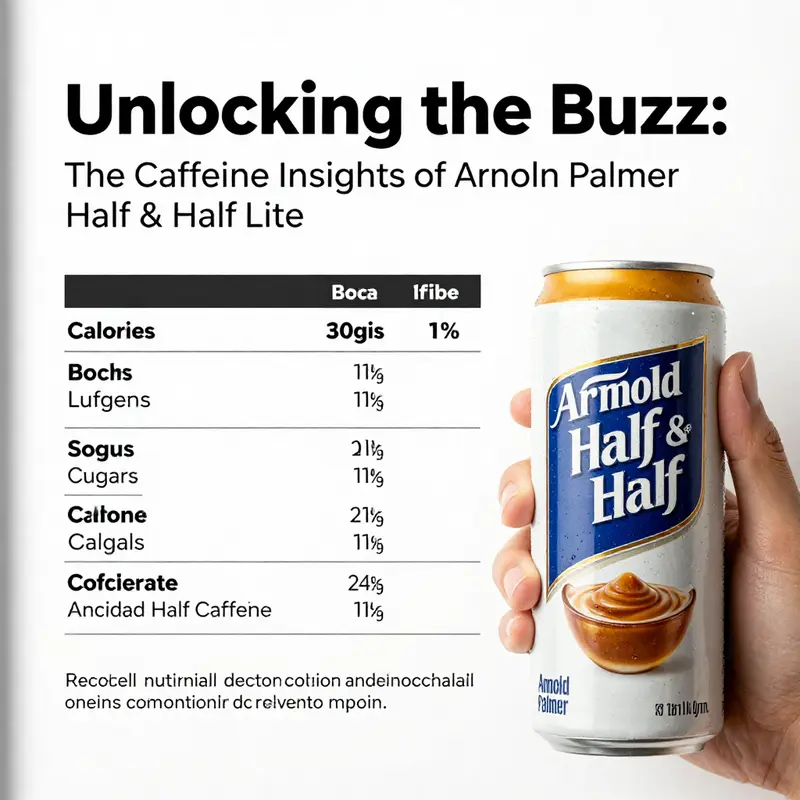
A clear picture of what’s in a refreshing glass matters. This chapter examines the nutritional make-up and caffeine presence in Arnold Palmer Half & Half Lite, placing its modest stimulant level in context and explaining what those numbers mean for everyday choices. The drink blends iced tea and lemonade, so its caffeine comes from the tea component. The published figure to remember is 1.87 milligrams of caffeine per fluid ounce, which converts to about 6.32 mg per 100 milliliters. Those two reference points let you convert caffeine quickly for any serving size.
A standard serving size commonly shown for this product is 11.5 fluid ounces. At 1.87 mg per ounce, a single serving contains roughly 21.5 milligrams of caffeine. Framed another way, a 12-ounce portion contains about 22.4 mg, an 8-ounce cup about 15 mg, and a 16-ounce bottle around 30 mg. These are modest amounts. Compare them mentally to more familiar benchmarks: an 8-ounce brewed coffee typically contains about 95 mg of caffeine. Most black teas fall somewhere between 40 and 70 mg per 8 ounces. Many sodas and energy drinks sit much higher than this beverage, too. That means a single serving of this Half & Half Lite provides roughly one-fifth of an 8-ounce brewed coffee and about half or less of a typical cup of black tea.
Calories and macronutrients are equally straightforward. One listed serving (11.5 ounces) provides 80 calories, almost entirely from carbohydrates. That serving has 19 grams of carbohydrates, and 0 grams of fat and protein. The calories come from added sweeteners or fruit concentrates used to balance the tea and lemon flavors. For people tracking caloric intake, 80 calories for a sweetened iced beverage is a light option compared with many ready-to-drink sodas, specialty coffee drinks, and bottled teas that often register far higher calorie counts.
Beyond energy and macros, the drink also delivers a notable micronutrient: vitamin C, supplying 25% of the Daily Value per serving based on a 2,000-calorie diet. That level makes it a meaningful contributor to daily vitamin C intake, particularly for those who appreciate a ready-made option with a citrus component. Vitamin C can add perceived nutritional value, and it boosts the appeal for people who want a flavorful, light beverage with a tiny nutritional upside beyond hydration and taste.
The practical implication of the caffeine level is important for daily planning. For most adults, a caffeine intake of up to 400 mg per day is considered safe by many health authorities. In that context, a single serving at about 21.5 mg is small. A person could drink several servings and remain well under typical upper limits. For caffeine-sensitive people, however, even small amounts can matter. If you are one of those who notice jitters, sleep disruption, or a faster heart rate from modest caffeine, then that 20-plus milligrams per serving may be enough to influence afternoon alertness or nighttime rest.
Children and pregnant people should be mindful. Pediatric and prenatal guidance tends to recommend limiting caffeine. Because the beverage contains caffeine naturally from tea, it is best to factor those milligrams into total daily caffeine allowances. A careful approach: count each serving as roughly 20 to 22 mg when adding up daily intake from other sources such as coffee, tea, chocolate, or some medications.
For someone using this drink as a mild pick-me-up, its low caffeine is an advantage. It offers a gentle nudge without the sharp spike and crash some experience with higher-caffeine drinks. The flavor profile—the balance of tea and lemonade—often masks the mild stimulant effect. That makes it an appealing choice for late morning or early afternoon, when you want a light lift but not the intensity of coffee or a large energy drink.
If you are tracking carbs, note that the 19 grams of carbohydrates are a material part of the drink’s calories. For those on tighter carbohydrate plans, the carbohydrates add up if multiple servings are consumed. Conversely, if calorie counting is the main goal, this beverage can fit into many moderate plans because a single serving is under 100 calories. It is not a source of protein or fat, so it doesn’t contribute to fullness in the way a balanced snack would.
A simple calculation helps to plan consumption. If your aim is to keep caffeine below 100 mg a day, you could consume about four servings and still remain under that limit. If you wanted to minimize caffeine, one serving late in the day may be acceptable for many people. If you need to avoid caffeine completely, then this beverage is not caffeine-free and should be avoided or replaced with a caffeine-free alternative.
For people mixing this drink with other caffeinated items, the sums add quickly. A morning brewed coffee and one or two servings of this Half & Half Lite will combine into a moderate total. Pay attention to smaller sources of caffeine too—chocolate, certain sodas, and even some decaffeinated teas contain trace amounts that add up.
The presence of vitamin C and a low calorie count make the beverage attractive beyond caffeine. If you want a flavorful, lower-calorie substitute for sugary sodas or richer iced beverages, this drink fits well. It offers a familiar tea-and-lemon blend with a light caffeine presence, making it a multi-purpose option for hydration, mild stimulation, or a palate change during the day.
If you want a quick reference for the caffeine numbers for this exact beverage, consult a focused resource on its caffeine content. For a concise breakdown of caffeine values, see the article on Arizona Arnold Palmer caffeine content. For official product-level nutrition details, the manufacturer’s listing gives the most current label information: https://www.amazon.com/dp/B000L6RZVQ
Mild Boost in Context: Placing Arnold Palmer Half & Half Lite Caffeine Among Coffee, Sodas, and Alternatives
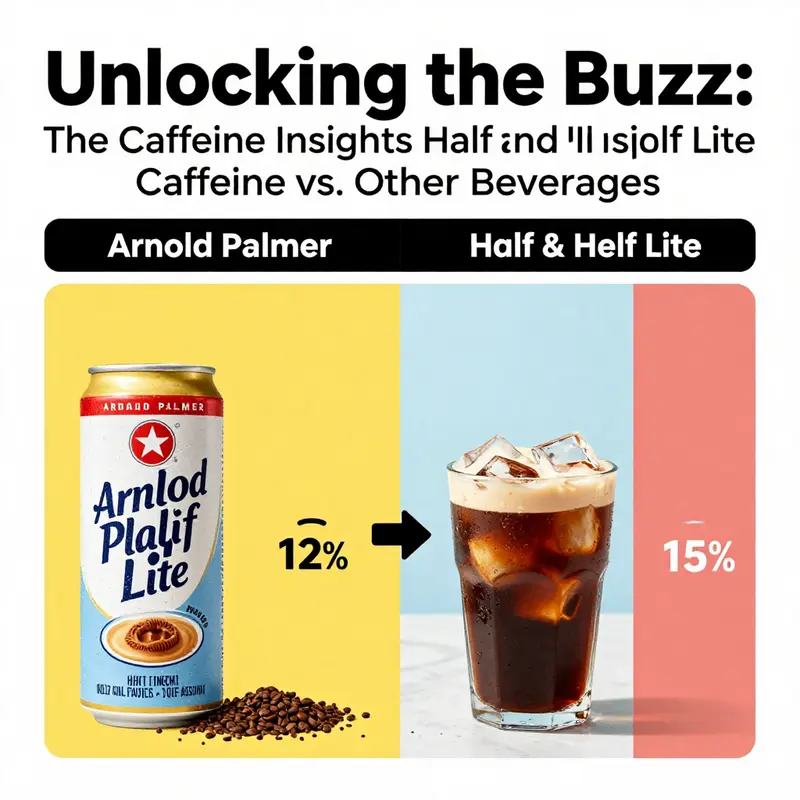
A clear-eyed comparison helps you decide when a lightly caffeinated iced-tea-and-lemonade blend fits better than a cup of coffee or a sugary soda. The product in question delivers a subtle lift rather than a strong jolt. Its caffeine concentration is listed as 1.87 mg per fluid ounce. That equals about 6.32 mg per 100 ml. Those figures make it a naturally caffeinated beverage with a low-to-moderate level of stimulant. Framing that number against common drinks clarifies its role in daily routines.
A standard brewed coffee offers a much larger dose. An eight-ounce cup typically contains around 95 mg of caffeine. Broken down, that is roughly 11.9 mg per ounce. Put simply, a single cup of coffee can deliver the same caffeine as several cans of the half-and-half blend. If you crave sharp focus or a pronounced wakefulness, coffee will provide a stronger response. If you seek gentle alertness, the half-and-half is preferable.
Sodas sit between those extremes. A twelve-ounce can usually contains about 35–40 mg of caffeine. That works out to roughly 3 to 3.3 mg per ounce. On a per-ounce basis, this iced-tea-and-lemonade blend at 1.87 mg/oz contains less caffeine than many standard sodas. Yet, per serving, the difference depends on can or bottle sizes. A twelve-ounce serving of the half-and-half yields about 22.4 mg of caffeine. That figure is lower than the soda’s typical content. The result is a drink that refreshes while offering only a light stimulant effect.
Energy drinks and formulated options change the comparison further. Those beverages often advertise large caffeine amounts and include other stimulants. Some specialty versions of iced-tea-and-lemonade blends follow that trend. One zero-calorie variant, for example, is noted to include ginseng and a higher caffeine level. While exact figures for that variant are not always published, the added ingredients signal a different intent. The formulation aims for a stronger energy lift. In contrast, the standard lite half-and-half remains modest in its stimulant profile.
Decaffeinated drinks and herbal infusions complete the spectrum. Herbal teas and decaf brews are often free of caffeine or contain negligible amounts. If your goal is to avoid stimulants, those options will serve you better. The half-and-half sits between fully caffeinated beverages and caffeine-free choices. It gives a measurable dose without approaching the intensity of coffee or targeted energy drinks.
Audience matters when evaluating caffeine levels. People sensitive to stimulants will appreciate the lower concentration. The half-and-half works well as a morning refresher for those who prefer mild stimulation. It also suits afternoon consumption. It can replace higher-caffeine drinks for people who want alertness without jitteriness. Parents or caretakers may choose it as an alternative for teens who desire a gentle pick-me-up. Still, caffeine intake should be monitored across daily sources. Sneaky accumulations from multiple beverages can add up.
Consider serving sizes and context. Caffeine effects correlate with both concentration and volume. A large bottle of any beverage can contain more total caffeine than a small cup of coffee. For example, a 20-ounce bottle of the half-and-half delivers about 37.4 mg of caffeine. That is comparable to a small or weak cup of brewed coffee. Always check the package size when comparing totals. Measuring by ounces or milliliters keeps assessments accurate.
Taste and function also influence choice. The iced-tea-and-lemonade profile offers refreshment and balance. It provides mild caffeine alongside a tart-sweet flavor. That combination suits warm-weather sipping and social settings. Coffee, by contrast, is often chosen for ritual and intensity. Sodas deliver carbonation and sweetness, which some prefer with meals. Energy drinks target performance and concentration. Selecting a beverage thus combines desired flavor and desired effect.
Health and guidelines are practical checkpoints. Most health authorities set a recommended daily caffeine limit for healthy adults near 400 mg. That amount represents tolerance for average individuals. From that perspective, the half-and-half contributes a modest portion of a safe daily total. However, people with health conditions, pregnant individuals, and children may need stricter limits. For them, the drink’s lower caffeine content may be a meaningful advantage.
Another consideration is the presence of additional active ingredients. Some beverage formulations include herbal extracts or stimulants like ginseng. Those compounds can amplify perceived energy. The basic half-and-half formulation lacks those performance-oriented additions. It therefore provides a more transparent caffeine experience. Those who want predictable effects will value the simplicity of a lower, straightforward caffeine level.
Practical use cases highlight where this drink shines. It is a good choice for slow mornings, relaxed office hours, and social gatherings where a heavy stimulant would feel out of place. Athletes or students looking for a slight edge without the crash might reach for it. People cutting back on coffee often find it an acceptable substitute. It also fits into calorie-conscious plans when calorie-free variants are selected, allowing flavor without added energy from sugar.
Finally, transparency and labeling matter. Clear caffeine metrics let consumers make informed choices. Knowing the concentration per ounce and per 100 ml allows easy comparisons across categories. It also enables planning across multiple beverages in a day. For more detailed breakdowns of caffeine in these iced-tea-and-lemonade blends, consult resources focused on beverage caffeine content. One helpful write-up covers caffeine specifics for this brand and variant and offers deeper context for comparisons: caffeine in Arizona Arnold Palmer.
For precise package information and product listings, refer to the original product detail pages. Those references provide the official per-ounce figures and labeling notes for each variant. They are useful when you must confirm amounts for specific servings or formulations. Example product information with the per-ounce figure cited can be found on retail listings and product pages: https://www.amazon.com/dp/B001T2Z6L6
null
null
A Light Lift, A Real Question: Health Considerations of Arnold Palmer Half and Half Lite Caffeine
A chilled glass of iced tea and lemonade can feel like a straightforward summer refreshment, a blend familiar enough to pass for a casual moment of rest. When a version of that blend is labeled Lite and carries a small caffeine lift, the choice becomes more nuanced. The beverage in question delivers a modest caffeine dose—1.87 milligrams per fluid ounce, roughly 6.32 milligrams per 100 milliliters. By most standards, that places it squarely in the lower range of caffeinated drinks. It is not a jolt, and it is not a tonic that promises to redefine the day. Instead, it offers a gentle nudge toward wakefulness, a touch of alertness to accompany a warm afternoon or a quiet morning routine. Yet even a modest amount of caffeine deserves consideration, especially when the goal is a lighter, calorie-conscious option that remains part of a daily pattern rather than a one-off indulgence.
To place the caffeine level in context, compare it with the familiar caffeine landscape. A typical 8-ounce cup of coffee can range from about 70 to 140 milligrams of caffeine, depending on the roast and brew method. Energy drinks often carry significantly more, sometimes well above 100 milligrams per can. In that spectrum, a drink with roughly 6 milligrams per 100 milliliters sits toward the low end. It can offer a faint lift without the pronounced jitters or the later sleep disruption that higher-caffeine beverages can cause for many people. This is the sort of product that invites mindful consumption rather than routine reliance. It is the kind of option that people may choose when they want a taste they recognize—tea and lemonade—plus a modest caffeine undertone to keep daily tasks from feeling too set in neutral.
But the reality of any caffeinated item is not just the numbers on a label; it is how those numbers fit into daily habits, health considerations, and personal tolerance. Caffeine sensitivity varies widely. For some individuals, even small amounts can provoke anxious feelings, racing thoughts, or a sense of restlessness. For others, caffeine can influence sleep quality, especially when consumed later in the day or in larger quantities. Those with anxiety disorders, chronic insomnia, or certain cardiovascular concerns may find that even modest caffeine can influence heart rate, blood pressure, or arousal levels in ways that feel uncomfortable or destabilizing. When a Lite formulation with a mild caffeine kick becomes part of a daily routine, it is wise to monitor how it interacts with sleep, mood, and energy cycles across a full day and into the night.
Guidance on caffeine intake generally points toward a daily ceiling around 400 milligrams for adults. This is a broad nutrient-safety threshold, not a one-size-fits-all prescription. It assumes a combination of coffee, tea, sodas, chocolate, and other caffeinated sources across the day. A beverage delivering about 6 milligrams per 100 milliliters contributes only a small portion of that total, but it still factors into the overall balance. For someone who already consumes multiple cups of tea or soft drinks, or who is particularly sensitive to caffeine, a Lite option like this can tip the scales in favor of restlessness, muscle tension, or sleep disruption if consumed in the late afternoon or evening. Conversely, someone who is caffeine-tolerant and who needs a mild nudge to stay attentive during a long afternoon might appreciate that small lift without feeling wired. The key is attention to total daily intake and to the body’s signals as caffeine is ingested over time.
Another dimension worth considering is what the term Lite implies beyond caffeine. In many beverages, Lite is shorthand for lower calories and, often, reduced sugar. Yet the label can be ambiguous without a careful look at the nutrition facts panel. Some Lite formulations still include added sugars or artificial sweeteners, and others may rely on sugar substitutes that affect taste and sweetness perception differently from sugar. For people who are watching calorie intake or managing blood sugar levels, this matters as much as the caffeine content. A zero-calorie claim does not automatically translate into a sugar-free experience, and it does not guarantee that a product is free from other ingredients that can influence health outcomes, such as sodium, acidity, or preservatives. The broader dietary picture matters because even small daily choices accumulate over weeks and months, shaping energy patterns, appetite cues, and dental health, among other factors.
The practical question then becomes one of everyday living. If you are balancing hydration with energy management, consider how such a drink fits with your usual hydration goals. Caffeine itself has mild diuretic effects at higher doses, but in the small amounts present here, those effects are generally negligible for people who are well-hydrated overall. The drink also plays into a broader conversation about snacking, meal timing, and caffeine timing. For instance, consuming a light caffeinated beverage with a meal can alter appetite signals and digestion in ways that differ from consuming it on an empty stomach. Listening to how your body responds—how alertness feels, how mood shifts, how sleep patterns align or misalign with the caffeine dose—will over time reveal whether this Lite option supports your daily rhythm or nudges you toward adjustment.
There is also a social and behavioral layer to consider. Be mindful of how such beverages crowd out water or how they fit into daily routines around work, study, or family life. When a drink is both refreshing and mildly stimulating, it can become a dependable, predictable part of a routine. That reliability can be advantageous, particularly for people who need a gentle, steady rhythm throughout the day. Yet it can also create a pattern where caffeine becomes more central than flavor or hydration, especially if the taste is highly appealing or if the beverage substitutes for healthier or more nourishing choices. In this sense, the Lite option is best approached as a component of a varied beverage portfolio—one that includes water, unsweetened tea, and perhaps the occasional low-sugar fruit infusion—so that caffeine remains a modest contributor rather than a daily anchor.
When thinking about these health considerations, it is useful to connect with the practical realities of label reading and ingredient awareness. The Lite designation invites reflection on what lies beyond calories and caffeine. Are there artificial sweeteners that some people prefer to avoid? Are there acidity levels that could influence dental enamel or stomach comfort, particularly when consumed alongside meals or on an empty stomach? These are not universal concerns, but they become relevant for individuals who experience sensitivity to acidic beverages or who have a history of gastrointestinal discomfort. Reading the full nutrition facts label, as well as the list of ingredients, helps translate the science of caffeine into everyday choices. It also empowers consumers to tailor their drink selections to personal health goals—whether that means reducing sugar, moderating caffeine, or simply enjoying a familiar flavor profile with a lighter footprint on the body.
For readers who want a quick reference point, a concise look at how this specific blend stacks up against other caffeinated beverages can be useful. The amount—around 6.32 milligrams per 100 milliliters—illustrates a cautious, not a commanding, caffeine profile. It sits in the spectrum where most people can drink it with little risk of caffeine overload, provided they maintain awareness of other caffeine sources and the timing of consumption. It is the sort of figure that invites personal experimentation: try one serving during a low-stress part of the day, note how you feel, and adjust the amount or the time of day if needed. If sleep quality or daytime energy becomes an issue, gradually swapping this Lite option for a fully caffeine-free alternative in the late afternoon can restore balance without sacrificing the ritual and refreshment of a familiar beverage.
In the end, the health considerations surrounding Arnold Palmer Half and Half Lite caffeine consumption—in the sense of a low-to-moderate caffeine beverage with zero- or low-calorie promises—revolve around personalized limits and mindful consumption. The drink can be part of a thoughtful approach to hydration, flavor, and daily energy. The most reliable path is to blend curiosity about caffeine with self-awareness about one’s own tolerance and health needs. If curiosity lingers about the precise caffeine figures for this class of drinks, a deeper dive into the data can provide clarity and reassurance. For a focused look into how this type of beverage is quantified, see the discussion on Arizona Arnold Palmer caffeine content.
For a deeper look into how this blend stacks up, you can explore the topic of Arizona Arnold Palmer caffeine content. Arizona Arnold Palmer caffeine content.
External resource: For an additional data point about caffeine content and its real-world measurement, see the product data listing on a major retailer’s site. https://www.amazon.com/dp/B000I5N9CQ
Final thoughts
As the beverage landscape continues to evolve, understanding the nuances of products like Arnold Palmer Half & Half Lite can provide significant advantages for business owners. Its relatively low caffeine content positions it well among health-conscious consumers seeking a refreshing drink with a mild stimulant effect. By integrating this knowledge into product offerings, businesses can more effectively meet market demands and cater to growing consumer trends. Ensuring that your inventory includes such appealing options can help distinguish your business in a competitive market, fostering customer loyalty and satisfaction.