

Understanding the caffeine content in the popular Arnold Palmer drink is essential for business owners looking to cater to diverse consumer preferences. This classic beverage, a delightful blend of iced tea and lemonade, comes in various formulations, each with distinct caffeine levels. The non-alcoholic version, often found in stores like Arizona Arnold Palmer Half and Half, contains about 1.87 mg of caffeine per fluid ounce, whereas the alcoholic Arnold Palmer Spiked features significantly higher caffeine content at 35 mg per 12-ounce serving. This article will explore three key areas: the different caffeine contents of Arnold Palmer drink variants, the health implications of caffeine consumption, and prevailing consumer preferences surrounding caffeine levels. Together, these insights will empower business owners to make informed decisions as they navigate their product offerings.
Tracing the Caffeine Footprint: How Arnold Palmer Variants Deliver Their Buzz
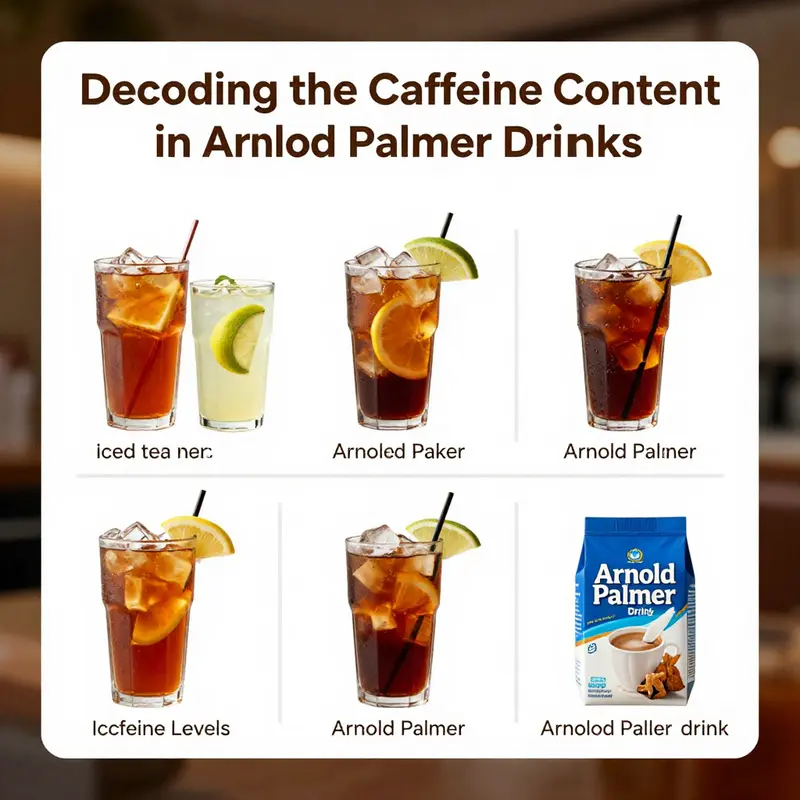
The Arnold Palmer, at its core, is a simple idea: ice-cold tea meeting lemonade. Yet beneath that is a quieter, measurable truth about caffeine that shifts with variant and formulation. When we pour a 50/50 blend of unsweetened iced tea and lemonade, the drink’s caffeine content is not a fixed badge but a variable trait shaped by the tea base, the dilution with lemon, and the presence or absence of extra caffeination. This chapter traces that footprint, connecting the dots between classic composition, half-and-half adaptations, alcoholic twists, and the caffeine-conscious choices a consumer might make when selecting among the many versions that drift in and out of store coolers.
The traditional, non-alcoholic formulation centers on tea as the caffeinated backbone. In the most widely cited classic preparation, a 12-ounce serving carries roughly 35 milligrams of caffeine. This amount arises from the tea leaf’s natural caffeine, expressed through a balanced brew that aims to maintain the familiar brightness of iced tea while marrying it to the tart brightness of lemonade. In practical terms, this means that the caffeine you taste in a classic, no-frills version of the drink is not added after the fact; it is a byproduct of the tea used as the reservoir of energy in the liquid. The exact number can vary a touch depending on how the tea is brewed—stronger or weaker infusions translate into slightly different caffeine yields—but the ballpark of about 35 mg per 12 ounces serves as a reliable guide for many standard formulations. If you are tracking caffeine intake with a tablespoon of precision, this is the level most commonly associated with the standard, traditional variant.
A different path appears when the beverage is marketed as a half-and-half or “Half & Half” style option. In many mainstream versions, the caffeine content persists because tea remains the caffeinated core, but the overall caffeine per ounce tends to be lower than the classic brew. The per-ounce figure commonly cited for these half-and-half varieties hovers around 1.87 mg per fluid ounce. When you scale that up to a typical 12-ounce serving, you arrive at about 22 milligrams of caffeine—roughly two-fifths the caffeine of the classic formulation. The math is straightforward: more lemonade relative to tea or a lighter tea infusion translates into less caffeine per serving. It is not that the half-and-half variants are caffeine-free; the tea base still contributes caffeine, it’s simply present in a smaller amount. For a reader who is trying to reconcile seemingly contradictory notes about derivatives of the Arnold Palmer, this is the key distinction: the half-and-half style is caffeine-bearing but reduced in comparison to the pure classic blend.
In the broader lineup, there are lines and labels that emphasize no added caffeine at all. These caffeine-free options are designed for audiences who want the flavor profile of a lemony tea without any caffeinated lift. In those versions, the ice-cold tea-lemonade synergy remains, but the beverage is formulated to exclude any caffeine from the tea base or added flavoring. The result is a lighter, zero-caffeine experience that nonetheless evokes the familiar thirst-quenching sensation of the original. The presence or absence of caffeine in these variants is a practical reminder that the Arnold Palmer concept travels through multiple formulations while still anchoring itself to the same bright, citrus-and-tea flavor memory.
If you move beyond non-alcoholic variants, a different kind of variant appears: the alcoholic edition. The spiked version of the drink is crafted to deliver a higher caffeine sting, but the source of that caffeine remains the tea base rather than any added stimulant. The caffeine content cited for the spiked variant aligns with the classic’s caffeine level, coming in at roughly 35 mg per 12-ounce serving. In other words, what changes with the spiked variant is not the caffeine source but the alcoholic component layered into the mix. This matters for drinkers who track caffeine intake and also want to consider other dietary and health factors, because the presence of alcohol introduces a separate set of considerations about mixing substances and how caffeine may interact with alcohol in the body. It is also noted in consumer guidance that this particular variant is not gluten-free, a detail that becomes relevant to readers managing gluten sensitivities or celiac disease. It is a reminder that even within a familiar flavor profile, dietary restrictions can shift how a product is consumed or avoided.
Across these formulations, the caffeine crest rides on a simple premise: tea is caffeinated, lemonade is not. What changes the perceived caffeine experience is how much tea is used and how the ratio of tea to lemonade is manipulated during production. A drink with a higher tea-to-lemonade ratio will feel more robust in caffeine and mouthfeel; one with a lighter tea infusion or greater dilution will feel smoother and less energizing. This is not merely about the caffeine grams listed on a label. It is about how the caffeine interacts with your own physiology and daily caffeine tolerance. For some people, 35 mg in a single serving might be a familiar, comfortable lift; for others, it might seem like a lot. In a half-and-half scenario, the same person might perceive a gentler lift, since the caffeine content per ounce is lower even as the beverage remains refreshing and flavorful. The spiked version, with its alcohol content, adds a different dimension: caffeine can shift the way the body experiences alcohol, sometimes masking fatigue and altering perceived intoxication. The interplay underlines a broader point: caffeine is not a static flavor note; it is a physiological variable that interacts with other components in the drink and with the drinker’s own metabolism.
From a consumer learning standpoint, the landscape invites attention to the labeling and the specific product page details. The caffeine content is not merely a curiosity; it informs how a person plans their day, whether they are avoiding caffeine, counting intake for health reasons, or calibrating energy levels to match activities. Into this context enters the importance of checking nutrition panels and official product pages. A quick reference on a product page can confirm whether a particular version is the classic caffeinated blend, the reduced-caffeine half-and-half, or a zero-caffeine option, and it can also indicate any special dietary notes such as gluten-free status or the absence of added caffeine. For readers who want to verify the specifics beyond memory or hearsay, contemporary product pages provide a precise numerical snapshot, often listing caffeine per serving and per 100 milliliters. This precision is especially valuable in a world where variants exist with subtly different formulations and where people may cross from one variant to another depending on the occasion.
To anchor this discussion in a practical sense, consider how a consumer could approach choosing among these options. If caffeine sensitivity is a central concern, opting for one of the zero-caffeine lines or a genuinely low-caffeine half-and-half version could be a better fit. If a person desires a robust flavor and a more energizing lift in a mid-afternoon slump, the classic caffeinated formulation—or the spiked version if appropriate and legal in their locale—might be the preferred choice. Crucially, readers should not assume that a single brand family defines all possible caffeine levels. The same flavor profile can appear in multiple formats, each with its own caffeine story. The best practice remains to read the nutrition label, scrutinize the caffeine line on the product page, and consider personal tolerance, dietary restrictions, and the intended time of day for consumption.
For readers who wish to explore a concise synthesis of the caffeine dynamics across a well-known variant spectrum, a dedicated online resource consolidates these figures and confirms the typical ranges discussed here. See arizona-arnold-palmer-caffeine-content for a compact overview and a quick reference to caffeine levels across the non-alcoholic and spiked varieties. This internal link provides a handy pointer to a data-focused synopsis without needing to navigate through multiple product pages. arizona-arnold-palmer-caffeine-content
Beyond the numbers, there is a broader narrative about how we evaluate our beverages. Caffeine is a natural component of the tea base, and its presence in the classic formulation is a reminder of how tradition shapes flavor and energy in everyday drinks. The half-and-half variant demonstrates how production choices—altering the ratio of tea to lemonade—adjust our caffeine experience while preserving the drink’s recognizable tart-sweet balance. The spiked version introduces a complexity that goes beyond flavor: alcohol changes how the body processes caffeine and how one might perceive alertness and alcohol effects together. The zero-caffeine line, in turn, shows that a drink can maintain its familiar sensory profile—weathered by lemon brightness and tea-like aroma—without the stimulating bite of caffeine at all. Each variant thus serves a different purpose and audience, reinforcing the idea that a single beverage concept can be a family of products with distinct nutritional footprints.
For researchers and curious readers alike, additional details about ingredients, nutrition labels, and ingredient sourcing can be found on the official product pages and through independent product listings. The landscape is dynamic, with new flavors and formulations sometimes appearing while older ones fade or shift in response to consumer preferences and regulatory guidance. The essential takeaway is that caffeine content in the Arnold Palmer family is not a single constant; it is a spectrum shaped by formulation decisions, and it is worth checking the nutritional information for the exact version you encounter on a given day. This is especially important when managing caffeine intake for health, sleep, or medication interactions, or when balancing dietary restrictions with the desire for a refreshing, lemon-tinged tea experience.
External resource: https://www.arizonabeverages.com/products/arnold-palmer
Caffeine, Clarity, and Consequence: Navigating the Health Implications of the Classic Tea–Lemonade Blend

Long afternoons, a sunlit porch, and that familiar blend of tea and citrus have made the iced tea–lemonade hybrid a comforting staple in many households. Its simplicity—cool tea mingling with lemon and a hint of sweetness—belies a more complex reality about what it contains and how it affects the body. The central question for most readers is not only whether this drink can quench thirst or lift mood, but how much caffeine arrives with each sip and how that caffeine interacts with other ingredients, especially sugar. The non-alcoholic version, often sold as a half-and-half, carries caffeine because its tea base is brewed from traditional caffeinated teas. The numbers vary with brand and formulation, but a representative figure for the standard, non-alcoholic variant sits around 1.87 milligrams per fluid ounce, translating to roughly 6.32 milligrams per 100 milliliters. That means a typical 16-ounce serving delivers about 30 milligrams of caffeine, give or take, depending on how strongly the tea was brewed and how large the serving is. The caffeine principally comes from the tea itself, a reminder that this seemingly simple drink is still a carryover from the caffeine-containing leaves that have powered alertness and focus for centuries. In contrast, the adult-focused, go-to variant known as the spiked version introduces caffeine in a different way. The caffeine content there is higher, with a typical 12-ounce serving delivering about 35 milligrams of caffeine. It is important to note that this level emerges naturally from the ingredients in the recipe rather than through artificial fortification. Still, the presence of alcohol adds a separate dimension to how the beverage is metabolized and how caffeine interacts with other components of the drink, and the combination can influence how the experience is perceived by the consumer. This distinction—between caffeine arising from the tea base and caffeine present in a more robust, mixed formulation—matters for anyone who is tracking daily caffeine intake, watching sugar consumption, or navigating dietary restrictions. It also shapes how consumers approach the beverage on different days or occasions, from a casual afternoon refreshment to a social gathering where multiple drinks may be consumed in a single sitting. The broader availability of these beverages in varying formulations underscores the importance of understanding caffeine content as it relates to personal health and daily routines. For readers who crave precise nutritional information, the labels on product pages and the nutrition panels offer guidance. In some instances, online retailers like a major e-commerce platform provide additional details or user reviews that can shed light on the caffeine content as experienced by real consumers. Yet beyond the raw numbers, there is a tapestry of health considerations—some rooted in caffeine chemistry, others in the sugar and acid profile of the beverage—that merit careful attention. A closer look at the caffeine figures for this classic blend reveals the capacity for moderate consumption to integrate with many lifestyles without overwhelming the nervous system in most healthy adults. Yet for some people, even these moderate amounts can be meaningful. Those with caffeine sensitivity, hypertension, anxiety disorders, or sleep concerns may notice effects at lower thresholds, and the timing of intake can be particularly influential for sleep quality and daily energy rhythms. The beverage’s sugar content also plays a pivotal role in evaluating its health footprint. A typical 16-ounce serving of the standard version can carry 30 to 40 grams of sugar, a level that, when consumed regularly, contributes to weight management challenges, insulin response, and long-term cardiovascular risk if not balanced by activity or moderated by alternative formulations. The interplay between caffeine and sugar matters, because both can influence energy, mood, and appetite in intertwined ways. Caffeine can provide a temporary lift in alertness and cognitive performance, while sugar delivers rapid energy that can lead to subsequent energy crashes. Together, they can create a cycle of short-term pleasure and longer-term metabolic considerations that readers may wish to understand more deeply. This is not to cast the drink as inherently harmful, but rather to emphasize that moderation and context determine whether its caffeine and sugar profile aligns with one’s health goals. The discussion of health implications can also benefit from integrating evidence about caffeine’s broader effects on chronic disease risk and day-to-day well-being. Some research suggests that moderate caffeine intake, particularly from beverages like tea and coffee, may be associated with certain health benefits, including a potential reduction in risk for type 2 diabetes and Parkinson’s disease. A large-scale synthesis within the field highlights that caffeine-containing beverages, compared with caffeine-free soft drinks, are often linked to more favorable cardiovascular and metabolic outcomes in several observational settings. While such findings do not establish causation, they offer a framework for understanding how caffeine, as part of a complex beverage matrix, may contribute to long-term health patterns. Importantly, the protective associations observed in some studies are not universal and can depend on the overall dietary pattern, the presence of other nutrients, and individual physiology. The tea component in the blend also carries bioactive compounds beyond caffeine that could influence health outcomes. The polyphenols and catechins present in tea are often credited with antioxidant properties and potential protective effects against certain metabolic conditions. In the context of the classic blend, it is reasonable to consider that its health impact emerges not from caffeine alone but from the combination of caffeine, sugar, acidity, and tea-derived phytochemicals. The result is a beverage with a multifaceted effect, sometimes offering a quick lift and, if consumed liberally with high sugar, contributing to longer-term health considerations. This complexity invites readers to approach consumption with nuance rather than a one-size-fits-all rule. For some individuals, a simple adjustment—such as brewing tea to a lighter strength, substituting water for part of the liquid, or choosing a sugar-free option—can preserve the beverage’s familiar flavor while reducing the cumulative sugar load and moderating caffeine exposure. A homemade rendition that emphasizes unsweetened tea, a splash of lemon, and water can deliver the same refreshing experience with a tailormade caffeine and sugar profile. The value of such adjustments becomes clearer when viewed through the lens of personal health history: a person managing hypertension might want to limit caffeine intake, while someone seeking a gentle afternoon lift may tolerate it comfortably within daily guidelines. It is also worth noting that the caffeine exposure from these beverages is not uniform across all consumers. Brew strength, tea type (black versus green, each with distinct caffeine profiles), serving size, and even the drink’s dilution with water or ice influence the final caffeine content. As a result, two people sharing the same generic label can experience subtly different caffeine effects. For those who track caffeine intake with precision, the path to accuracy runs through the product’s official nutritional information and, when available, its label data on the packaging or the retailer’s page. It is a reminder that while numbers like 15–30 mg per 8-ounce serving provide a useful range, the real-world caffeine punch depends on how the beverage is prepared and served. The broader conversation about health implications should also address daily consumption patterns and the role of sugar. A habitual habit of consuming multiple sugar-sweetened beverages over the course of a day can contribute to cumulative sugar intake that surpasses recommended limits. To set practical boundaries, health professionals commonly advise moderating daily caffeine intake to avoid sleep disruption and anxious symptoms, especially in sensitive populations. For most healthy adults, a reasonable guideline is to keep caffeine consumption within moderate levels and to monitor how beverages interact with other dietary choices. In practice, this can mean enjoying one glass of the classic blend per day in a way that keeps added sugar at a minimum or opting for a low-sugar variant or a homemade version with unsweetened tea. In the end, the health implications of consuming the iced tea–lemonade blend emerge from a balanced understanding of caffeine content, sugar load, and the drink’s overall nutrient profile. The numbers provide a useful anchor for readers who wish to quantify their intake. The broader health context invites reflection on patterns, personal tolerance, and the daily rhythm of meals and beverages. Readers who want to anchor their decisions in scientific evidence may find it helpful to consult authoritative reviews and meta-analyses that examine caffeine’s role in health outcomes. For a detailed, contemporary synthesis of caffeine questions and misconceptions, the accessible review by Antonio (2024) offers practical insights that help translate numbers into everyday choices. This chapter has aimed to integrate those insights with the concrete figures associated with the classic tea–lemonade blend, highlighting that the beverage’s health footprint is as much about sugar and serving size as it is about caffeine itself. To explore more about the caffeine content of this beverage in a real-world context, readers can refer to the dedicated page that surveys a representative caffeine profile for a widely consumed variant: Arizona Arnold Palmer caffeine content. This resource provides a tangible sense of how caffeine scales with typical servings and how it compares to other caffeinated beverages in a broader daily intake plan. For a direct look at that resource, see the internal link: Arizona Arnold Palmer caffeine content. While numbers ground our discussion, the lived experience matters too. Some people may notice a subtle lift in mood or focus after a glass, while others may experience sleep disruption if consumed late in the day. The environment, such as a warm afternoon or a stressful meeting, can amplify or dampen these effects. Understanding individual variation remains essential. In reflecting on the broader health implications, it is also useful to acknowledge the role of formulation choices. Lower-sugar or sugar-free variants can dramatically shift the beverage’s overall health profile, reducing insulin response and long-term risk factors associated with high sugar intake. The beverage still offers hydration and flavor, but with a different metabolic footprint. Meanwhile, the caffeine component remains a point of focus for those who monitor energy levels, sleep, or anxiety. The balance between caffeine and other dietary factors—like the polyphenol content from tea—often shapes the subjective experience as much as the actual milligram count would suggest. Health guidance in this space tends to emphasize moderation, portion control, and mindful consumption rather than categoric avoidance. For readers, this translates into practical steps. When scheduling caffeine-containing drinks, consider not only the amount of caffeine per serving but also how many servings you plan to have, and at what time of day. If you anticipate a busy afternoon or a late evening commitment, choosing a lighter option or one with reduced sugar can help preserve sleep quality and mood stability. If you are managing a medical condition that interacts with caffeine or sugar, consulting healthcare guidance about personalized limits becomes especially important. The richness of the iced tea–lemonade blend lies in its versatility: it can function as a simple, refreshing beverage or as part of a more nuanced nutrition plan that weighs caffeine alongside other dietary considerations. The health implications, then, are not a single verdict but a set of personalized choices shaped by individual health status, lifestyle, and taste preferences. As research continues to unfold, readers will benefit from staying attuned to both the caffeinated content of their preferred formulation and the sugar profile that accompanies it. This integrated view helps transform a familiar drink into a conscious choice that supports daily well-being while still delivering the familiar comfort of a timeless blend. For those seeking further evidence and practical guidance, the broader caffeine literature—beyond the beverage’s specific formulation—offers a helpful backdrop for interpreting these numbers. A robust resource that synthesizes common questions and misconceptions about caffeine can illuminate how to translate milligrams into real-world experiences and decisions. External reference: https://www.ncbi.nlm.nih.gov/pmc/articles/PMC10943569/.
Measured Sips: How Caffeine Levels Shape Taste and Choice in the Classic Tea-and-Lemonade Blend

Caffeine is more than a chemical tag on a label. It quietly molds experiences, influencing how a familiar, refreshing blend is perceived and enjoyed. In the world of the iconic iced tea and lemonade pairing—a blend many people recognize by its comforting balance—consumers increasingly read the caffeine line as part of the product’s overall story. The story is not just about flavor; it is about how a drink fits into a daily rhythm, how it harmonizes with sleep, exercise, and study, and how transparent information about caffeine helps people decide what to sip and when to sip it. The narrative around this particular beverage has shifted from a simple taste preference to a nuanced calculation of energy, mood, and personal health. When one considers the non-alcoholic version alongside a more adult-oriented, caffeinated variant, the differences in caffeine content become a practical guide to daily energy planning and to the broader movement toward more information-driven beverage choices.
From a scientific standpoint, the caffeine content of the non-alcoholic, widely consumed form rests at a modest level. It contains roughly 1.87 milligrams of caffeine per fluid ounce, which translates to about 6.32 milligrams per 100 milliliters. This figure places the drink in a relatively low-to-moderate range when compared with many common caffeinated beverages. It is a number that matters for people who are watching their caffeine intake, whether for sleep quality, settled energy without jitters, or a desire to keep caffeine consumption spread evenly across the day. The source of this caffeine is the tea base that forms the foundation of the blend. Tea brings with it a predictable, natural caffeination profile, one that many informed consumers want to see reflected in labeling and product descriptions. In other words, what you taste in the cup—the color, the lift, the steadiness—has a direct, measurable tie to the caffeine that tea contributes.
A distinct and important contrast arises when considering the caffeinated, adult-focused variant. For this version, the caffeine concentration rises meaningfully. In a typical 12-ounce serving, the caffeine content reaches about 35 milligrams. That is a level that can noticeably affect how the beverage sits on the palate and how it interacts with other daily caffeine sources. The hit is not the result of added caffeine crystals or artificial fortification. Instead, it emerges from the recipe’s combined ingredients that carry caffeine naturally, largely through the tea base and any other botanicals or flavor components included to round out the profile. This natural origin matters for consumers who track total caffeine intake and prefer beverages whose caffeination is a known, inherent element rather than an additive. Alongside this, it is worth noting a practical dietary detail: the alcoholic or “spiked” variant is not gluten-free. That characteristic may influence choices for individuals with gluten sensitivities or celiac disease and prompts a broader discussion about cross-ingredient risks in mixed drinks and the careful reading of ingredient lists.
The divergence in caffeine levels between the non-alcoholic version and the caffeinated, adult-oriented variant has rippling effects on consumer behavior. For some, the lower-caffeine option appeals to a sense of moderation. It offers a gentle lift, a sense of refreshment without a marked spike in energy or a late-evening buzz. For others, the higher-caffeine variant serves as a practical alternative to a light afternoon coffee or a small energy boost during a long day. The contrast invites a more deliberate approach to daily caffeine budgeting, especially for people who juggle multiple sources of caffeine—coffee, tea, soft drinks, energy drinks, and medications that contain stimulants. This is not merely about personal tolerances; it is about the way individuals structure their routines around work, study, exercise, and rest.
Demographic appeal follows the same logic of balancing flavor with function. The broader audience for this tea-and-lemonade blend is growing increasingly health-conscious and curious about ingredients that feel natural or straightforward. The non-alcoholic variant, with its tea-derived caffeine, tends to attract people who prioritize traditional flavors and a modest caffeine profile. It also tends to resonate with audiences seeking lower sugar options and clearer ingredient lists, a combination that aligns with a broader trend toward transparency in beverage labeling. The caffeinated, adult-focused variant, while appealing to a different segment, still speaks to consumers who value a natural caffeination source and a want for beverages that align with a more flexible daily rhythm—one that accommodates afternoon fatigue without heading into heavy, high-caffeine territory.
From a consumer behavior perspective, the modern marketplace for these beverages reflects a growing appetite for clarity. People want to know how much caffeine is in what they drink, in part because caffeine interacts with sleep, exercise, and daily schedules in tangible ways. Labels and product pages that clearly spell out caffeine content empower shoppers to compare options quickly and make decisions that fit their personal needs. This trend toward transparency extends beyond the numbers. It extends to the idea that a beverage’s flavor, sweetness, and overall formulation should be presented alongside its nutritional profile so that the consumer can assess tradeoffs. In practical terms, this means more consumers are reading nutrition panels, comparing per-serving versus per-ounce figures, and considering how a drink might complement or clash with other dietary choices in a given day. The push toward clarity is not merely a marketing preference; it reflects a consumer expectation for honesty in what is being offered.
An additional layer in this evolving landscape is the way information travels in the digital ecosystem. Platforms that host product pages or consumer reviews become repositories of practical questions and practical answers. People look for straightforward data about caffeine to plan their day, to avoid overlapping stimulants, or to satisfy curiosity about whether the drink can count as a reasonable coffee-like substitute in certain scenarios. This is where the nuanced, evidence-based details about caffeine content become not just a matter of taste but of daily decision-making. It also creates an opportunity for brands to respond with precise, accessible information, strengthening trust and credibility among shoppers who prize straightforward labeling and predictable experiences.
The future of this beverage category, in light of these consumer preferences, seems poised to explore more innovative directions without losing sight of the core appeal—the familiar, refreshing balance of tea and lemon. One path is the expansion of decaffeinated or low-caffeine options that still deliver the signature flavor profile. Another is a broader range of formulations that emphasize different sweetness levels, sugar alternatives, and natural flavorings that complement the tea base while maintaining a transparent caffeine footprint. When a brand signals that its products are designed with energy consciousness in mind, it invites a broader audience to consider these beverages as part of a daily repertoire rather than as occasional treats. In this sense, the caffeine narrative can serve as a bridge between taste, health, and lifestyle goals rather than a mere footnote in a flavor profile.
This evolving conversation around caffeine is not just about numbers. It is about how much information is accessible at the point of purchase and how that information shapes perception. Consumers increasingly demand clarity about ingredients, about how caffeine is sourced, and about how much of it is present in a given serving. This heightened scrutiny is healthy for the marketplace because it encourages brands to be precise, transparent, and thoughtful about formulation. It also invites consumers to engage more deeply with what they drink, to consider how a beverage fits into their daily routine, and to make choices that align with personal health and wellness aims. The result is a beverage landscape where the classic tea-and-lemonade blend continues to endure not only because of its refreshing flavor but also because its caffeine story is approachable, understandable, and closely tied to the consumer’s own rhythms.
To illustrate how this information can be accessed and interpreted in real-world settings, readers can consult arizona-arnold-palmer-caffeine-content. This reference point exemplifies how a specific source can distill the caffeine content into a concise, consumer-friendly format while still acknowledging the broader context of beverage formulation and labeling standards. The emphasis here is not on confirming a single brand’s identity but on understanding the mechanics of caffeination within a familiar beverage archetype. The takeaway for the reader is simple: knowledge about caffeine content empowers more intentional enjoying, whether one seeks a light lift or a more pronounced energy cue.
From a broader nutritional perspective, the conversation about caffeine in this blend reflects current attitudes toward caffeine and health. People are increasingly mindful of how caffeine interacts with sleep quality, anxiety, heart rate, and overall daily functioning. The preference for transparency aligns with a growing interest in personalized nutrition—how caffeine affects individuals differently based on genetics, tolerance, sleep schedule, and concurrent dietary factors. This personalized approach is reshaping how people select beverages, organize their caffeine intake, and time consumption around daily activities. In response, manufacturers are more likely to present not just a single number but often a range or per-serving context, helping consumers map out their day with more confidence.
The demographic story here intersects with the cultural moment around wellness and informed consumption. A younger cohort, in particular, tends to favor products that feel natural, that provide a clear sense of what they are consuming, and that align with a lifestyle oriented toward balance rather than excess. Among this audience, the preference for lower sugar options goes hand in hand with attention to caffeine content. The idea is not simply to reduce calories but to manage energy quality—sustained alertness without abrupt spikes or crashes. Such preferences push the market toward formulations that emphasize not only the flavor of the drink but also the predictability of its energizing effects. This is one reason why even within a single beverage archetype, there is room for a spectrum of products: some with modest caffeine and simpler ingredient lists, others with more robust caffeine profiles for specific moments in the day.
The consumer journey around this beverage is also a matter of trust. When a label clearly communicates caffeine content, it signals that the brand respects the consumer’s need for accurate information and practical planning. In the digital marketplace, this trust often translates into better guidance for shoppers as they compare options across price points, packaging sizes, and flavor variants. It also motivates manufacturers to maintain consistency from batch to batch, ensuring that a given serving delivers the expected degree of caffeination. In a climate where misinformation can spread quickly, the commitment to transparency and accuracy becomes a competitive differentiator that can build loyalty over time.
Looking ahead, the trajectory of this beverage category is likely to incorporate more experiential innovation while preserving the core identity of a refreshing, easy-to-consume drink. Decaf or lower-caffeine options could appeal to late-evening shoppers and those who intentionally limit their caffeine intake after a certain hour. Simultaneously, producers might experiment with flavor-forward blends and botanical accents that enhance the perceived energy without dramatically altering the caffeine tally. The practical challenge will be to balance flavor, caffeine, and sweetness so that the drink remains approachable for a broad audience while still offering meaningful choices for those who need to manage caffeine intake precisely.
In a landscape where choice is as important as taste, the way a beverage communicates its caffeine content matters. The modern consumer looks for honesty about the effects of caffeination and for flexibility that accommodates diverse schedules, lifestyles, and health considerations. The blend’s enduring appeal will likely hinge on this balance: a familiar, comforting flavor that can be enjoyed with a clear understanding of its energizing potential. As taste preferences evolve and information channels expand, the beverage archetype that bridges tea and lemonade will continue to adapt, reminding us that even small changes in caffeine content can ripple through how we plan our days, structure our routines, and savor moments of refreshment.
External resource for further context on caffeine and health beyond taste considerations: https://www.mayoclinic.org/healthy-lifestyle/nutrition-and-healthy-eating/in-depth/caffeine/art-20049372
Final thoughts
The insights gleaned from examining the caffeine content of Arnold Palmer drinks reveal crucial considerations for business owners. Understanding the nuances of caffeine levels across drink variants helps in catering to a wide range of consumer preferences and dietary needs. As health awareness grows, consumers increasingly seek beverages that align with their lifestyle choices, making transparency about caffeine content essential. By addressing these factors, business owners can enhance their product offerings, meeting customer demands while promoting informed consumption. Staying attuned to market trends can further position businesses favorably in the highly competitive beverage landscape.