

In the beverage industry, understanding the caffeine content of your products is crucial for both product development and consumer health. Coffee and coke are two popular beverages, each with distinct caffeine profiles that can greatly influence a consumer’s choice. This article explores caffeine content in coffee compared to coke, focusing on unit volume concentrations, total intake, potential risks of mixing beverages, authoritative guidelines on safe caffeine consumption, and the health implications of each drink. Each chapter will provide insights to help business owners make informed decisions regarding product offerings and marketing strategies.
How Much Caffeine per Sip: Comparing Coffee and Cola Concentrations

How Much Caffeine per Sip: Comparing Coffee and Cola Concentrations
在讨论咖啡与可乐的提神强度时,最关键的衡量标准之一就是单位体积的咖啡因含量。把两种饮料放在同一尺度上比较,可以更清晰地看出它们对人体的即时刺激效果。现磨咖啡与装瓶或罐装可乐在每毫升所含的咖啡因差异显著,这种差异直接决定了喝下一小口就能获得多少刺激,以及短时间内整体摄入量如何累积。
一杯12盎司(约340毫升)现煮咖啡,常见的咖啡因范围大约在95到200毫克,平均约为100毫克。相同体积的常见碳酸可乐,其咖啡因仅约32到38毫克。用每毫升来计算,咖啡的咖啡因含量通常是可乐的三到六倍。换句话说,等量的液体中,喝咖啡比喝可乐更能迅速提升血液中的咖啡因浓度,从而带来更明显、更快速的警觉和心率变化。
这个差异背后既有配方理由,也有饮用习惯因素。咖啡的制作本质上是将咖啡豆中的可溶性生物碱萃取到水中,萃取效率受研磨粗细、温度、浸泡时间和冲煮方法影响很大。浓缩咖啡如意式浓缩,在短小体积内聚集了大量咖啡因,每30毫升可含约60到80毫克咖啡因,这意味着每毫升的咖啡因密度极高。相比之下,可乐的配方以甜味和气泡为核心,咖啡因被作为一种风味与功能性添加剂,含量相对固定且低得多。
理解每毫升含量的实际意义,可以通过几个直观例子来说明。假设两个人各喝下100毫升的饮料。选择喝咖啡的人在这100毫升中可能摄入约30到60毫克咖啡因(视冲煮强度而定),而喝可乐的人仅摄入大约10到12毫克。短短几口之内,咖啡饮用者明显更接近每日推荐上限或个人敏感阈值。若用罐装可乐作为参照,一杯咖啡的咖啡因含量大致相当于2.5到3罐330毫升可乐的总和。
这种每毫升的差距对不同人群的影响也有差别。对大多数健康成年人,监管机构建议的安全上限是每天约400毫克咖啡因。在单位体积层面,摄取相同咖啡因量需要的液体总量在两种饮料之间差别很大:想要通过可乐达到咖啡带来的同等咖啡因,必须饮用许多倍的液体。这对于体积承受、血糖影响及摄入的热量都有重要意义。许多人通过大量饮用含糖饮料来提神,可能因此无意中增加热量摄入与血糖波动,而通过咖啡获取相同咖啡因,则需要更少的液体与糖分(当然前提是咖啡不添加大量糖或奶精)。
除了体积和总摄入外,吸收速度与饮用方式也塑造了实际体验。咖啡通常在短时间内完成冲泡与饮用,因此咖啡因的峰值在短时间内显现。可乐则常被作为缓慢饮用的社交饮料,持续摄入会使咖啡因进入血液的速度更平缓。对易感人群而言,突然的高峰更可能引发心慌、手抖或焦虑,而缓慢摄入会延长刺激时间但降低瞬时不适的概率。
再看标注与现实之间的差距。许多包装饮品会标示每罐或每份的咖啡因含量,但家制或现煮咖啡则难以精确标注——同一个咖啡师以相同比例冲煮的咖啡,因研磨粒度、水温或豆种不同,咖啡因含量仍会波动。相比之下,工业化生产的可乐每批次的咖啡因含量较为稳定。这一点在需要精确控制摄入量的人群中十分重要:药物相互作用、怀孕期或心血管疾病患者最好依靠可控来源来管理咖啡因摄入。
饮用习惯带来的长期影响也值得注意。用单位体积衡量,咖啡更“浓缩”,因此常常让人更容易在短时间内接近或超过个体的舒适阈值。长期依赖高浓度的提神方式,可能导致睡眠质量下降与昼夜节律紊乱。反过来,长期大量饮用可乐以获得同等咖啡因,则会涉及更多糖分摄入与相关的代谢风险。因此,选择哪种饮料不仅关乎即时提神,也关系到长期健康取向。
技术上,比较单位体积咖啡因含量也有助于判断混合饮用的风险。许多人会在同一时间段混合饮用含咖啡因的多种饮品,例如一杯咖啡加上一罐可乐或其他含咖啡因的饮料。每毫升的高浓度意味着即便体积不大,仍能显著推高总摄入。对易感人群,这会把原本安全的单杯摄入推向危险边缘。
最后,将单位体积比较转化为实际选择建议:若目标是短时强烈提神,少量现煮咖啡能在较小体积内提供明显效果。若偏好缓和、可持续的刺激,或者需要精确控制每天的咖啡因量,低含量的碳酸饮料会更容易掌控总摄入,但可能带来额外的糖分与热量成本。无论选择哪种饮料,都建议关注单次和累计的摄入量,留意个人对咖啡因的敏感性,并在需要时选择无咖啡因替代品或调整饮用时间以保护睡眠质量。
有关常见碳酸饮料与其标注咖啡因含量的数据,可以作为单位体积比较的参考依据,帮助你把理论换成直观的选择。这类信息便于在日常生活中快速估算摄入量,并据此调整饮用策略。如果想了解某些具体饮料的标注含量与常见数值,可以参考公开的厂商说明与常见数据库以获得准确数字。
内部参考:若你想阅读一篇对比不同非咖啡含咖啡因饮品的文章,可参见“Coffee vs Mountain Dew comparison”上的相关讨论以获取更多比较角度。
外部来源(示例数据):https://www.coca-cola.com.hk/zh-hk/faq
Total Intake Matters: The Caffeine Equation in Coffee vs Cola
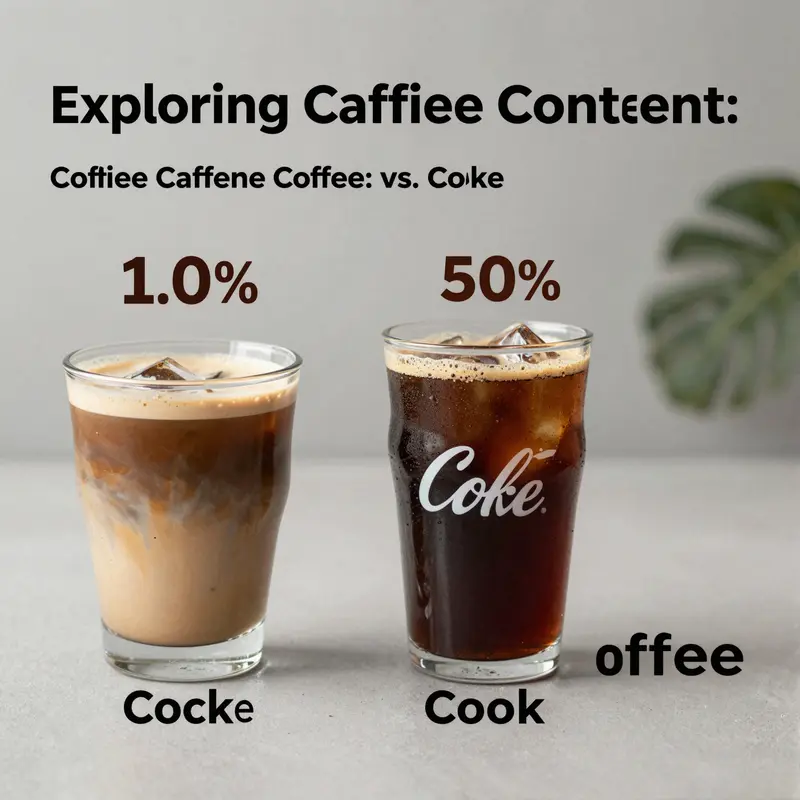
The question of caffeine in everyday beverages often centers on per-serve amounts, but the real health signal is the total daily intake. When we compare coffee and cola, the contrast is not simply a matter of who has more caffeine per glass; it is about how much caffeine you actually consume across a day, week, and month, and how that pattern interacts with sugar, calories, and your body’s own rhythms. On a volume basis, coffee drinks deliver more caffeine than a typical cola. A standard cup of brewed coffee, about 240 milliliters, usually contains roughly 80 to 150 milligrams of caffeine. Even here, there is variation: a concentrated shot of espresso, about 30 milliliters, can pack about 60 to 80 milligrams per serving, and the same general rule applies—smaller drinks can concentrate caffeine, while larger ones spread it out. In contrast, a typical 330-milliliter can of cola contains about 30 to 40 milligrams of caffeine. The implication is straightforward: if you compare a single ordinary serving, coffee commands a higher caffeine punch per ounce than cola. Yet the bigger question remains, how does this difference translate into health outcomes when we consider total daily intake and the broader nutrient load that accompanies each beverage?
Within the spectrum of daily caffeine guidelines, the accepted ceiling for a healthy adult typically hovers around 400 milligrams per day. This benchmark, echoed by major health authorities, translates into practical daily choices. The math is simple in one sense: if you rely on coffee as your primary caffeine source, you could reach that threshold with roughly four cups of brewed coffee, depending on the brew strength. If your caffeine source is cola, you would need about eight to ten 330-milliliter cans to approach the same limit. The real-world takeaway is that, while a cup of coffee may deliver more caffeine per volume, a person who drinks several cups of coffee will hit the daily limit far faster than someone who beverages multiple cans of cola, even if both patterns deliver a similar total caffeine amount over the day.
But caffeine is only part of the equation. The health impact of total intake is shaped by what accompanies caffeine in each beverage. Coffee, especially when consumed black, is nearly calorie-free and rich in bioactive compounds such as chlorogenic acids and other polyphenols that have anti-inflammatory and metabolic benefits. Some studies associate moderate coffee consumption with reduced risks of several chronic diseases, including certain cardiovascular conditions and cognitive disorders. The synthesis of antioxidants, fiber residuals from the bean, and a relatively clean metabolic profile makes moderate coffee intake appear protective for many people. Yet the flip side is clear: when caffeine becomes excessive, sleep disruption, anxiety, jitteriness, and digestive upset can follow. For those with sleep disorders, anxiety, or cardiovascular sensitivities, the same 400-milligram ceiling can feel quite restrictive, demanding careful timing and perhaps reduced caffeine sources later in the day.
Cola, by contrast, often comes with sugar as a major component in regular formulations. A standard 355-milliliter can carries around 39 grams of sugar, translating into about 140 calories that are almost entirely from added sugar. When consumed regularly, this sugar load contributes to an energy imbalance that can promote weight gain, insulin resistance, and metabolic disturbances over time. Even when sugar is reduced or eliminated in diet colas, some concerns remain. Artificial sweeteners may alter gut microbiota in ways that influence metabolism and appetite regulation for certain individuals, although the evidence is still evolving. Phosphoric acid, common in many colas, has been implicated in mineral balance perturbations when consumed in excess, which raises questions about bone health with long-term heavy intake. In this light, the health risks associated with cola extend beyond caffeine alone and into the sugar and additives that accompany it.
In practical terms, the total daily load matters more than the label of a single drink. A disciplined approach recognizes that a cup of coffee can fit comfortably within a healthy pattern for many people, provided it is consumed at the right times and without excessive add-ins. The same cannot be said for frequent, high-volume cola consumption, where the risk profile expands with each additional cup due to the combined weight of sugar, calories, and potential metabolic stress. The core message, then, is not that one beverage is categorically dangerous and the other harmless but that total intake must be contextualized within overall diet, activity level, sleep quality, and metabolic health. A single lifestyle snapshot—how many coffees or colas you drink in a day—will not by itself determine health outcomes; it is the cumulative pattern that counts.
To anchor this idea in daily life, consider a straightforward framework. If your goal is to stay within the 400-milligram-a-day guideline, you can think in terms of blocks rather than individual drinks. A high-caffeine coffee beverage may constitute one block. A couple of smaller-caffeine beverages, or a few cups of coffee with moderate caffeine content, might still fit within the same daily limit if you adjust other caffeine sources accordingly. If you choose to drink a lot of sugar-sweetened cola, the same arithmetic applies, but with the added pressure of higher caloric intake and metabolic load. For people who are caffeine-sensitive, pregnant, or managing cardiovascular risks, the margin for error narrows, and the strategy shifts toward lower total caffeine or caffeine-free alternatives.
From a public health perspective, reducing overall sugar and refined-calorie intake often yields clear benefits, and this intersects with caffeine choices. A simple recommendation that captures the spirit of the evidence is to prioritize beverages that deliver caffeine with a favorable nutrient profile—coffee with minimal extras—while limiting sugar-laden soft drinks. For those who are particularly mindful of weight management or glucose control, alternating with zero- or low-calorie options and focusing on hydration can help align caffeine intake with broader health goals. The overarching principle is not to demonize caffeine itself but to place it within a balanced daily rhythm that supports sleep, mood, and energy without triggering adverse effects.
For readers seeking a broader perspective on how caffeine fits into daily life, a companion piece on the overall role of coffee in health can provide useful context. See the broader discussion at coffee-life. This related exploration helps connect the caffeine conversation to everyday choices, sleep patterns, and lifestyle habits that shape how much caffeine your body actually metabolizes and tolerates. As you navigate these choices, it is helpful to keep in mind that one variable—total intake—often trumps the per-serving comparison. The goal is a sustainable pattern that preserves alertness and enjoyment without tipping into discomfort or chronic risk.
From a regulatory and scientific standpoint, it is reassuring to anchor your decisions in established guidance. The U.S. Food and Drug Administration and other authorities emphasize that healthy adults can tolerate caffeine up to a recommended daily limit, while also acknowledging individual variability. The practical takeaway remains simple: treat total caffeine intake as the key determinant of risk, and tailor daily beverages to maintain energy, sleep, and metabolic health rather than pursuing extreme per-serving comparisons. In this light, coffee’s higher per-volume caffeine content does not automatically translate into greater risk if consumed thoughtfully, while cola’s lower caffeine per sip can accumulate to substantial exposure when intake becomes frequent and plentiful. The conversation then centers on sustainable patterns, mindful timing, and an awareness of the broader nutrient load accompanying each drink.
For readers who want to consult the regulatory baseline directly, a primary external reference is the FDA caffeine resource, which outlines safe intake ranges and content estimates for foods and beverages: https://www.fda.gov/food/food-additives-petitions/caffeine
当咖啡遇上可乐:混合饮用的隐性风险与身体负担

将一杯热腾腾的咖啡与一罐冰凉的可乐放在一起,表面看似无害,甚至对部分人来说是一种口味的冒险。但从咖啡因与其它成分叠加的角度来看,这种组合可能带来超出预期的生理影响。本章围绕混合饮用咖啡与可乐的风险展开,解释为何叠加的咖啡因并非简单相加,以及长期或短时间内大量混合饮用会如何影响心血管、消化、代谢与特定人群的安全边界。我们用清晰的逻辑把各类风险串联起来,帮助读者在实际选择饮品时做出更有信息的判断。
从最直接的层面说,混合饮用的首要问题是咖啡因摄入量的累积。单杯美式咖啡通常含约80至150毫克咖啡因,常用的参考值一杯约100毫克;一罐330毫升的可乐含约30至40毫克。把两者合并饮用,很容易在短时间内将摄入量推高到140毫克甚至更高。如果再加入浓缩咖啡或多罐碳酸饮料,数值更快逼近或超过权威建议的每日上限400毫克。需要注意的是,身体对咖啡因的反应并非线性——短时间高剂量摄入会引起更明显的急性反应,如心悸、焦虑和睡眠紊乱,而这些反应对已有心血管疾病或对咖啡因敏感的人群尤为危险。
咖啡因主要通过中枢神经系统与心血管系统发挥作用。它能阻断腺苷受体,导致清醒感和注意力提升,但同时可能加速心跳、提高血压并引起心律不齐。对于大多数健康成人,偶一为之并不会造成长期伤害,但混合饮用使单次或短时间内的总剂量增加,便提高了出现严重不适的概率。临床报告显示,单次摄入超过200毫克的个体更容易出现心悸与手抖等症状;若在短时间内频繁重复同样的摄入行为,心血管负荷会叠加,心率和血压的波动可能诱发更复杂的心律问题。
除了咖啡因本身,混合饮用对胃肠道的刺激也不容忽视。可乐中的碳酸会在胃中迅速释放气体,增加胃内压力,造成腹胀与打嗝;咖啡中含有的单宁酸和绿原酸则能刺激胃黏膜并促进胃酸分泌。两者同时出现,会使胃酸过多与胃黏膜受损的风险上升,特别是空腹饮用时表现更明显。长期如此,可能加重或诱发胃炎、胃食管反流病(GERD)以及相关的不适症状。冷热交替的饮用习惯——例如热咖啡搭配冰可乐——会造成胃部血管的快速收缩与扩张,进而引起胃肠痉挛或腹泻,这一点在有胃肠敏感史的人群中应尤为警惕。
代谢与骨骼健康层面的影响往往是在长期混合饮用下显现的。大多数常见可乐含糖量较高,单罐约含35克左右的糖分,经常与咖啡一起饮用会使每日糖摄入迅速累积。长期糖分超标会增加肥胖、胰岛素抵抗与糖尿病风险。此外,可乐中所含的磷酸与咖啡中的某些多酚类物质可能干扰钙的吸收,长期高频率摄入这类组合对骨密度不利,尤其影响青少年骨骼发育与更年期女性的骨骼健康。再者,两者均有一定利尿效果,混合饮用时利尿作用会增强,若在高温或运动后未及时补水,更易导致轻至中度脱水,影响体力与代谢稳定性。
并非所有人对混合饮用有相同耐受性。孕妇、儿童与青少年、咖啡因敏感者、心血管疾病患者以及正在服用某些药物的人群风险明显更高。对于孕妇而言,许多权威机构建议将每日咖啡因摄入控制在200毫克以下,因为超过该阈值与流产或早产风险增加相关。儿童与青少年神经系统尚在发育阶段,咖啡因可能影响睡眠、注意力与情绪稳定。对一些常用药物而言,咖啡因的代谢会被抑制或延缓,导致体内浓度升高,从而放大不良反应或药物副作用。这些特定人群在面对咖啡与可乐的组合时,应采取更严格的限制或完全避免。
风险管理并不等于要完全否定混合饮用的体验,而是提倡以信息为基础的选择。首先应控制总量,把每日咖啡因摄入控制在权威推荐范围内。将两者分开饮用、避免在短时间内同时摄入,是减少急性反应的简单方法;建议间隔至少两小时以上,给身体时间代谢已摄入的咖啡因。避免空腹饮用可以减少对胃黏膜的直接刺激,也能降低胃酸分泌的峰值。如果希望减少风险但又想保留口感或提神效果,可以考虑低因咖啡、无糖或低糖的碳酸饮料,或用草本茶与柠檬水作为替代饮品。对那些对咖啡因特别敏感的人,切换到不含咖啡因的饮品更为稳妥。
最后,了解并关注身体信号至关重要。出现胸闷、持续头痛、明显心悸、呼吸困难或严重消化不良时,应立即停止饮用并寻求医疗帮助。对长期高频混合饮用者,最好定期评估血压、血糖与骨密度等指标,必要时咨询专业医生或营养师,制定个性化的饮用策略。
为便于进一步阅读与信赖判断,可参考权威机构关于咖啡因安全摄入的指南与审查性文章,了解更多科学依据与风险阈值。也可以查看关于碳酸饮料与咖啡因比较的资料,帮助把握不同饮品在成分与影响上的差异,例如关于不同软饮与咖啡中咖啡因含量的比较说明。外部权威参考:Mayo Clinic 的咖啡因摄入指南,提供了明确的每日上限与个体差异考量(https://www.mayoclinic.org/healthy-lifestyle/nutrition-and-healthy-eating/in-depth/caffeine/art-20049372)。内部延伸阅读可参考关于可乐与同类饮料的咖啡因比较,帮助理解市售碳酸饮料与咖啡的含量差异(https://coffeerichlife.com/blog/caffeine-in-mountain-dew-vs-coke/)。
总体而言,混合饮用咖啡与可乐并非少见,也不必完全回避,但需要对叠加效应保持敏感。量与频率决定风险大小;对敏感群体而言,少量也可能不安全。把握摄入总量、调整间隔与选择替代品,是将这种饮用习惯变得更安全的有效策略。
咖啡因的分量对比:从咖啡到可乐的安全摄入与健康边界
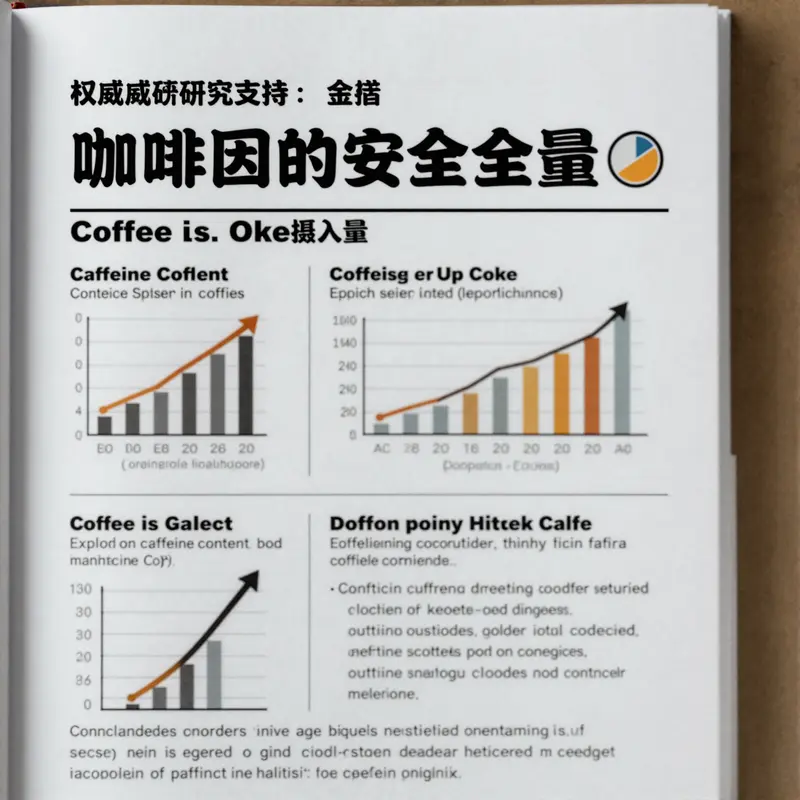
咖啡因在日常饮品中的作用像一个看不见的调速器。它不是越多越好,而是需要在体质、健康目标和日常节奏之间取得平衡。本文先从两类常见来源谈起:咖啡和碳酸饮料。对多数成年人来说,描述性地说,咖啡的咖啡因含量显著高于普通可乐,尽管可乐的单位体积也不容忽视。具体数字可以帮助我们勾勒轮廓:一杯常规现磨美式咖啡,约240毫升,通常含有80至150毫克咖啡因;而浓缩类饮品一杯30毫升的意式浓缩,其单位体积的咖啡因密度更高,大致在60至80毫克之间。也就是说,即便体积较小,单杯的咖啡因输入量往往不容忽视。相比之下,一罐330毫升的标准可乐,其咖啡因含量通常在30至40毫克之间。若把这两组数据放在同一尺度下比较,咖啡在单位体积上的咖啡因浓度显然更高,总摄入量方面,一杯咖啡通常远超一罐可乐。
这组对比并非冷冰冰的数字,而是直接关系到日常选择与健康边界。以日常摄入为参照,健康成年人每日的安全上限通常被设定在400毫克咖啡因之内。这一阈值不是任意设定,而是来自权威机构的综合评估,考虑普通成人的安全下限和个体差异。理论上,成年人一天可以饮用约4杯常规咖啡,或者大约8至10罐同容量的碳酸饮料而未必触及上限。
但现实往往更复杂。混合饮用需要警惕。当同一天摄入咖啡与可乐时,总咖啡因量会叠加,对某些人群更易引发不适。如若一杯咖啡配上一罐可乐,总摄入量可能落在约110至190毫克之间,接近或超过某些敏感人群的安全阈值。对对咖啡因敏感者、孕妇、心脏病患者或睡眠障碍人群,这样的组合风险尤为显著。因此,健康教育和营养指南往往强调“量”的管理。
个体差异也很重要。咖啡因的代谢速度在人群之间存在显著差异,孕妇在妊娠晚期的半衰期甚至可能延长至约15小时,这意味着同样的摄入量对她们的影响时间会更长。儿童与青少年的摄入量上限也更低,成人建议的400毫克并非对所有人都合适。普通成年人在日常活动中应尽量将咖啡因分散摄入,而不是集中在短时段。偶有一次性高强度摄入不致命,但长期重复超量可能带来睡眠干扰、焦虑、心悸等不适,夜间或工作日尤需谨慎。
在制定个人饮品选择时,了解单位体积与总量的关系非常有用。很多人习惯用“每天喝多少杯咖啡”来设定目标,但若同时摄入茶、能量饮料或混合饮品中的咖啡因,总量可能超出预期。因此,关注标签上的每份含量,明确日常总摄入量,是更稳妥的做法。若需要进一步比较不同碳酸饮料中的咖啡因水平,可以参考一个权威英文来源:https://www.fda.gov/food/food-additives-petitions/caffeine
从日常生活的餐桌角度看,结论也较为直接:咖啡的咖啡因含量在单位体积和单杯量上都高于可乐。换言之,在同等体积下,咖啡更容易接近每日安全上限;在同等总量下,饮用多杯普通咖啡的体验与多杯碳酸饮料的摄入效应并不完全等同。为保持工作日的高效与晚间睡眠的平衡,建议把总摄入控制在400毫克的广泛界线之内,并结合个人健康状况、妊娠状态或儿童成长阶段进行个性化调整。
一个可行的策略是量化管理:将咖啡因摄入分散到一天中,午后若需要提神可选低咖啡因或无咖啡因的替代品;晚间尽量避免含咖啡因的饮品。这样的做法并非否定咖啡的积极作用,而是对睡眠、情绪和心血管健康更负责任的选择。
如果你需要进一步核对全球性指南,可以查阅权威机构的公开数据。外部参考:FDA 对咖啡因的安全摄入量与食品中咖啡因含量的权威数据,相关页面提供了具体摄入限值与风险提示:https://www.fda.gov/food/food-additives-petitions/caffeine
The Caffeine Divide: Reading the Spark Between Coffee and Cola

Caffeine is a simple molecule with outsized effects. It wakes the mind, sharpens attention, and nudges the body’s signals toward alertness. Yet the everyday drinks that carry caffeine into our routines deliver that spark in very different ways. When we compare coffee and cola, the contrast is not only about taste or tradition. It is a window into how caffeine behaves in the body, how it interacts with sugar and other dietary components, and how our chosen pattern of consumption translates into real health risks or benefits. In this chapter, we move through the numbers, the physiology, and the everyday choices that shape how caffeine influences daily life, with a clear eye on safety thresholds that have become the baseline for adult consumption in many health guidelines. The aim is not to vilify one beverage or to sanctify another, but to illuminate what a typical serving actually contributes to daily caffeine exposure and what that means for sleep, mood, digestion, and long-term health. And to keep the discussion anchored in solid data, we lean on established lab measurements and the position statements of recognized health authorities that frame caffeine as a substance with both benefits and potential drawbacks when used in excess.
To begin with the most tangible difference: caffeine content per serving. A standard cup of brewed coffee—about 240 milliliters—tends to carry roughly 80 to 150 milligrams of caffeine, with widely varying figures depending on the roast, grind, grind size, and brew method. A shot of espresso, despite a smaller drink size of around 30 milliliters, concentrates caffeine enough that a single shot typically contains 60 to 80 milligrams. If you track caffeine by volume, coffee outpaces cola in a straightforward way: cola, in a typical 330-milliliter can, contains about 30 to 40 milligrams of caffeine. The difference is not merely a matter of taste; it is a difference in the potential signaling your nervous system receives across the day.
Framed this way, the contrast becomes even starker when we consider daily intake limits. For most healthy adults, the recommended ceiling is around 400 milligrams of caffeine per day. That is a practical guardrail that informs how many cups of coffee or cans of cola one might reasonably consume without crossing into a zone where sleep disruption, sleep quality decline, or other symptoms begin to show up for many people. Translating the ceiling into everyday choices means that a person could theoretically drink about four cups of coffee or roughly eight to ten 330-milliliter cans of cola across a day, assuming no other caffeine sources are contributing. The math is simple, but the lived experience is not: caffeine effects vary with body weight, tolerance, sensitivity, genetics, and whether other ingredients accompany caffeine in the beverage. In other words, the same number of milligrams can feel quite different depending on who is drinking and when.
The situation becomes more complicated when people mix beverages. A common concern is the practice of combining coffee with cola—often called, informally, a “coffee-and-cola” or similar concoction. Even modest combinations can nudge total caffeine toward the upper end of safe ranges for sensitive individuals. For example, a cup of coffee paired with a cola could yield roughly 110 to 190 milligrams of caffeine, depending on the precise beverages chosen and their strengths. For someone with a predisposition to anxiety, heart palpitations, or sleep disturbances, that additional caffeine can push symptoms from tolerable to noticeable. It is not about a single instance of indulgence; rather, the risk emerges when these patterns become habitual and extend into evenings, night shifts, or days when caffeine is relied upon to offset fatigue. The health implications, of course, are nuanced and depend on many variables, but the basic arithmetic remains a useful guide: keep an eye on total daily caffeine intake and avoid letting beverage choices stack up in ways that compound exposure.
Beyond the caffeine count, it is essential to understand how the body metabolizes caffeine and how timing matters. The caffeine half-life—the time it takes for half of the ingested caffeine to be cleared from the bloodstream—typically falls in the range of four to six hours for most adults. That means a coffee consumed in the late afternoon can still be circulating when bedtime approaches, potentially interfering with sleep onset and sleep architecture, even if daytime wakefulness feels enhanced. Sleep disruption, in turn, can create a cascade of effects on appetite, mood, cognitive performance, and metabolic regulation. The greater the habitual caffeine intake, the more room there is for sleep to be affected, particularly in individuals who are naturally light sleepers, work late shifts, or carry a degree of caffeine sensitivity. In contrast, cola’s caffeine content is lower per serving, but its influence is not trivial, especially when consumed in larger volumes or in combination with other stimulants or sugar. The distinct physiological signatures of coffee and cola emerge not only from caffeine alone but also from the accompanying compounds—bitters and oils in coffee, carbonation and acidity in cola, and the sugar or artificial sweeteners that often pair with these beverages.
Sugar, a prominent feature of many colas, introduces another dimension of health risk. A typical mid-size cola contains substantial amounts of added sugars, and a larger 500-milliliter serving can deliver around 50 grams of sugar or more. This sugar load, when consumed regularly, contributes to caloric excess and metabolic stress that are linked to obesity, type 2 diabetes, and cardiovascular risk in population-level analyses. When we assess health risks, the comparison between coffee and cola expands beyond caffeine content into the broader nutrient profile of each beverage. A simple cup of black coffee—unadorned with sugar or cream—delivers caffeine and minimal calories, while cola brings a dose of sugar and calories that accumulate even when caffeine is modest. Of course, many people customize both drinks with additions that alter their health impact: sugar and cream in coffee, or sugar-free formulations in cola; these choices, while common, reframe the risk profile in nuanced ways.
From a public health perspective, the key difference in risk signals lies in the dominant exposure each beverage tends to deliver. Coffee’s potential downsides are most pronounced when caffeine exposure becomes excessive, particularly for those who are sensitive to stimulants, pregnant, or managing sleep disorders or certain heart conditions. The potential benefits—improved alertness, mood, and some metabolic advantages—have been documented in various studies, especially with moderate consumption, up to the 400-milligram daily ceiling. The science supports cautious enthusiasm: for many adults, moderate coffee intake is associated with lower risks for several chronic diseases, including type 2 diabetes and liver disease. Yet the flip side is real. High caffeine intake can increase jitteriness, cause sleep disruption, and, in some cases, provoke gastroesophageal symptoms or palpitations, especially when consumed in large quantities or close to bedtime.
Cola, by contrast, presents a different but equally relevant set of concerns. The caffeine dose is smaller per serving, so a single cola rarely triggers the same acute stimulant effects as a single cup of coffee. The greater health signal tends to be the sugar content and the caloric burden. Chronic, high-sugar cola consumption is linked to weight gain, insulin resistance, and metabolic syndrome in broader dietary patterns. In this light, cola’s health risks are less about the caffeine spike and more about the sugar load and the frequency of consumption. Some people choose sugar-free versions, which reduces sugar-related risks but maintains caffeine exposure. Others may rotate beverages to curb both caffeine and sugar intake, which can create a balance that supports better sleep and metabolic health. The overall message is that caffeine exposure is a central thread in both beverages, but the health signals diverge once you account for sugar, calories, and consumption timing.
To weave a practical takeaway from this comparison, consider how caffeine content translates into daily routines. If your goal is reliable mental focus with minimal calorie impact, brewed coffee—prepared with a straightforward method and consumed without added sugar—offers a potent but relatively clean stimulant with the benefit of minimal extra calories. If you prefer a lighter caffeine lift or are seeking a refreshing, lower-calorie option, cola may fit in occasionally, but with a strong caveat: the sugar burden accumulates with frequency. For those who must watch blood sugar, weight, or sleep, the prudent approach is to separate caffeine from sugar as much as possible and to reserve caffeine for earlier daytime hours. The broader principle remains: know your total daily caffeine exposure, respect your body’s signals, and choose beverages that align with your health priorities rather than simply your momentary craving.
In the spirit of broader exploration, a related discussion on how caffeine behaves across different drinks can be found in related work at coffee-rich-life. This piece offers a wider lens on how caffeine interacts with lifestyle choices, providing a useful context as you weigh coffee against other caffeinated options. As you chart your own path through the landscape of beverages, it helps to keep a simple rule in mind: caffeine is not just a number on a label; it interacts with timing, other dietary components, and individual physiology to shape daily energy, sleep, and long-term health.
For readers who want a regulatory perspective on safe caffeine intake, the official guidance remains clear and widely cited. The U.S. food safety authority emphasizes that healthy adults should limit daily caffeine to about 400 milligrams, a benchmark that grounds personal decisions in a robust public health framework. This boundary is not a prescription to fear caffeine but a practical line to avoid overstimulation and sleep disruption while still enjoying the benefits caffeine can offer when used thoughtfully. As with any nutrient or stimulant, moderation, awareness of total intake, and attention to individual responses form the foundation of a sensible approach. The conversation about coffee versus cola, then, becomes a conversation about how to balance alertness with rest, how to manage calories and sugars, and how to align daily beverage choices with personal health goals rather than with taste alone. The numbers lay the groundwork, but the daily choices determine the living pattern.
External resource: https://www.fda.gov/food/food-additives-petitions/caffeine
Final thoughts
Understanding the differences in caffeine content between coffee and coke is essential for business owners in the beverage industry. Whether devising marketing strategies or ensuring product compliance with health guidelines, these insights can help position your brand effectively in a competitive market. Prioritizing consumer health alongside quality offerings can not only enhance brand loyalty but also contribute toward a more informed clientele.